 Attractions
  Hotel
Hotel  Restaurant
  Shopping
  Abroad





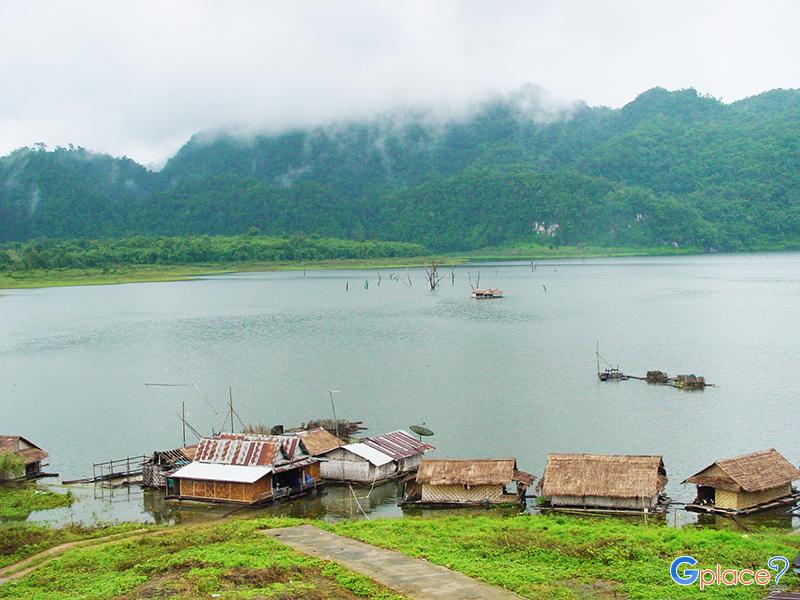

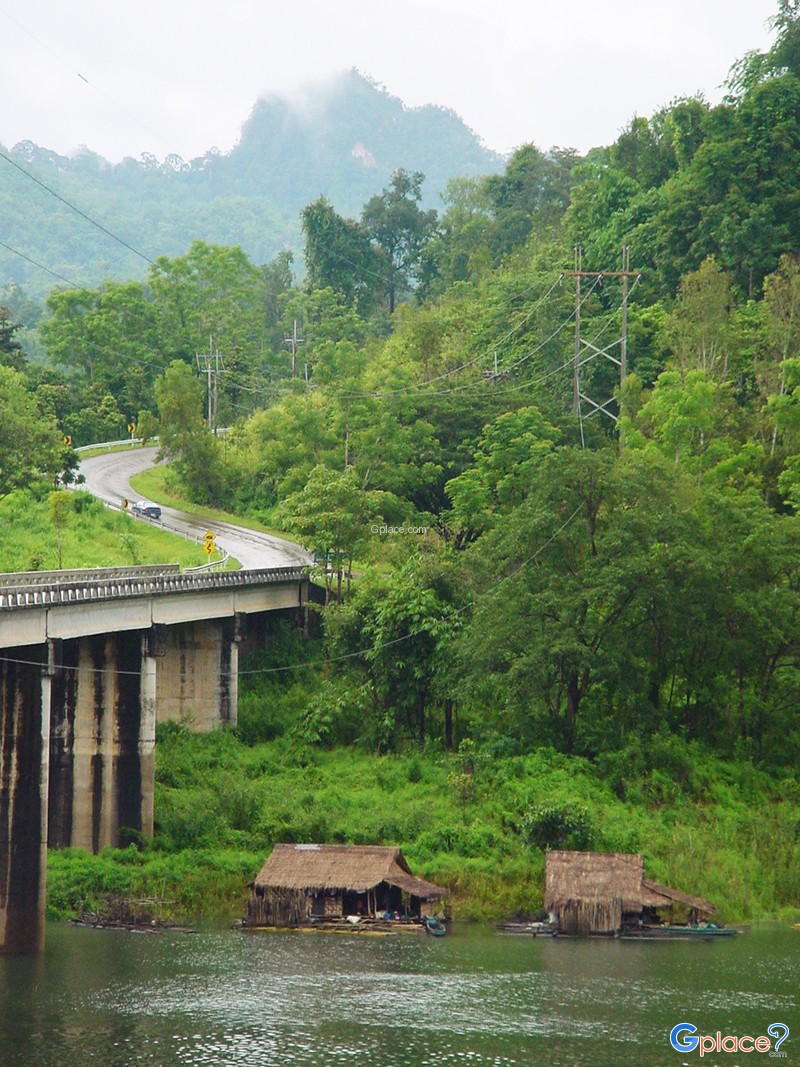
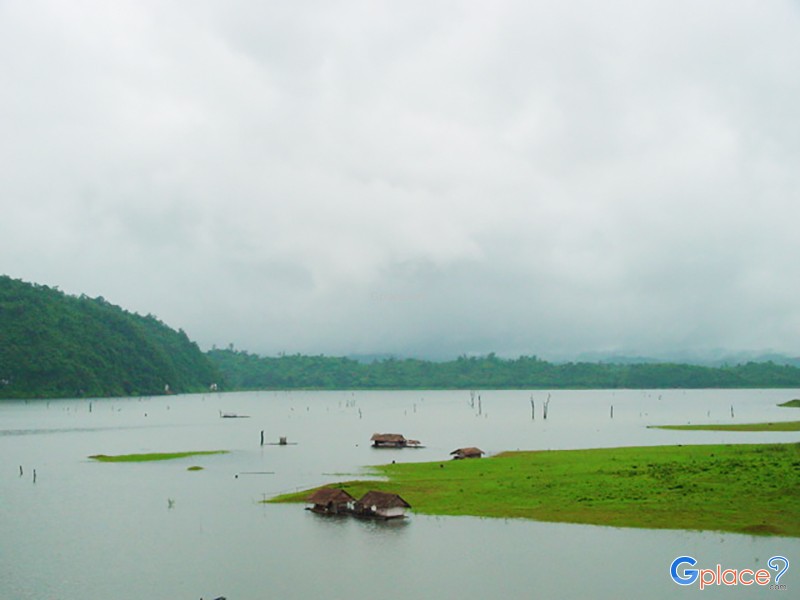
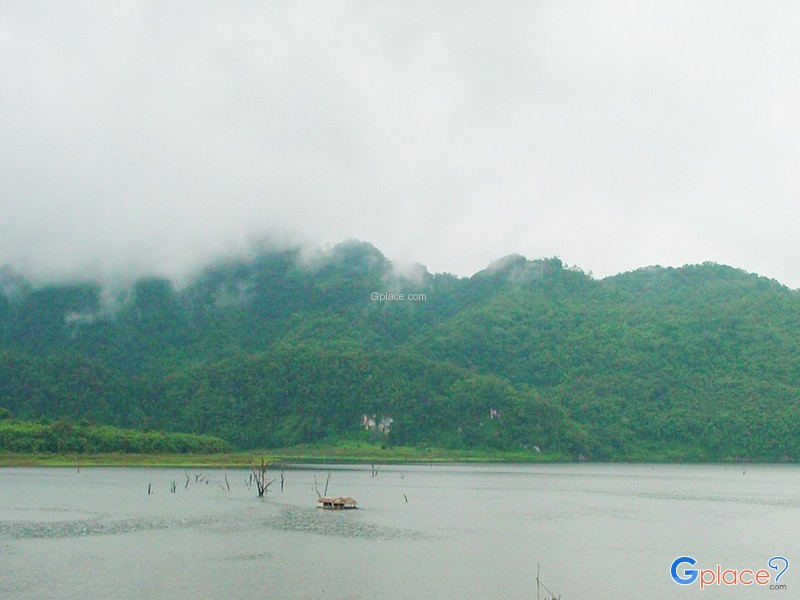
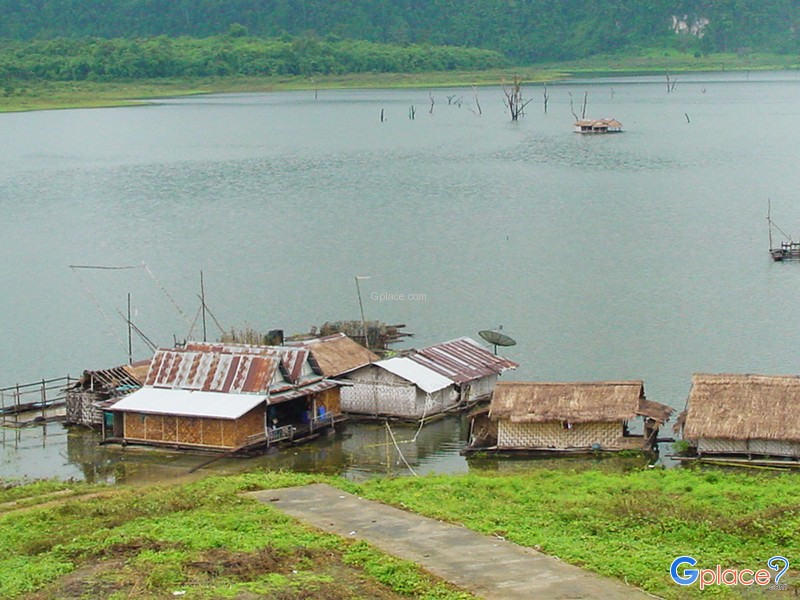
“A lush World Heritage forest, the source of Three Rivers, featuring rich biodiversity, rare wildlife, and ethnic cultures living harmoniously within Western Thailand's mountains.”
Sangkhla Buri Forest in Kanchanaburi Province is a vital part of the Western Forest Complex, one of the largest protected areas in Southeast Asia, encompassing several national parks and wildlife sanctuaries along the Thai-Myanmar border. The Sangkhla Buri forest connects to the Thungyai Naresuan Wildlife Sanctuary to the west and Khao Laem National Park to the west, resulting in a remarkably pristine environment and a crucial habitat for many rare wildlife species.
The topography of Sangkhla Buri forest is predominantly mountainous, part of the Tenasserim Range, characterized by deep valleys, long ridges, and numerous headwater streams. Some areas remain largely unaffected by industrial development, preserving a complete ecosystem and high biodiversity. The forest comprises evergreen rainforests, dry evergreen forests, mixed deciduous forests, dipterocarp forests, as well as bamboo forests and natural grasslands distributed across varying altitudes and topography. This diverse forest types contribute to a natural balance and support a large number of living organisms.
This forest area is a crucial headwater source for several rivers, including the Songkalia and Ranti rivers, and various tributaries that flow into the Vajiralongkorn Dam. The Sangkhla Buri watershed system plays a vital role in ensuring water security for Kanchanaburi and surrounding areas. Furthermore, it helps maintain climate balance, reduces soil erosion, and serves as a large carbon sink for the country. The lush forest also helps retain moisture in the surrounding area, making Sangkhlaburi's climate cooler than many other areas in western Thailand.
In terms of wildlife, Sangkhlaburi forest is one of the most important regional wildlife conservation areas, especially for large mammals such as wild elephants, tigers, leopards, gaur, red cattle, tapirs, and Asiatic black bears, as well as various species of hornbills found in the western forests of Thailand. Conservationists consider the Western Forest Complex one of the most important areas in Southeast Asia with a naturally occurring tiger population, due to its large and interconnected forest area, allowing wildlife to move and breed naturally.
Beyond its unique ecosystem, the Sangkhlaburi forest area is also closely related to the lifestyles of ethnic communities, particularly the Karen and Mon people who have settled along the border for generations. These communities have a culture and wisdom intertwined with the forest, including the use of medicinal herbs, traditional shifting cultivation, and a balanced reliance on natural resources. This way of life has become a key part of Sangkhlaburi's identity and reflects the enduring relationship between humans and nature.
Tourism activities in the Sangkhlaburi forest area include nature walks, boat trips to explore the headwater forests, camping, and ecotourism. Many tourists enjoy visiting waterfalls and nature trails hidden within the forest, such as Takian Thong Waterfall, Kliti Waterfall, and nature trails near Khao Laem National Park. The best time to visit is from the end of the rainy season to the cool season, between October and February, as the forest is lush, the weather is cool, and the waterfalls have a beautiful volume of water.
Although some areas of Sangkhlaburi are open to tourists, many areas remain under the control of a wildlife sanctuary, which has strict regulations to protect natural resources. Hiking or camping on some trails requires prior permission and must be accompanied by a local guide or officer to prevent negative impacts on the ecosystem and enhance tourist safety, as much of the area remains pristine natural forest with abundant wildlife.
How to Get There
- From Kanchanaburi town, take Highway 323 (Kanchanaburi-Thong Pha Phum-Sangkhla Buri) for approximately 215 km. The road is mountainous and winding; drive with caution. For most trekking points, contacting park rangers or local guides is required.
Travel Tips
- Visit during the late rainy season or winter for lush green scenery.
- Wear trekking shoes with good grip for slippery trails.
- Carry a raincoat even during the cool season.
- Wear long sleeves and long pants to prevent leeches and insects.
Admission Fees:
- Varies by location (Standard National Park rates)
- Thai Adults 40 THB, Children 20 THB
- Foreigners Adults 200 THB, Children 100 THB
Opening Hours:
- 08:00 AM – 04:30 PM (Overnight camping requires prior permission).
Sangkhlaburi Forest

 Share
Share
 T.Nong Lu, Prang Phlo, A.Sangkhlaburi, Kanchanaburi, 71240
Map
T.Nong Lu, Prang Phlo, A.Sangkhlaburi, Kanchanaburi, 71240
Map
 Closed today
Mon8.30 - 16.30
Tue8.30 - 16.30
Wed8.30 - 16.30
Thu8.30 - 16.30
Fri8.30 - 16.30
Sat8.30 - 16.30
Sun8.30 - 16.30



 1388
1388