 Attractions
  Hotel
Hotel  Restaurant
  Shopping
  Abroad






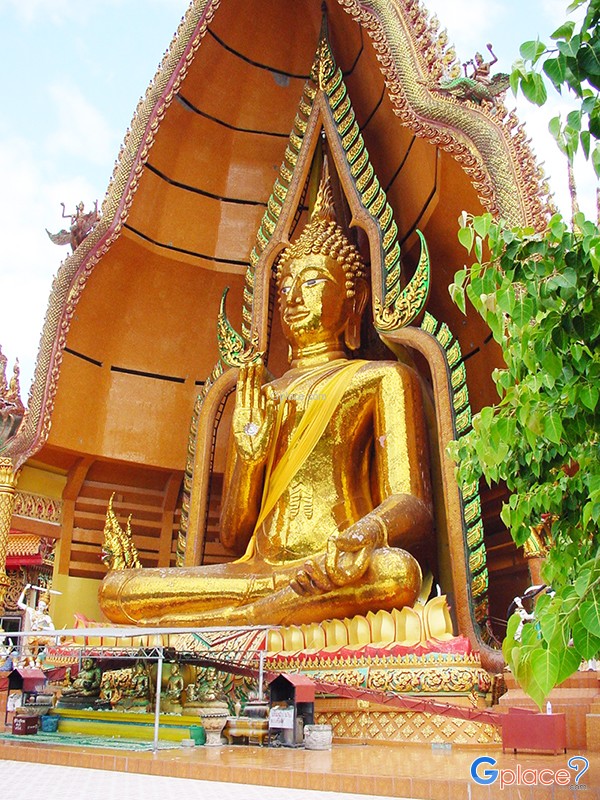
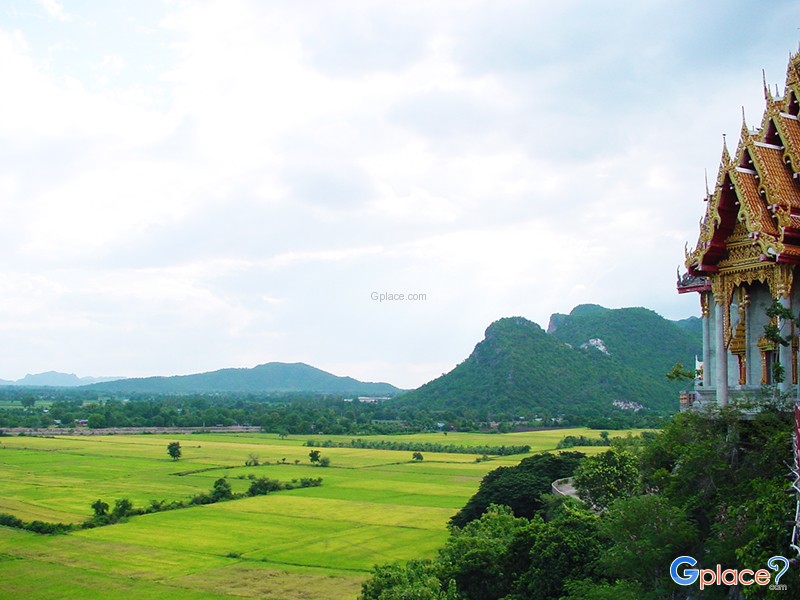
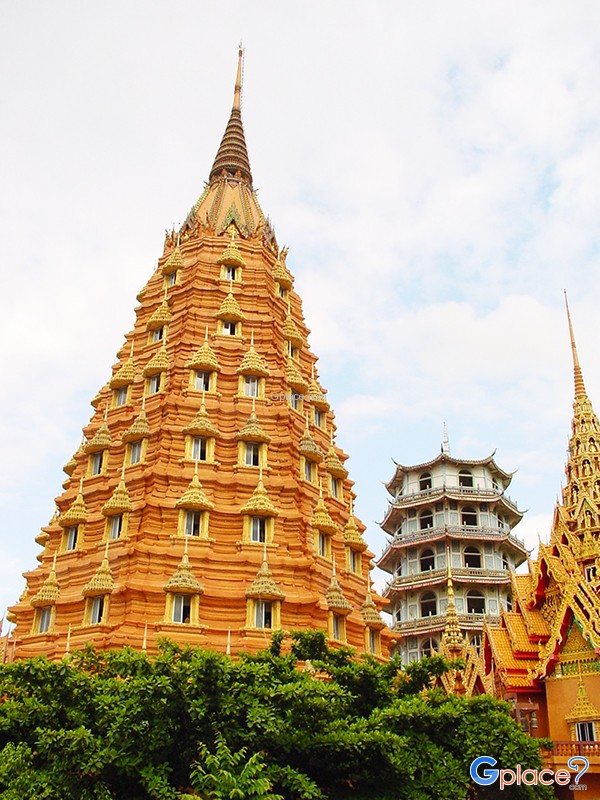
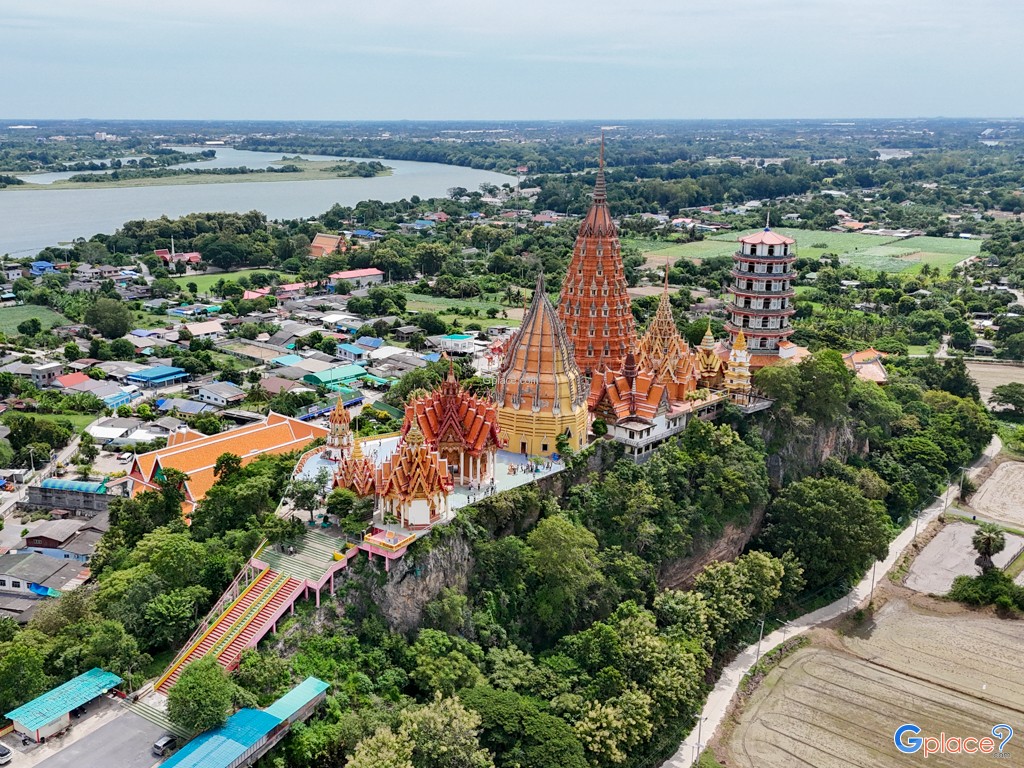
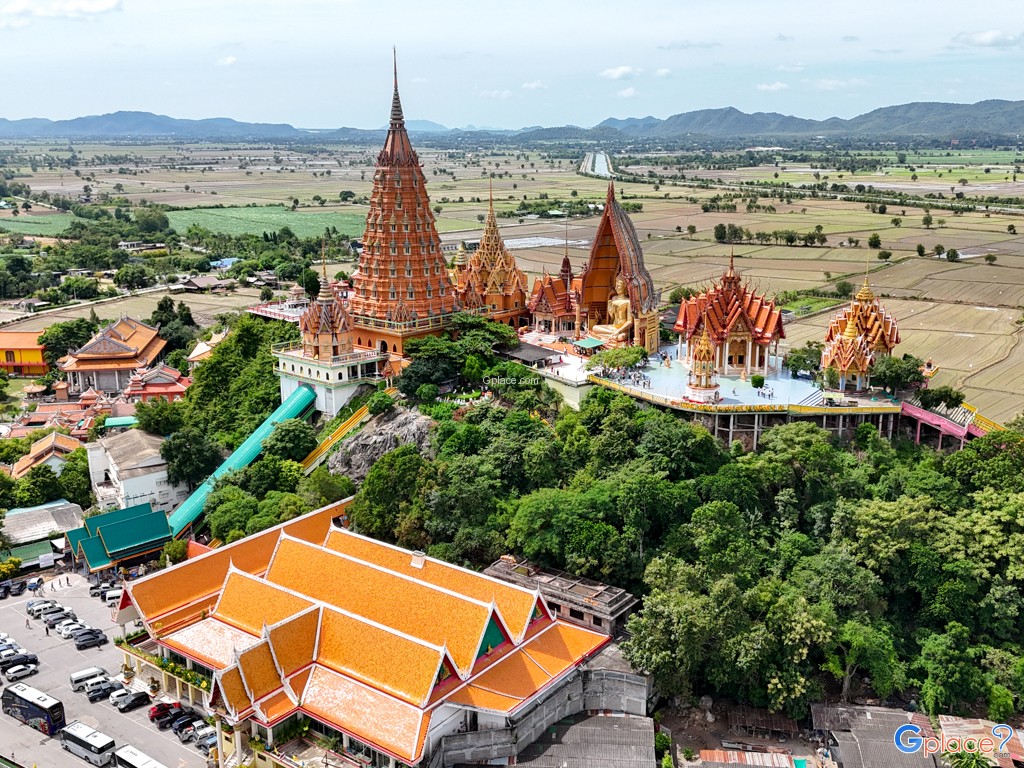

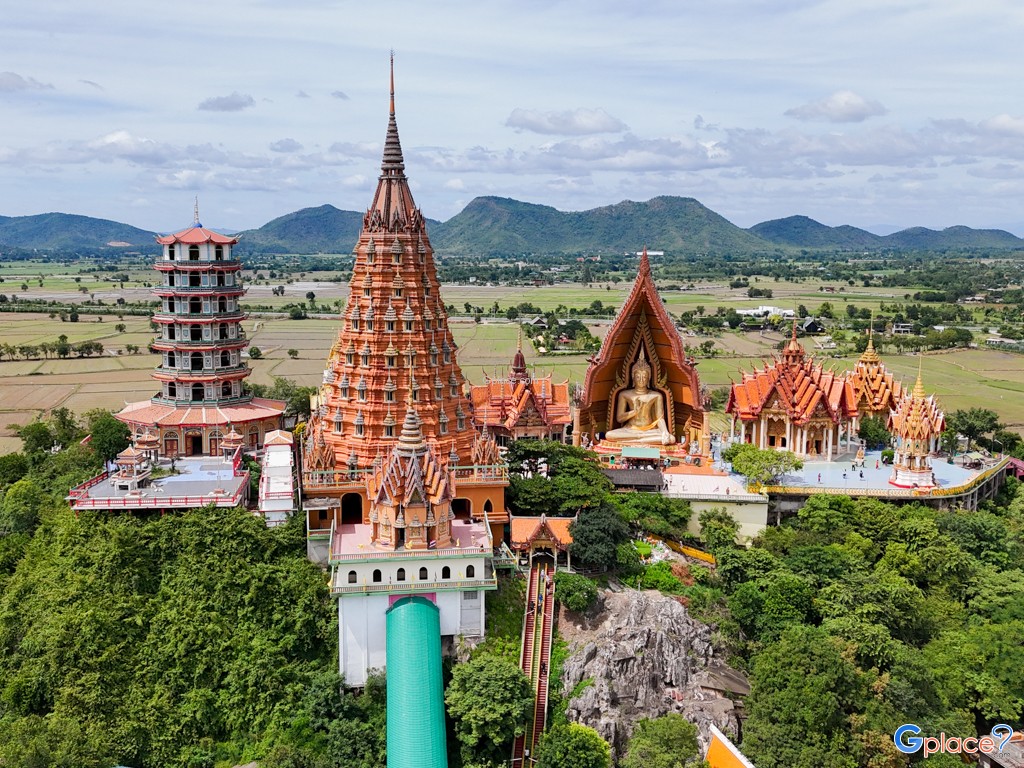

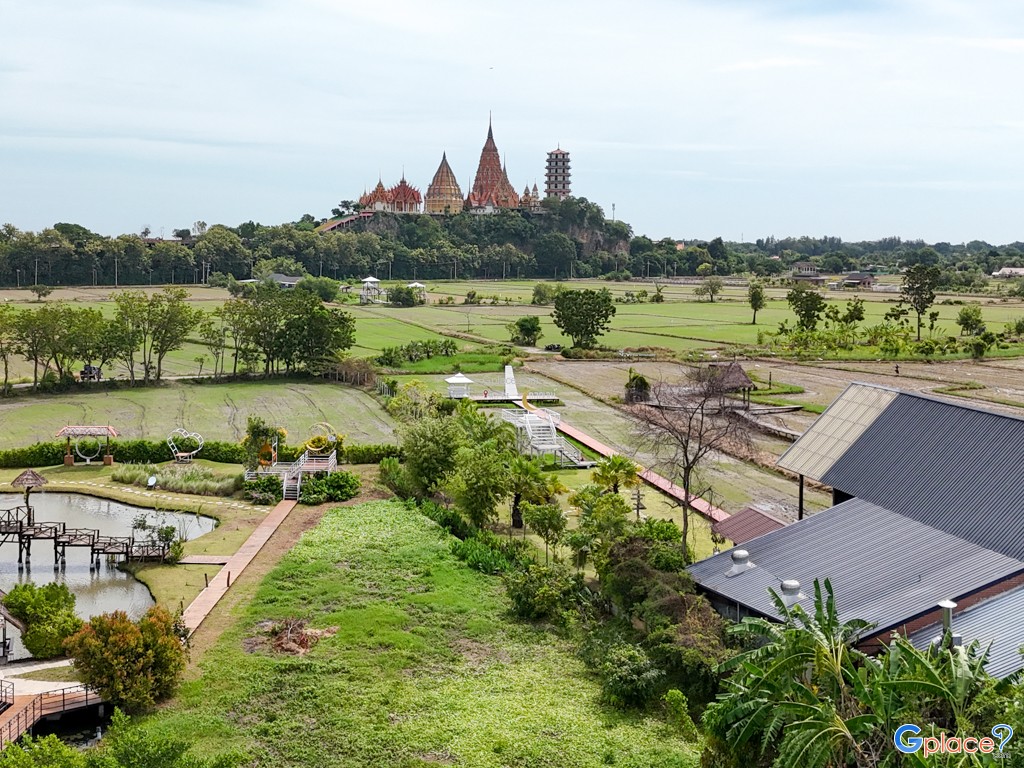
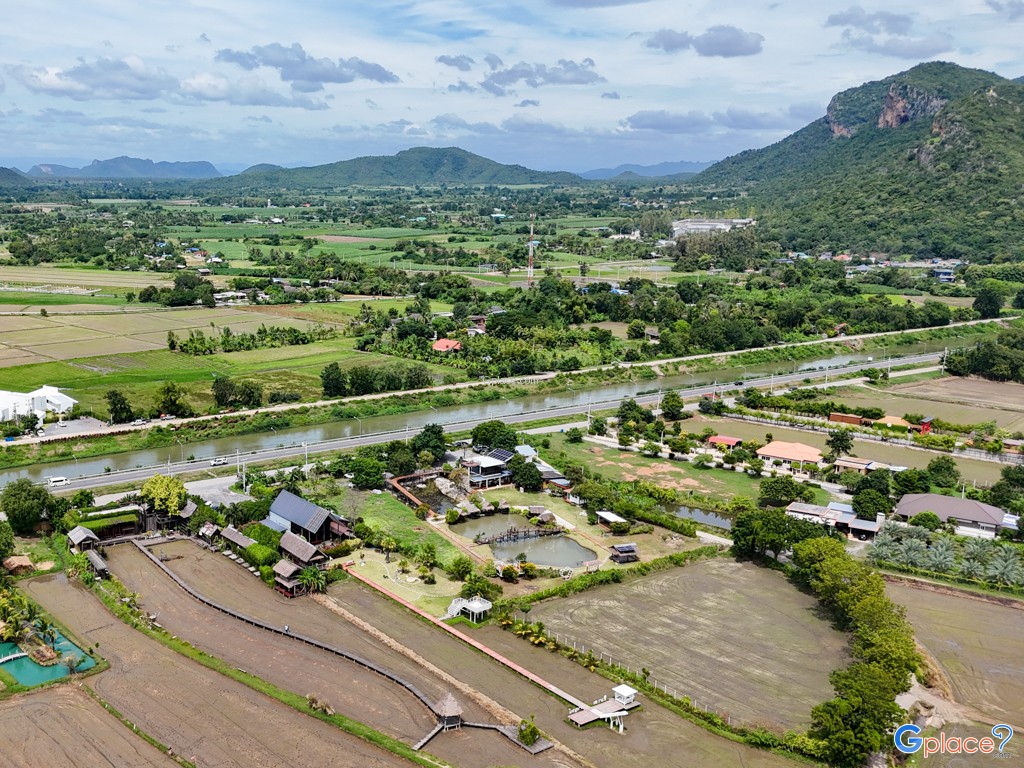

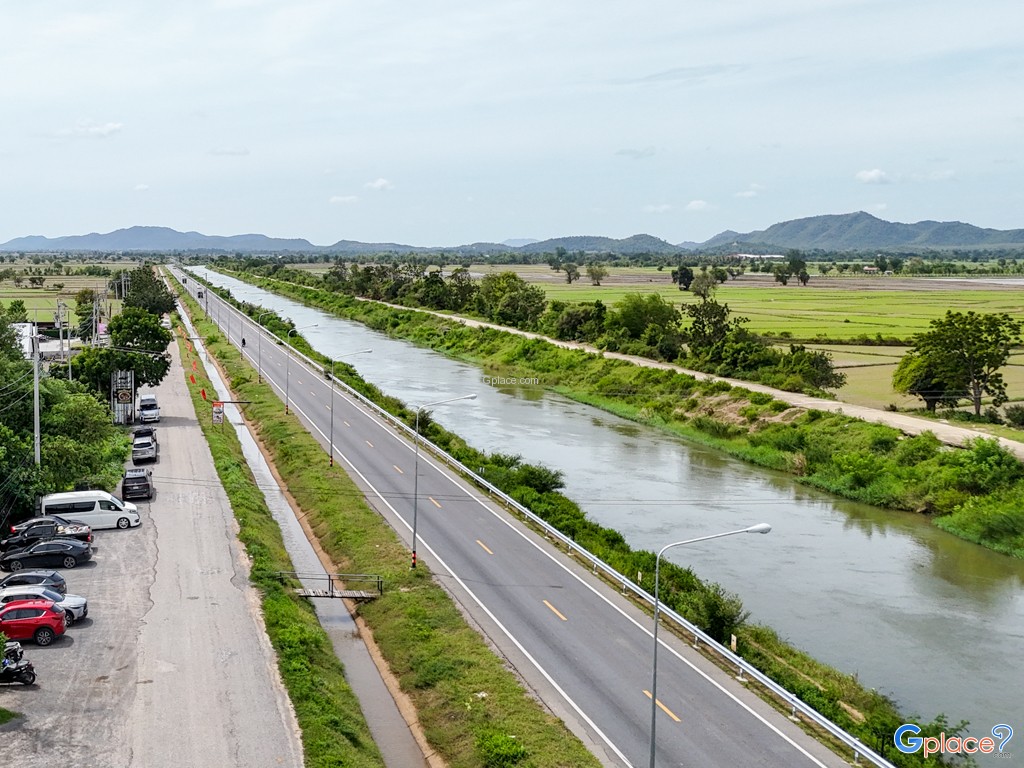
“Wat Tham Suea is famous for the giant Luang Pho Chin Prathan Phon Buddha image, the 9-story Phra Chedi Ket Kaew Maha Prasat, and the spectacular rice-field scenery of Tha Muang District.”
Wat Tham Suea (Wat Tham Suea) is one of the most famous and most visited temples in Kanchanaburi Province. Situated on a hilltop in Tha Muang District, it began as a small monastic residence in 1971 (B.E. 2514) before being continuously developed into an important center of faith and cultural tourism destination in Western Thailand as seen today.
The temple derives its name from a cave that was once inhabited by tigers in the past. As a result, it became known as “Wat Tham Suea” (Tiger Cave Temple) and has retained this name ever since. The original cave area remains a sacred site where visitors come to pay respects. Within the grounds are Buddha images representing each day of the week, a replica Buddha footprint, and several important Buddha images that devotees worship for good fortune and blessings.
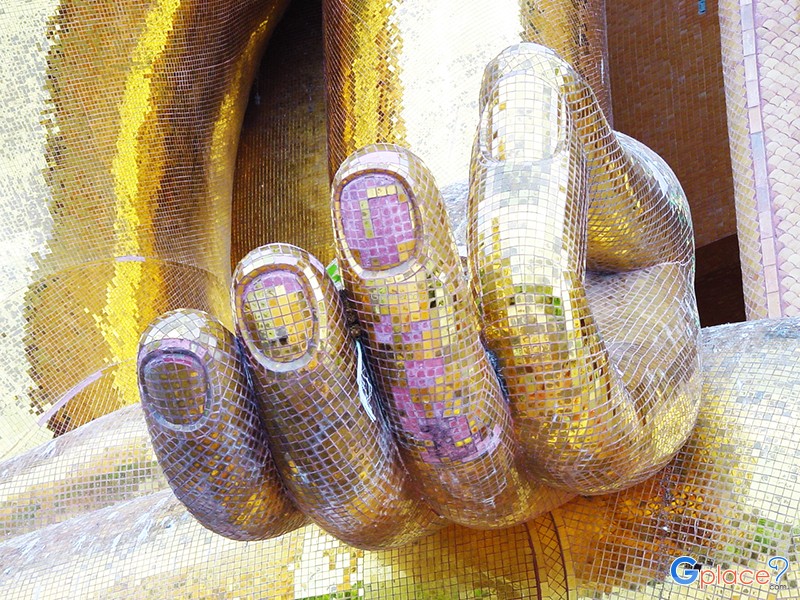
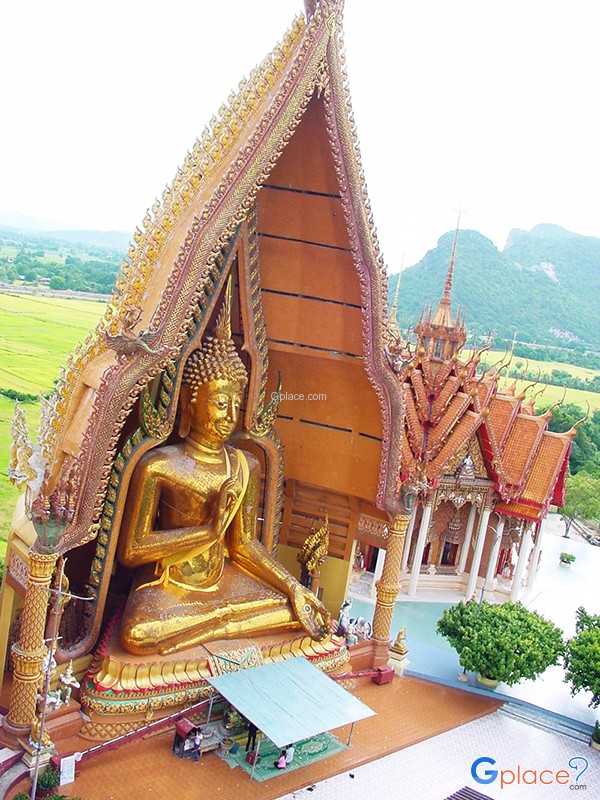
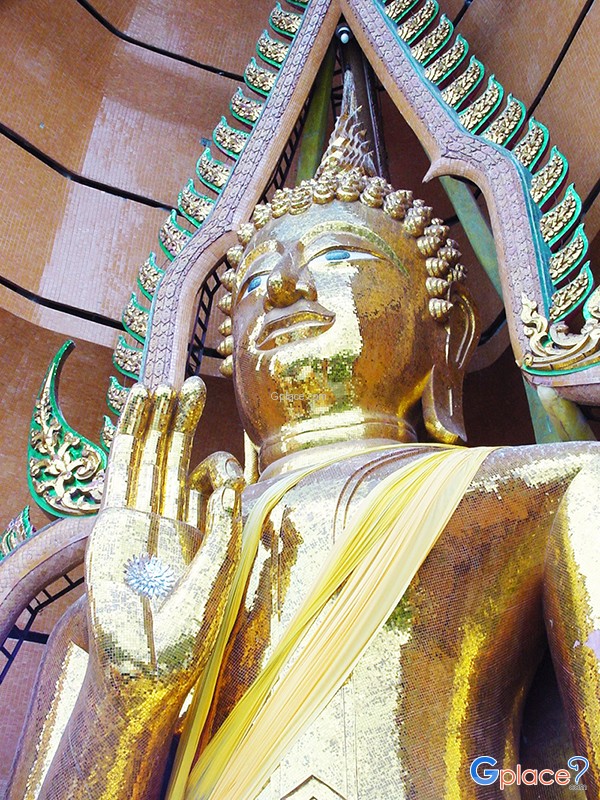
The temple’s most prominent landmark is “Luang Pho Chin Prathan Phon”, a giant Buddha image in the blessing posture. It is considered the largest Buddha image in Kanchanaburi Province, standing over 18 meters high with a lap width_ of more than 10 meters. Constructed from reinforced concrete and covered entirely with golden mosaic tiles, the image sparkles brilliantly when sunlight reflects upon it. Visible from several kilometers away, it has become an iconic symbol of Kanchanaburi Province.
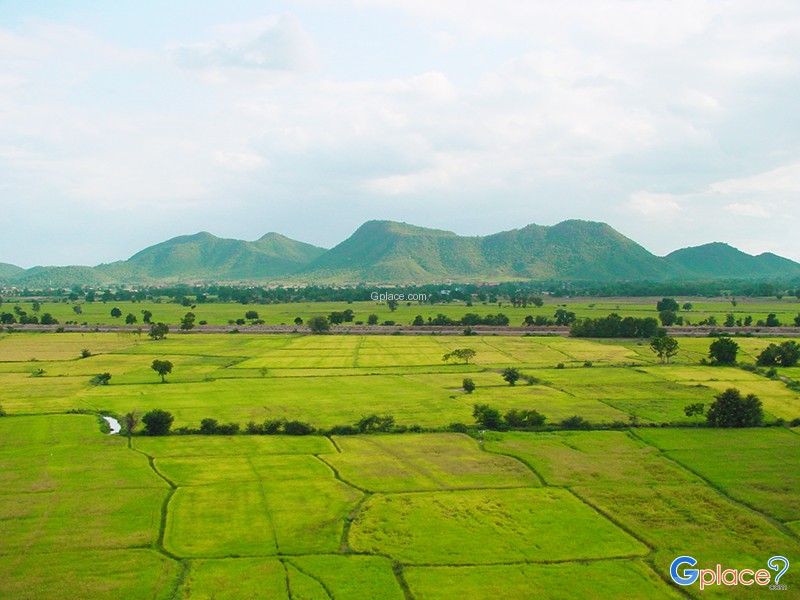
In front of Luang Pho Chin Prathan Phon is a large ceremonial courtyard used for religious activities and gatherings. It is also a popular viewpoint where visitors can enjoy panoramic vistas of the Mae Klong River Basin and the vast agricultural landscapes of Tha Muang District. During the rice-growing and harvest seasons, the scenery transforms into magnificent expanses of vibrant green and golden fields.
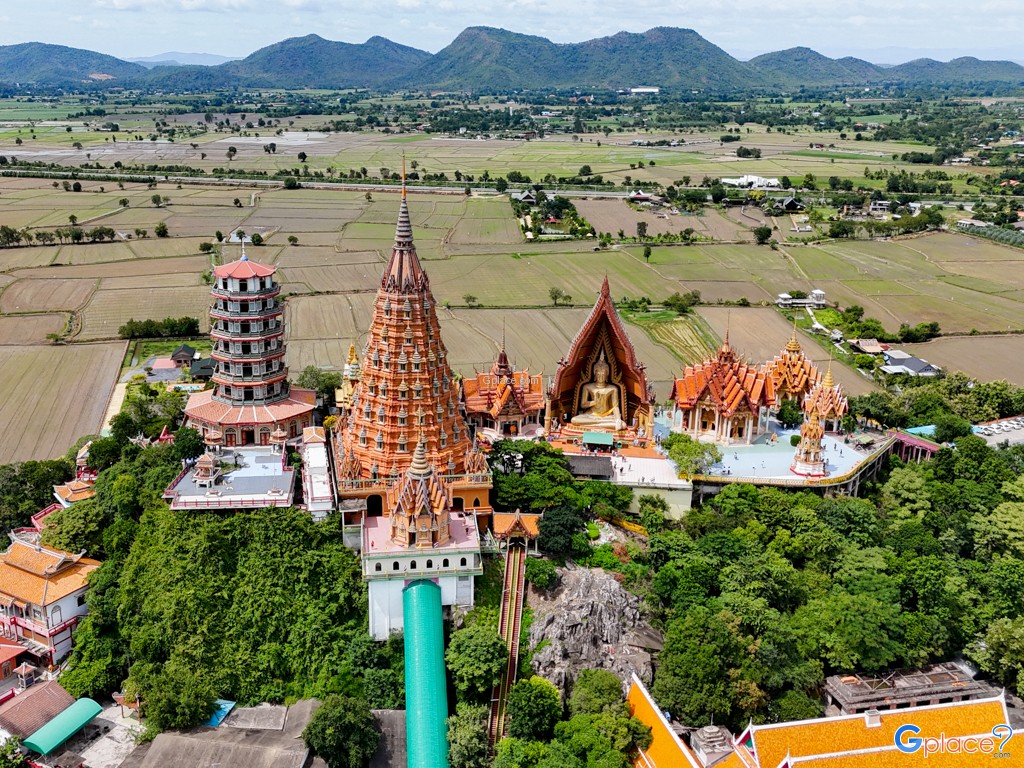
Another remarkable structure is Phra Chedi Ket Kaew Maha Prasat, a distinctive 9-story octagonal pagoda built in a unique orange-brick color. Inside are enshrined sacred Buddha relics (Phra Borom Sarira Relics) and various revered Buddha images. Visitors can ascend the spiral staircase within the pagoda to pay respects and enjoy 360-degree panoramic views from the upper levels, making it one of the finest viewpoints in Kanchanaburi Province.
The architectural design of the pagoda reflects a blend of Mahayana Buddhist influences and contemporary Thai artistic elements, creating a style that differs from traditional Thai pagodas. Each level contains areas dedicated to meditation, worship, and Buddhist learning, making the structure both a tourist attraction and a place of religious education.
One of the reasons Wat Tham Suea has become famous nationwide is its panoramic landscape of rice fields and surrounding mountains. Perched on a hill, the temple offers sweeping views in nearly every direction. During the rainy season (June–October), the fields below become lush green carpets, while the harvest season turns them into vast golden plains, creating ideal conditions for photography.
In addition, Wat Tham Suea is located adjacent to Wat Tham Khao Noi, a Chinese-Vietnamese Buddhist temple renowned for its distinctive architecture. Many visitors choose to explore both temples in a single trip, allowing them to experience the beauty of both Thai and Chinese artistic traditions in one location.
For those who prefer not to climb the 157-step Naga staircase, the temple provides an electric tram service that transports visitors up and down the hill. This service is particularly convenient for elderly visitors, young children, and individuals with limited mobility, allowing everyone to comfortably reach the temple’s main attractions.
For photography enthusiasts, Wat Tham Suea is regarded as one of Thailand’s most popular photography landmarks. The temple is especially stunning during sunrise and sunset, when golden light reflects beautifully off the giant Buddha image and pagoda. Meanwhile, viewpoints from cafés and restaurants in the Nong Khao–Muang Chum area behind the temple offer some of the most famous photo spots, where visitors can capture the Buddha image, pagoda, and rice fields within a single frame.
Beyond its architectural beauty and natural scenery, Wat Tham Suea also serves as an important religious center for the local community in Tha Muang District. Major Buddhist celebrations are held throughout the year, including Makha Bucha Day, Visakha Bucha Day, Asalha Bucha Day, and Buddhist Lent Day, highlighting the temple’s significance in religion, culture, and tourism within Kanchanaburi Province.
With the magnificence of Luang Pho Chin Prathan Phon, Phra Chedi Ket Kaew Maha Prasat, the vast rice-field landscapes, and the peaceful atmosphere overlooking the Mae Klong River Basin, Wat Tham Suea has been recognized as one of the most beautiful temples in Thailand and remains a must-visit landmark when traveling to Kanchanaburi Province.
How to Get There
- From Kanchanaburi city center, take Saeng Chuto Road (Highway No. 323) toward Tha Muang District. Then turn onto Highway No. 3084, following the clearly marked signs to Wat Tham Suea. The temple is located approximately 20 kilometers from the city center, with a travel time of around 25–30 minutes.
- Visitors can reach the temple by private car, motorcycle, taxi, or local public transportation. The temple provides a large parking area capable of accommodating a significant number of visitors, including tour buses and group travelers.
- Upon arrival at the base of the hill, visitors may choose between two ways to reach the upper temple complex: climbing the 157-step Naga staircase or using the electric tram service, which is especially convenient for elderly visitors and those who prefer not to walk uphill.
Travel Tips
- Dress respectfully by avoiding sleeveless shirts, very short pants, or inappropriate clothing, as this is an important religious site.
- The best visiting hours are between 08:00–10:00 AM and 04:00–06:00 PM, when temperatures are more comfortable and lighting conditions are ideal for photography.
- For the most beautiful green rice-field scenery, visit during the rainy season and early winter (July–November). During harvest season, the fields transform into stunning golden landscapes.
- Bring drinking water, a hat, or an umbrella, especially if you plan to climb the 157-step staircase, as the route can be quite hot during midday.
- Consider combining your visit with Wat Tham Khao Noi, nearby rice-field cafés, and other attractions in Tha Muang District to make the most of your trip.
Admission Fee:
- Free admission (no entrance fee required)
- Electric tram service: 20 THB per person (fees may change according to temple announcements)
- Donations and offerings: Voluntary, according to personal faith
Opening Hours:
Open daily
- Monday – Friday: 08:00 AM – 04:30 PM
- Saturday – Sunday: 08:00 AM – 05:30 PM
- Public Holidays: 08:00 AM – 05:30 PM
Note: Opening hours may vary depending on religious activities and official temple announcements.
Wat Tham Suea

 Share
Share
 Muang Chum, Tha Muang, Kanchanaburi 71110
Map
Muang Chum, Tha Muang, Kanchanaburi 71110
Map
 Closed today
Mon8.00 - 16.30
Tue8.00 - 16.30
Wed8.00 - 16.30
Thu8.00 - 16.30
Fri8.00 - 16.30
Sat8.00 - 17.30
Sun8.00 - 17.30

 https://www.thai-tour.com/thai-tour/central/kan/data/place/pic_wat-sua-cave.htm

 9754
9754
Recommend trips
- Giant Buddha Landmarks in Thailand
- 10 Kanchanaburi Spots When the Rain Softly Falls
- With the deepest respect from the sky
- 10 สุดยอดฮอทฮิต มาแรงปี 2566
- 30 วัดสวย ใกล้กรุงเทพ
- กาญจนบุรี เที่ยวตามกระแสโซเชียล
- ไปเที่ยวกาญฯมั้ย น้ำตกเอราวัณ-เลคเฮเว่น
- กาญจนบุรี มุมนี้ตากล้องต้องชอบ
- เสาร์ อาทิตย์ ไปเช้า เย็นกลับ
- กาญจนบุรี ต้องเที่ยว
- กาญจนบุรี ในดวงใจ
- กาญจนบุรี 1 อำเภอ 1 สถานที่ท่องเทียว
- วัดสวยเมืองไทย