 Attractions
  Hotel
Hotel  Restaurant
  Shopping
  Abroad





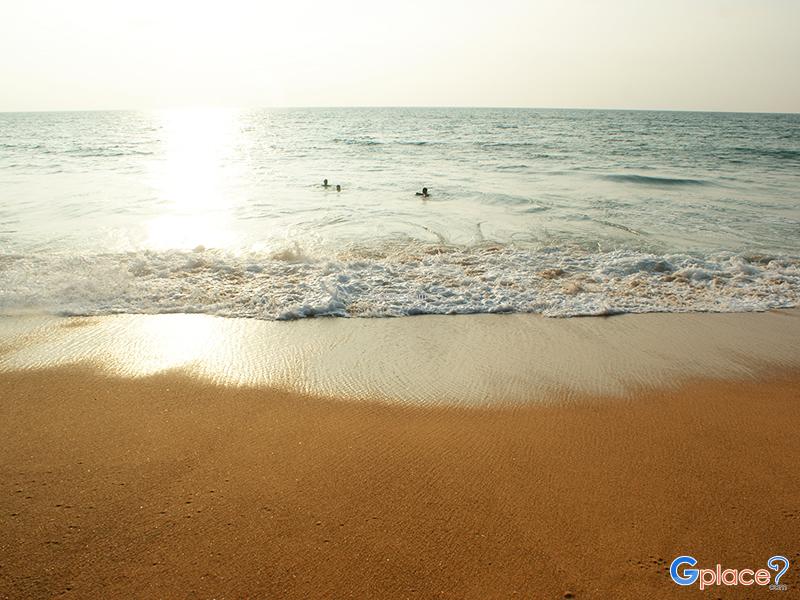

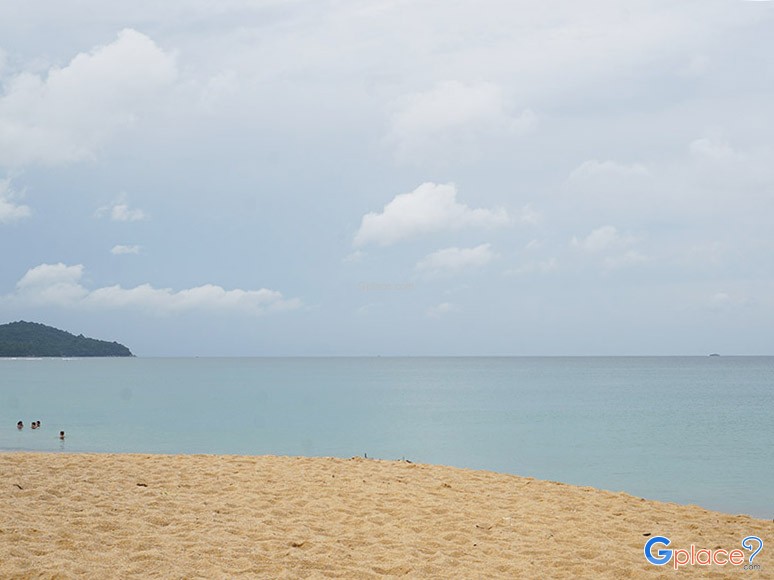
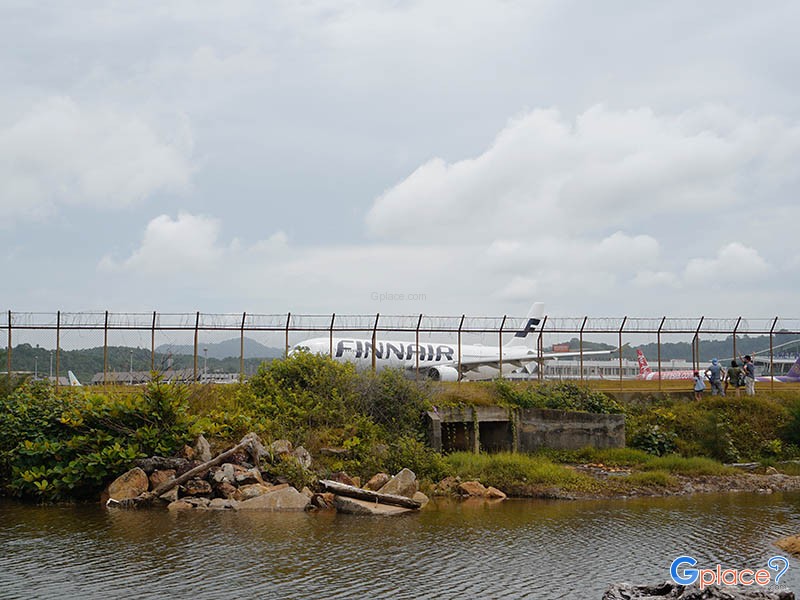
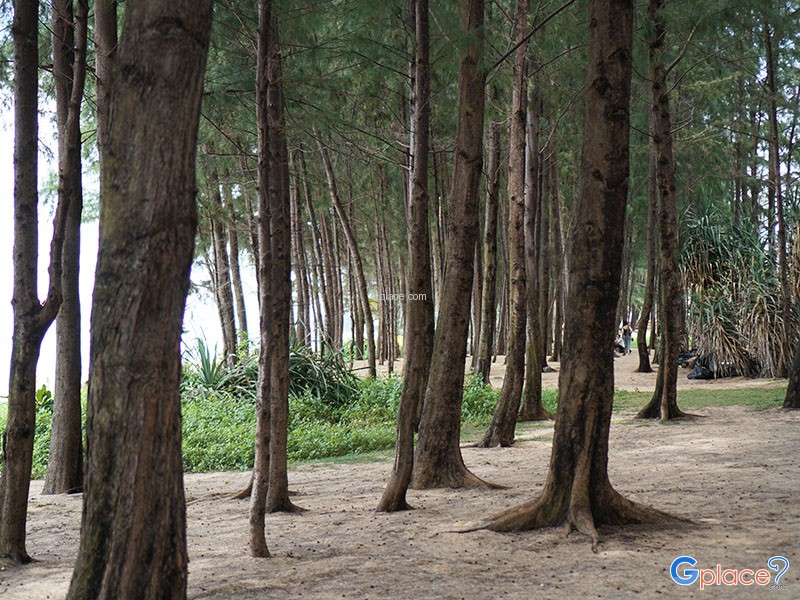
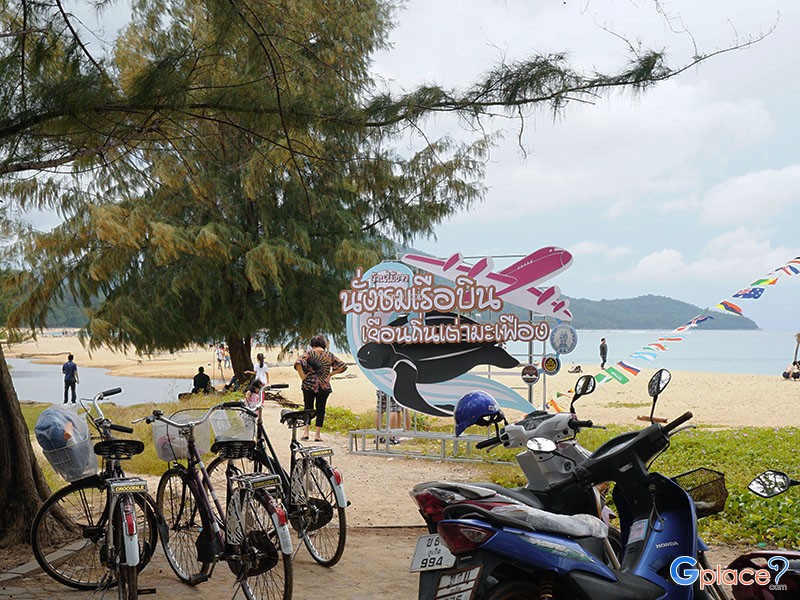
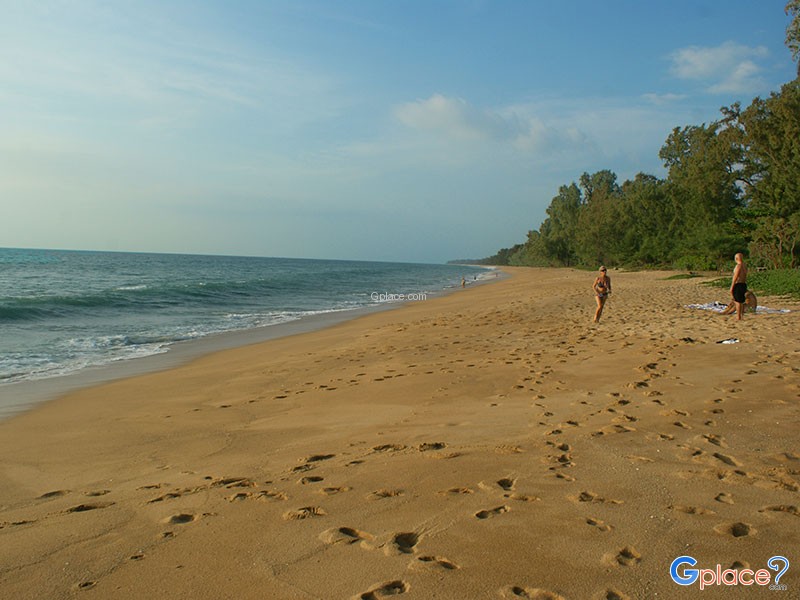
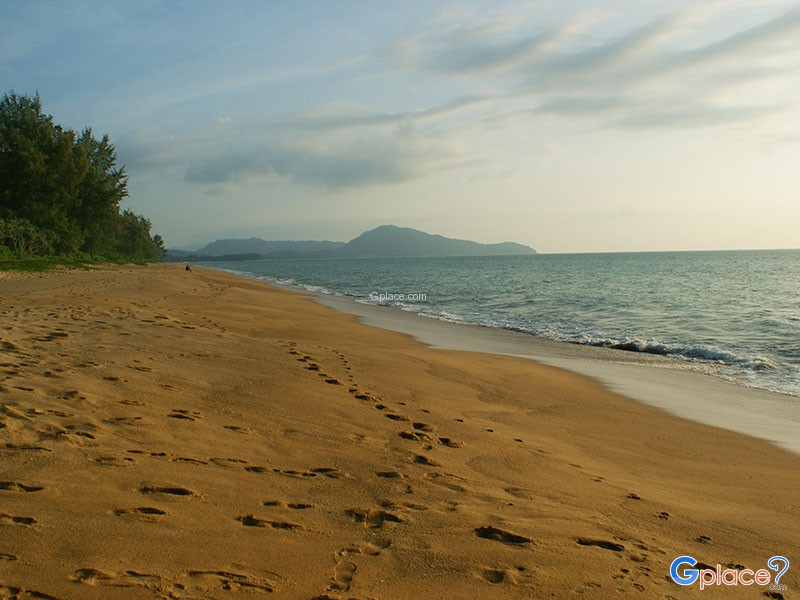
“Phuket's longest beach offers a serene national park setting. Its world-famous highlight is close-up plane spotting over turquoise waters, alongside being a vital leatherback turtle nesting site.”
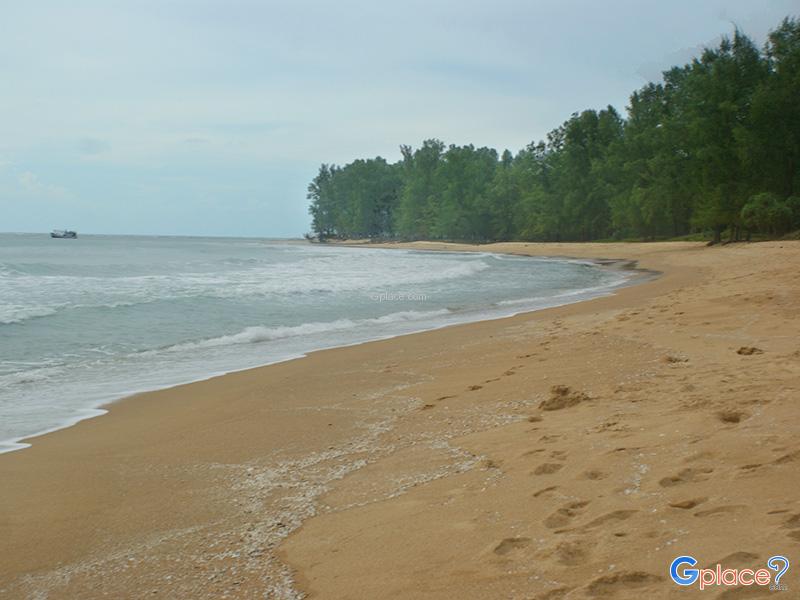
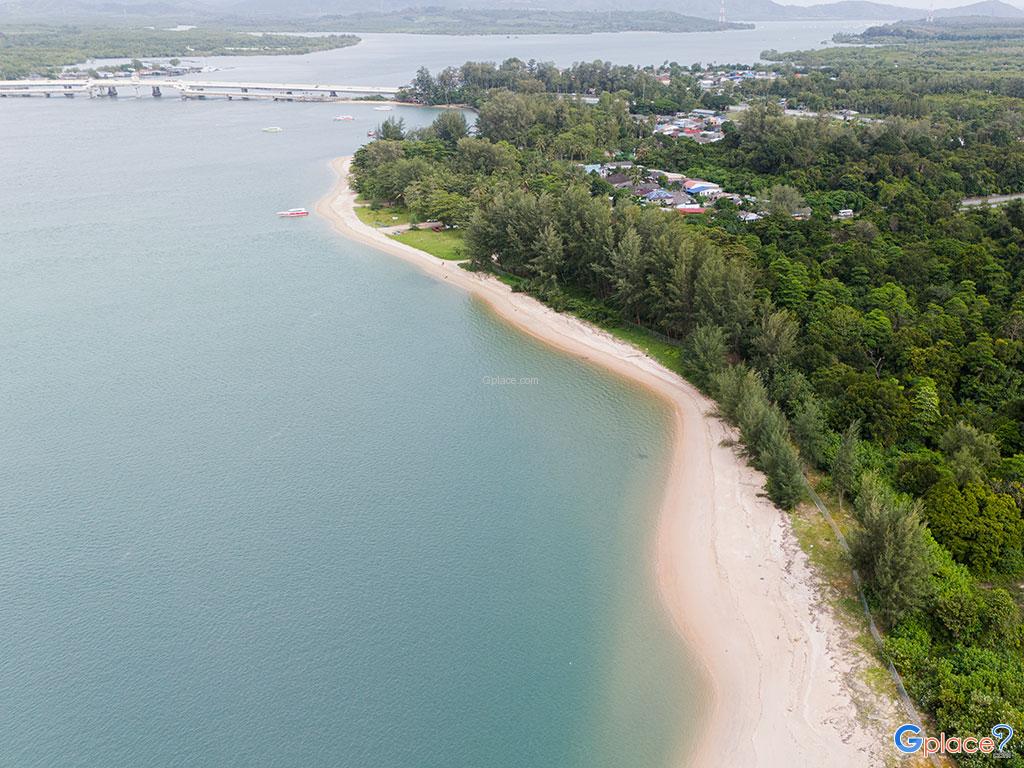
Mai Khao Beach is the longest beach in Phuket, stretching approximately 10–11 kilometers along the northwest coast of the island. Its distinguishing features are its width_ and the tranquility it retains compared to other famous beaches in Phuket. This is because a large portion of the area is located within Sirinat National Park, declared a national park in 1981 to conserve coastal resources and marine ecosystems. This designation limits development and allows the area to maintain a high degree of natural preservation.
Mai Khao Beach boasts a diverse ecosystem, including sandy beaches, casuarina forests, and small mangrove forests, particularly abundant in the northern part of the beach. The mangrove forests here are considered among the most intact in Phuket and provide habitat for many aquatic and coastal species. Furthermore, coral reefs can be found approximately 700–1,000 meters from the shore, contributing to the biodiversity of the park area.
In the past, Mai Khao Beach was an important nesting ground for sea turtles, especially leatherback turtles and other species that came ashore to lay eggs between November and February. However, due to the impacts of development, human disturbance, and illegal egg harvesting, the number of turtles nesting here has decreased significantly in recent years. Despite ongoing conservation efforts within the national park area,
Mai Khao Beach's topography features a relatively steep slope and deep waters near the shore, resulting in strong currents and high waves, particularly during the southwest monsoon season (approximately May to October). This can make swimming risky and unsafe at times. However, during the dry season, the sea is calmer, although the waves are still more powerful than those on the southern west coast of Phuket.
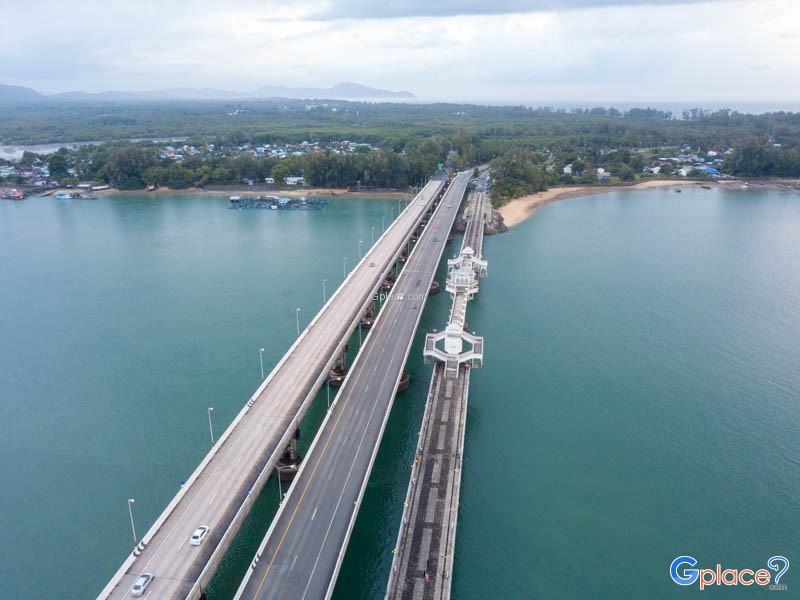
Although Mai Khao Beach is close to Phuket International Airport, much of the area remains quiet and uncrowded. A notable feature is the southern part of the beach near the airport, which has become a world-renowned spot for plane watching. Tourists can see planes flying at low altitudes above the beach, a result of the runway's seaside location. However, aircraft take-offs and landings depend on the wind direction each day, a crucial principle of aviation.
Overall, Mai Khao Beach represents eco-tourism in Phuket, maintaining a balance between nature and tourism to some extent. Visitors often seek tranquility, leisurely strolls along the beach, or relaxation in scattered, uncrowded resorts, a contrast to the typical image of Phuket as a bustling tourist destination.
How to Get There
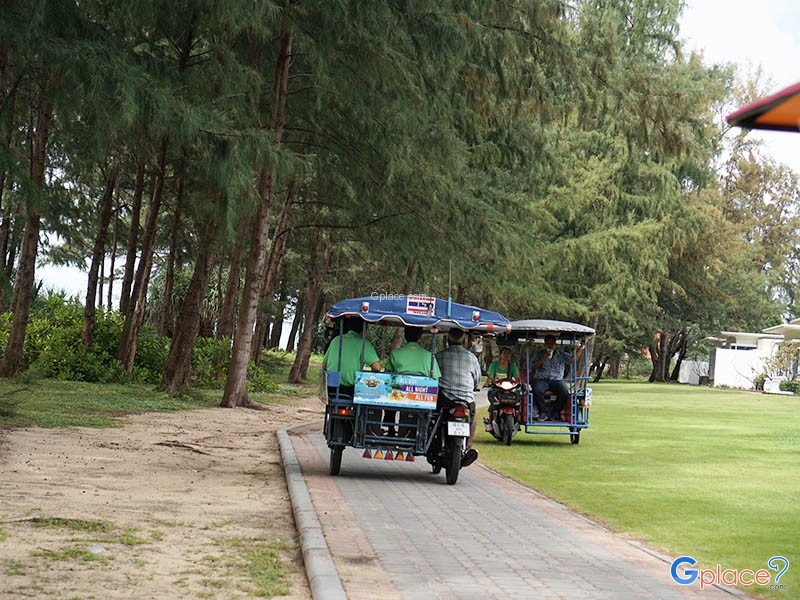
- From Phuket Town, take Thepkrasattri Road (Route 402) north towards the airport. Turn left onto Route 4031. It is best to pin "Mai Khao Beach Plane Spotting" on GPS. If traveling by car, park at the community parking area and take a local sidecar motorcycle (Saleng) provided by the villagers to reach the specific spotting point.
Travel Tips
- Check wind direction before visiting, as it affects landing and take-off patterns
- Best time for plane spotting is around 10:00 AM – 02:00 PM
- Avoid standing too close to the airport fence for safety reasons
- Use flight tracking apps like Flightradar24 to plan your visit
Admission Fees:
- Free admission
Opening Hours:
- Open daily, 24 hours (Recommended 09:00 AM – 05:00 PM for plane spotting)
Mai Khao Beach

 Share
Share
 T.Mai Khao, A.Thalang, Phuket, 83110
Map
T.Mai Khao, A.Thalang, Phuket, 83110
Map
 Open now

 https://thai-tour.com/thai-tour/south/phuket/data/place/pic-mai-khao-beach.html

 4394
4394