 Attractions
  Hotel
Hotel  Restaurant
  Shopping
  Abroad





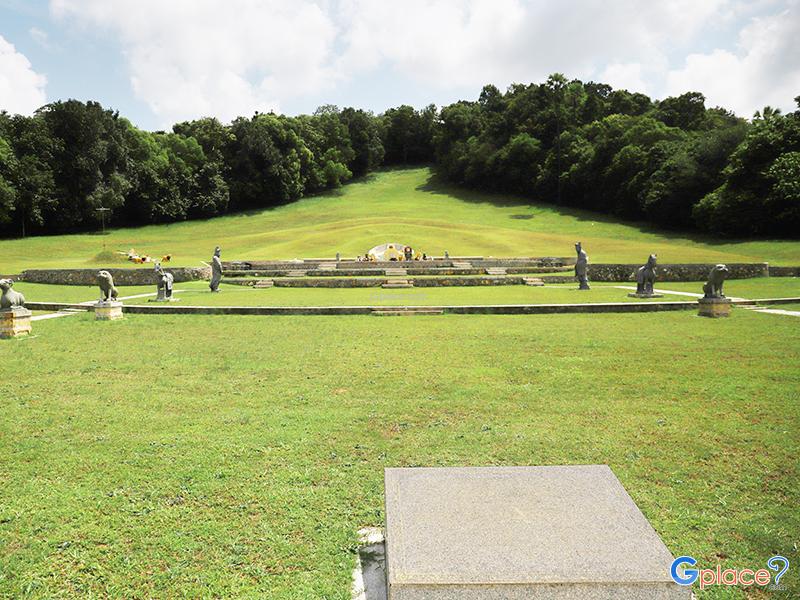

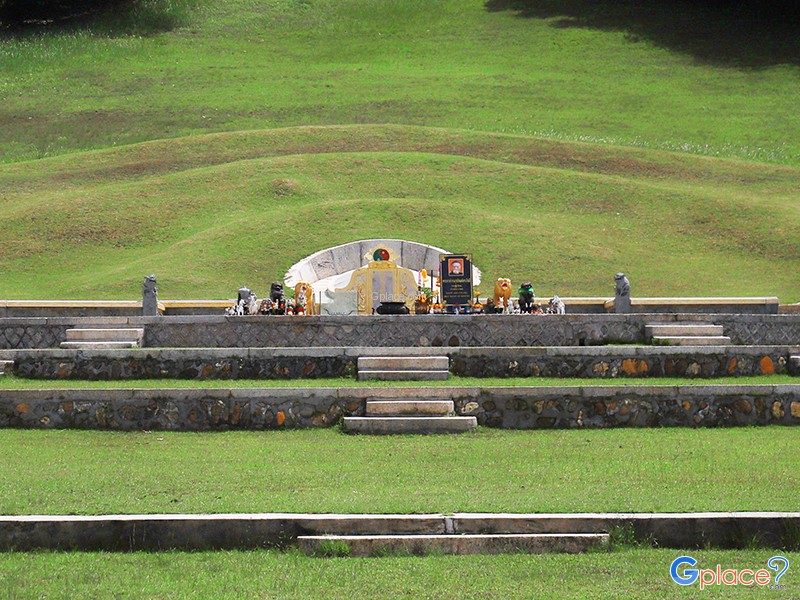
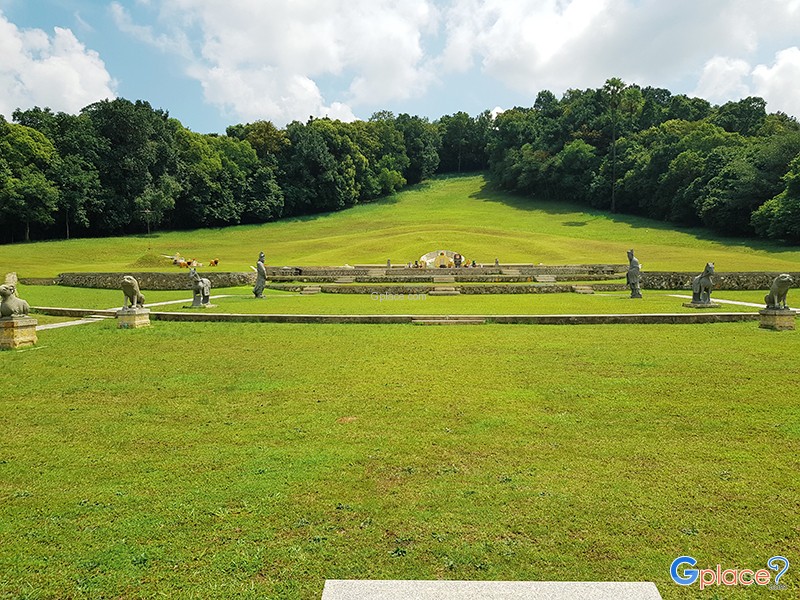
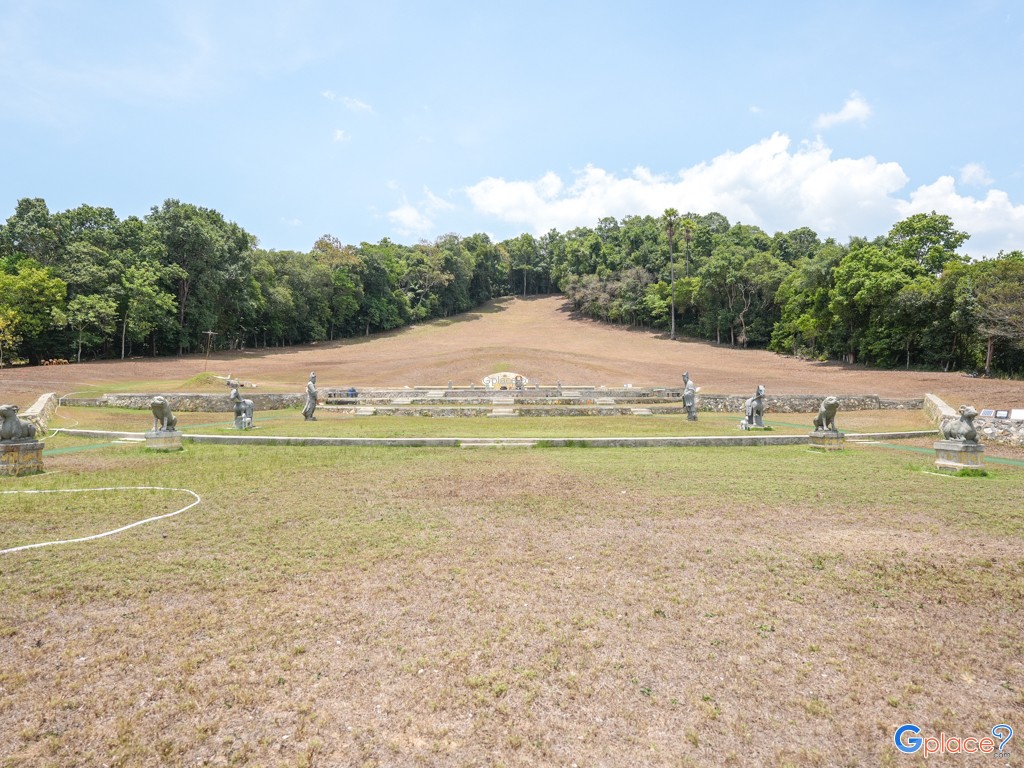
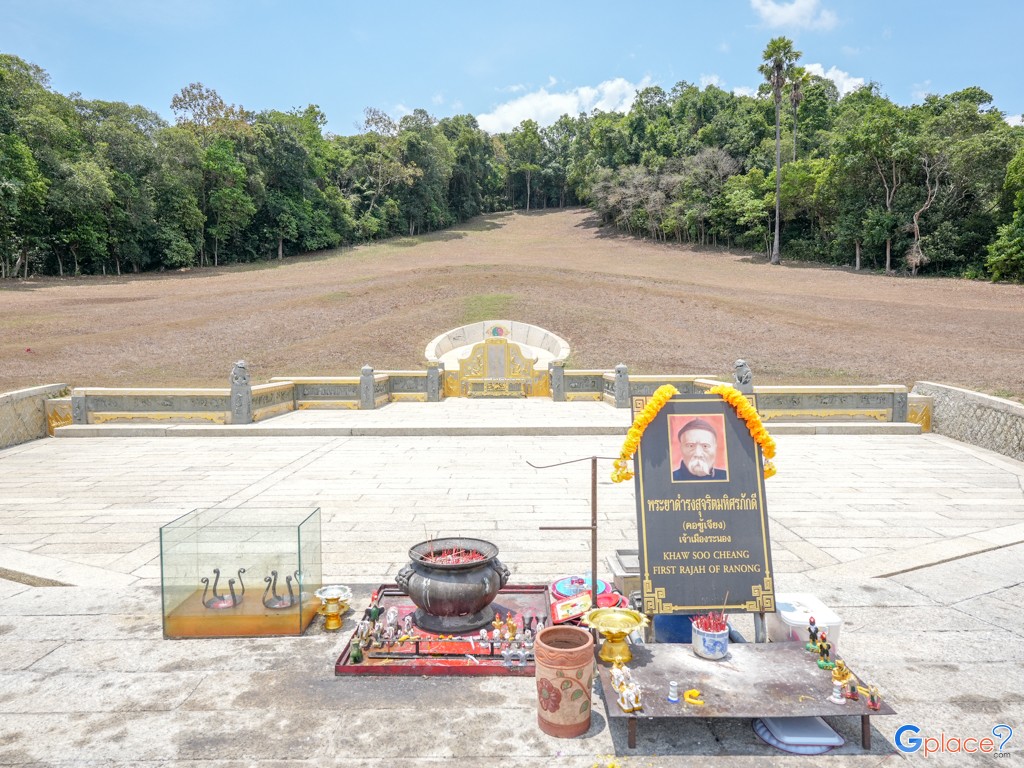
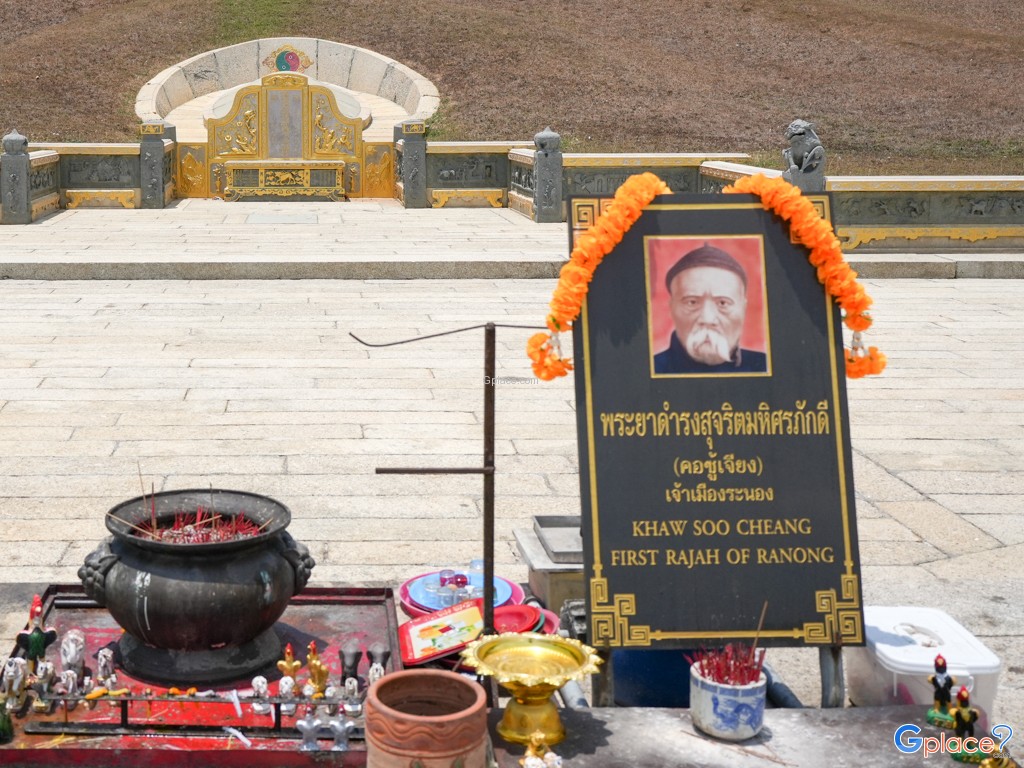

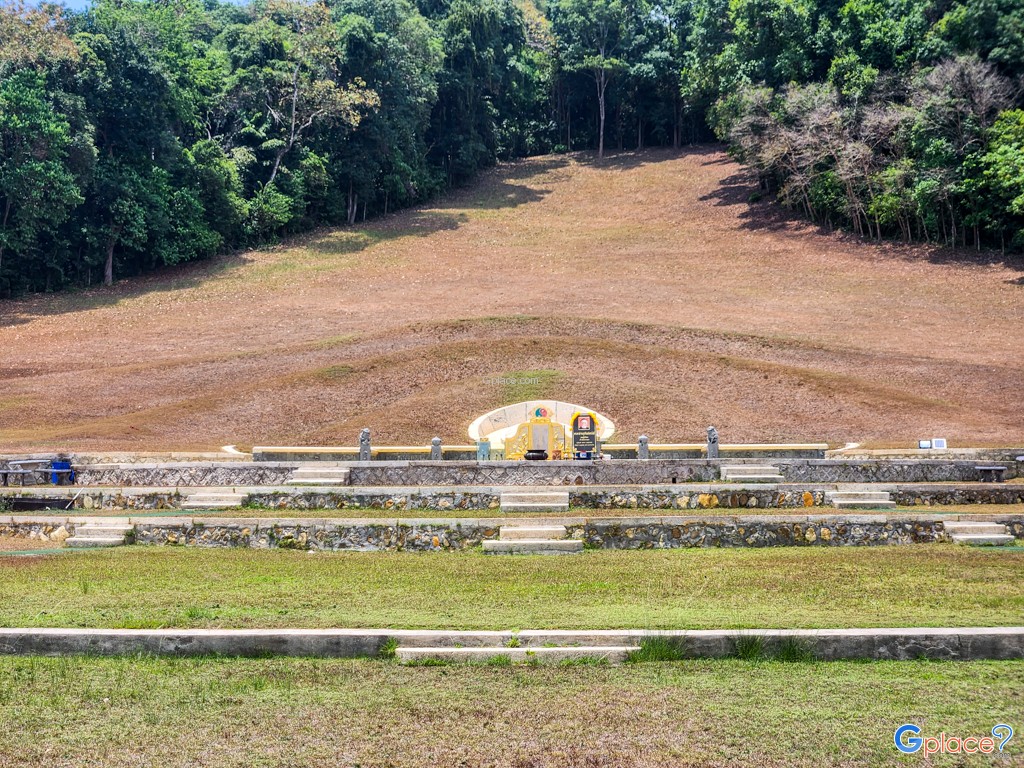
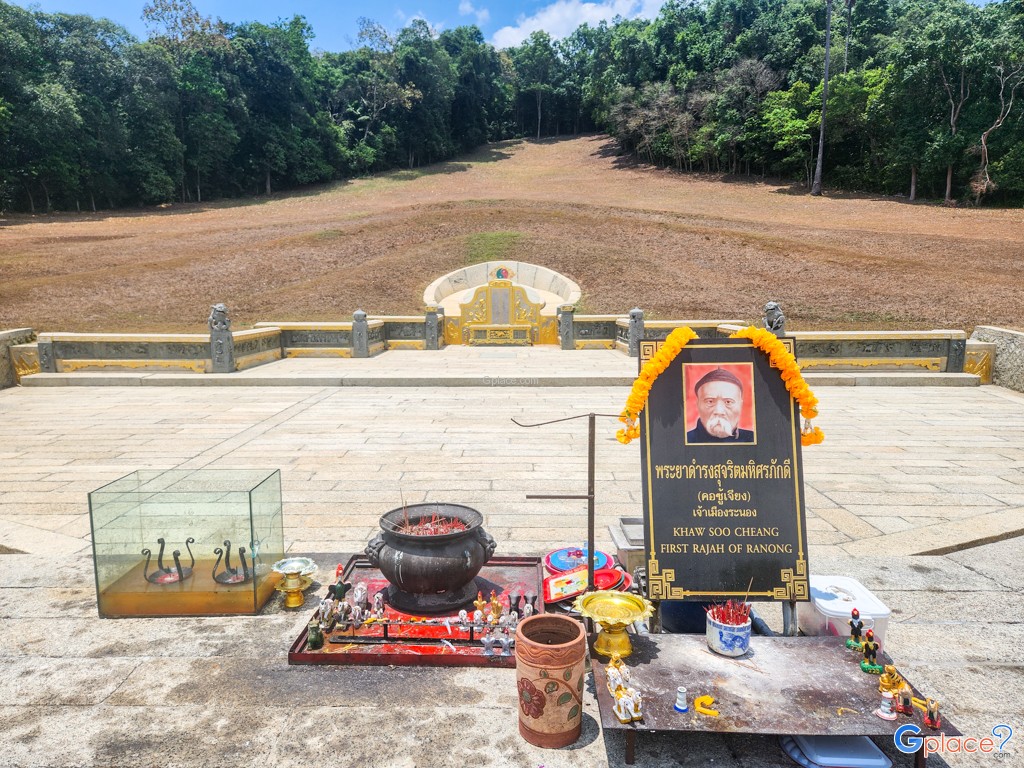
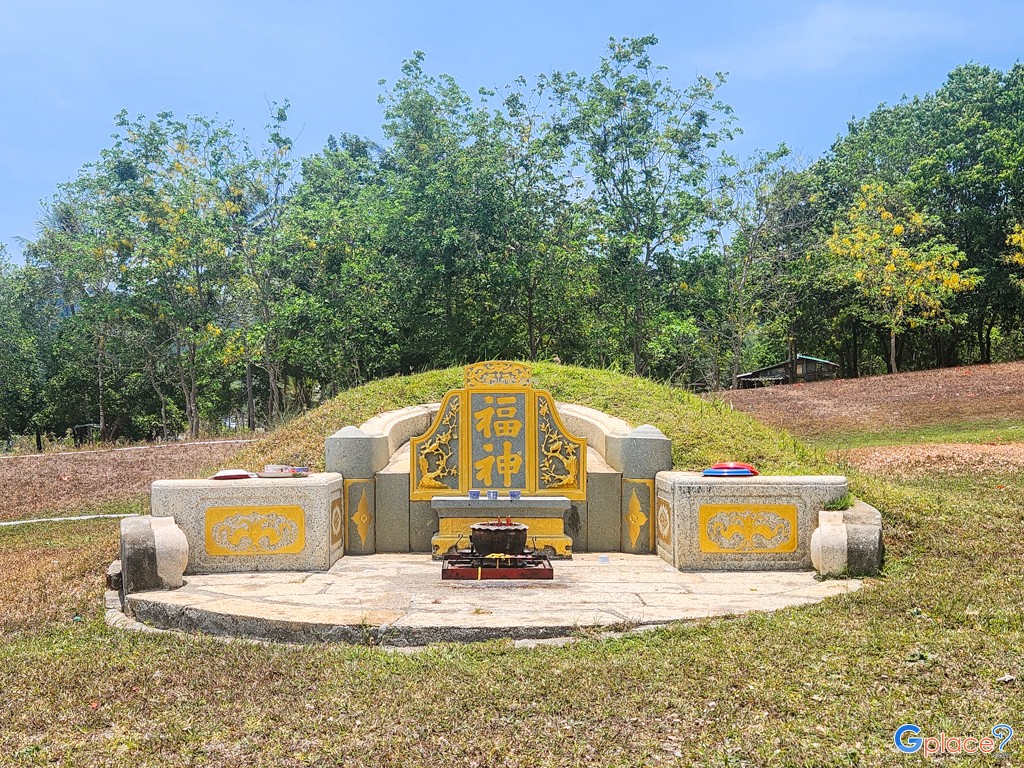
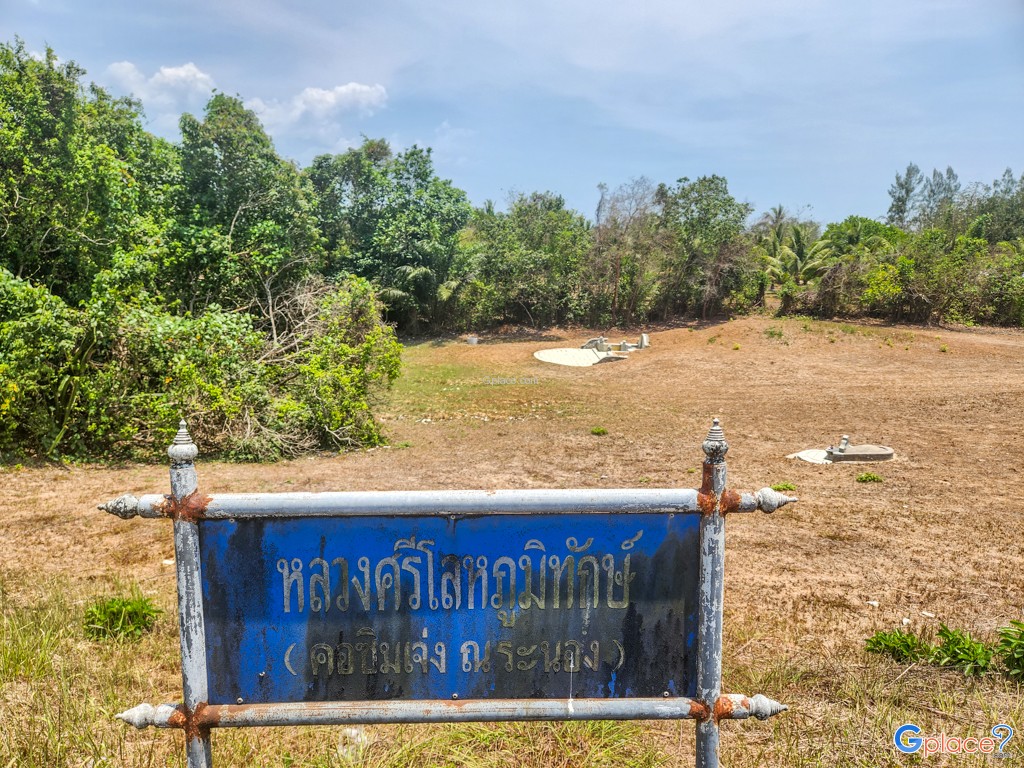
“This authentic Chinese "Feng Shui" tomb on a hill in Ranong is distinguished by its intricate stone sculptures, reflecting the noble status of Khaw Soo Cheang and the rich history of Ranong.”
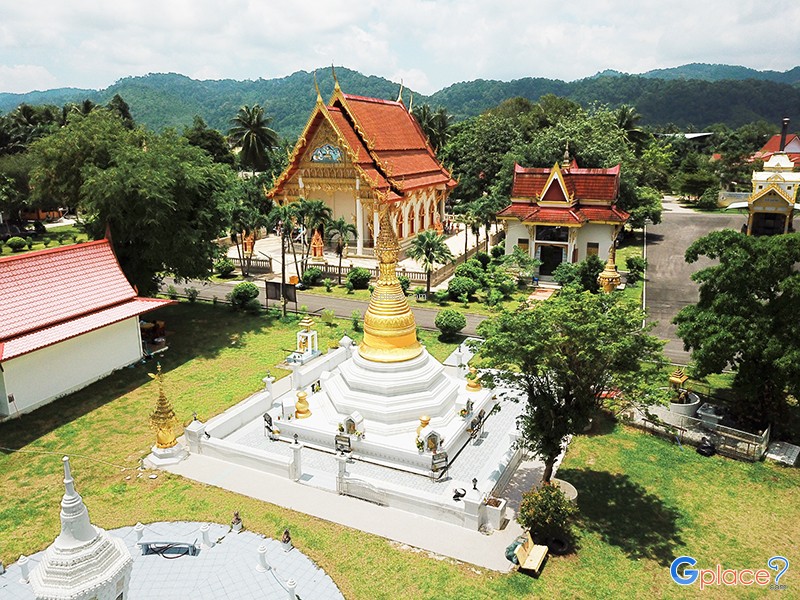
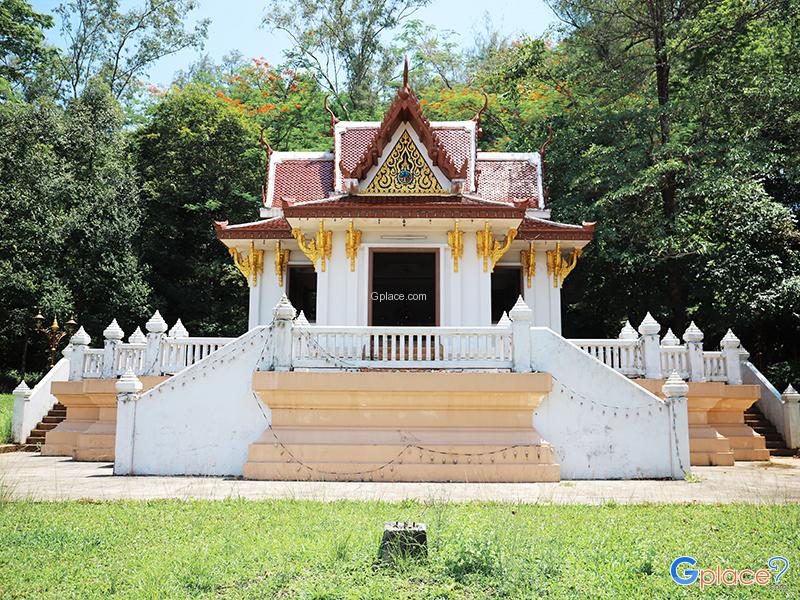
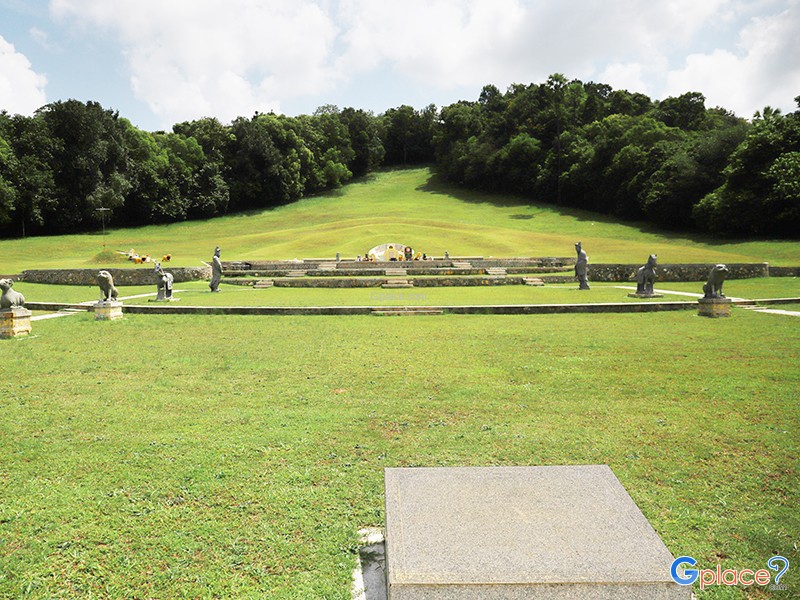
Ranong Governor's Grave is a historical site distinguished by its architecture, cultural beliefs, and historical significance. The tomb is meticulously designed according to traditional Hokkien Chinese feng shui principles, featuring a horseshoe-shaped layout believed to retain positive energy, or “qi,” and promote prosperity for descendants. It is situated on an auspicious site on Phuttharaksa Hill in Ranong, with a geographical setting described as “mountain at the back, open space at the front,” considered the most favorable location for the burial of an important figure according to feng shui principles.
The pathway leading to the tomb is adorned with intricately carved stone sculptures depicting Chinese officials, warriors, and auspicious animals such as horses, lions, and goats. These elements not only enhance the site’s visual appeal but also symbolize the rank, power, and honor of Phraya Damrong Sucharit Mahisorn Phakdi (Khaw Soo Cheang) in traditional Chinese belief. Each animal carries symbolic meaning, with the horse representing success and progress, the lion symbolizing power and protection, and the goat signifying peace and abundance.
Key components of the tomb, including stone carvings, stucco work, and decorative elements, were imported directly from China, reflecting the craftsmanship, status, and strong cultural ties between Chinese immigrants and southern Thailand in the past. The site also holds significant historical value, as it is closely linked to the development of Ranong during the tin mining era, which formed the economic foundation of the region.
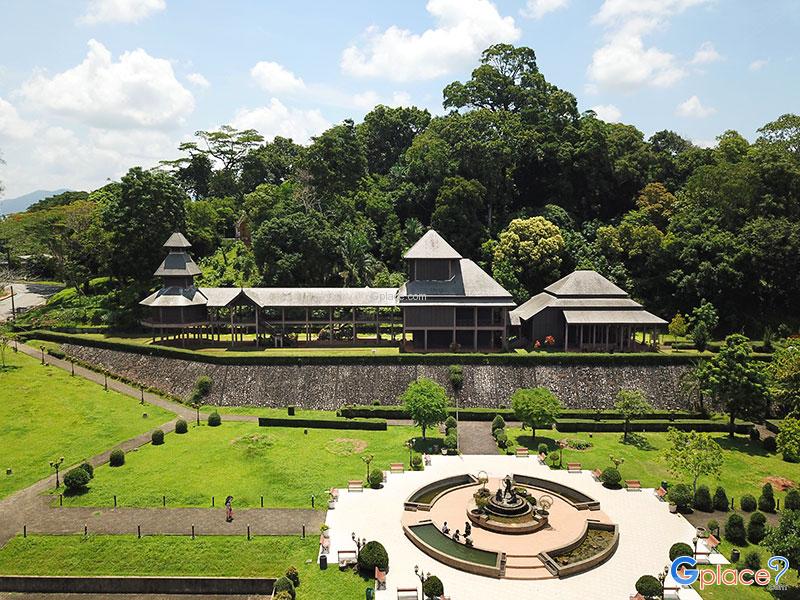
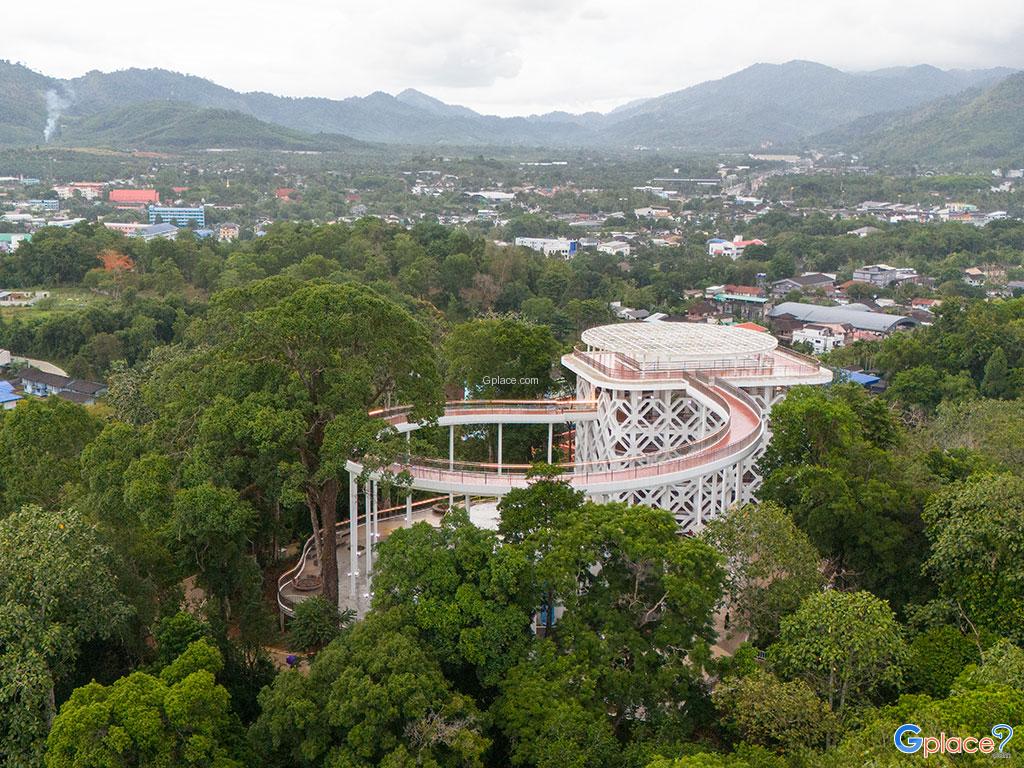
As a result, this site is not merely a burial place but also a symbol of the founding and growth of Ranong. It remains a sacred place highly respected by locals and descendants of the Na Ranong family, who regularly visit to pay respects and seek blessings, especially during important festivals such as Qingming. Located on a hillside, the tomb also offers wide panoramic views and a , tranquil atmosphere, making it ideal for cultural and historical tourism, as well as for learning about feng shui in a real-world setting.
How to Get There
- By Car: From Ranong city center, take Phet Kasem Road heading toward Chumphon Province. The tomb is located along the roadside at Buddha Raksa Hill, approximately 1 kilometer from the municipal area, with clear directional signage.
Travel Tips
- Visit in the morning or late afternoon to avoid the heat and enjoy better lighting for photography.
- Dress respectfully, as this is a sacred site highly revered by locals.
- Avoid climbing, stepping on, or touching the tomb and stone sculptures to help preserve the site.
- Keep quiet and behave respectfully toward the place and other visitors.
- During festivals such as Qingming, plan ahead as the site can become crowded.
Admission Fee:
- Free admission
Opening Hours:
- Open daily from 08:00 AM – 06:00 PM
Ranong Governor s Grave

 Share
Share
 Bang Non, Ranong 85000
Map
Bang Non, Ranong 85000
Map
 Closed today
Mon8.00 - 18.00
Tue8.00 - 18.00
Wed8.00 - 18.00
Thu8.00 - 18.00
Fri8.00 - 18.00
Sat8.00 - 18.00
Sun8.00 - 18.00

 https://www.thai-tour.com/thai-tour/south/ranong/data/place/pic-susan-jaomuang.htm

 5157
5157