
 Attractions
  Hotel
Hotel  Restaurant
  Shopping
  Abroad





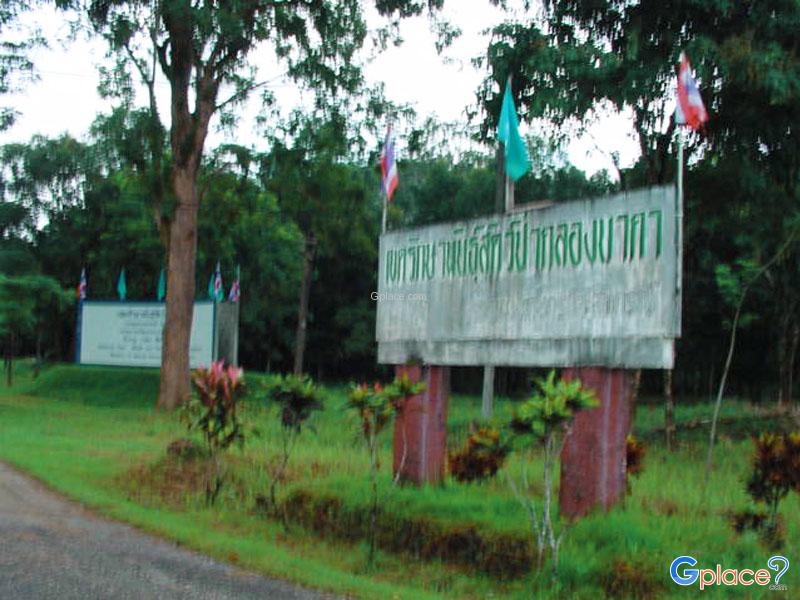

“Experience the rare “Crinum thaianum,” a globally unique aquatic plant. Enjoy bamboo rafting through rich mangrove forests and lush tropical rainforest, perfect for nature lovers and birdwatching.”
How to Get There
- By car: From Ranong town, take Highway No. 4 (Phetkasem Road) heading toward Phang Nga/Phuket for about 70–80 km. At kilometer marker 671, you will see the entrance sign on the left-hand side.
Travel Tips
Admission Fee:
- Thai visitors: Adults 20 THB | Children 10 THB
- Foreign visitors: Adults 200 THB | Children 100 THB
- Note: Prices may change
Opening Hours:
- Open daily from 08:30 AM to 04:30 PM
Khlong Naka Wildlife Sanctuary

 Share
Share
 FG53+RQQ, Nakha , Suksamran , Ranong 85120
Map
FG53+RQQ, Nakha , Suksamran , Ranong 85120
Map
List 0 review
|
aventure,attractions,Forest mountain
 Open now : 8.30 - 16.30
Mon8.30 - 16.30
Tue8.30 - 16.30
Wed8.30 - 16.30
Thu8.30 - 16.30
Fri8.30 - 16.30
Sat8.30 - 16.30
Sun8.30 - 16.30

 https://www.thai-tour.com/thai-tour/south/ranong/data/place/pic-khongnaka.htm

 3867
3867