 Attractions
  Hotel
Hotel  Restaurant
  Shopping
  Abroad





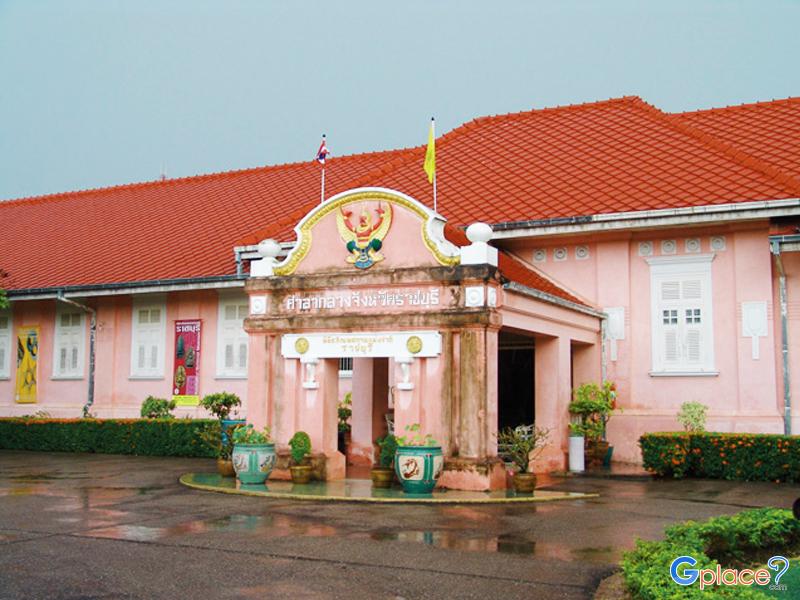

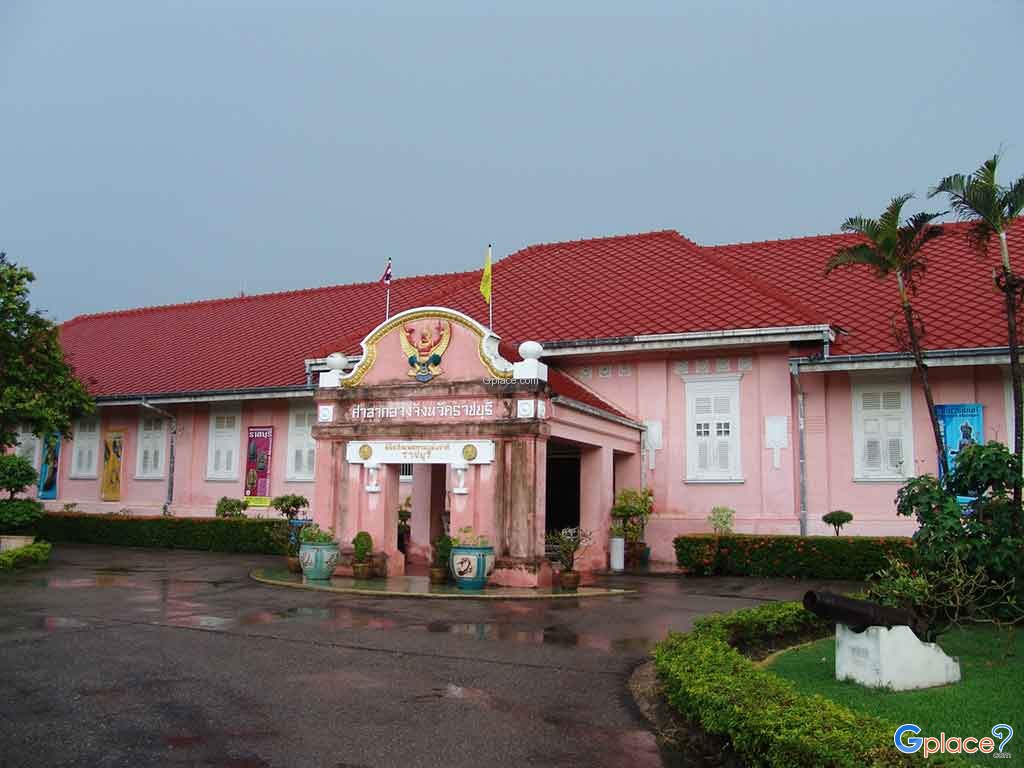
“The iconic pink riverside building showcases rare artifacts like the Radiating Avalokitesvara statue, alongside exhibits detailing the diverse ethnic groups and historical heritage of Ratchaburi.”
Ratchaburi National Museum is a significant museum in the western region of Thailand, comprehensively showcasing the history, archaeology, art, culture, and way of life of the people of Ratchaburi province. Established on November 20, 1986, the Fine Arts Department utilized the former Ratchaburi Provincial Hall building, constructed in 1922 during the reign of King Rama VI, as the provincial national museum. The building, an elegant blend of Western and colonial architecture, features striking light pink walls and arched doorways. Situated on the banks of the Mae Klong River in the heart of Ratchaburi, it is considered one of the most beautiful and valuable historical buildings in the province.
Inside the museum, permanent exhibitions cover the history of Ratchaburi from the past to the present. These include geological and natural history exhibits describing the province's topography, a significant area encompassing plains, rivers, and the Tenasserim mountain range, as well as natural resources that have supported human settlement since prehistoric times. Furthermore, the museum displays archaeological artifacts discovered in Ratchaburi, such as stone tools, pottery, human skeletons, and other relics from various important archaeological sites, reflecting the development of ancient communities in the region.
One of the most renowned exhibits is the Dvaravati-era artifacts and Khmer art, showcasing Ratchaburi's prosperity as an important city influenced by Indian culture and ancient kingdoms in the region. The museum displays numerous significant Buddha images, stucco reliefs, stone inscriptions, and sculptures, most notably the "Radiant Avalokiteshvara Bodhisattva," a Bayon-style Khmer artifact considered a masterpiece and crucial evidence of Khmer civilization's influence in Ratchaburi. The exhibit also explains the relationship between Ratchaburi and past land and water trade routes, making the area a central hub for contact between communities in western Thailand.
Another interesting section is the ethnography exhibit, reflecting the cultural diversity of Ratchaburi province. It presents the stories, lifestyles, languages, clothing, and traditions of various ethnic groups such as the Lao Song, Karen, Thai Yuan, and Mon, all of whom played significant roles in shaping Ratchaburi's society and culture. Visitors can see traditional clothing, everyday tools and utensils, and reenactments of past community life, providing a deeper understanding of the area's diverse population.
The museum also emphasizes Ratchaburi's contemporary cultural heritage, particularly pottery and dragon jars, important symbols of the province. The exhibition showcases the development of the pottery industry that has made Ratchaburi one of Thailand's most famous pottery producing regions. It also displays the production processes, patterns, and unique characteristics of this traditional handicraft passed down through generations. In addition, there are exhibitions about important figures, historical events, and cultural attractions of the province, providing visitors with a comprehensive view of Ratchaburi in its historical, economic, social, and cultural dimensions—all in one place.
How to Get There
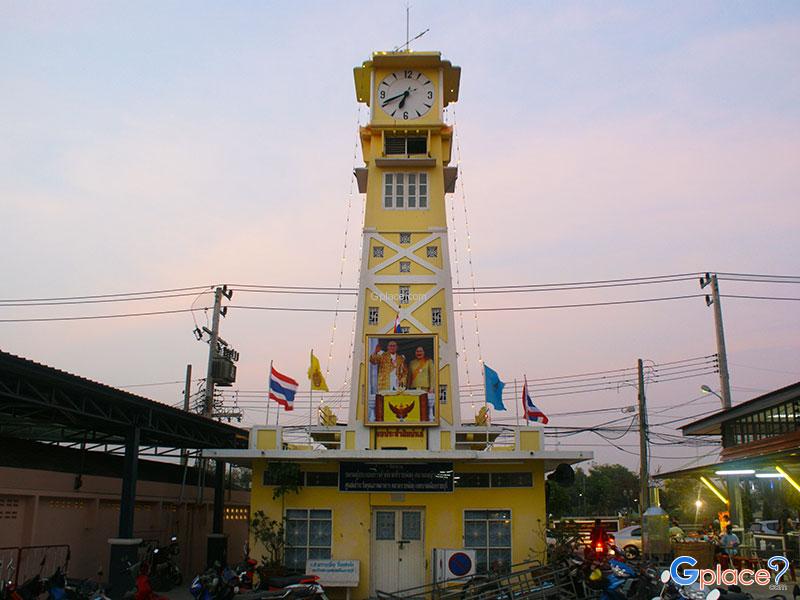
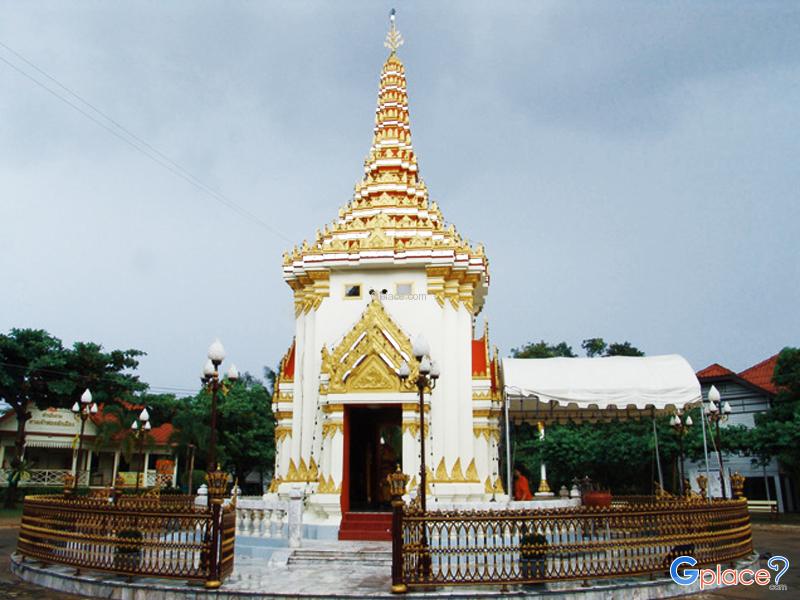
- Located in the heart of Ratchaburi town by the Mae Klong River. From Bangkok, take Phetkasem Road (Highway 4) or the Thon Buri-Pak Tho Road (Highway 35) to Ratchaburi city center. The museum is situated near the town’s clock tower and the City Pillar Shrine.
Travel Tips
- Allow at least 1–2 hours to explore all exhibition sections.
- The afternoon light is ideal for photographing the pink exterior building.
- Dress respectfully as the museum is a cultural and historical site.
- Read the exhibition labels for a deeper understanding of local history.
Admission Fees:
- Thai citizens: 20 Baht; Foreigners: 100 Baht (Free entry for students in uniform and senior citizens).
Opening Hours:
- Wednesday – Sunday, 09:00 AM – 04:00 PM (Closed on Mondays, Tuesdays, and public holidays).
Ratchaburi National Museum

 Share
Share
 T.Na Mueang, A.Mueang Ratchaburi, Ratchaburi, 70000
Map
T.Na Mueang, A.Mueang Ratchaburi, Ratchaburi, 70000
Map
 Open now : 9.00 - 16.00
Mon -
Tue -
Wed9.00 - 16.00
Thu9.00 - 16.00
Fri9.00 - 16.00
Sat9.00 - 16.00
Sun9.00 - 16.00

 https://www.thai-tour.com/thai-tour/central/rachburi/data/place/museum-ratchaburii.htm

 3404
3404