 Attractions
  Hotel
Hotel  Restaurant
  Shopping
  Abroad






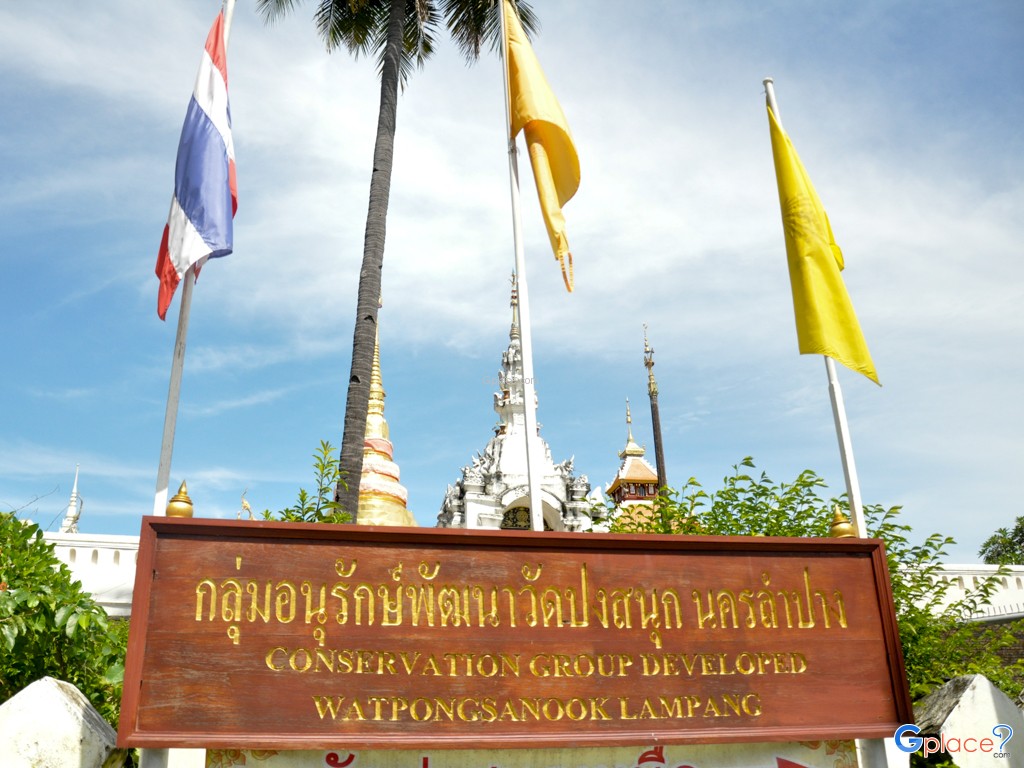
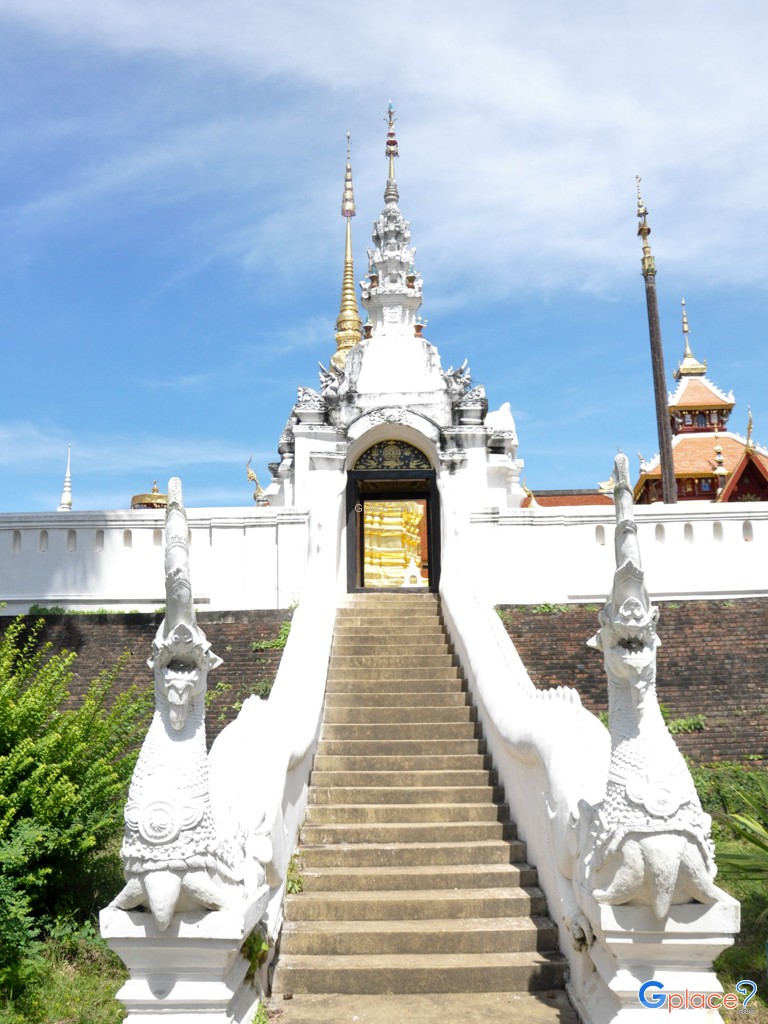
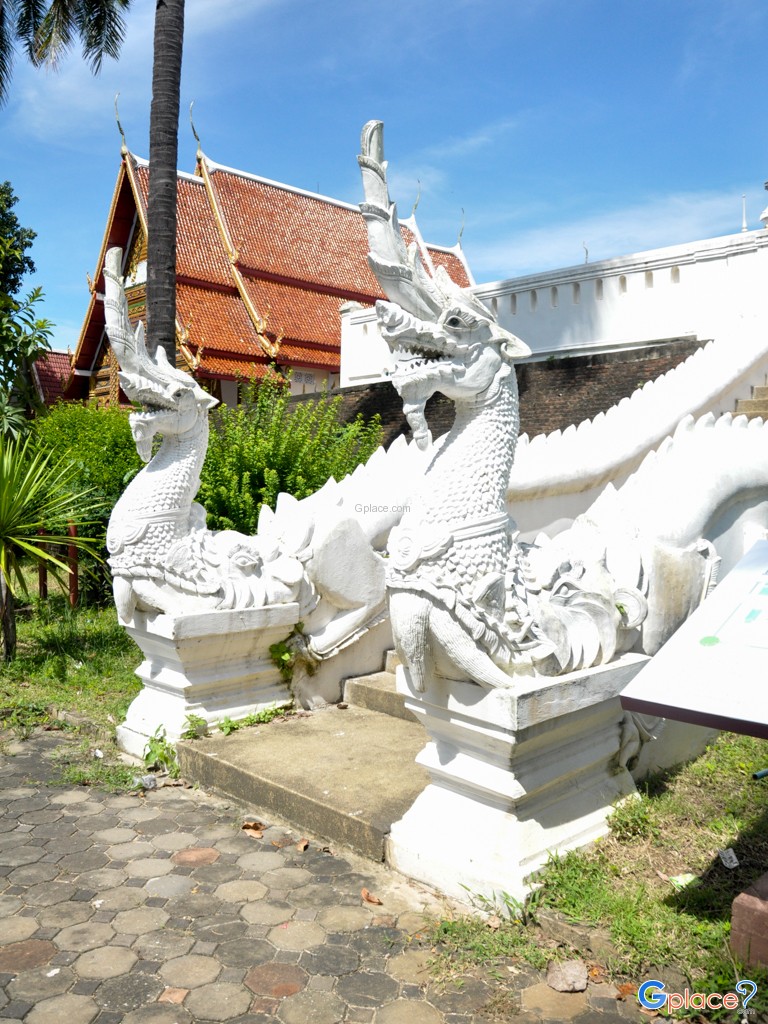
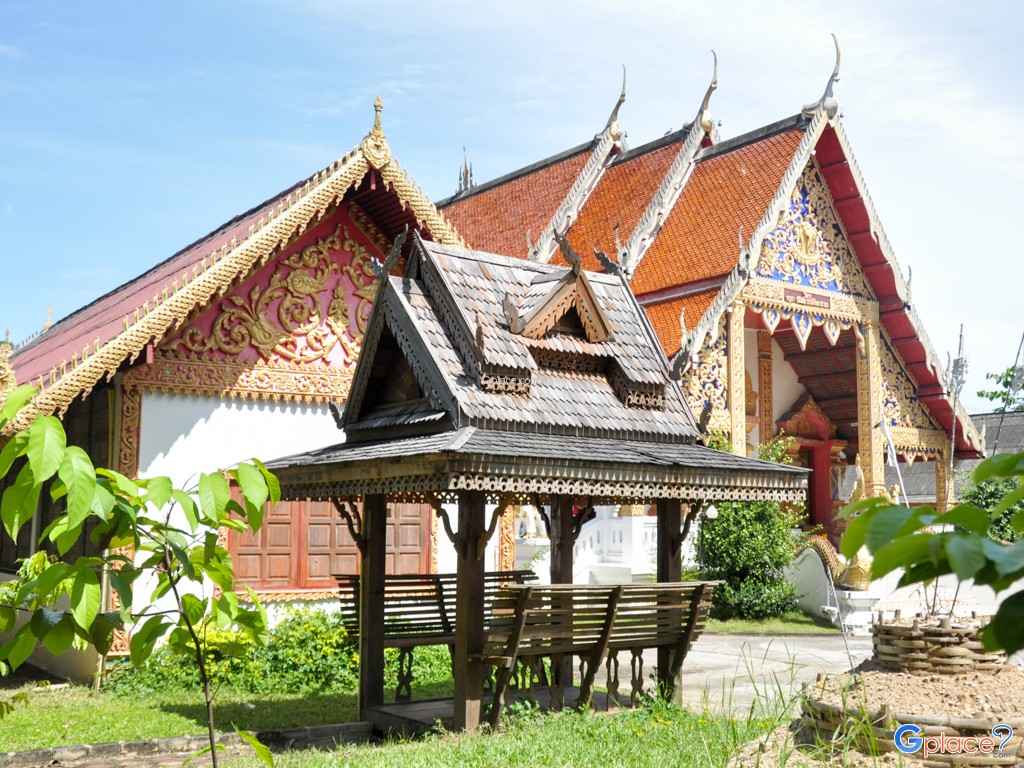
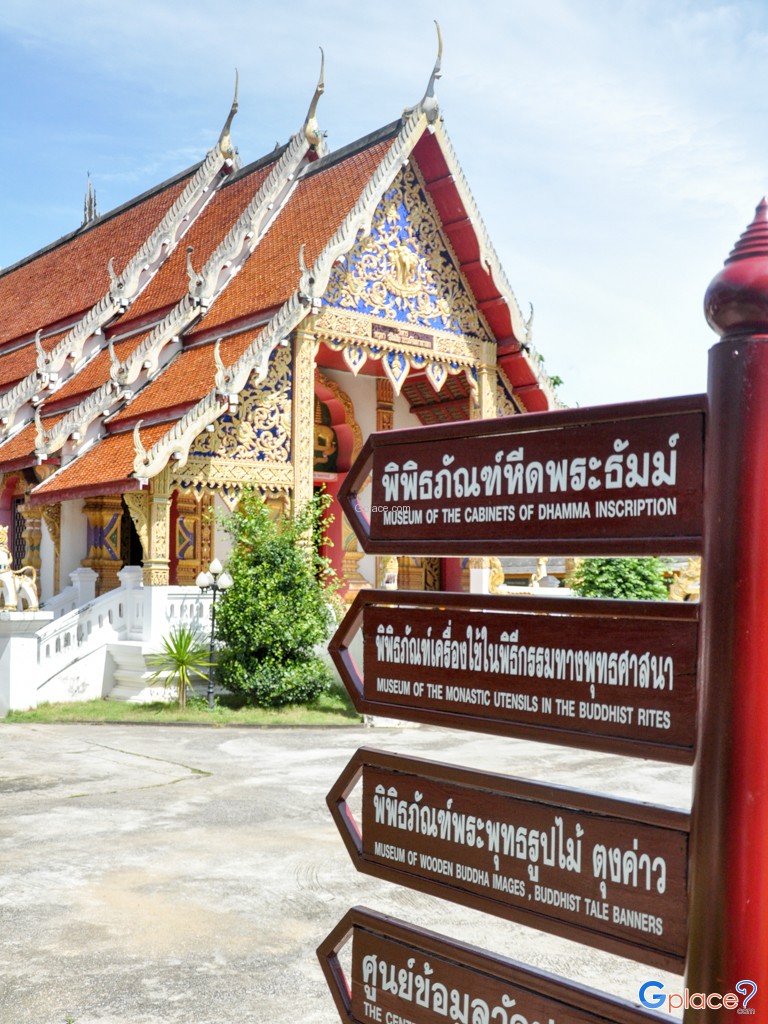
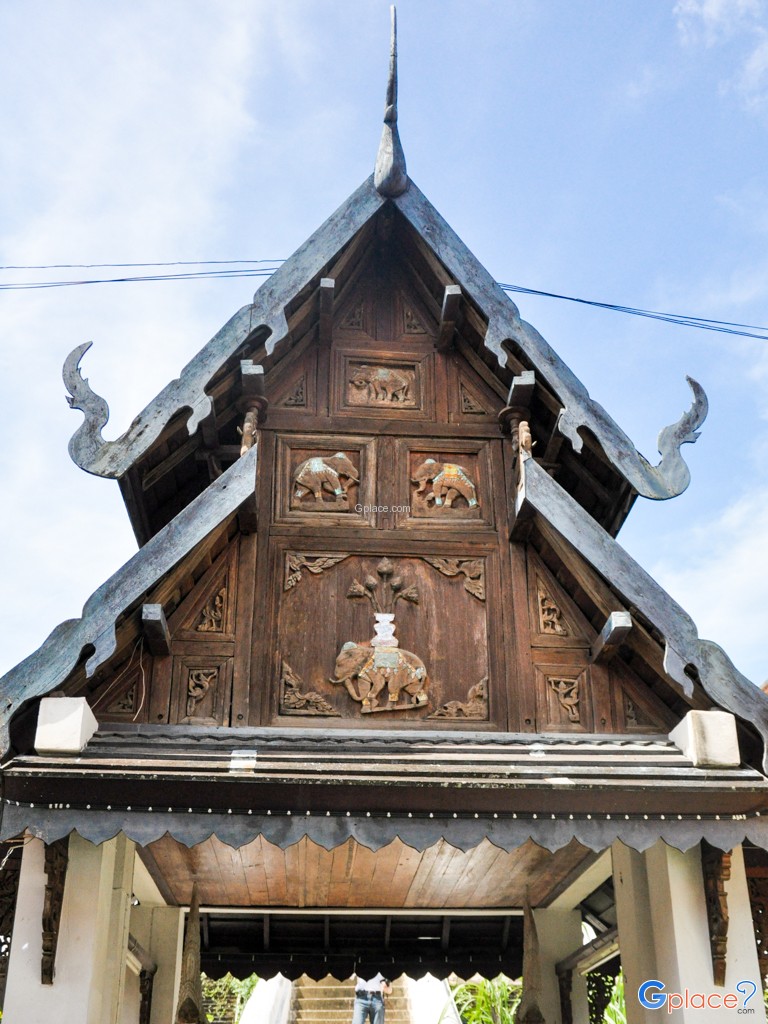
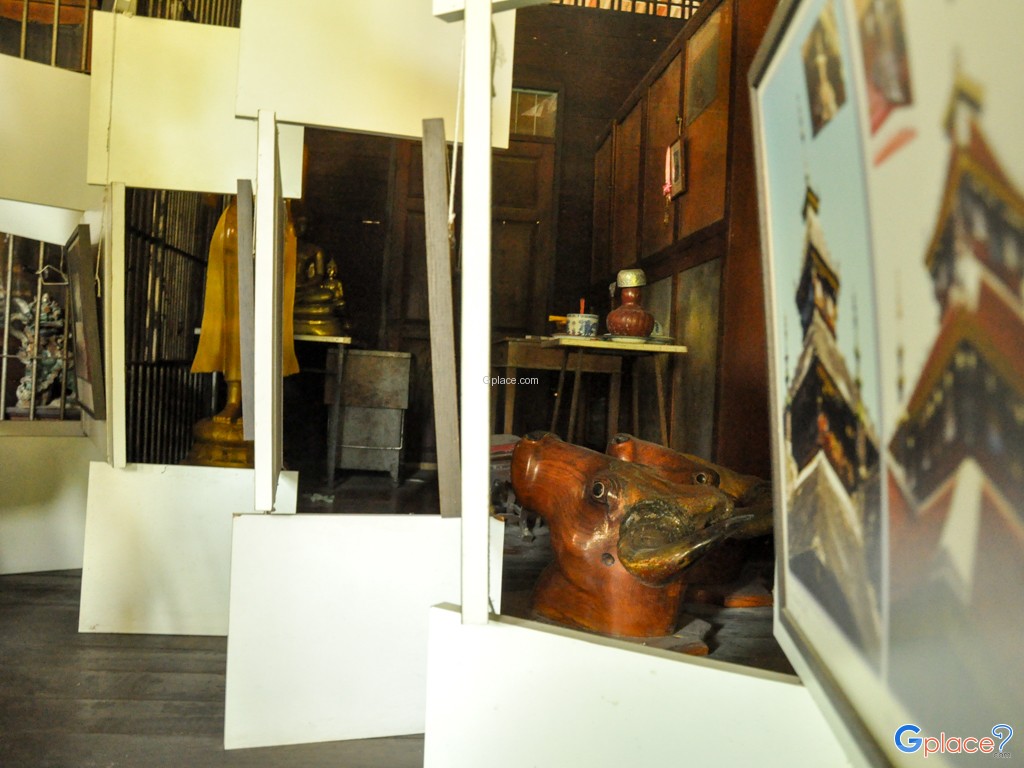
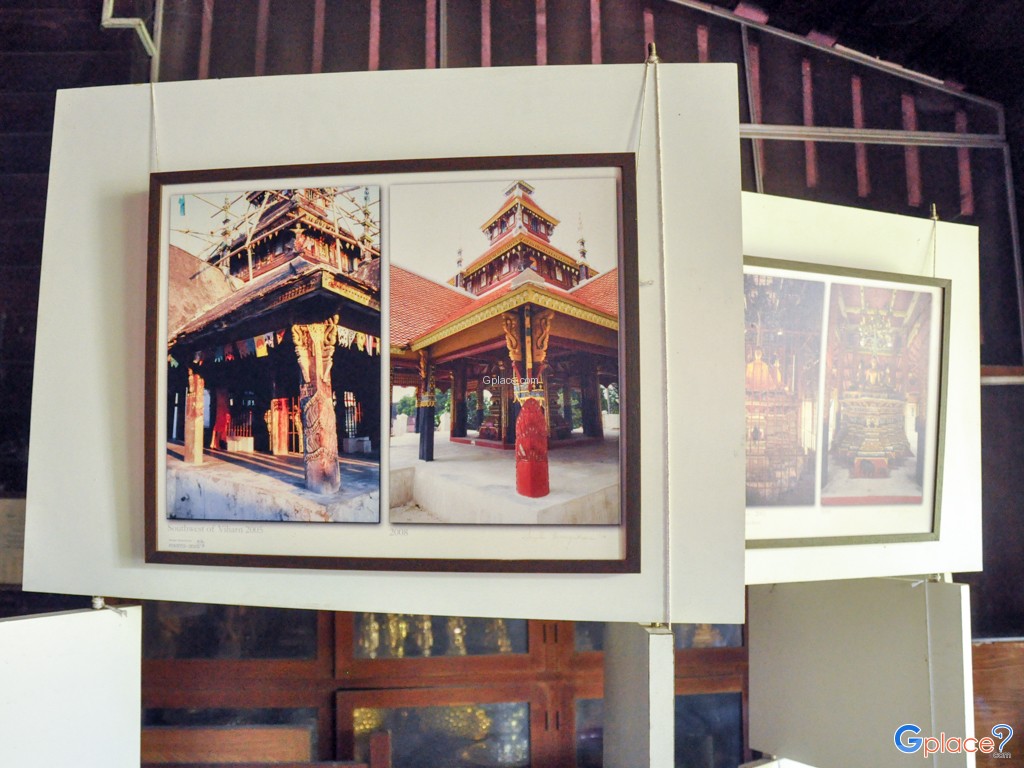
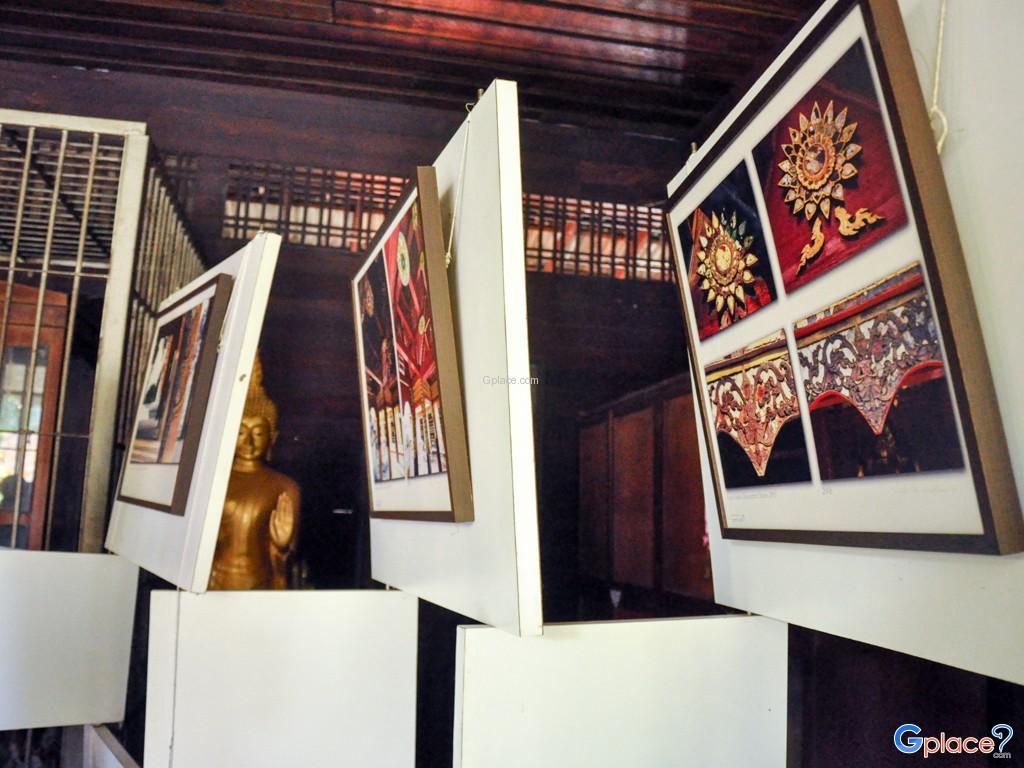
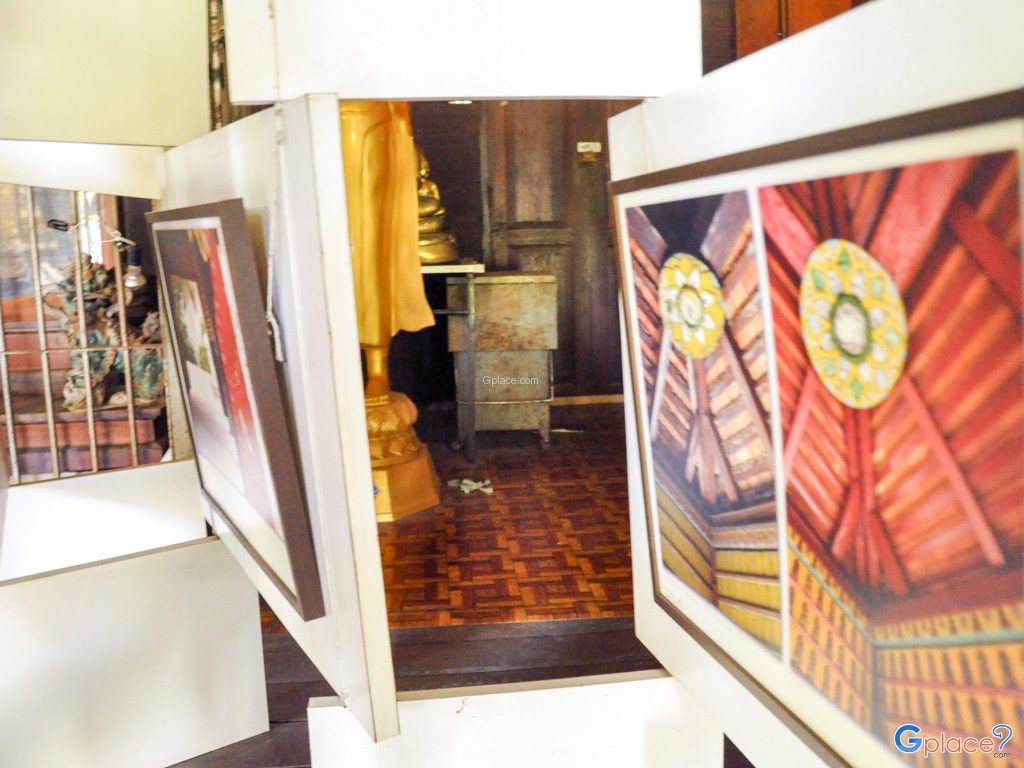
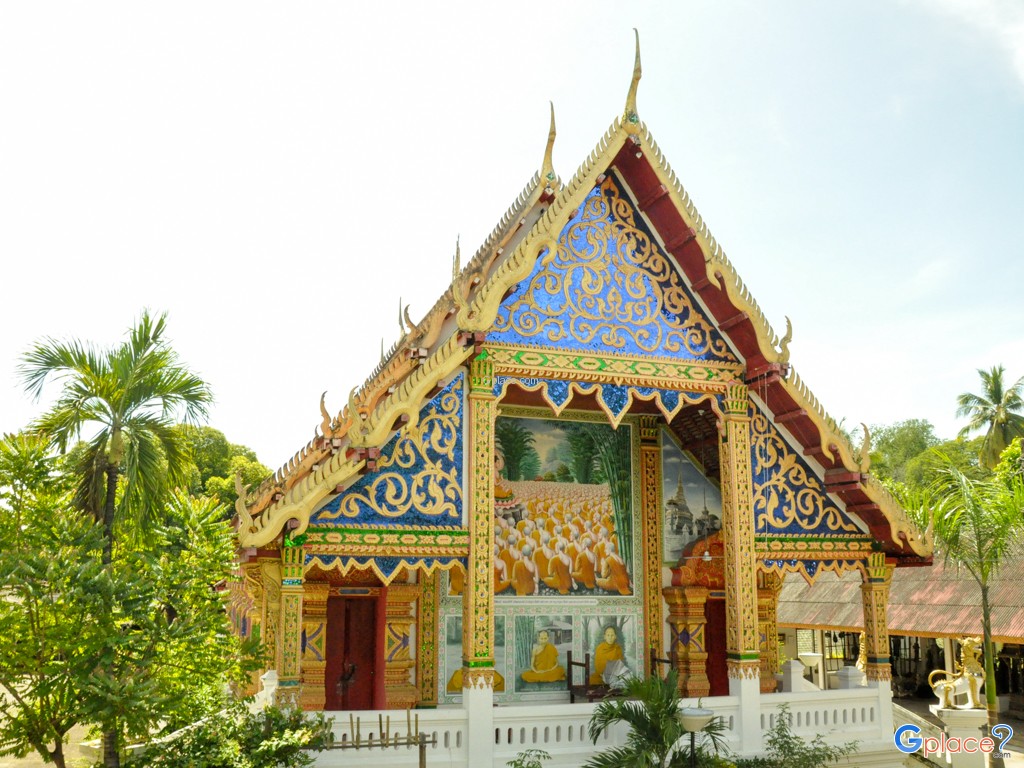
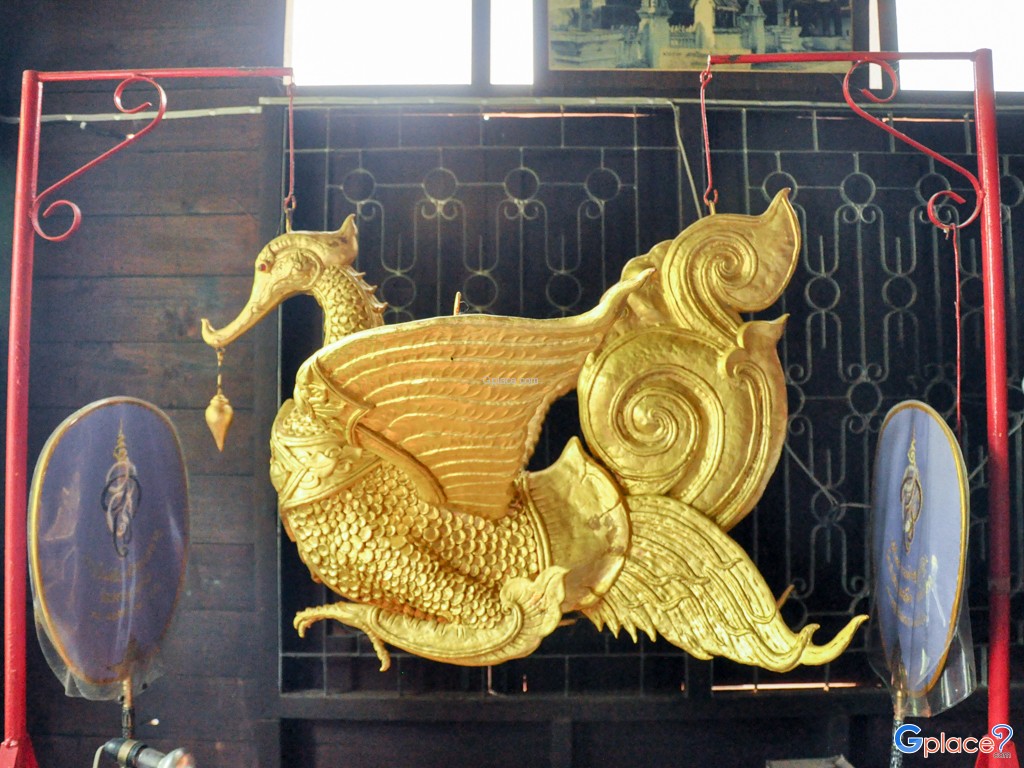
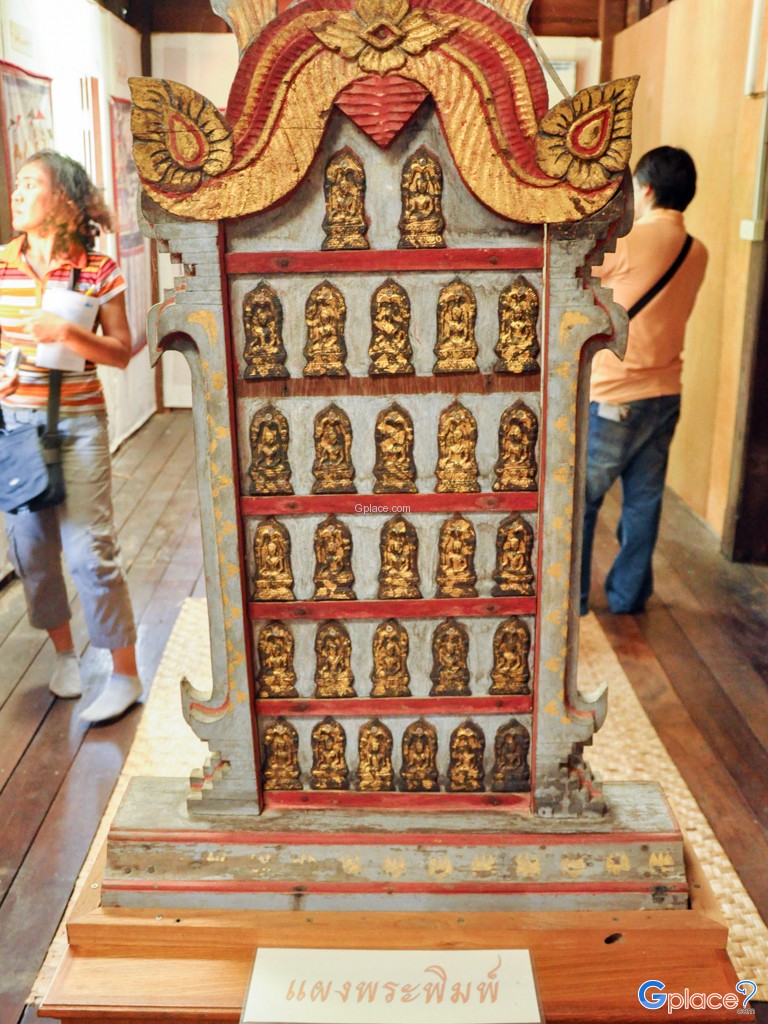
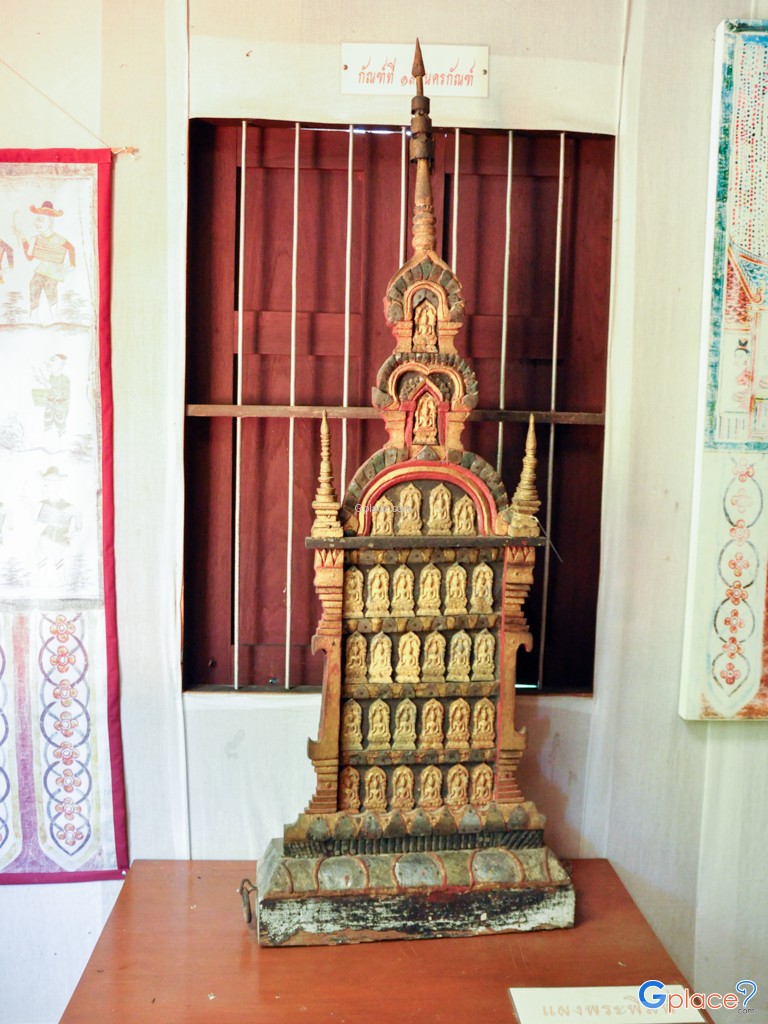
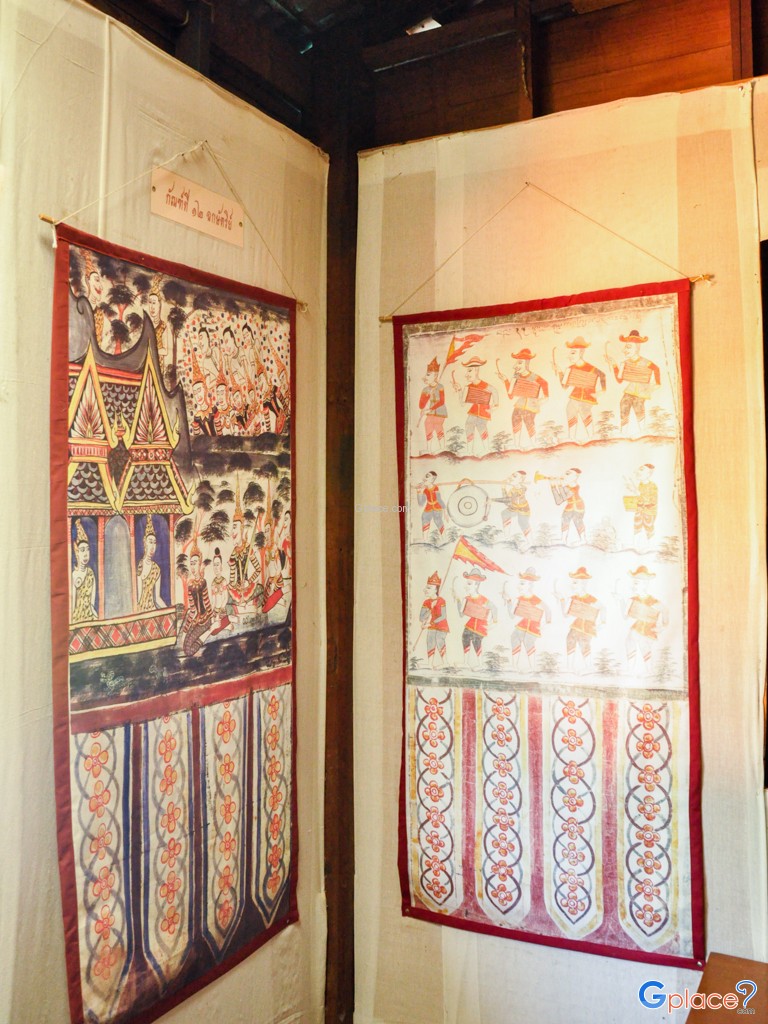
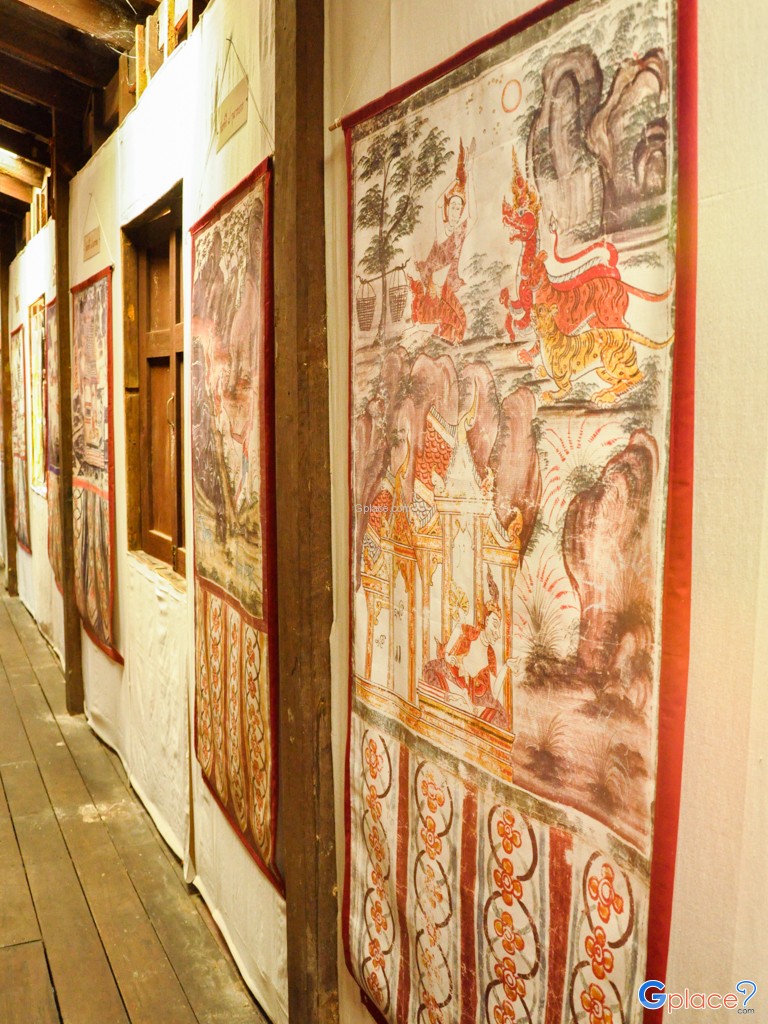
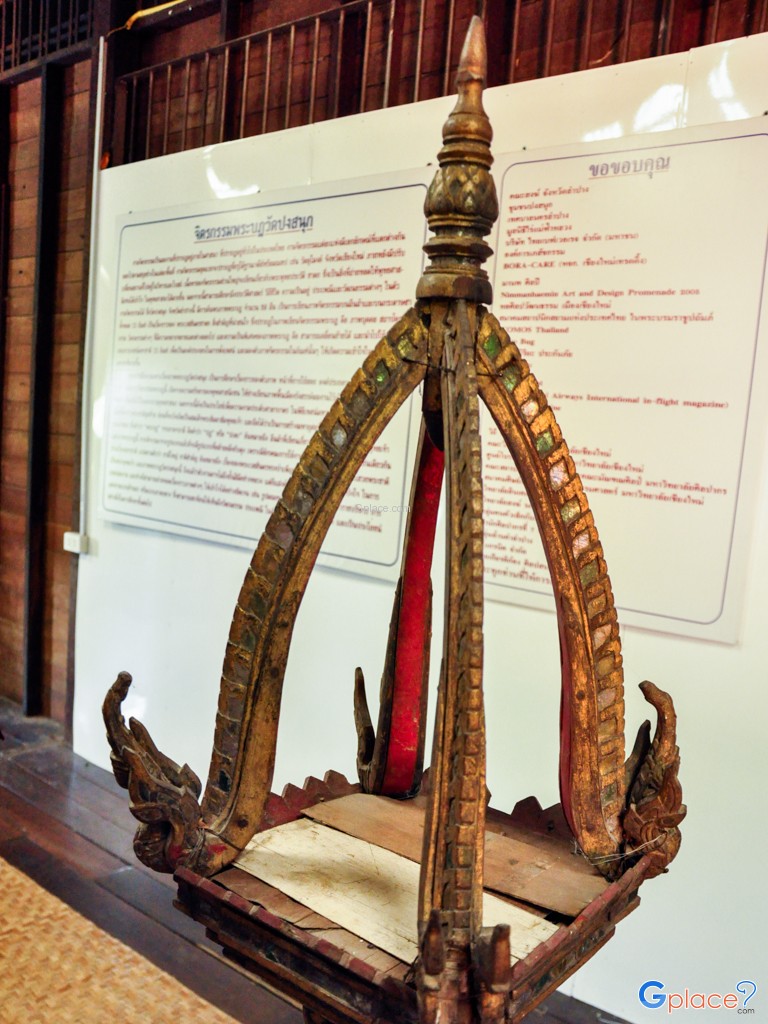
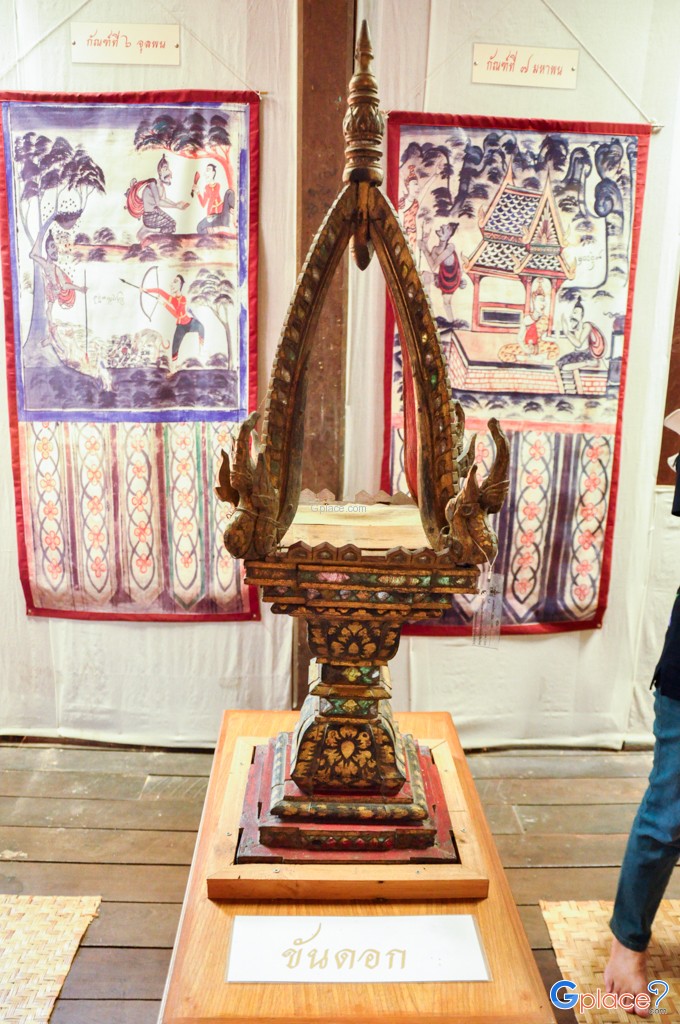
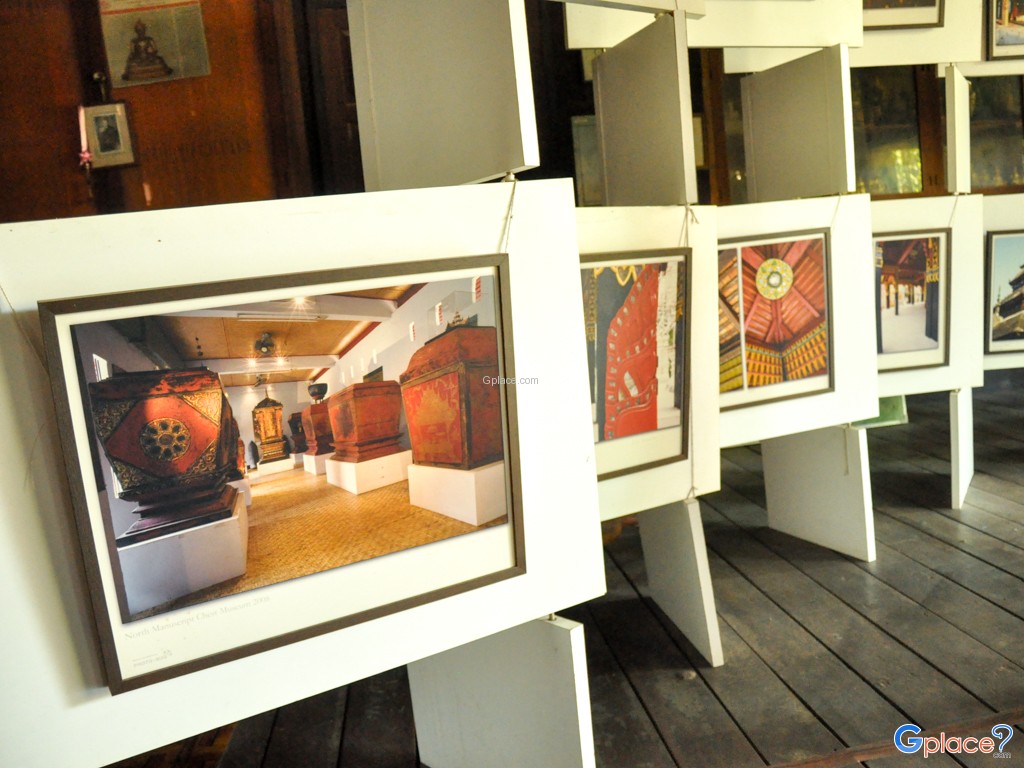
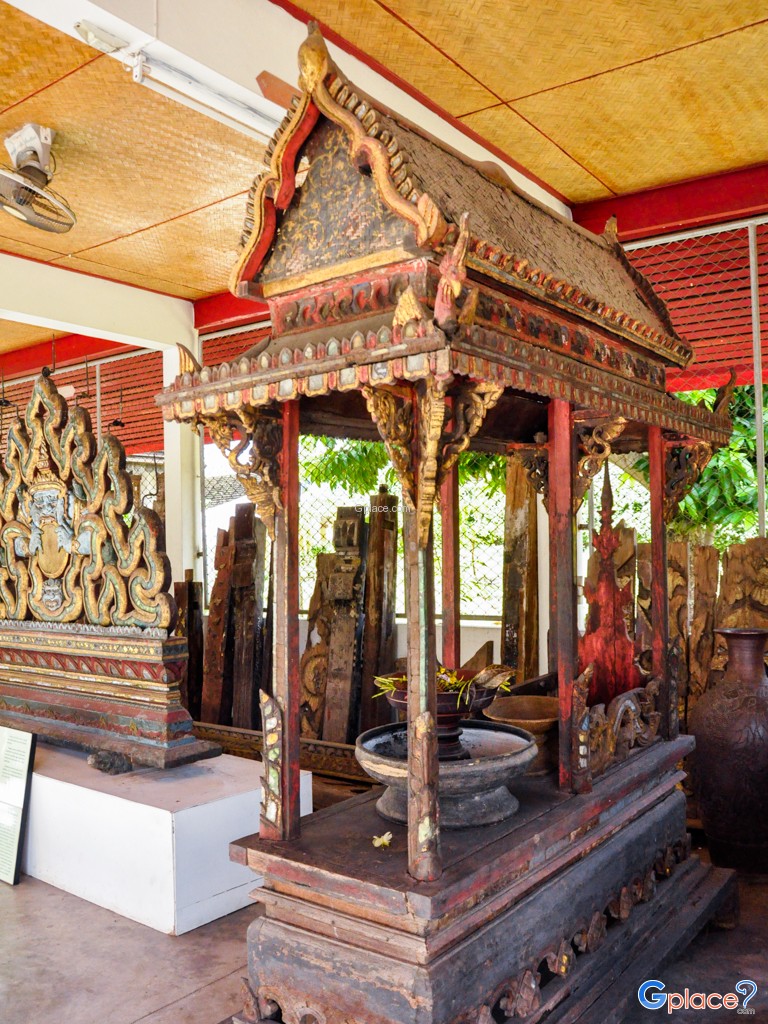
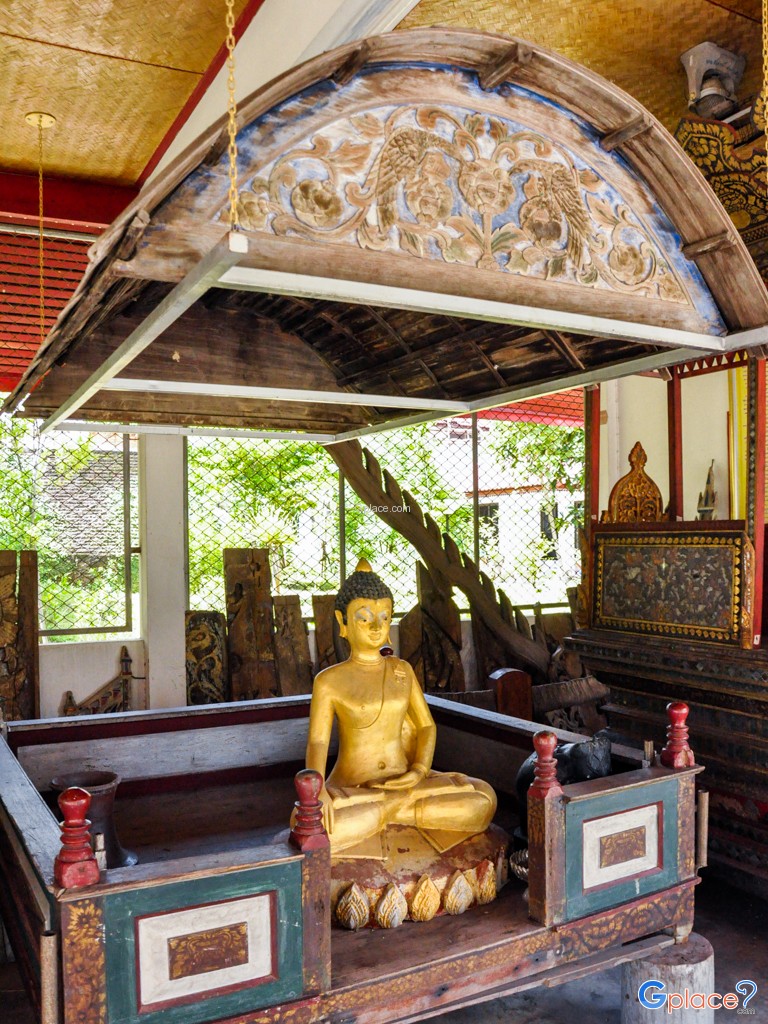
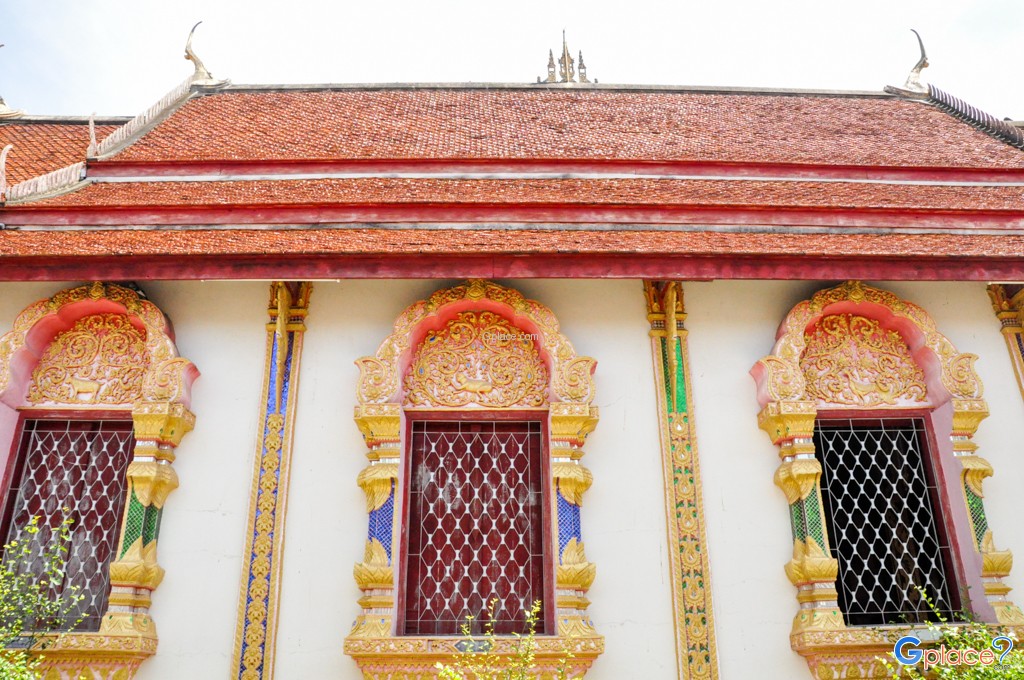
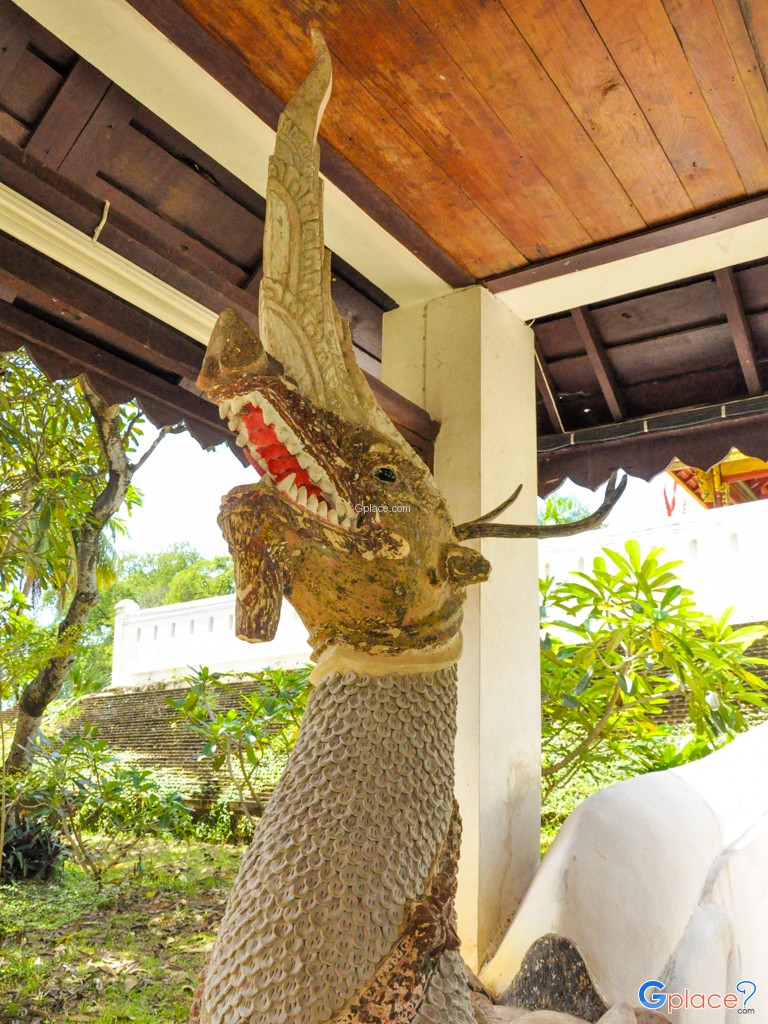
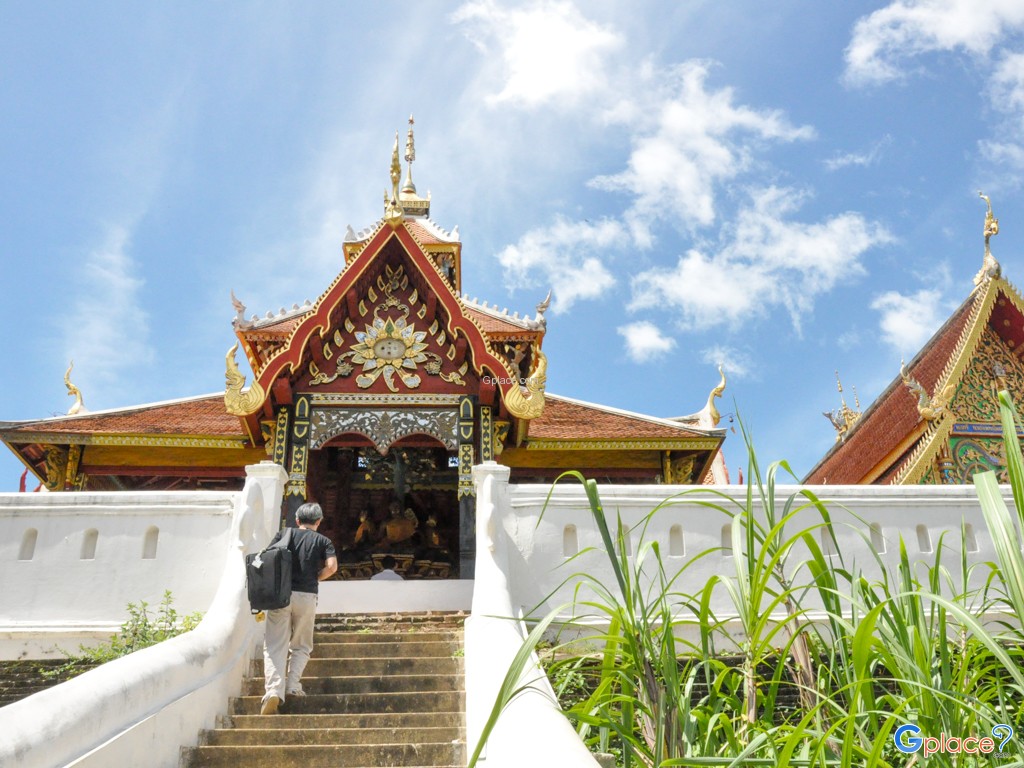
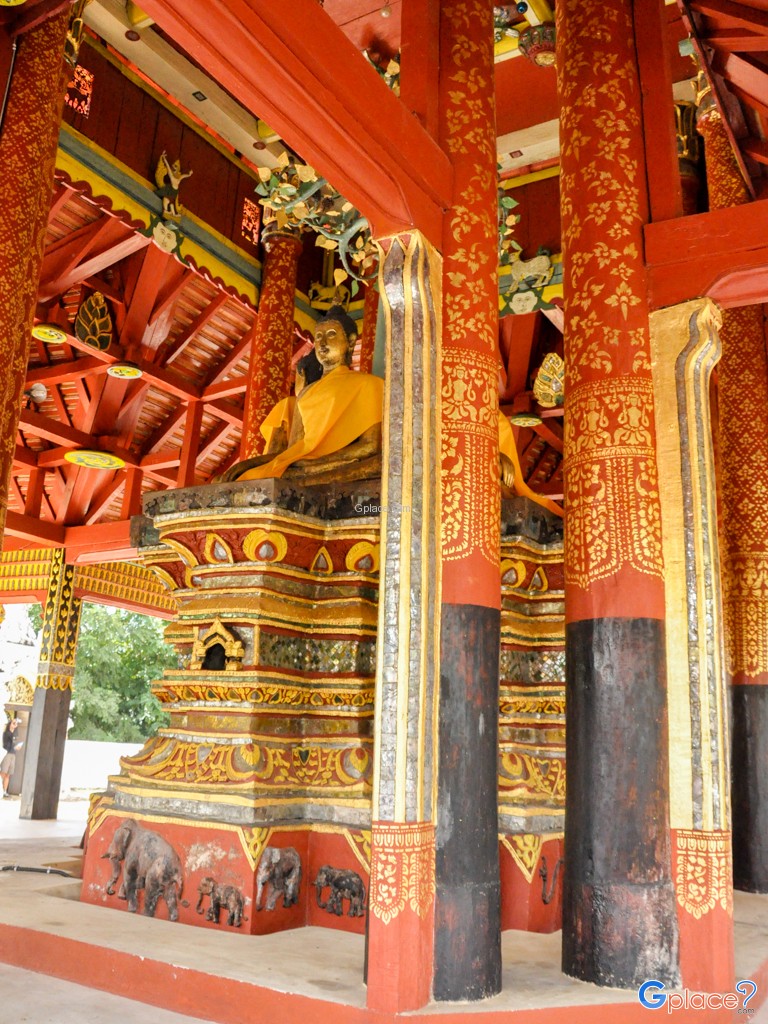
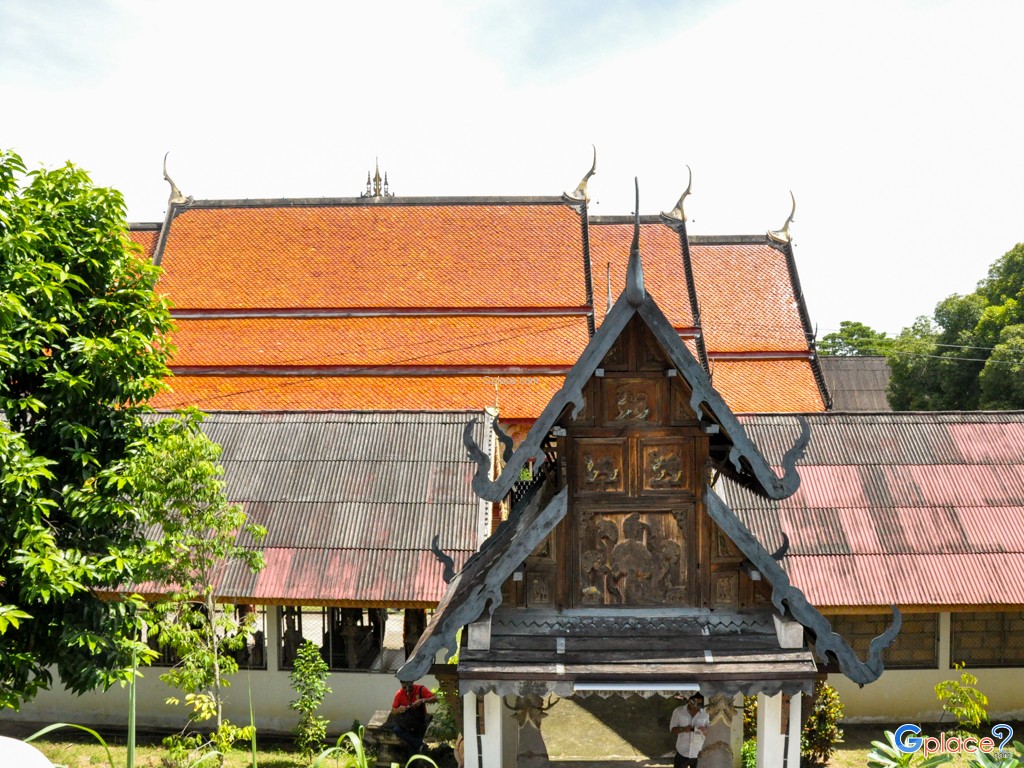
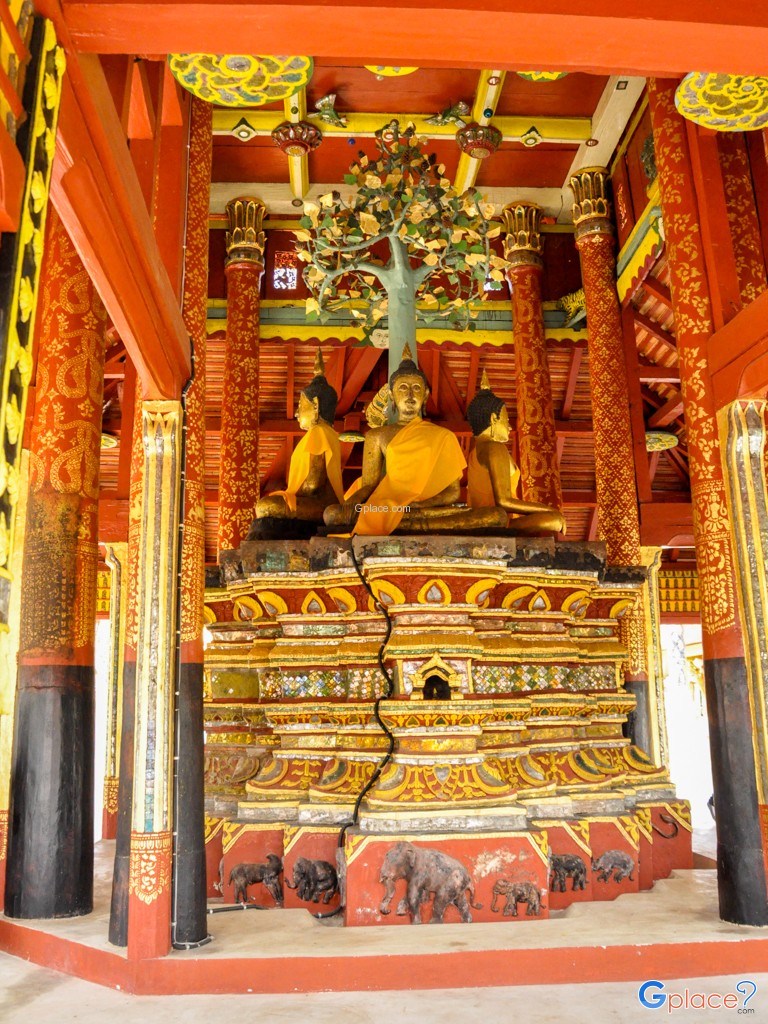
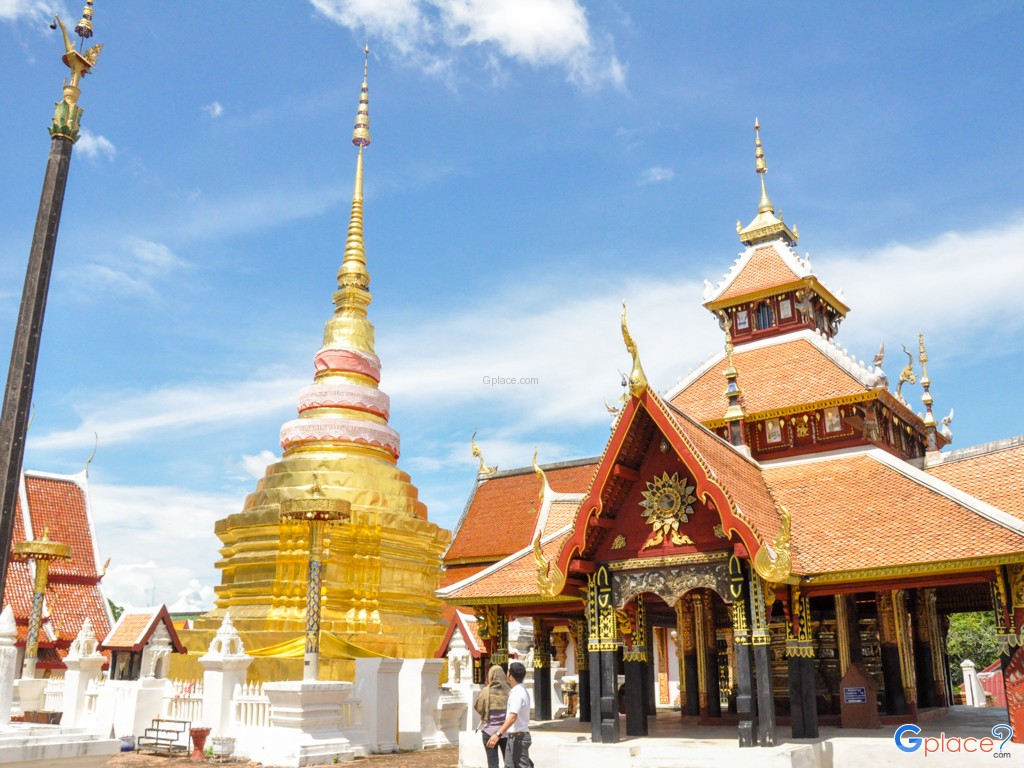
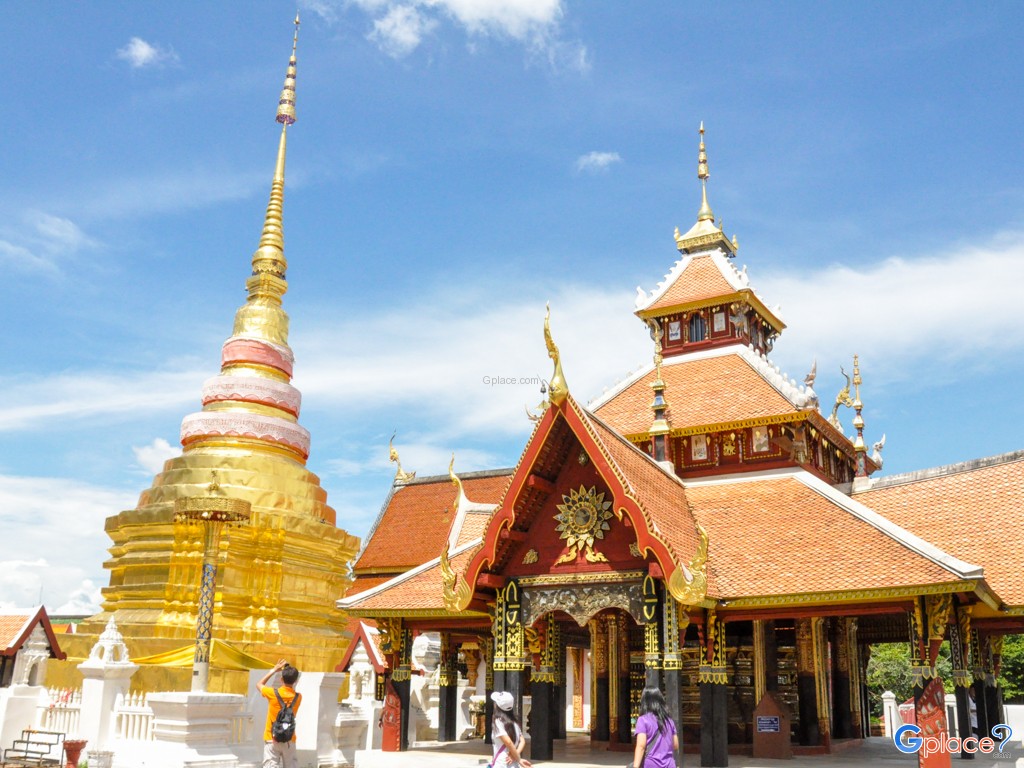
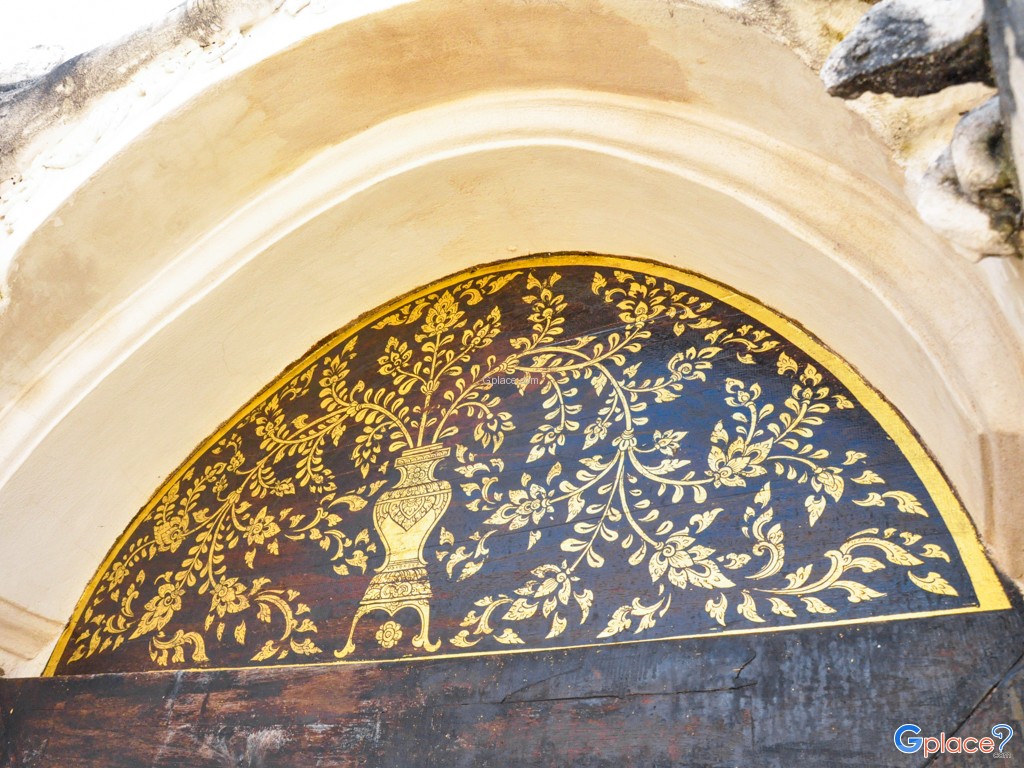
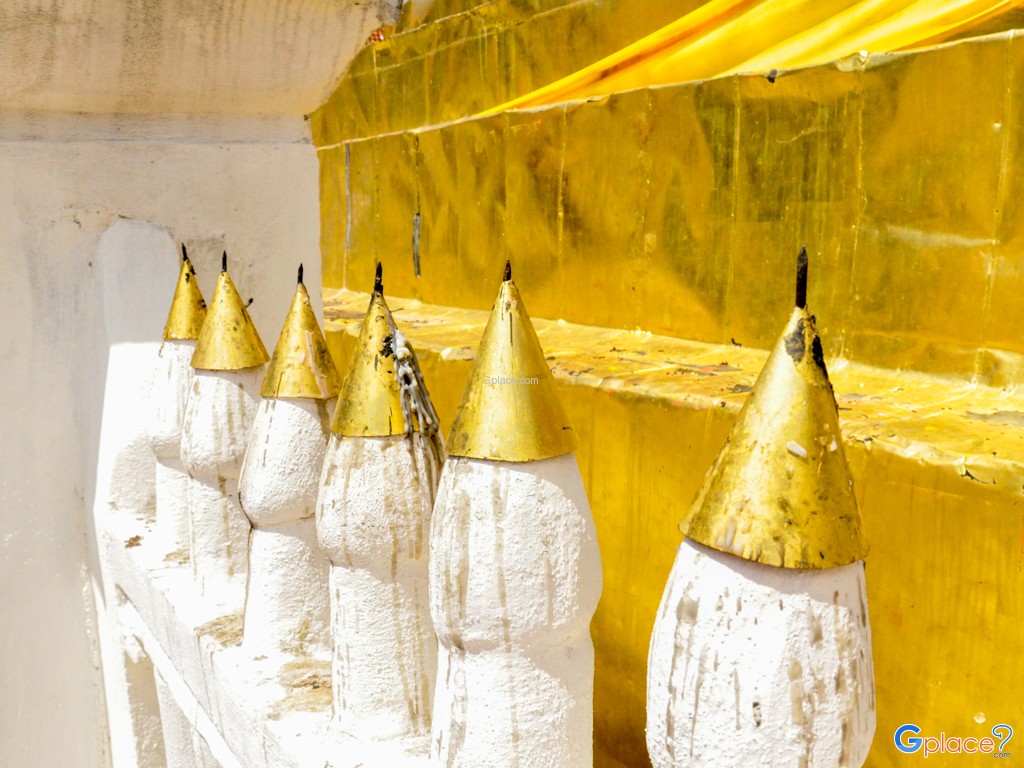
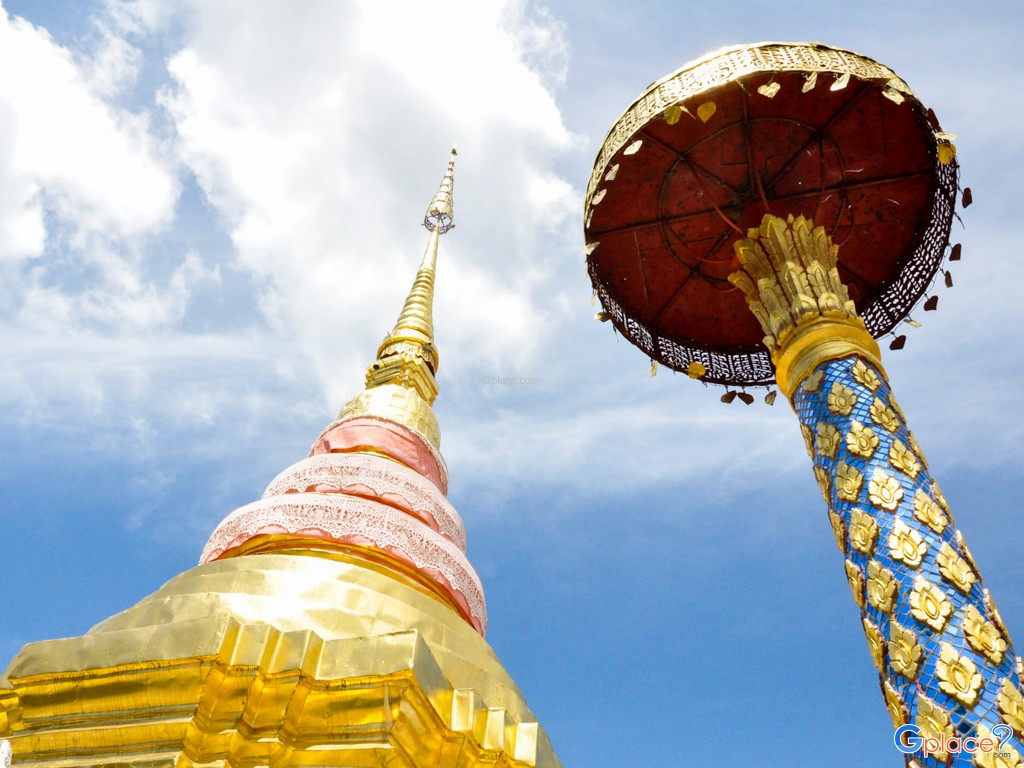
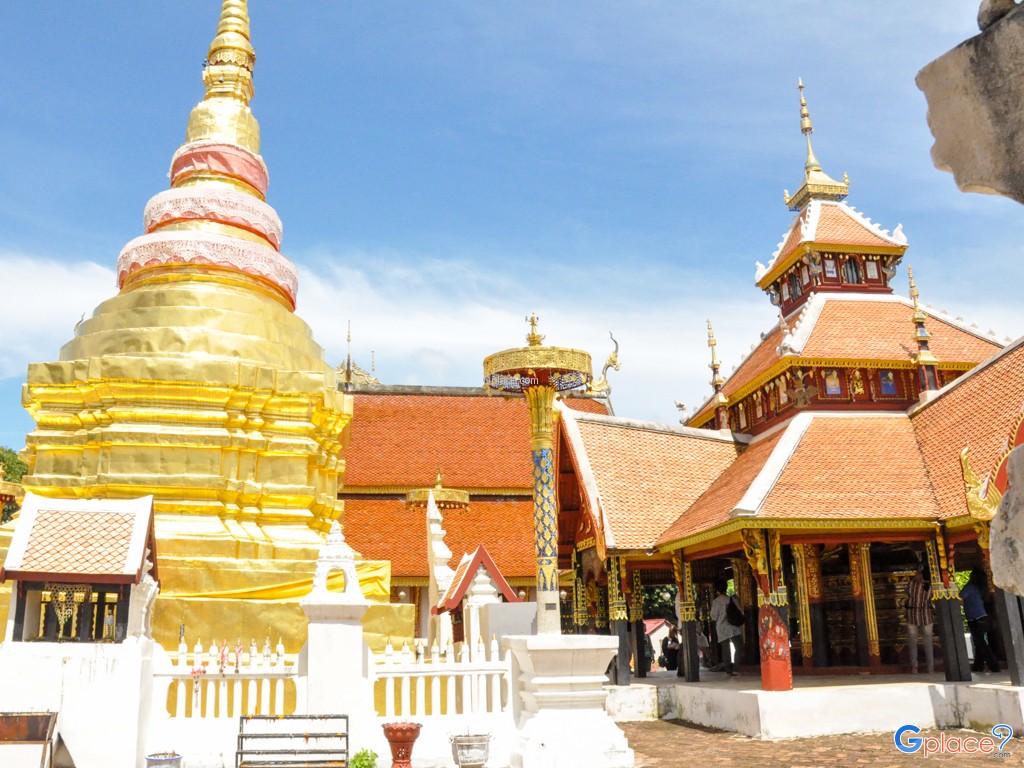
“An ancient temple over 1,300 years old featuring the remarkable Viharn Phra Chao Phan Ong, a teakwood cruciform pavilion built on a symbolic sacred mound and decorated with more than 1,080 Buddha tablets, recognized with the UNESCO Asia-Pacific Heritage Award.”
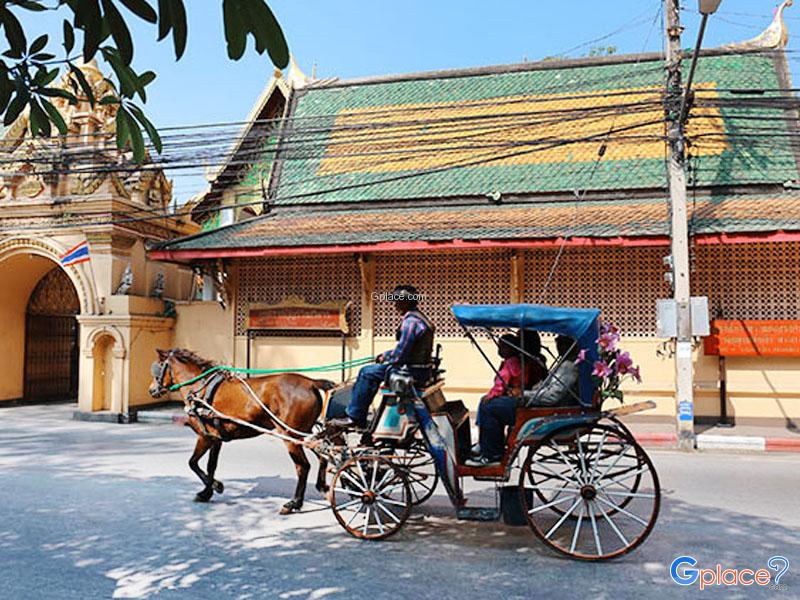
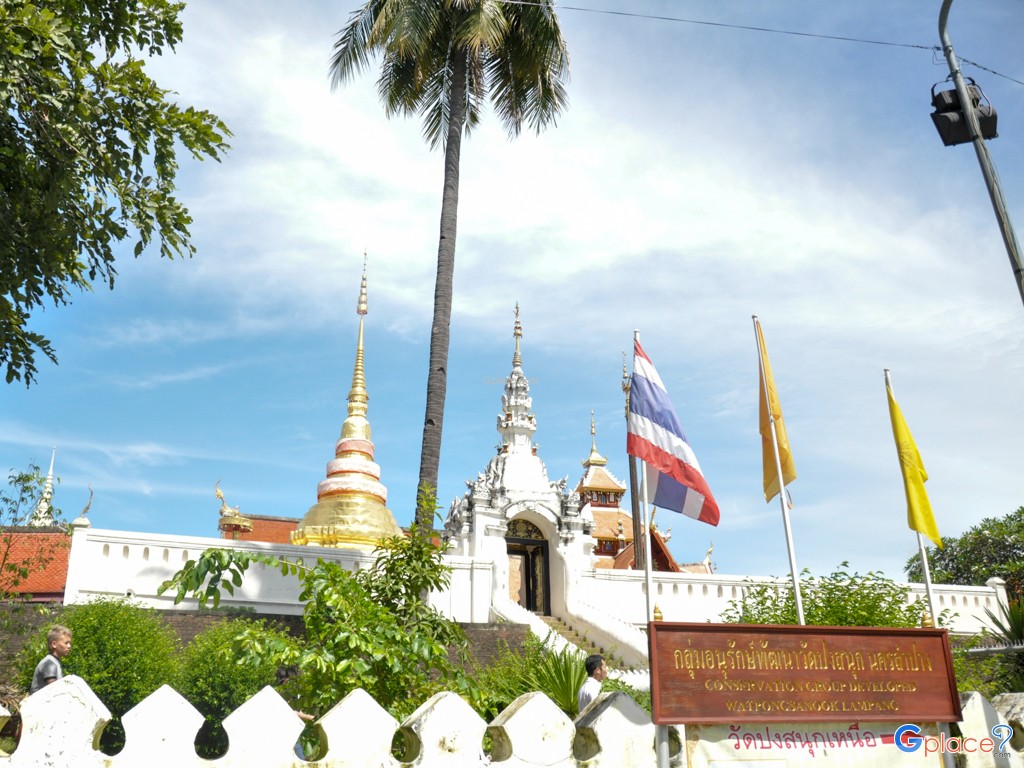
Wat Pong Sanuk Nuea–Tai is one of the most important ancient temples in Lampang Province. It is located in the historic Wiang Nuea district, within the second ancient wall of Khelang Nakhon, the old city of Lampang. The temple has a history of more than 1,300 years and has long served as a religious and cultural center of the city.
The temple is believed to have been established around 1223 BE (680 CE) during the reign of Prince Anantayot, the son of Queen Chamadevi, when he came to establish the city of Khelang Nakhon. From historical records and remaining structures, the oldest surviving monuments of the temple are the ancient chedi and the Viharn Phra Chao Phan Ong, both of which underwent a major restoration about 120 years ago. These structures stand today as important evidence of the prosperity of the temple and the Wiang Nuea community throughout history.
Origin of the Name “Pong Sanuk”
The name “Pong Sanuk” originates from a village name belonging to people from Chiang Saen who were relocated to Lampang during historical conflicts in northern Thailand. At the same time, people from Phayao who fled warfare also settled in this area.
As a result, the Wiang Nuea area became a community formed by people from several northern cities. Historical inscriptions and documents indicate that the temple once had several names, including:
-
Wat Sri Chom Khrai
-
Wat Sri Chiang Phum
-
Wat Don Kaew
-
Wat Phayao
Later, some people from Phayao returned to their homeland, while the people from Chiang Saen remained in Lampang. Over time, the name “Wat Pong Sanuk” became the commonly used name for both the village and the temple, and it continues to be used today.
Viharn Phra Chao Phan Ong (UNESCO Award)
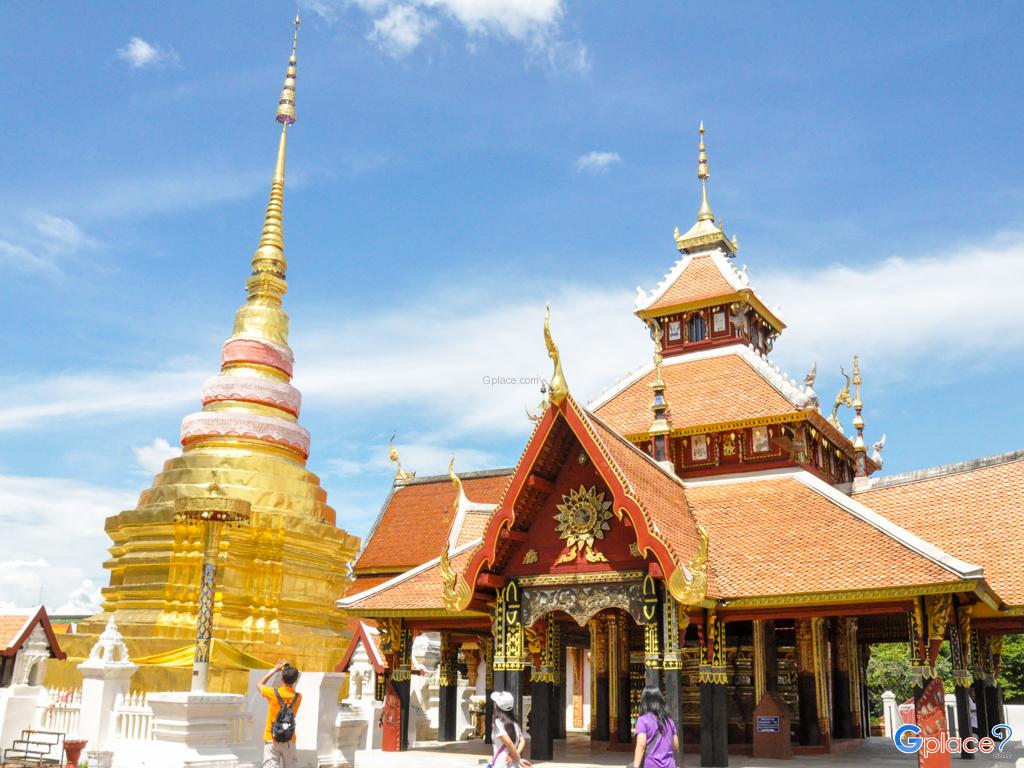
The most outstanding highlight of the temple is the Viharn Phra Chao Phan Ong, a rare cruciform teakwood pavilion of remarkable Lanna architecture. The viharn stands on a small mound known as Mon Doi, representing Mount Meru, the sacred cosmic mountain in traditional Buddhist cosmology.
Distinctive features of the viharn include:
-
A three-tiered roof structure
-
Construction entirely from golden teakwood
-
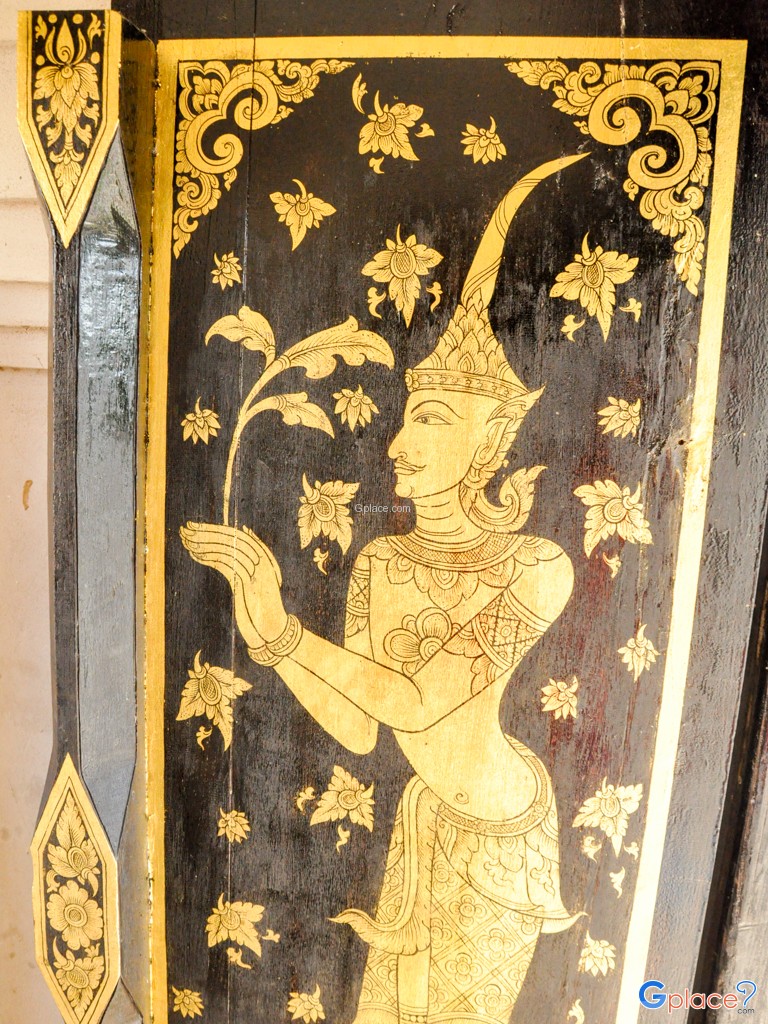
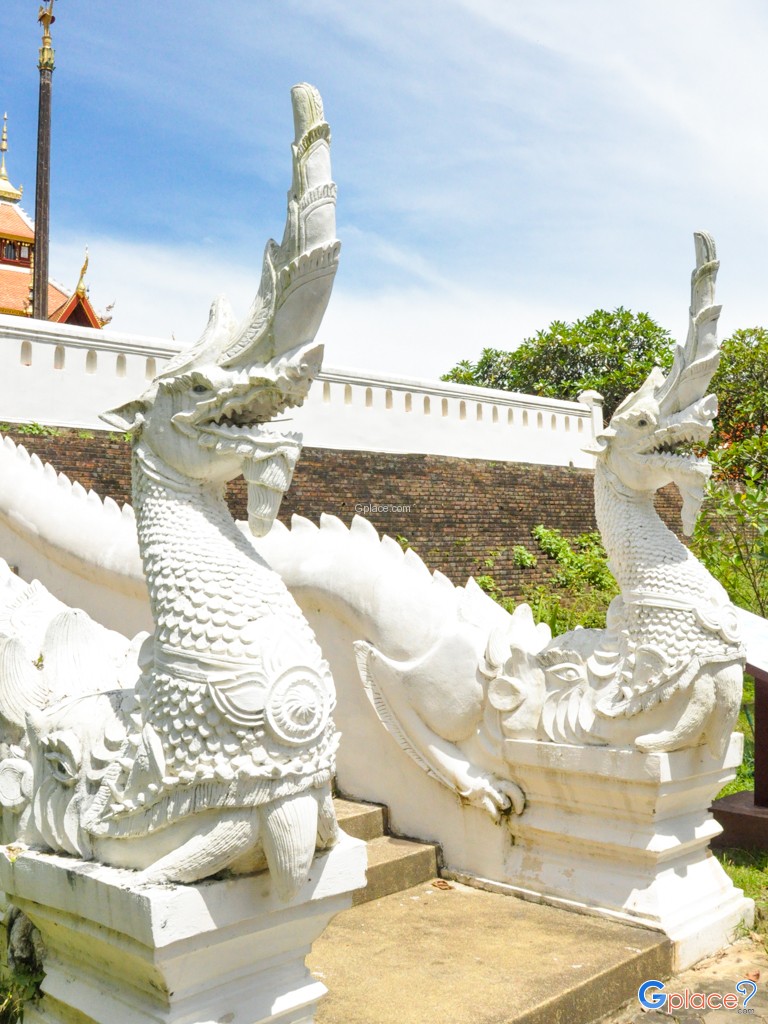
Intricate wood carvings and decorative metalwork
Inside the viharn, Buddha images are positioned facing the four cardinal directions, while the interior walls are decorated with more than 1,080 small terracotta Buddha tablets, which inspired the name “Phra Chao Phan Ong” (The Thousand Buddha Images).
Due to its architectural significance and the successful restoration carried out through local craftsmanship and community participation, the viharn received the UNESCO Asia-Pacific Heritage Award (Award of Merit) in 2008. It is now recognized as an outstanding example of cultural heritage conservation in the Asia-Pacific region.
The Twin Temples: Pong Sanuk Nuea and Pong Sanuk Tai
Another unique feature of this site is that the temple complex is divided into two temples:
-
Wat Pong Sanuk Nuea (North)
-
Wat Pong Sanuk Tai (South)
A road runs between the two areas. In the past, a large number of monks and novices resided here, so the temple grounds were divided into two sections to make administration easier.
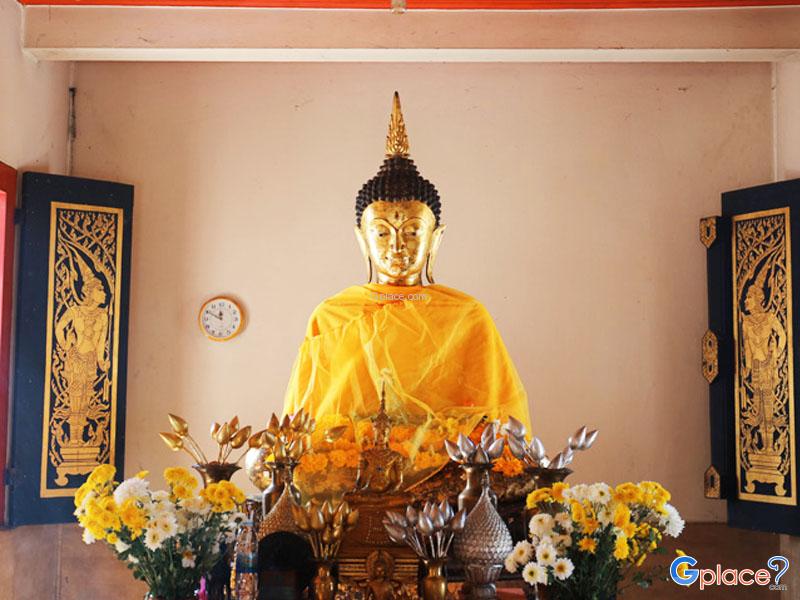
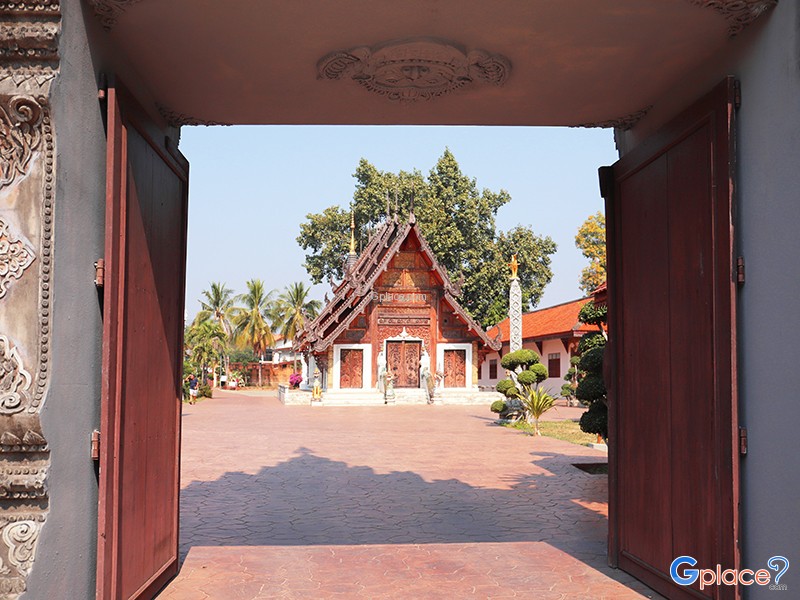
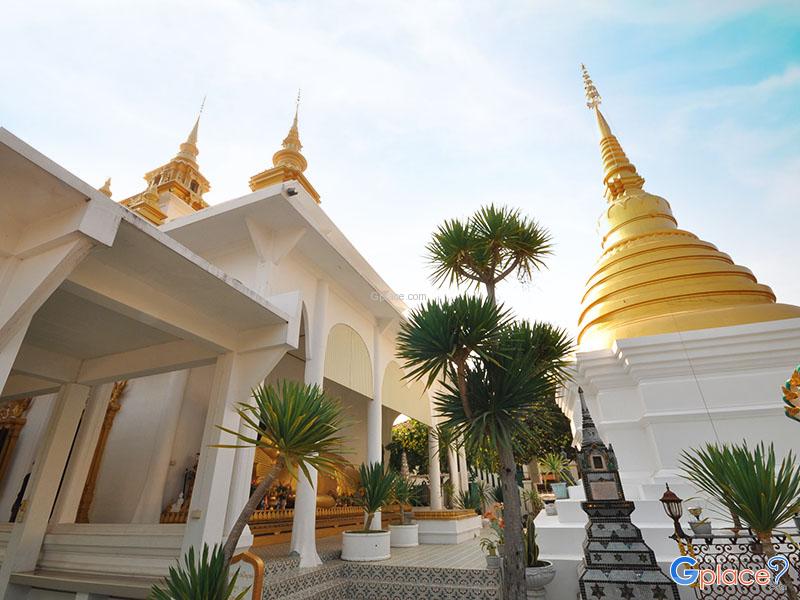
Wat Pong Sanuk Tai is notable for its large Reclining Buddha statue and its traditional wooden viharn, while Wat Pong Sanuk Nuea is home to the famous Viharn Phra Chao Phan Ong. Despite being separated into two temples, they are still considered “sister temples”, continuing to support each other in preserving the historic site and maintaining the traditions of the Wiang Nuea community.
How to Get There
- By car: From the Lampang Clock Tower intersection, drive along Thipwan Road toward the Wiang Nuea historic district for about 1.5 kilometers, then turn onto Pong Sanuk Road. The temple is located on both sides of the road.
Travel Tips
-
Visit in the early morning or late afternoon for the best lighting around the viharn.
-
Dress respectfully and remove shoes before entering temple buildings.
-
Explore both Pong Sanuk Nuea and Pong Sanuk Tai during the same visit.
-
Ideal for travelers interested in Lanna architecture and Lampang history.
-
The Wiang Nuea area contains several historic temples that can be explored on foot.
Admission Fee:
- Free admission
Opening Hours:
- Open daily: 07:00 – 17:00
Wat Pong Sanook

 Share
Share
 Pong Sanuk Road, Wiang Nuea, Mueang Lampang, Lampang 52000
Map
Pong Sanuk Road, Wiang Nuea, Mueang Lampang, Lampang 52000
Map
 Closed today
Mon7.00 - 17.00
Tue7.00 - 17.00
Wed7.00 - 17.00
Thu7.00 - 17.00
Fri7.00 - 17.00
Sat7.00 - 17.00
Sun7.00 - 17.00

 https://thai-tour.com/thai-tour/north/lampang/main.htm

 3681
3681