 Attractions
  Hotel
Hotel  Restaurant
  Shopping
  Abroad





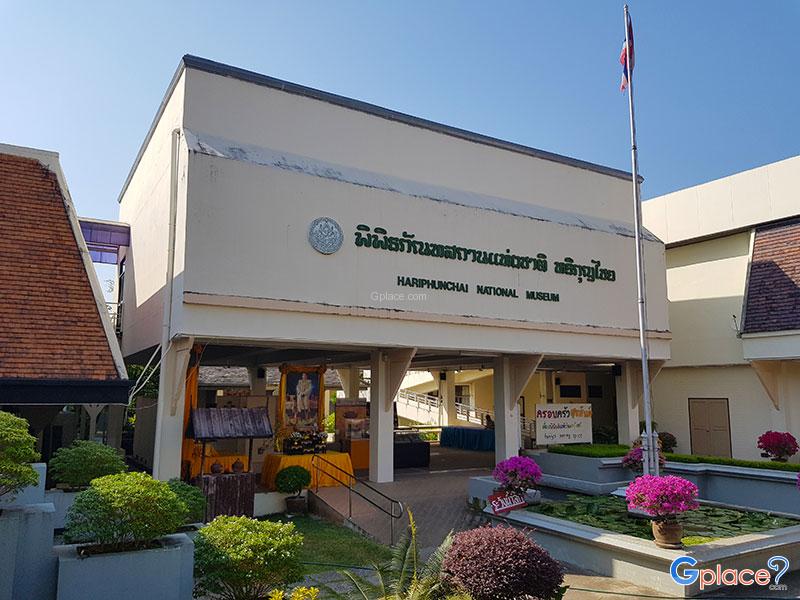

“Features a large stucco Buddha head in classic Hariphunchai style, one of Northern Thailand’s most important collections of ancient Mon inscriptions, and modern multimedia exhibitions explaining Lamphun’s history.”
Hariphunchai National Museum is located on Inthayongyot Road, directly opposite Wat Phra That Hariphunchai. It was first established in 1927 by Phraya Ratchanakul Wibunphakdi, the regional commissioner of Monthon Phayap, to collect and preserve artifacts discovered in Lamphun and nearby areas that reflect the prosperity of the ancient Hariphunchai Kingdom, one of the oldest civilizations in Northern Thailand.
Later, the Fine Arts Department constructed a new exhibition building, completed in 1974. The museum was officially opened in 1979 by Her Royal Highness Princess Maha Chakri Sirindhorn, marking its development into a modern national museum.
Inside, visitors can explore an extensive collection of artifacts, especially Hariphunchai-period art dating from around the 12th–14th Buddhist centuries. Highlights include sandstone Buddha images and large stucco Buddha heads characterized by broad faces, prominent eyes, and thick lips — distinctive features unique to Hariphunchai craftsmanship.
The museum also houses an important collection of ancient inscriptions, including Mon and Lanna scripts, which document the founding of the city, religious development, and social history of the region.
In addition, exhibitions present later Lanna cultural heritage, including traditional tools, silverware, and antique textiles that reflect the everyday life of Lamphun people through subsequent historical periods. Altogether, the museum serves as one of Northern Thailand’s most comprehensive centers for learning about history, art, and culture.
How to Get There
- By Car: Drive to Wat Phra That Hariphunchai in Lamphun city center. The museum is located directly opposite the temple (west side). Parking is available at the temple’s parking area.
Travel Tips
-
Visit the museum before entering Wat Phra That Hariphunchai for better historical understanding
-
Photography is allowed, but flash is prohibited
-
Video recording may be restricted in some areas
-
Use QR codes inside for audio explanations
-
Allow at least 1–2 hours for a full visit
Admission Fee:
- Thai Visitors: 20 THB
- Foreign Visitors: 100 THB
Free entry for students in uniform and seniors aged 60+
Opening Hours:
- Wednesday – Sunday: 9:00 AM – 4:00 PM
- Closed: Monday, Tuesday, and major public holidays (New Year & Songkran)
Hariphunchai National Museum

 Share
Share
 Inthayongyot Road, Nai Mueang, Mueang Lamphun, Lamphun 51000
Map
Inthayongyot Road, Nai Mueang, Mueang Lamphun, Lamphun 51000
Map
 Open now : 9.00 - 16.00
Mon -
Tue -
Wed9.00 - 16.00
Thu9.00 - 16.00
Fri9.00 - 16.00
Sat9.00 - 16.00
Sun9.00 - 16.00

 https://www.thai-tour.com/thai-tour/north/lampun/data/place/pic_hariphunchai-museum.htm

 6369
6369