 Attractions
  Hotel
Hotel  Restaurant
  Shopping
  Abroad





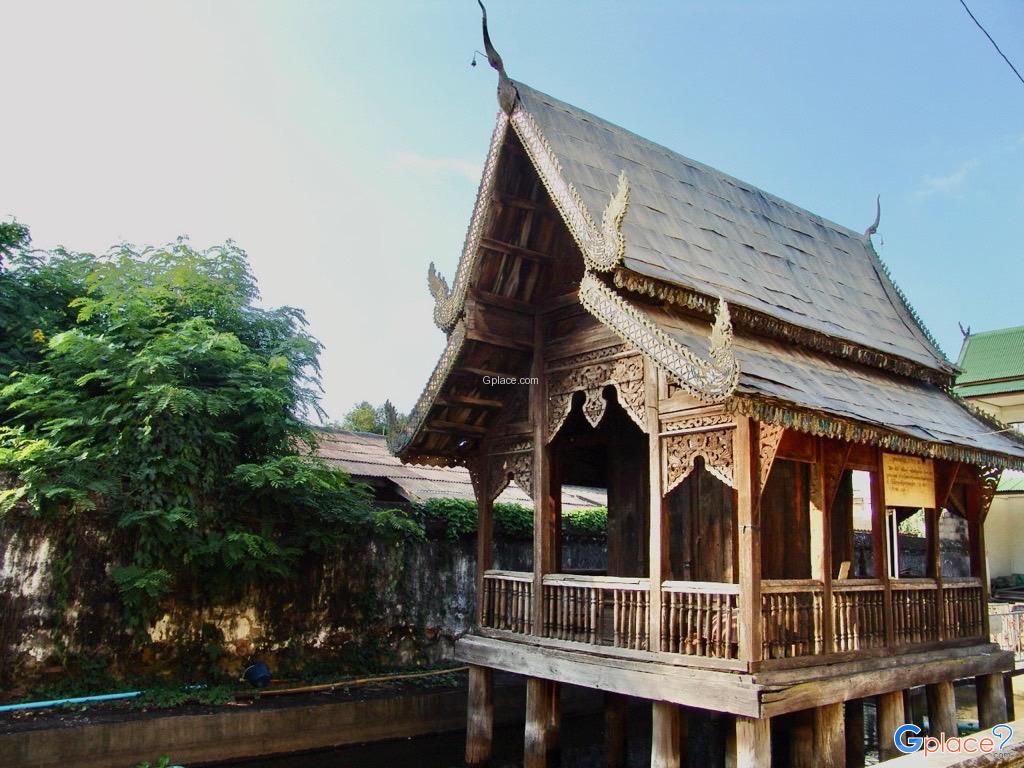

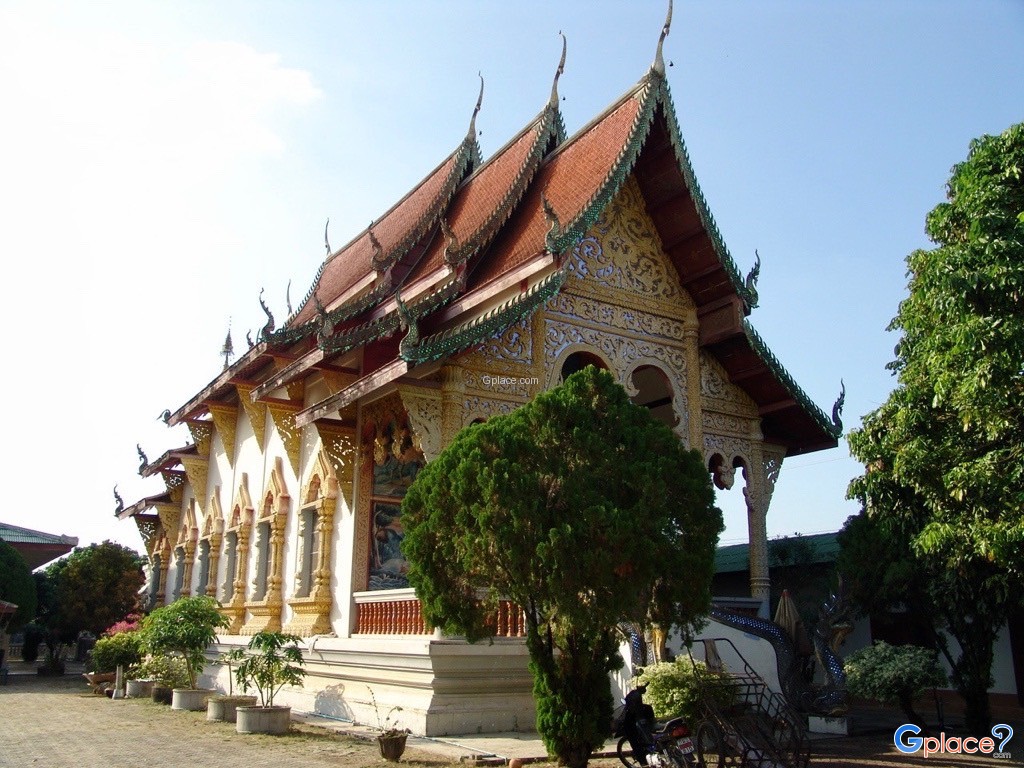
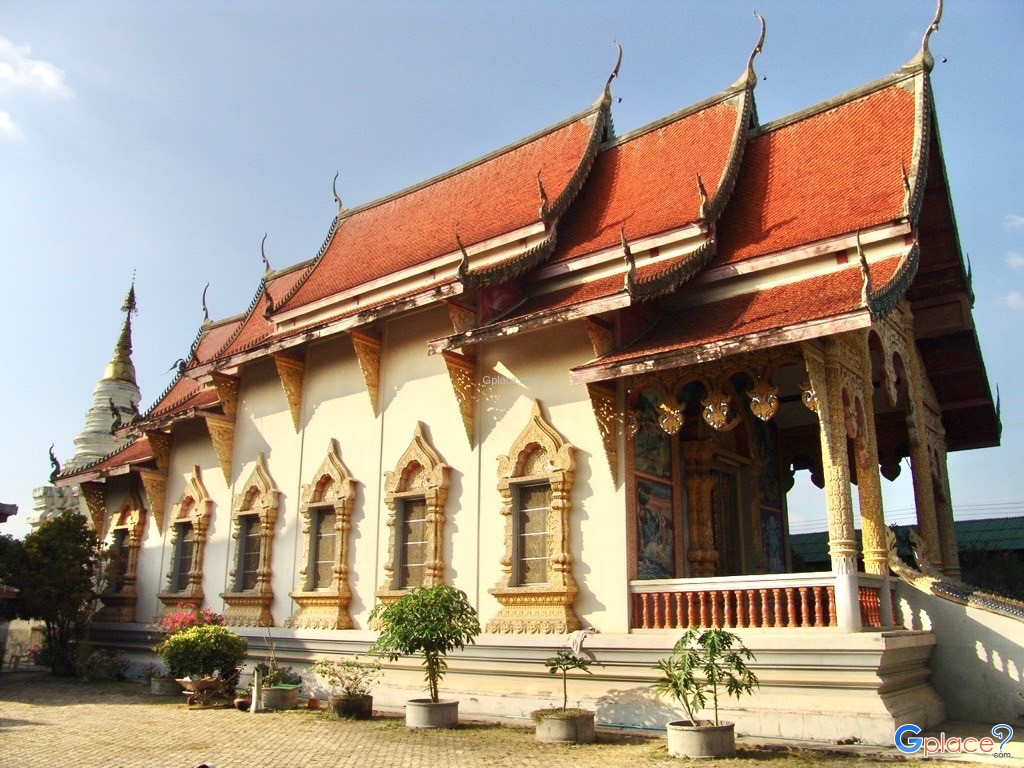
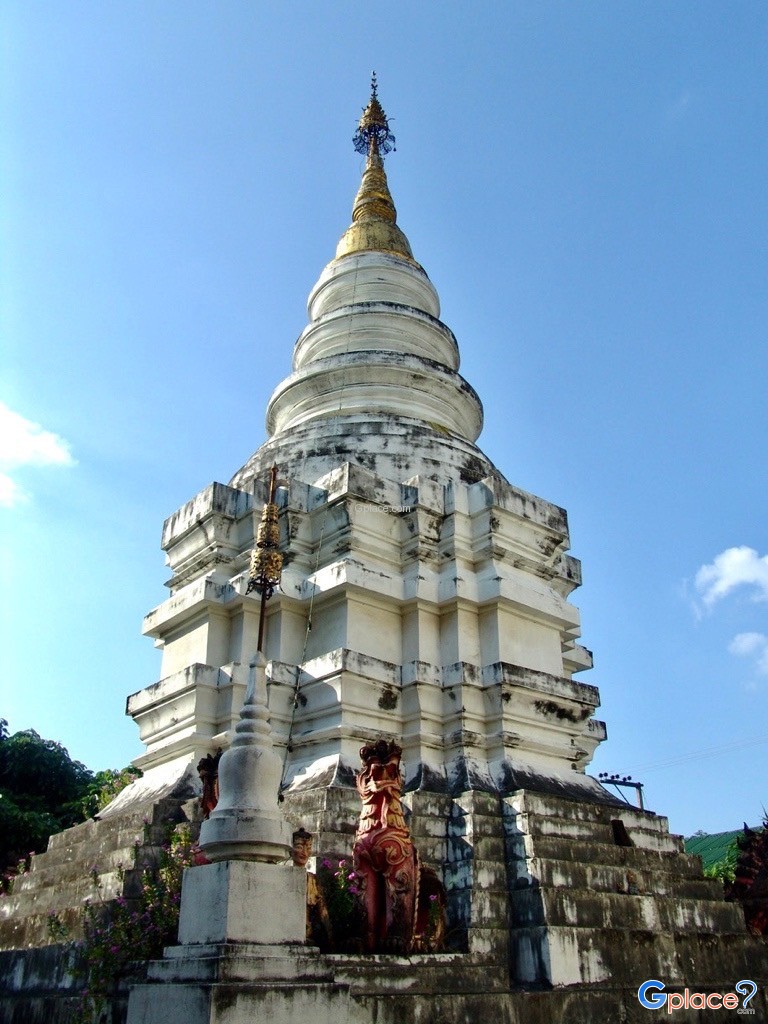
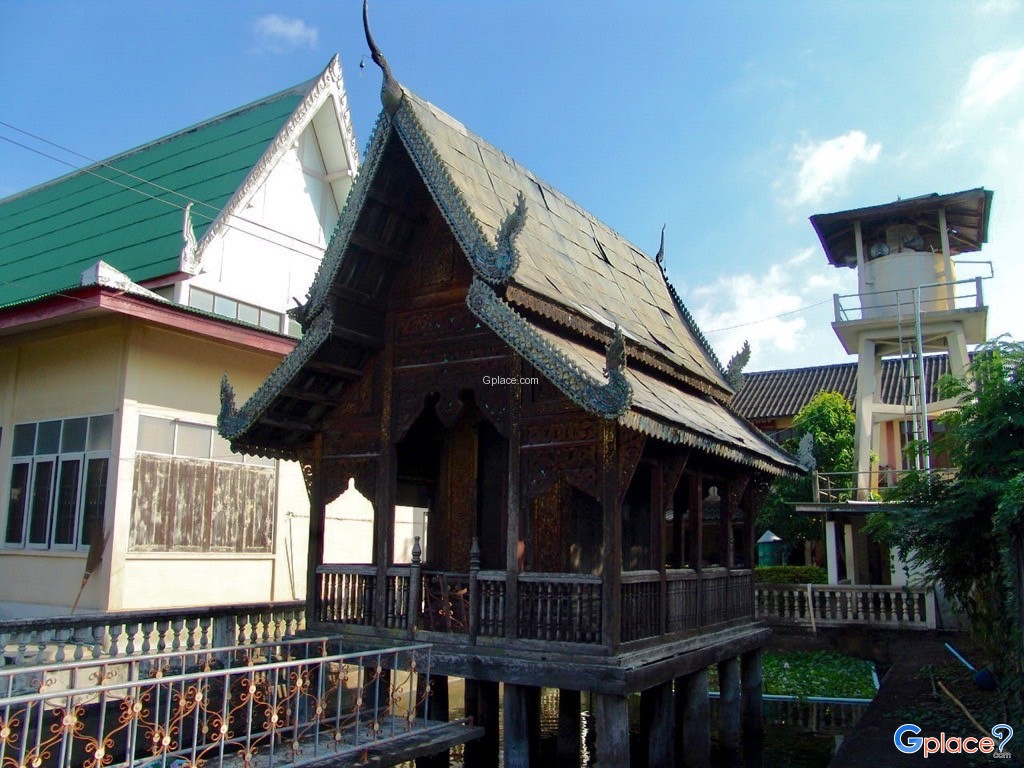
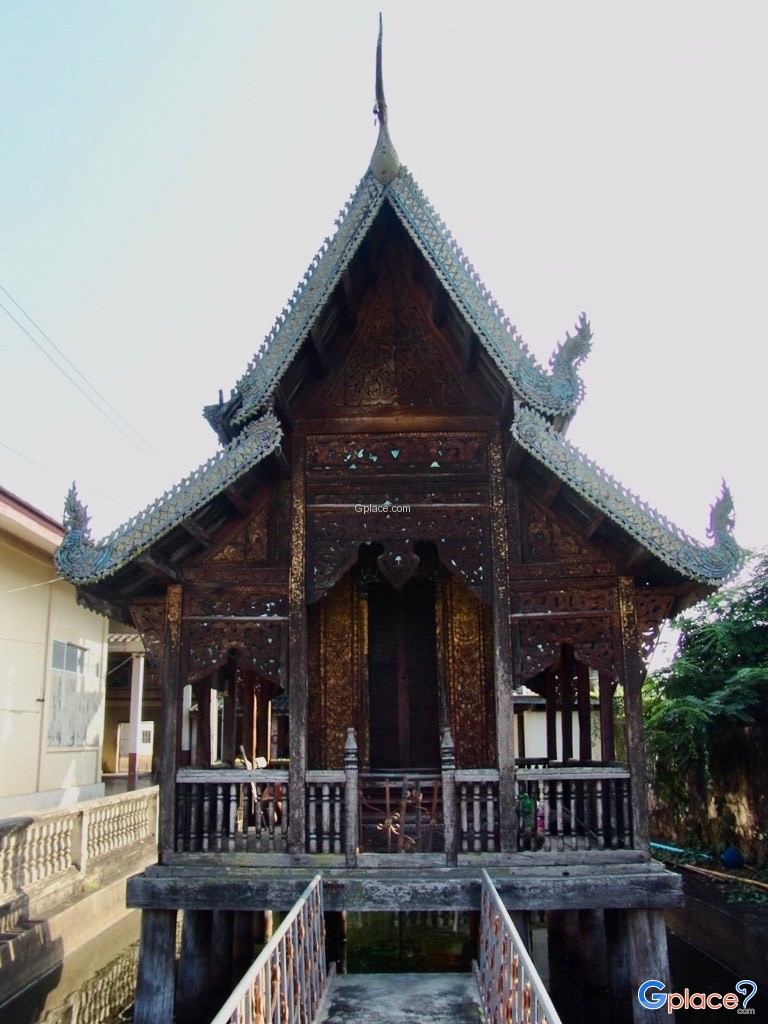
“Admire the 140-year-old wooden scripture hall built over water and registered as a national heritage site by the Fine Arts Department, featuring intricate Lanna-Chinese carved motifs, and pay respect to the principal Buddha image inside the historic wooden viharn.”
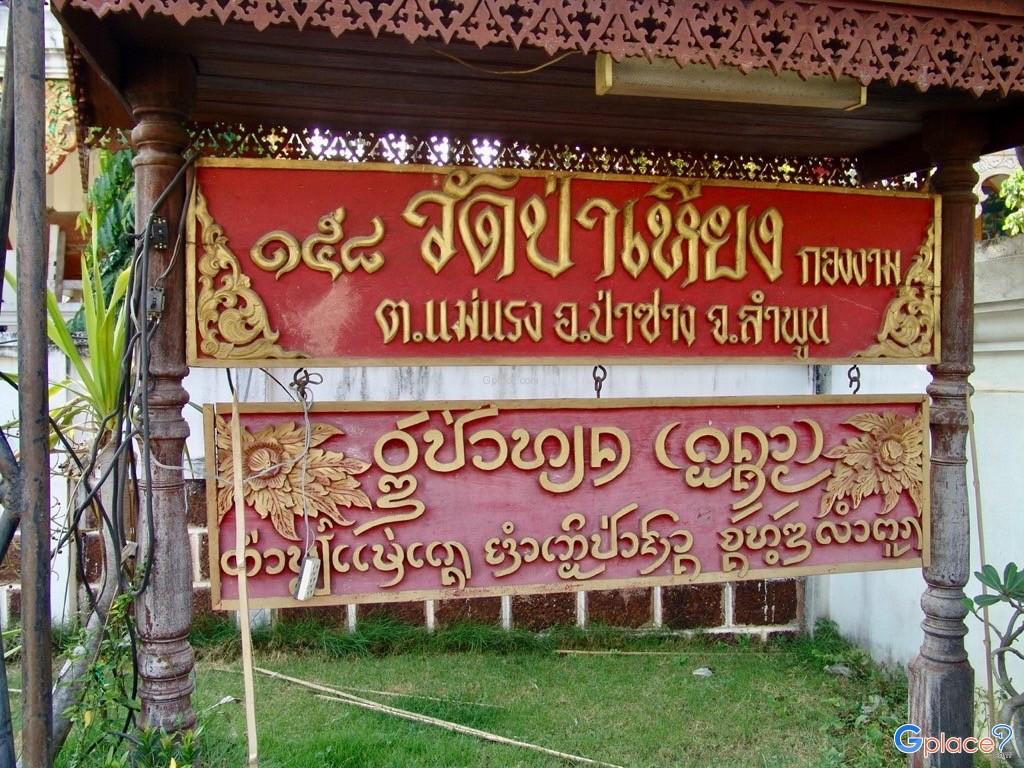
Wat Pa Hiang was established around B.E. 2420 (1877 CE) and has long served as the spiritual heart of Ban Kong Ngam and Mae Raeng communities. Located in a traditional craftsman area of Pa Sang District, the temple reflects the golden age of local Lanna Buddhist artistry that is rarely seen today.
The Floating Wooden Scripture Hall – Wisdom Preserved in Architecture
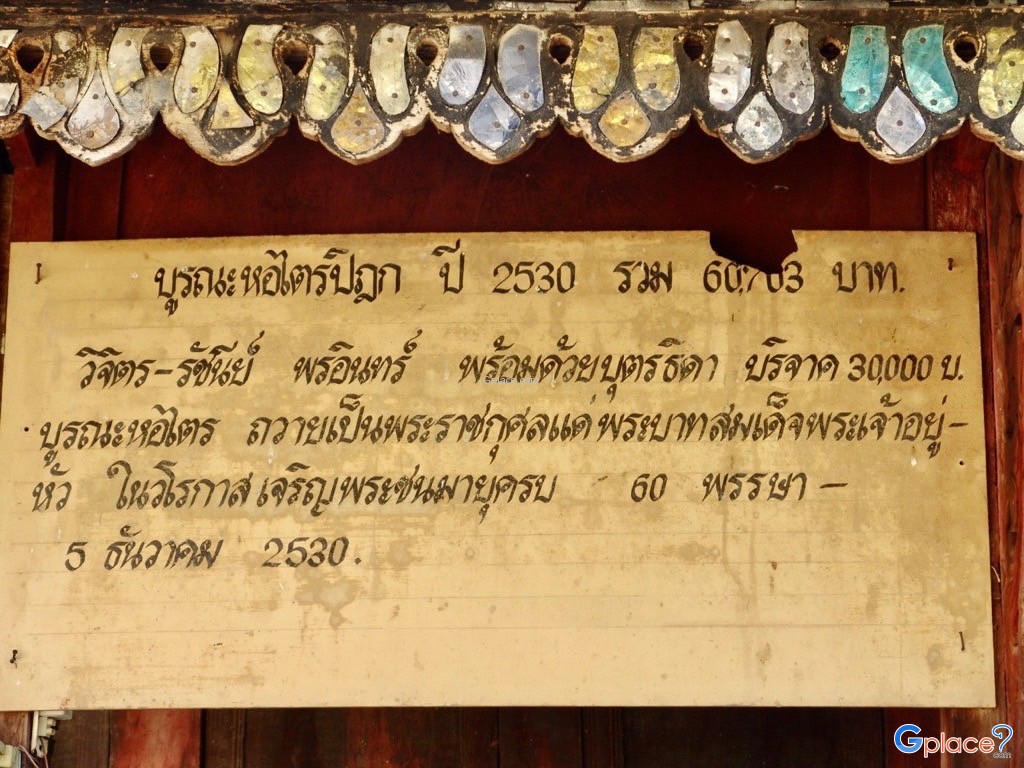
The temple’s most remarkable feature is its over-140-year-old wooden scripture hall (Hor Trai) built above a pond. Traditionally, such structures were constructed over water to protect sacred palm-leaf manuscripts from termites and insects, preserving invaluable Lanna knowledge.
The entire structure is made of teak wood and stands on large wooden pillars rising from the pond (now a concrete-lined pond). A wooden walkway connects the hall to the land. Architecturally, it follows classic Lanna design with multi-tiered roofing adorned with decorative elements such as chofa, bai raka, and hang hong.
The gable panels feature delicate carvings of floral vines, auspicious animals, and ornamental motifs. Notably, some patterns reflect a subtle blend of Lanna and Chinese artistic influences, symbolizing the flourishing trade and cultural exchange of that era. Today, the scripture hall is officially registered as a historic monument by Thailand’s Fine Arts Department.
The Wooden Viharn and Vernacular Murals
The main viharn retains its traditional wooden Lanna structure. Inside, visitors will find a graceful principal Buddha image enshrined in a peaceful atmosphere ideal for reflection and prayer.
The interior walls display vernacular mural paintings depicting scenes from the life of the Buddha intertwined with everyday Lanna life—traditional clothing, local customs, and community activities. These murals serve as a living historical record of Mae Raeng’s cultural heritage and offer a distinct charm different from royal court-style temple art.
Wat Pa Hiang is also part of the cultural triangle of Pa Sang–Mae Raeng, easily combined with visits to Ban Don Luang and Ban Nong Nguek, making it perfect for a slow cultural travel experience.
How to Get There
- By Car: From Lamphun town, take Highway 106 toward Pa Sang District. Continue onto the Sob Ta–Tha Li road, then turn right into Ban Kong Ngam (near Ban Kong Ngam School). The temple is clearly visible within the community.
Travel Tips
-
As this is a historic wooden structure, please explore respectfully and avoid touching carved details.
-
The best photography spot is the reflection view of the scripture hall over the pond.
-
Visit between 3:30 PM – 5:00 PM for beautiful sunlight enhancing the depth of the wood carvings.
-
Plan a “Slow Travel Pa Sang” route: visit Wat Pa Hiang in the morning, then explore Don Luang and Nong Nguek weaving villages in the afternoon.
-
If visiting in April, you may also experience local cotton weaving festivals in nearby communities.
Admission Fee:
- Free admission (donations are appreciated to support heritage conservation).
Opening Hours:
- Open daily: 8:00 AM – 5:00 PM
Wat Pa Hiang

 Share
Share
 Moo 1, Ban Pa Hiang (Ban Kong Ngam), Mae Raeng, Pa Sang, Lamphun 51120
Map
Moo 1, Ban Pa Hiang (Ban Kong Ngam), Mae Raeng, Pa Sang, Lamphun 51120
Map
 Closed today
Mon8.00 - 17.00
Tue8.00 - 17.00
Wed8.00 - 17.00
Thu8.00 - 17.00
Fri8.00 - 17.00
Sat8.00 - 17.00
Sun8.00 - 17.00



 83
83