 Attractions
  Hotel
Hotel  Restaurant
  Shopping
  Abroad






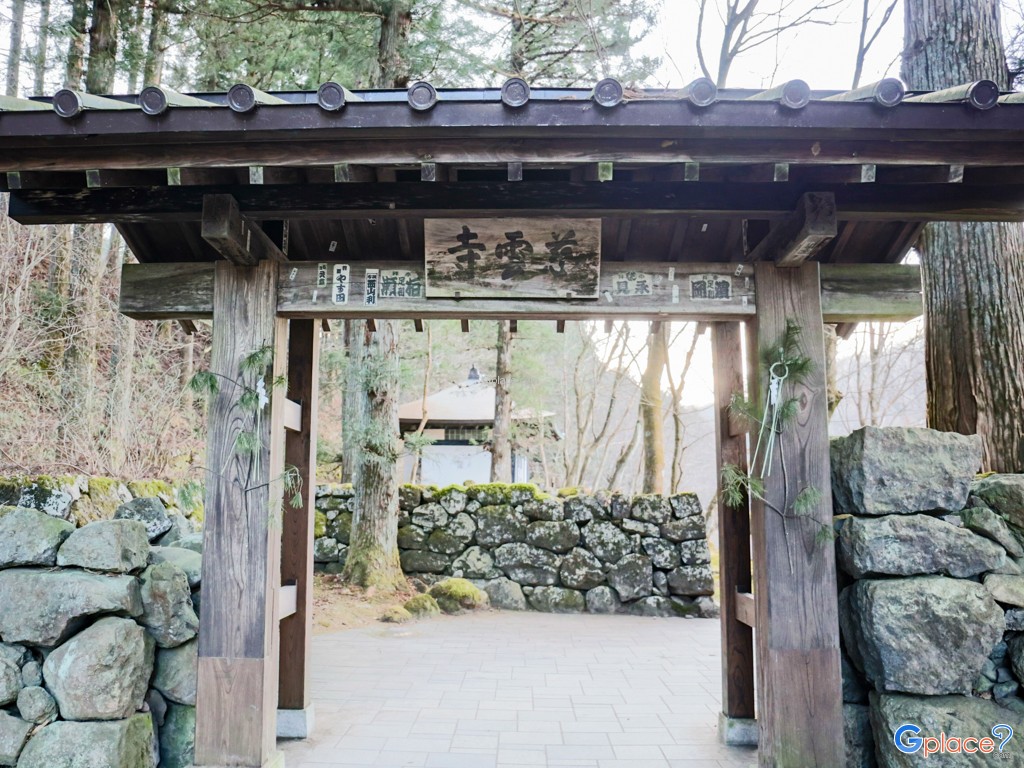
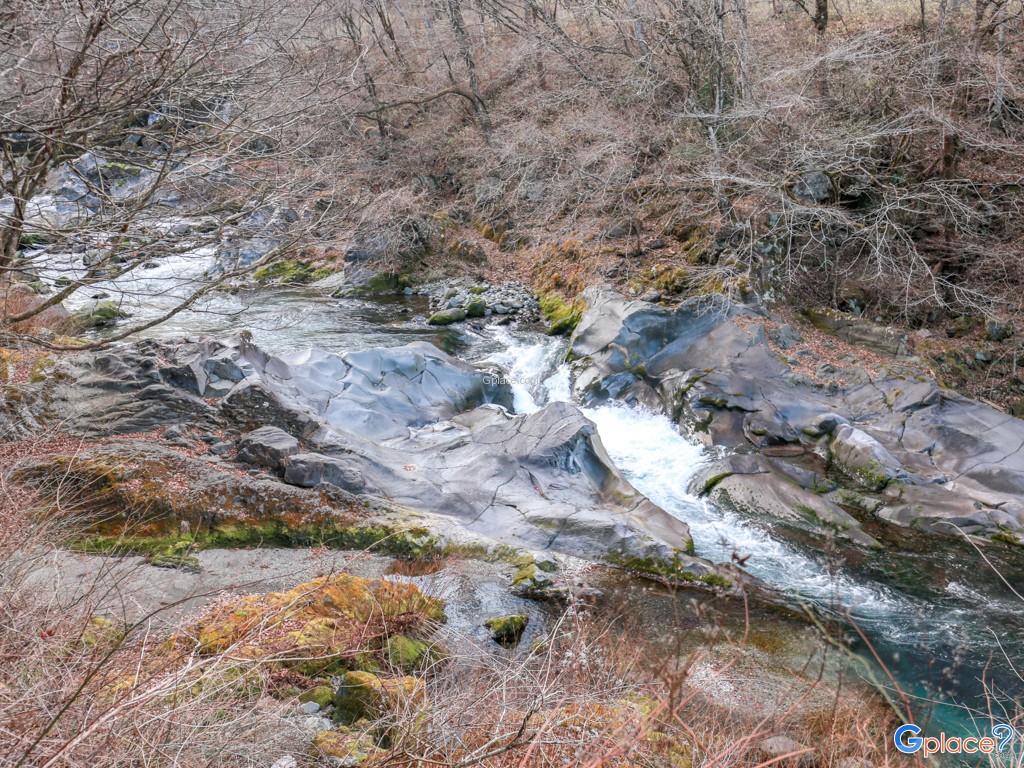

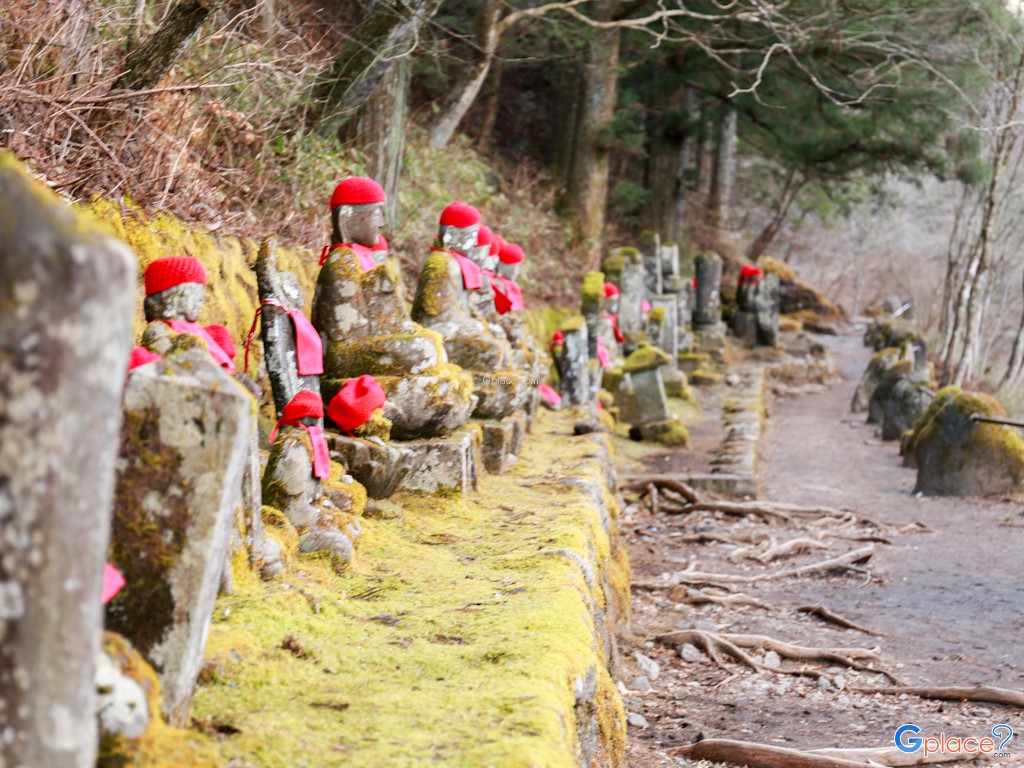
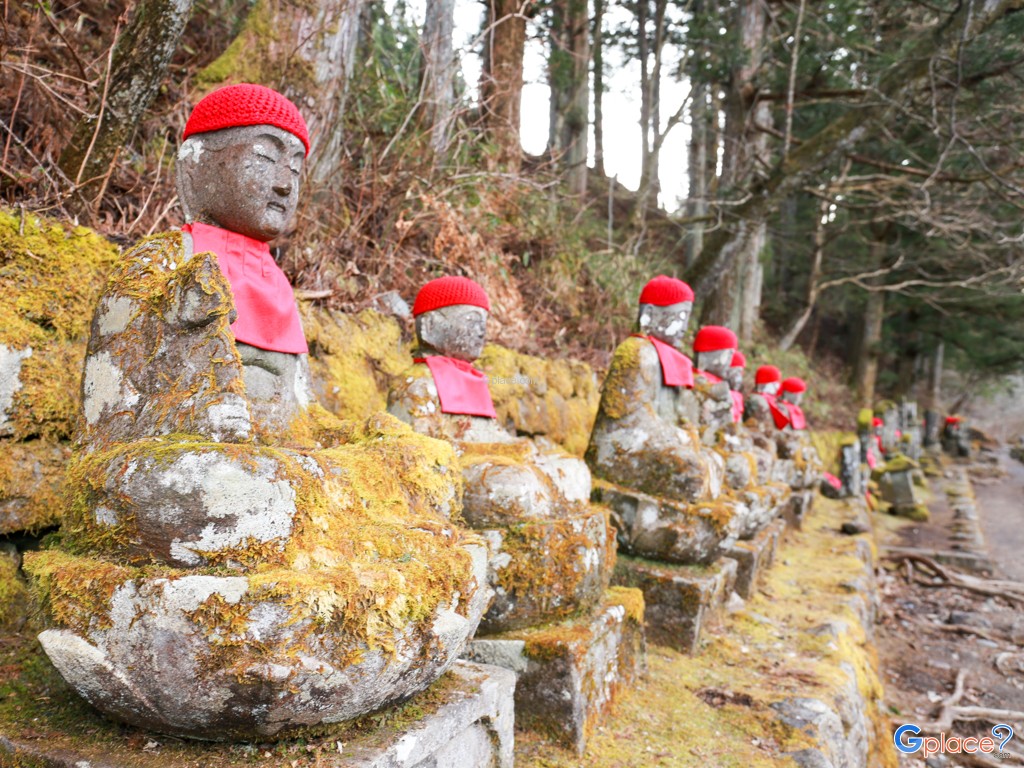
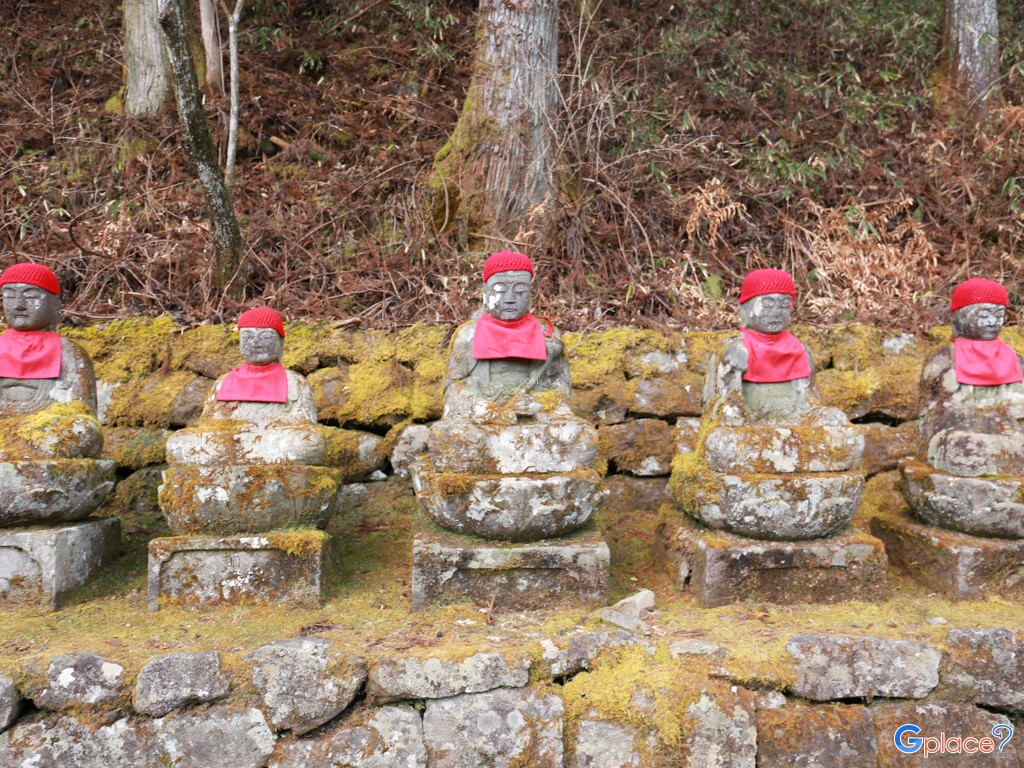
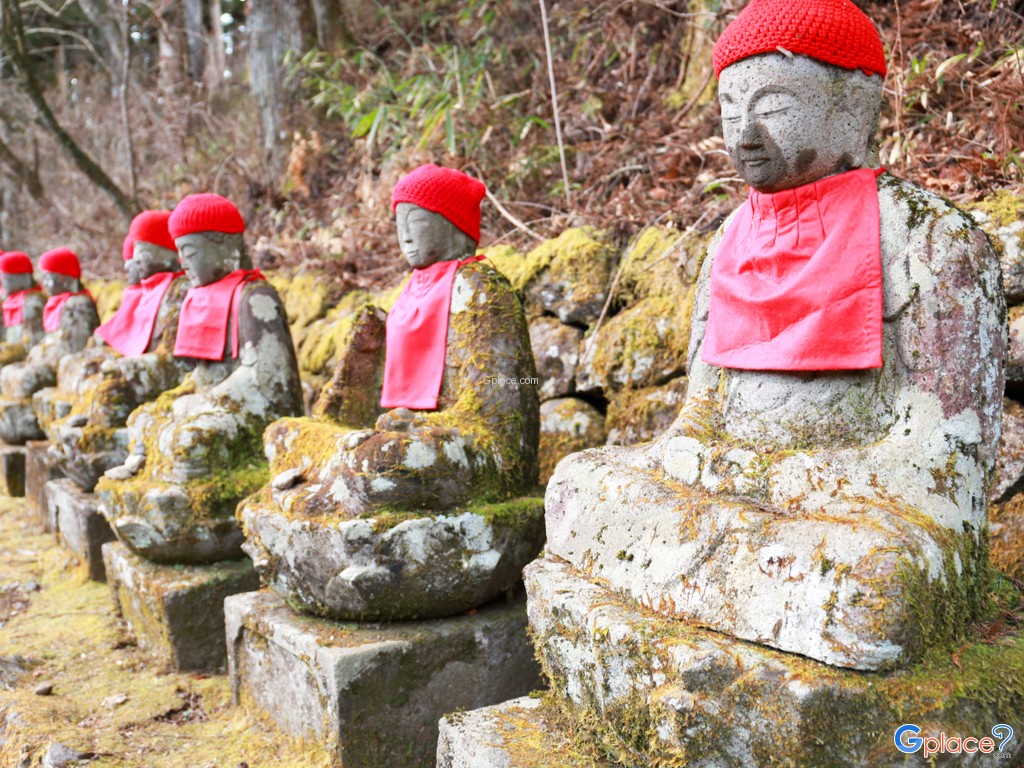

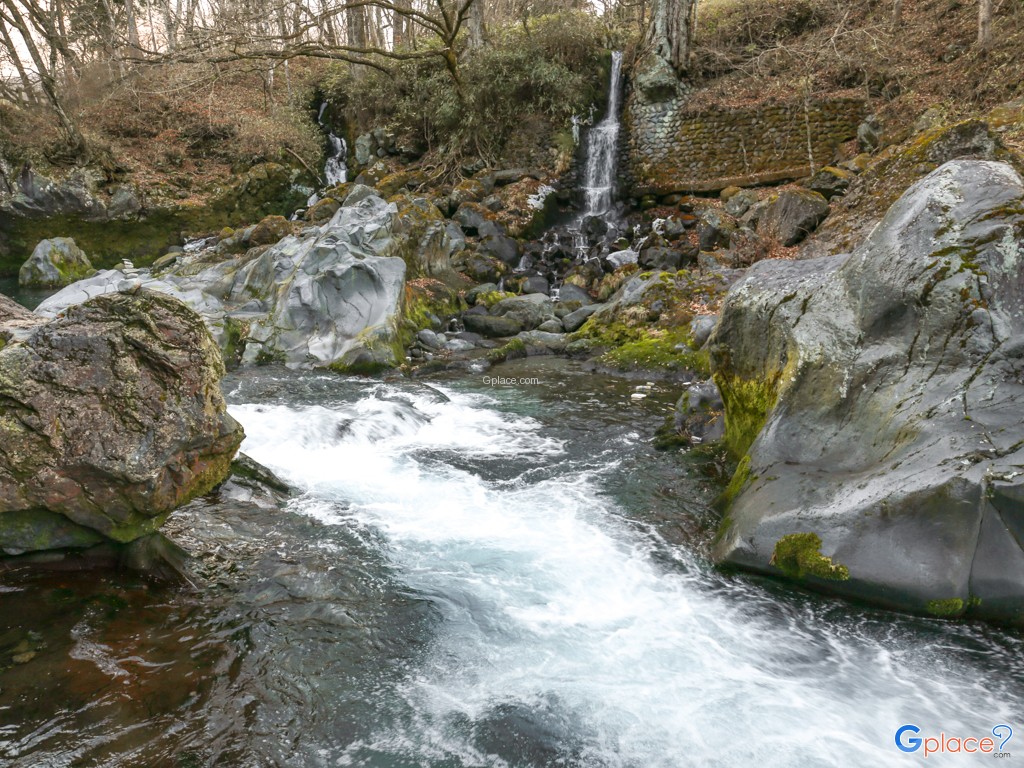
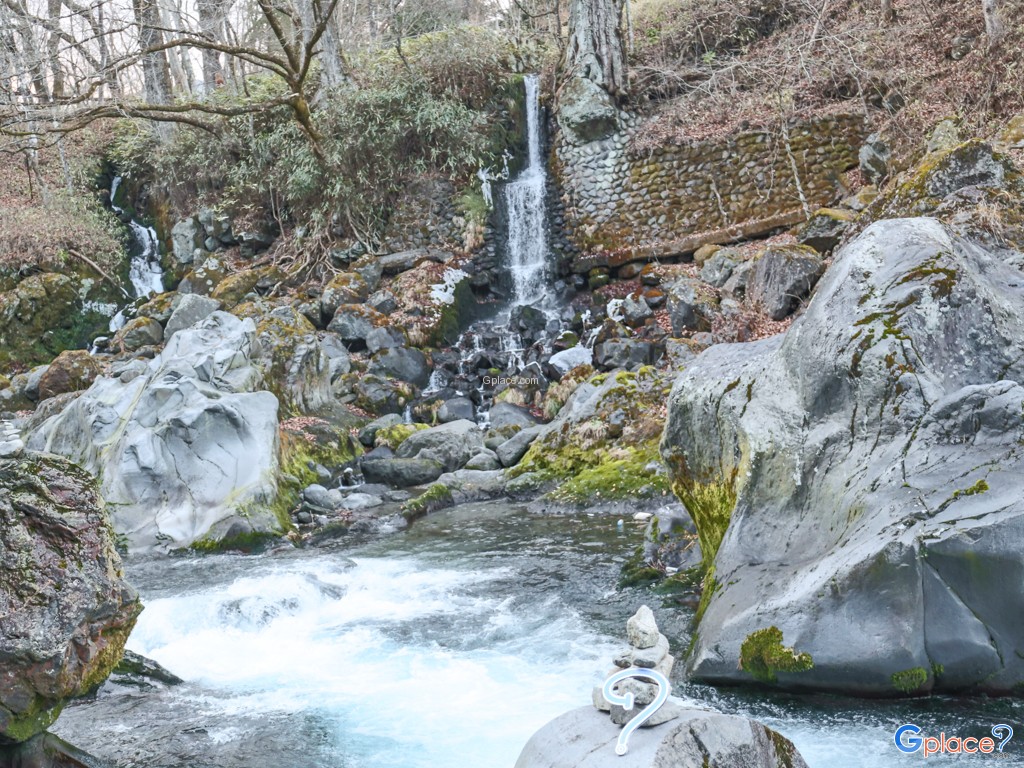
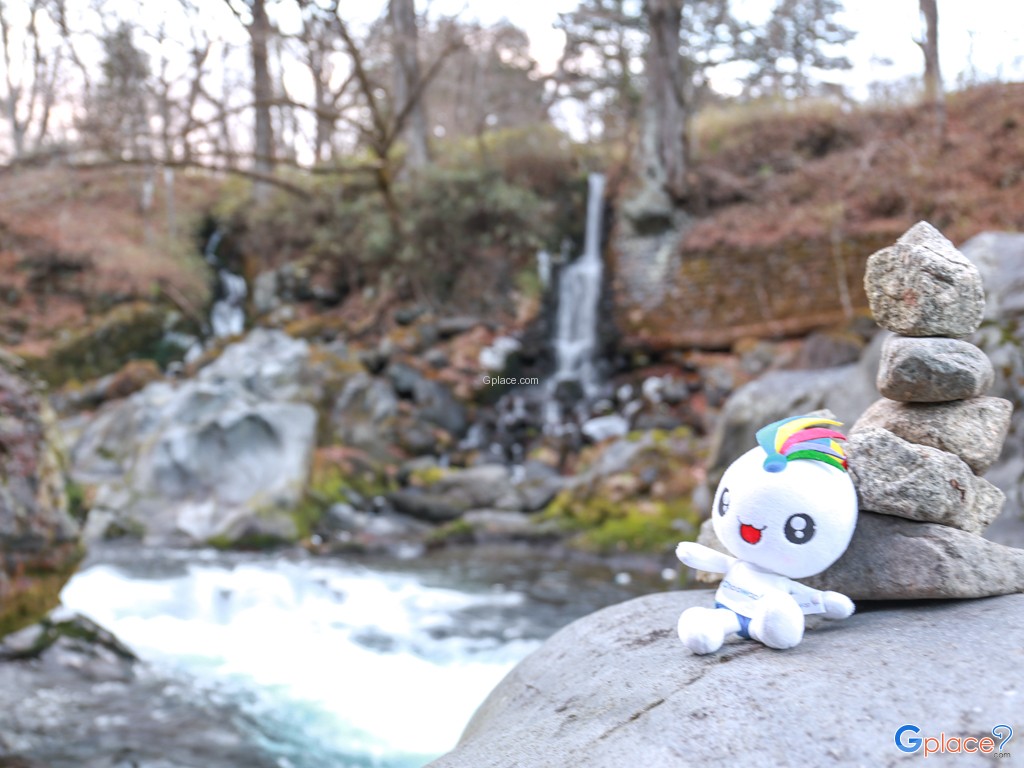
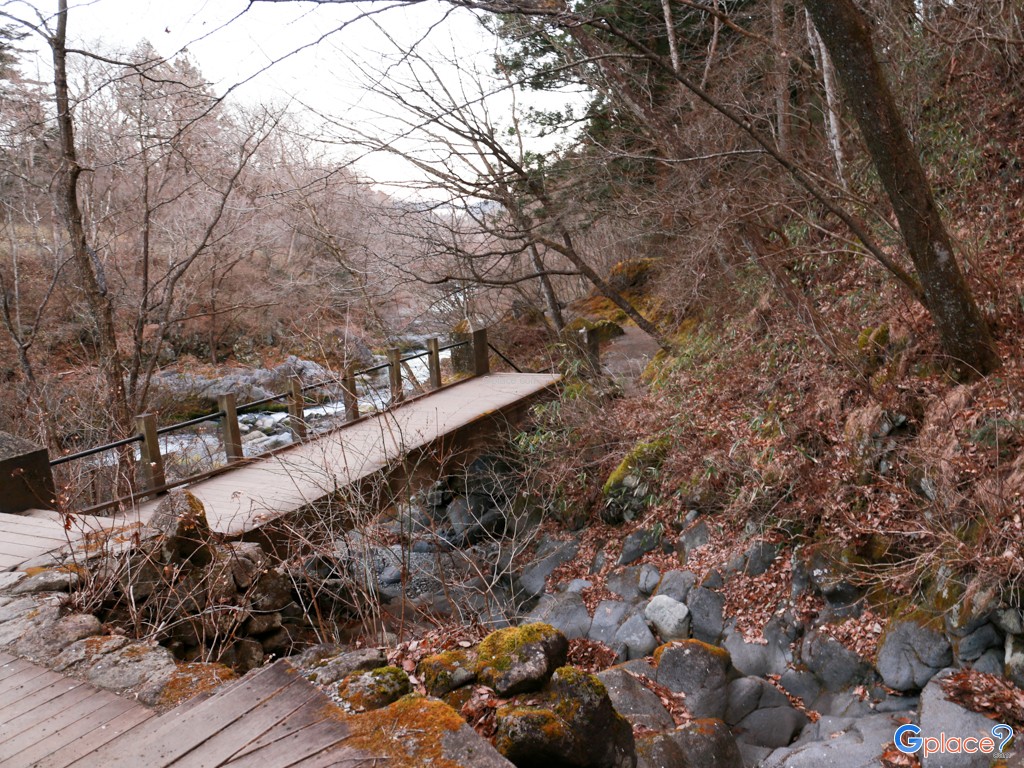
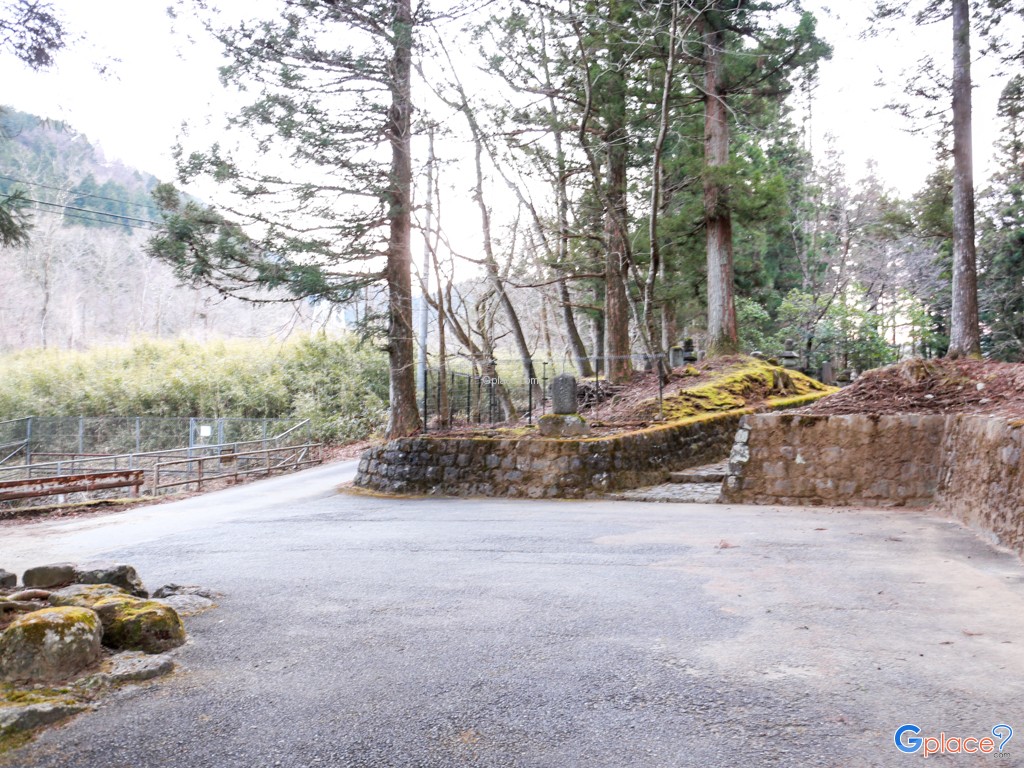
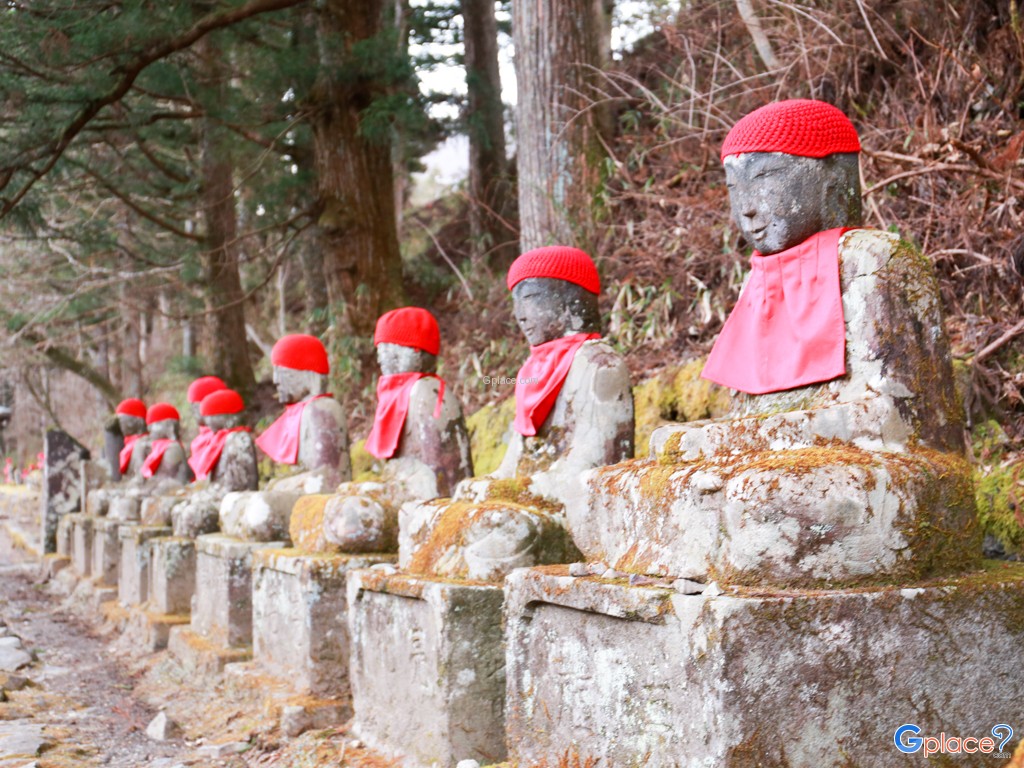
“A serene volcanic gorge where the legendary “Ghost Jizo” statues line a forested river path, blending Buddhist faith, folklore, and raw natural beauty.”
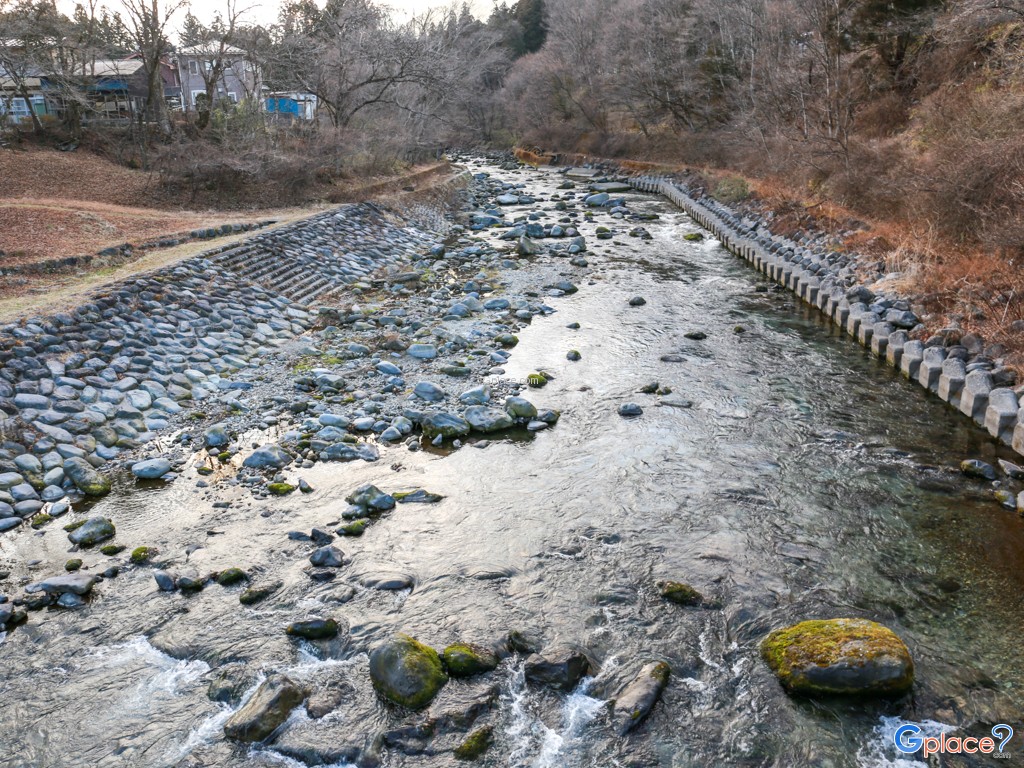
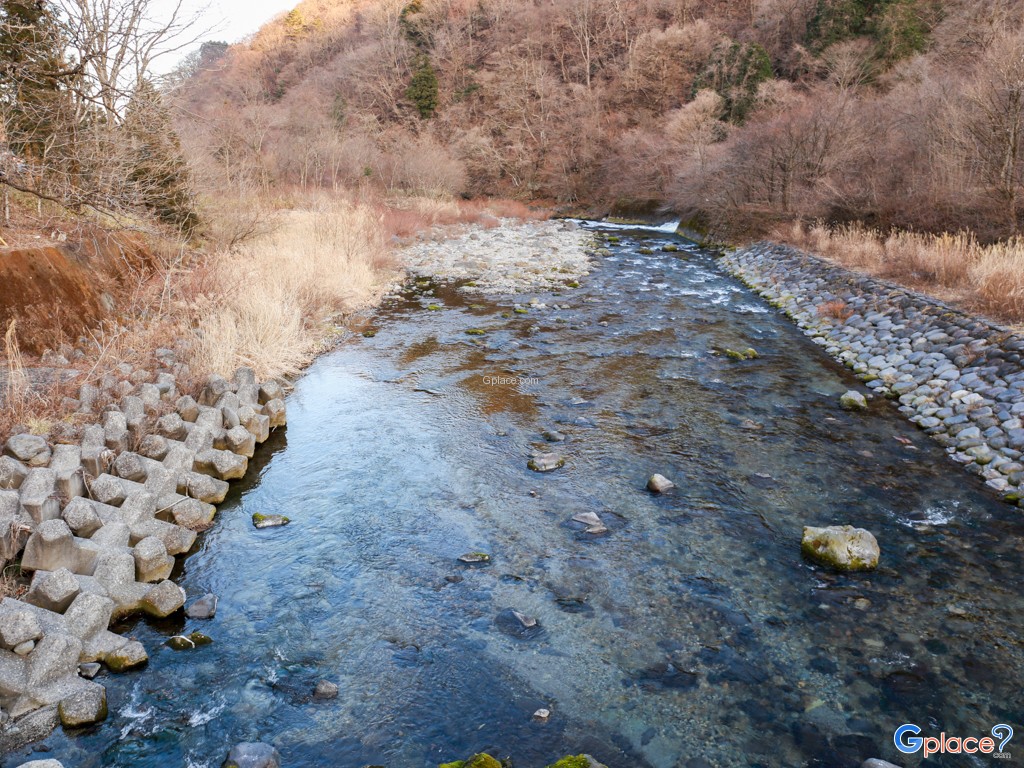
Kanmangafuchi Abyss is a scenic gorge formed by powerful lava flows from Mount Nantai approximately 7,000 years ago. Over centuries, the fast-flowing Daiya River carved through hardened volcanic rock, creating steep cliffs, swirling blue-green currents, and a narrow ravine that feels timeless and untouched.
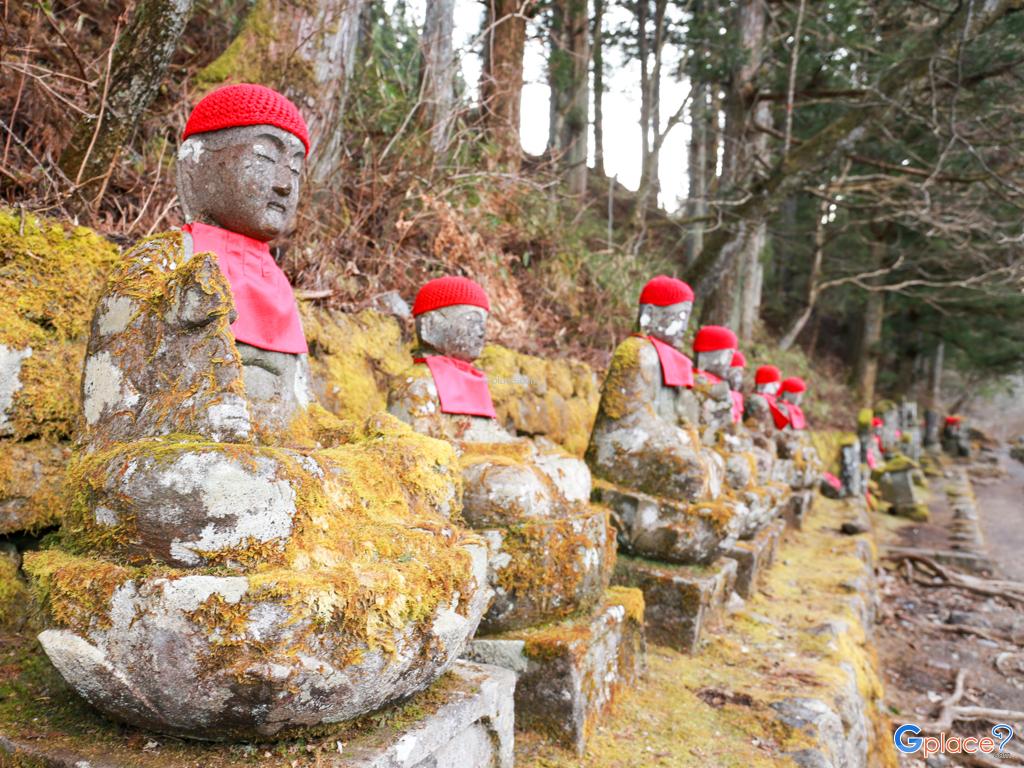
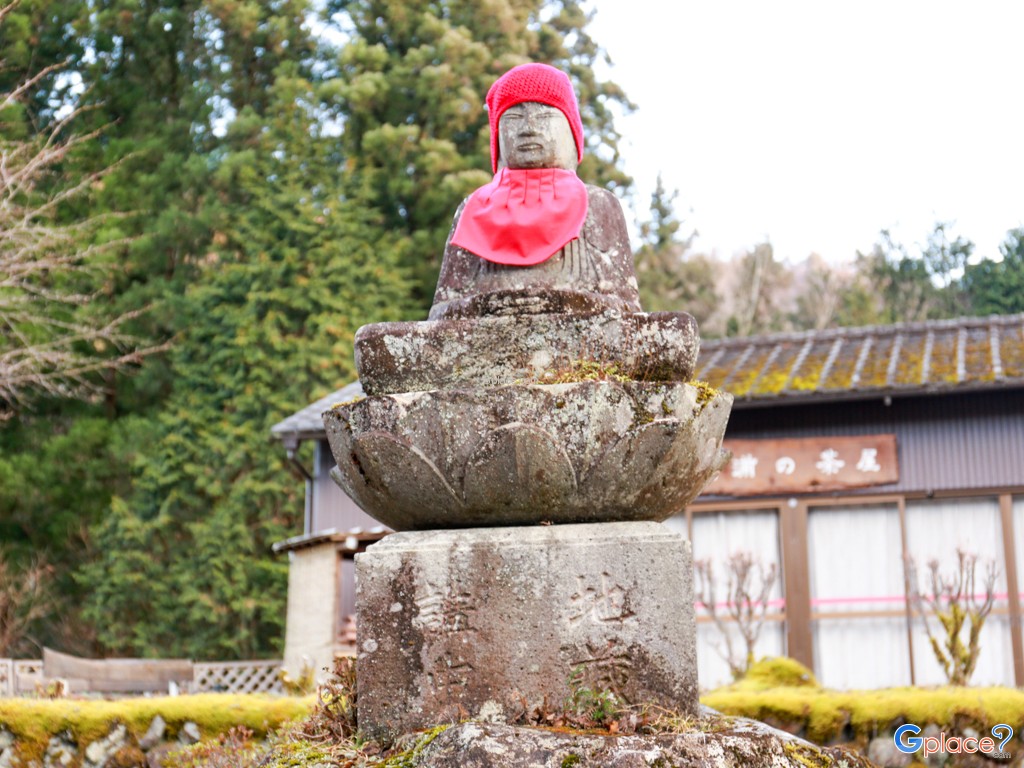
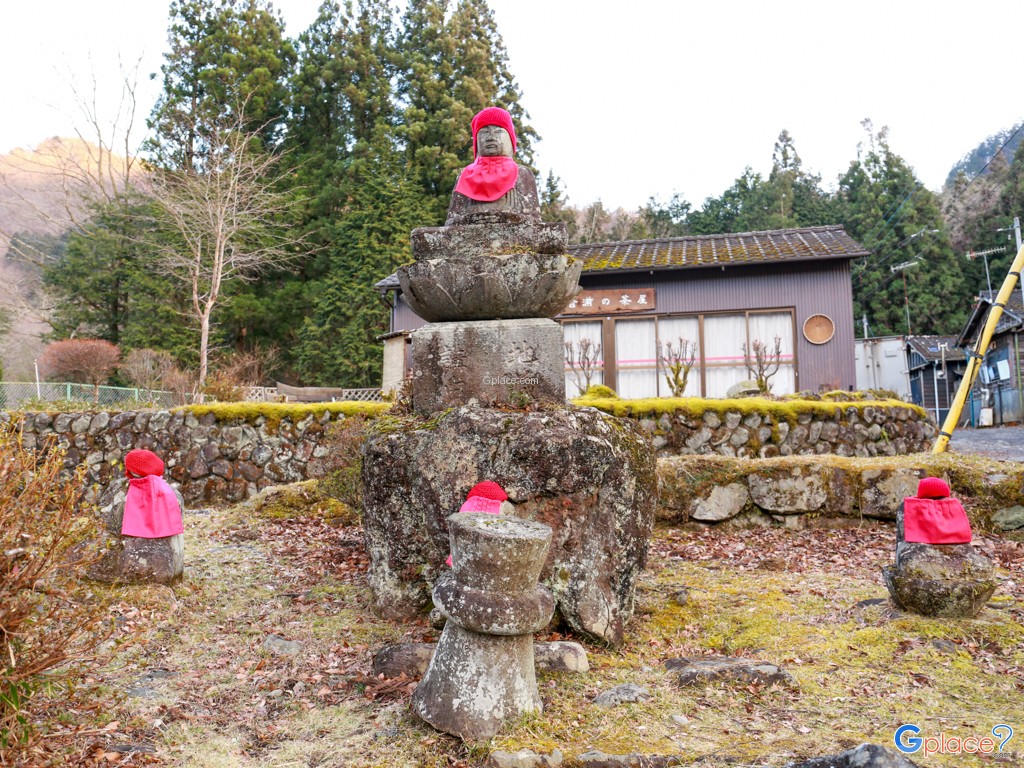
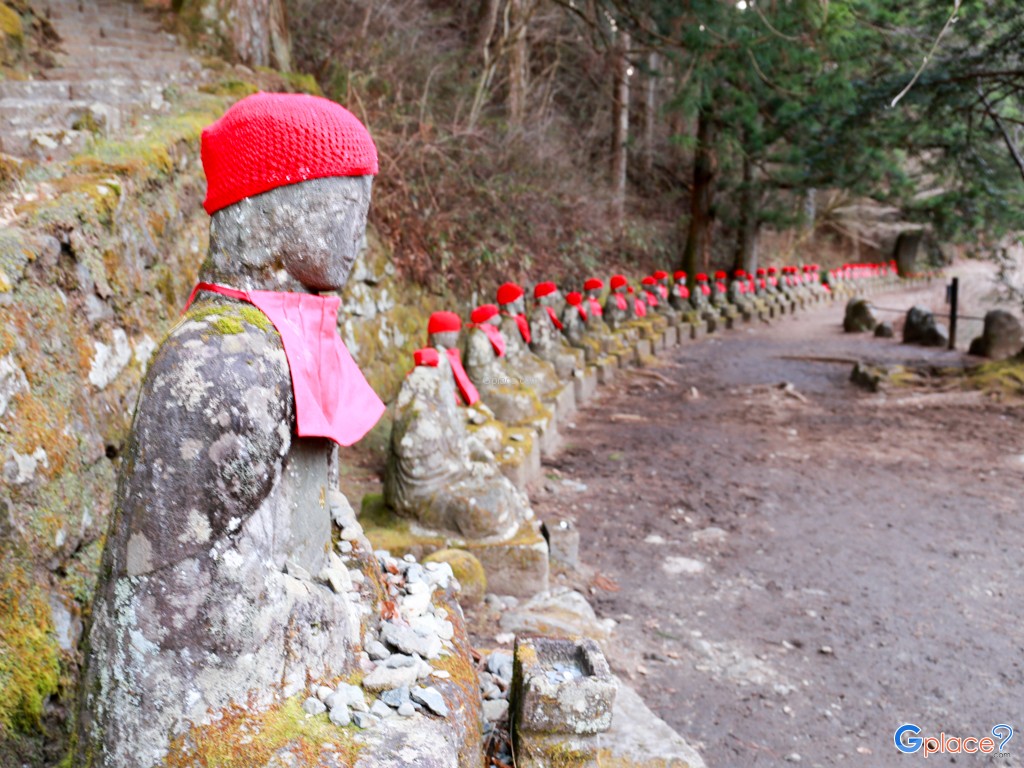
The abyss is most famous for its Bake Jizo (Ghost Jizo)—a line of roughly 70 stone statues representing Jizo Bosatsu, the Buddhist protector of travelers and the souls of deceased children. Local legend claims the statues cannot be counted accurately; no matter where one begins, the total always seems to change.
This mystery is rooted in history. During the Great Flood of 1902, several statues were swept away by the river. Today, visitors can still see empty stone pedestals, reinforcing the legend and giving the statues their ghostly reputation. Many Jizo wear handmade red bibs and knit caps, lovingly replaced by locals as prayers for protection, warmth, and safe passage.
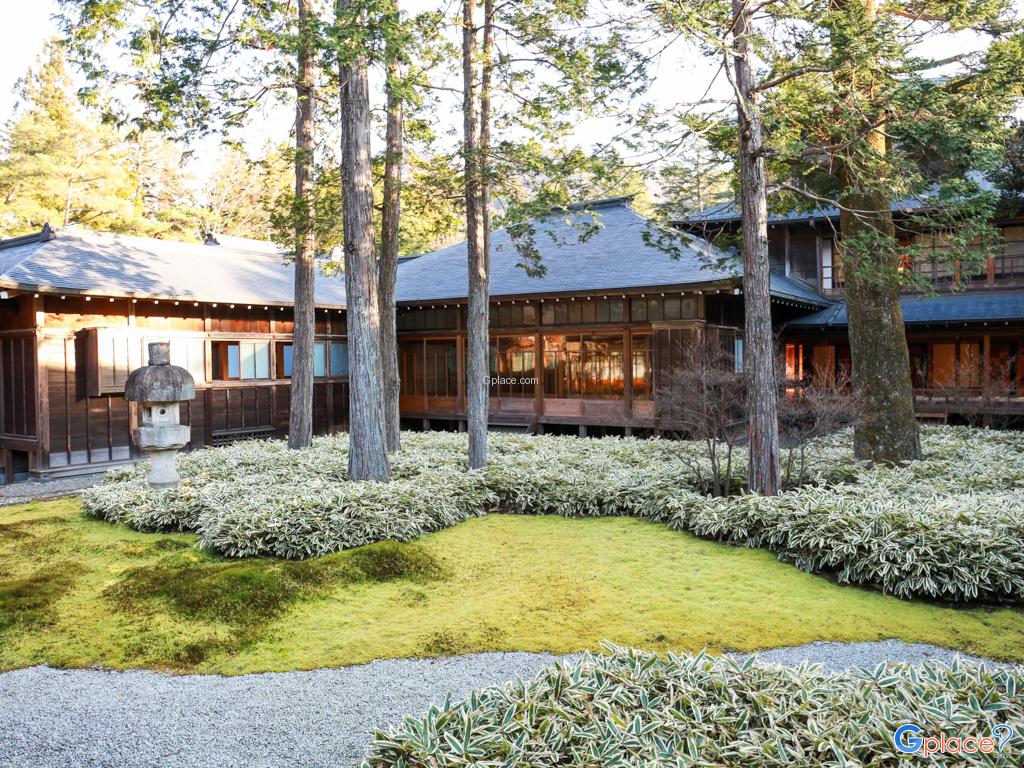
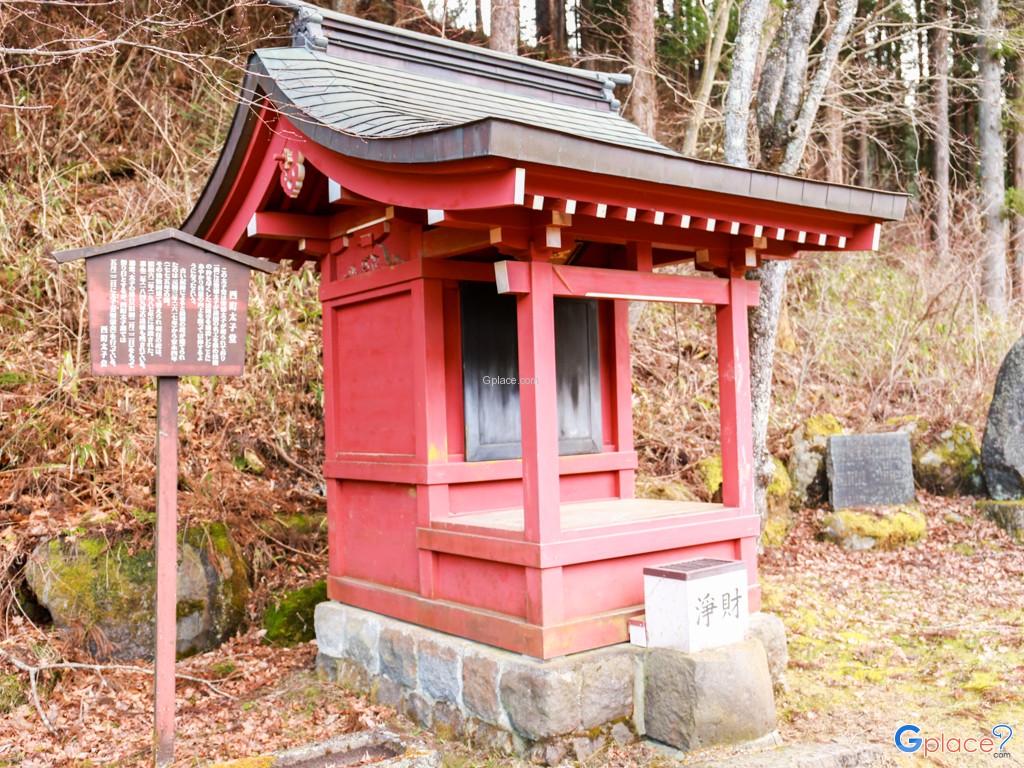
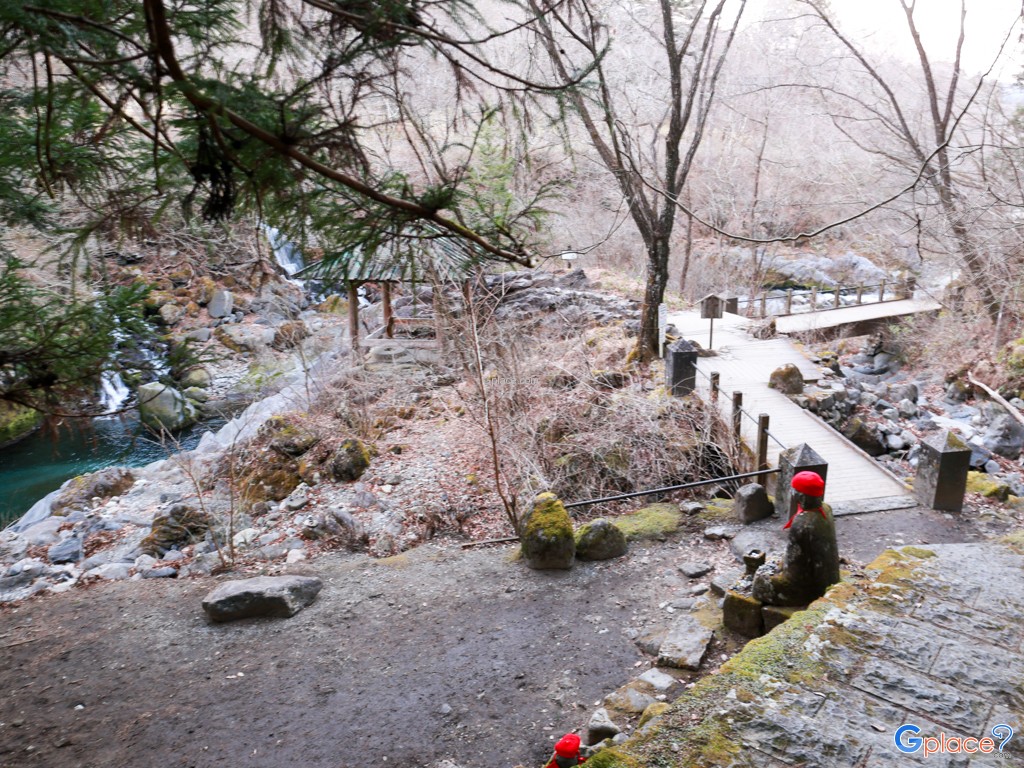
Near the entrance stands Reihokaku, a small wooden pavilion that marks the beginning of the statue-lined path and serves as a quiet transition into the spiritual atmosphere of the abyss.
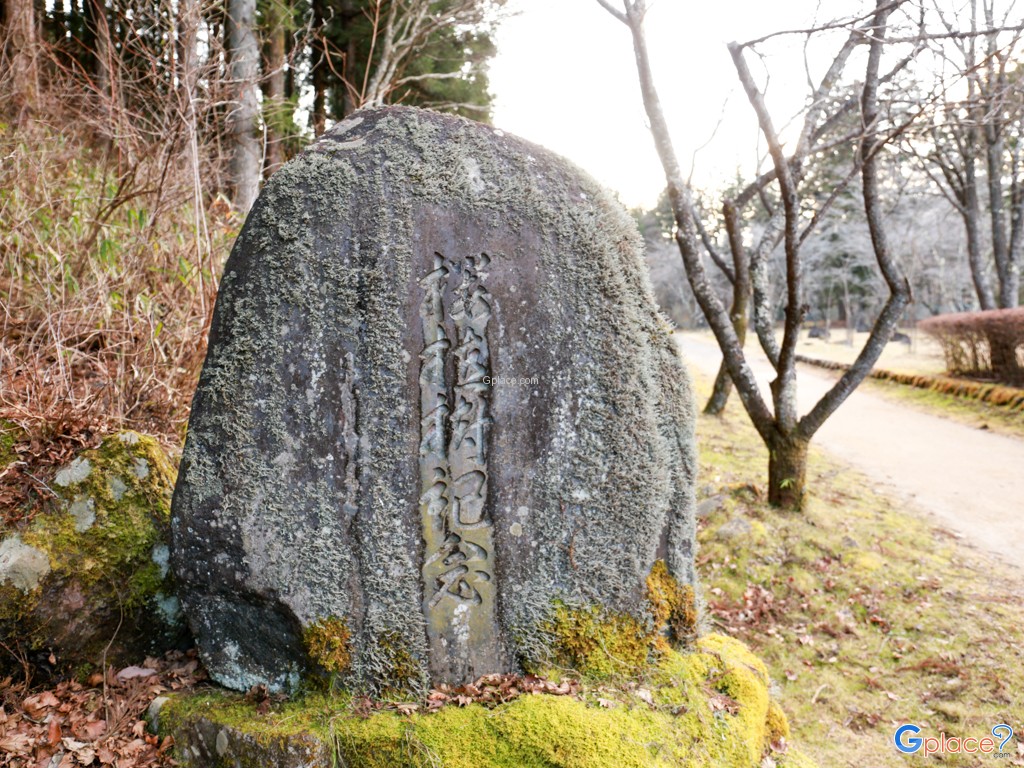
The name “Kanman” is believed to derive from the final syllable of a Sanskrit mantra associated with Fudo Myo-o, a powerful Buddhist deity. Legend says the sacred character was carved into the cliff face by Kobo Daishi, founder of Shingon Buddhism, who is said to have thrown his calligraphy brush across the river.
How to Get There
-
From JR Nikko Station or Tobu-Nikko Station, take a bus bound for Chuzenji Onsen
-
Get off at Tamozawa Bus Stop
-
Walk approximately 10–15 minutes to the entrance
-
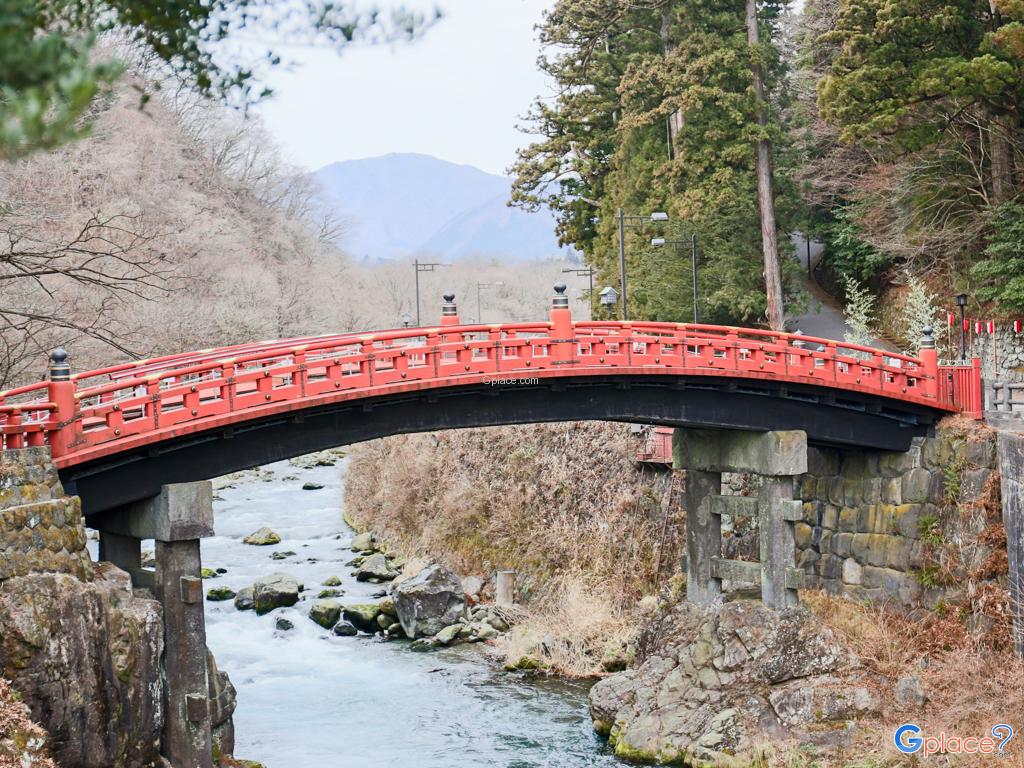
Alternatively, enjoy a 20–30 minute walk from Shinkyo Bridge
Travel Tips
-
Wear sturdy walking shoes; the path is mostly flat but can be muddy or slippery near river spray
-
Early to mid-November offers spectacular autumn foliage
-
Winter creates a hauntingly beautiful contrast between snow and red bibs, but paths may be icy
-
The trail follows the river past the statues and ends near a small hydro-electric power plant; most visitors walk to the end and return the same way
-
Please respect the site by not touching or rearranging the statues, bibs, or caps
Admission Fee:
- Free of charge
Opening Time:
- Open daily, 24 hours
(Daylight visits are strongly recommended for safety and visibility)
Kanmangafuchi Abyss

 Share
Share
 Takumicho, Nikko, Tochigi, Japan
Map
Takumicho, Nikko, Tochigi, Japan
Map
 Open now



 1379
1379