 Attractions
  Hotel
Hotel  Restaurant
  Shopping
  Abroad





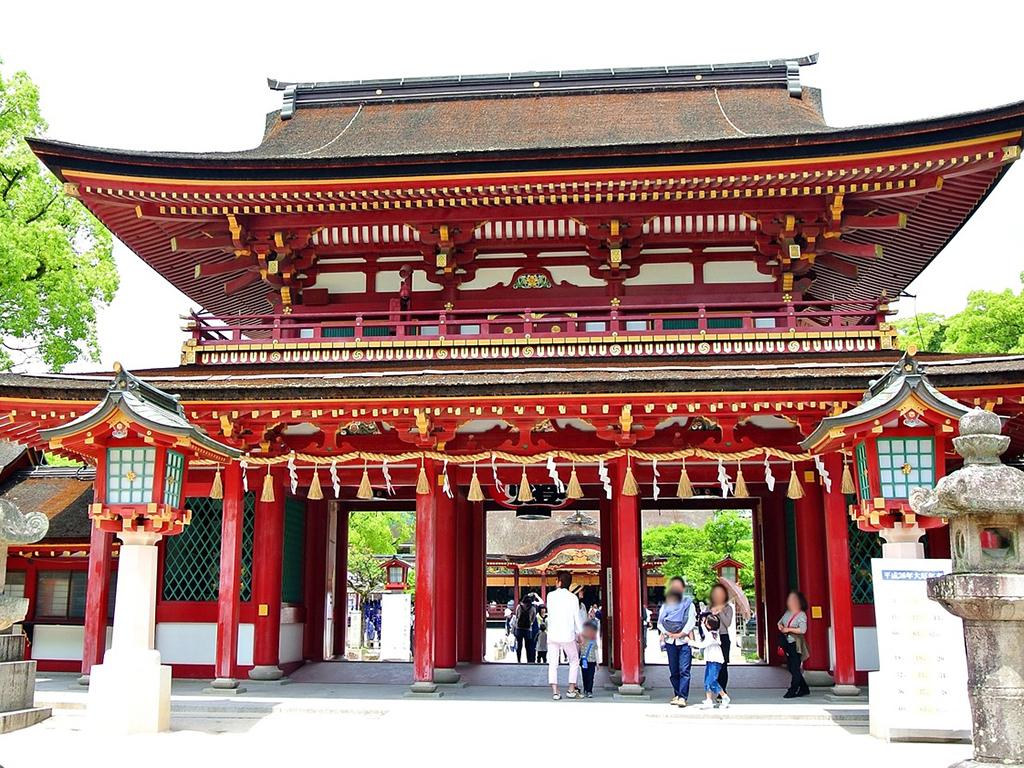

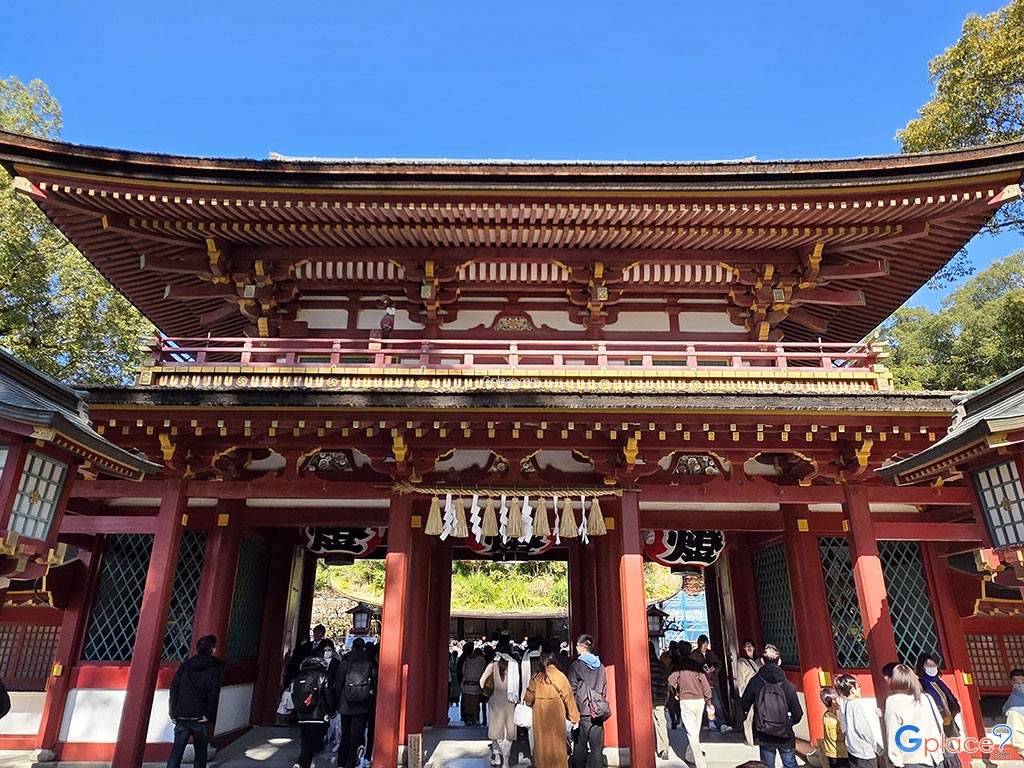
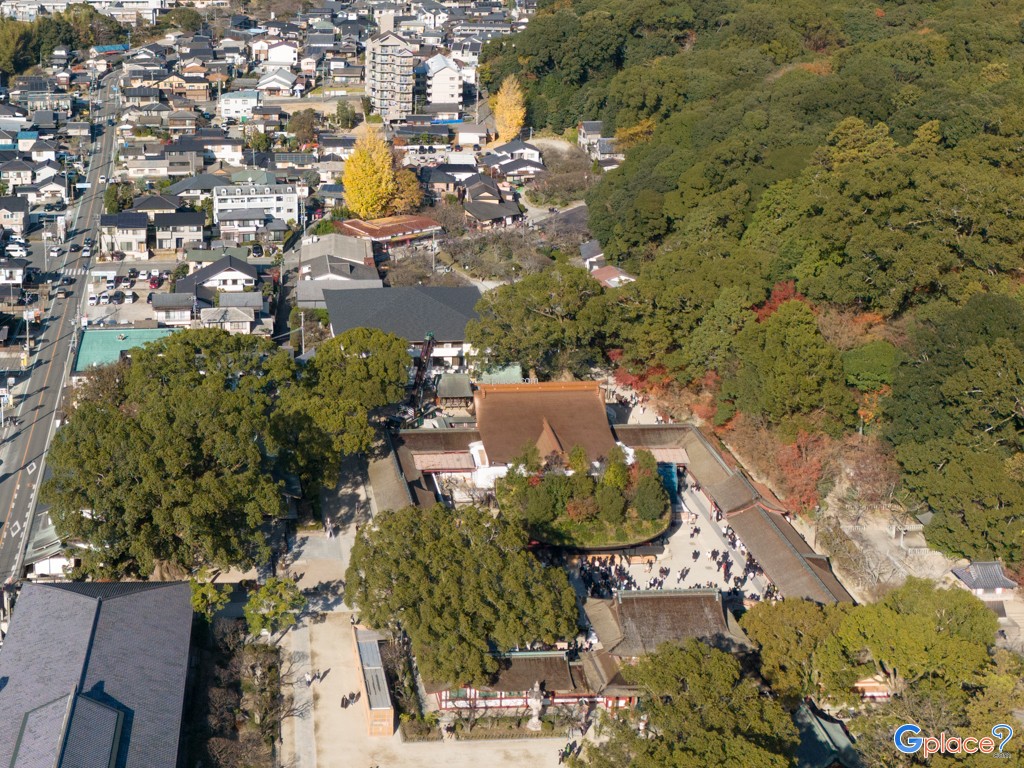
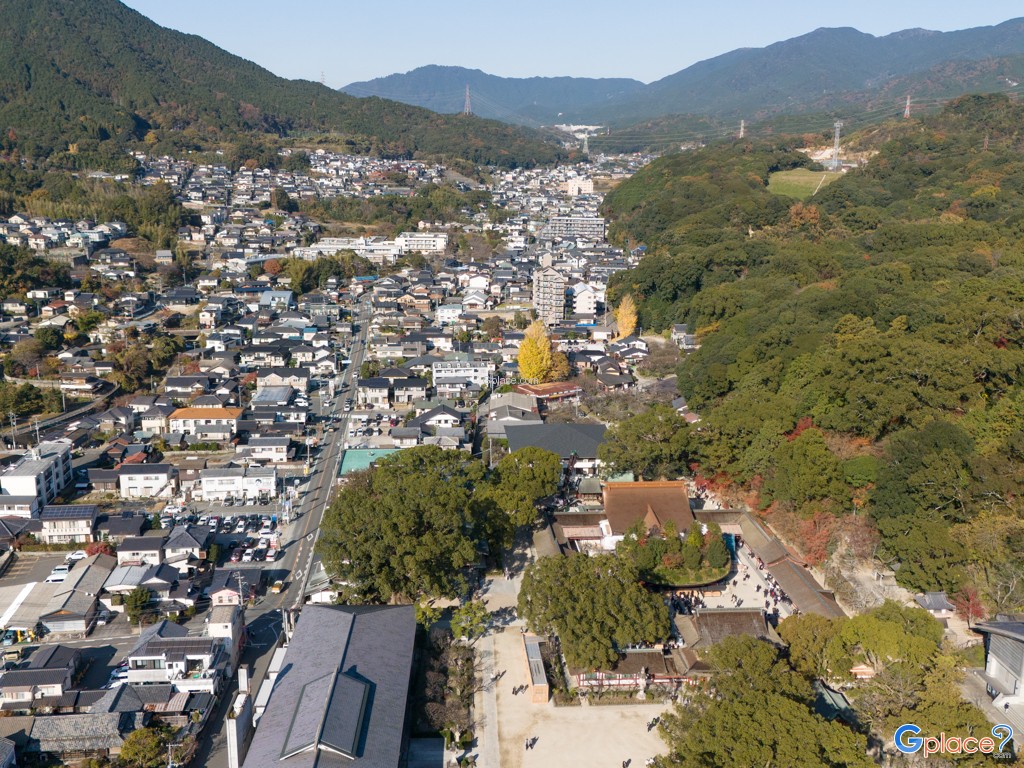


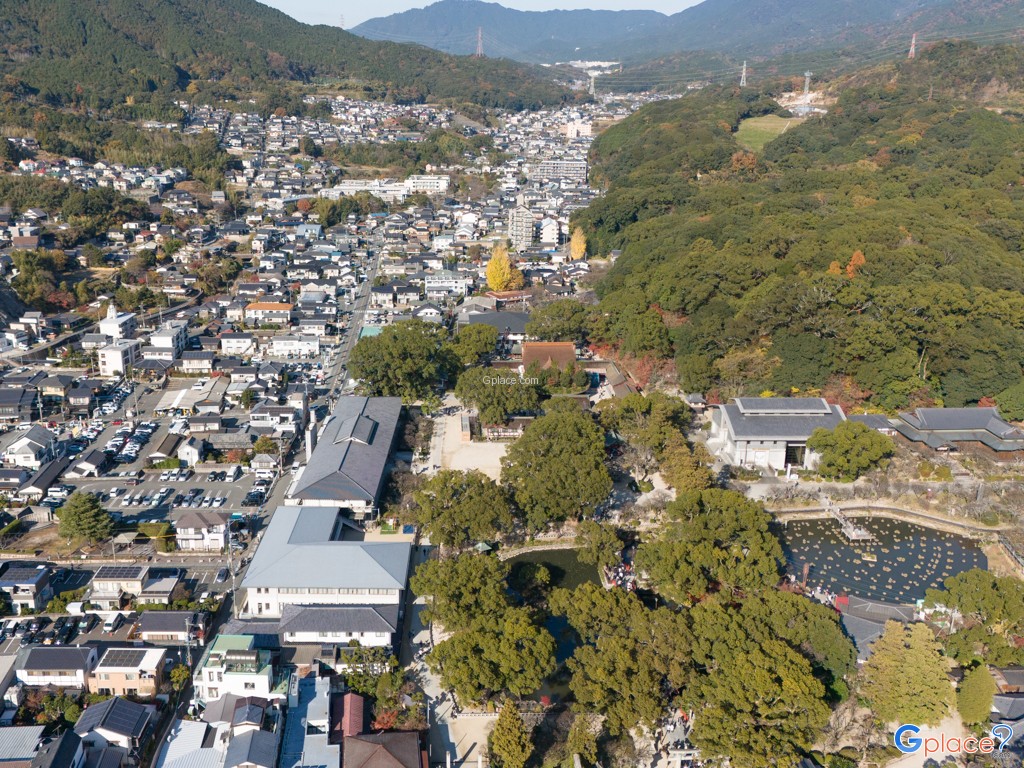
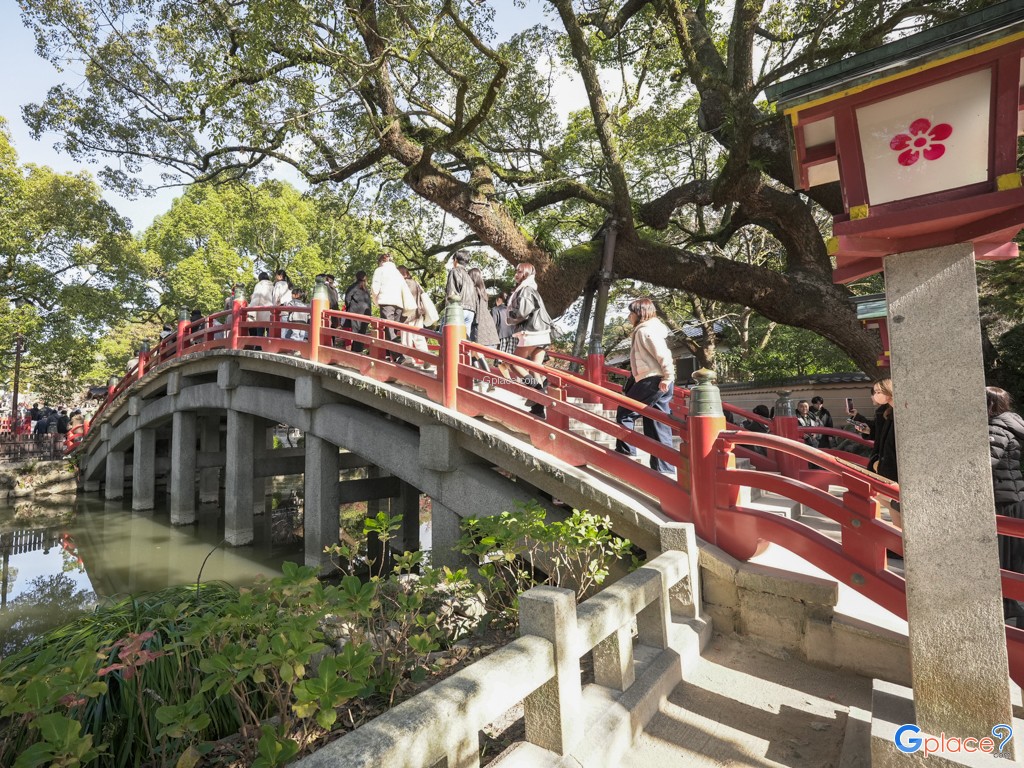
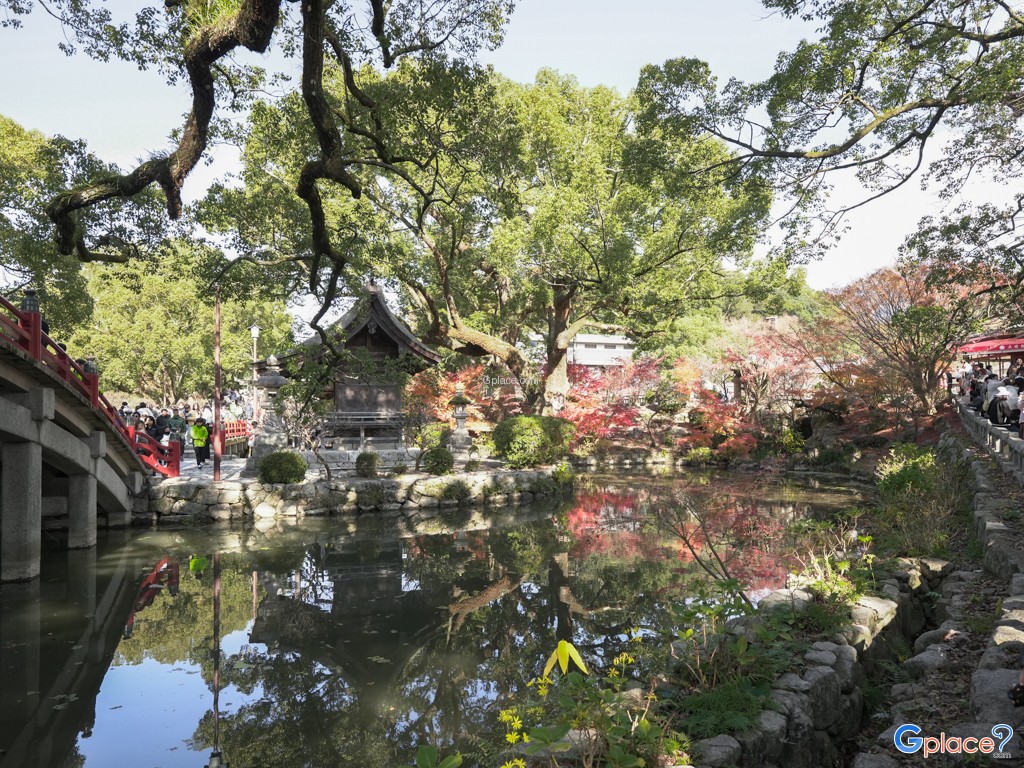
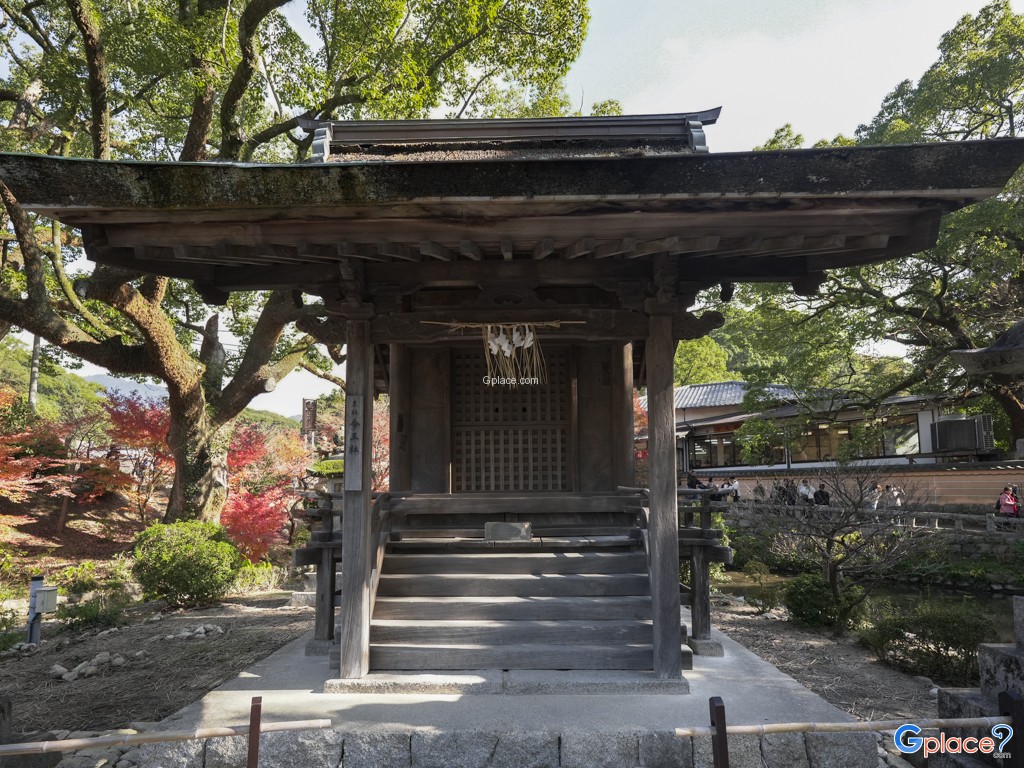

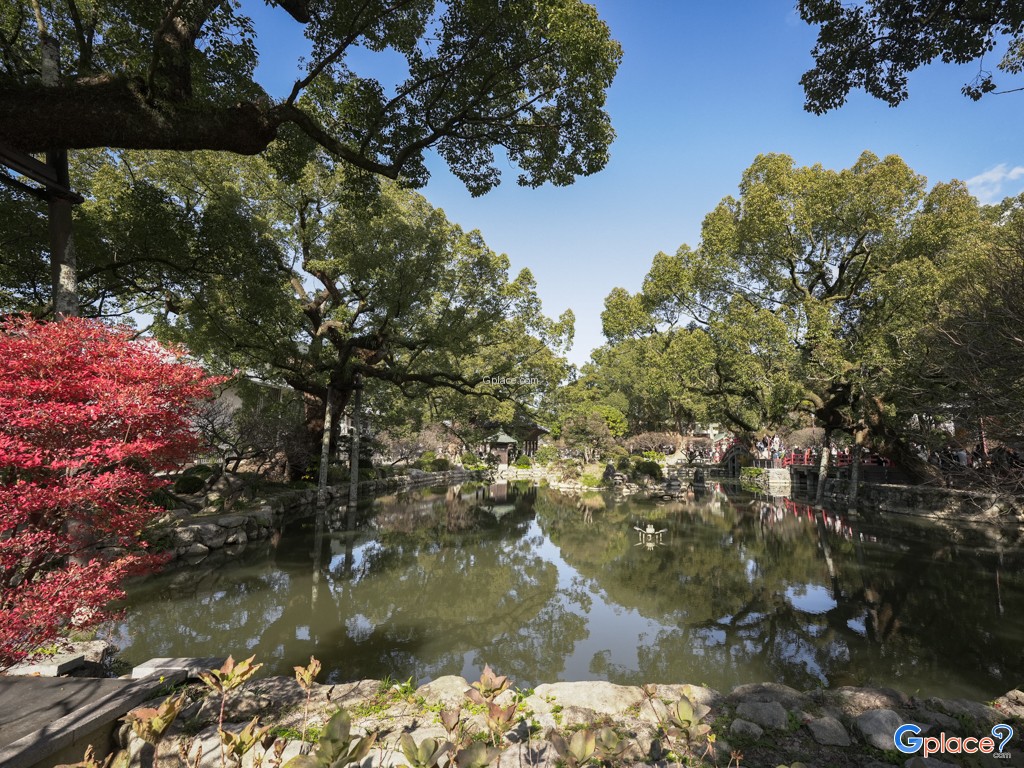
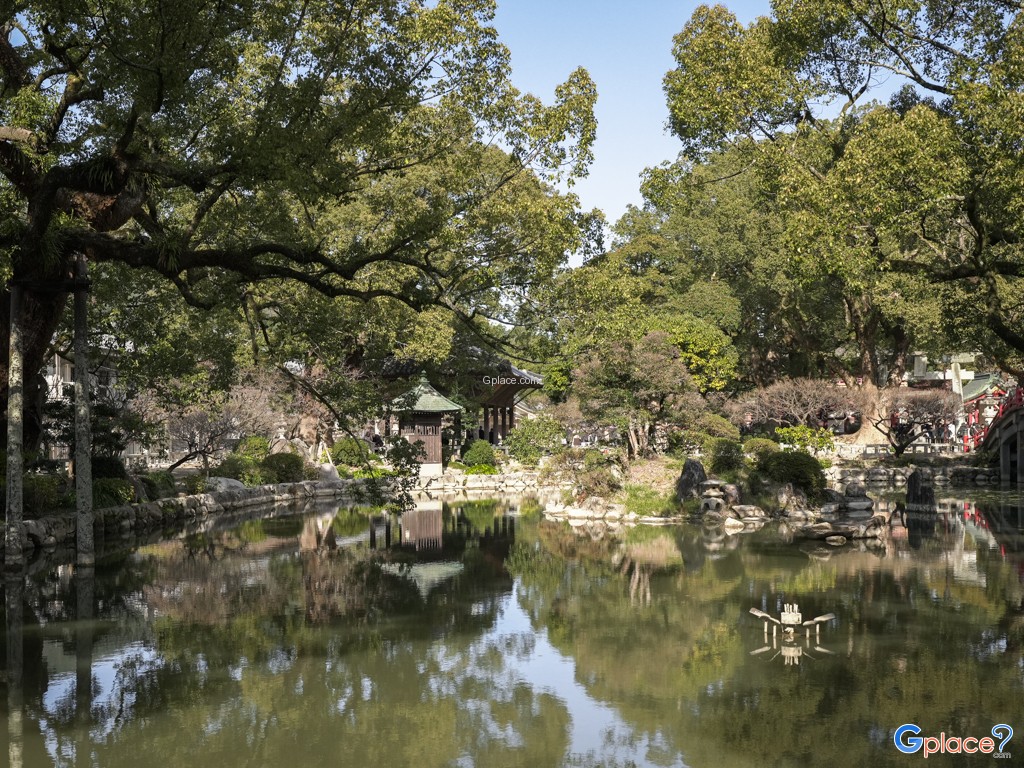

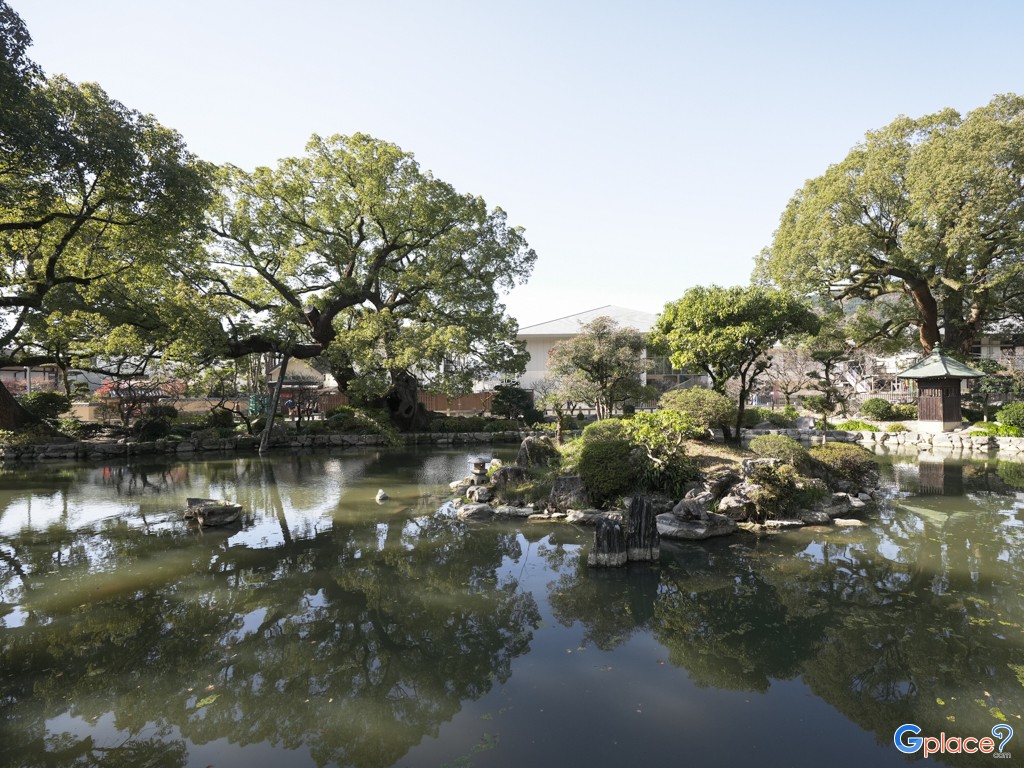
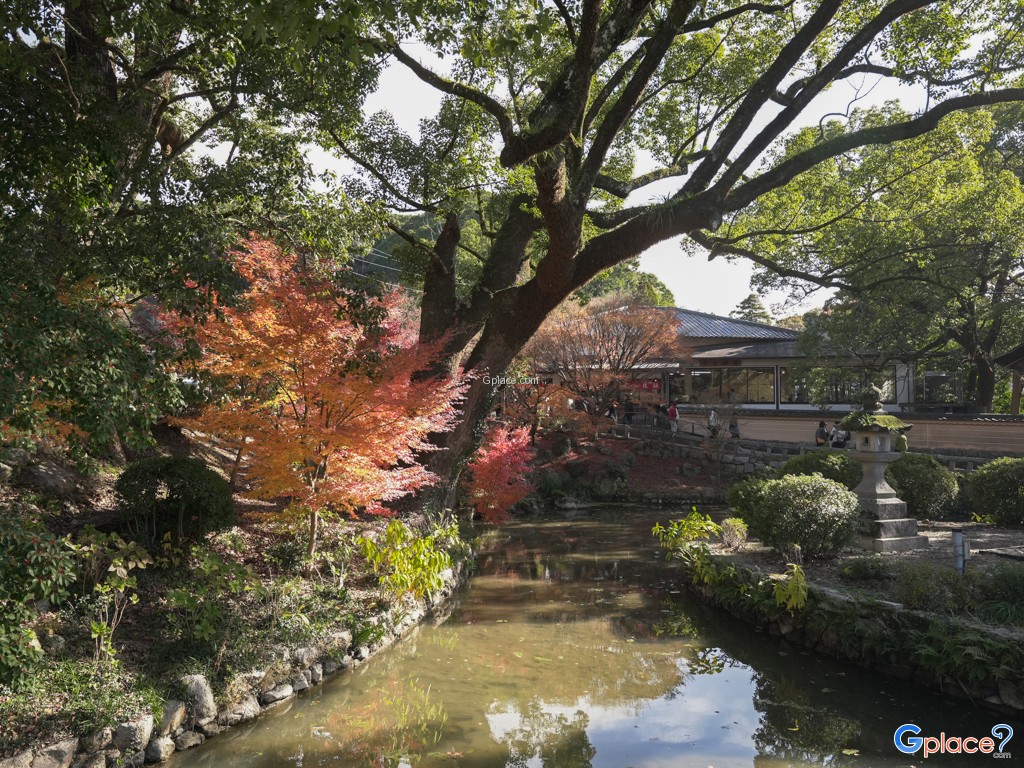
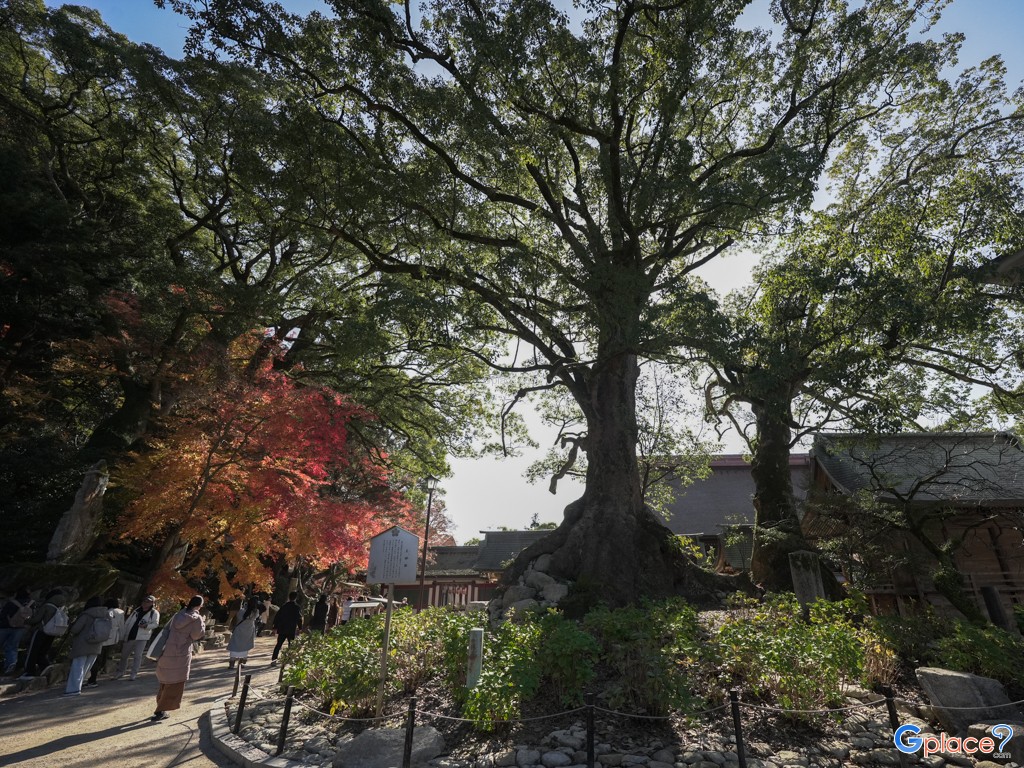
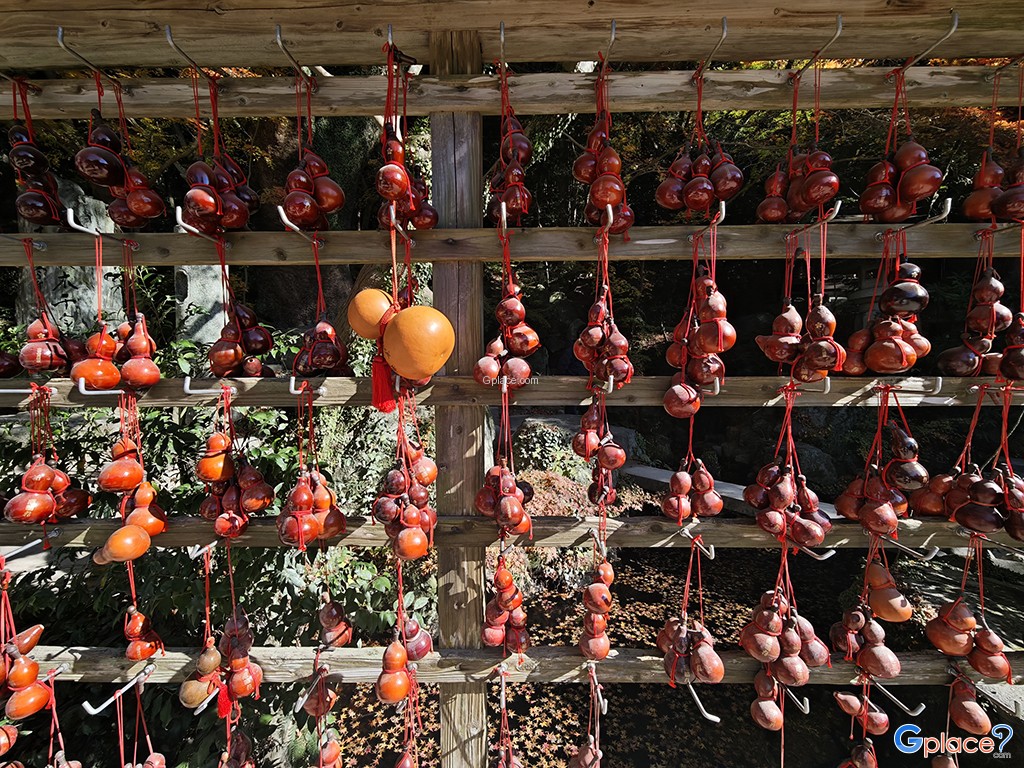
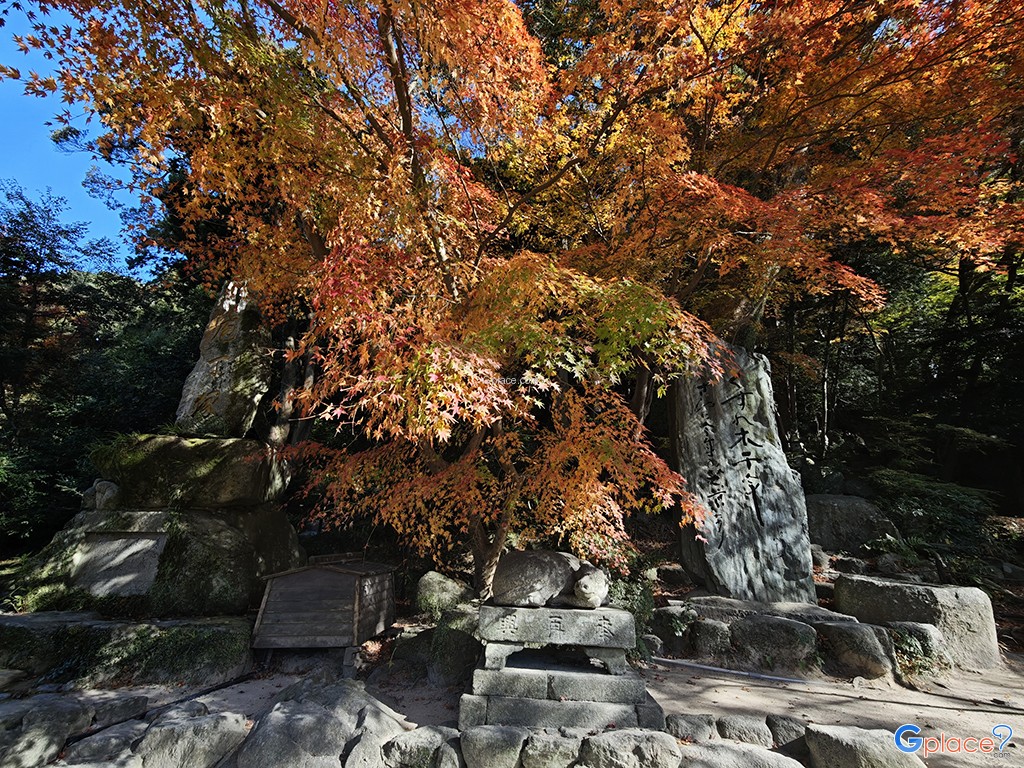
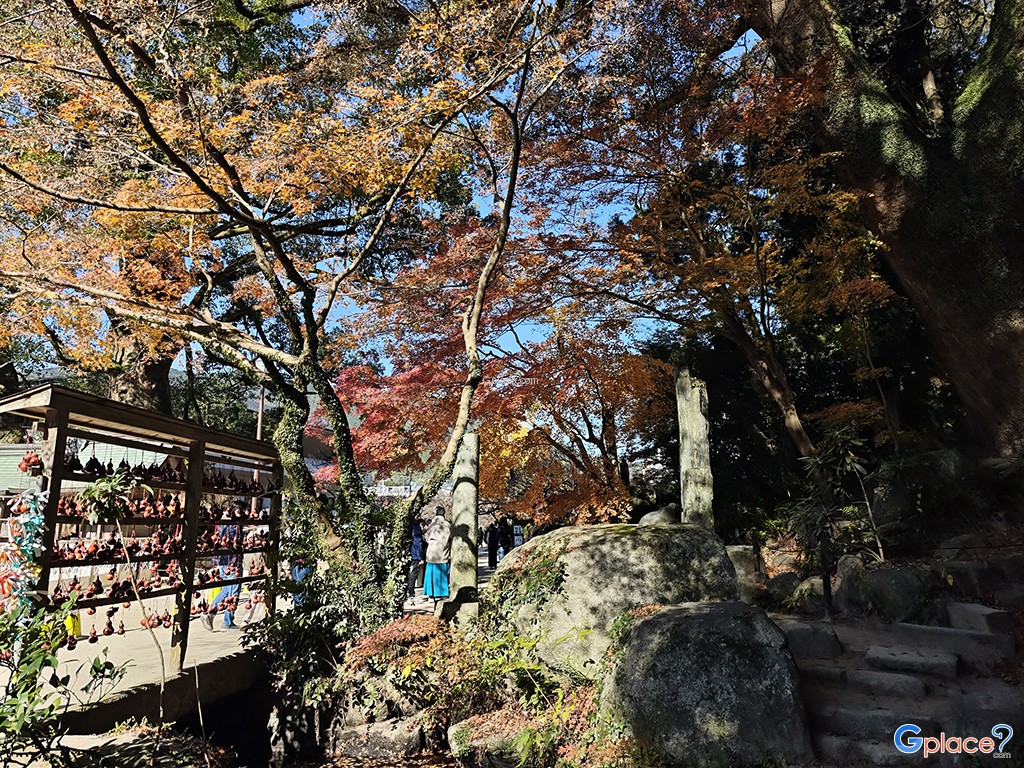
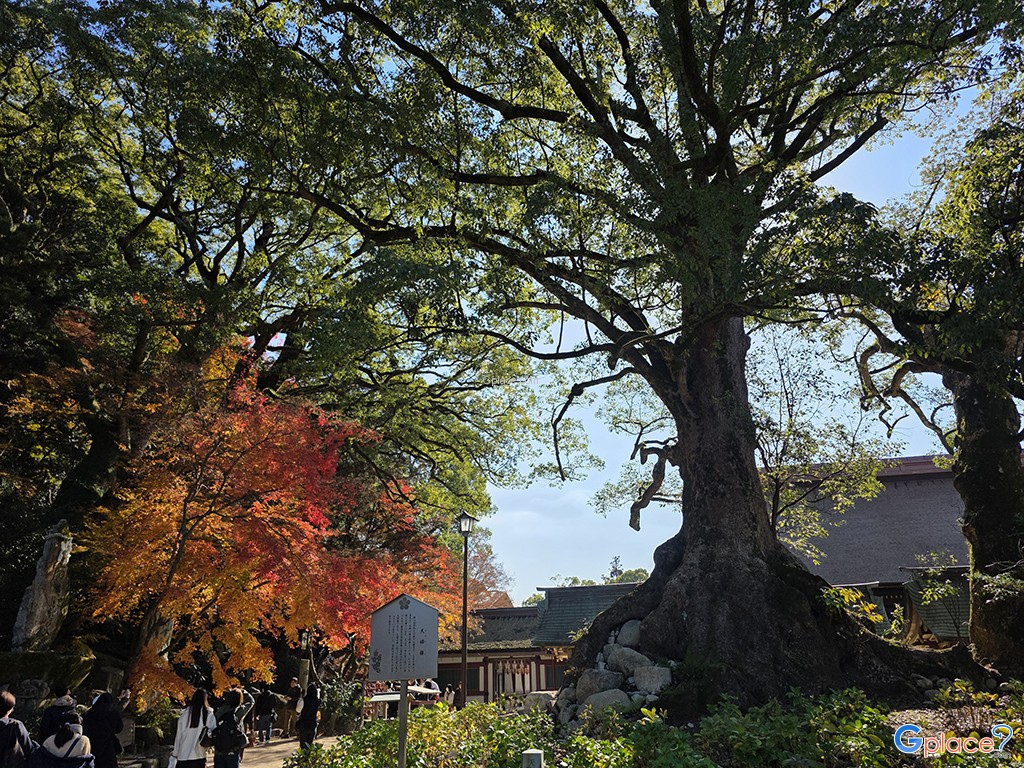

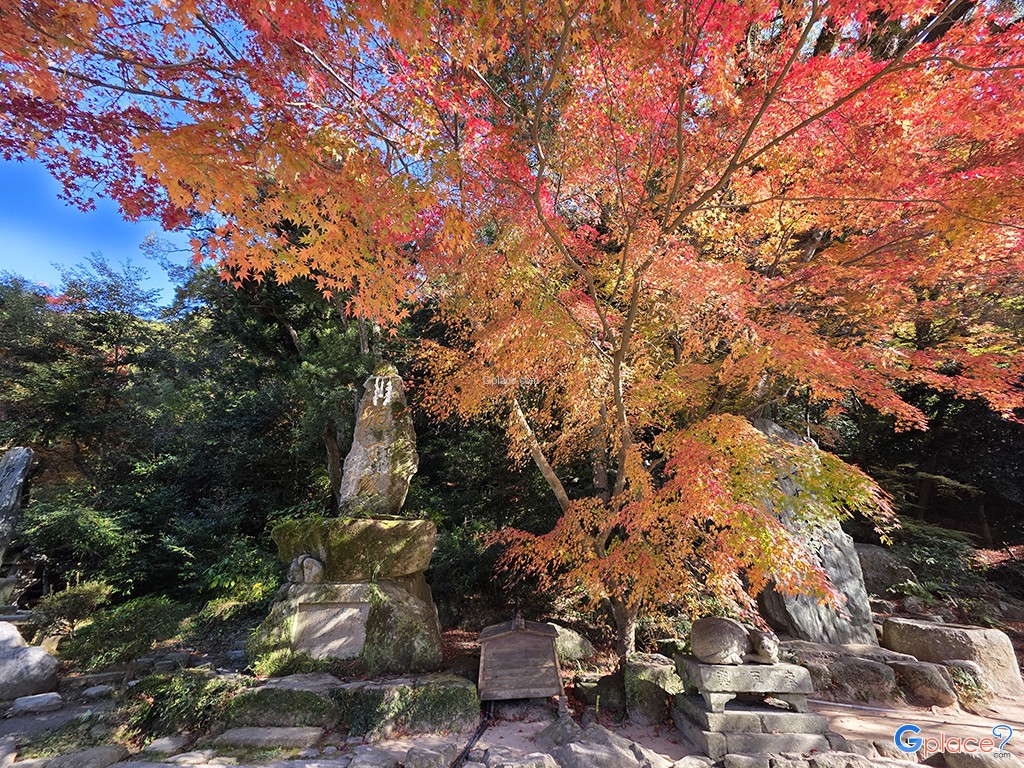
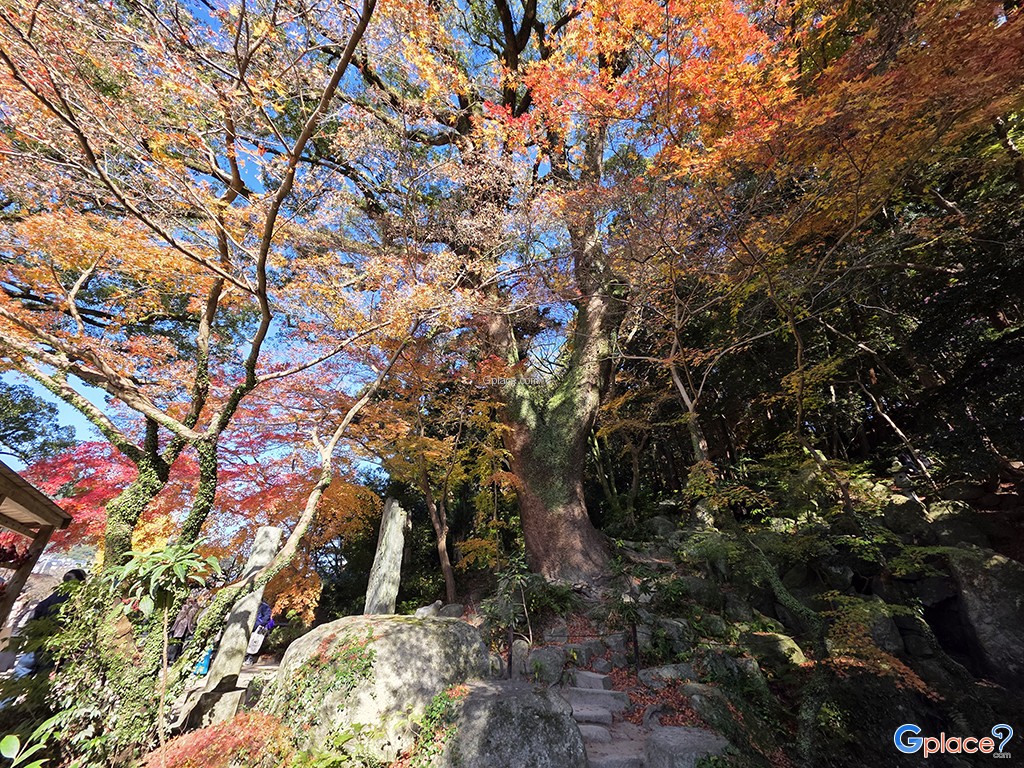

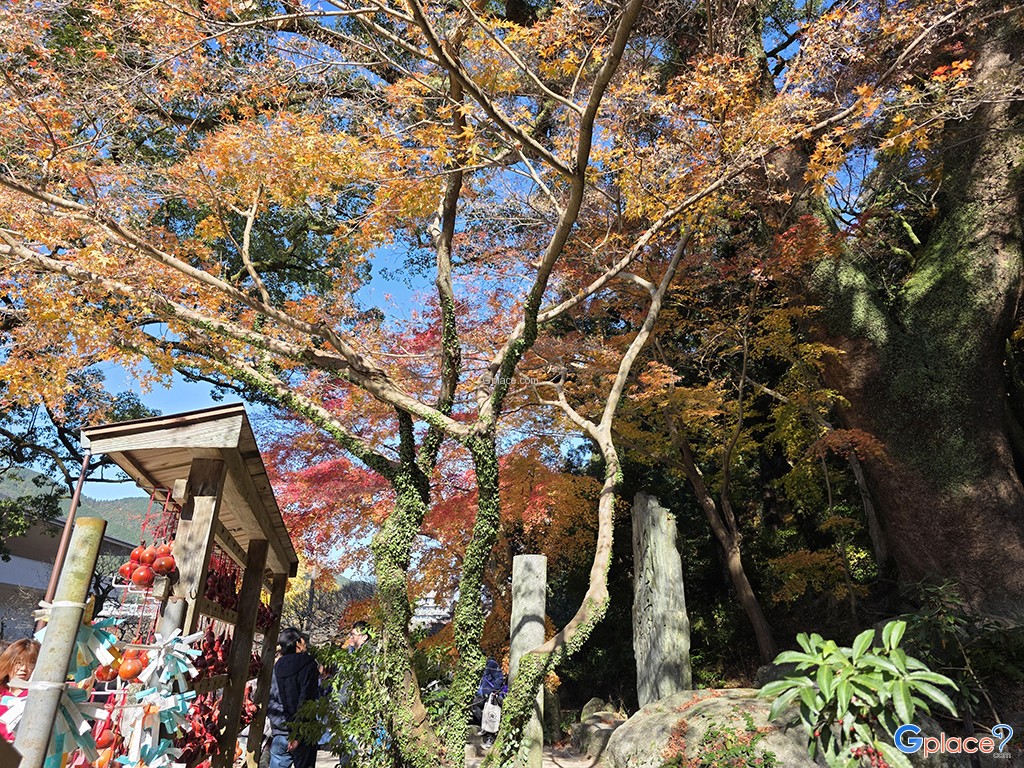
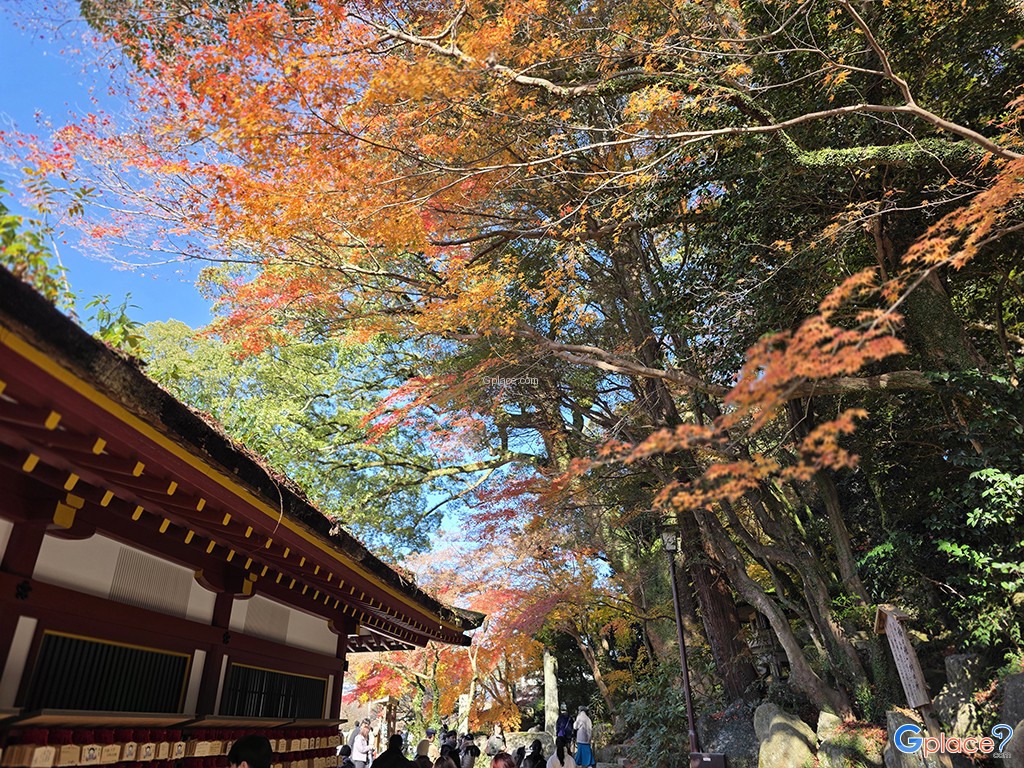
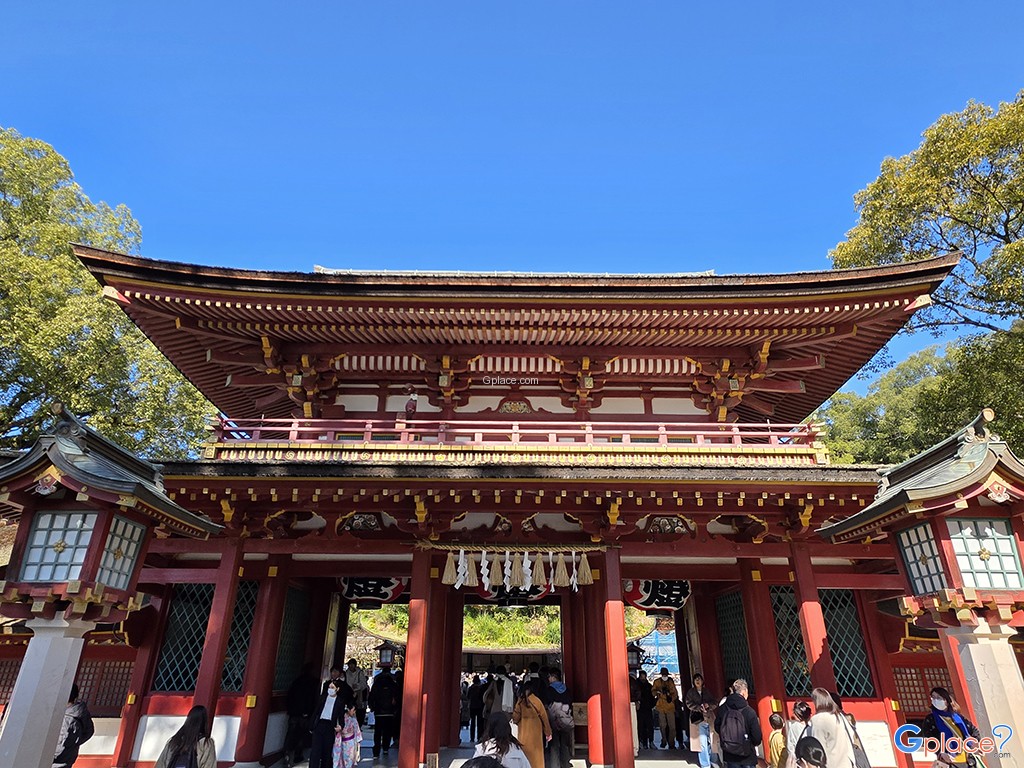

“The head shrine of over 10,000 Tenmangu shrines, combining Japan’s academic faith with Kyushu’s ancient administrative history.”
Dazaifu Tenmangū Shrine is one of Japan’s most important Shinto shrines and serves as the head shrine of more than 10,000 Tenmangu shrines nationwide. It is dedicated to Sugawara no Michizane, an eminent scholar, poet, and statesman of the Heian period.
Following his political exile in the 10th century, Michizane spent his final years in Dazaifu, which at the time functioned as the historical administrative capital of Kyushu, overseeing regional governance, diplomacy, and defense. After his death, the shrine was established over his grave, and he was later deified as Tenjin, the god of learning, culture, and the arts. This historical role gives the shrine not only spiritual importance but also exceptional political and cultural weight.
Today, the shrine is especially revered by students and academics, who visit to pray for success in entrance examinations, academic achievement, and intellectual growth. The shrine grounds are also famous for their natural beauty, featuring approximately 6,000 plum trees representing about 200 varieties, which bloom from late January to early March. Plum blossoms were Michizane’s favorite flower, symbolized by the legendary Tobiume (Flying Plum Tree), said to have flown overnight from Kyoto to follow him into exile.
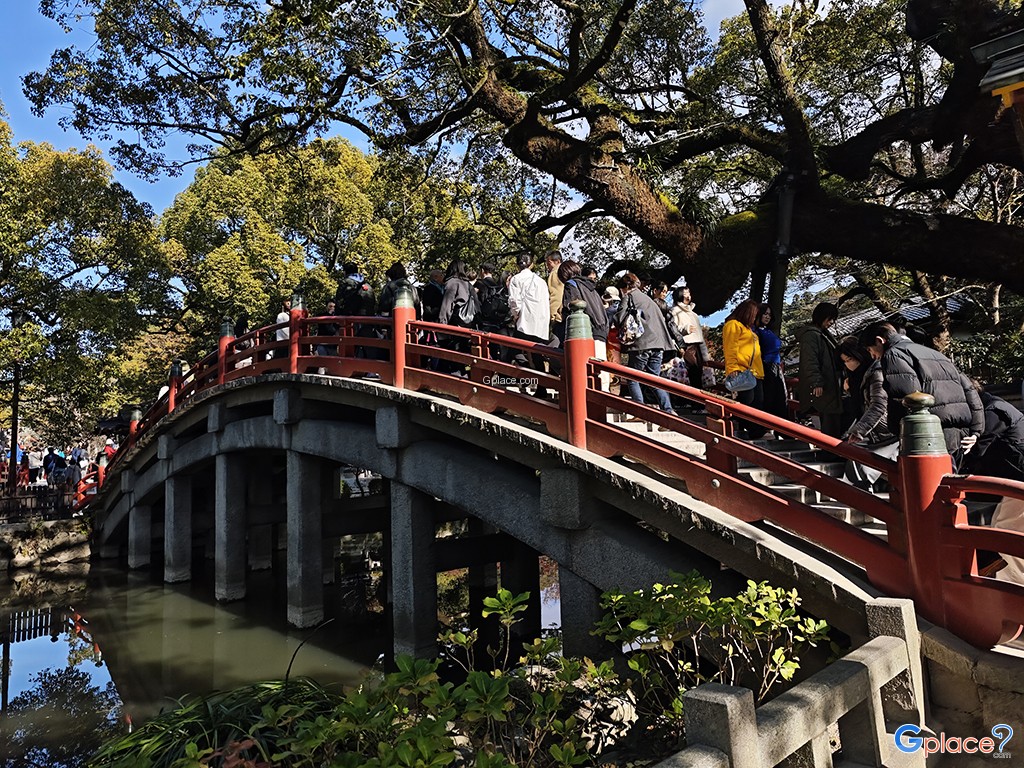
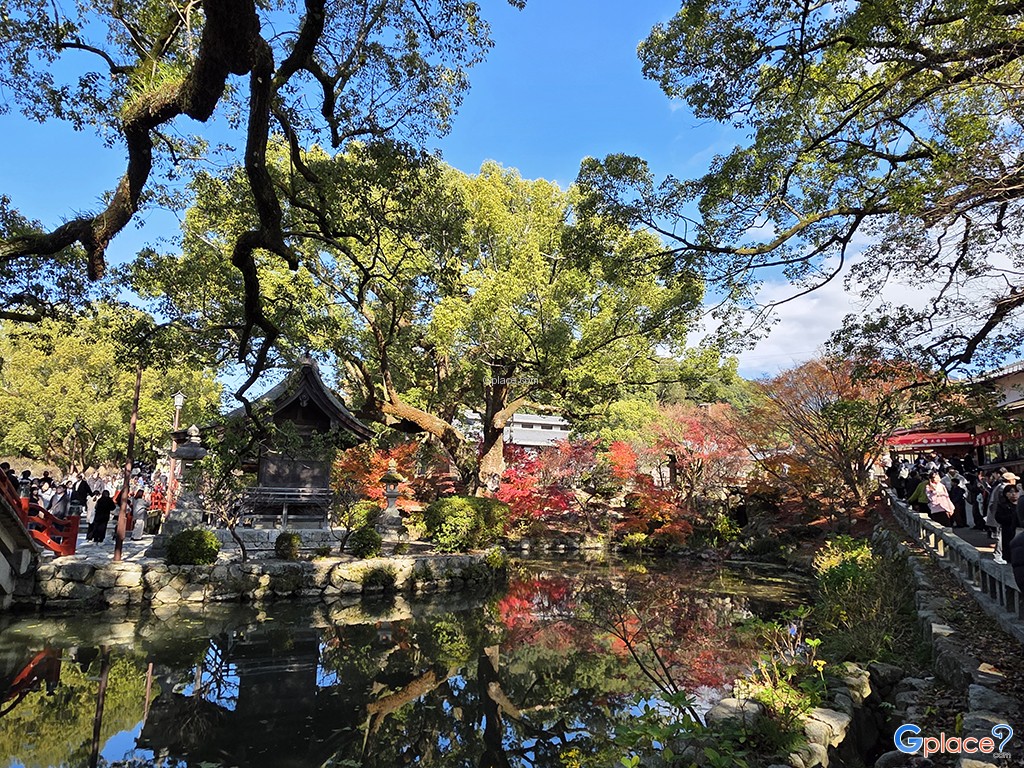
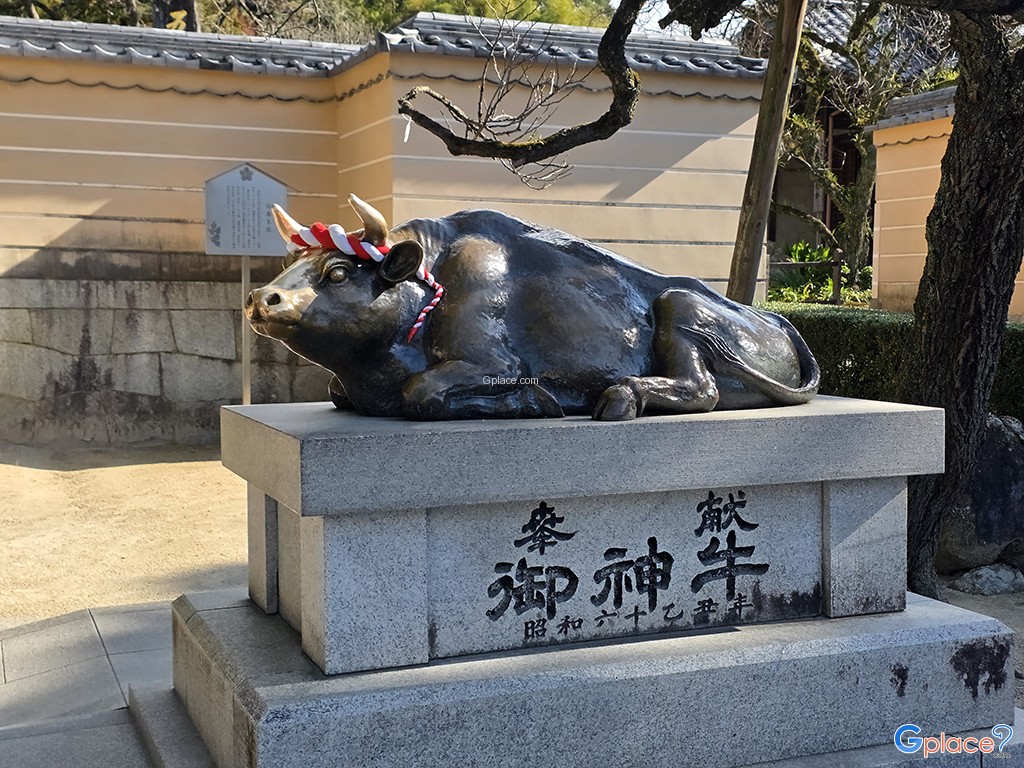
Visitors approach the main sanctuary by crossing three vermilion Taiko-bashi bridges over Shinji-ike Pond, shaped like the Chinese character for “heart.” These bridges symbolize the past, present, and future, marking a spiritual transition into the sacred space. Throughout the grounds stand numerous sacred ox statues (Shingyu), linked to the legend of Michizane’s burial; touching the ox’s head is believed to grant wisdom and academic success.
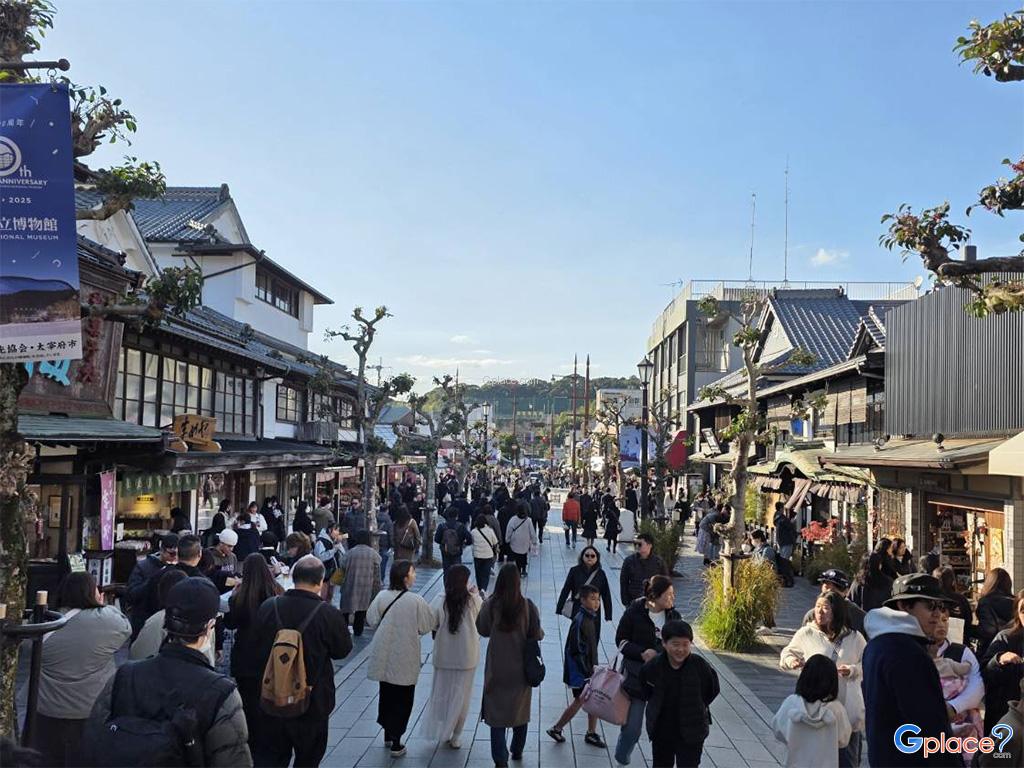
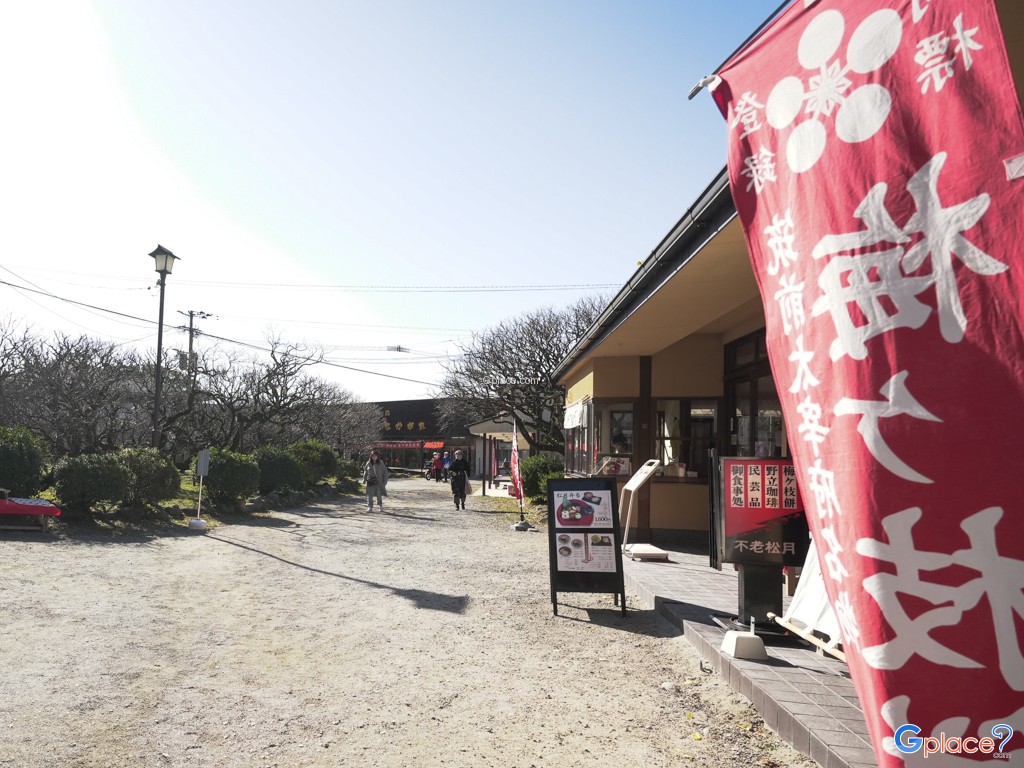
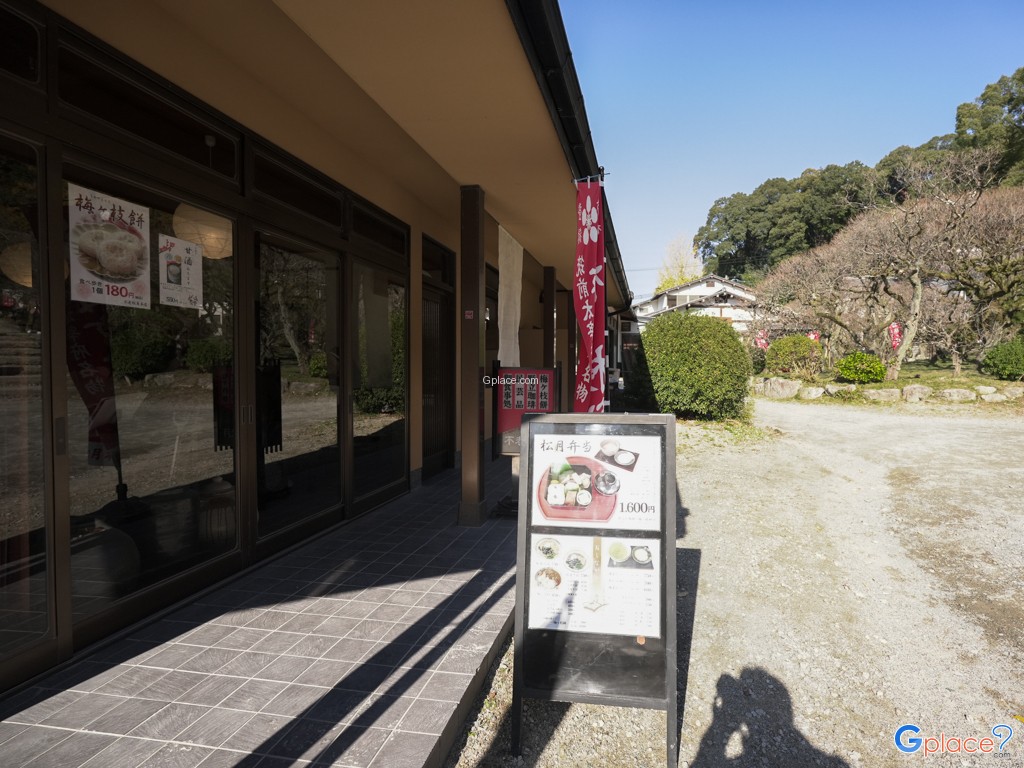
The approach road to the shrine is lively and culturally rich, best known for Umegae Mochi, a traditional local sweet made of grilled rice cake filled with red bean paste and stamped with a plum blossom motif.
How to Get There
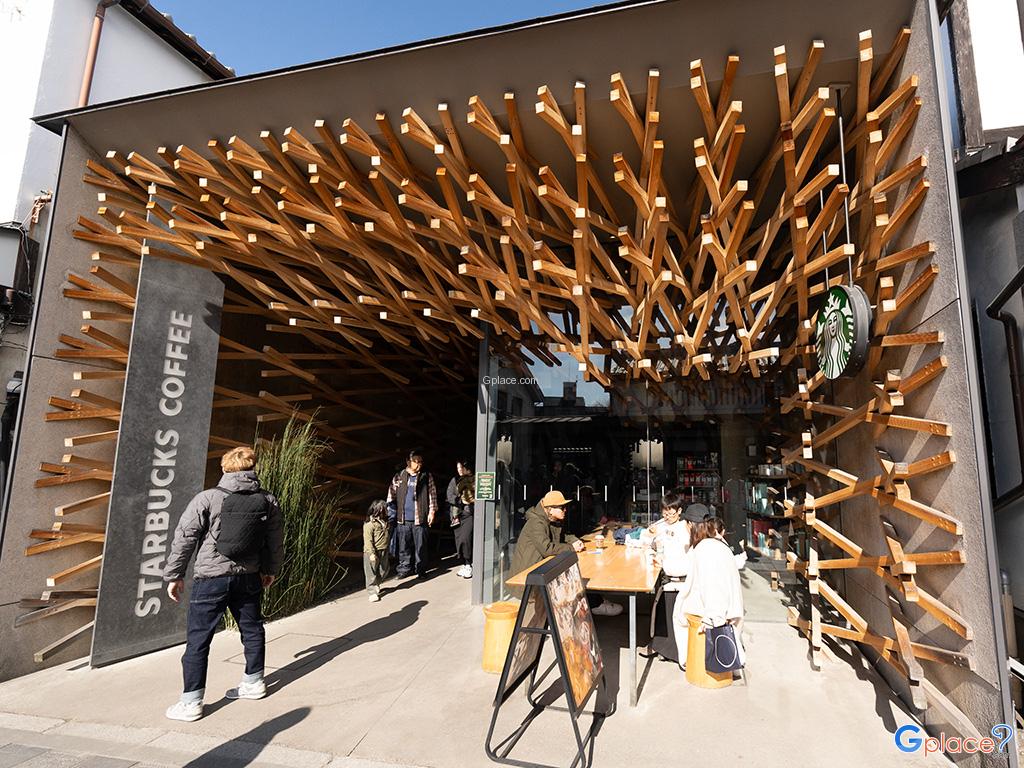
- From Fukuoka (Tenjin Station), take the Nishitetsu Line to Dazaifu Station. From the station, the shrine is approximately a 5-minute walk along a traditional shopping street lined with souvenir shops and local food stalls.
Travel Tips
-
Visit during plum blossom season (late January–early March) for the most scenic experience
-
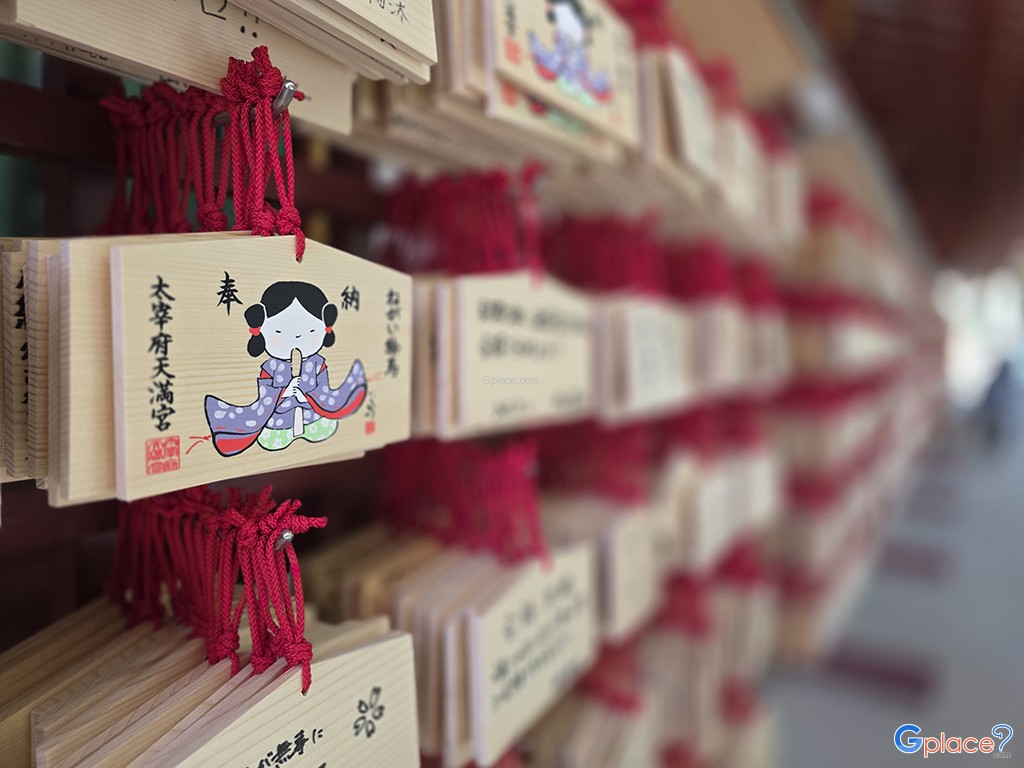
Students often write wishes on ema prayer plaques for exam success
-
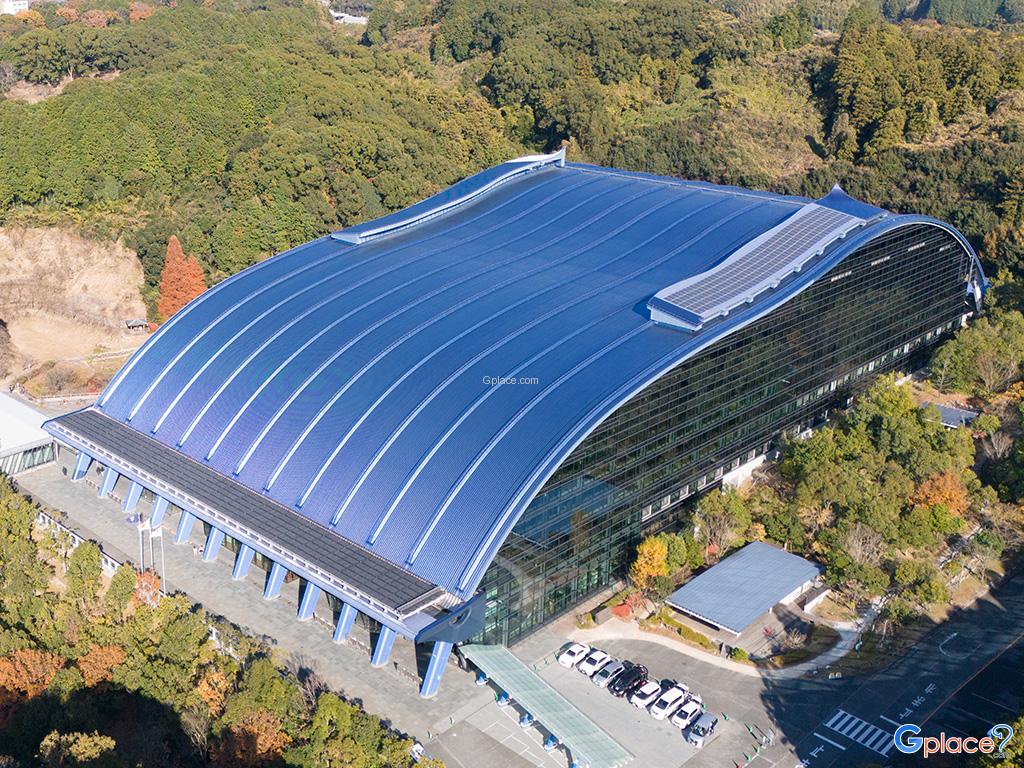
Combine your visit with the nearby Kyushu National Museum, accessible via a dedicated underground tunnel from the shrine grounds
-
Weekends, holidays, and exam seasons can be crowded; early morning visits are recommended for a quieter atmosphere
Admission Fee:
- Free entry to the shrine grounds
(Separate admission fees apply for the Treasure Hall and museums)
Opening Time:
- Generally 6:30 AM – 7:00 PM daily
(Hours vary by season, with extended hours during summer months)
Important Notice:
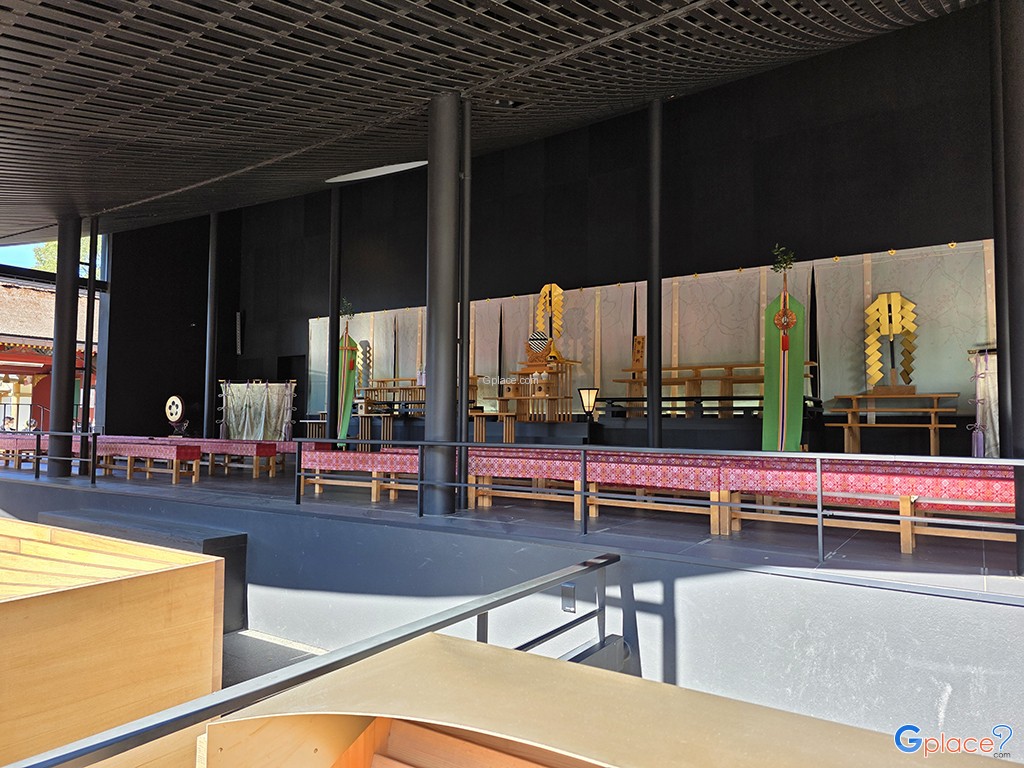
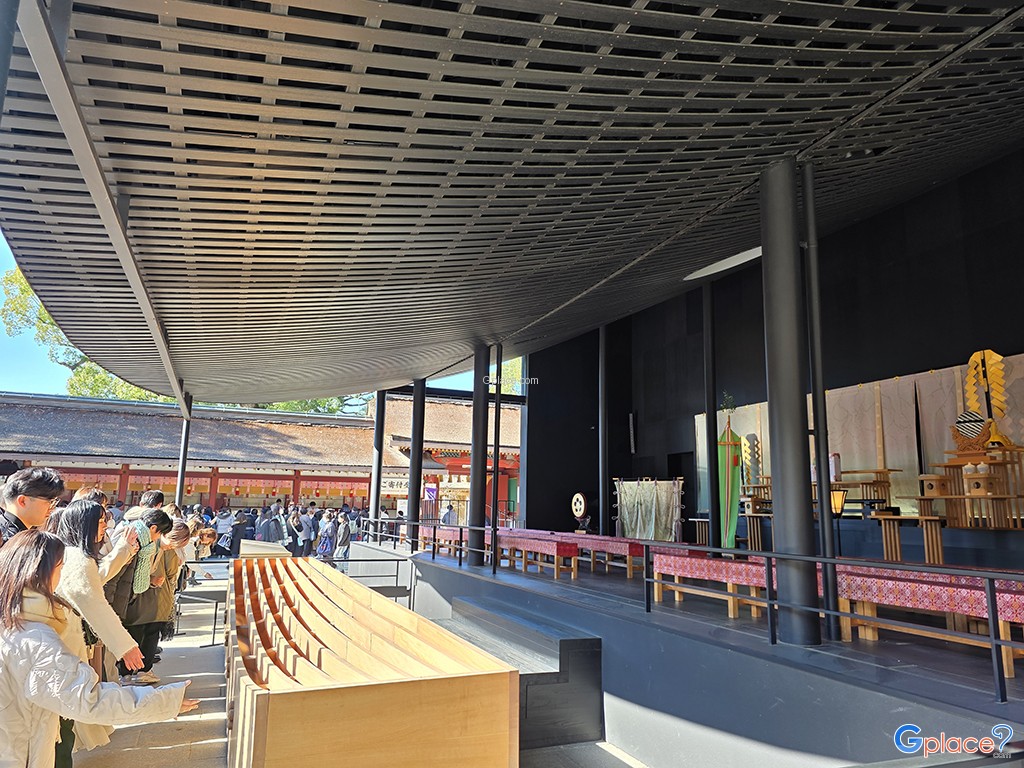
- The main hall (Honden) is currently undergoing a large-scale renovation, scheduled for completion around 2026. A temporary worship hall is available for visitors during this period.
Dazaifu Tenmangū Shrine

 Share
Share
 4-chōme 7-1 Saifu, Dazaifu City, Fukuoka Japan
Map
4-chōme 7-1 Saifu, Dazaifu City, Fukuoka Japan
Map
 Closed today
Mon6.30 - 19.00
Tue6.30 - 19.00
Wed6.30 - 19.00
Thu6.30 - 19.00
Fri6.30 - 19.00
Sat6.30 - 19.00
Sun6.30 - 19.00

 http://www.dazaifutenmangu.or.jp/

 327
327