 Attractions
  Hotel
Hotel  Restaurant
  Shopping
  Abroad





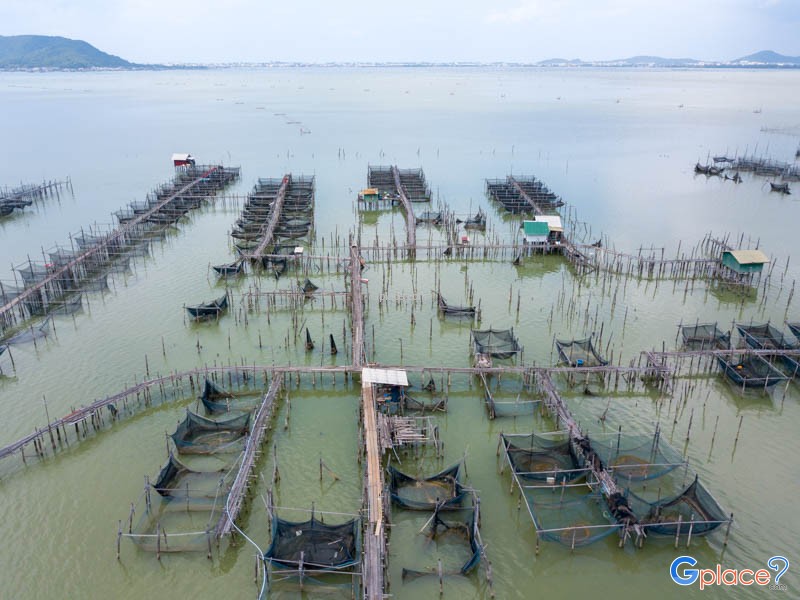

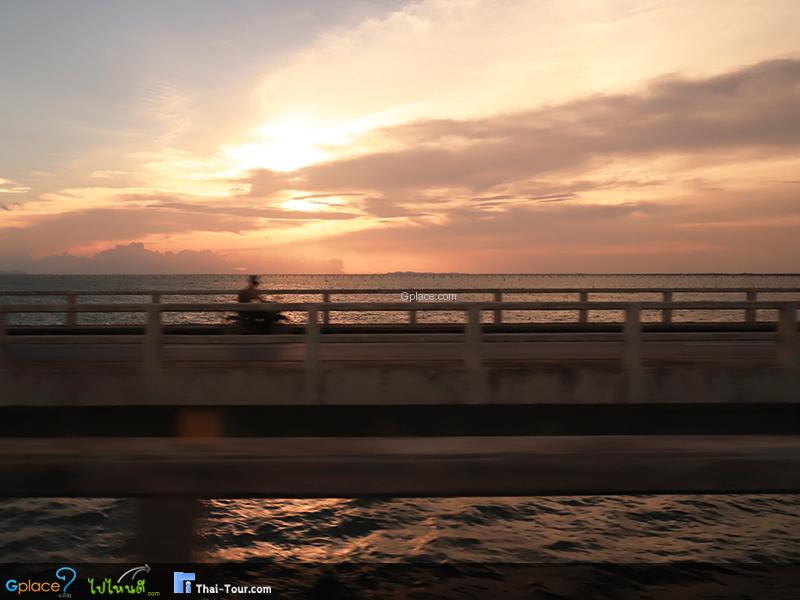
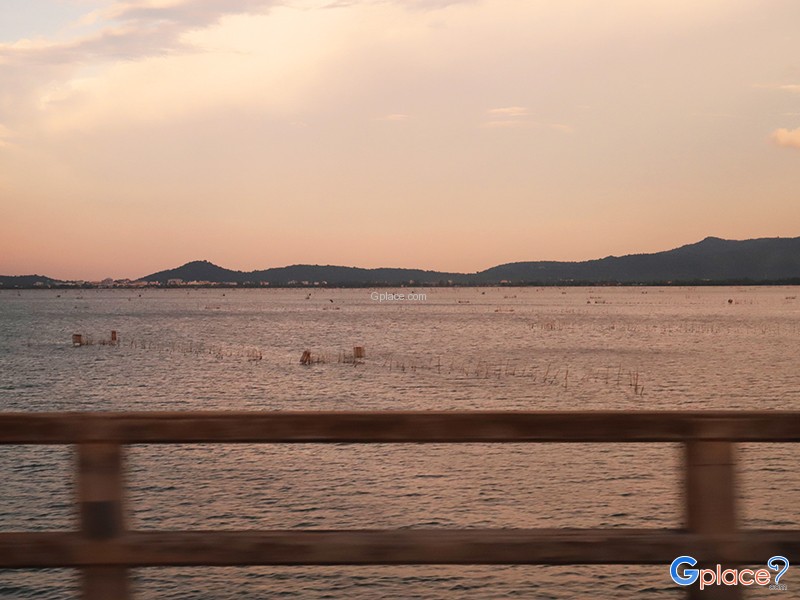
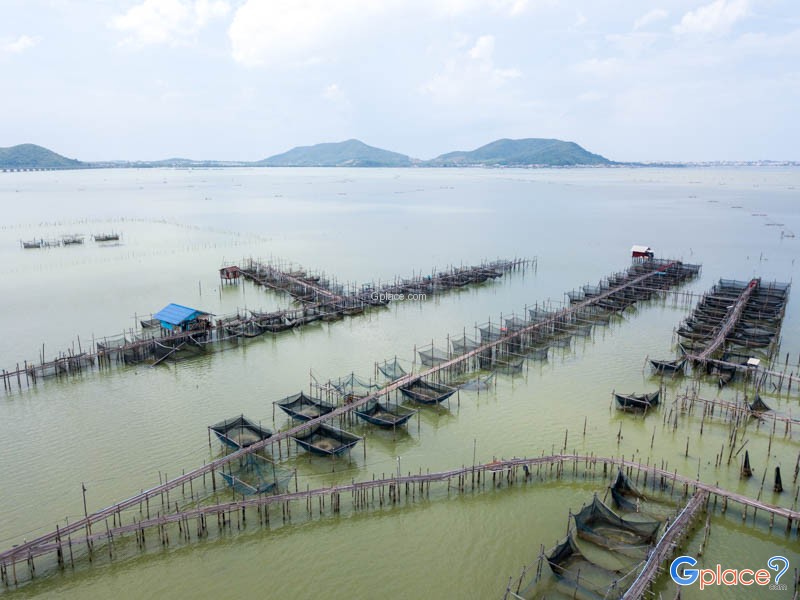
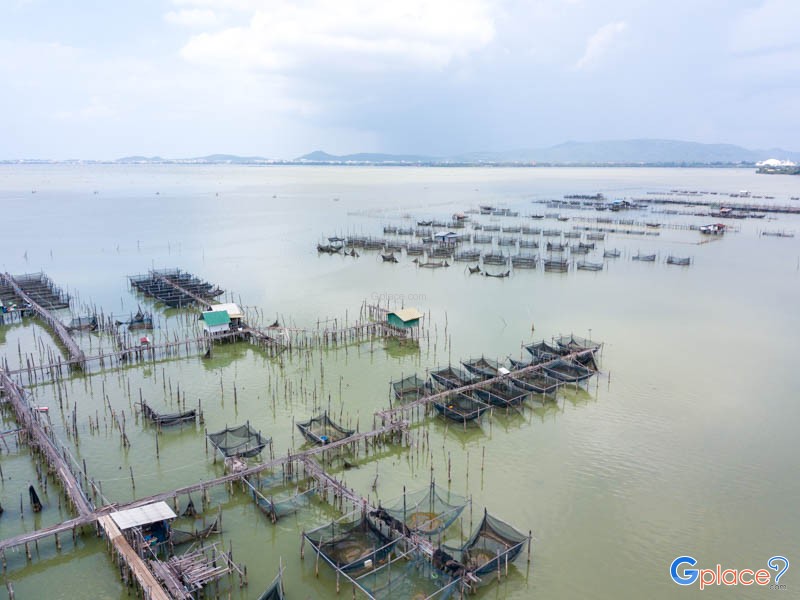
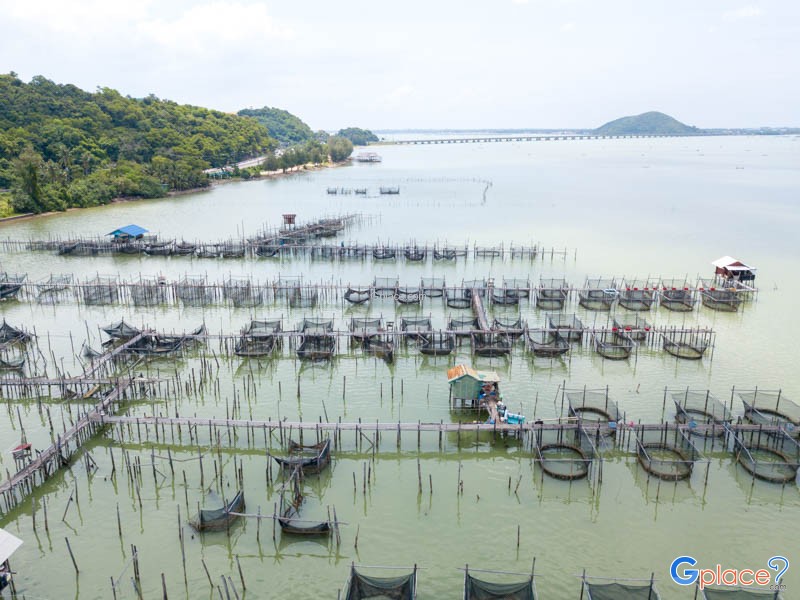
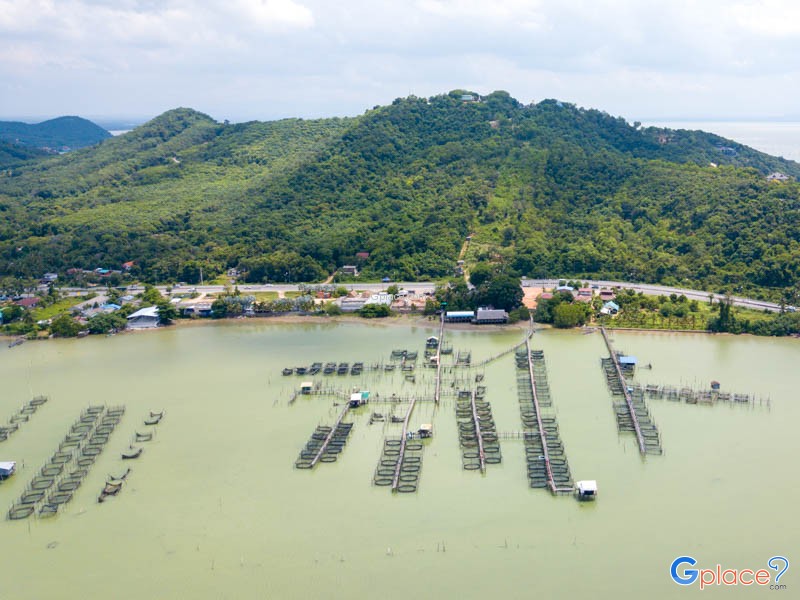
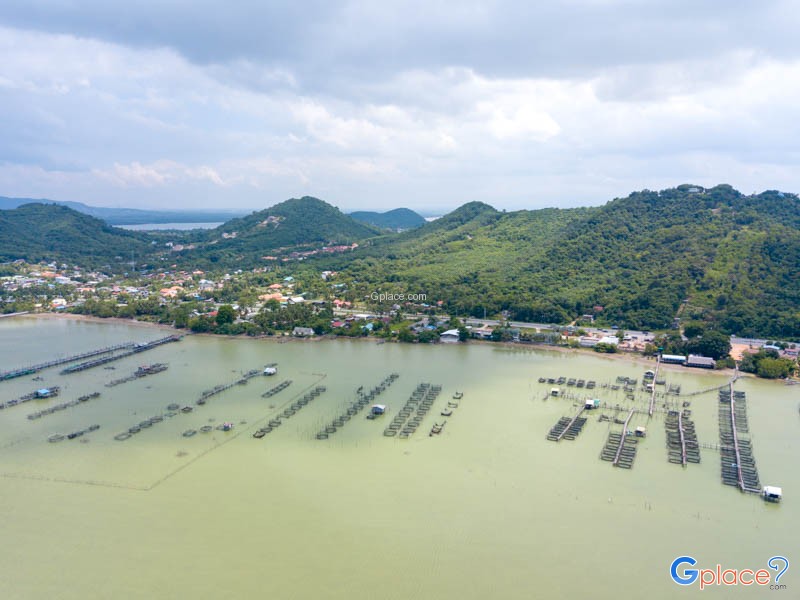
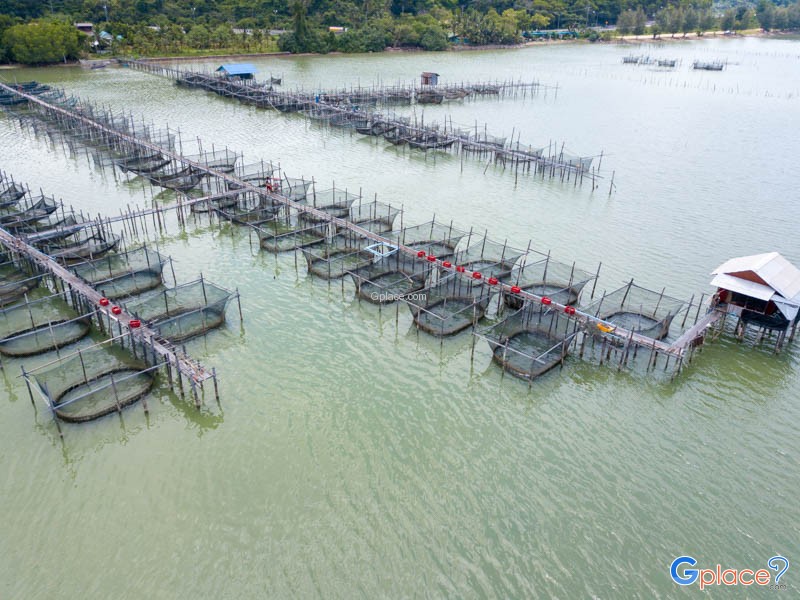
“Thailand’s largest lagoon lake features a three-water ecosystem and is home to dugongs, Koh Yor Island, and the Tinsulanonda Bridge.”
Songkhla Lake is Thailand’s largest lagoon system, covering approximately 1,000 square kilometers. It is a highly complex ecosystem connected to freshwater from upstream areas, brackish water in the middle section, and saltwater in the lower part that links to the Gulf of Thailand through the lake’s mouth.
The lake is divided into three main sections. The upper part, known as
Thale Noi in Phatthalung Province, is an internationally recognized wetland rich in aquatic plants, especially blooming water lilies, and serves as an important habitat for waterbirds.
The middle section is a wide brackish-water zone that supports many traditional fishing communities.
The lower section near Songkhla Bay becomes more saline and has strong seawater exchange, creating high ecological diversity.
In terms of biodiversity, the lake was once home to rare species such as dugongs and Irrawaddy dolphins, along with many brackish-water fish species. Although populations have declined, the area remains ecologically significant for conservation.
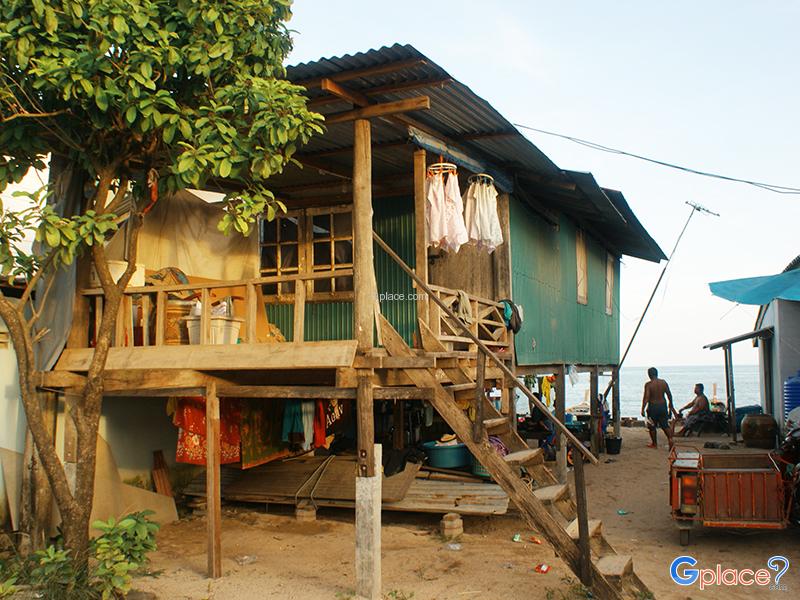
Local communities around the lake rely heavily on traditional fisheries, including the use of large lift nets and fish traps in areas such as Pak Pra. These practices reflect a deep cultural relationship between people and the water system.
Koh Yor is another important cultural and economic area, known for its traditional weaving, fresh seafood, and simple local lifestyle. Visitors can experience local crafts and cuisine in one place.
In addition, Songkhla Lake serves as an important environmental learning site in southern Thailand, especially in wetland management, aquatic species conservation, and the impacts of coastal ecosystem changes.
How to Get There
- By car: Drive along the lakeside or cross Tinsulanonda Bridge to Koh Yor and Singhanakhon
- By boat: Local boat tours available from Koh Yor and Songkhla city piers
Travel Tips
- Visit in the early morning or late afternoon for the best weather and scenic views.
- February–April is ideal for viewing blooming lotus flowers and waterbirds.
- Bring sun protection such as sunscreen, a hat, and sunglasses.
- Choose community-based boat tours to support local livelihoods.
- Keep the area clean and avoid disturbing the natural environment
Admission Fee:
- Free for general areas.
- Boat tours cost approximately 500–1,200 THB depending on route and boat size.
Opening Hours:
- Open 24 hours.
- Recommended visiting time: 06:00–18:30 for safety and scenery.
Songkhla Lake

 Share
Share
 Khu Tao, Mueang Songkhla, Songkhla,90000
Map
Khu Tao, Mueang Songkhla, Songkhla,90000
Map
 Open now

 https://www.thai-tour.com/thai-tour/south/songkla/data/place/pic-songkla-lake.htm

 5732
5732