 Attractions
  Hotel
Hotel  Restaurant
  Shopping
  Abroad





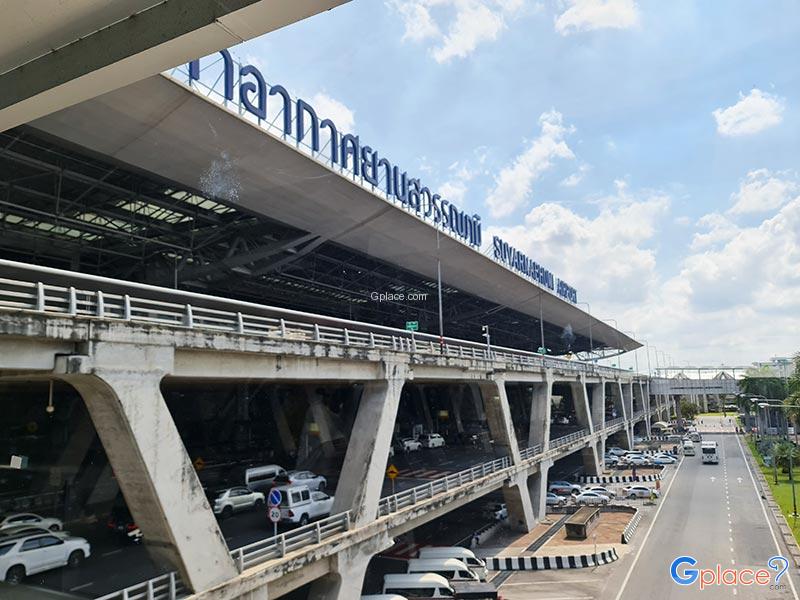

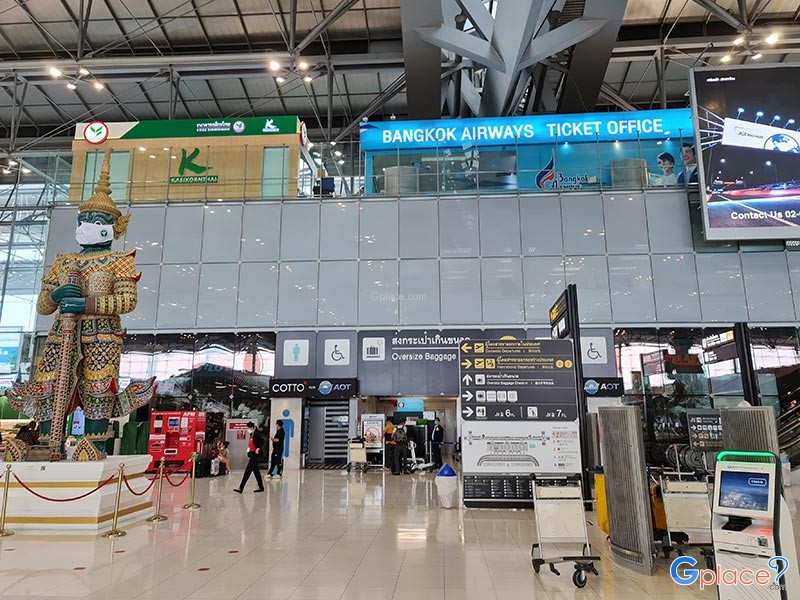

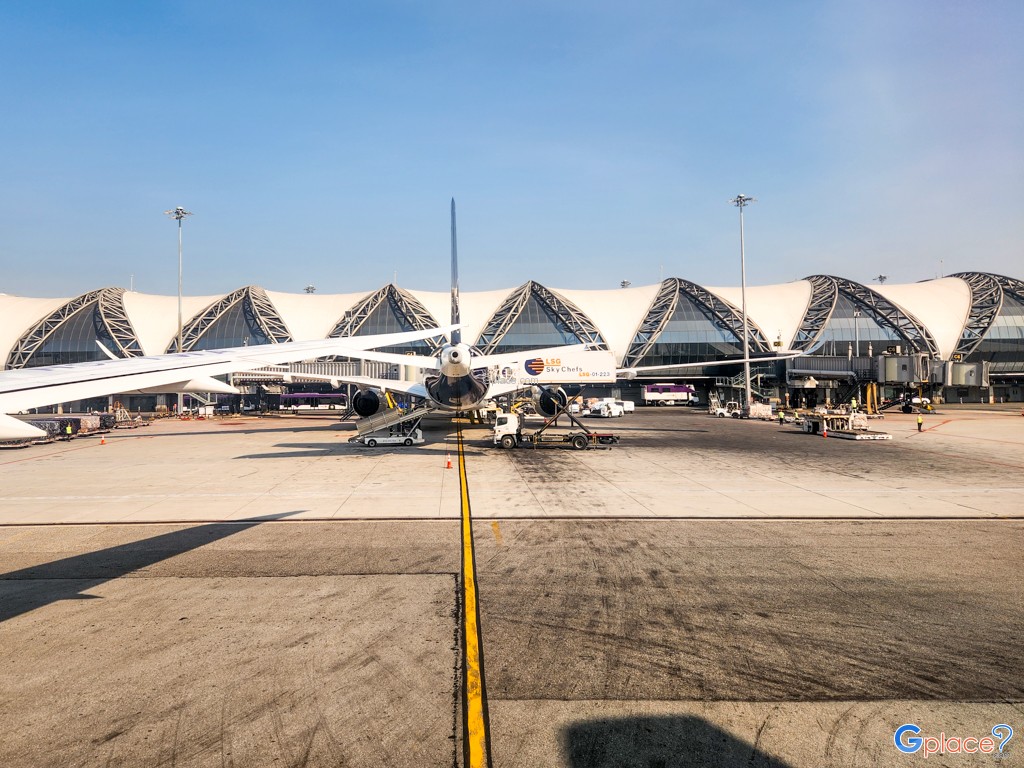
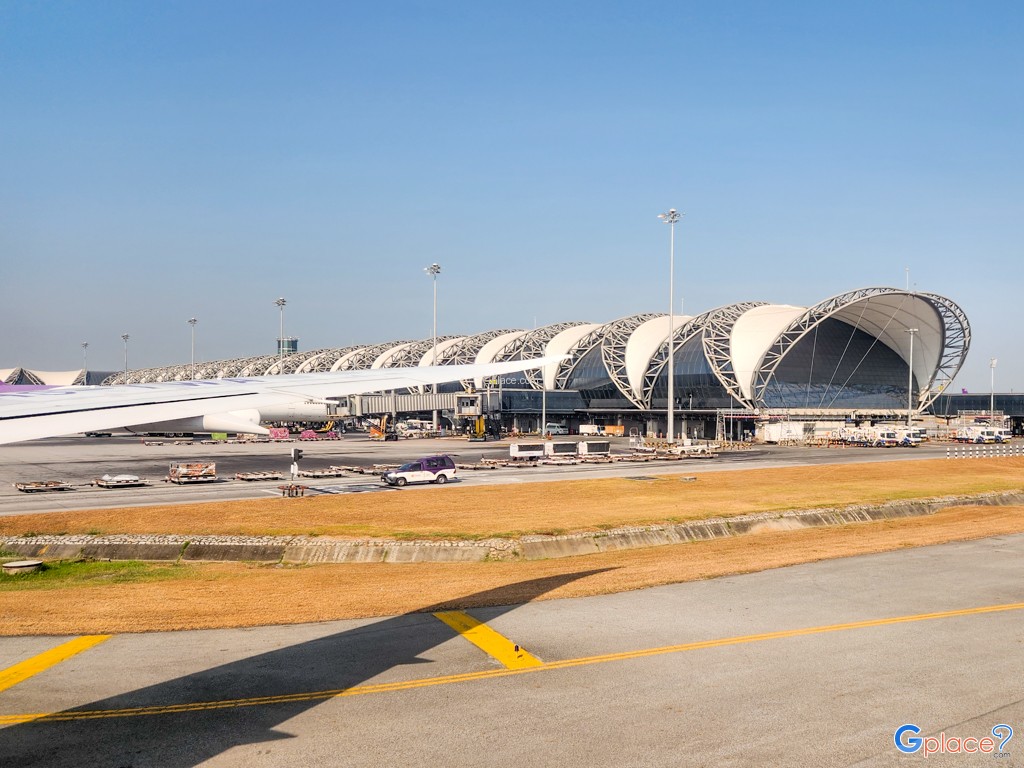
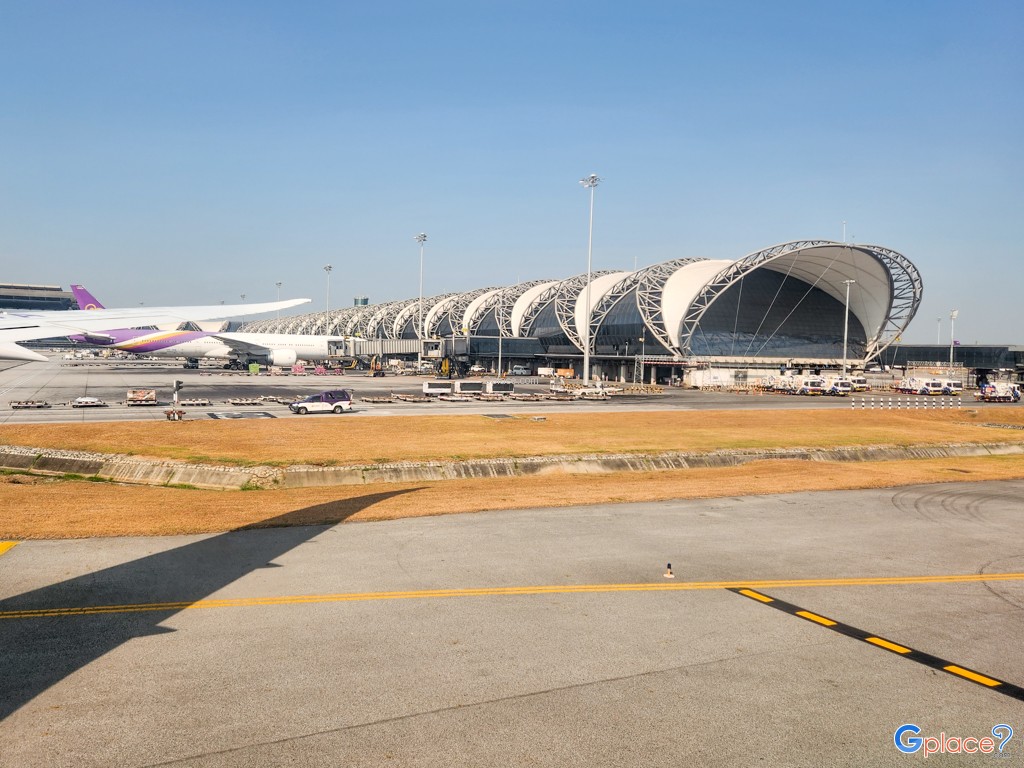
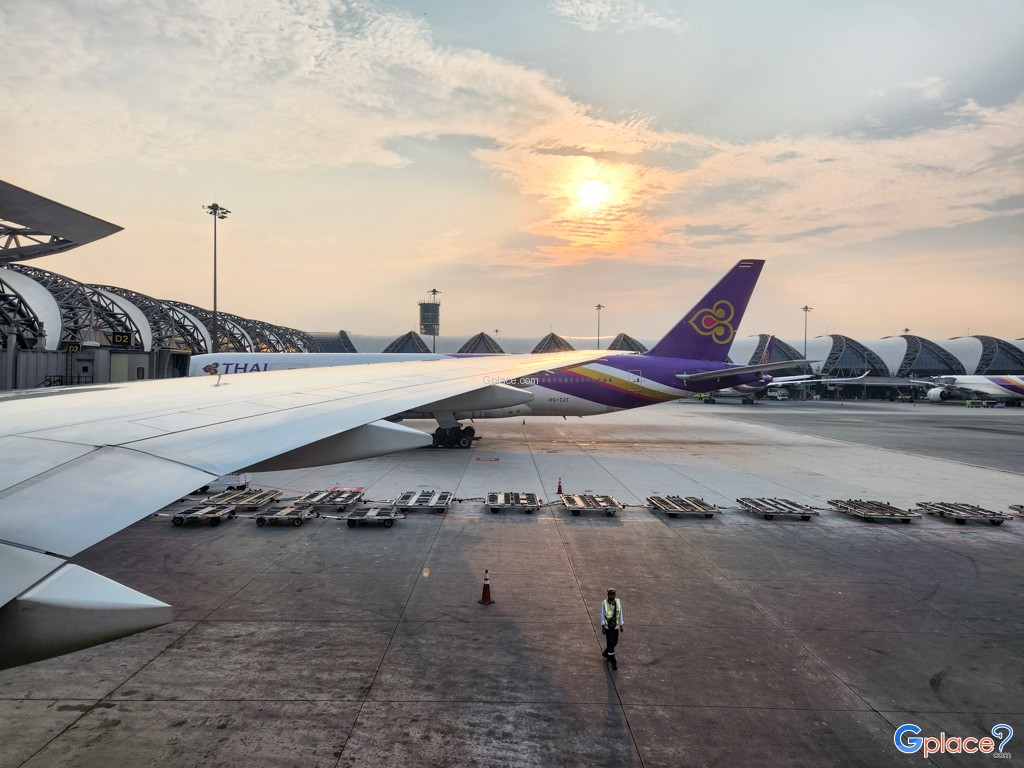
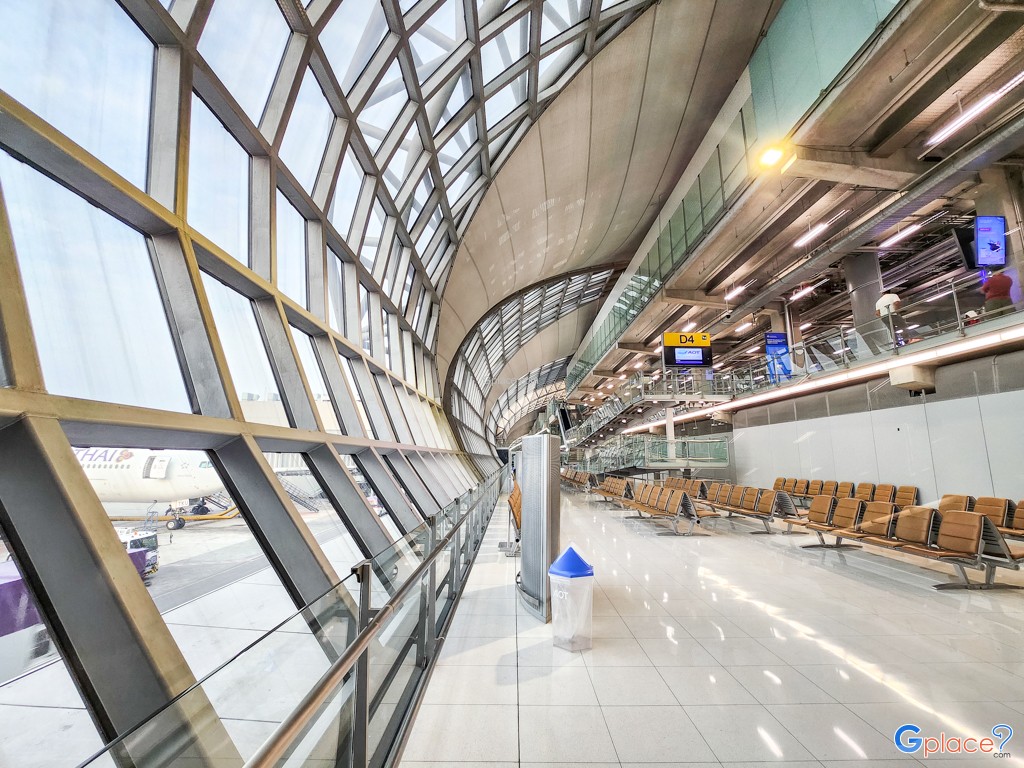
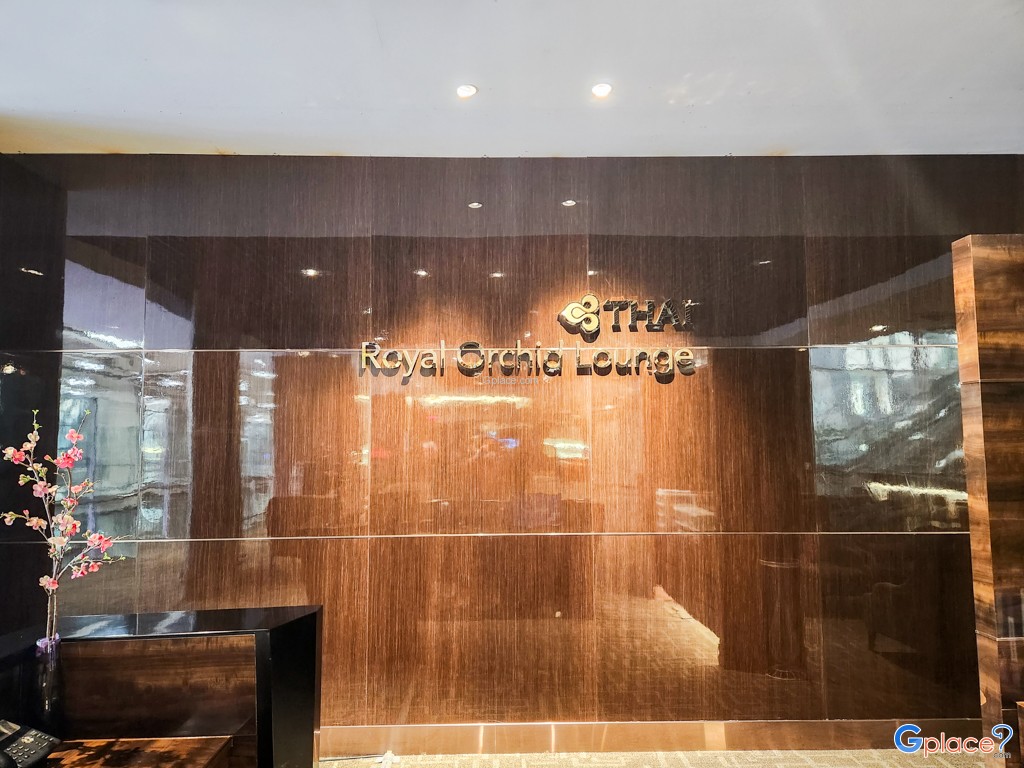
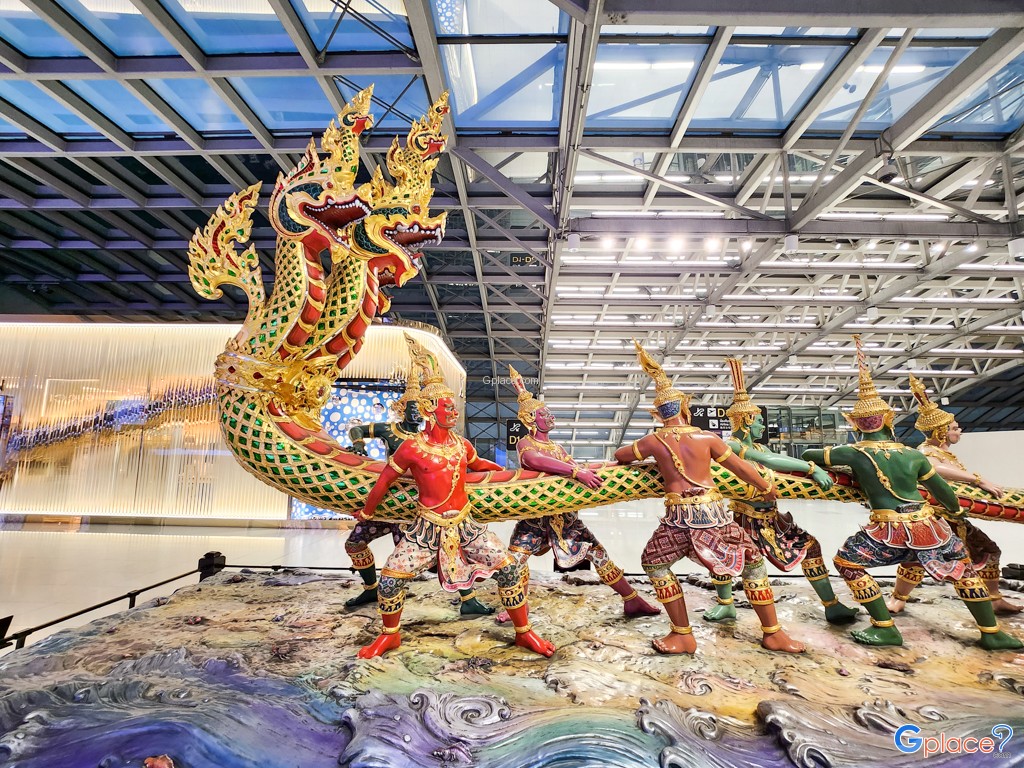
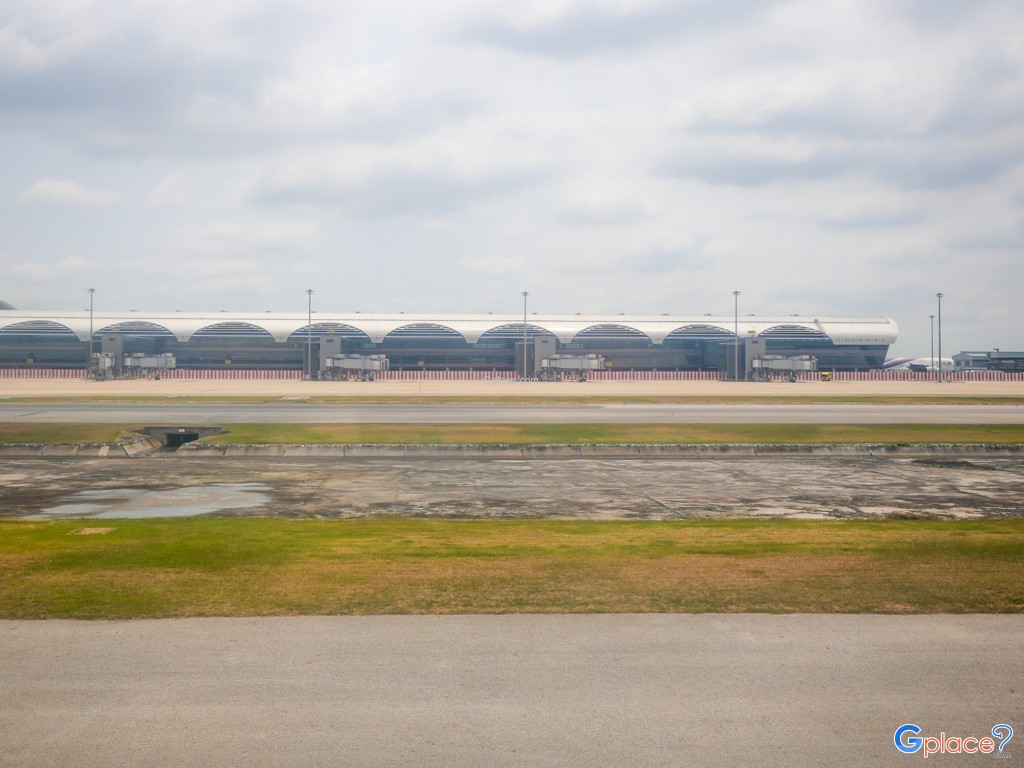
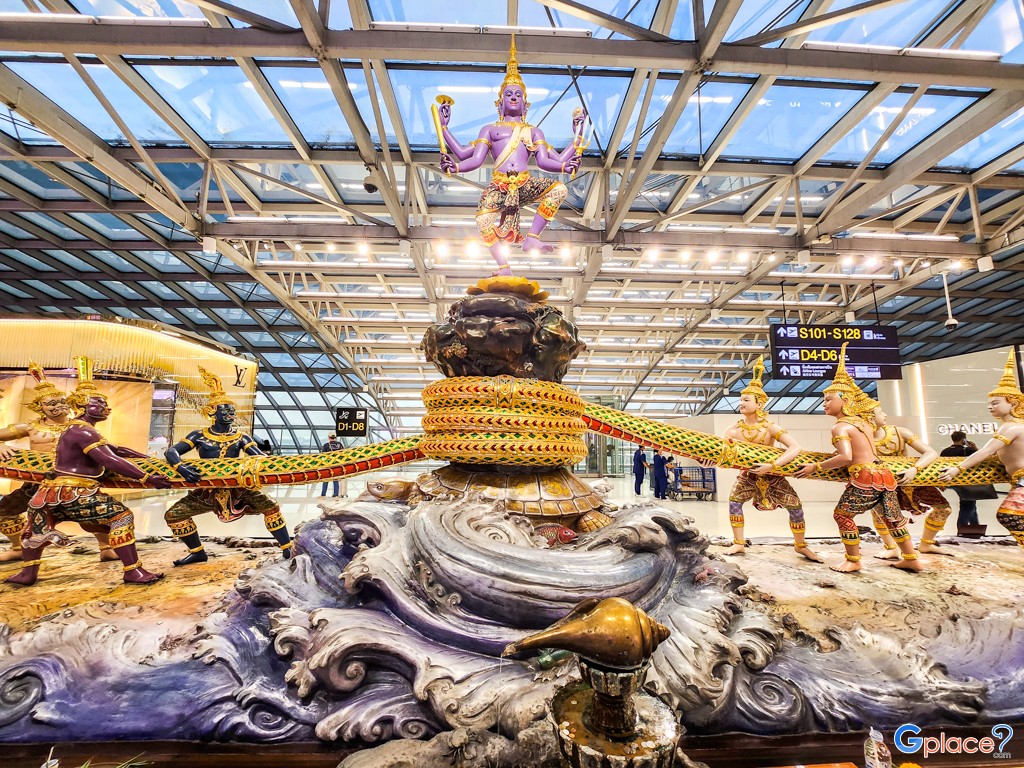


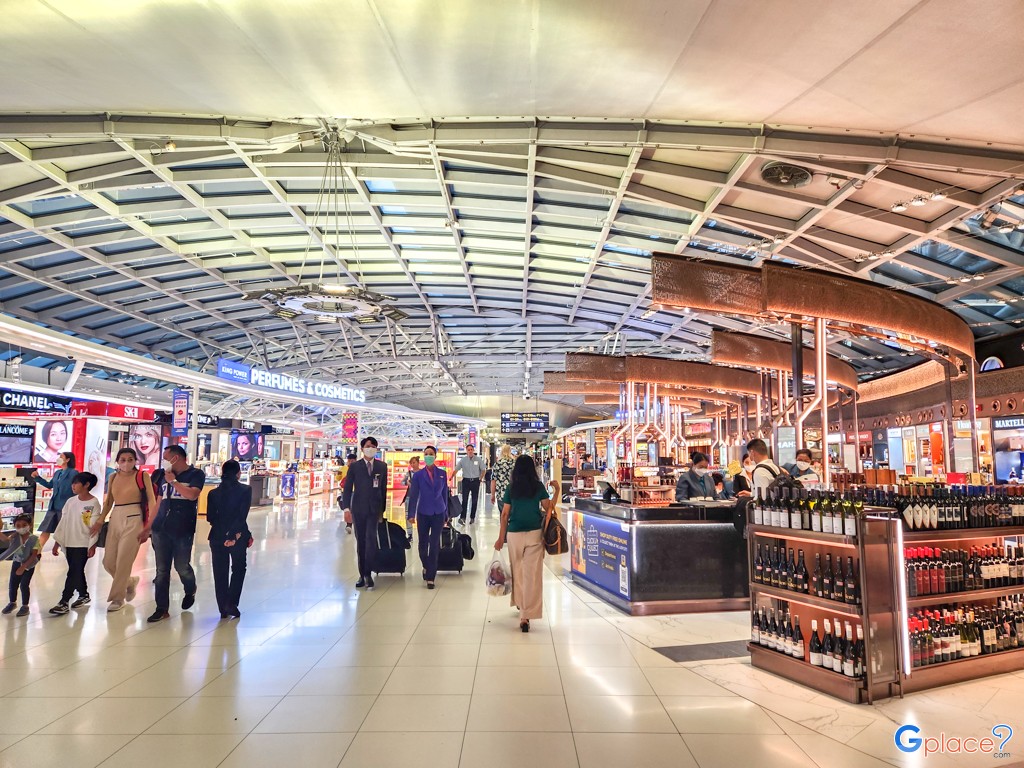
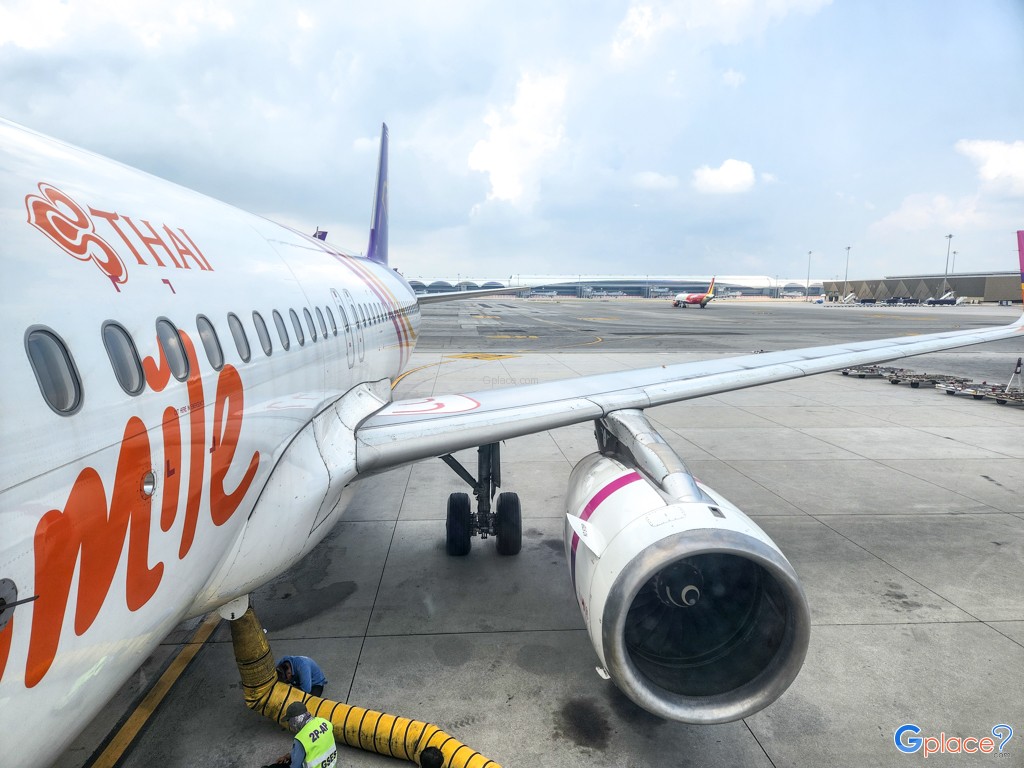
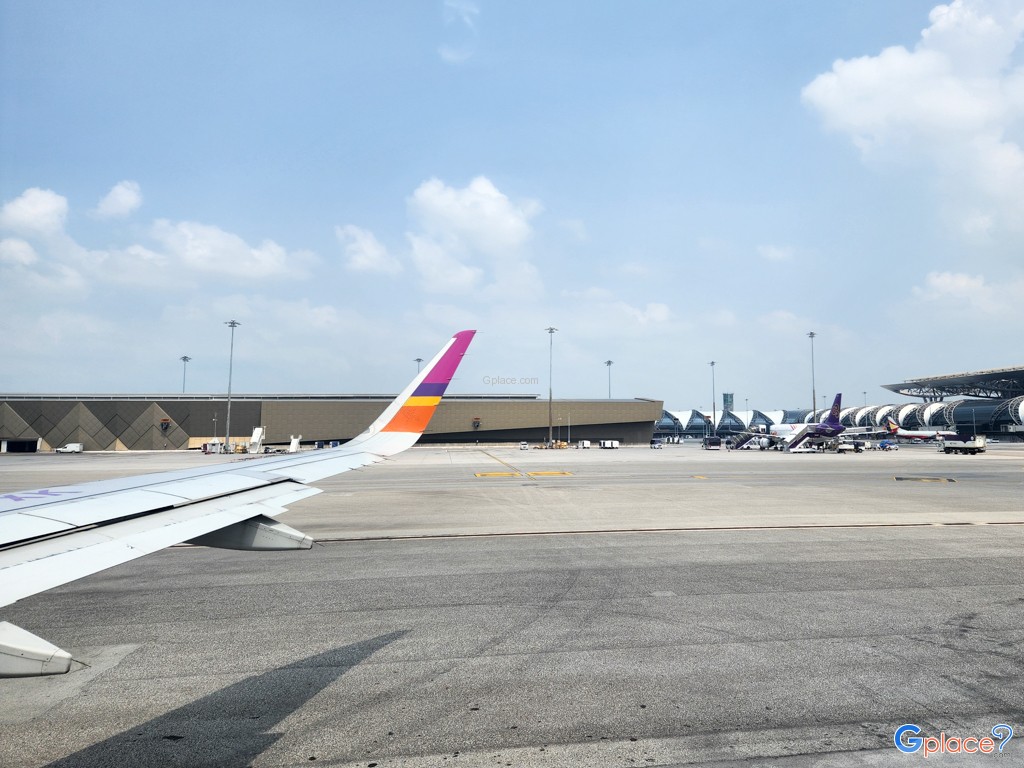
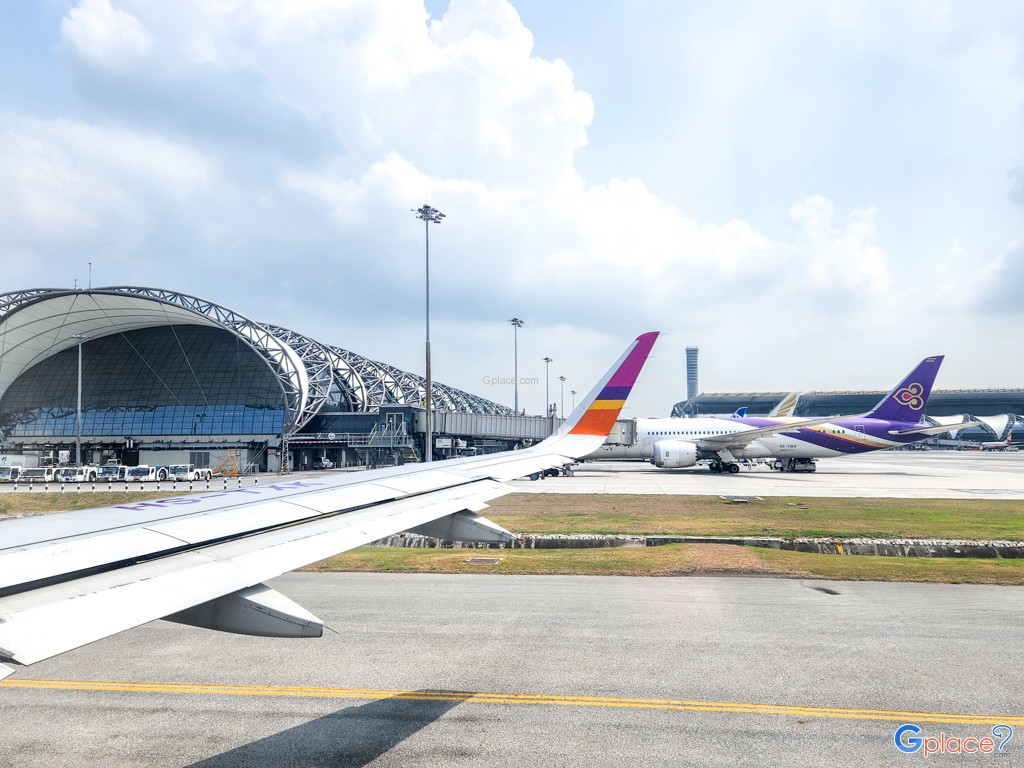
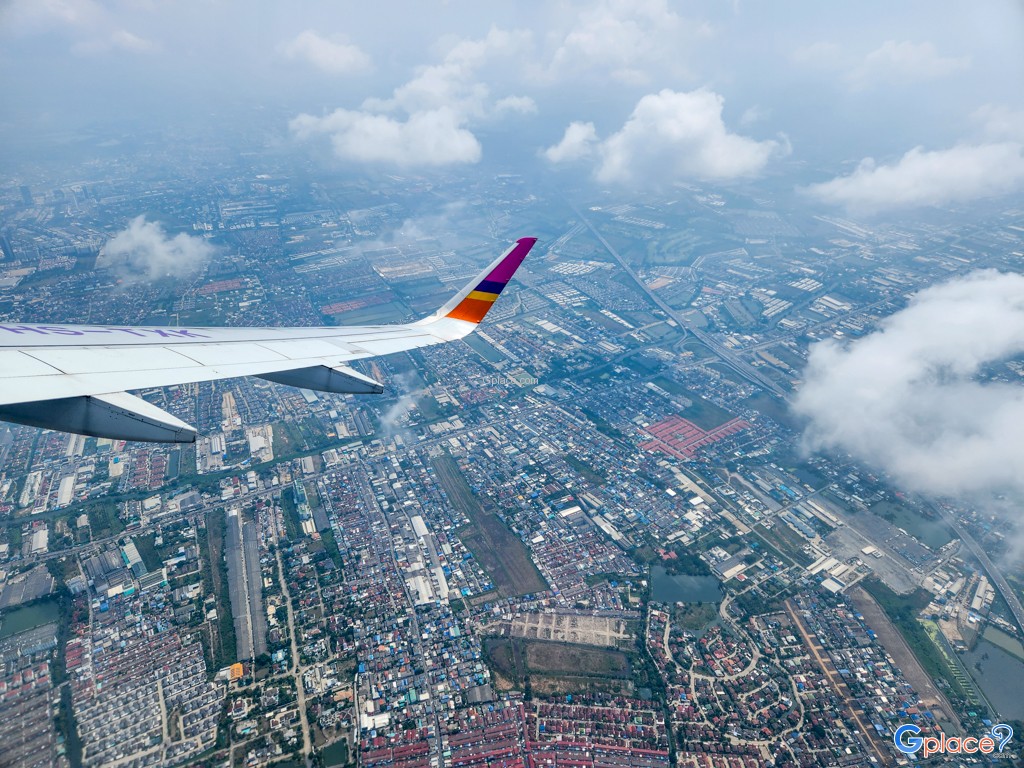
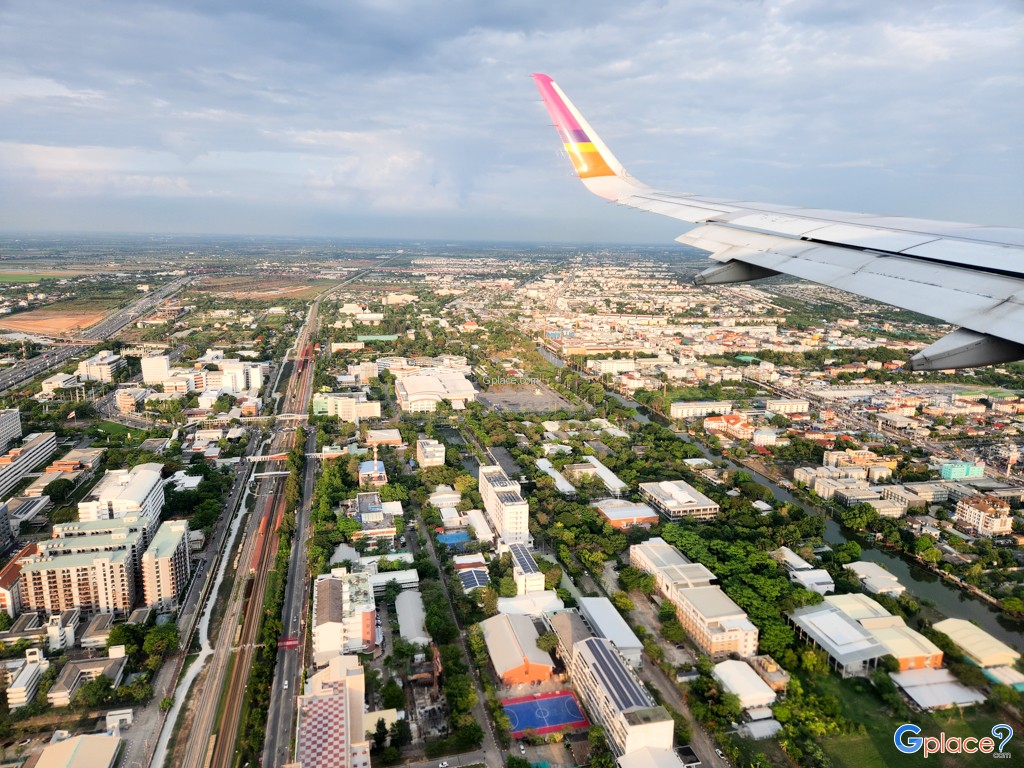
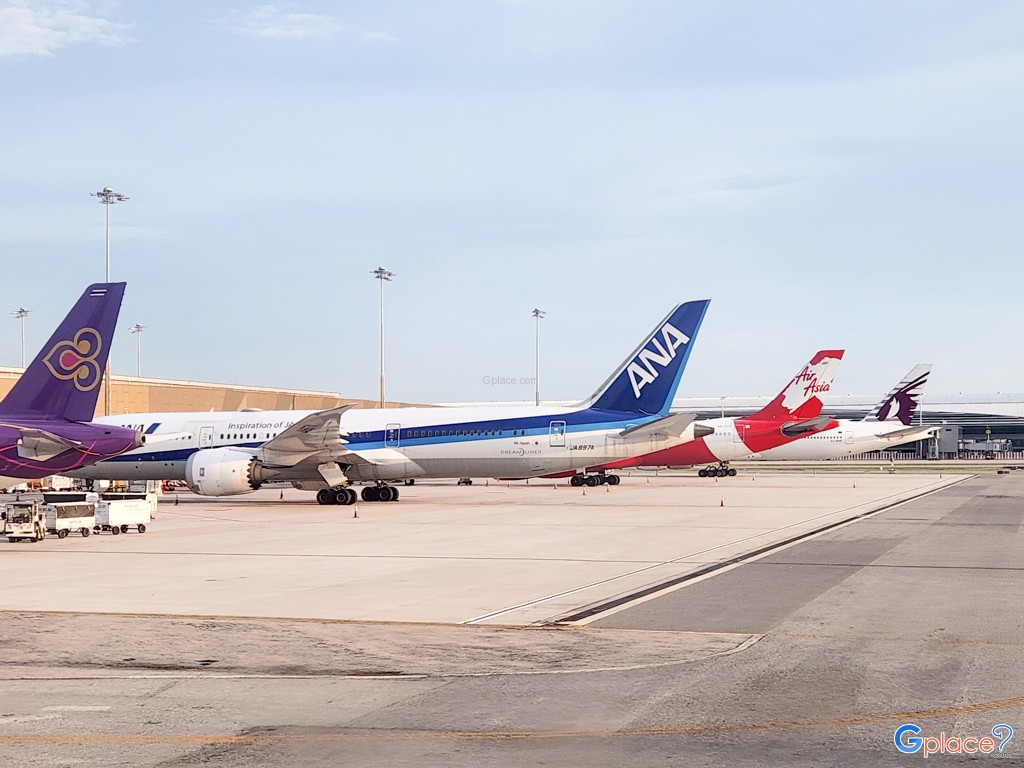
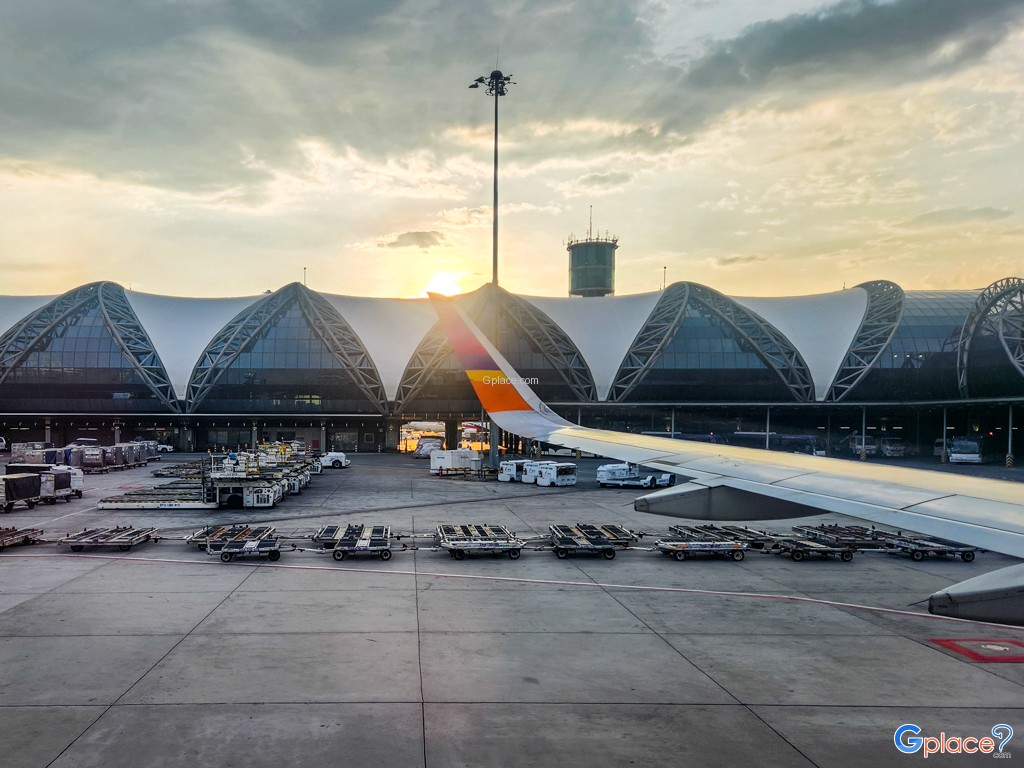
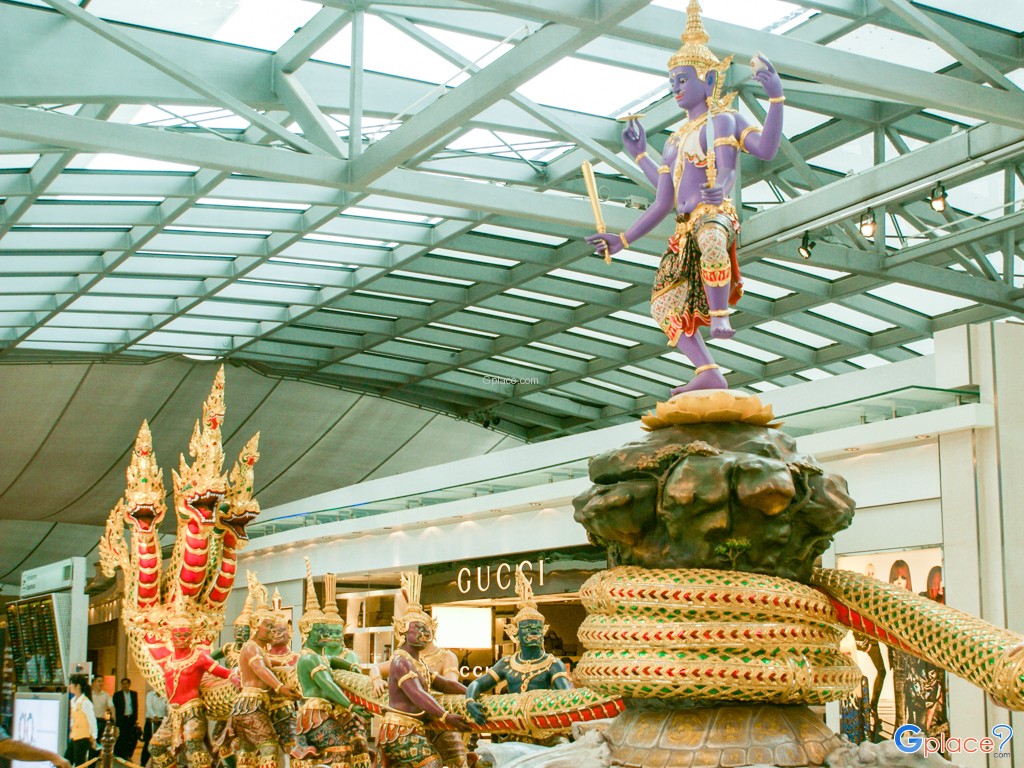
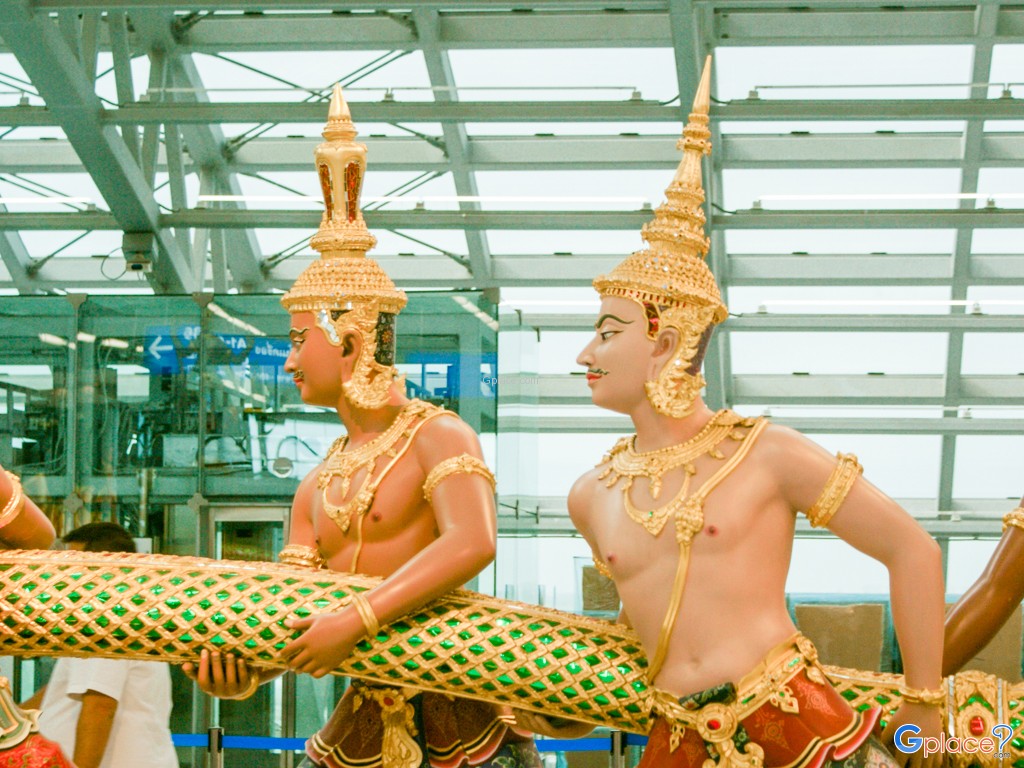

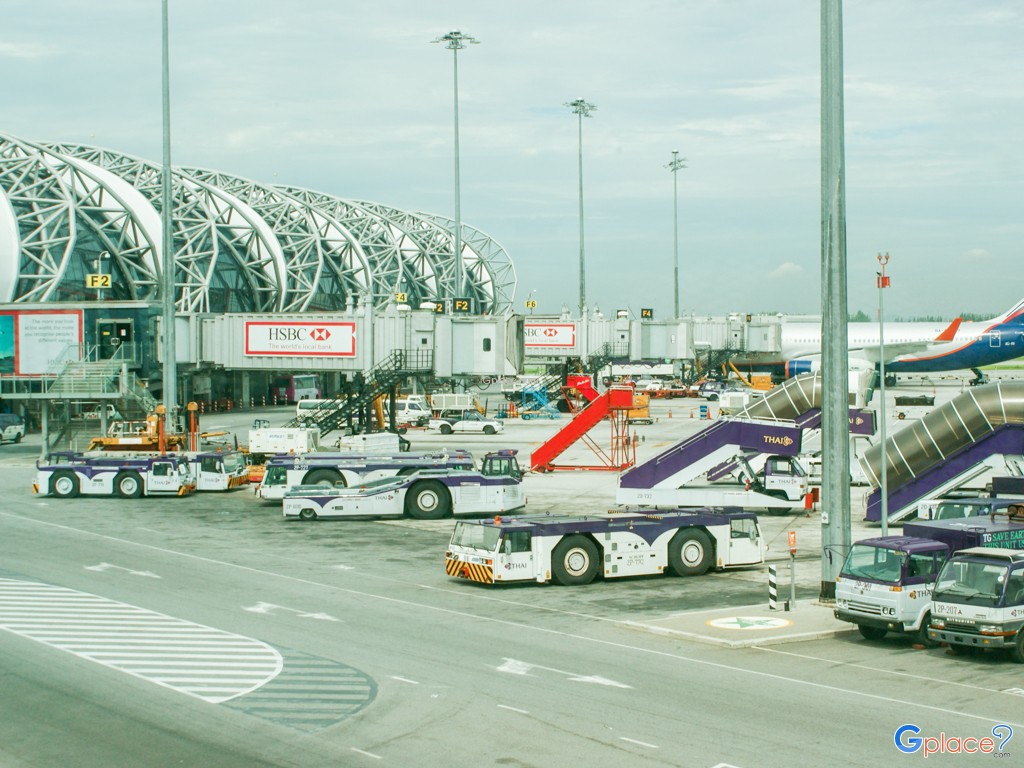
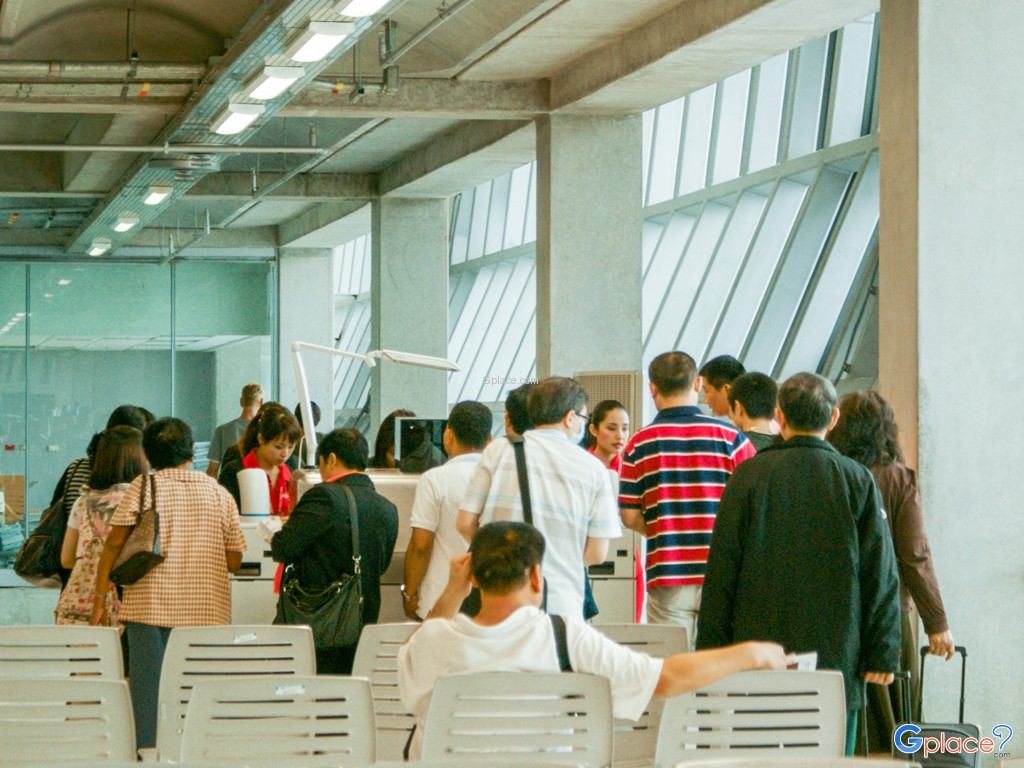
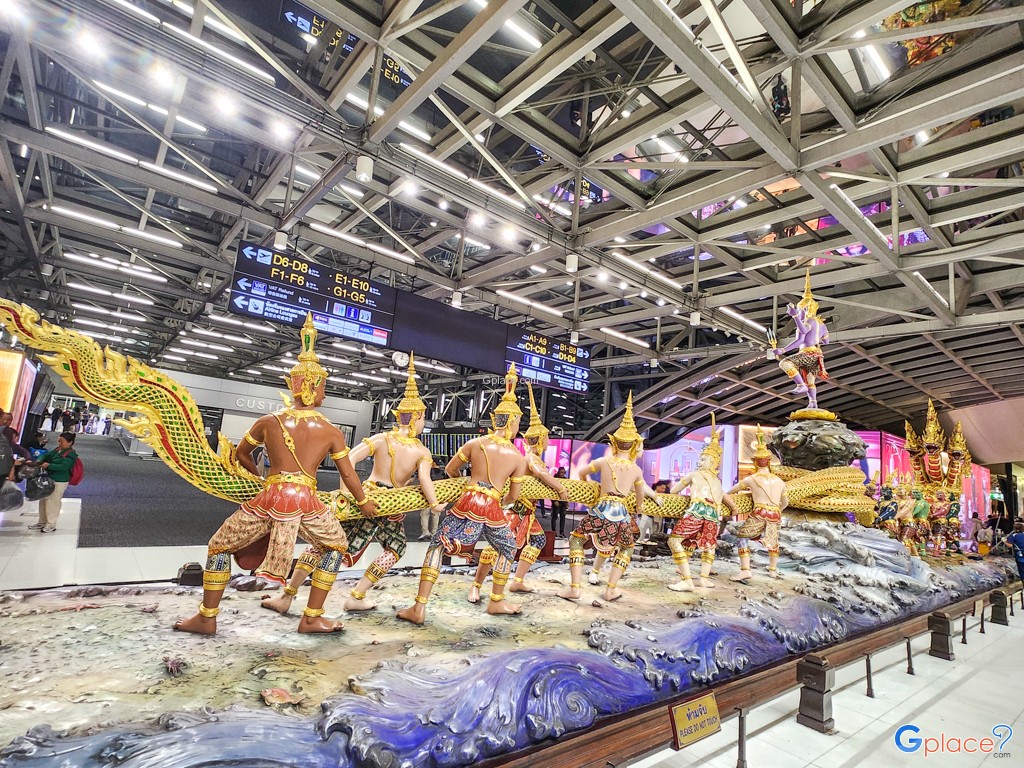
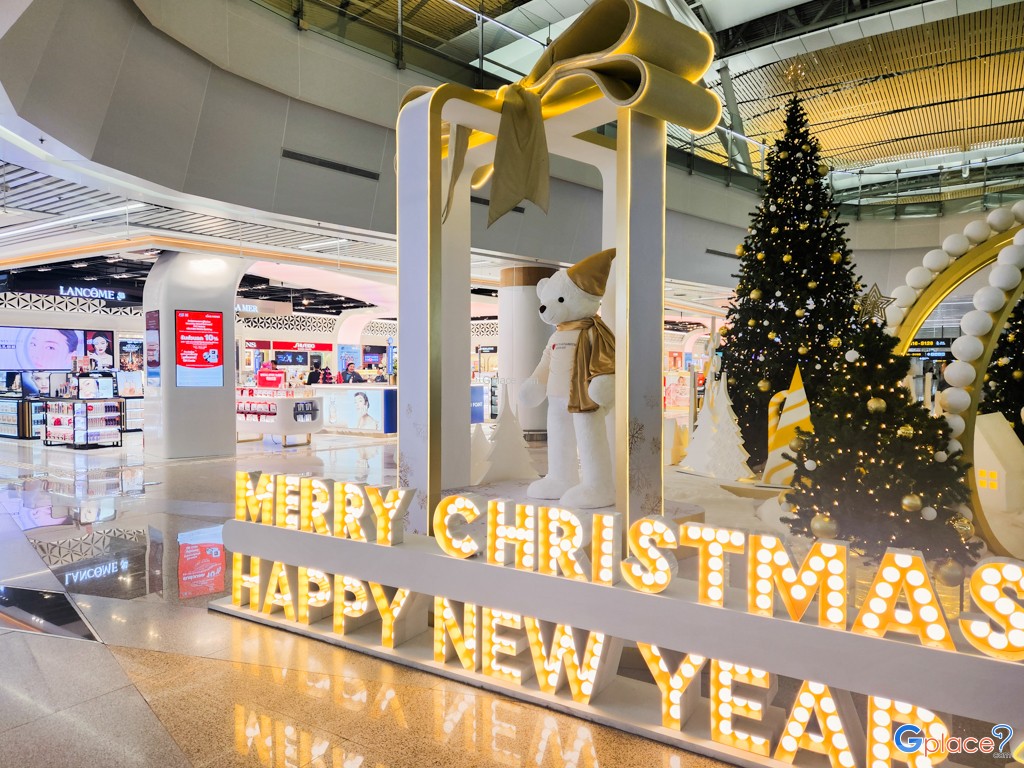
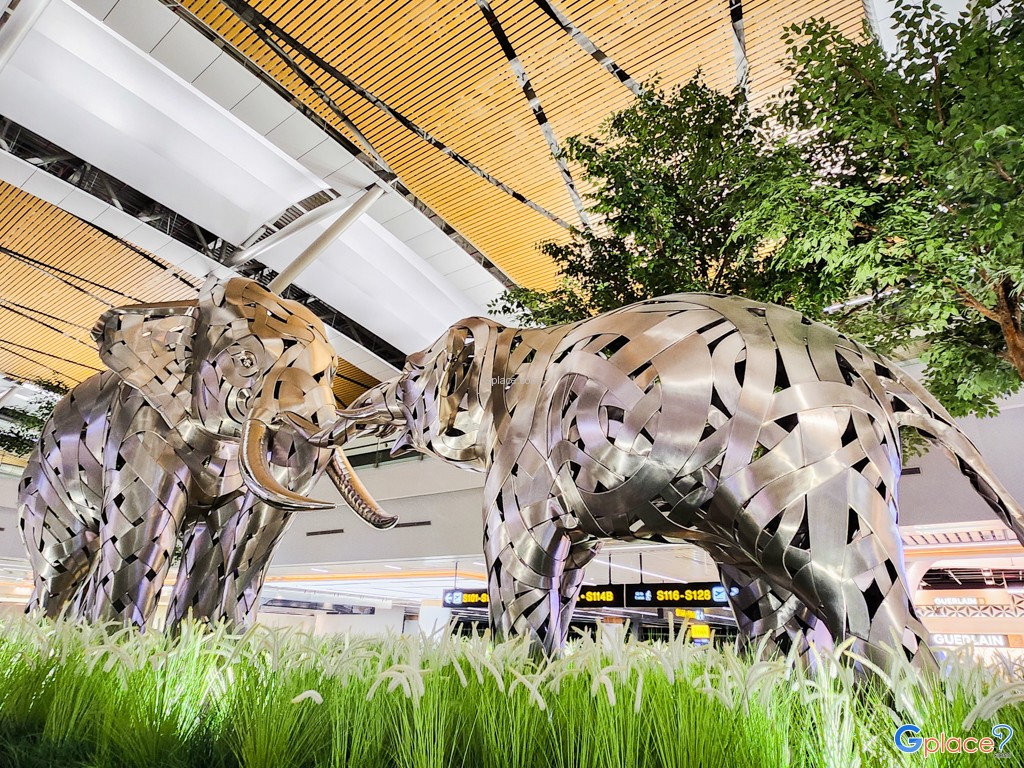
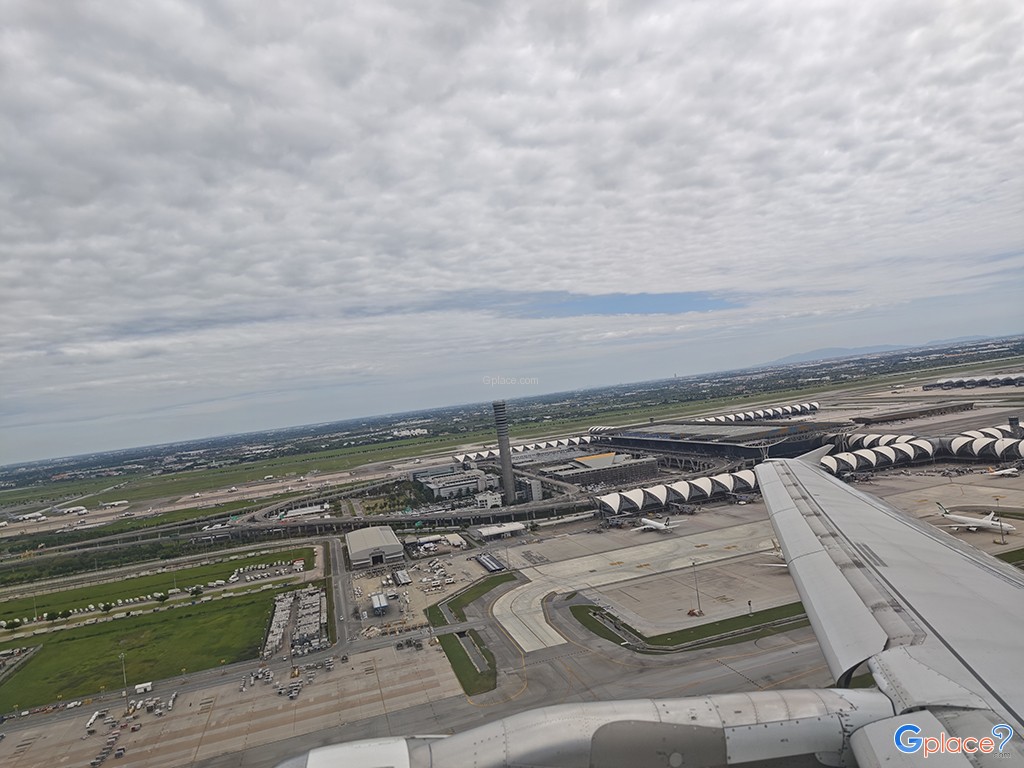
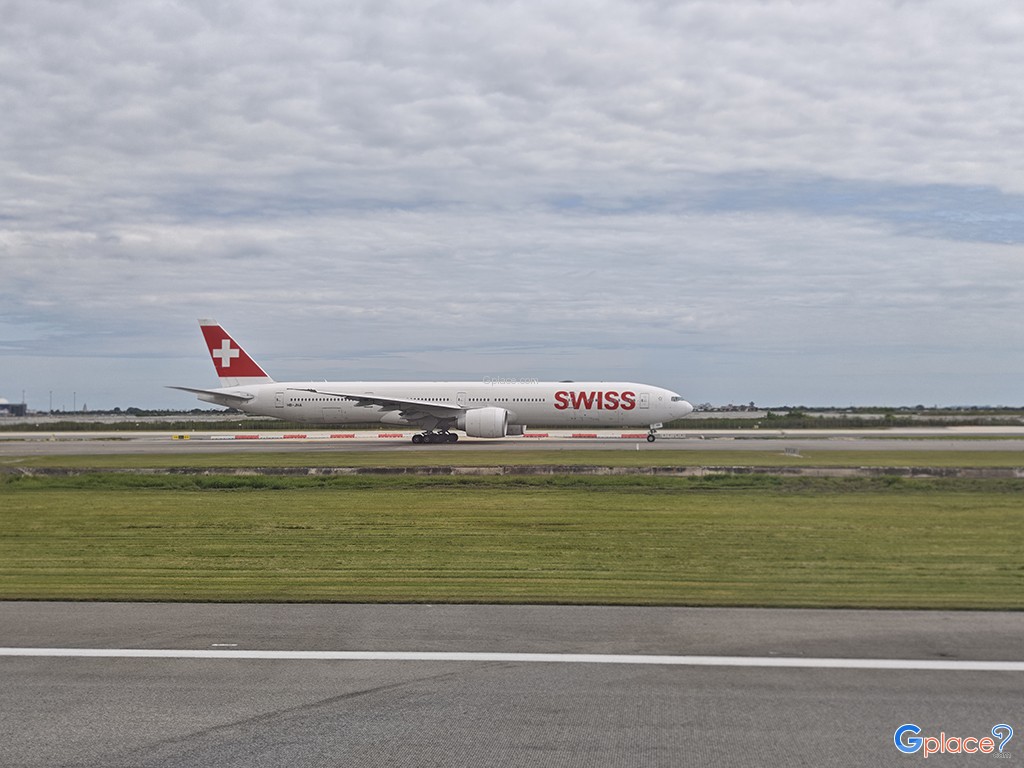
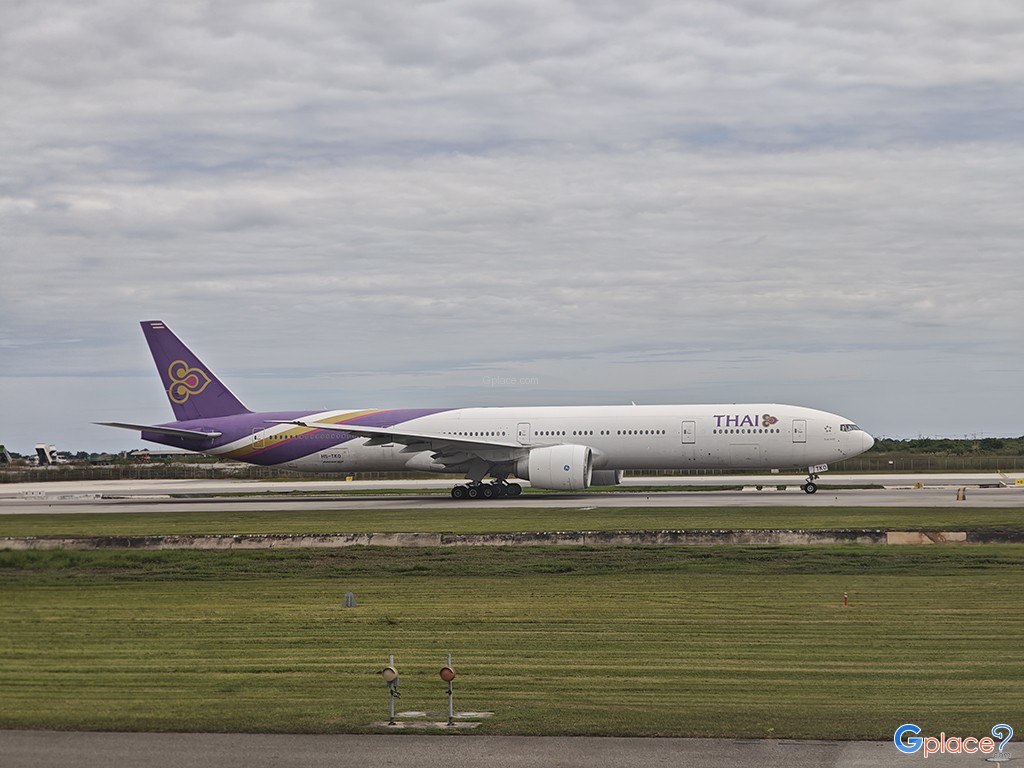
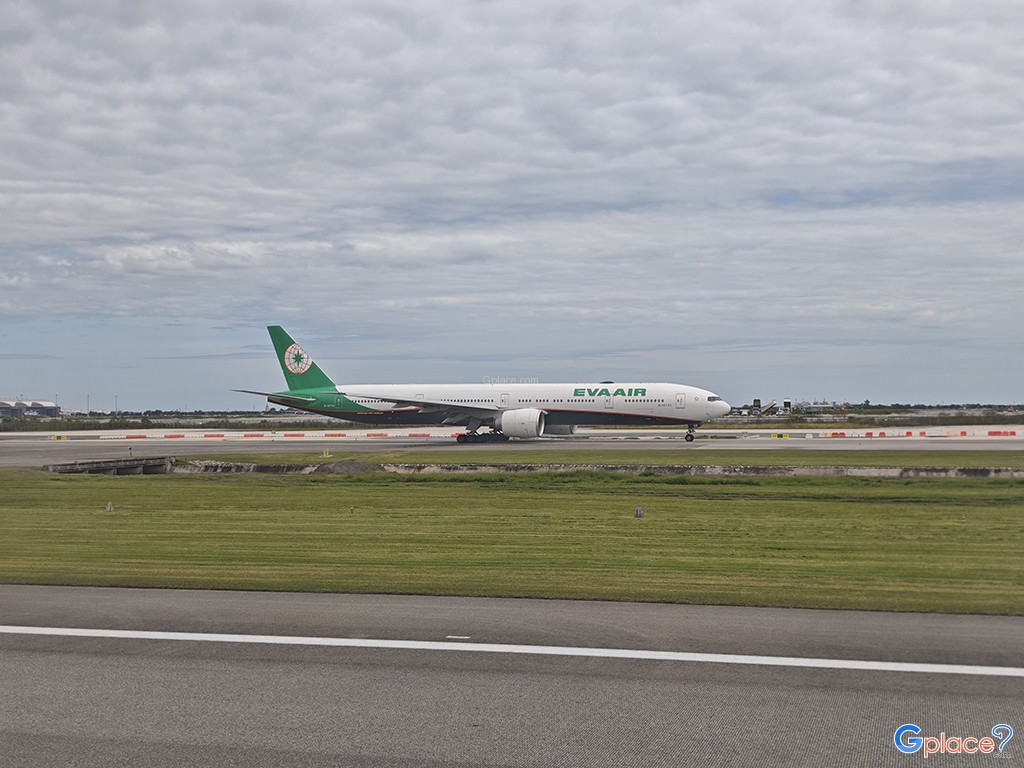

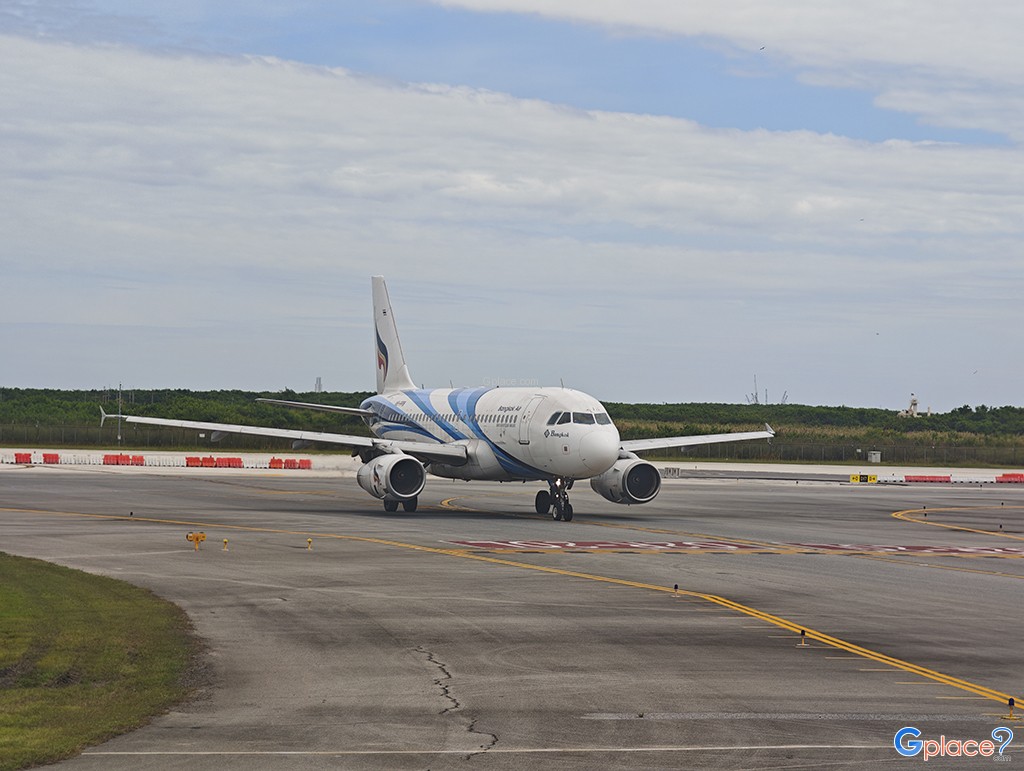
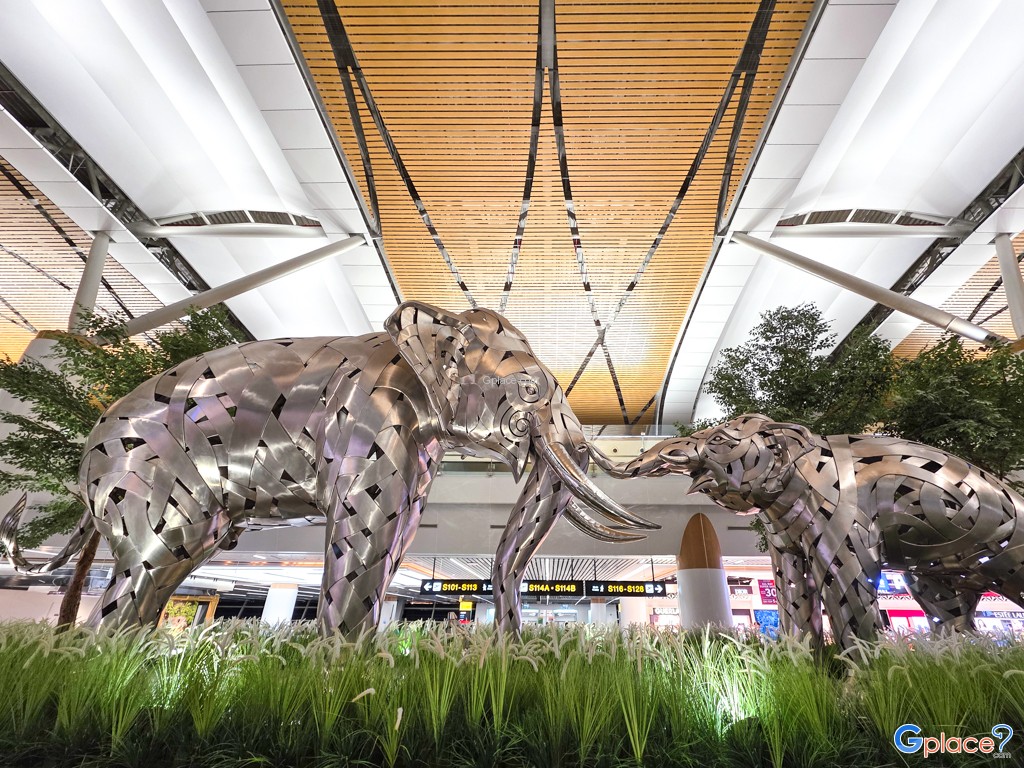
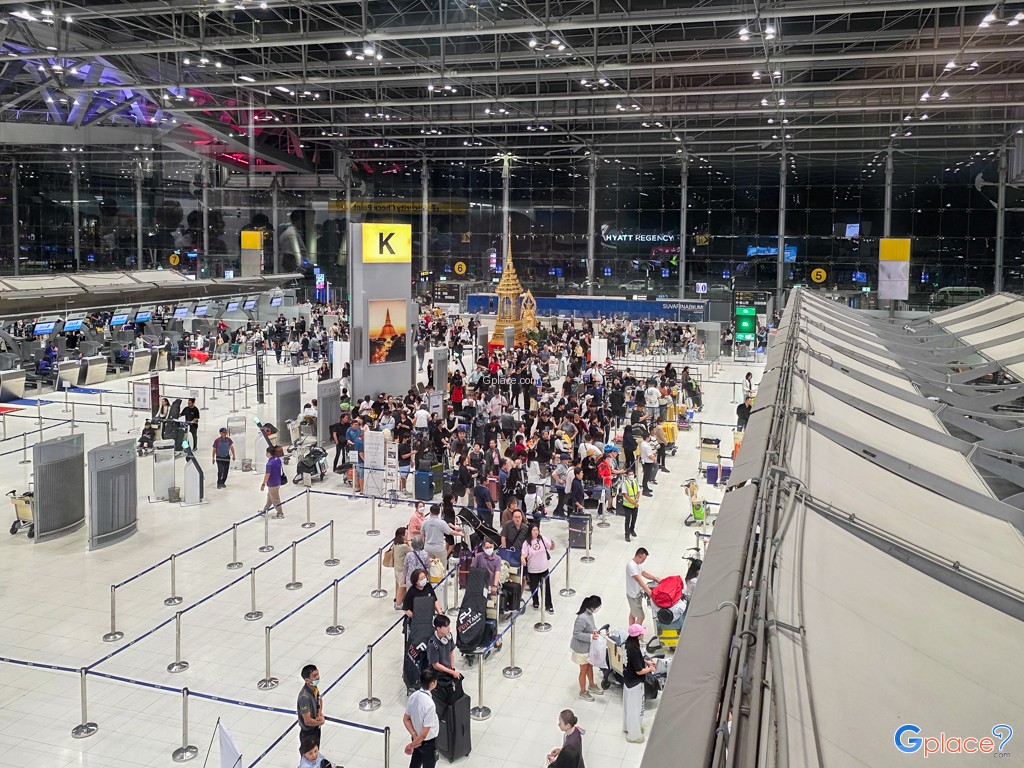
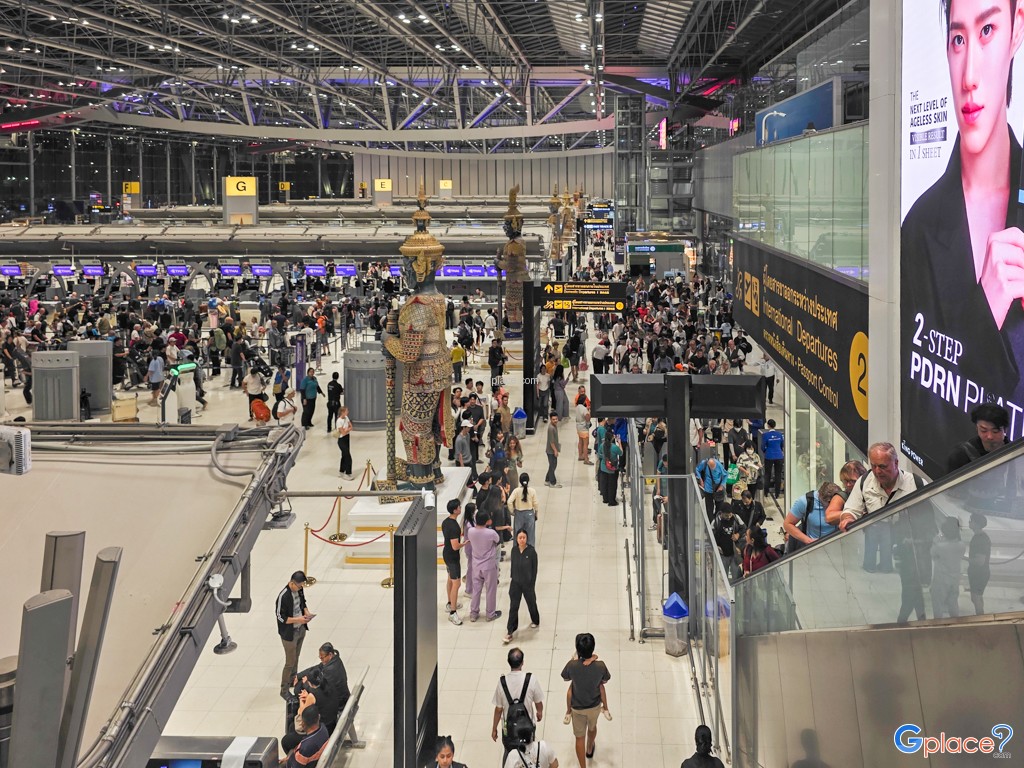
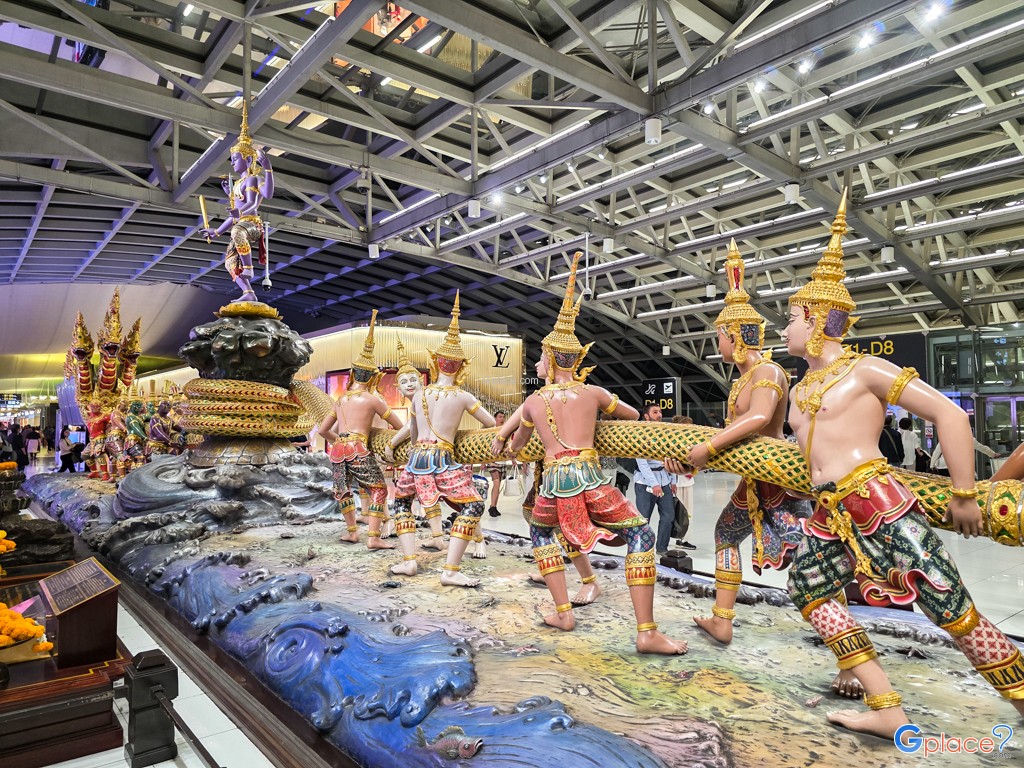
“Suvarnabhumi Airport — Bangkok International Airport (Suvarnabhumi), Samut Prakan Province, Thailand.”
How to Get There
- By Airport Rail Link: Connects from Phaya Thai–Makkasan to Suvarnabhumi Station (Basement B floor)
- By Car: Accessible via Bangkok–Chonburi Motorway or Bangna–Trad Road
- By Public buses: Operated by BMTA and Airport Bus / LimoBus from various locations in Bangkok
- By Taxi / Grab: Available 24 hours with designated pick-up points
Travel Tips
- Arrive at the airport at least 2–3 hours before international flights
- Check your gate and check-in counter carefully
- The airport is large, so expect long walking distances
- Regularly check flight updates via apps or display boards
- Prepare documents in advance to speed up processing
Admission Fee:
No entrance fee (it is a public airport used for transportation only)
Opening Hours:
Open 24 hours daily, operating nonstop for both domestic and international flights
Suvarnabhumi Airport

 Share
Share
 Bangna–Bang Pakong, Racha Thewa, Bang Phli , Samut Prakan10540
Map
Bangna–Bang Pakong, Racha Thewa, Bang Phli , Samut Prakan10540
Map
List 0 review
|
airport,place
 Open now



 41
41