 Attractions
  Hotel
Hotel  Restaurant
  Shopping
  Abroad





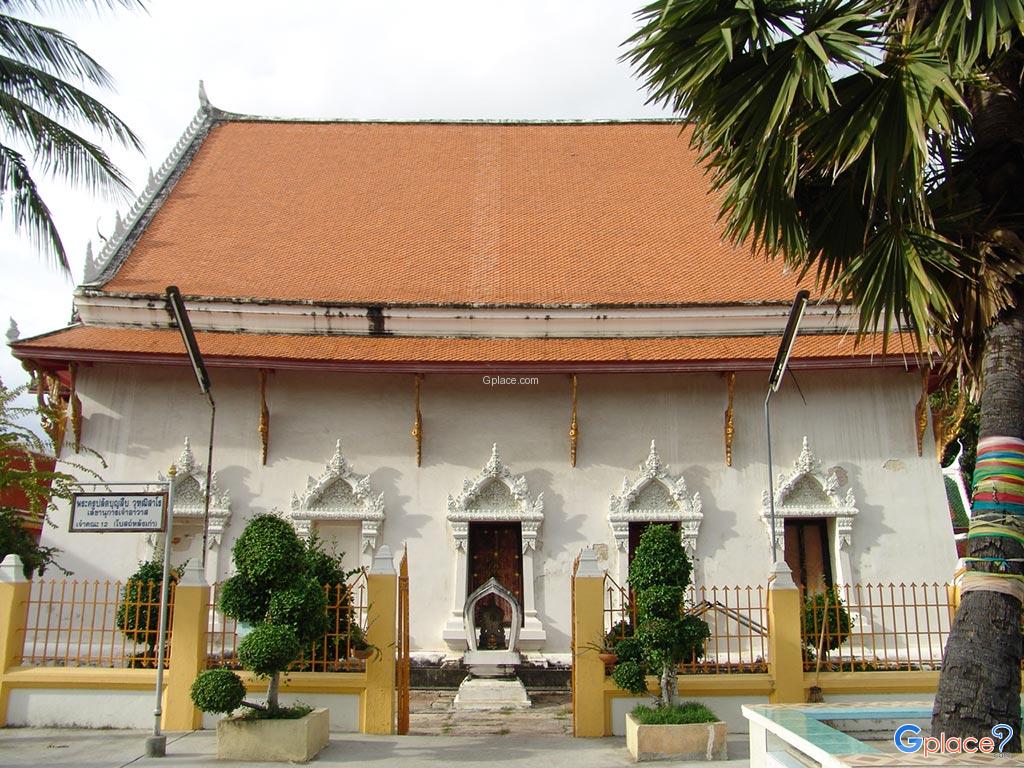

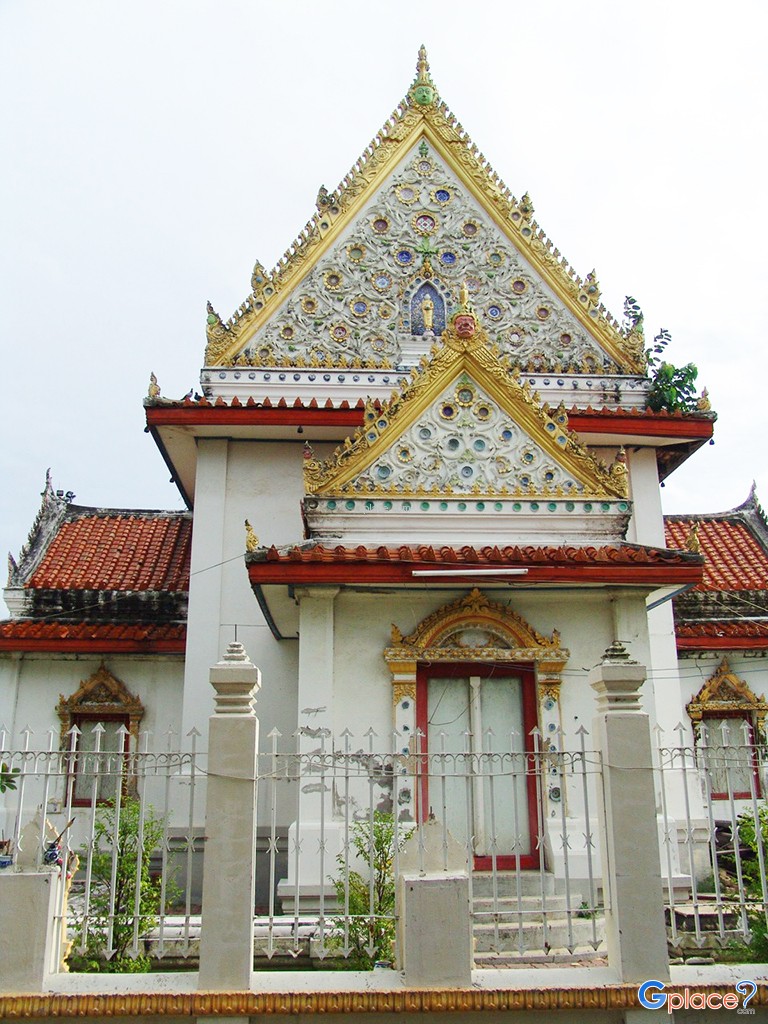
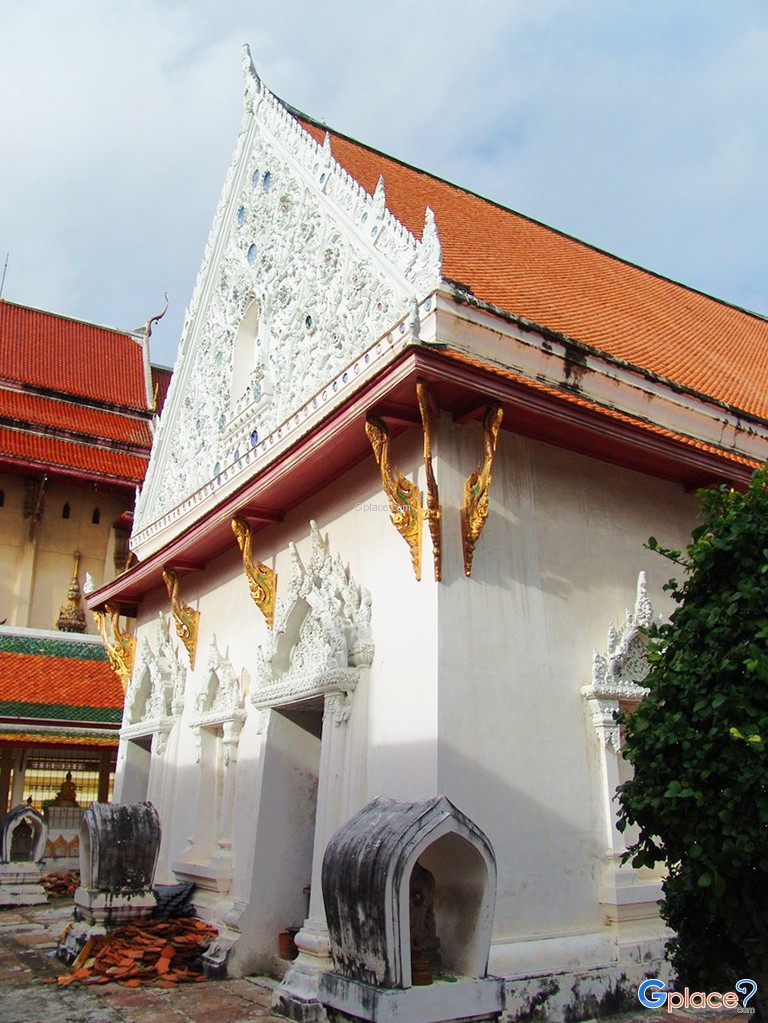
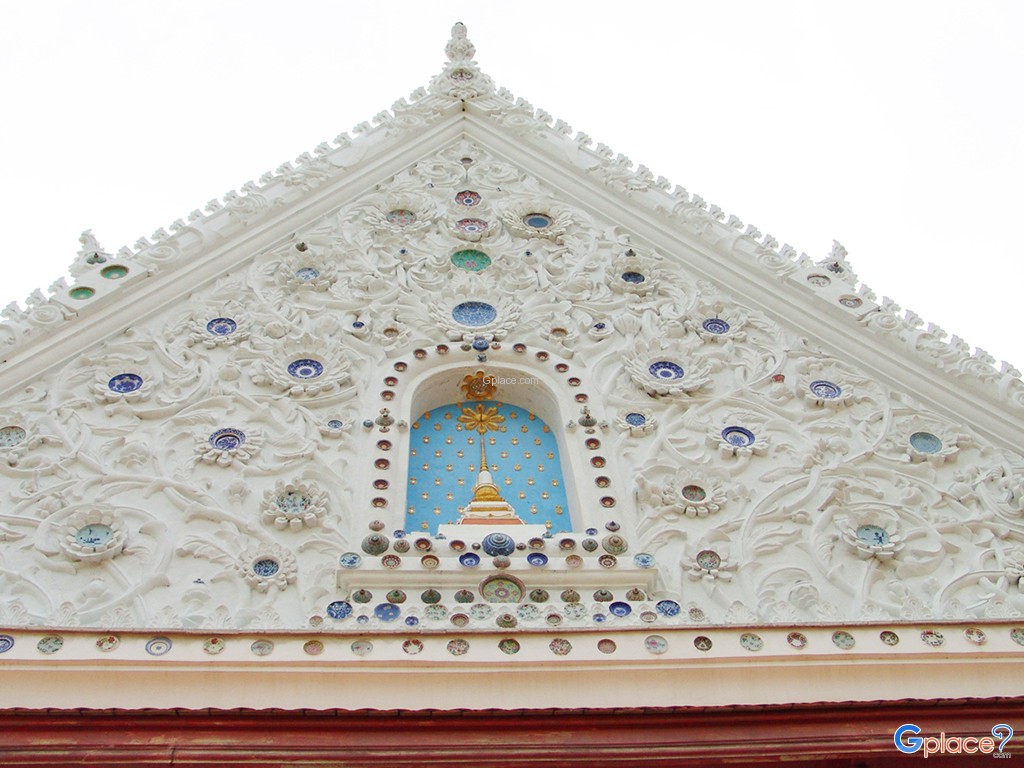
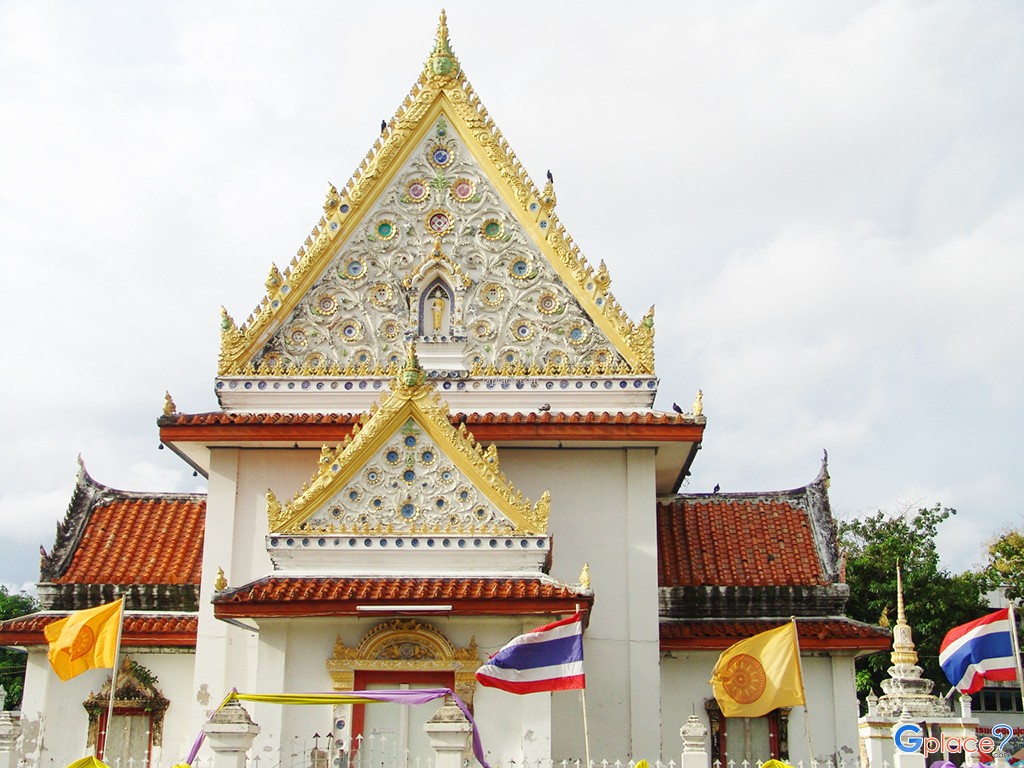
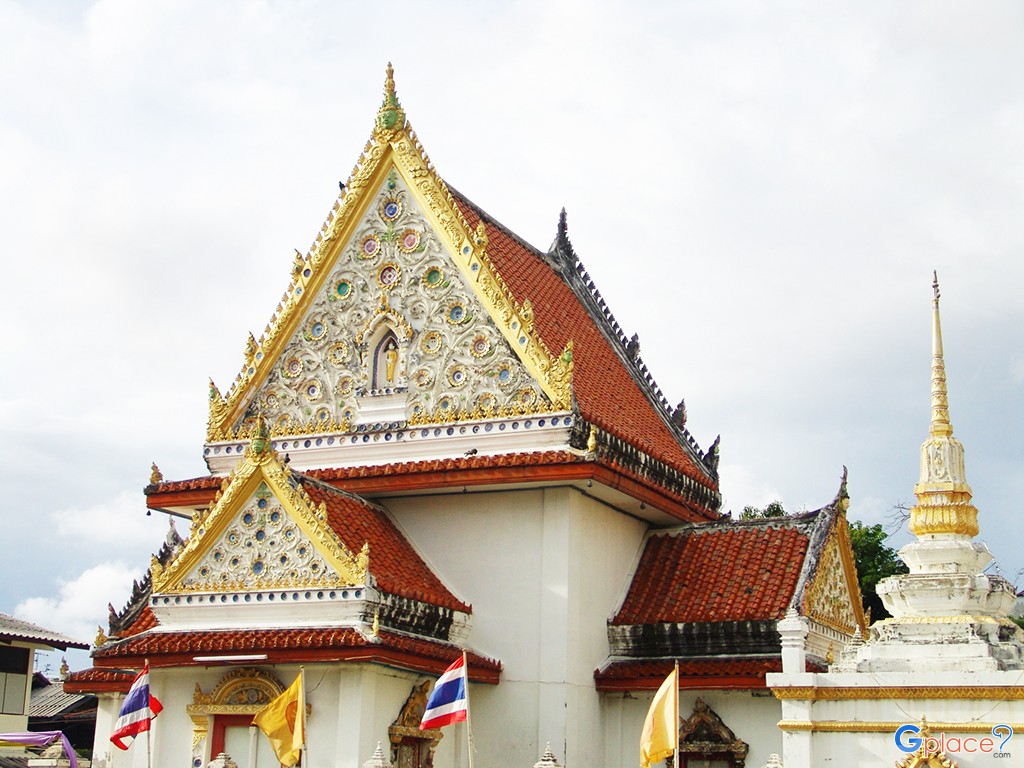
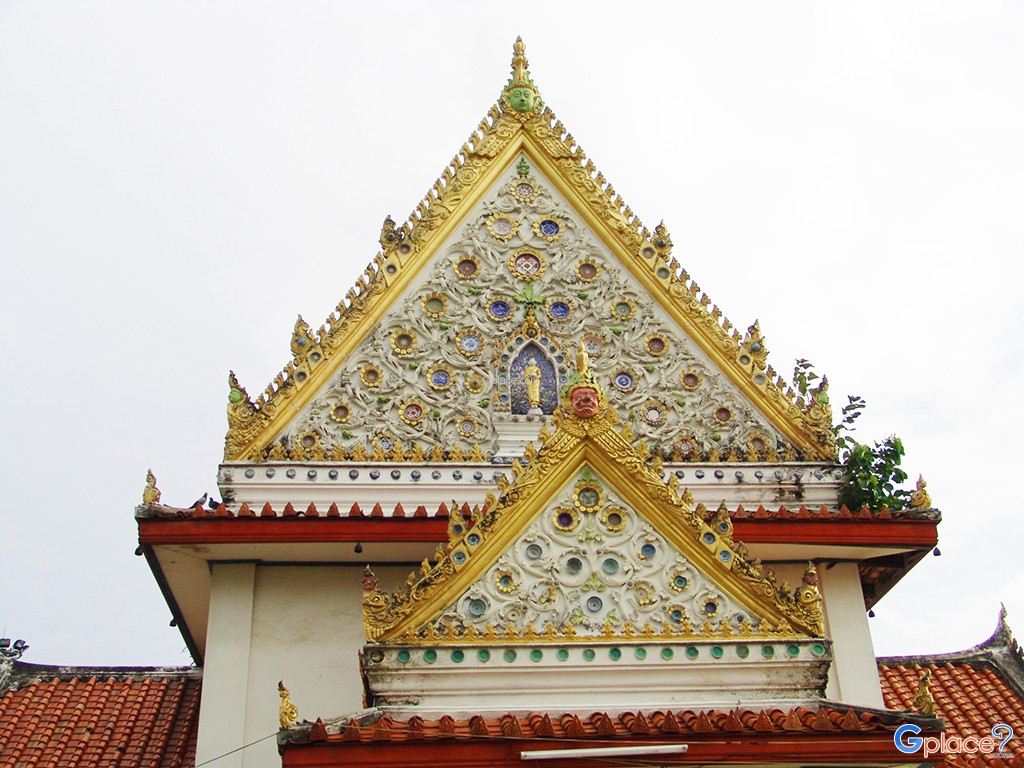
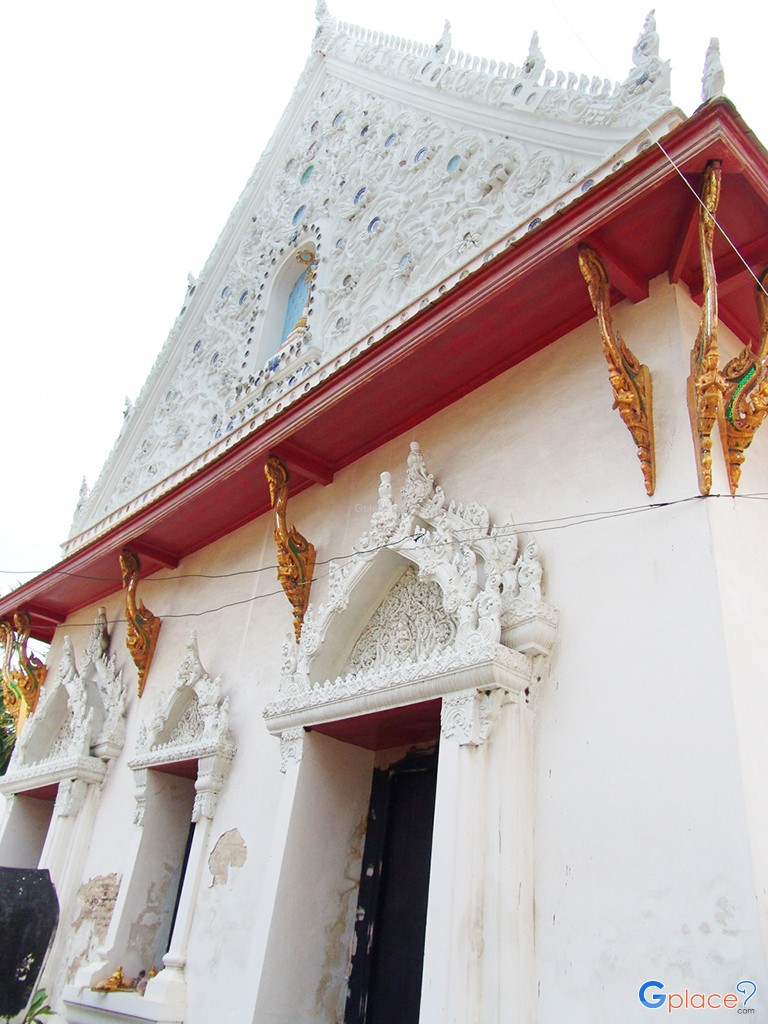
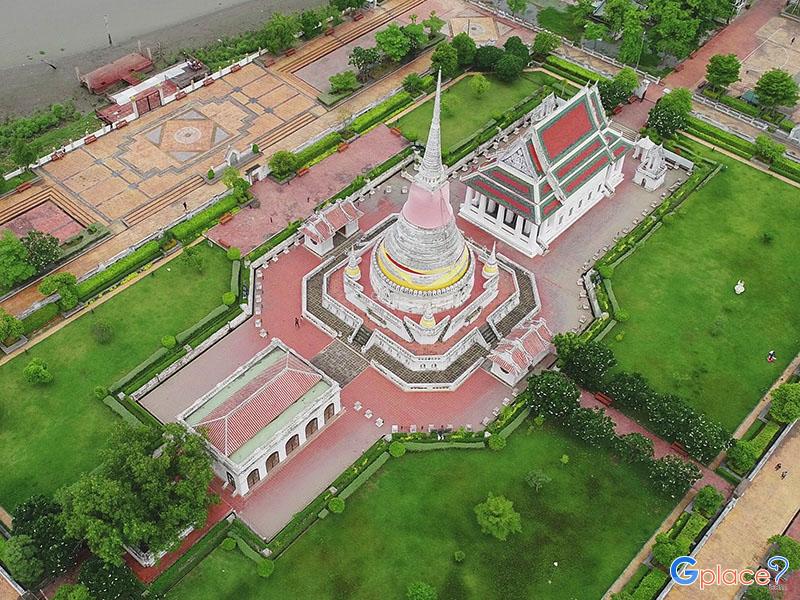
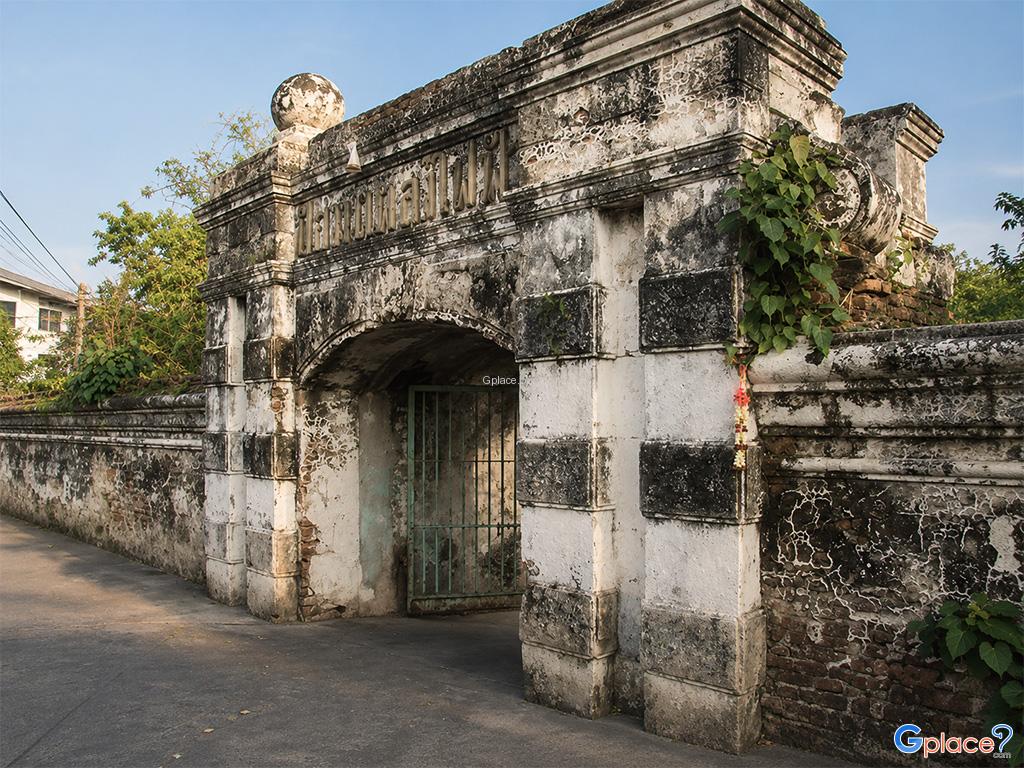
“Wat Klang Worawihan is also known for the Four Buddha Footprints shrine. The temple also features a traditional teakwood sermon hall built in the style of a Thai wooden house cluster, with beautifully carved wooden gables showcasing delicate craftsmanship worthy of preservation.”
How to Get There
- By BTS: Get off at “Pak Nam Station” (Green Line), then take a tuk-tuk or motorcycle taxi to the temple (about 1–2 km away).
- By Bus: Bus routes 25, 102, 142, 145, 507, 508, and 511 stop near Pak Nam Market. From there, you can walk or take a local taxi/motorcycle taxi to the temple.
- By Car: Drive along Sukhumvit Road toward downtown Samut Prakan (Pak Nam area). The temple is located near the Samut Prakan Provincial Hall.
Travel Tips
- Dress respectfully, as this is a royal temple.
- Visit in the morning to avoid the heat and crowds.
- Don’t miss the old ordination hall and ancient mural paintings.
- Easy access via BTS Pak Nam Station.
- You can continue exploring the Pak Nam area and nearby attractions.
Admission Fee:
- Free of charge.
Opening Hours:
- Open daily from 08:00 AM – 05:00 PM.
Wat Klang Worawihan

 Share
Share
 Nakhon Khuean Khan 10, Bang Pung, Phra Pradaeng, Samut Prakan 10130
Map
Nakhon Khuean Khan 10, Bang Pung, Phra Pradaeng, Samut Prakan 10130
Map
List 0 review
|
family,art & culture,attractions,Temple,temple,church
 Closed today
Mon8.00 - 17.00
Tue8.00 - 17.00
Wed8.00 - 17.00
Thu8.00 - 17.00
Fri8.00 - 17.00
Sat8.00 - 17.00
Sun8.00 - 17.00

 https://www.thai-tour.com/thai-tour/central/samutprakarn/data/place/pic_wat-klang.htm

 3542
3542