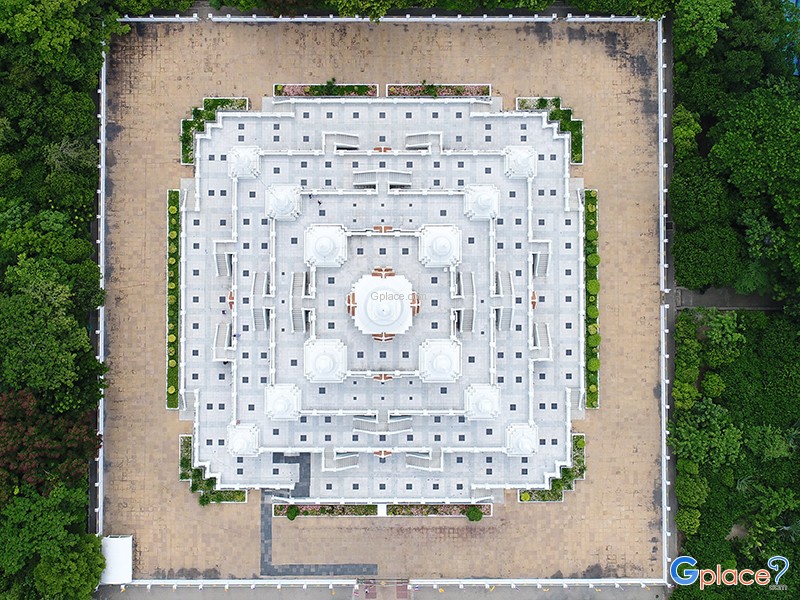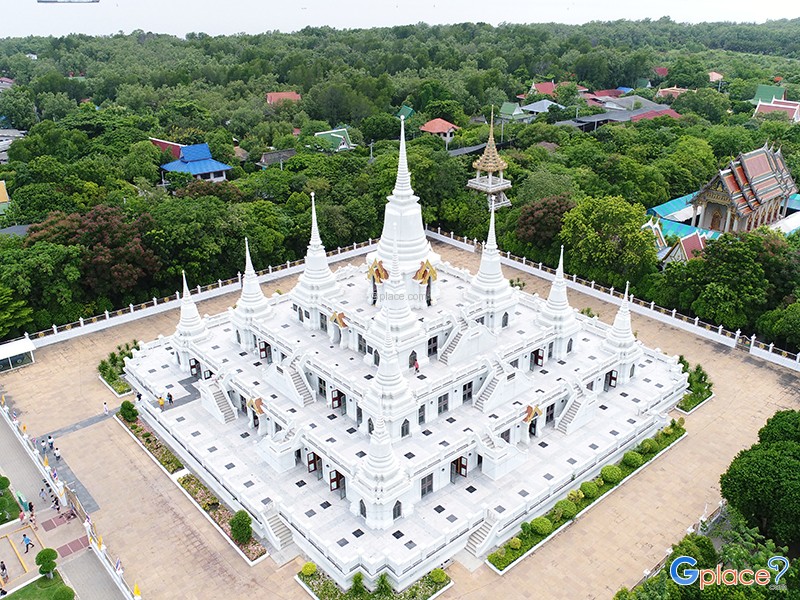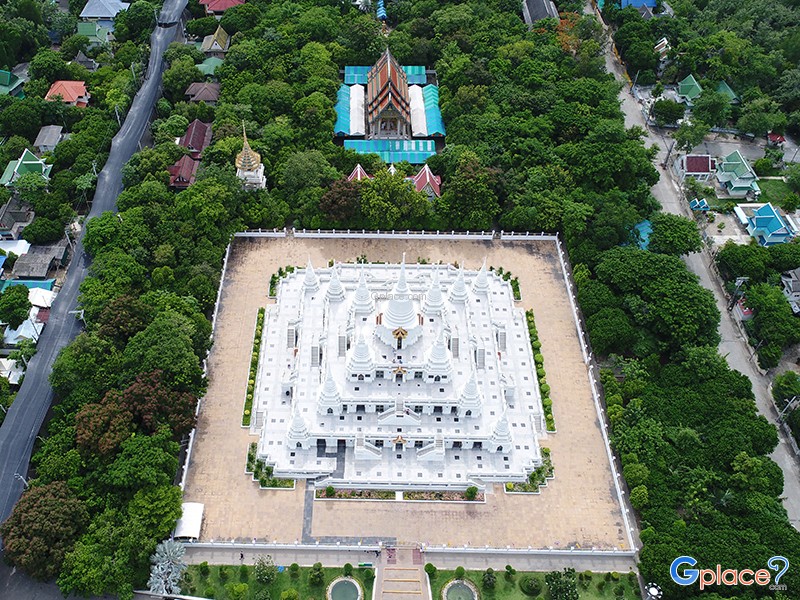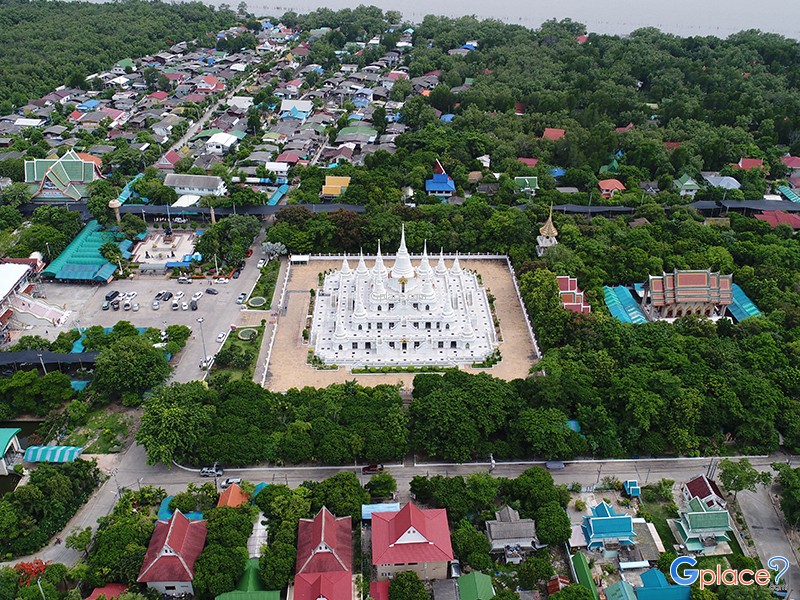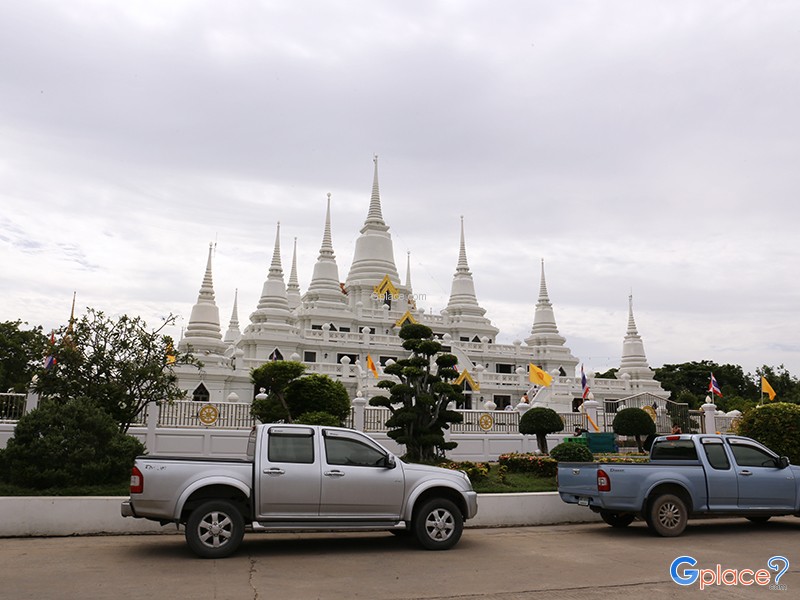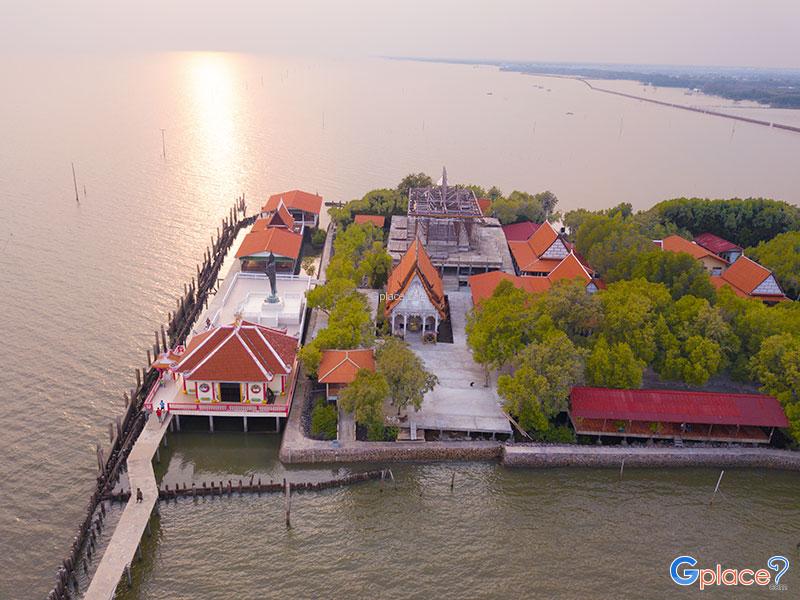
“13 Dhutanga Chedis white stupas representing ascetic practices, located in a peaceful mangrove coastal environment ideal for meditation.”

Wat Asokaram (Wat Asokaram) was established in 1954 (B.E. 2497) by Luang Por Lee Dhammadharo, a respected monk of the Thai Forest Tradition following the lineage of Luang Pu Mun Bhuridatta Thera. It originally began as a small meditation hermitage before developing into an important Vipassana meditation center in Samut Prakan. The temple name means “the monastery without sorrow,” reflecting the goal of cultivating a peaceful mind free from suffering and attachment.

The temple is designed according to Forest Tradition principles, emphasizing simplicity, tranquility, and harmony with nature. It is located next to the Bang Pu coastal mangrove ecosystem along the Gulf of Thailand, which supports deep meditation practice.

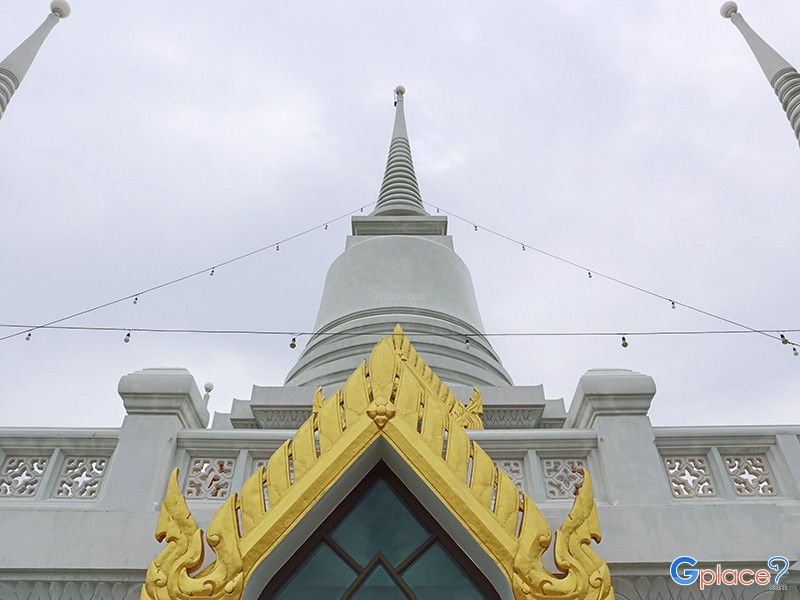
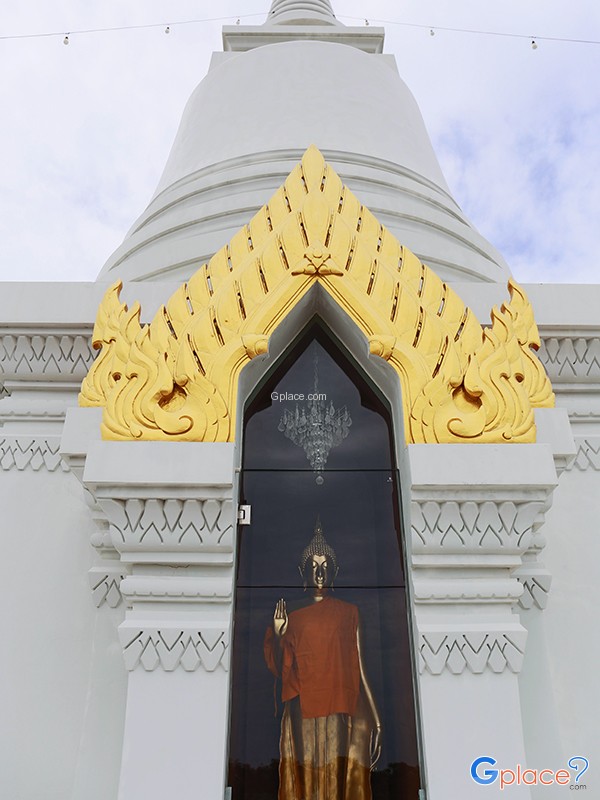
The main landmark is the 13 Dhutanga Chedis, representing the thirteen ascetic practices of forest monks, such as eating one meal a day, living in seclusion, and practicing contentment. The white aligned chedis create a serene and deeply contemplative atmosphere.

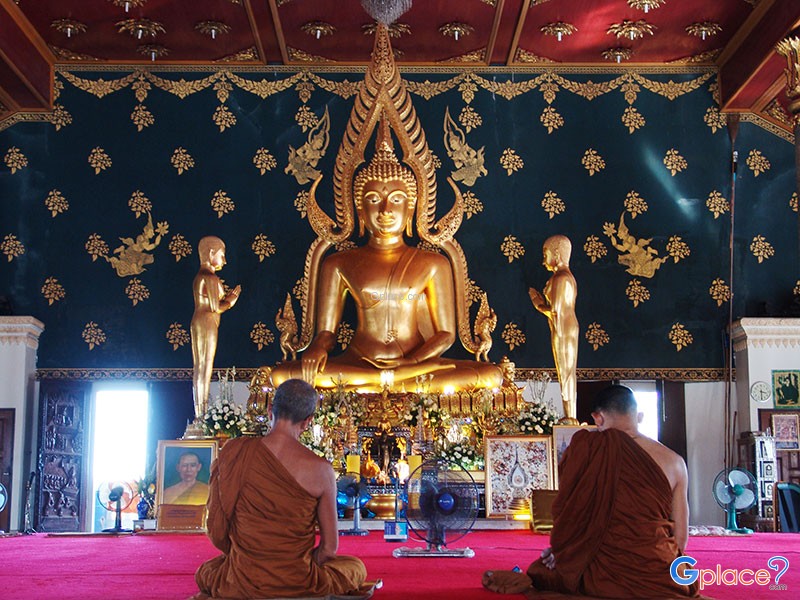
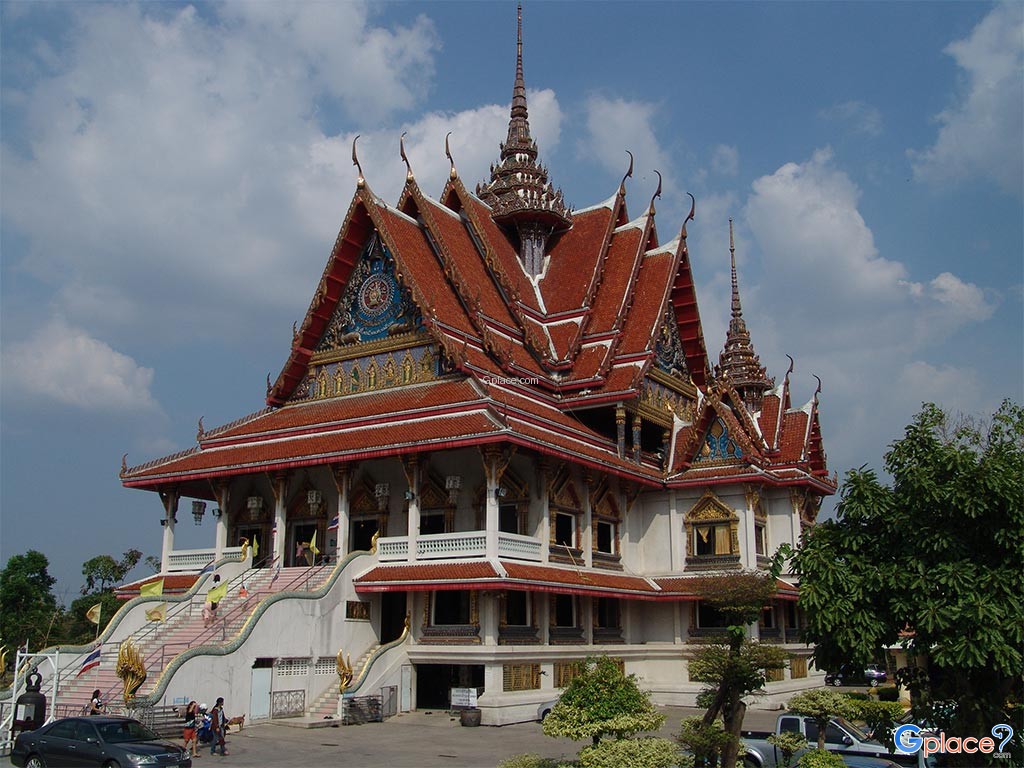
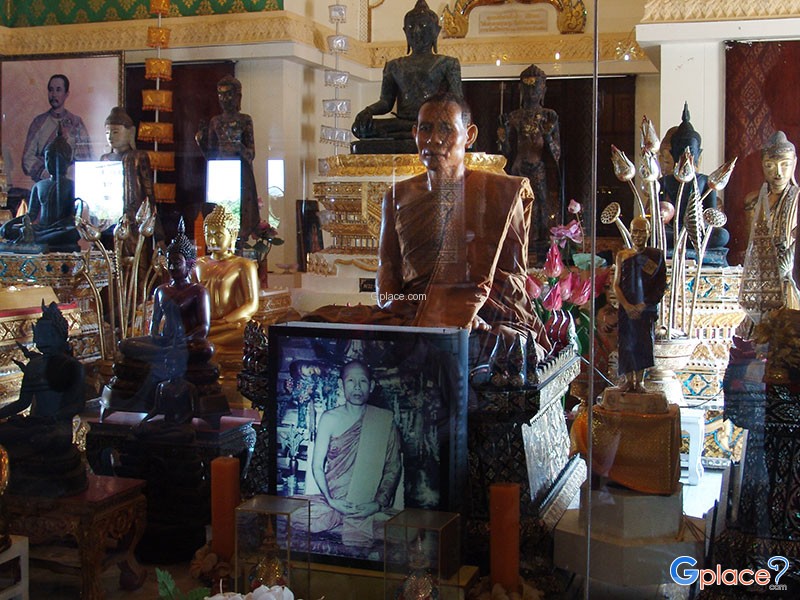
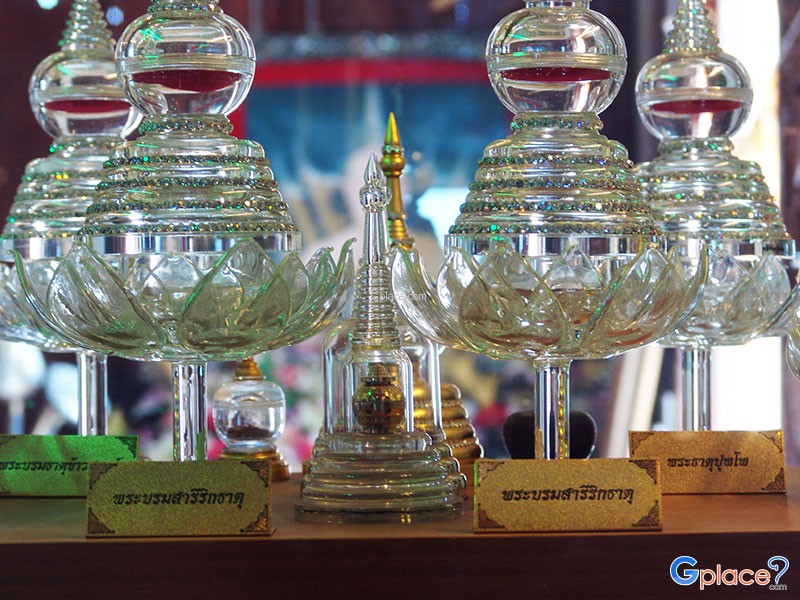
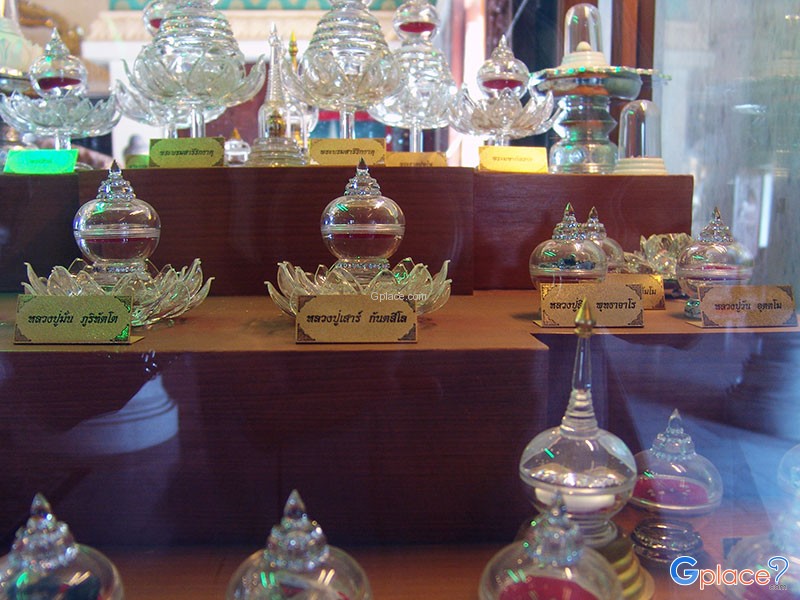
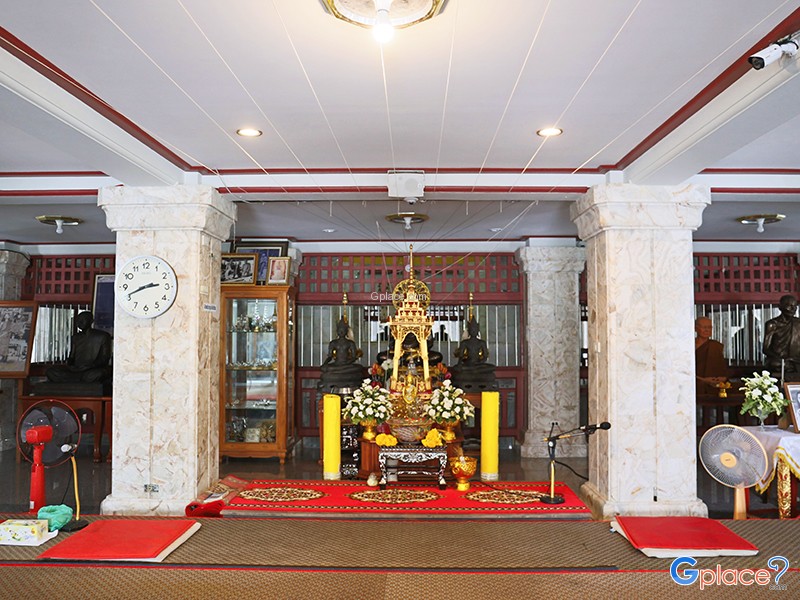
Another important structure is the Visutthithamrangsi Hall, a three-story cruciform building housing a replica of Phra Phuttha Chinarat and the relic body of Luang Por Lee Dhammadharo, which is highly revered by Buddhist practitioners.

Today, Wat Asokaram serves as a major Vipassana meditation center, offering activities such as eight-precept observance, mindfulness training, and short-term meditation retreats, focusing on practical mental development.

The surrounding environment is calm and natural, with sea breezes from the Gulf of Thailand and mangrove ecosystem sounds that enhance relaxation and mindfulness practice.

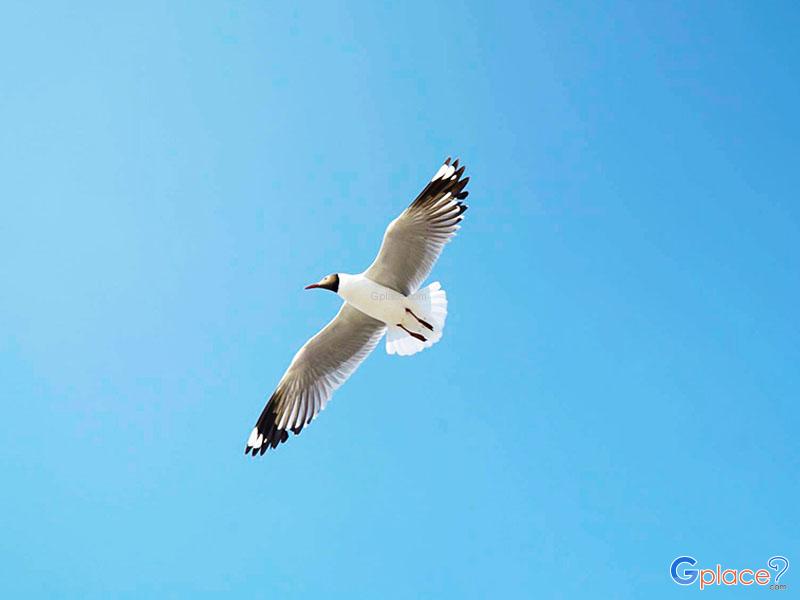
It can also be connected with nearby attractions at the Bang Pu Recreation Center, where visitors can observe seagulls and coastal scenery, making it a popular spiritual and eco-tourism route.

Overall, Wat Asokaram is a forest tradition meditation center, Vipassana learning hub, and peaceful retreat near Bangkok that continues to preserve its original spiritual purpose to this day.


How to Get There
  • By Car: Take Sukhumvit Road (Highway 3) toward Samut Prakan–Bang Pu. At KM 31, turn into Soi Tessaban Bang Pu 60 and drive straight about 1 km to the temple.
  • By BTS + Local Transport: Take BTS Sukhumvit Line to Kheha Station (E23), then continue by taxi, motorcycle taxi, or local shared transport to the temple.

Travel Tips
  • Dress modestly for a meditation temple
  • Visit in late afternoon for the best lighting
  • Maintain silence and respectful behavior
  • Bring water and sun protection
  • Combine trip with Bang Pu Recreation Center nearby

Admission Fee:

  • Free of charge

Opening Hours:

  • Open daily from 06:00 AM – 05:00 PM

All reviews

(List 0 review)

Nearby Places

Samut Prakan Crocodile Farm and Zoo Samut Prakan Crocodile Farm and Zoo

(List 0 review)

Distance 0.46 Kilometer

Wat Klang Worawihan Wat Klang Worawihan

(List 0 review)

Distance 2.68 Kilometer

City Observatory City Observatory

(List 0 review)

Distance 3.24 Kilometer

Phra Samut Chedi Phra Samut Chedi

(List 0 review)

Distance 3.71 Kilometer

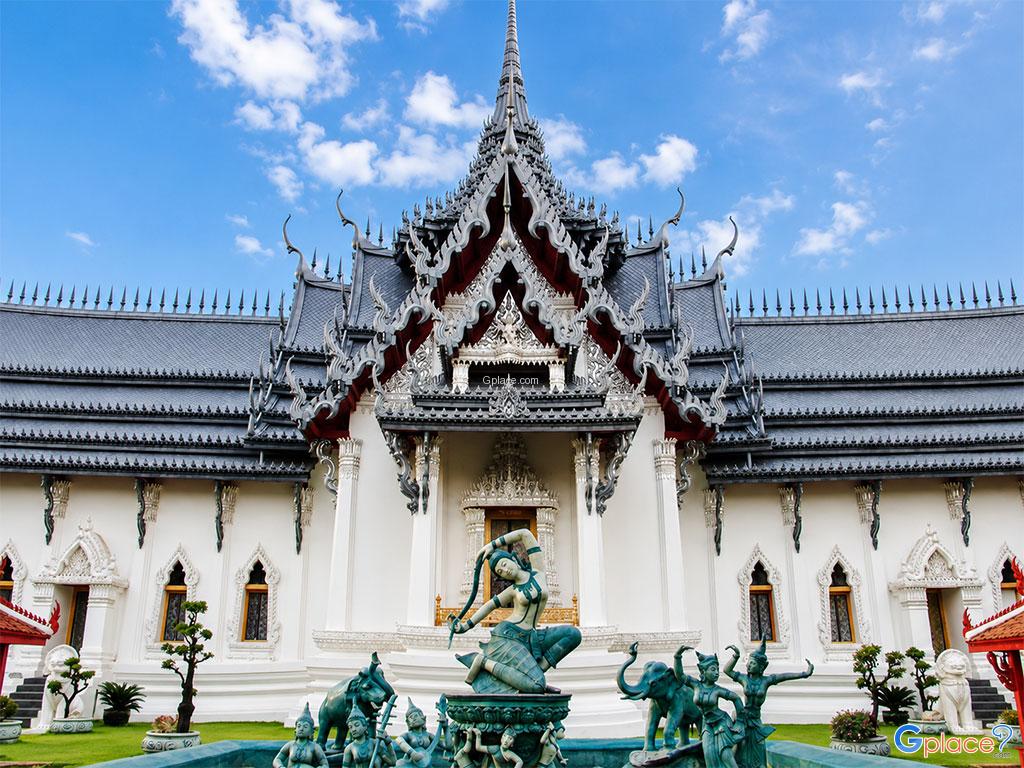
The Ancient City Samut Prakan The Ancient City Samut Prakan

(List 0 review)

Distance 4.11 Kilometer

Pom Phra Chulachomklao Pom Phra Chulachomklao

(List 0 review)

Distance 4.26 Kilometer

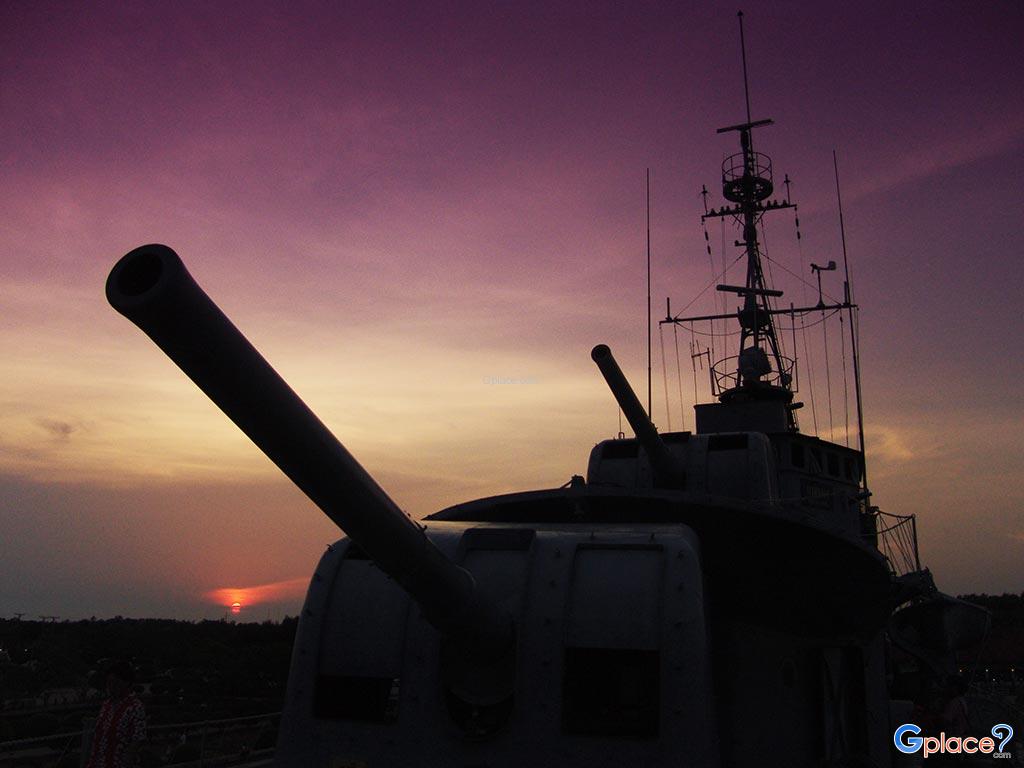
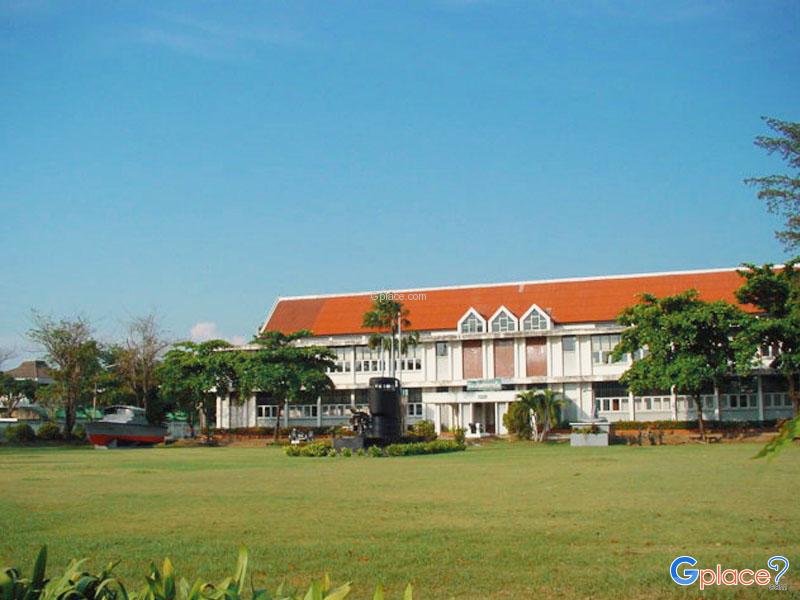
Naval Musem Naval Musem

(List 0 review)

Distance 4.53 Kilometer

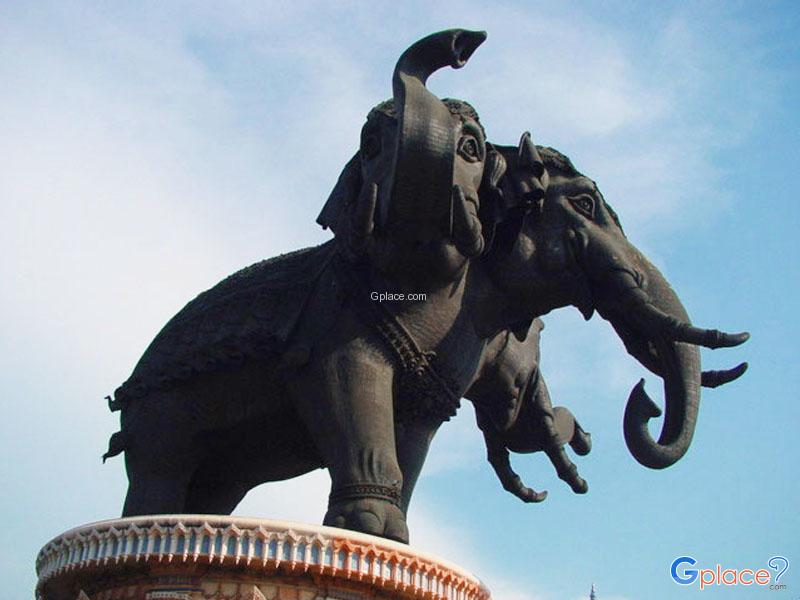
The Erawan Museum The Erawan Museum

(List 0 review)

Distance 6.71 Kilometer

Wat Khun Samut Chin Wat Khun Samut Chin

(List 0 review)

Distance 7.79 Kilometer

Bang Pu Recreation Center Bang Pu Recreation Center

(List 0 review)

Distance 8.48 Kilometer