 Attractions
  Hotel
Hotel  Restaurant
  Shopping
  Abroad





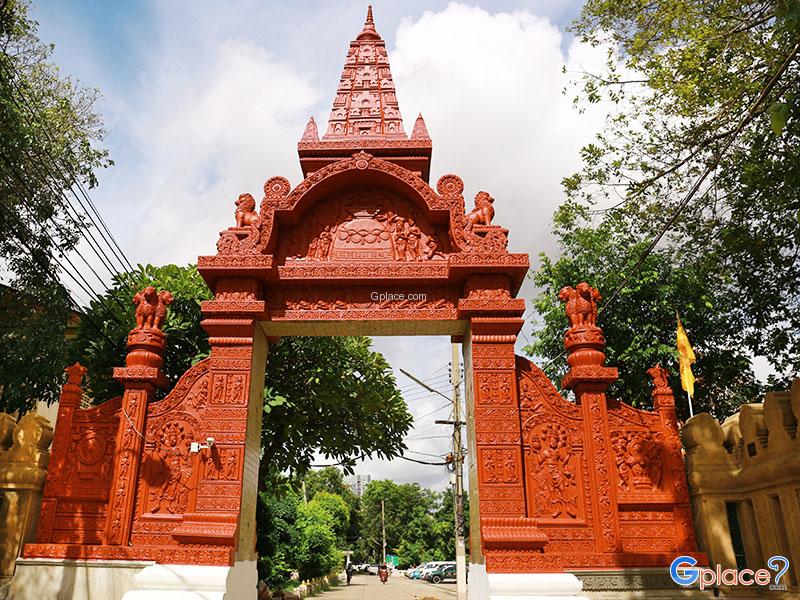

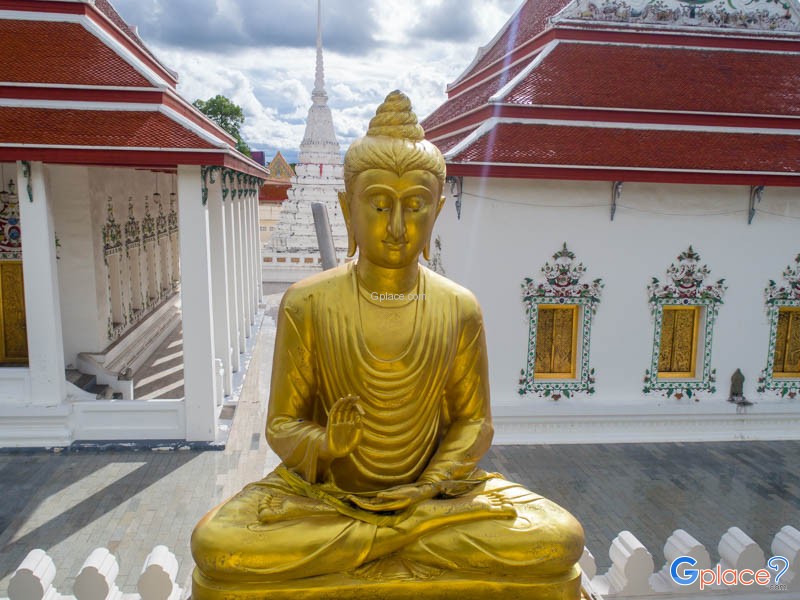
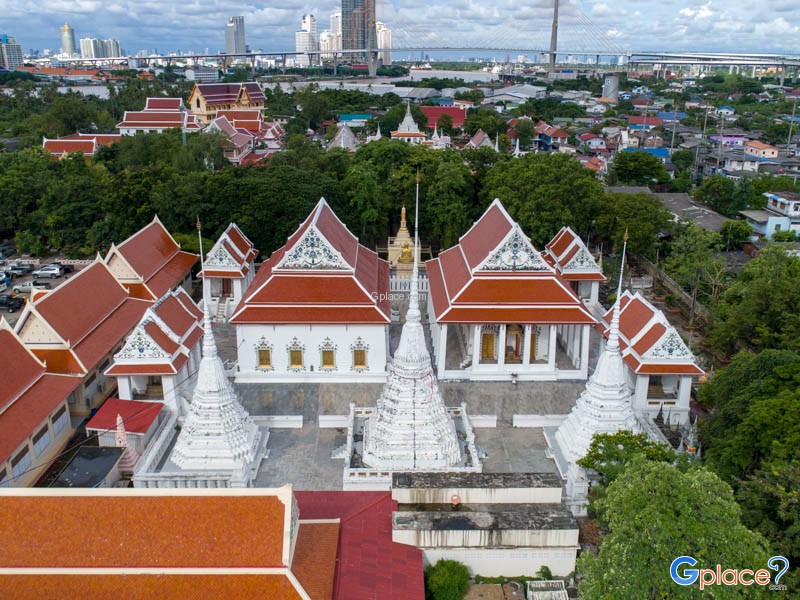
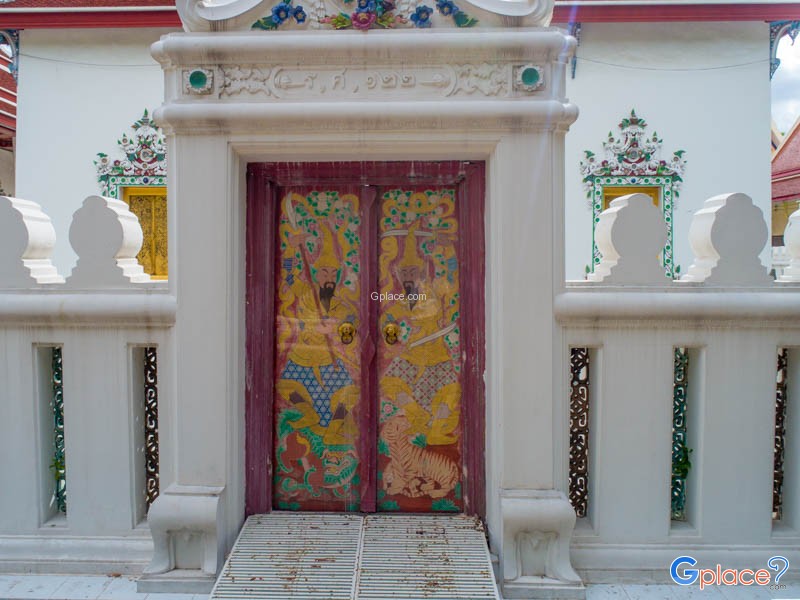
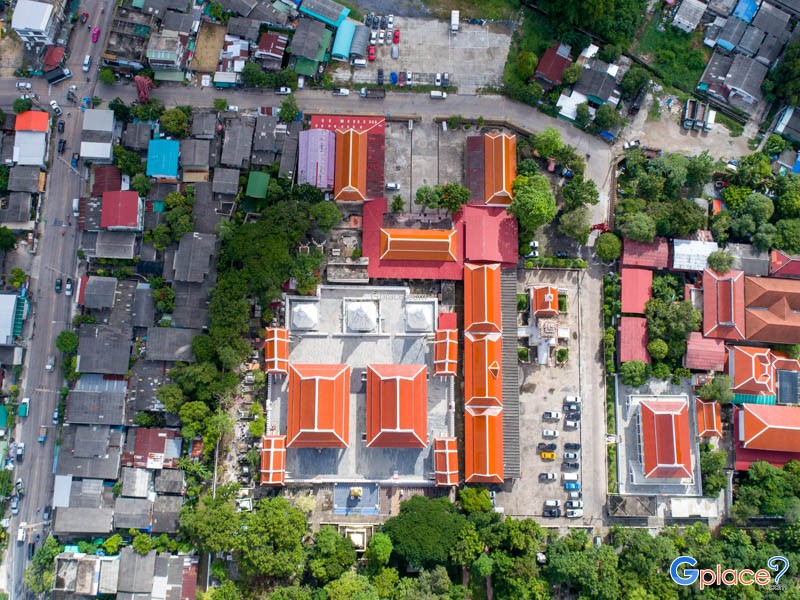
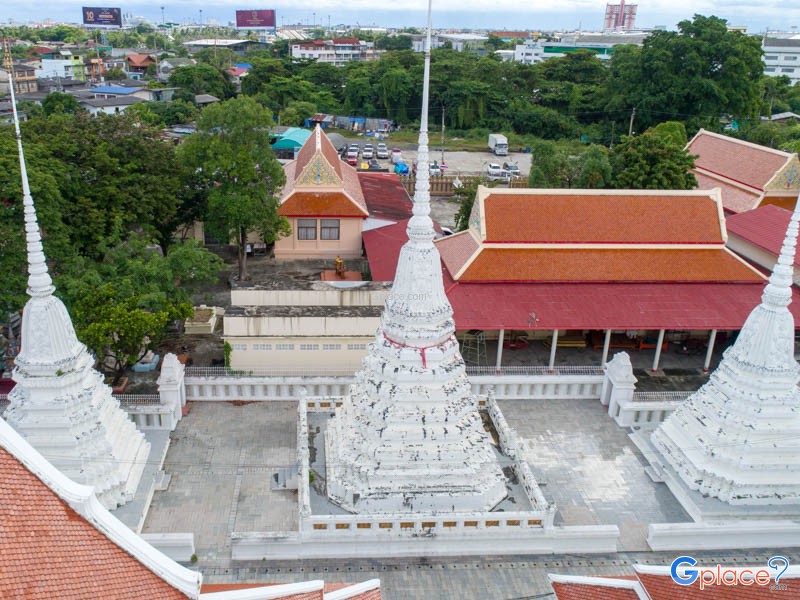
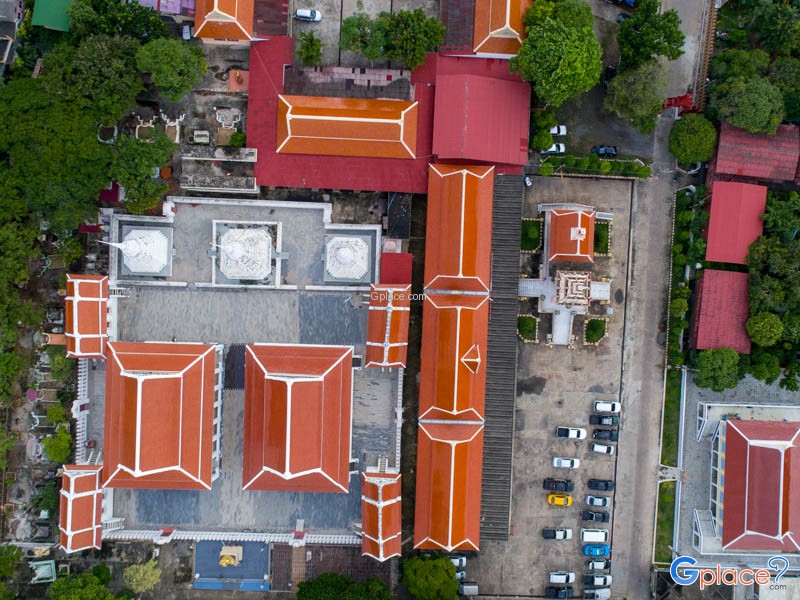
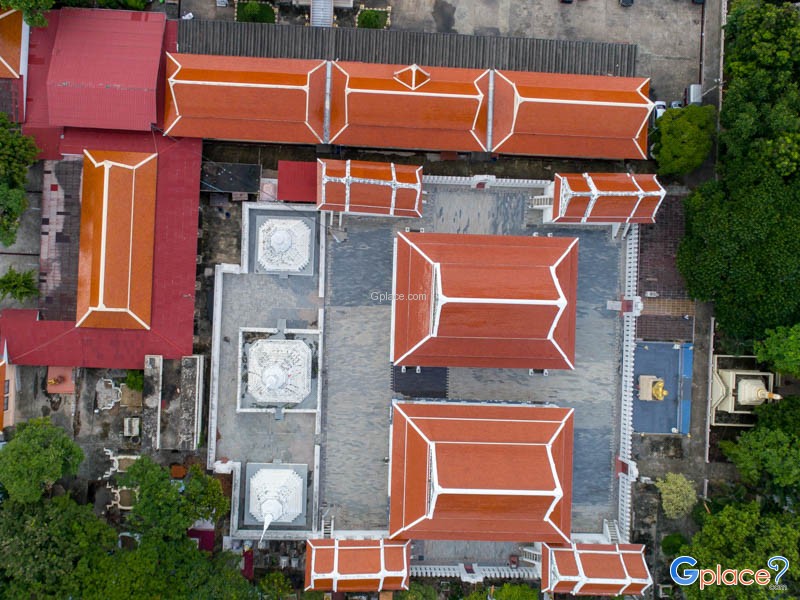
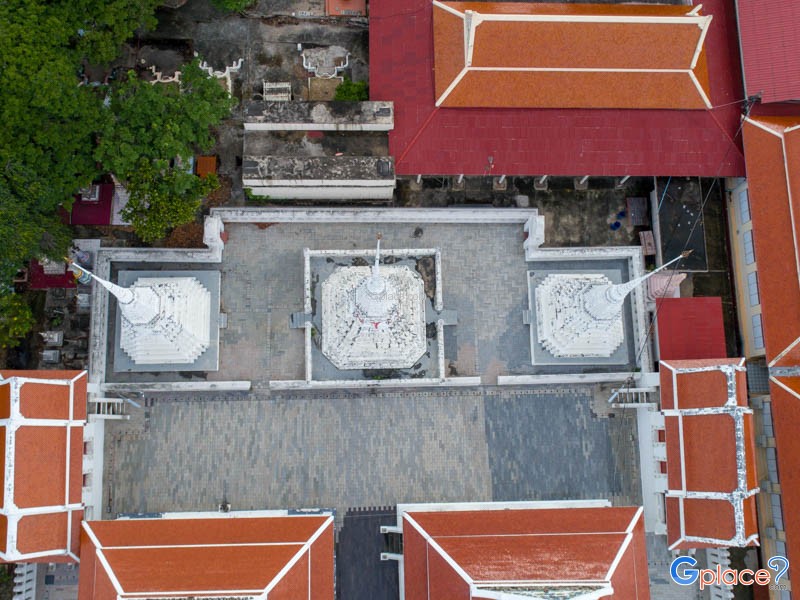
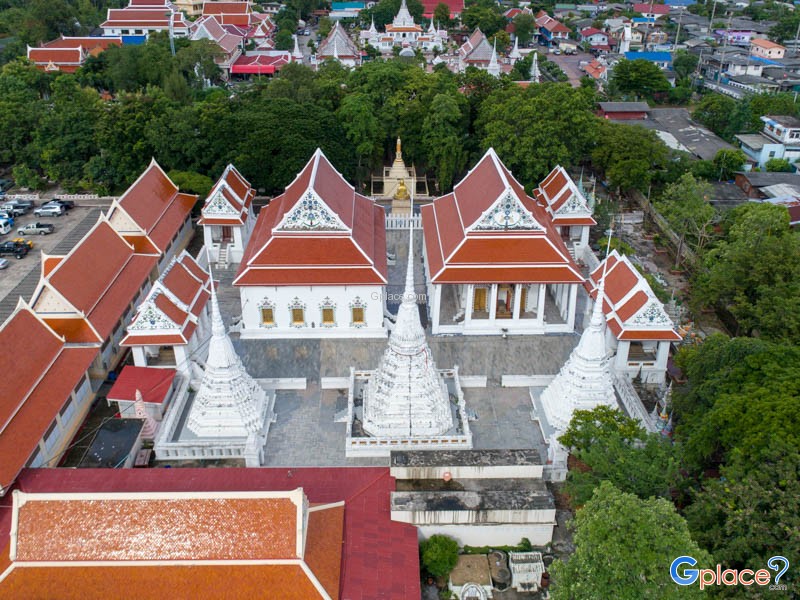
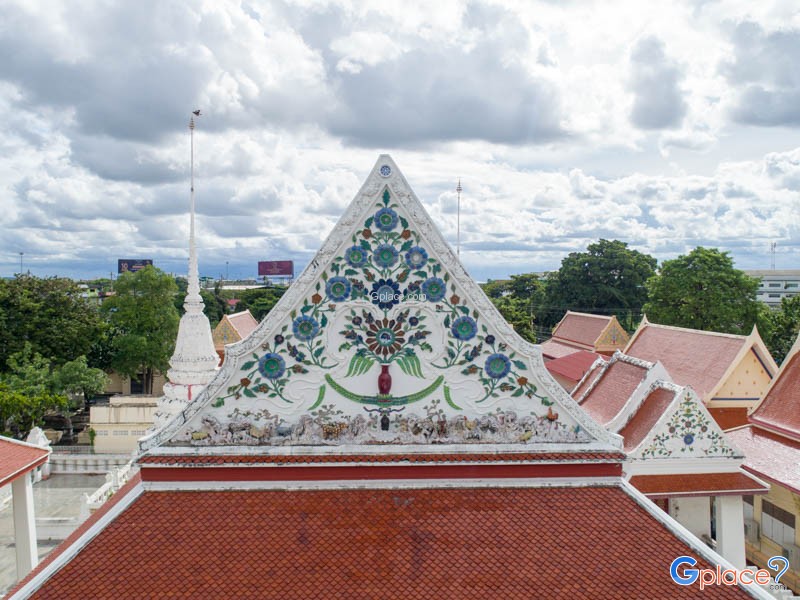
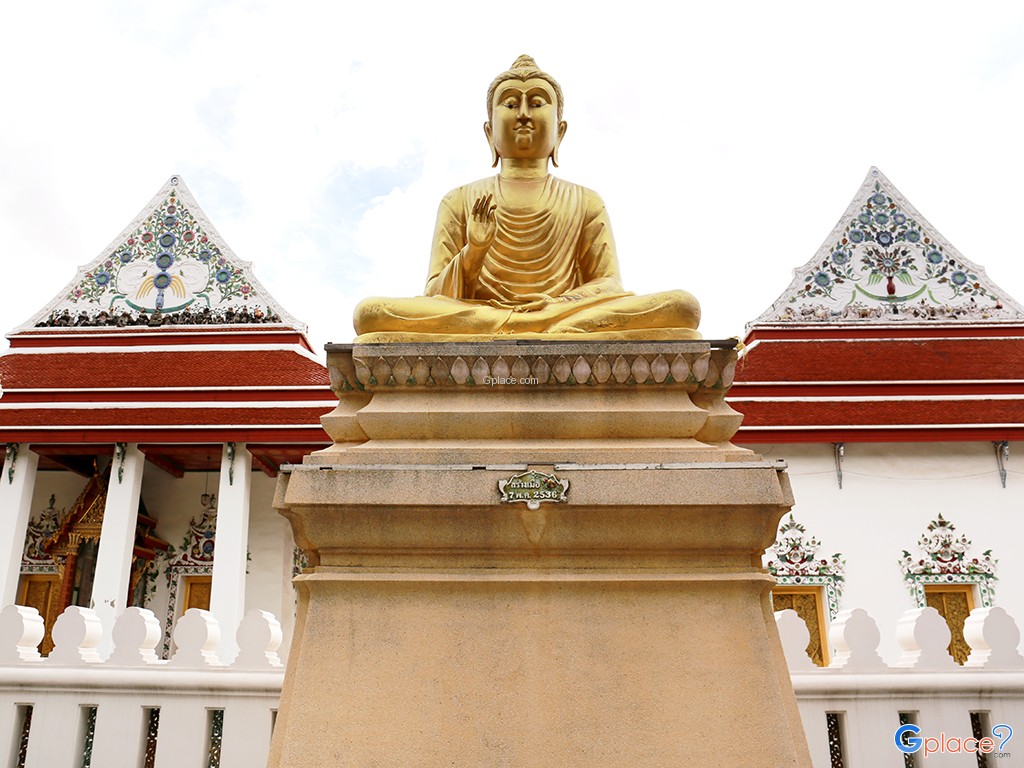
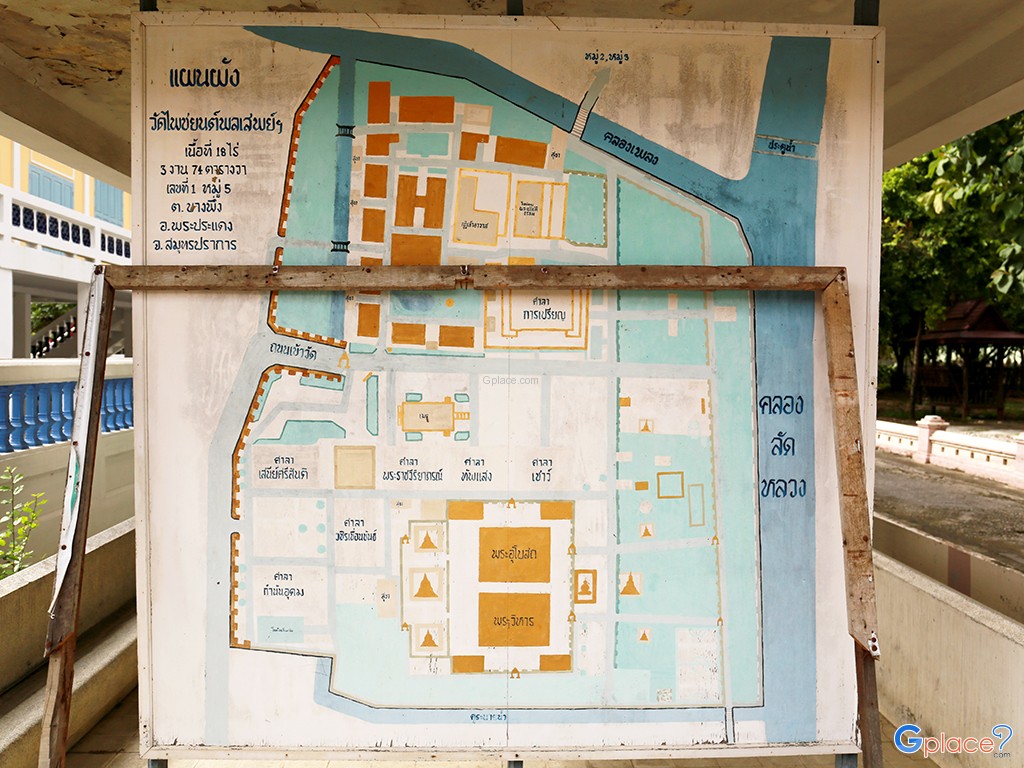
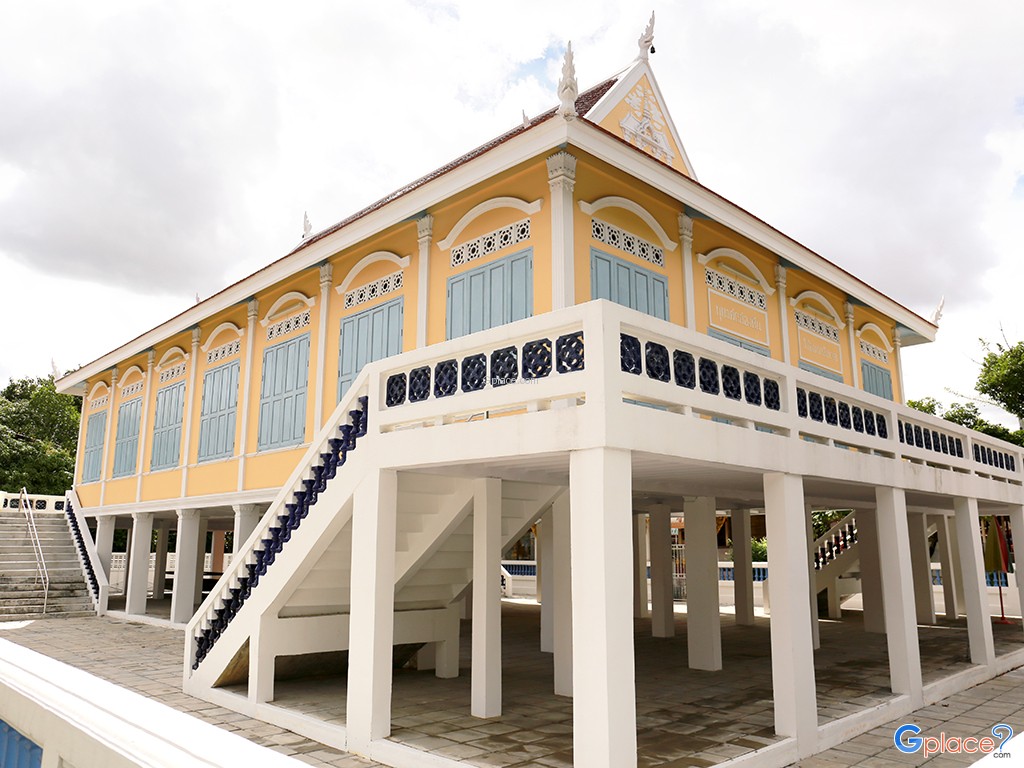
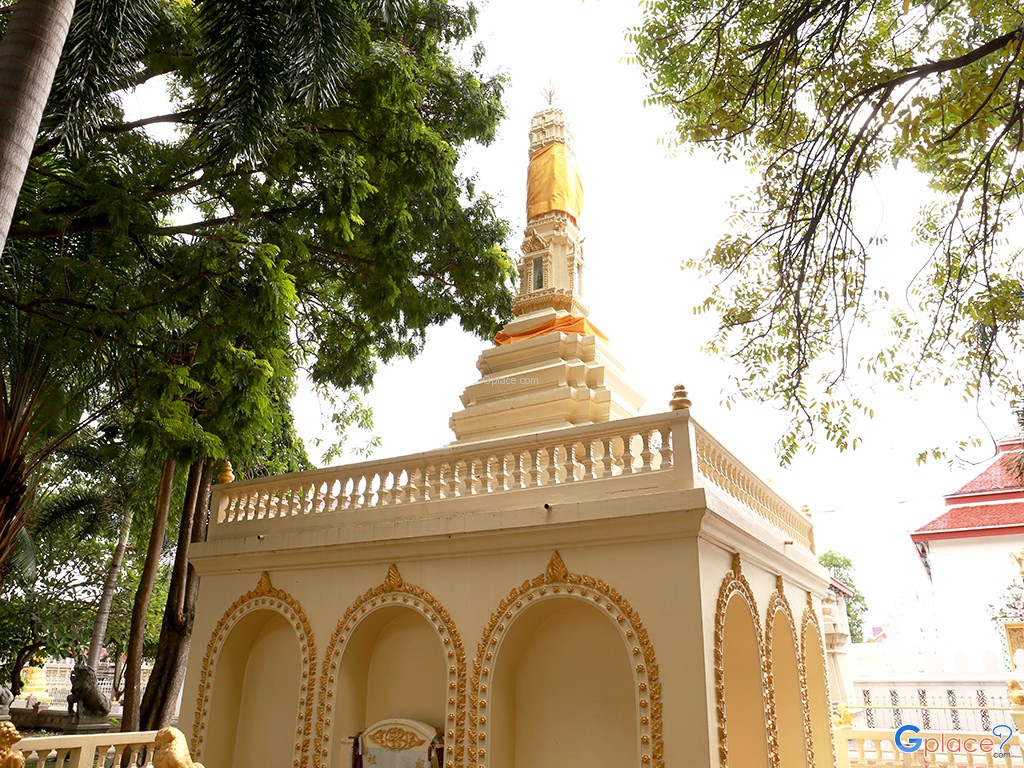
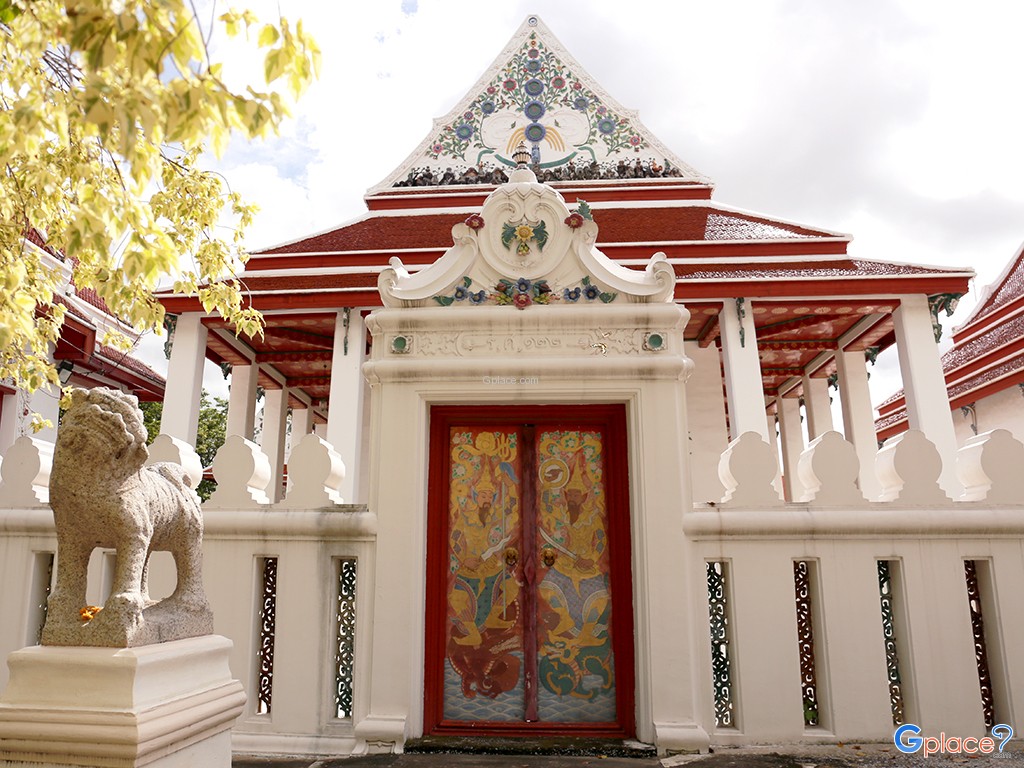
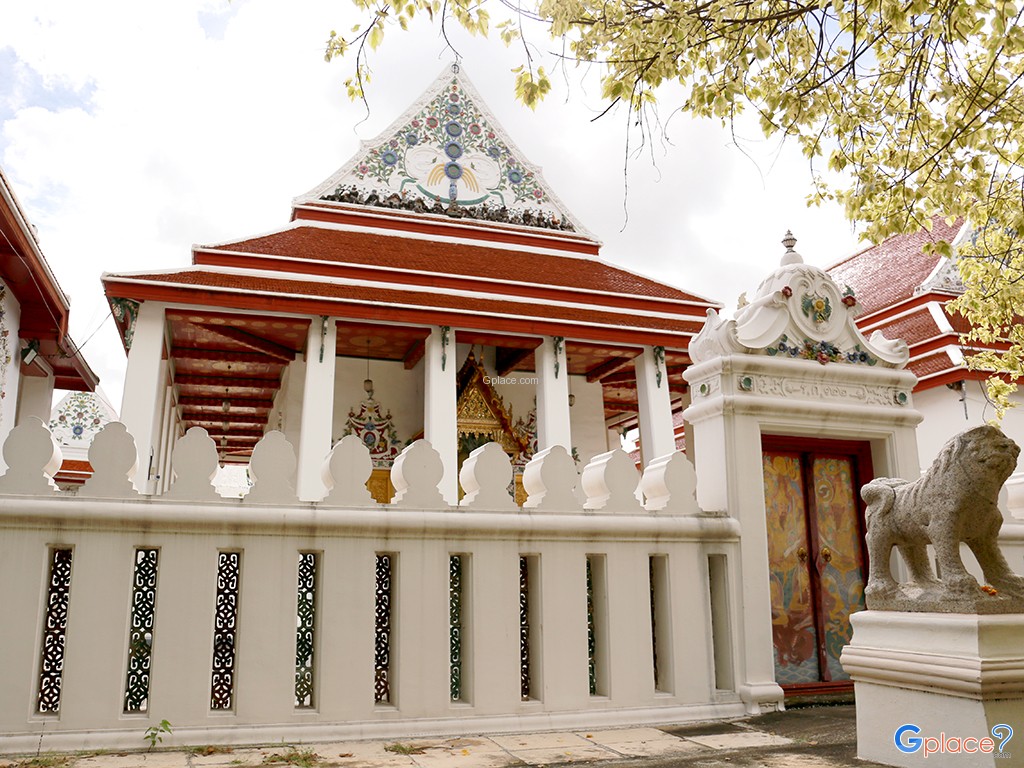
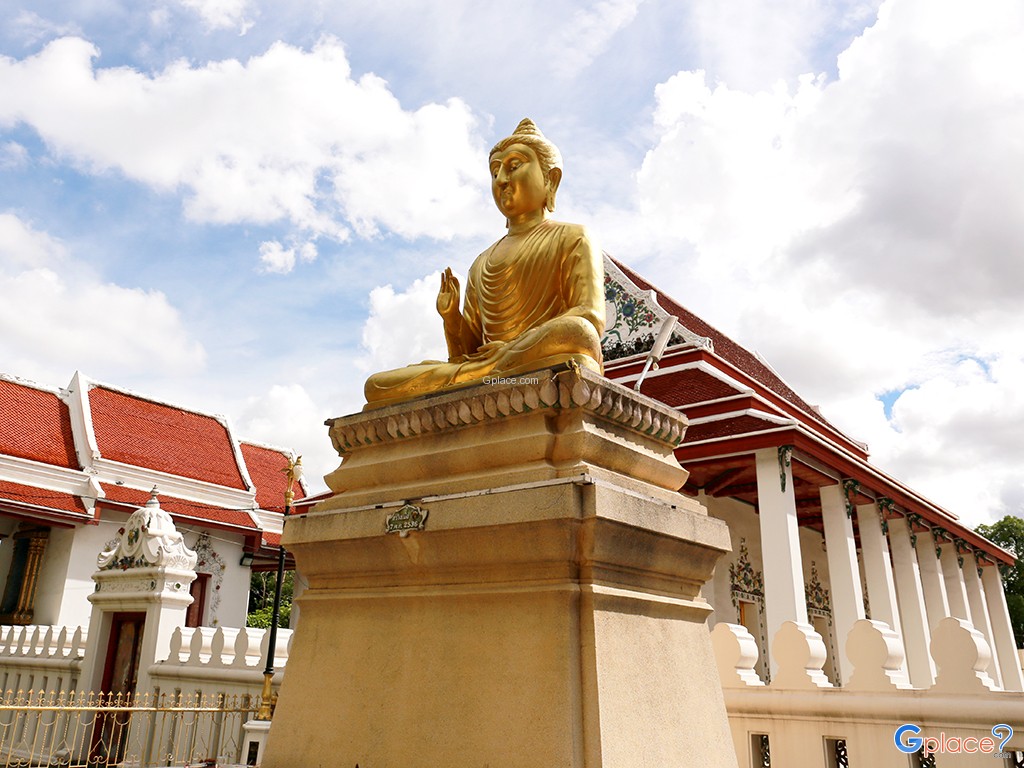
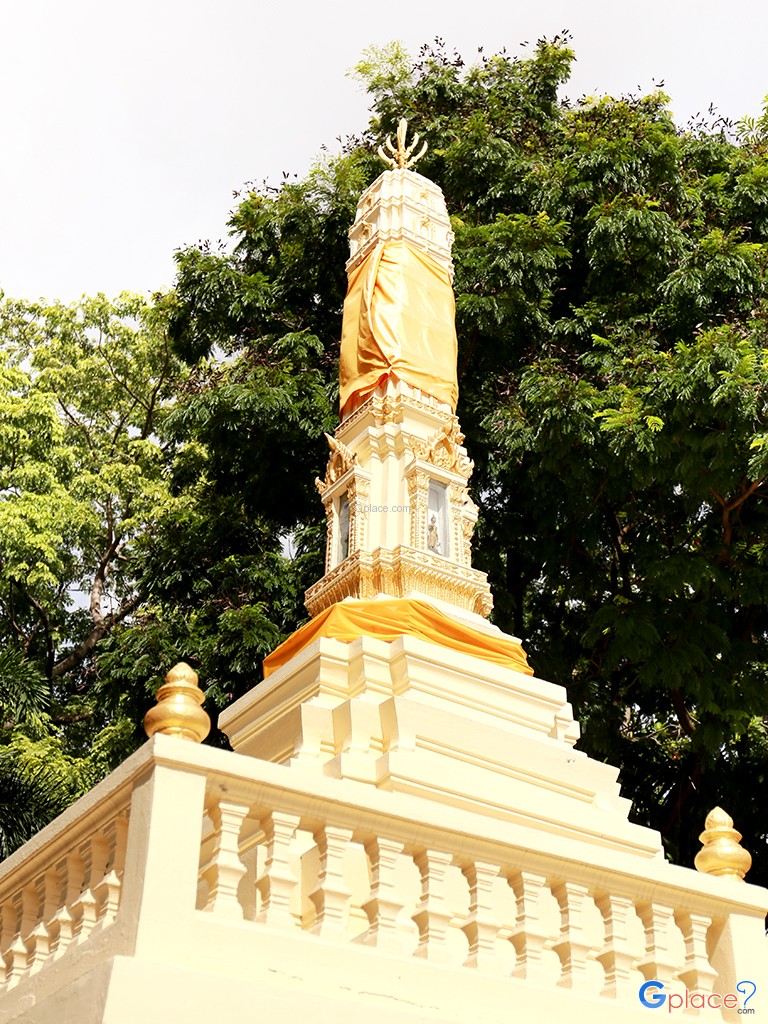
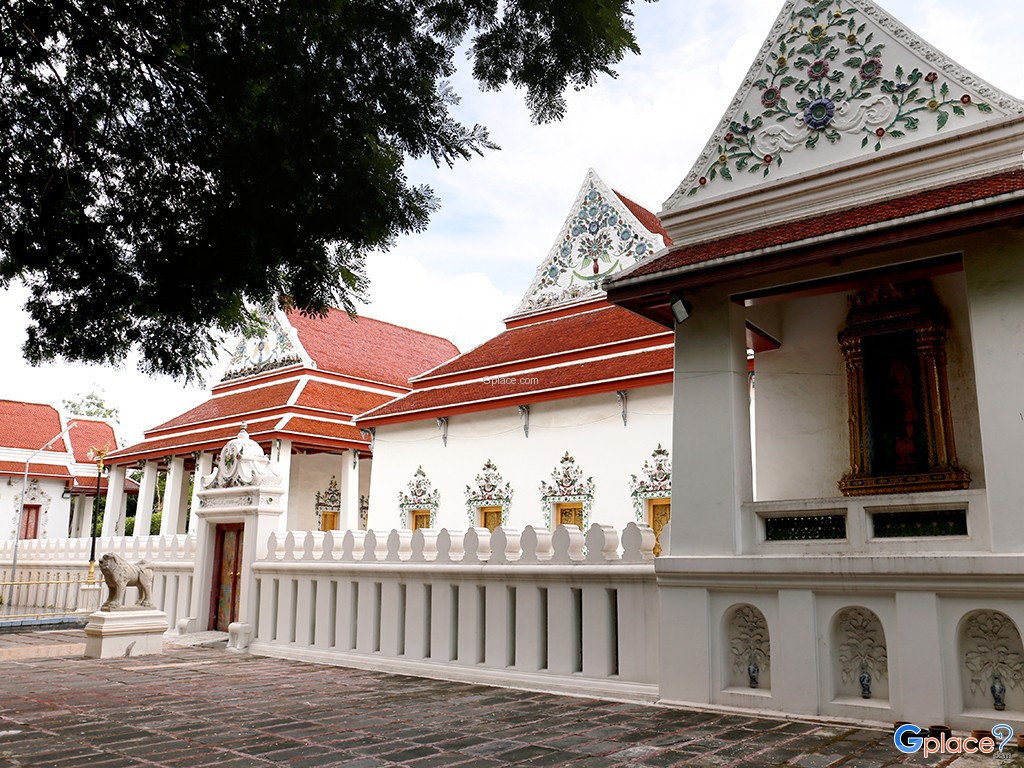
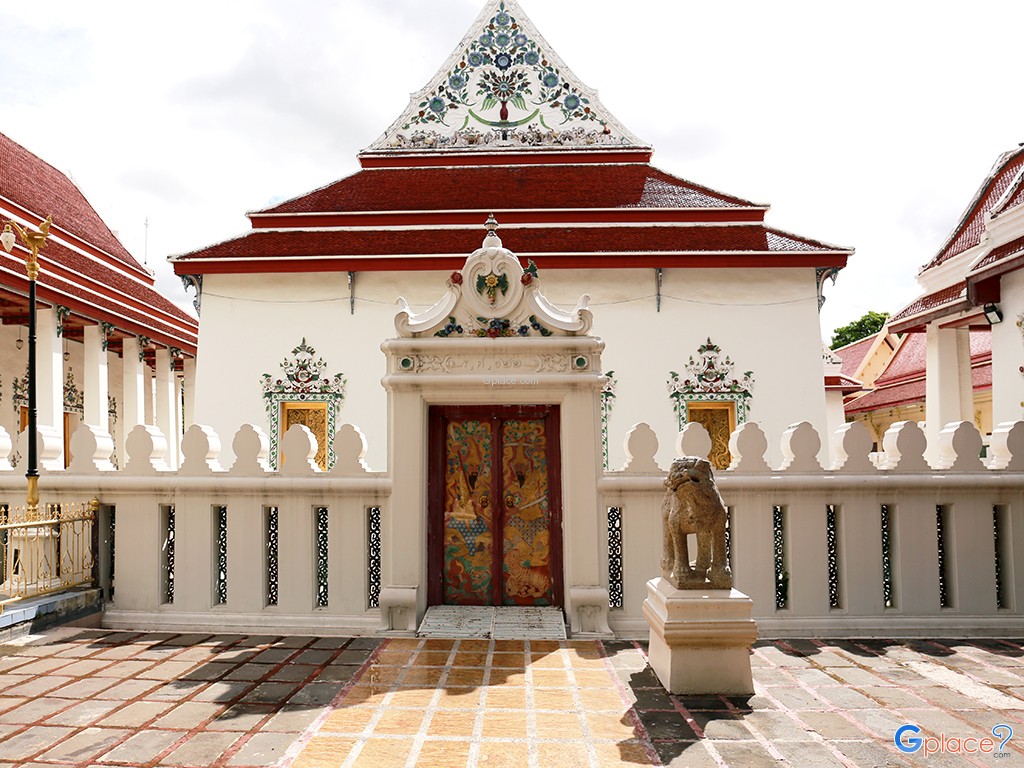
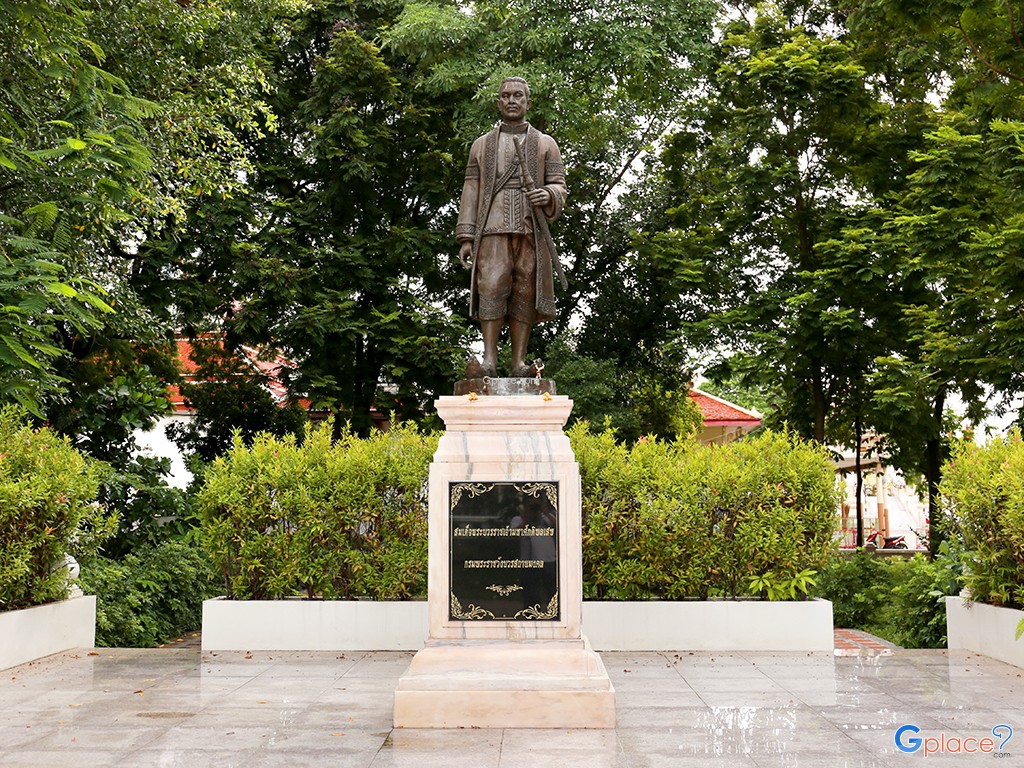
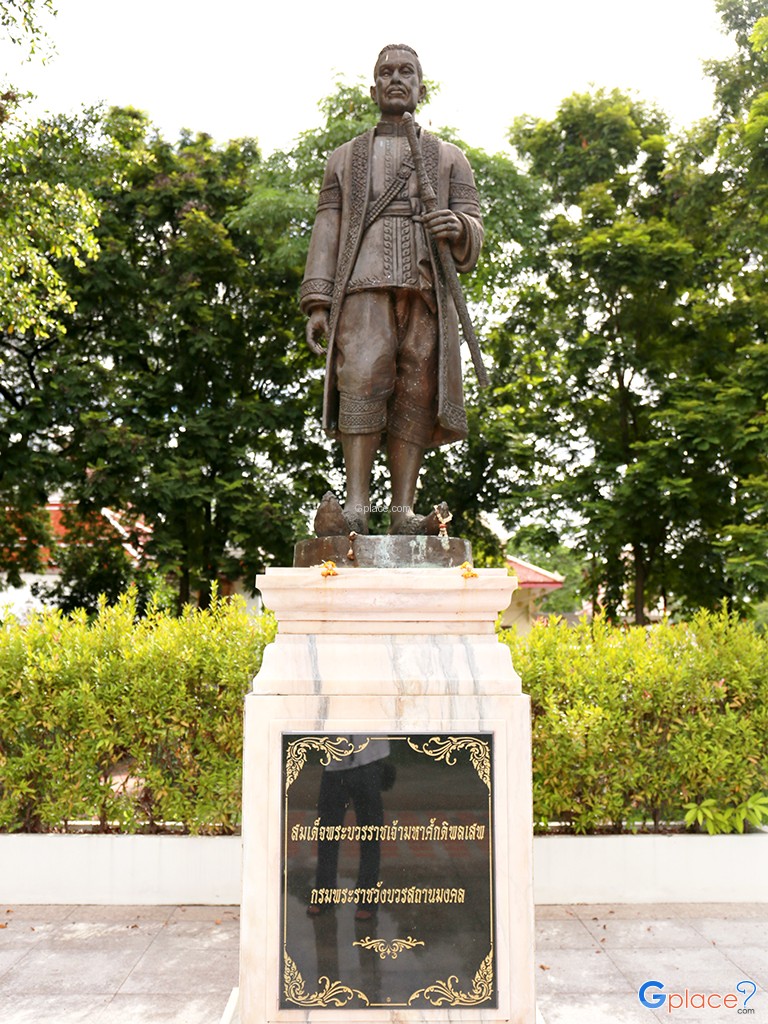
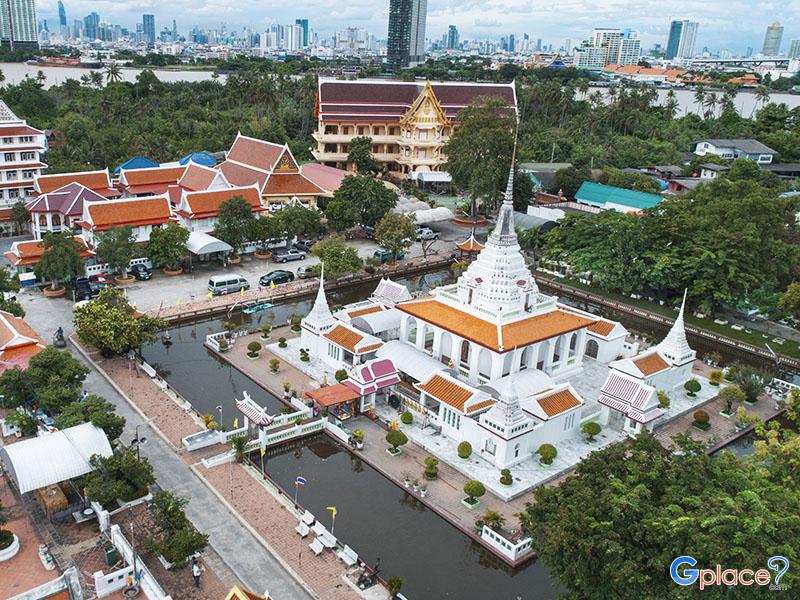
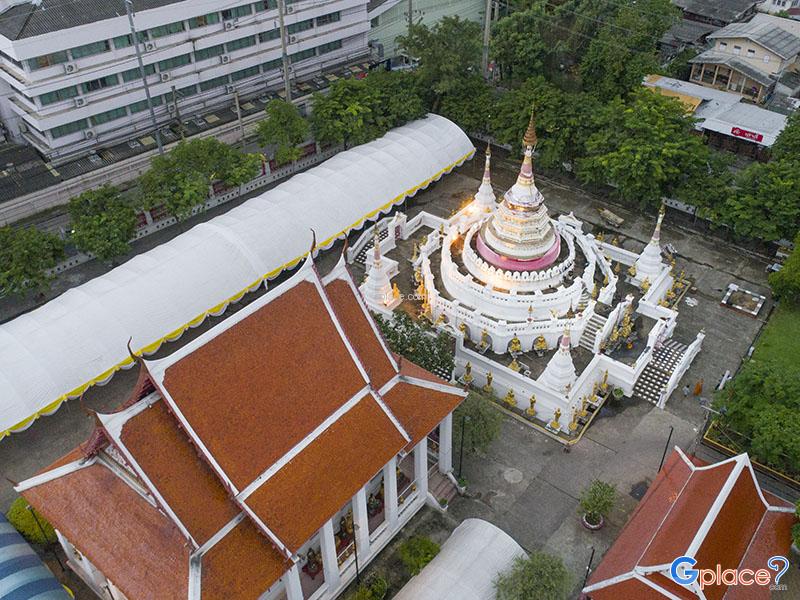
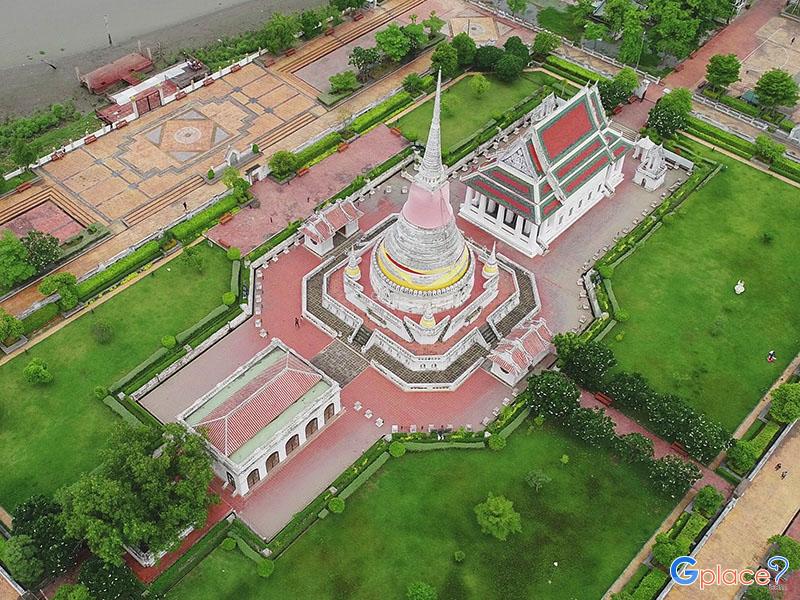
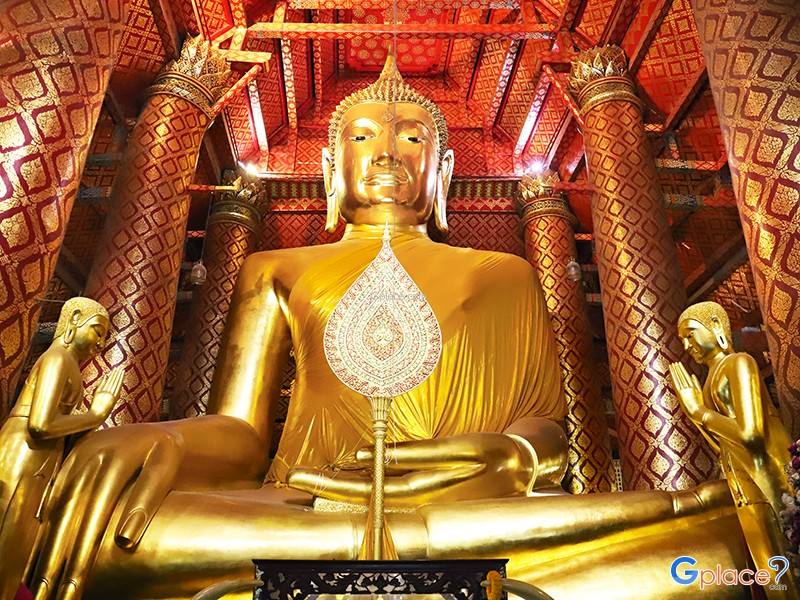
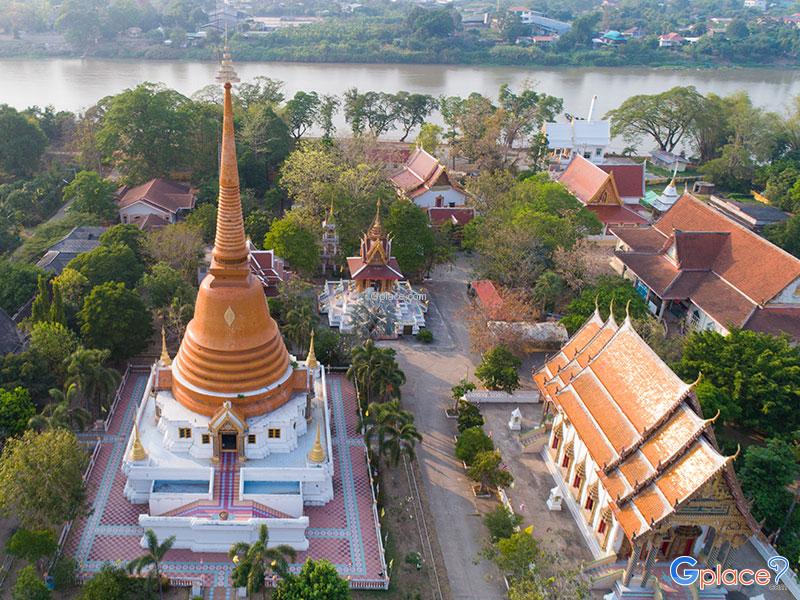
“ Wat Phaichayon Phon Sep Ratchaworawihan is a second-class royal monastery established during the reign of King Rama II. The temple is well known for its beautiful ordination hall and elegant principal Buddha image, and it is conveniently accessible for visitors. ”
How to Get There
- By Car: Cross the Bhumibol Bridge, continue along Suk Sawat Road, then enter Nakhon Khuean Khan Road.
- By Public Transport: Take bus routes 82, 37, 6, or 85, or local songthaews passing through Phra Pradaeng Market.
- By Ferry: Take a ferry from the Rama III side to Phra Pradaeng Pier, then continue by motorcycle taxi to the temple.
Travel Tips
- Dress politely as this is a royal monastery.
- Do not miss the rare four-faced prang-style busabok inside the ordination hall.
- Visit in the morning or late afternoon for cooler weather and fewer crowds.
- You can also visit Wat Protket Chettharam on the same trip.
- Take a walk along Khlong Lat Luang to experience the old riverside community atmosphere of Phra Pradaeng.
Admission Fee:
- Free admission
Opening Hours:
- Open daily from 08:00 AM – 05:00 PM.
Wat Phaichayon Phon Sep Ratchaworawihan

 Share
Share
 Along Khlong Lat Luang, Bang Phueng , Phra Pradaeng, Samut Prakan 10130
Map
Along Khlong Lat Luang, Bang Phueng , Phra Pradaeng, Samut Prakan 10130
Map
List 0 review
|
art & culture,attractions,Temple,temple,church
 Open now : 8.00 - 17.00
Mon8.00 - 17.00
Tue8.00 - 17.00
Wed8.00 - 17.00
Thu8.00 - 17.00
Fri8.00 - 17.00
Sat8.00 - 17.00
Sun8.00 - 17.00



 54
54