 Attractions
  Hotel
Hotel  Restaurant
  Shopping
  Abroad







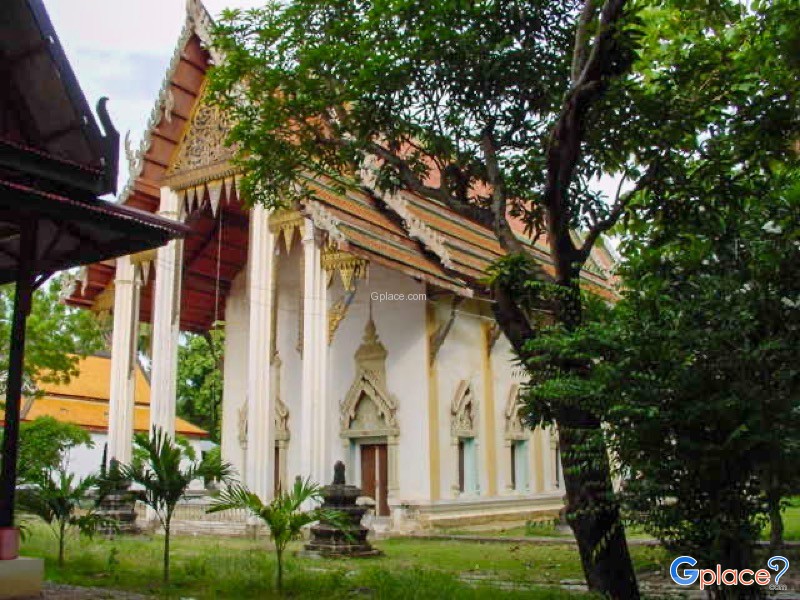
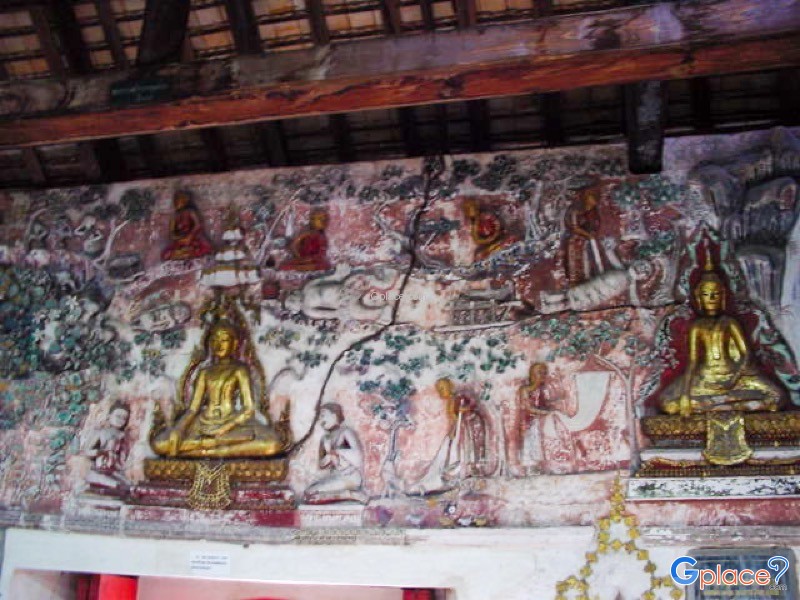

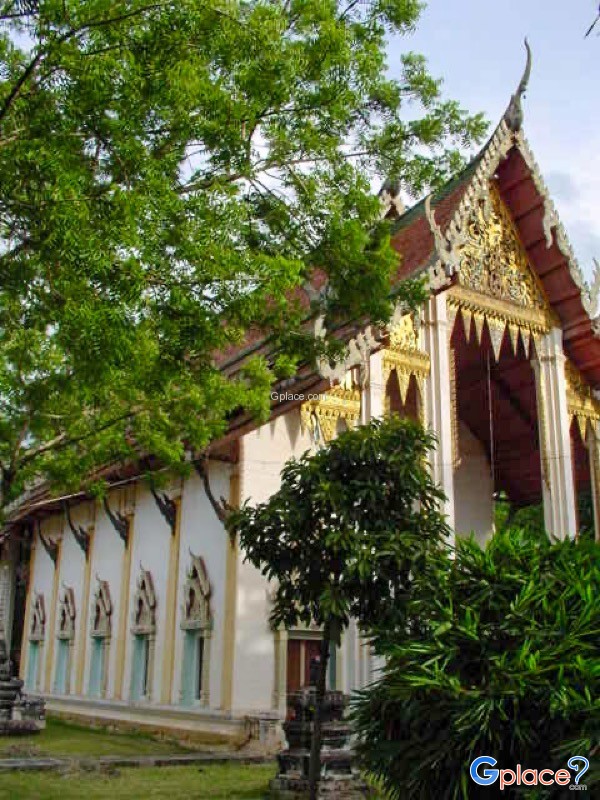

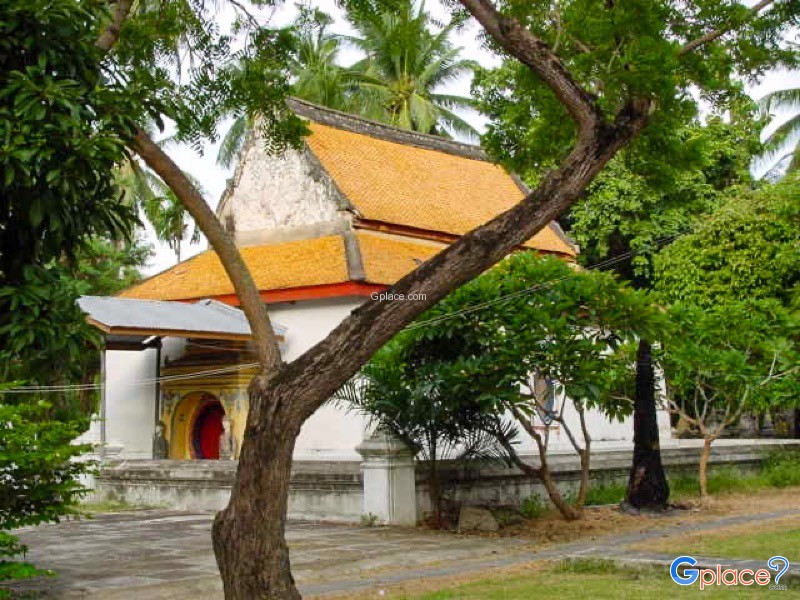
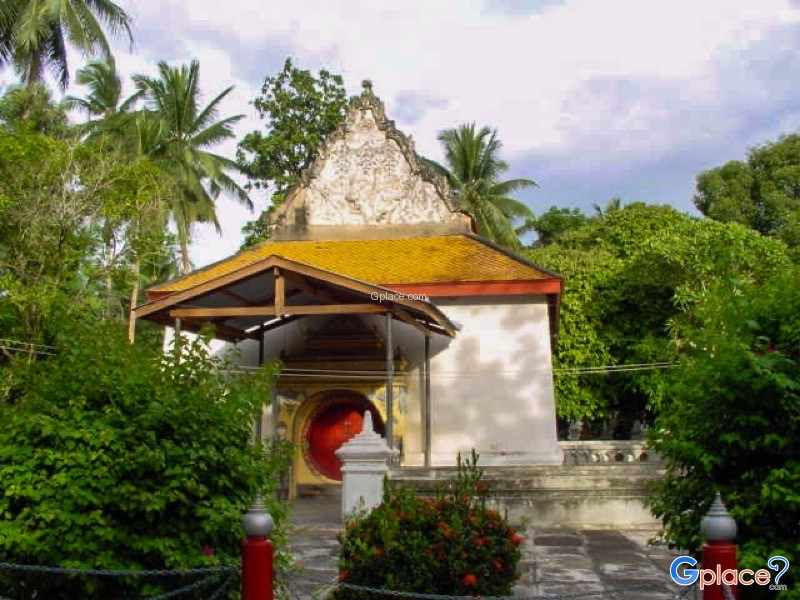

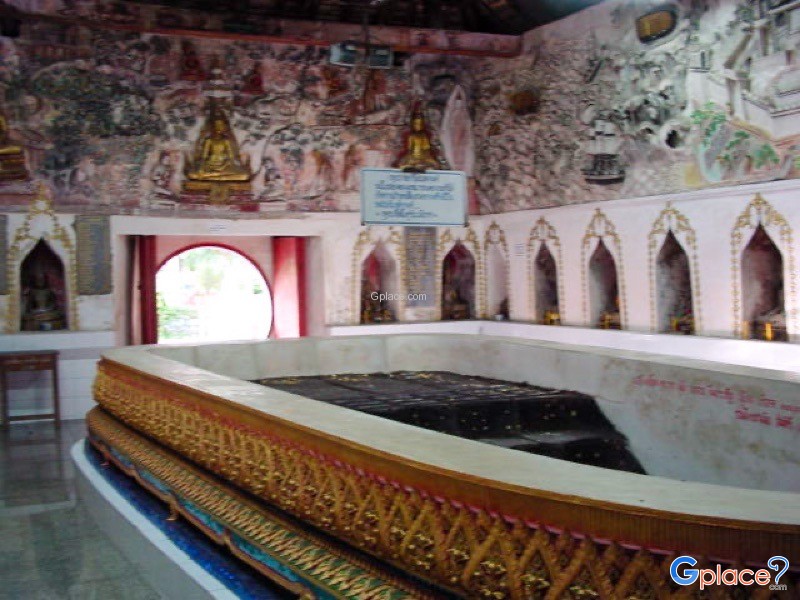
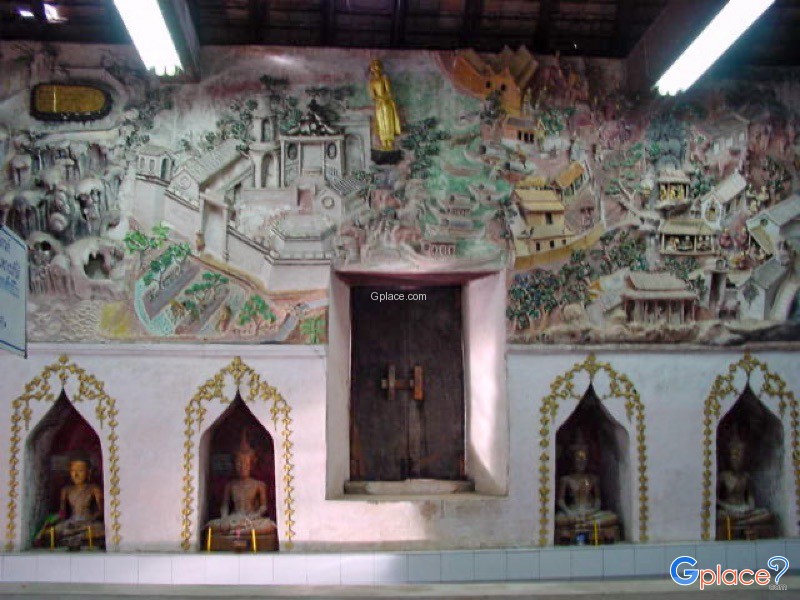
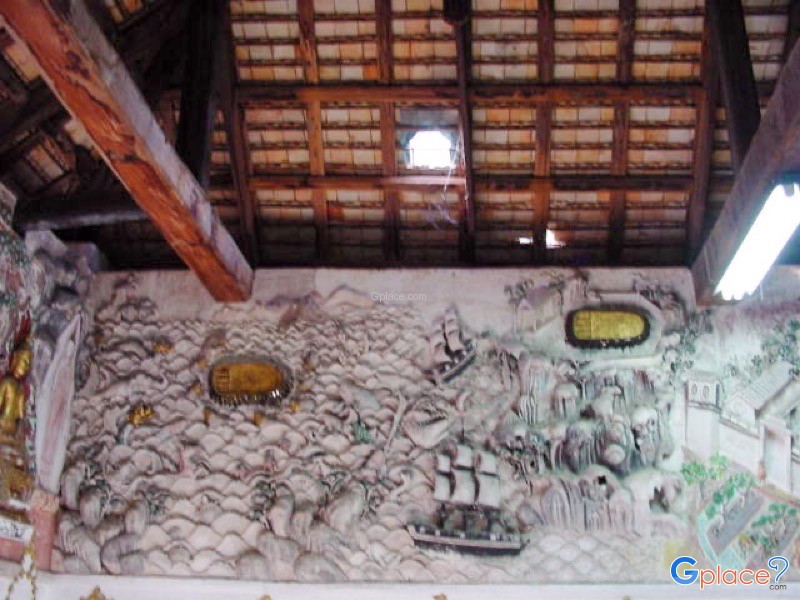
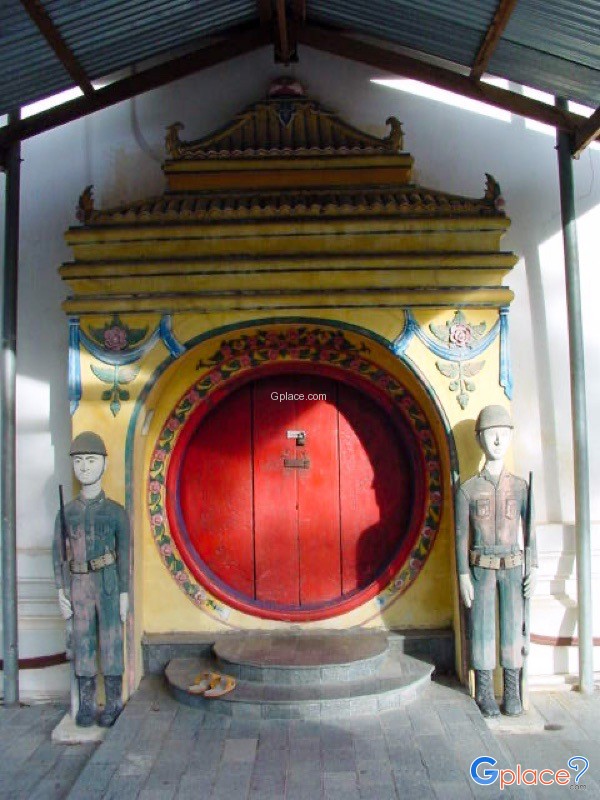

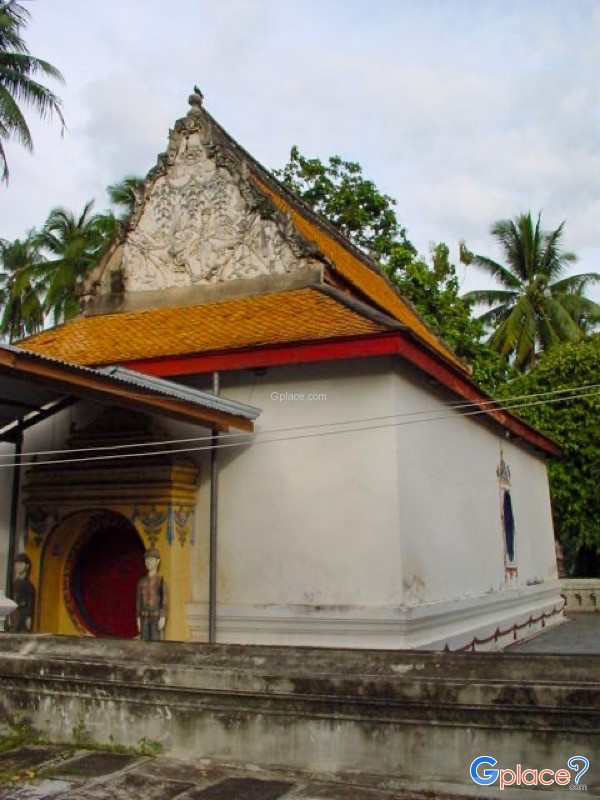

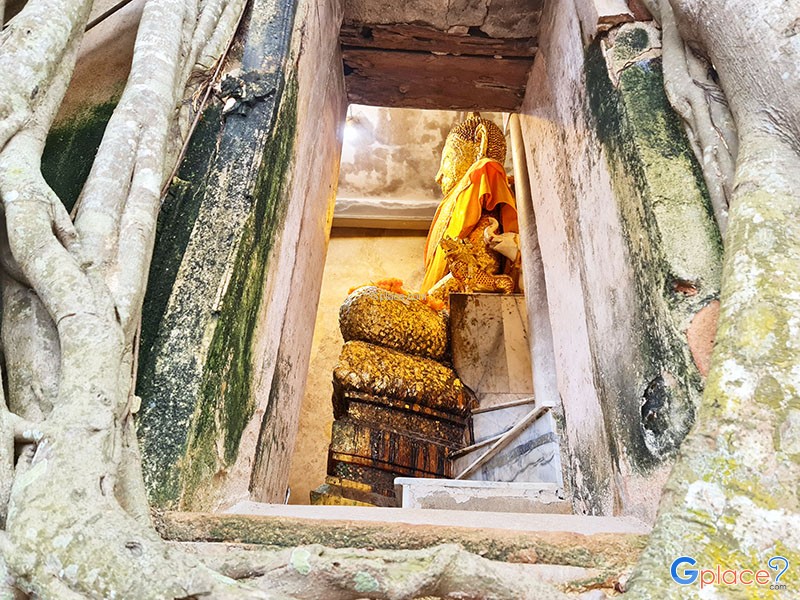
“ Inside the old vihara of Wat Bang Kapom lies one of the temple’s most remarkable features. The upper walls are decorated with unique mural-style stucco reliefs depicting scenes from the life of the Buddha, unlike traditional painted murals commonly found in Thai temples. ”
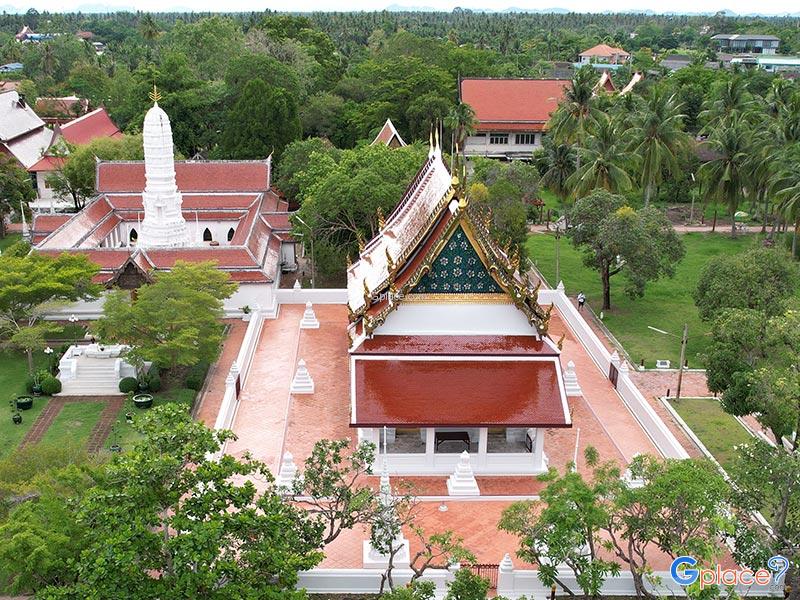
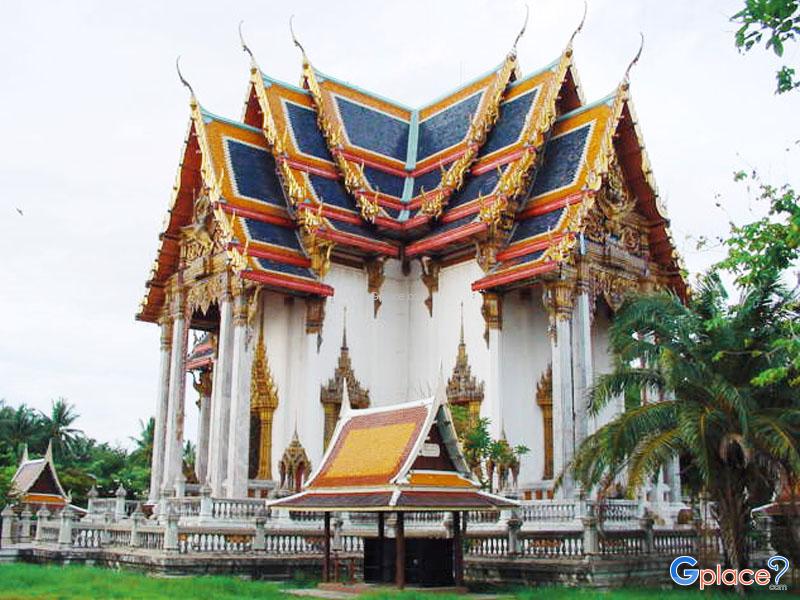
Wat Bang Kapom is an ancient temple of the Mae Klong River region, believed to have been established during the late Ayutthaya period. Located along the Mae Klong River in Amphawa District, Samut Songkhram Province, the area was once home to riverside farming and boating communities that relied heavily on water transportation. As a result, the temple became an important religious center and community gathering place for local residents.The name “Wat Bang Kapom” is believed to originate from a local plant once commonly found in the area, while its alternative name, “Wat Ko Kaeo,” refers to the old landscape that was surrounded by waterways like an island. The temple has long been closely connected to the traditional riverside way of life of the Mae Klong community.
One of the temple’s most remarkable highlights is the “Chaturamuk Pavilion,” an ancient structure housing four overlapping Buddha footprint replicas, a rare feature in Thai temples. These sacred footprints reflect Buddhist beliefs relating to past Buddhas, and local people believe that paying respect to all four footprints brings prosperity, stability, and good fortune. The footprints are decorated with intricate auspicious patterns that showcase the craftsmanship of ancient artisans.Inside the vihara are exquisite low-relief stucco murals and decorative artwork blending Thai and Chinese artistic styles. The designs include dragons, clouds, and scenes from the life of the Buddha, reflecting the influence of Chinese trading communities that once flourished along the Mae Klong River. These artistic elements are considered one of the temple’s most unique cultural treasures and attract many visitors interested in history and traditional art.
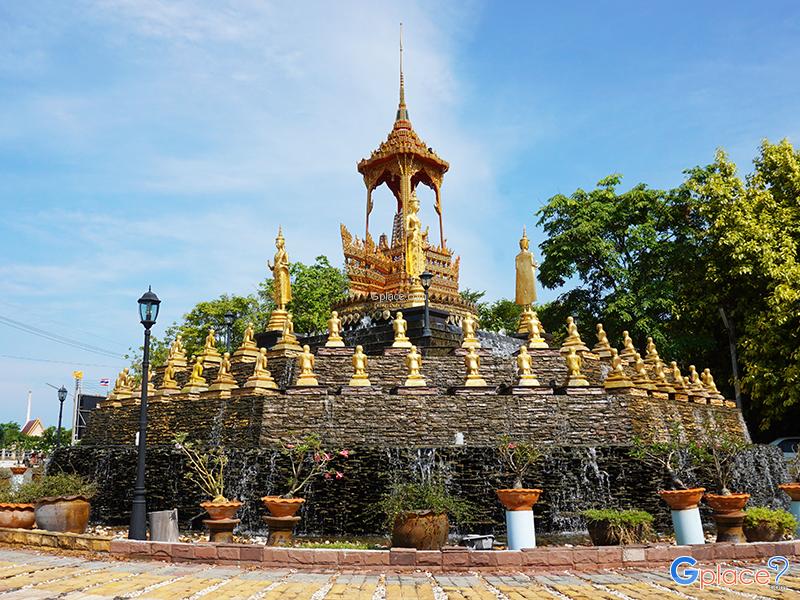
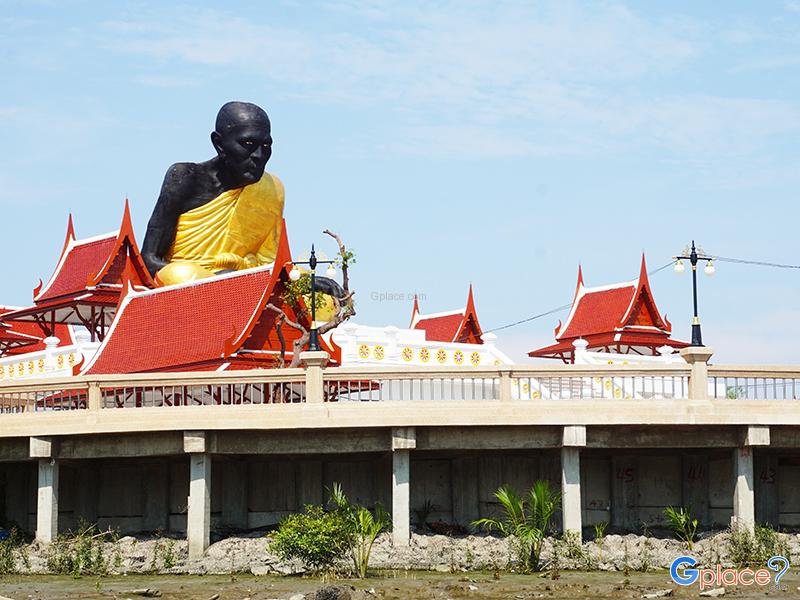
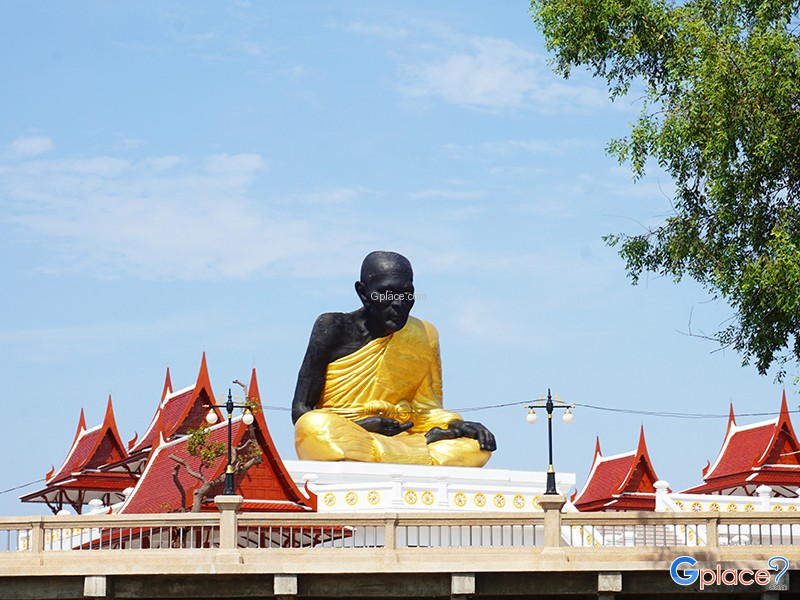
Another important aspect of the temple is its connection to Luang Pho Khong (Phra Kru Wimonkunakorn), a highly respected former abbot renowned for his compassion, meditation teachings, and sacred Buddhist amulets. His old amulets and yantra cloths remain popular among collectors and devotees throughout the Mae Klong region. Visitors can still pay respects to his statue and learn more about his life inside the temple grounds.Beyond its religious and artistic significance, Wat Bang Kapom (Wat Ko Kaeo) continues to serve as a cultural center for the Amphawa community. Traditional events such as merit-making festivals, Buddhist sermons, and riverside ceremonies are still regularly held here, preserving the atmosphere of a classic riverside temple community.Today, many travelers include the temple as part of a cultural trip around Amphawa because it is located close to popular attractions such as Amphawa Floating Market, King Rama II Memorial Park, and Wat Bang Kung, making it an ideal destination for visitors interested in temples, history, and traditional Thai riverside culture.
How to Get There
- By car: From Bangkok, take Rama II Road (Highway 35) toward Samut Songkhram Province. Continue toward Amphawa District via Highway 325. Wat Bang Kapom (Wat Ko Kaeo) is located along the main road before reaching Amphawa town, with clear signposts along the route.
Travel Tips
- Visit in the morning or evening for cooler weather and fewer crowds.
- Don’t miss the Chaturamuk Pavilion and the four overlapping Buddha footprints.
- Dress respectfully when visiting the temple.
- Pay respects to Luang Pho Khong (Phra Kru Wimonkunakorn) for good fortune and blessings.
- You can easily continue your trip to Amphawa Floating Market afterward.
Admission Fee:
- Free admission (donations are welcome)
Opening Hours:
- Open daily from 08:00 AM – 05:00 PM
Wat Kapom

 Share
Share
 37-38 kms, A.Muang, Samutrsongkram
Map
37-38 kms, A.Muang, Samutrsongkram
Map
 Open now : 8.00 - 17.00
Mon8.00 - 17.00
Tue8.00 - 17.00
Wed8.00 - 17.00
Thu8.00 - 17.00
Fri8.00 - 17.00
Sat8.00 - 17.00
Sun8.00 - 17.00

 https://www.thai-tour.com/thai-tour/central/samutsongkram/data/place/pic_wat-bangkapom.htm

 5632
5632