 Attractions
  Hotel
Hotel  Restaurant
  Shopping
  Abroad





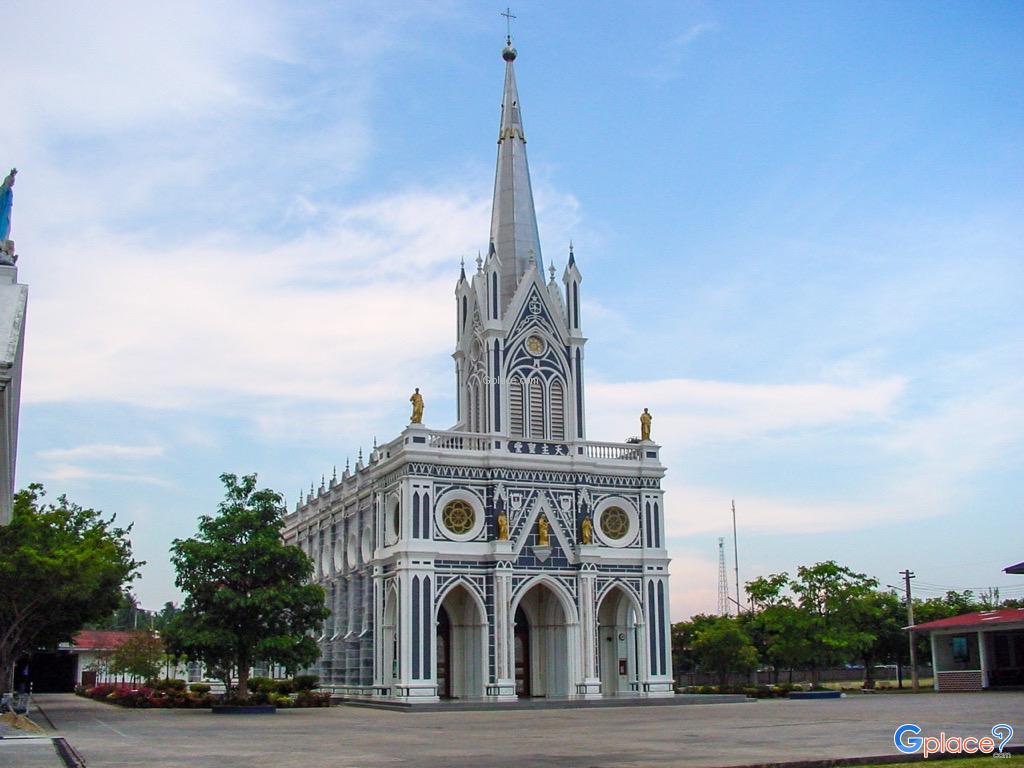

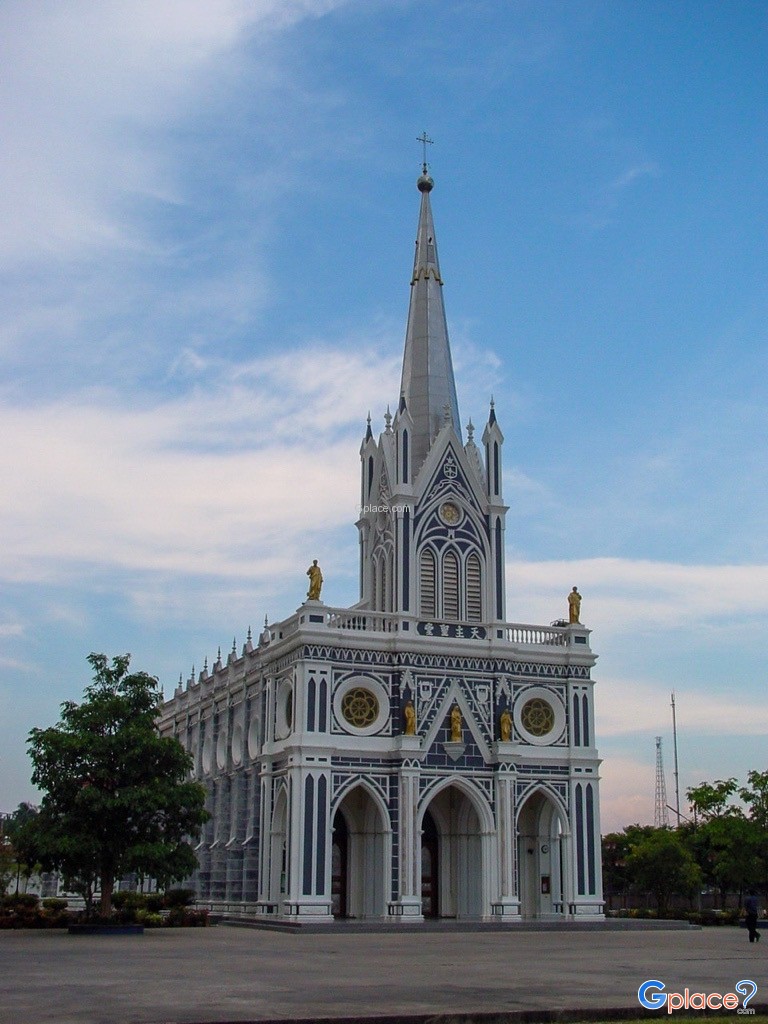

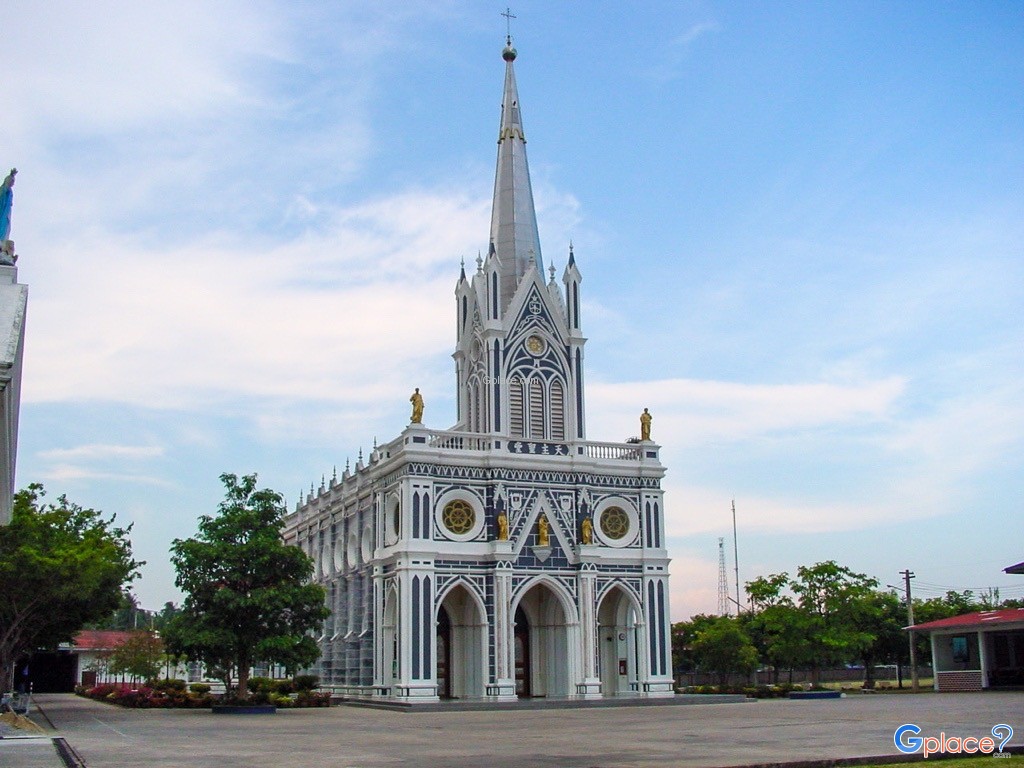
“ French stained glass, European Gothic architecture, located along the Mae Klong River, peaceful atmosphere, one of Thailand’s most beautiful and historic Catholic churches. ”
How to Get There
- By Car: From Bangkok, take Rama II Road (Highway 35) toward Samut Songkhram. Continue into Bang Khonthi District, then follow Highway 325 toward Damnoen Saduak. Clear signs will guide you to Bang Nok Khwaek. The cathedral is located along the riverside community.
Travel Tips
- Dress modestly (no sleeveless tops or shorts)
- Avoid visiting during Mass if you want sightseeing access
- Contact in advance for group visits or commercial photography
- Best time to visit is morning for soft light and fewer visitors
Admission Fee:
- Free entry (donations are appreciated for maintenance)
Opening Hours:
- Wednesday – Sunday: 09:00 – 16:00
- Closed: Monday – Tuesday
Nativity of Our Lady Cathedral

 Share
Share
 Village No. 7, Bang Nok Khwaek, Bang Khonthi, Samut Songkhram 75120
Map
Village No. 7, Bang Nok Khwaek, Bang Khonthi, Samut Songkhram 75120
Map
List 0 review
|
family,art & culture,attractions,archaeological site
 Open now : 9.00 - 16.00
Mon -
Tue -
Wed9.00 - 16.00
Thu9.00 - 16.00
Fri9.00 - 16.00
Sat9.00 - 16.00
Sun9.00 - 16.00

 https://www.thai-tour.com/thai-tour/central/samutsongkram/data/place/pic_atsana-wihan.htm

 30145
30145