 Attractions
  Hotel
Hotel  Restaurant
  Shopping
  Abroad





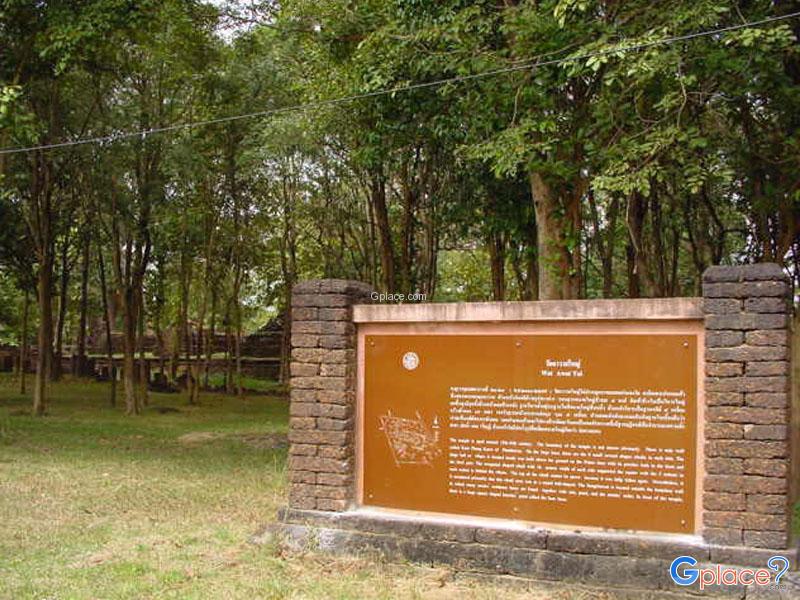

“Wat Awat Yai features an octagonal main chedi, the large Bo Sam Saen pond, over 10 vihara and monk residences, showcasing Sukhothai–early Ayutthaya art and architecture.”
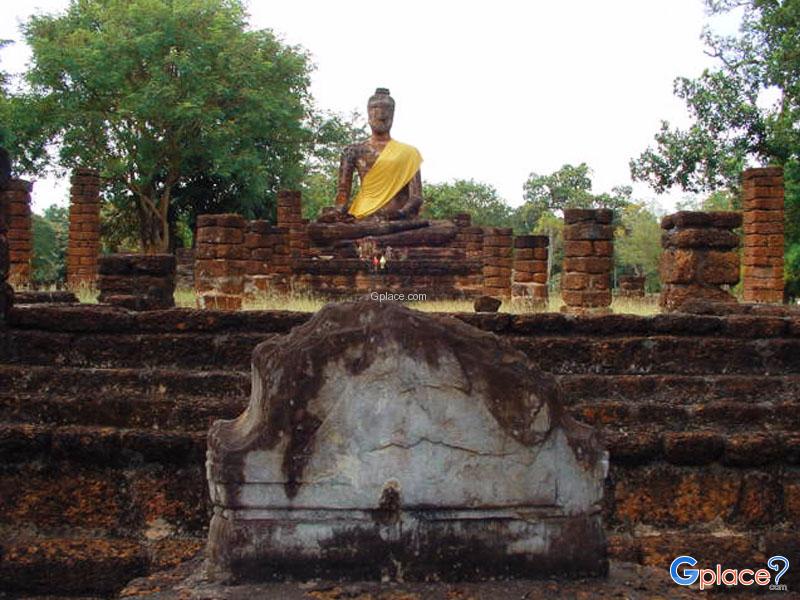
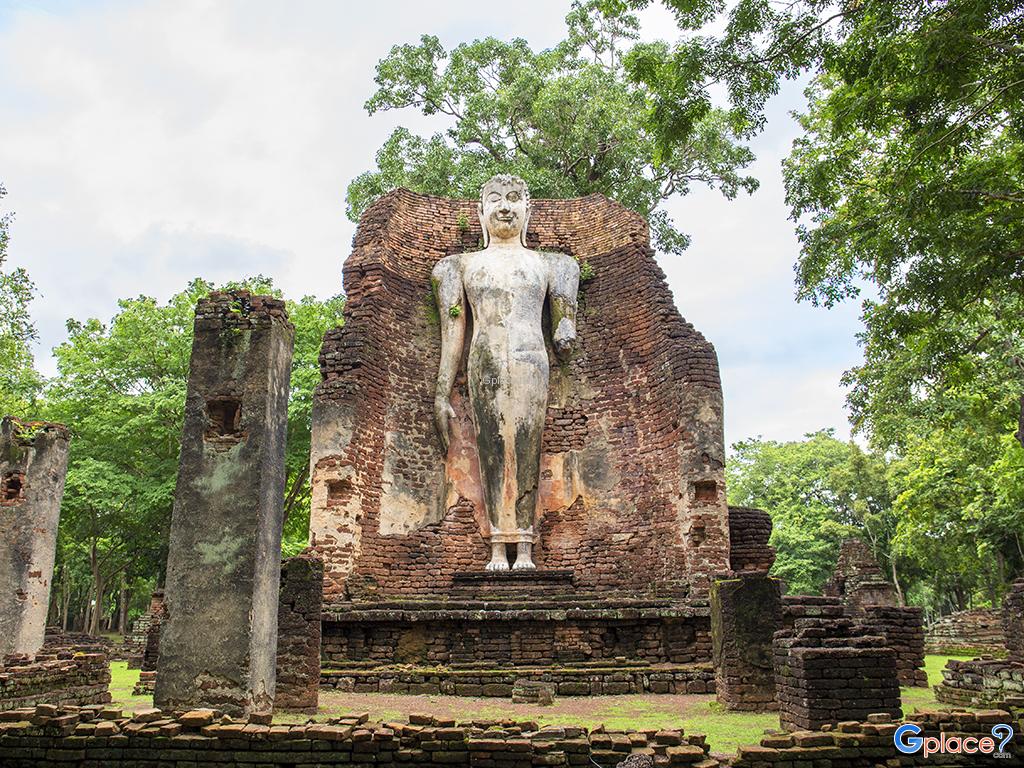
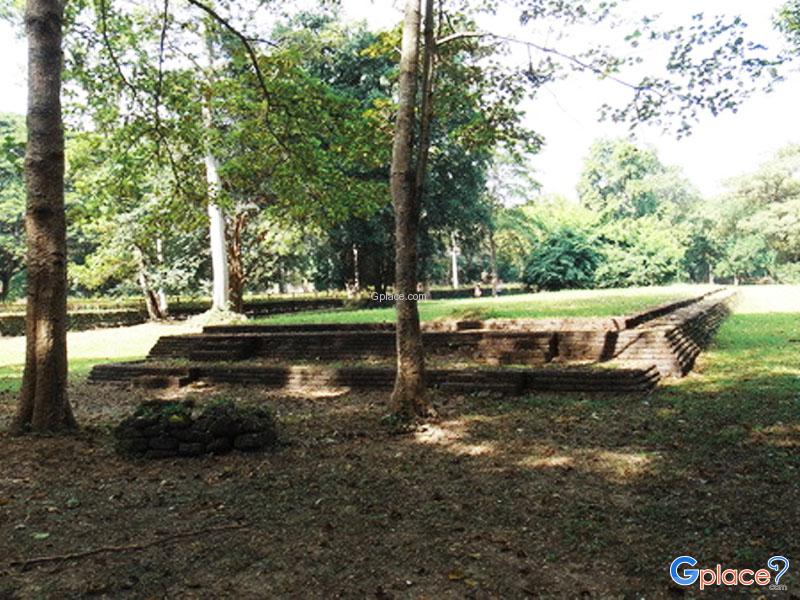
Wat Awat Yai is a large and important ancient temple in the Aranyik zone of Kamphaeng Phet Historical Park. It is believed to have been built during the 20th–21st Buddhist centuries and was mentioned in King Rama VI’s royal writing Traveling in Phra Ruang Town.
The temple is conveniently located along the road to Phran Kratai District, about 3 km north of the Lamphun Gate, making it easily accessible for tourists wishing to explore the site efficiently.
History
Wat Awat Yai was an important center for forest-dwelling monks (Aranyavasi) and played a role in religious ceremonies and education during the Sukhothai to early Ayutthaya period. Its large size and complete temple layout distinguish it from other forest temples in the Aranyik zone and provide valuable insight into Kamphaeng Phet’s historical development.
Architecture and Art
-
Temple walls: Built with laterite surrounding the Buddhist compound
-
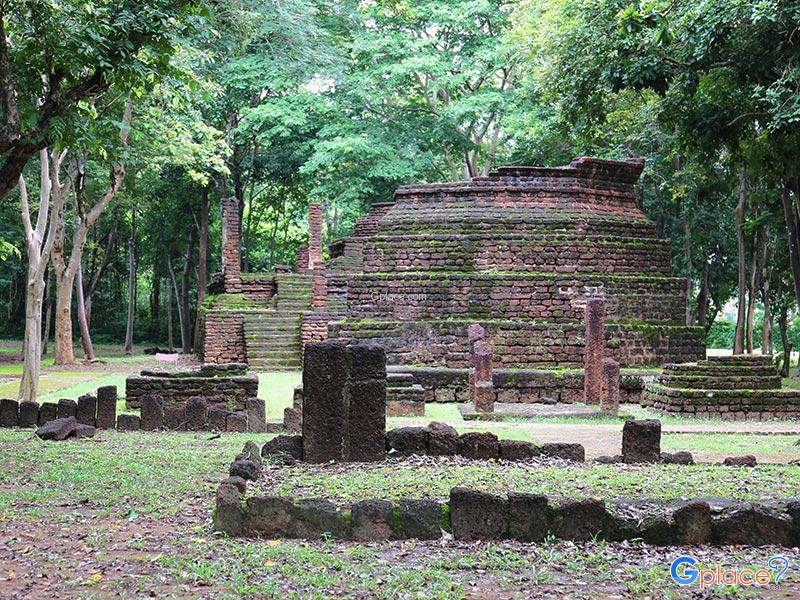
Octagonal main chedi: Located at the center, each side measuring 16 meters, exemplifying unique architectural design
-
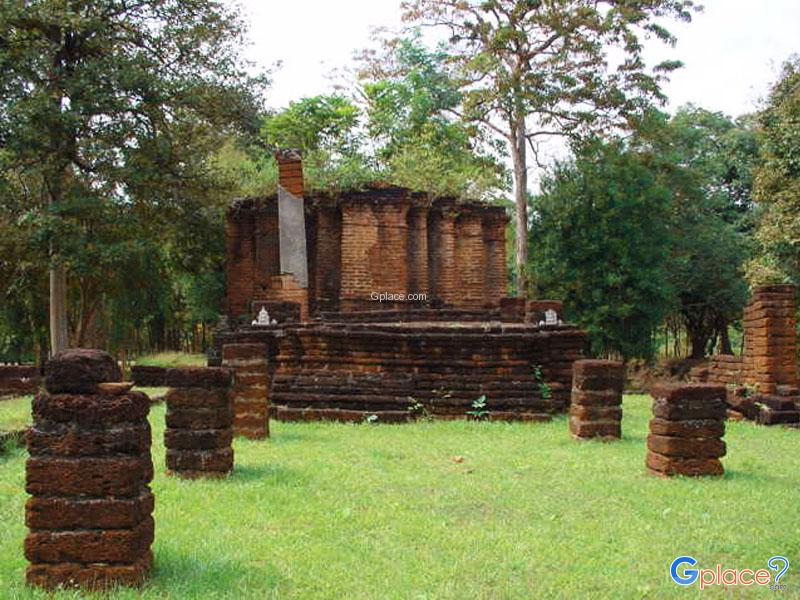
Main vihara: Positioned at the front with stairways on three sides, sitting on a large rectangular base
-
Vihara and smaller chedis: Includes 10 vihara bases and 9 chedi bases in total
-
Monk residences and pavilions: Located at the rear, demonstrating the orderly and complete temple layout
Legends and Beliefs
-
Bo Sam Saen: Located in front of the temple along the road, a rectangular laterite pond 9 m wide, 17 m long, and 7–8 m deep. Legends claim its water never runs dry and connects to the Ping River, though it is actually a rainwater-holding pond.
-
Laterite pond in front of the northern chedi: Large and distinctive
Visitors can learn about Bo Sam Saen and the unique architecture of the main chedi, enhancing the overall experience.
Wat Awat Yai is part of Kamphaeng Phet Historical Park, a UNESCO World Heritage Site together with Sukhothai Historical Park, under the designation “Historic Town of Sukhothai and Associated Historic Town.”
Visiting the temple allows tourists to experience:
-
Sukhothai–early Ayutthaya art and architecture
-
Large-scale forest-monastic ancient sites
-
Local legends and cultural stories
How to Get There
By car:
- From Kamphaeng Phet city, take Highway 101 (Kamphaeng Phet–Sukhothai) toward Phran Kratai District. About 3 km north of Lamphun Gate, you will see the temple entrance sign.
By public transport:
- Take a local minibus or van to Phran Kratai District, then hire a local vehicle to reach the temple.
Travel Tips
-
Part of the park: Wat Awat Yai is near other Aranyik zone sites, such as Wat Chang Rob and Wat Phra Si Iriyabot. Plan to visit multiple sites together.
-
Transportation: Walking distances are long; consider renting a bicycle or using a private car for convenience.
-
Best time to visit: Early morning or late afternoon to avoid heat and enjoy the site fully.
-
Facilities: Parking, public restrooms, and resting areas are available near the entrance.
-
Additional tips: Wear comfortable shoes, bring a hat or umbrella, and allow 30–60 minutes to explore the temple thoroughly.
Admission Fee:
- Thai nationals: 20 THB
- Foreign visitors: 100 THB
Opening Hours:
- Open: Daily
- Hours: 08:30 – 16:30
Wat Awat Yai

 Share
Share
 T. Nong Pling, A .Mueang Kamphaeng Phet, Kamphaeng Phet 62000
Map
T. Nong Pling, A .Mueang Kamphaeng Phet, Kamphaeng Phet 62000
Map
 Closed today
Mon8.30 - 16.30
Tue8.30 - 16.30
Wed8.30 - 16.30
Thu8.30 - 16.30
Fri8.30 - 16.30
Sat8.30 - 16.30
Sun8.30 - 16.30

 https://www.thai-tour.com/thai-tour/north/kampaengpetch/data/place/arwatyai-temple.html

 3630
3630