 Attractions
  Hotel
Hotel  Restaurant
  Shopping
  Abroad





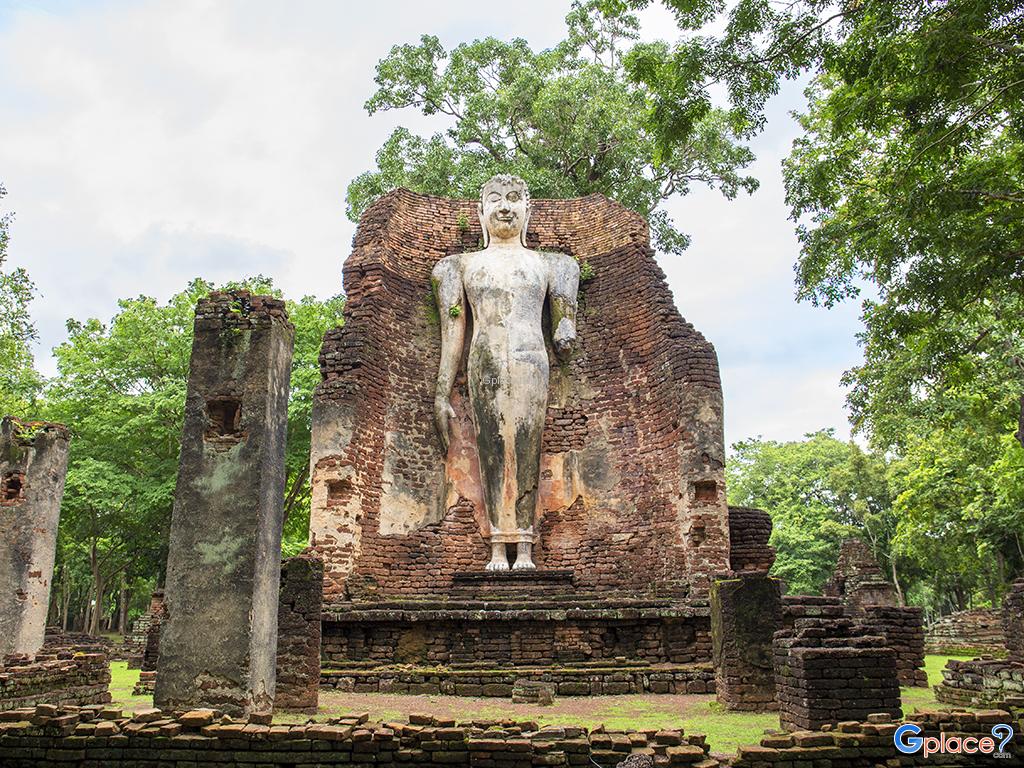

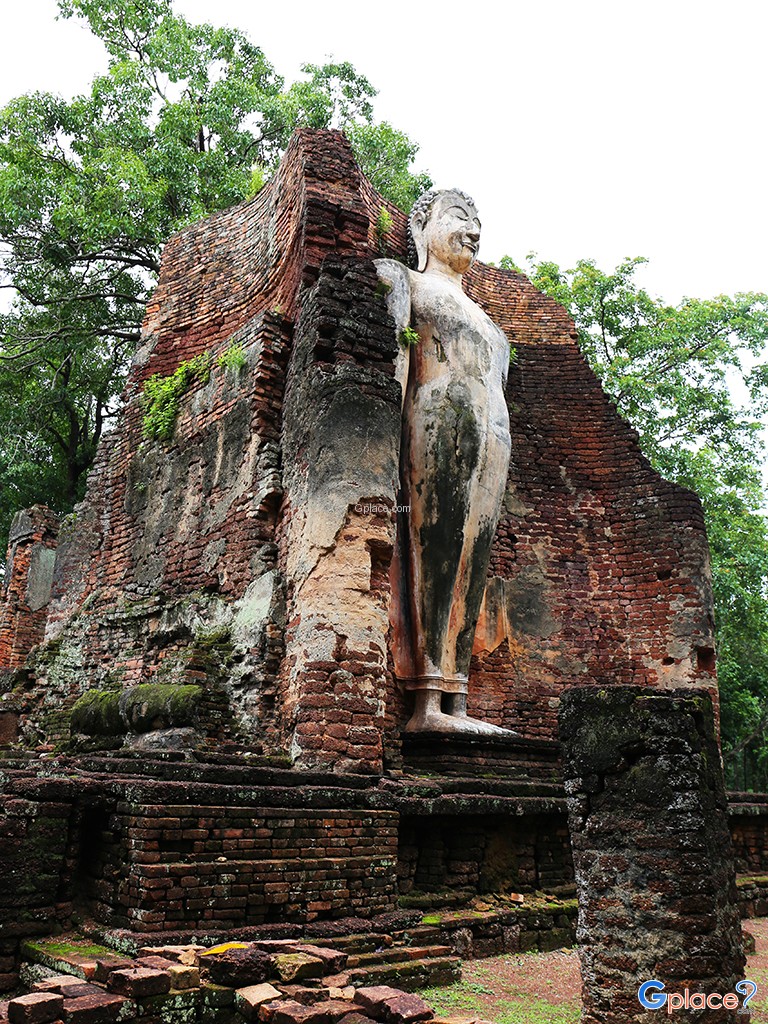
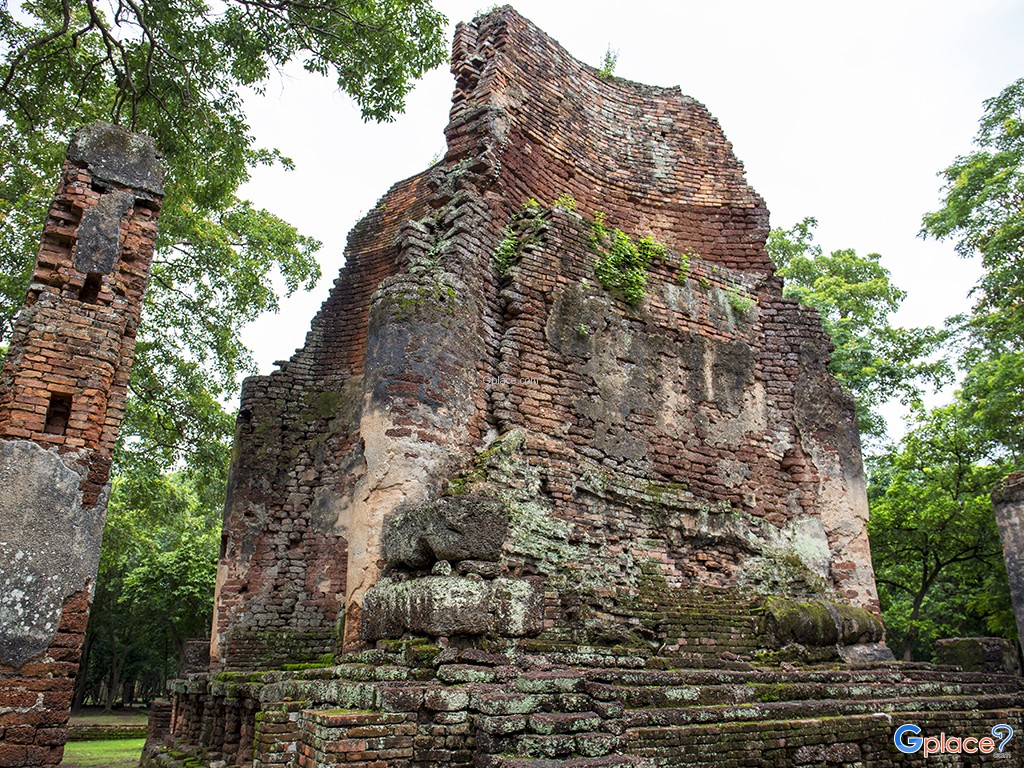
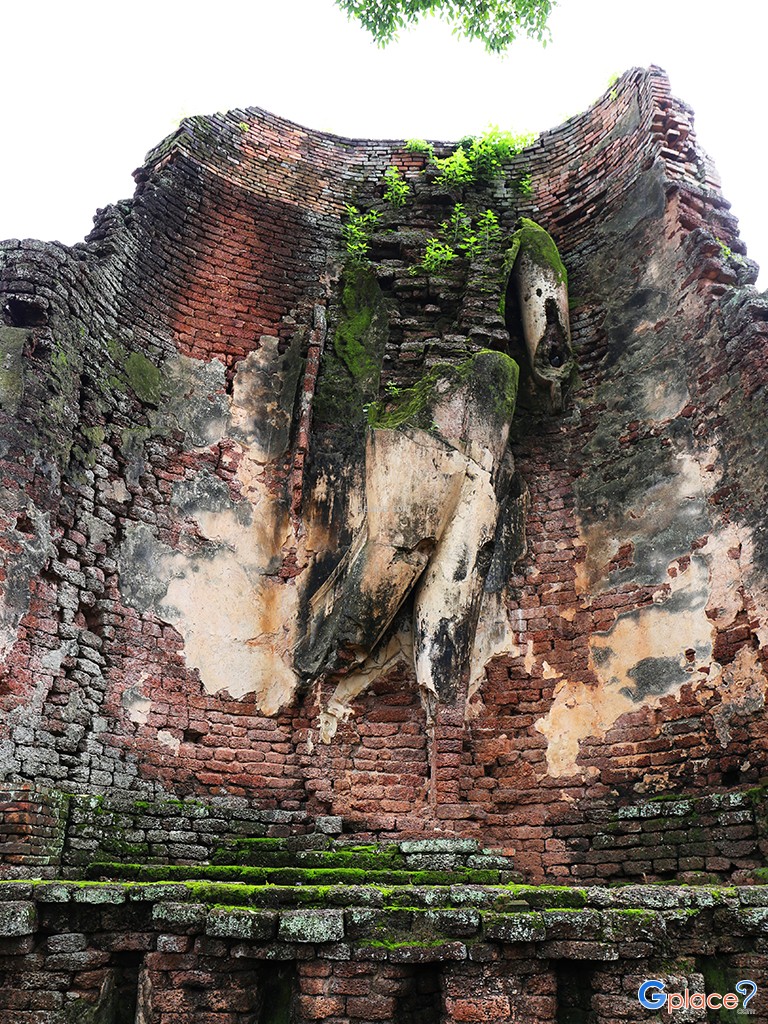
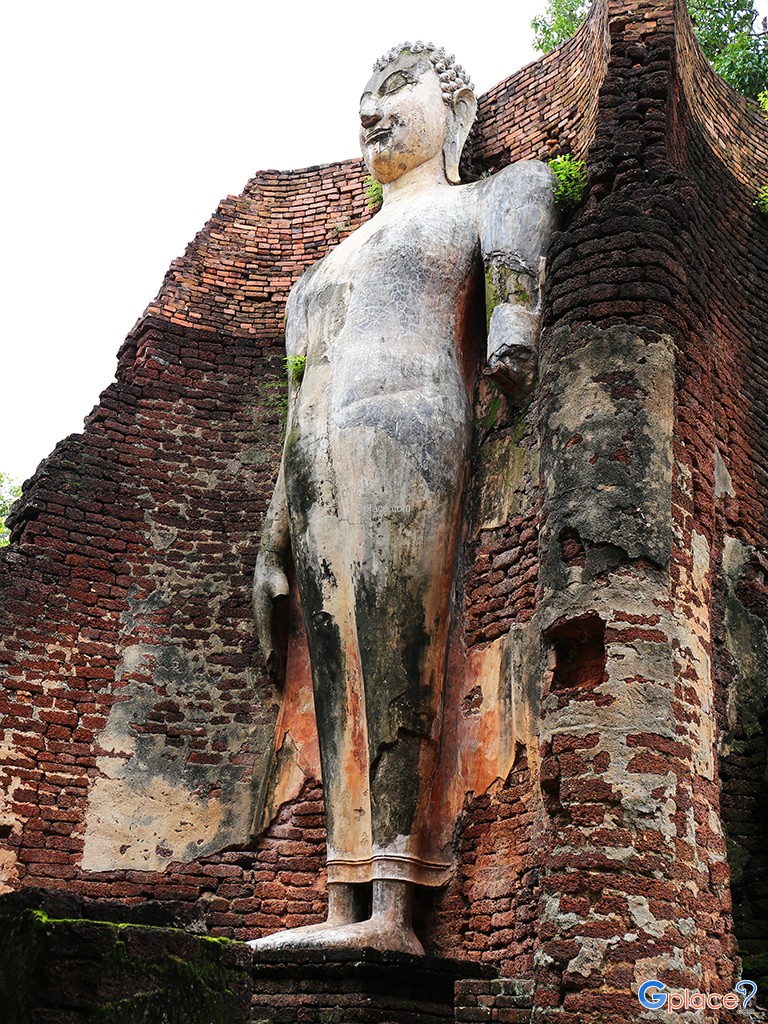
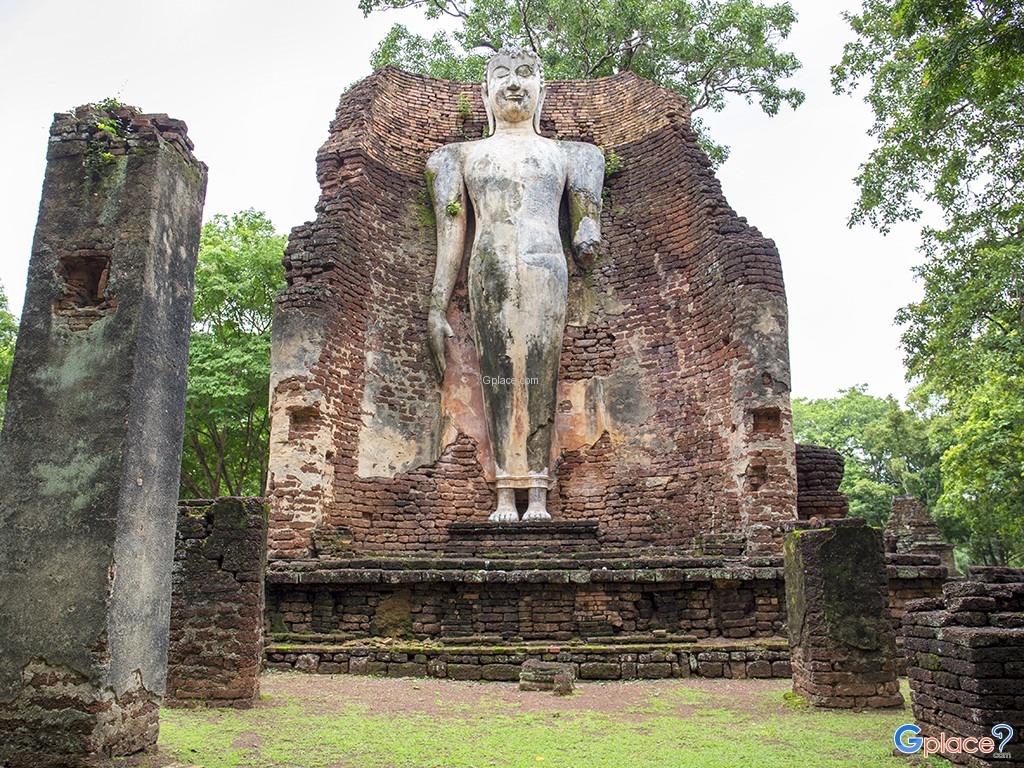
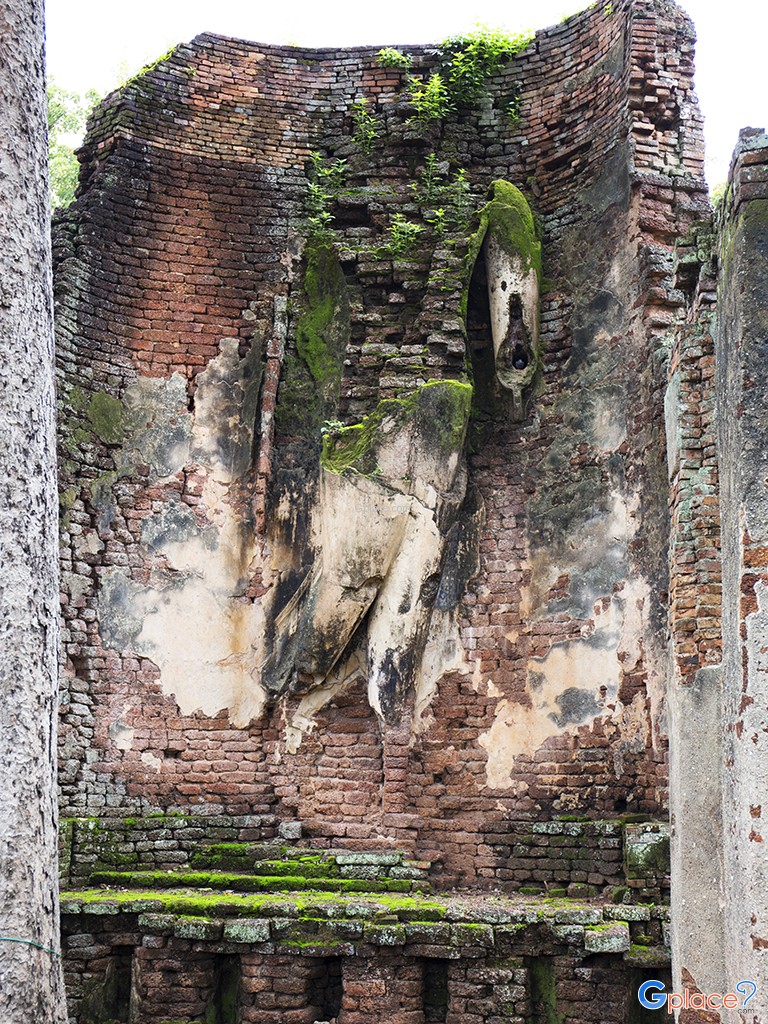
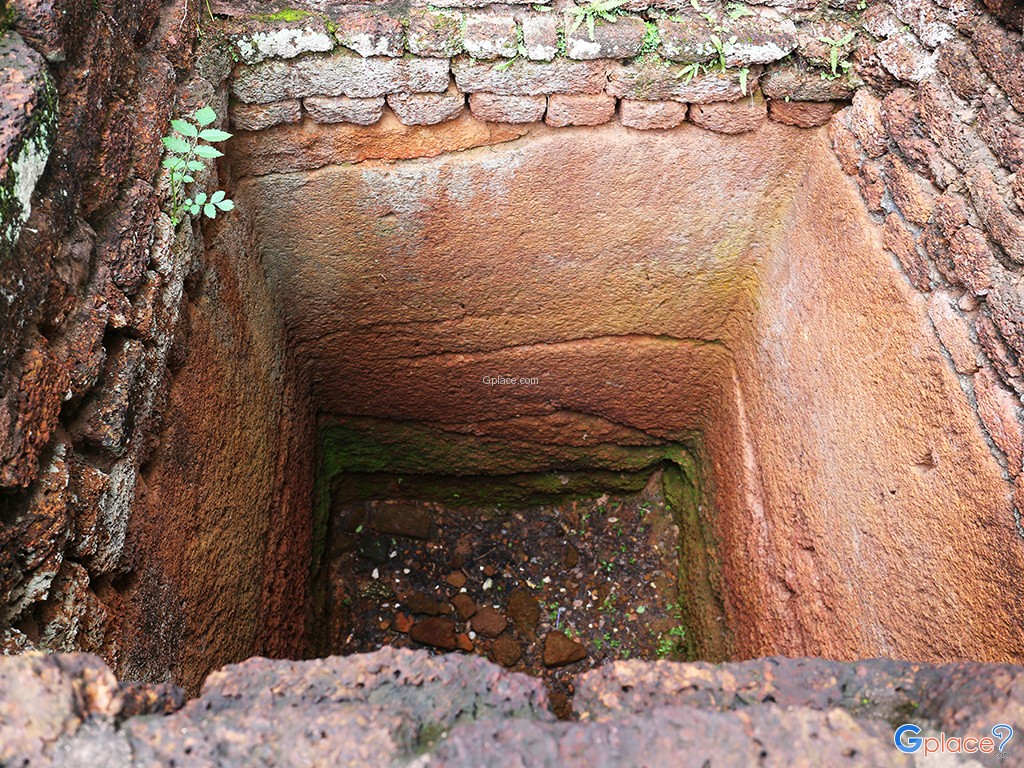
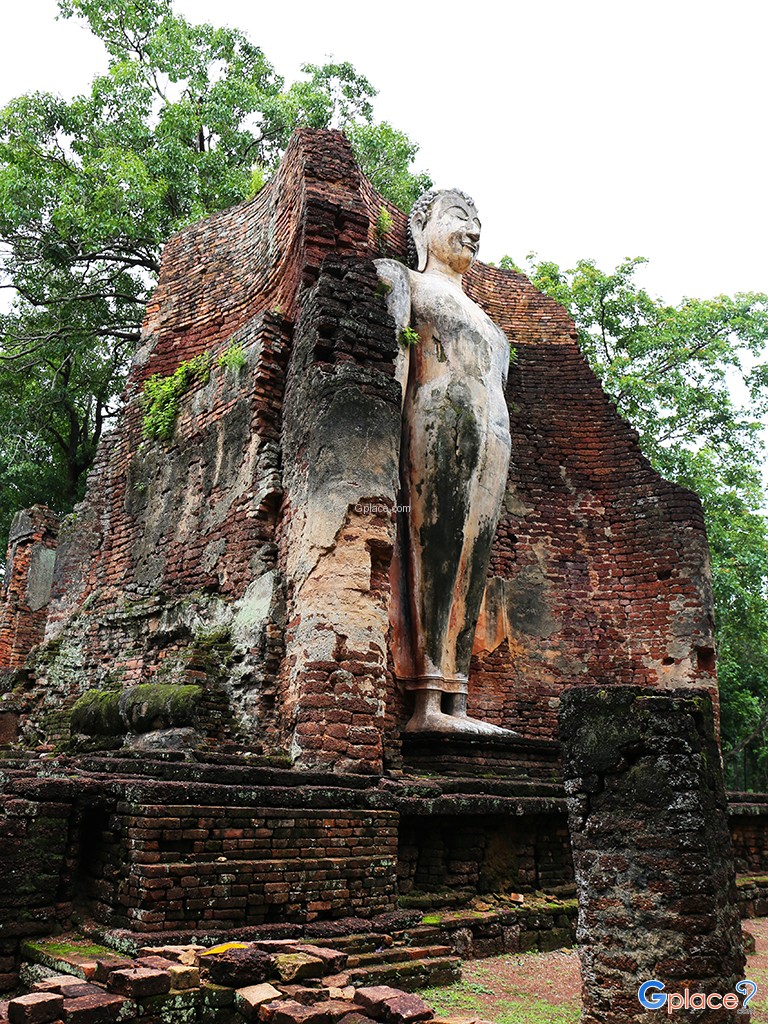

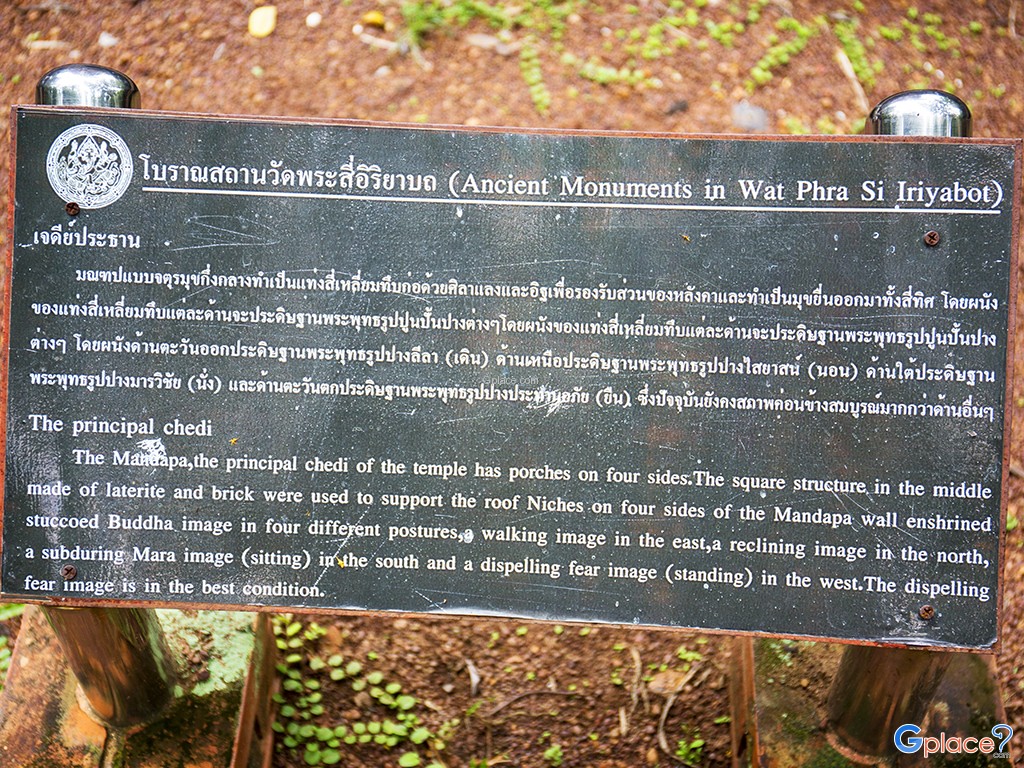
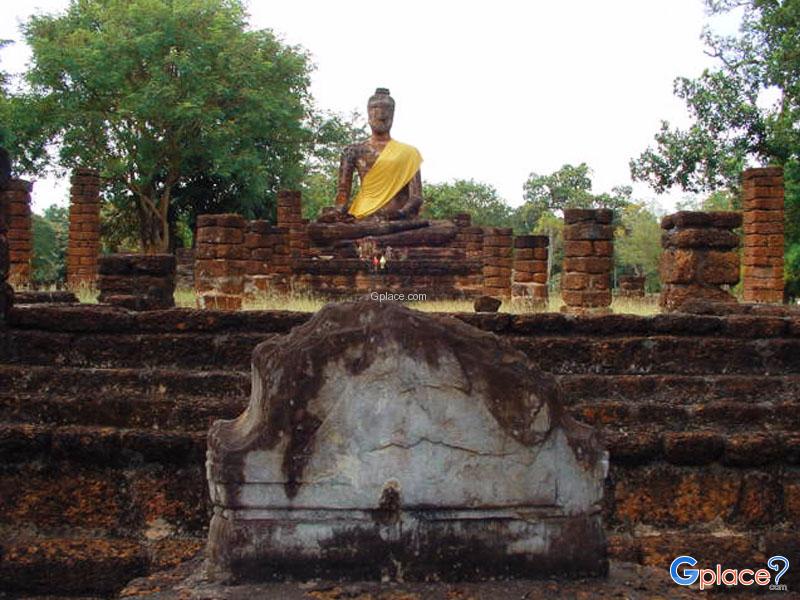
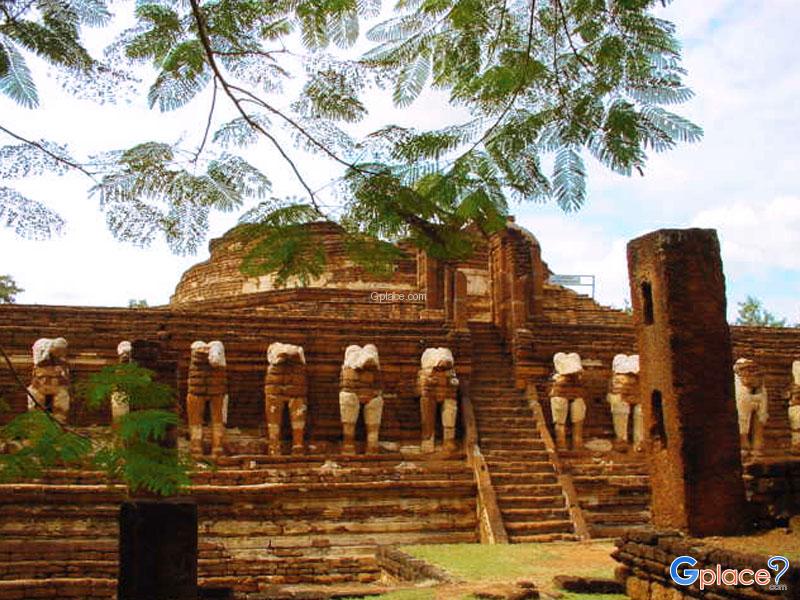
“Four Buddha Postures Mandapa, a large cruciform structure with four Buddha images (standing, sitting, walking, reclining), especially the standing Buddha, which once served as a massive principal statue, reflecting the grandeur of the late Sukhothai–Kamphaeng Phet period.”
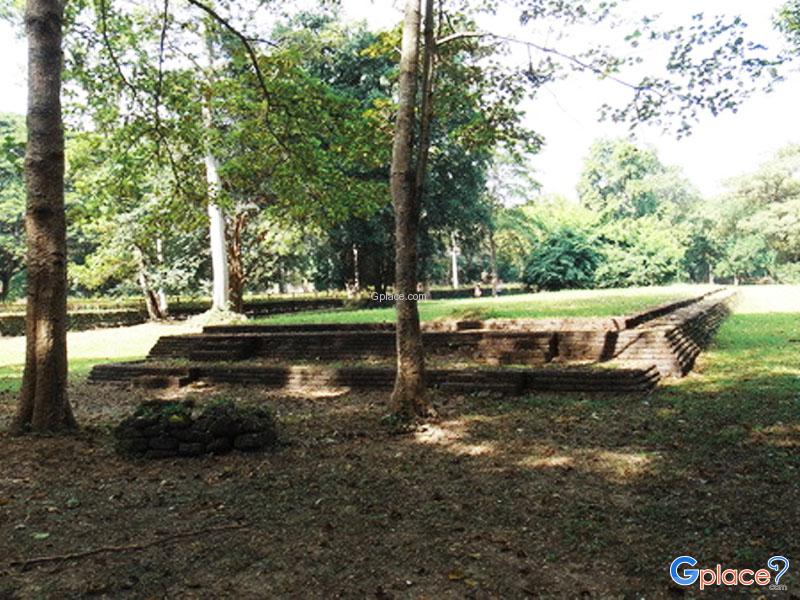
Phra Si Iriyabot Temple is located north of Wat Phra Non along the temple wall, directly connected to the Four Buddha Postures Mandapa, part of the Kamphaeng Phet Historical Park, a UNESCO World Heritage site together with Sukhothai Historical Park, under the name “Historic Town of Sukhothai and Associated Historic Towns.”
Architecture and Temple Layout
-
Built primarily with laterite during the 20th–22nd Buddhist centuries (late Sukhothai period)
-
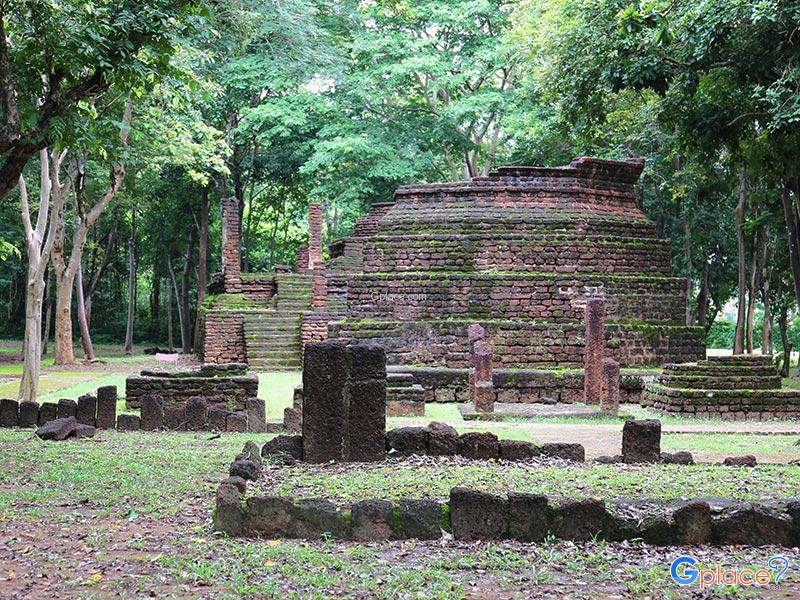
Layout includes the main hall at the front, followed by the Four Buddha Postures Mandapa, surrounded by stupas
-
Includes a water reservoir and bathing area in front of the temple
-
The temple walls are laterite posts, enclosing all four sides with a laterite-paved entrance
Hall and Base of the Main Shrine
-
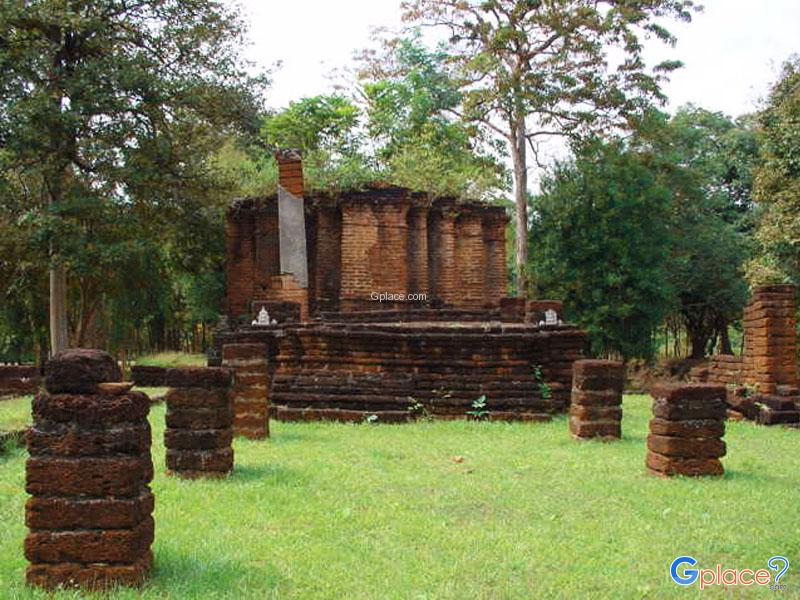
Open hall: 6 m wide × 11 m long, 4 rows of pillars × 5 bays
-
Access from the front hall leads to a large laterite base 2 m high
-
Surrounded by low balustrades and lintels
-
Staircases: 2 at the front, 2 at the sides, and 2 at the rear
-
Main shrine base: 17 m wide × 29 m long, projecting front and back
-
Shrine pillars: 4 rows × 5 bays, plus 2 rows front–back × 2 bays, totaling 7 bays
Four Buddha Postures Mandapa
-
Base with sockets for seated Buddha images
-
Rear stairs connect to the hall
-
Surrounded by a low enclosing wall with 2 side entrances
-
Rear of mandapa: 29 m wide, four-sided mandapa
-
Constructed with laterite and bricks, containing Buddha images in standing, sitting, walking, and reclining postures
Condition of Buddha Images
-
Standing: Intact, prominent, formerly the principal statue
-
Walking: Mostly damaged, only upper legs remain
-
Sitting: Mostly damaged, only the base remains
-
Reclining: Severely damaged, almost nothing remains
Construction Techniques and Materials
-
Use of laterite and bricks reflects late Sukhothai–Kamphaeng Phet construction techniques
-
Balustrades and lintels reinforce the structural stability of the hall and mandapa
Historical Significance
-
Demonstrates the grandeur of art and architecture of the period
-
Inspired by similar Four Buddha Postures temples in Sukhothai, e.g., Wat Chetuphon
-
The four postures reflect the completeness of Buddhist practice and the concept of creating large Buddha images
How to Get There
By Private Car:
-
From Kamphaeng Phet city, drive to Kamphaeng Phet Historical Park (Aranyik Zone)
-
Look for signs to Wat Phra Si Iriyabot / Wat Phra Yuen
-
Parking is available on-site
By Public Transport / Van:
-
Take a bus or van to Kamphaeng Phet city
-
Get off at Kamphaeng Phet Historical Park (Aranyik Zone)
-
Walk approximately 1 km north along the temple wall to reach Wat Phra Si Iriyabot
Travel Tips
-
Photograph the standing Buddha, which remains intact
-
Use a combined park ticket or buy a ticket for the Aranyik Zone only
-
Wear comfortable shoes for walking on laterite surfaces
-
Explore the surrounding stupas to study the art and architecture
-
Visit in the morning (08:30–11:30) or late afternoon (15:00–16:30) to avoid strong sun and for better photography
Admission Fee:
- Thai visitors: 20 THB
- Foreign visitors: 100 THB
(Ticket for Aranyik Zone of Kamphaeng Phet Historical Park)
Opening Hours:
- 08:30 – 16:30
Phra Si Iriyabot Temple

 Share
Share
 Nong Pling Subdistrict, Mueang Kamphaeng Phet District, Kamphaeng Phet
Map
Nong Pling Subdistrict, Mueang Kamphaeng Phet District, Kamphaeng Phet
Map
 Open now : 8.30 - 16.30
Mon8.30 - 16.30
Tue8.30 - 16.30
Wed8.30 - 16.30
Thu8.30 - 16.30
Fri8.30 - 16.30
Sat8.30 - 16.30
Sun8.30 - 16.30



 4745
4745