 Attractions
  Hotel
Hotel  Restaurant
  Shopping
  Abroad





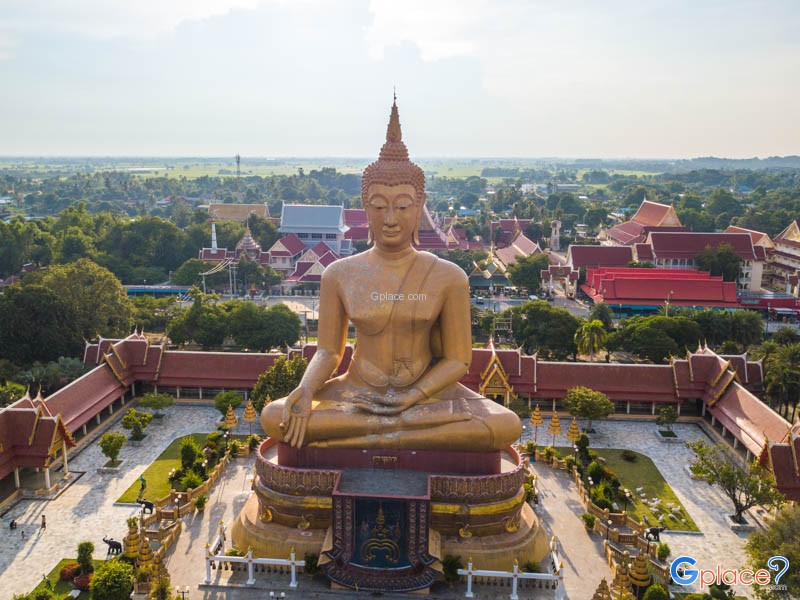

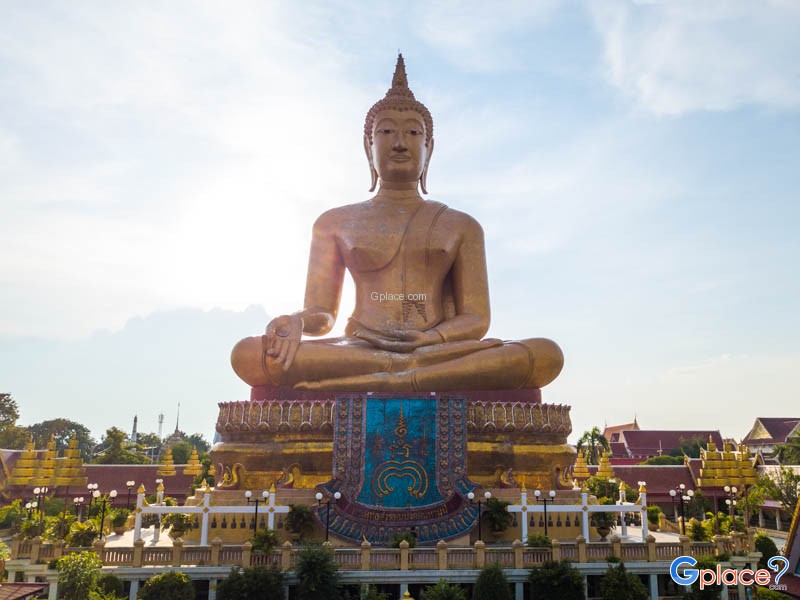

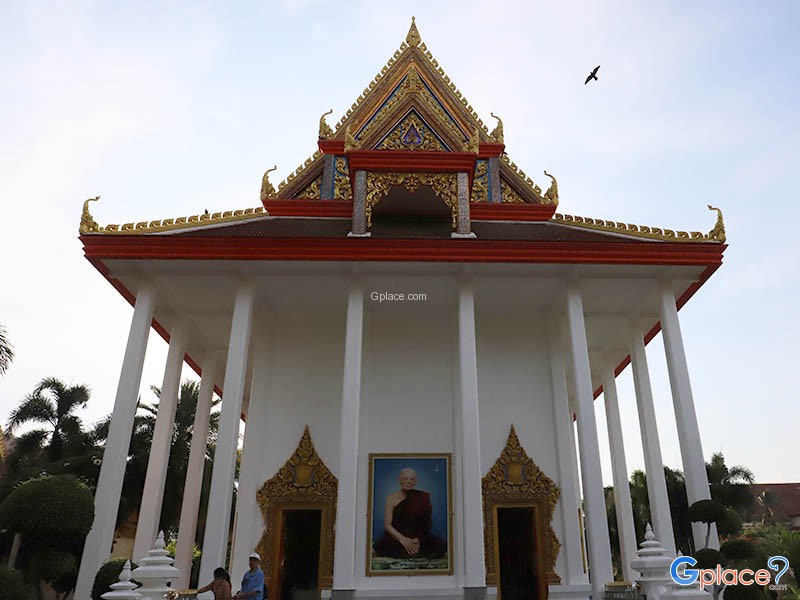
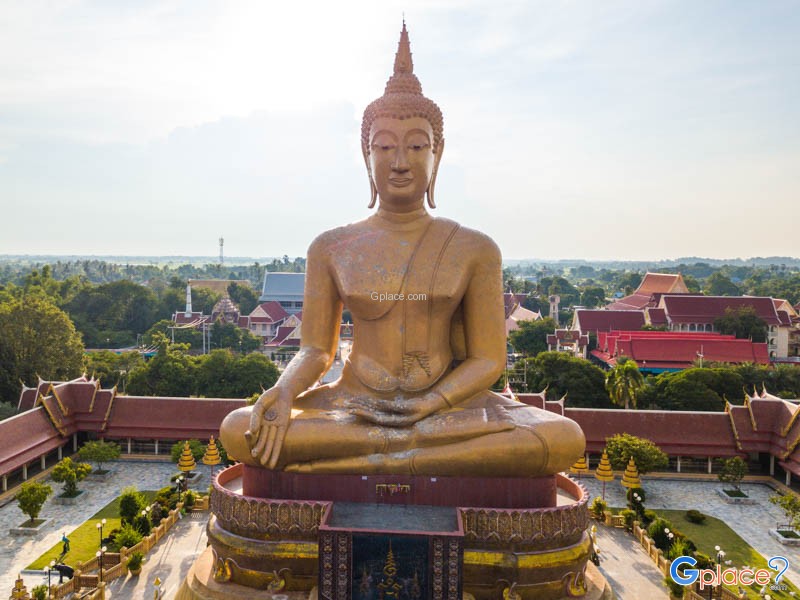

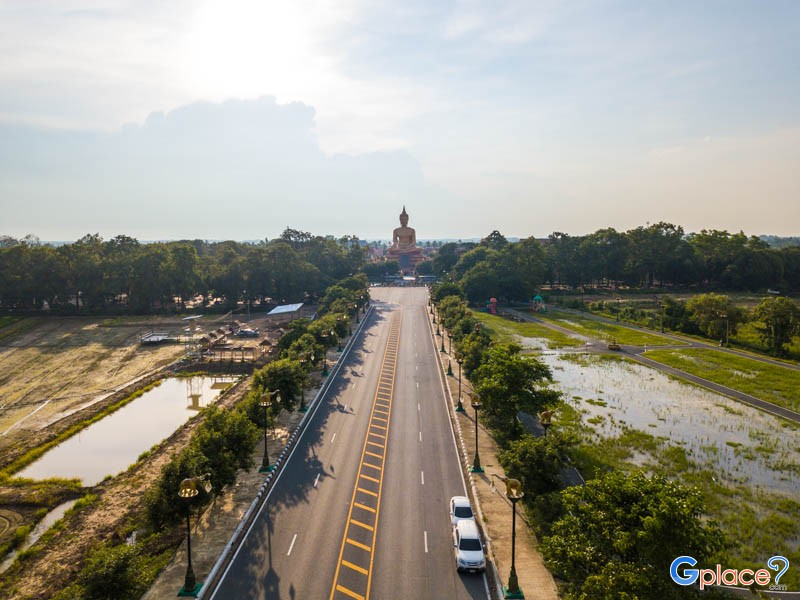
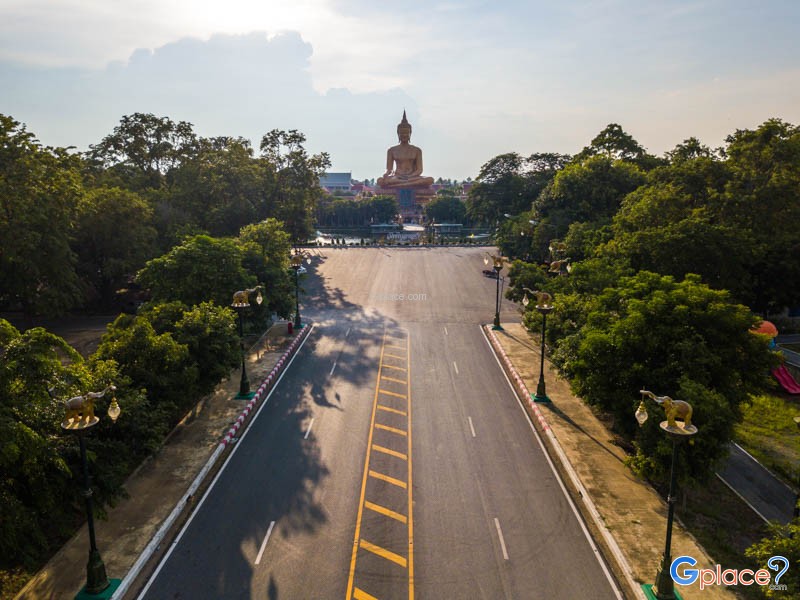
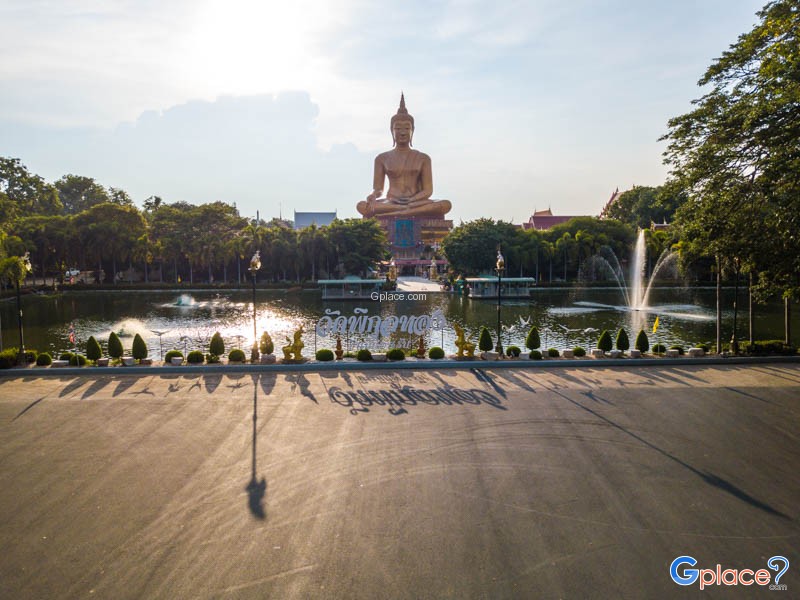
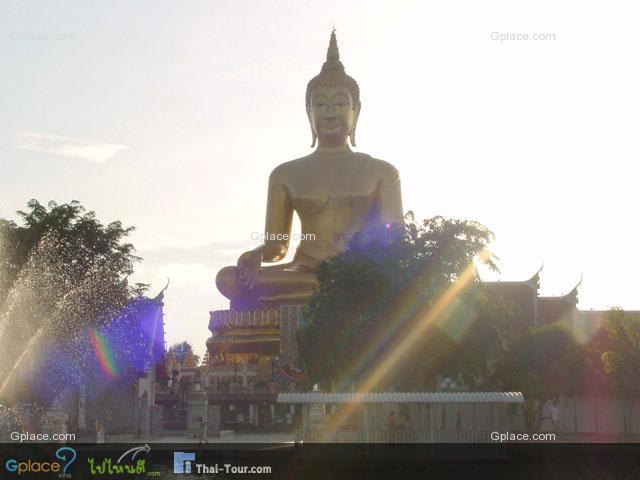
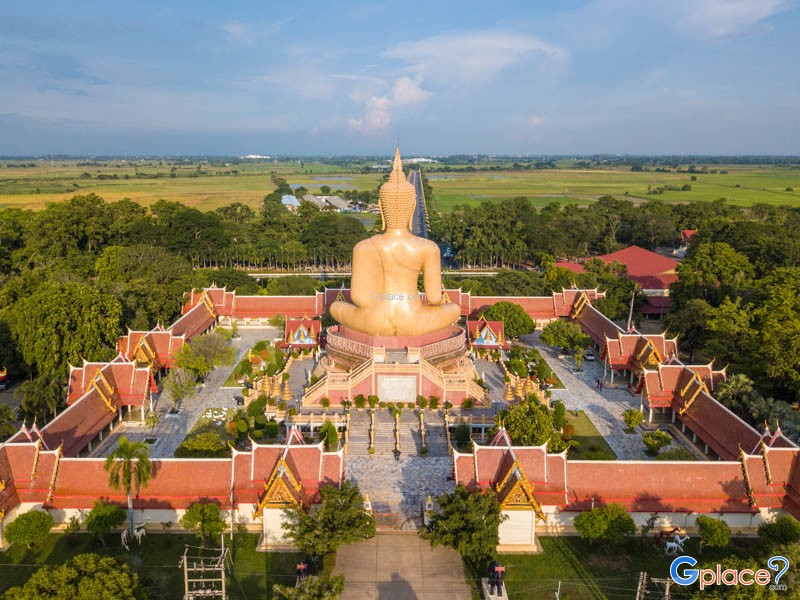
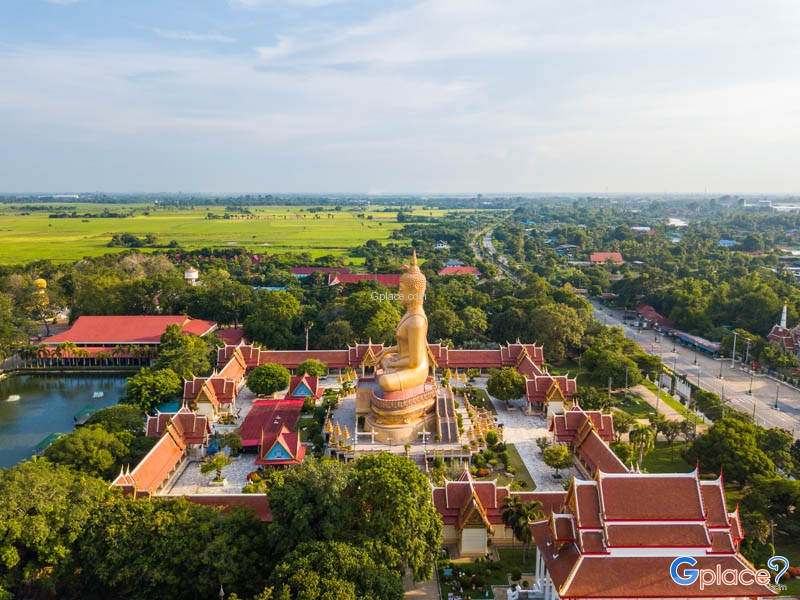
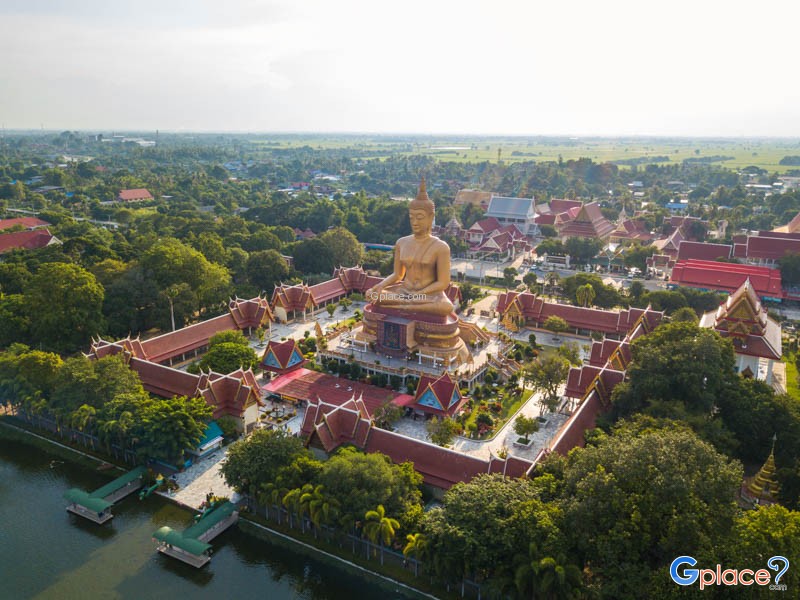
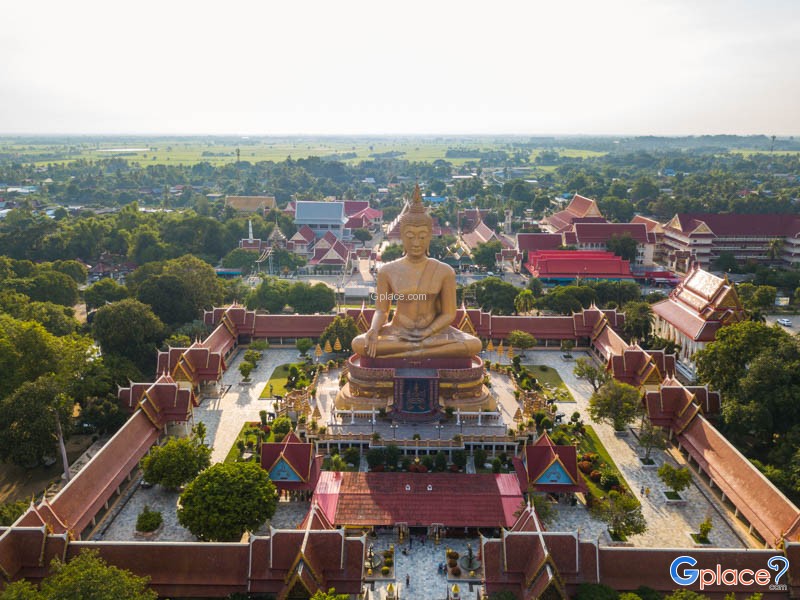
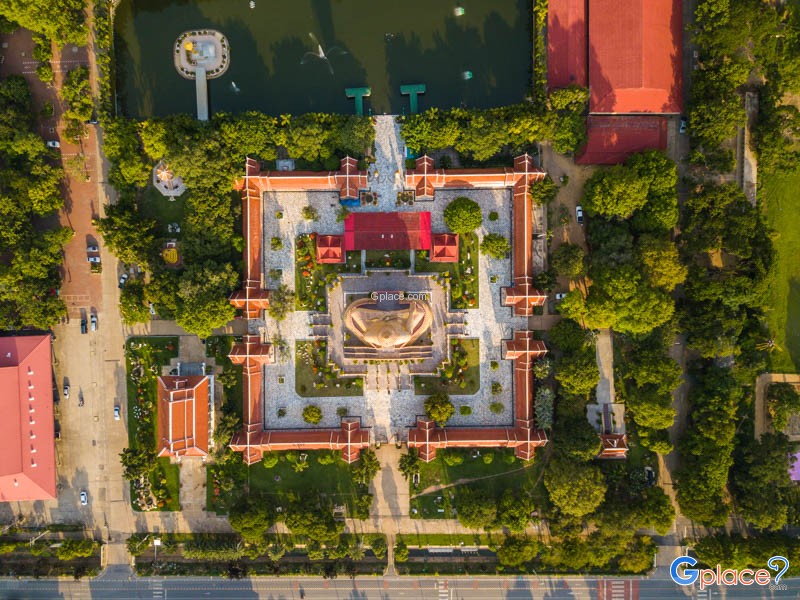
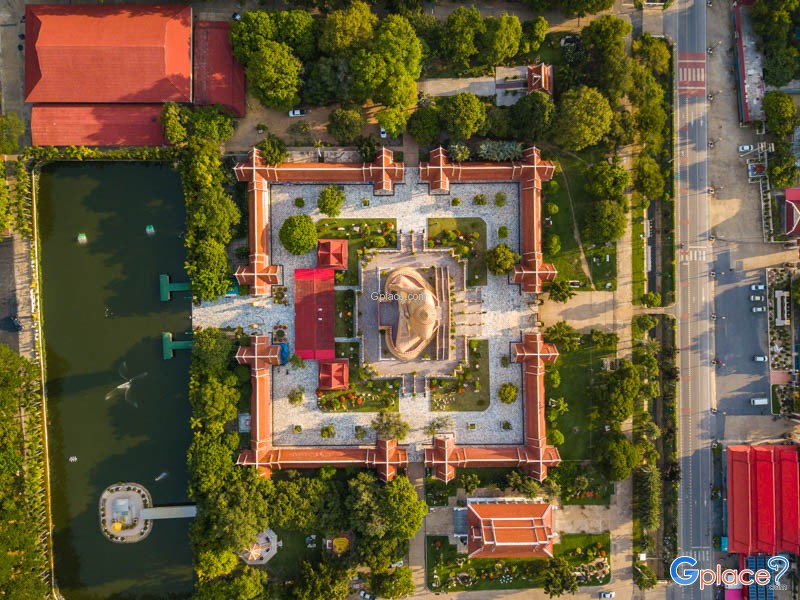
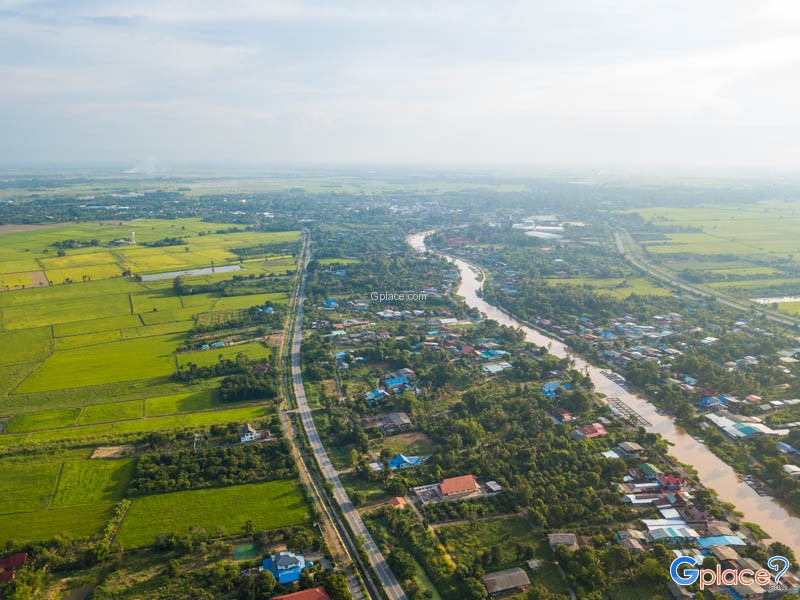
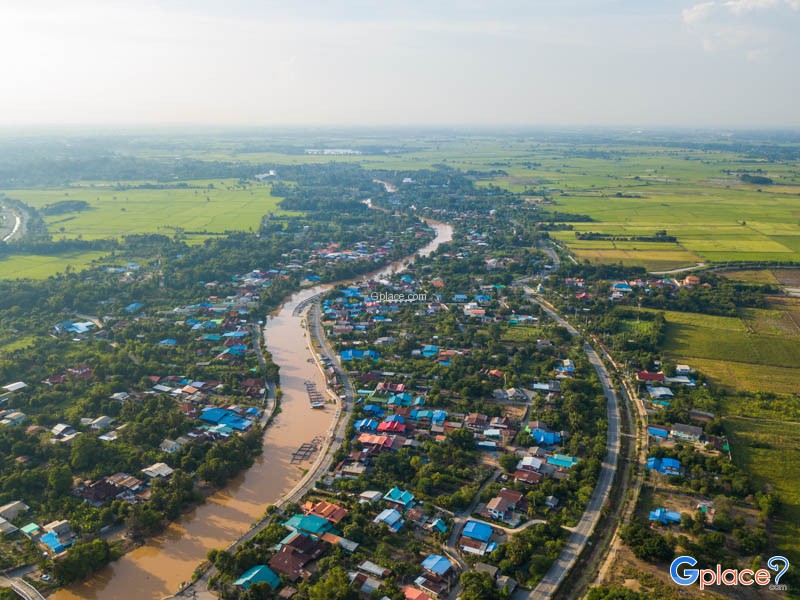
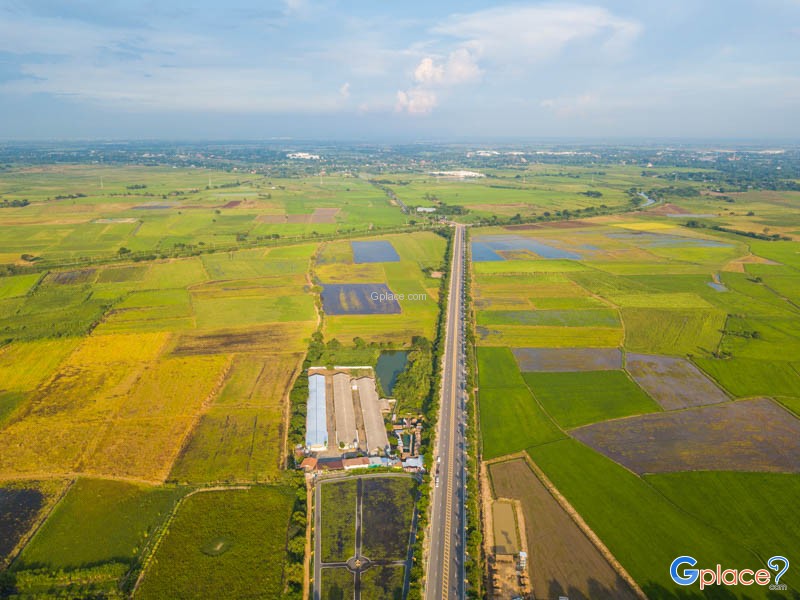
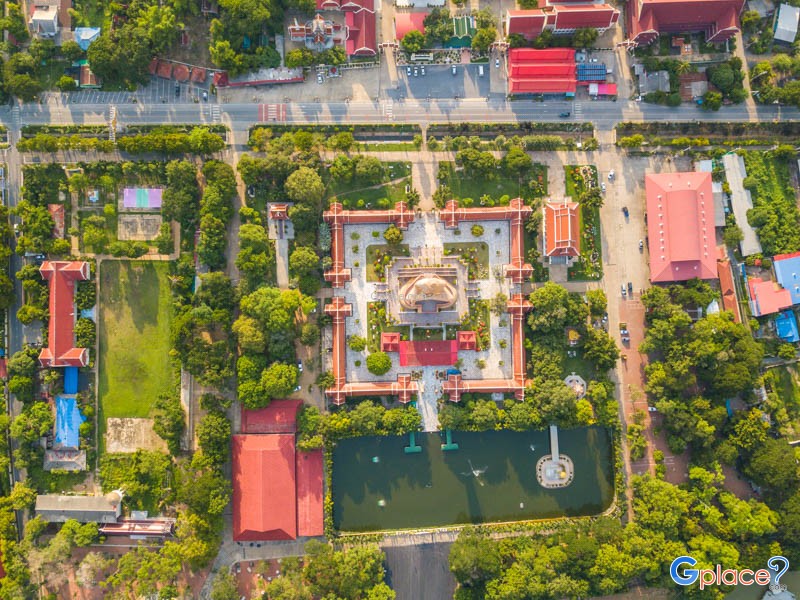
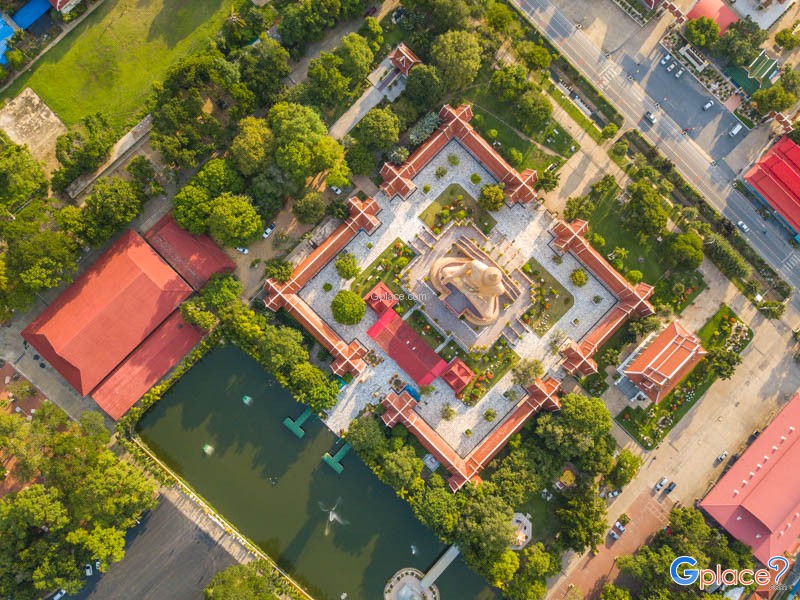
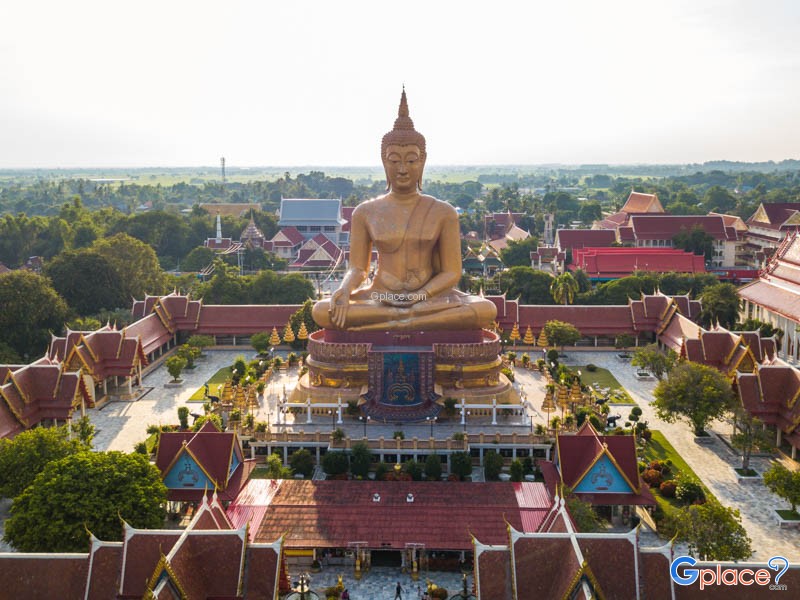

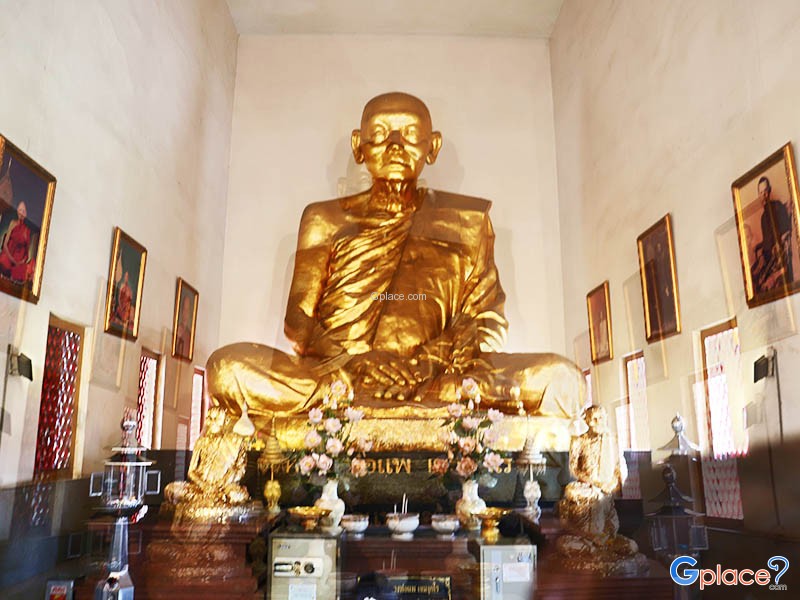
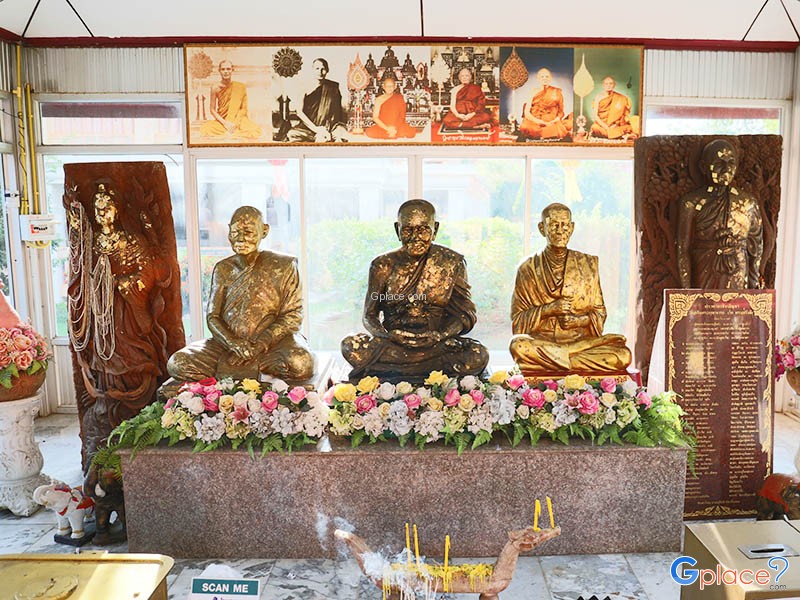
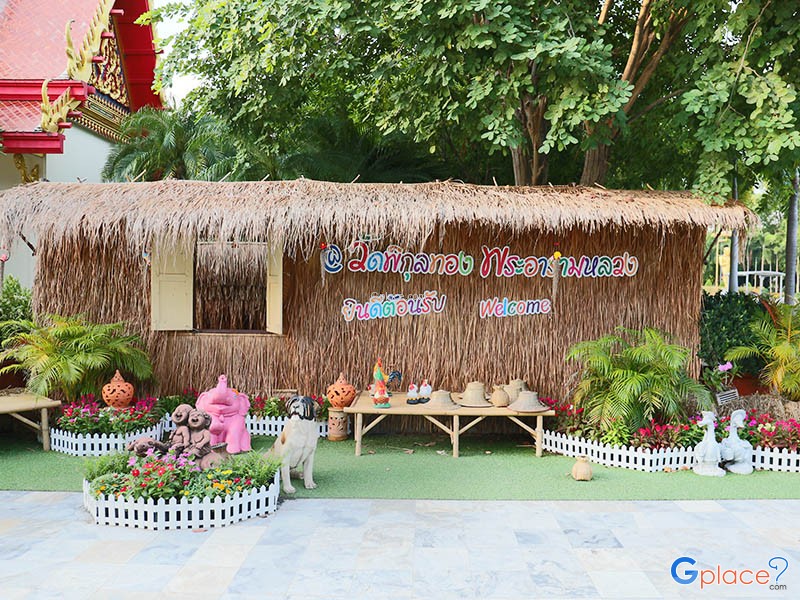
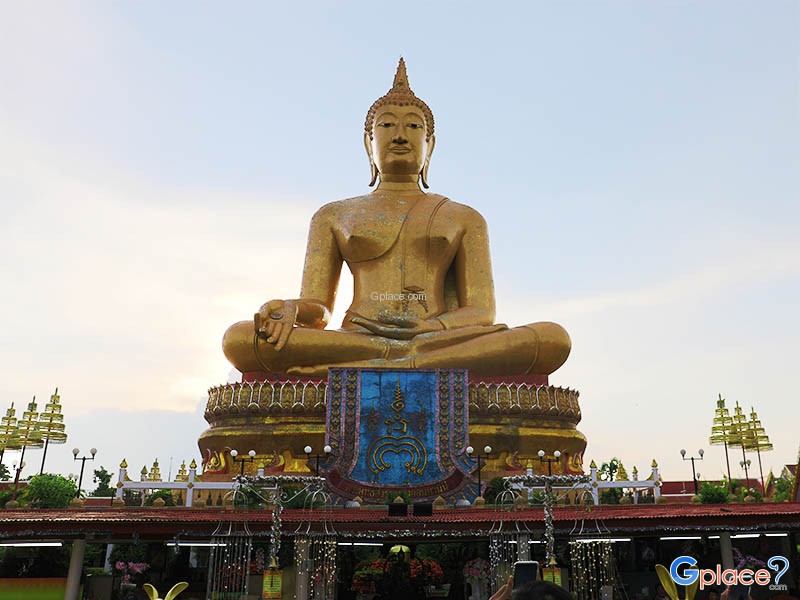
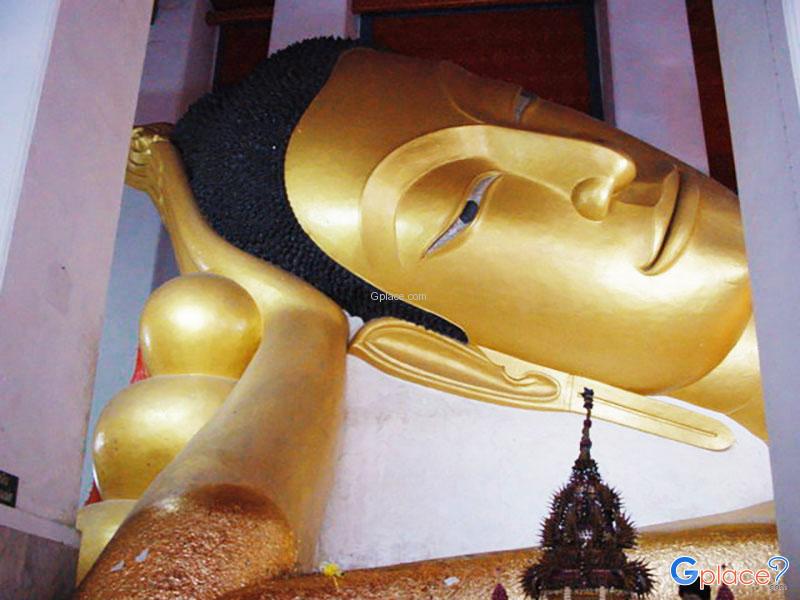
“Pay homage to Phra Phuttha Suwan Mongkhon Mahamuni, the tallest sitting Buddha statue in the blessing posture in Thailand, and respect the preserved body of Luang Pho Pae, the beloved former abbot.”
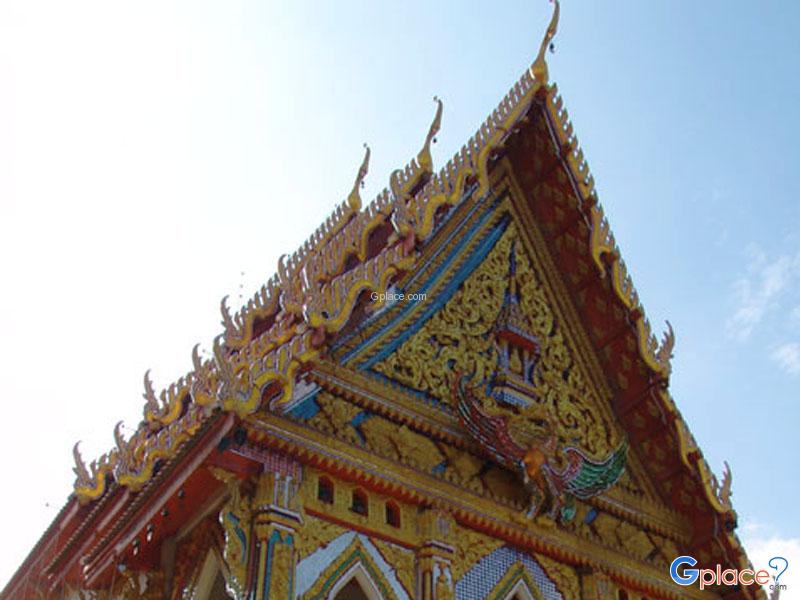
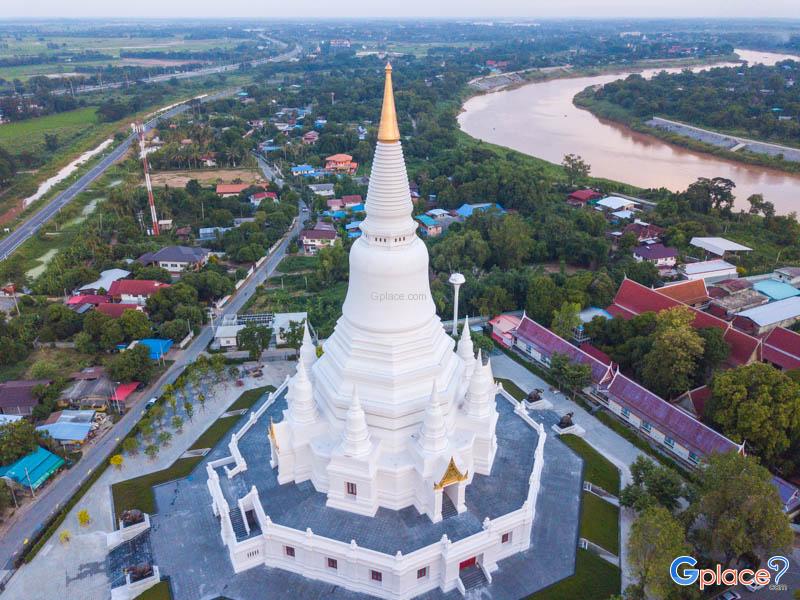
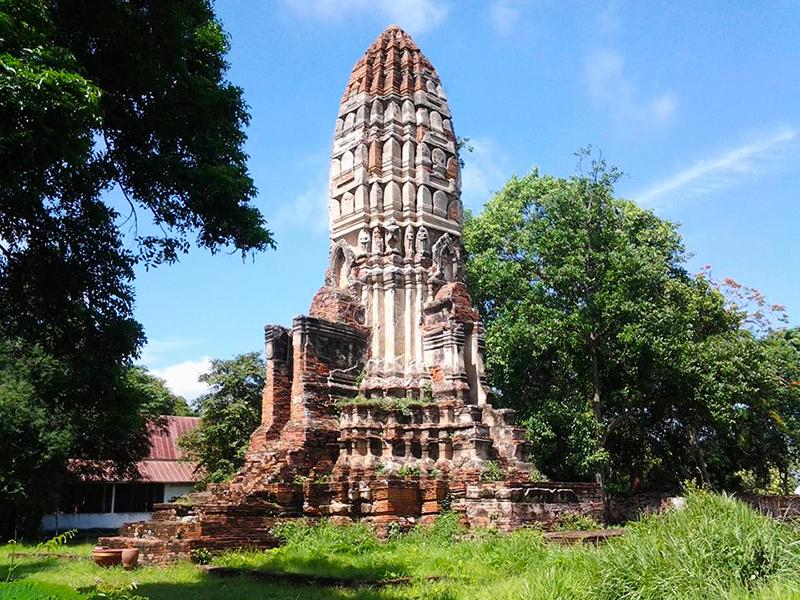
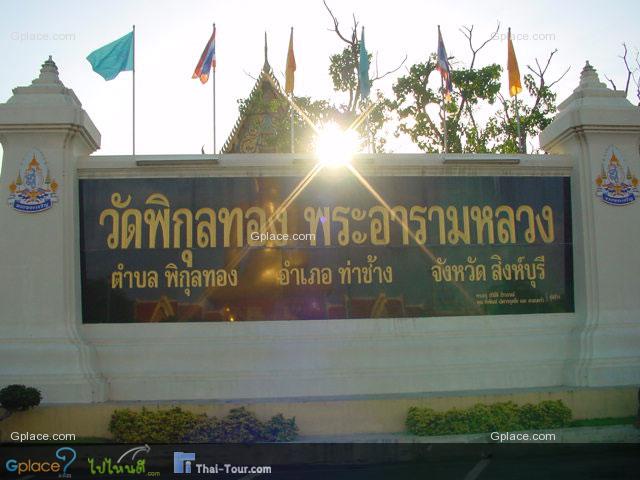
Phikun Thong Temple, commonly known as “Wat Luang Pho Phae,” is a third-class royal temple of the common type and one of the most renowned temples in Sing Buri Province. Located along the banks of the Noi River, the temple is surrounded by a tranquil and verdant atmosphere. More than just a peaceful place for religious practice, Phikun Thong Temple stands as a lasting monument to the compassion and contributions of Luang Pho Phae Kesaro, a highly revered monk who greatly advanced the well-being of the local community.
Luang Pho Phae was a monk devoted not only to spiritual practice but also to community development. He played a vital role in constructing and restoring temples, schools, and public facilities, transforming Phikun Thong Temple into a major spiritual center for people in Sing Buri and nearby provinces. His reputation for kindness, moral integrity, and sacred amulets continues to inspire deep faith among devotees today.
The most distinctive landmark of the temple, visible from afar, is Phra Phuttha Suwan Mongkhon Mahamuni, a colossal Buddha image in the gesture of bestowing blessings. The statue is adorned with 22-karat gold mosaic and rises to over 40 meters in height_, standing majestically in the open air. This magnificent image symbolizes the profound devotion of Buddhists and has become an iconic symbol of Wat Phikun Thong.
Within the temple grounds stands the Viharn of Luang Pho Phae, where a lifelike statue and the preserved body of the revered monk are enshrined in a glass coffin. Visitors and devotees come here to pay respects, seek blessings, and reflect upon his virtuous life. The surrounding displays provide detailed accounts of his life and achievements, offering deeper insight into his enduring legacy.
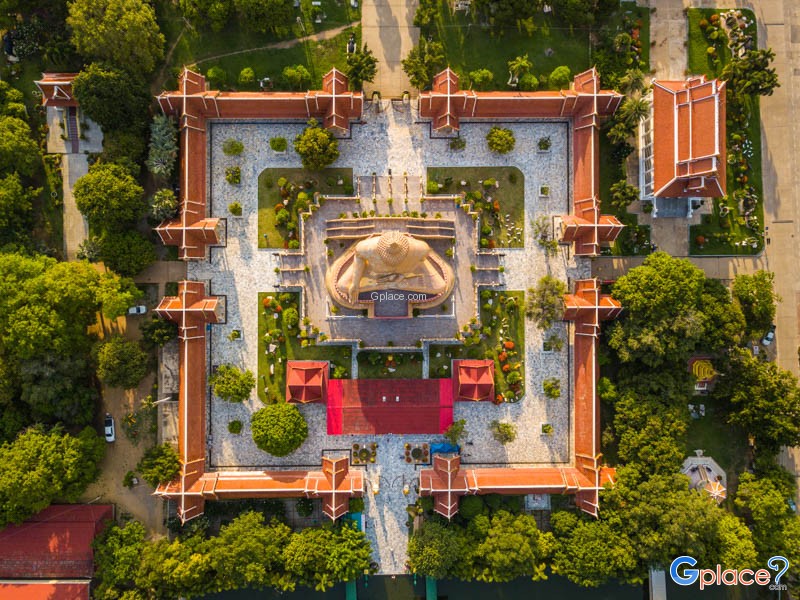
The overall atmosphere of the temple is spacious, clean, and serene, with well-organized areas including the sacred precinct, activity zones, and riverside relaxation spaces. Visitors can feel a sense of peace, faith, and compassion permeating the entire area, making it an ideal place for merit-making, offering alms, meditation, or leisurely walks while appreciating refined Buddhist art.
For tourists and photographers, Phikun Thong Temple offers stunning perspectives of the golden Buddha set against a vast sky, especially during the morning and late afternoon when sunlight reflects off the golden mosaic, creating a dazzling glow. The temple also features a Dhamma garden, large ponds, and shaded walkways that provide a relaxing environment for leisure and photography.
Phikun Thong Temple beautifully blends Buddhist art, spiritual devotion, and inner tranquility. Visitors are warmly invited to absorb the sacred blessings of Luang Pho Phae and witness the grandeur of Phra Phuttha Suwan Mongkhon Mahamuni at this distinguished royal temple.
How to Get There
Private Car:
- From Sing Buri city center, take Highway 3032 (Sing Buri-Suphan Buri road) towards Tha Chang District for about 16 km. Clear signs are posted along the way.
Public Transport:
- Take a van or bus from Sing Buri to Tha Chang and get off right in front of Phikun Thong Temple.
Travel Tips
Best Time to Visit:
- It is recommended to visit during the morning or evening as the giant Buddha is located outdoors and it can get quite hot during midday.
Preparation:
- Wear breathable clothing and bring an umbrella or hat for walking around the large outdoor statue area.
Recommended Activity:
- Do not miss the chance to see the famous Luang Pho Pae amulets, renowned for their blessings, and enjoy feeding the fish at the Noi River in front of the temple.
Planning:
- The temple is located near other attractions in Tha Chang District, allowing for an easy combined trip with Sing Buri city landmarks.
Admission Fee
-
Local Visitors: Adult Free, Child Free
-
Foreign Visitors: Adult Free, Child Free
Opening Hours
-
Open daily from 07:00 – 17:00.
-
(The Vihara and museum may close slightly earlier than the temple grounds.)
Phikun Thong Temple

 Share
Share
 Phikun Thong Temple, Phikun Thong, Tha Chang, Sing Buri, Thailand
Map
Phikun Thong Temple, Phikun Thong, Tha Chang, Sing Buri, Thailand
Map
 Closed today
Mon7.00 - 17.00
Tue7.00 - 17.00
Wed7.00 - 17.00
Thu7.00 - 17.00
Fri7.00 - 17.00
Sat7.00 - 17.00
Sun7.00 - 17.00



 5976
5976