 Attractions
  Hotel
Hotel  Restaurant
  Shopping
  Abroad





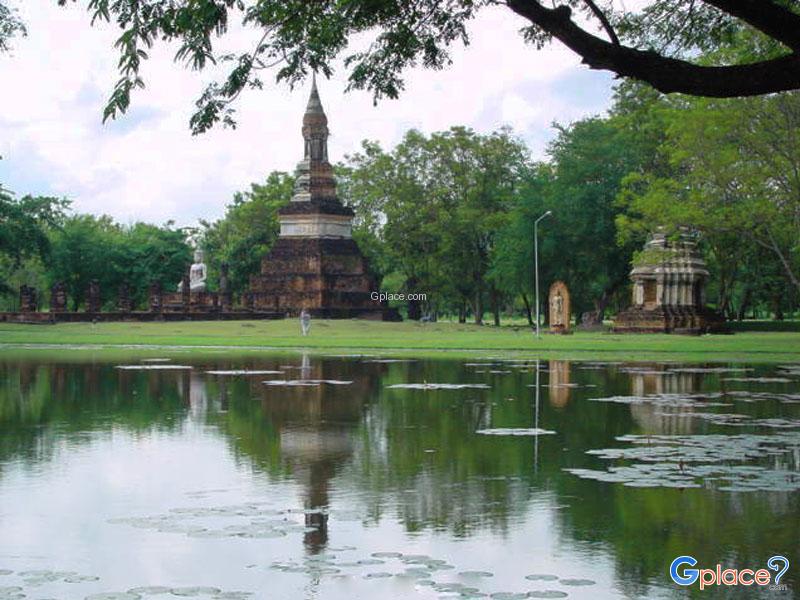

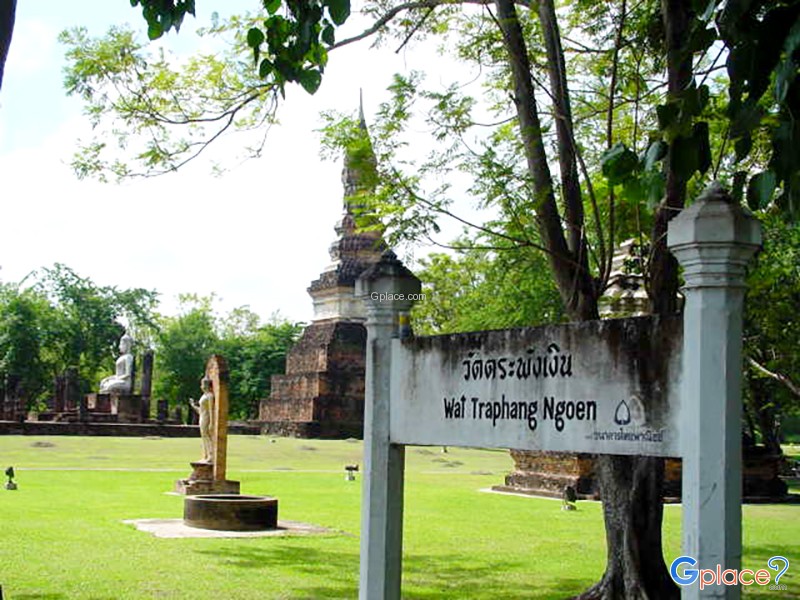
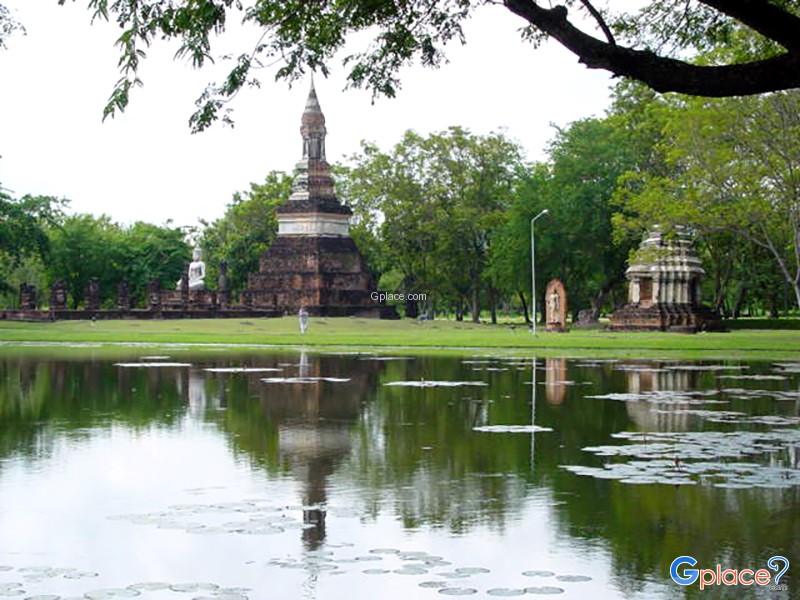
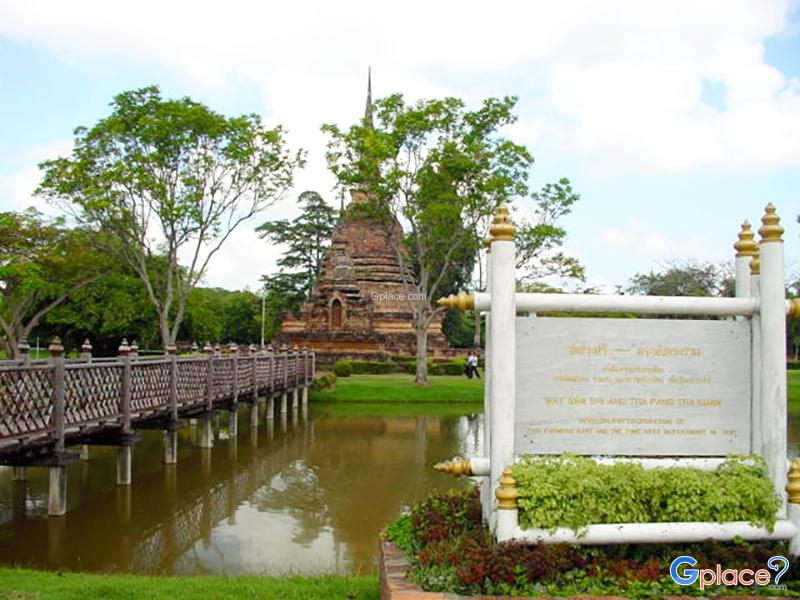
“Visit one of the most complete Lotus Bud Pagodas standing majestically in the middle of the Traphang Ngoen (Silver Lake) pond. Witness the stunning reflection of the pagoda on the water during the beautiful evening light.”
Traphang Ngoen Temple is an important historical site located in the heart of the Sukhothai Historical Park. The word Traphang is an ancient term meaning pond or reservoir. Therefore, the name of this temple translates to The Temple of the Silver Lake, as it is situated next to a large, clear pond. Building temples near or in the middle of water is a prominent feature of Sukhothai city planning. This design was intended to use water to create a sense of peace and coolness for the sacred site. It also acted as a natural boundary to separate the sacred area from the secular world.
The main highlight of the Traphang Ngoen Temple is the Lotus Bud Pagoda which represents authentic and original Sukhothai art. This pagoda has a beautiful symmetrical shape and height_. The top of the pagoda resembles a budding lotus flower, symbolizing the purity of Buddhism. Surrounding the main pagoda are four smaller pagodas. This design demonstrates the engineering expertise and artistic skills of ancient craftsmen who focused on creating structures that were both delicate and strong.
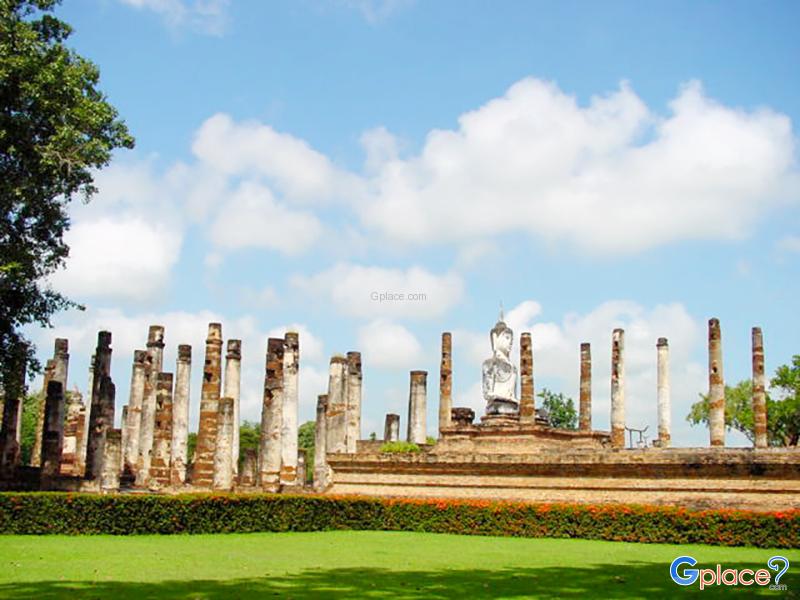
In front of the main pagoda lies the Vihara (Prayer Hall), of which only the base and laterite pillars remain. This hall once enshrined a stucco Buddha image in the "Subduing Mara" posture, facing east to receive the first light of the day. Additionally, there is an Ubosot (Ordination Hall) located on a small island to the east of this temple. Placing the hall in the middle of the water follows the concept of "Udaka Sima," using water as a sacred boundary for religious ceremonies. This is a rare example of ancient beliefs that can still be seen today.
In terms of history, there is no clear evidence in stone inscriptions regarding the exact date this temple was built. However, based on the architectural style and the Buddha images found, historians believe it was constructed during the middle Sukhothai period (around the 19th Buddhist Century) when the kingdom was at its peak. This temple was part of an important group of temples surrounding the Mahathat Temple, the center of the capital city. The choice of location to allow for reflections in the water shows the artistic sensitivity of the Sukhothai people in blending religion with nature.
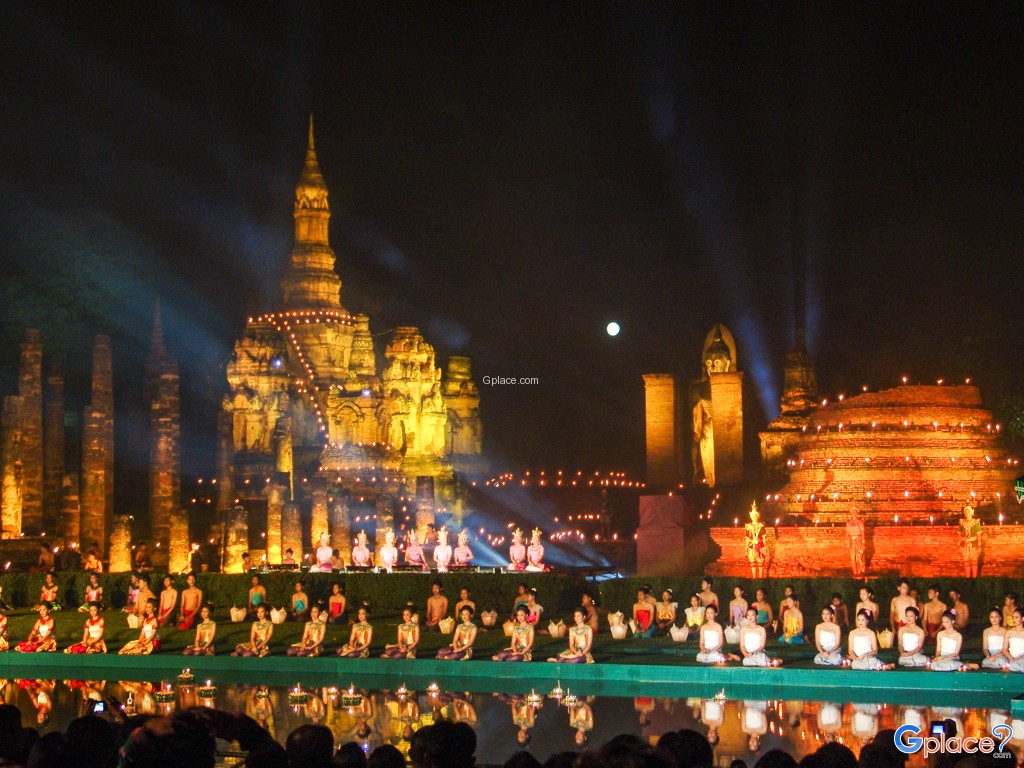
Today, the Traphang Ngoen Temple is a popular spot for tourists from around the world to take photographs, especially during sunset. The golden light hits the pagoda and creates a beautiful reflection on the surface of the Silver Lake. The peace and tangible history of this temple help visitors understand the tranquility of the Sukhothai Kingdom, known as the "Dawn of Happiness." Visiting this temple is not just about seeing ruins, but about feeling the power of faith that has remained through time.
How to Get There
Transportation within the Park:
-
Bicycle: This is the best way to explore. You can easily ride around the Central Zone on flat and shaded paths.
-
Electric Tram: The park’s tram service stops at major points near this temple.
-
Walking: If you park your vehicle near the Mahathat Temple, you can walk to the Traphang Ngoen Temple about 300 meters.
Travel Tips
-
Recommended Time: 04:30 PM – 06:00 PM. The evening light is beautiful, and the reflection of the pagoda in the water is clearest at this time.
-
Photography Tip: We recommend taking photos from the opposite side of the Traphang Ngoen pond. This allows you to capture the Lotus Bud Pagoda reflecting on the water with distant mountains as a background.
-
Dress Code: Please dress politely. Although it is a historical site, it is still considered a sacred place that deserves respect.
Admission Fee:
-
Thai Citizens: 20 THB / Foreign Visitors: 100 THB
Opening Hours:
-
Open Daily: 06:30 AM – 07:30 PM (Spotlights illuminate the pagoda at night, which is very beautiful)
Traphang Ngoen Temple

 Share
Share
 Sukhothai Historical Park, Mueang Kao Subdistrict, Mueang Sukhothai District, Sukhothai Province 64000
Map
Sukhothai Historical Park, Mueang Kao Subdistrict, Mueang Sukhothai District, Sukhothai Province 64000
Map
 Closed today
Mon6.30 - 19.30
Tue6.30 - 19.30
Wed6.30 - 19.30
Thu6.30 - 19.30
Fri6.30 - 19.30
Sat6.30 - 19.30
Sun6.30 - 19.30

 https://www.thai-tour.com/thai-tour/north/sukhothai/data/place/wat_traphangngan.html

 7278
7278