 Attractions
  Hotel
Hotel  Restaurant
  Shopping
  Abroad







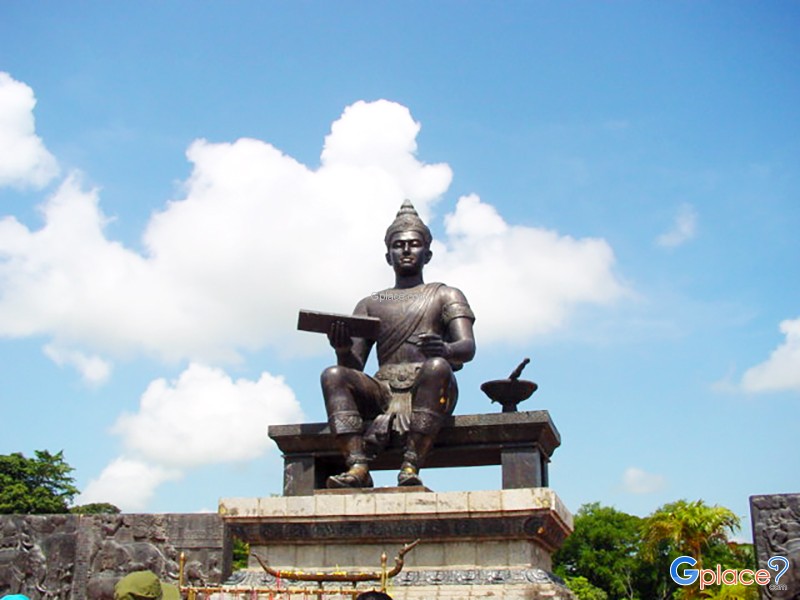
“Witness the authentic King Ramkhamhaeng Inscription and explore the world's most beautiful collection of Sukhothai Buddhist art, all preserved within a single complex.”
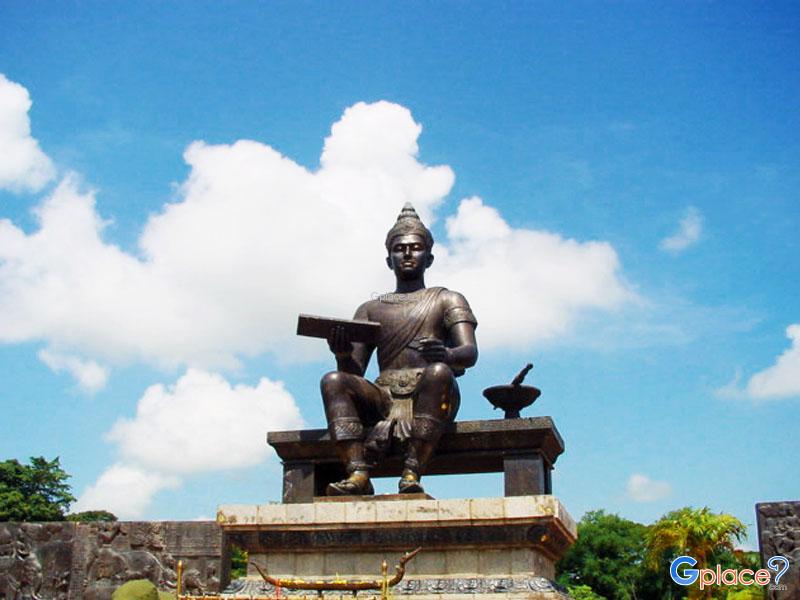
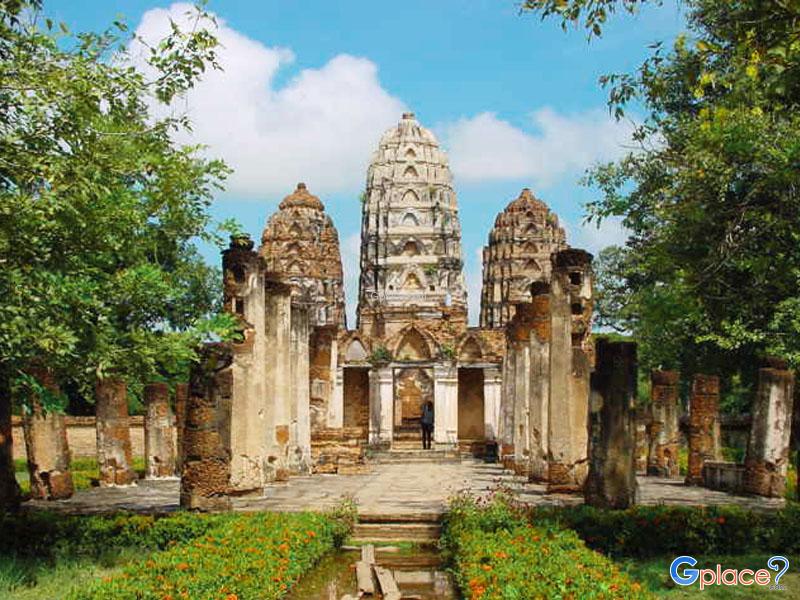
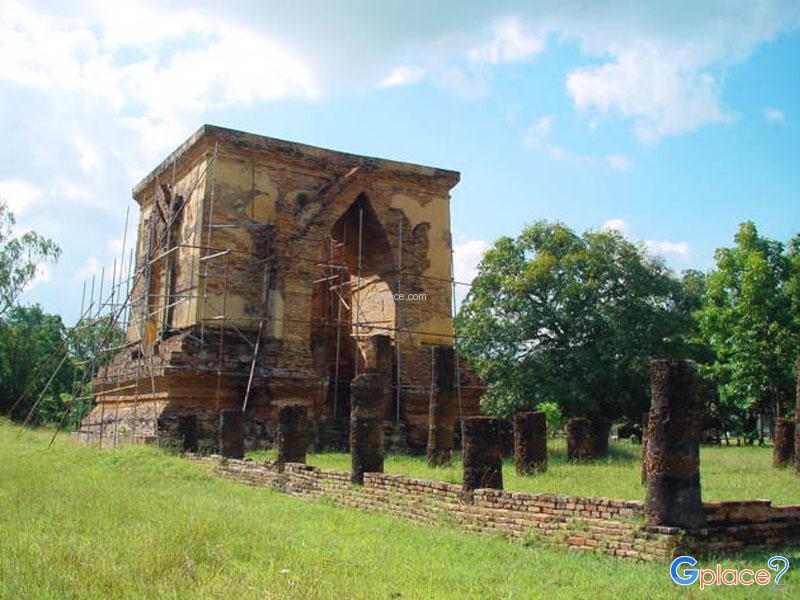
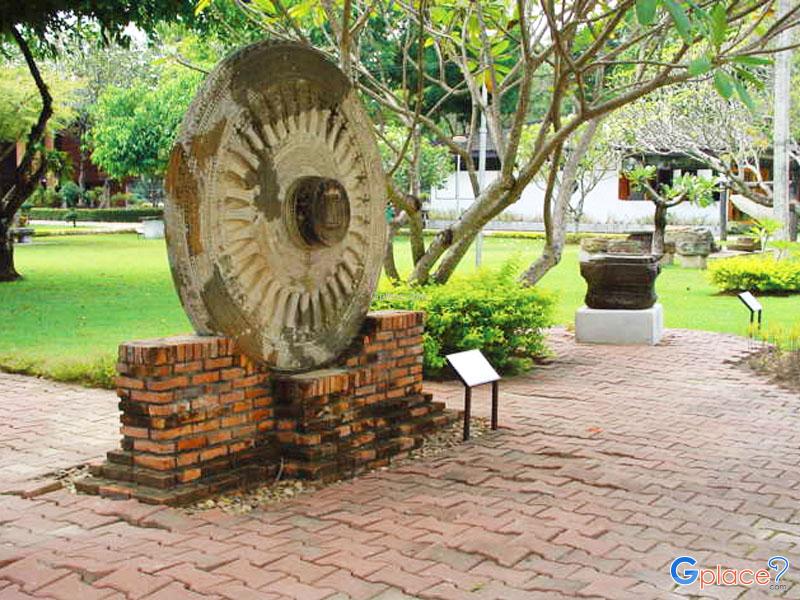
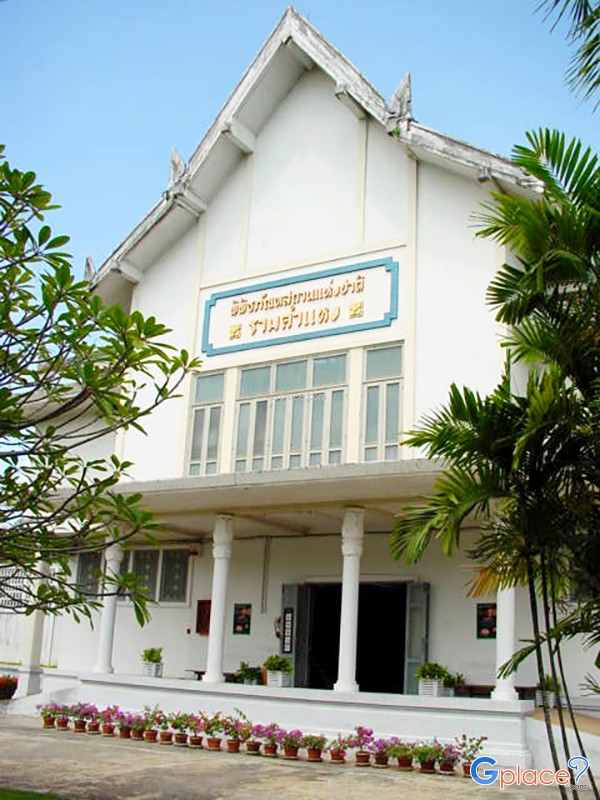
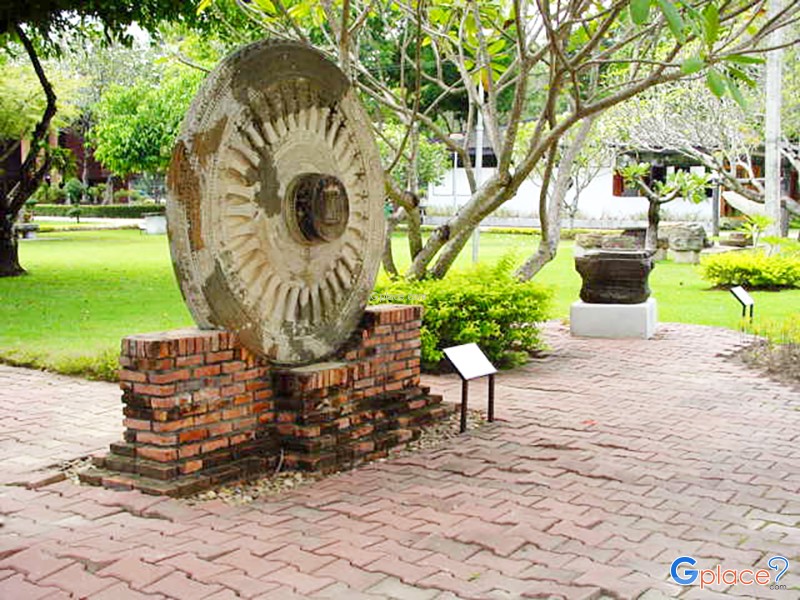
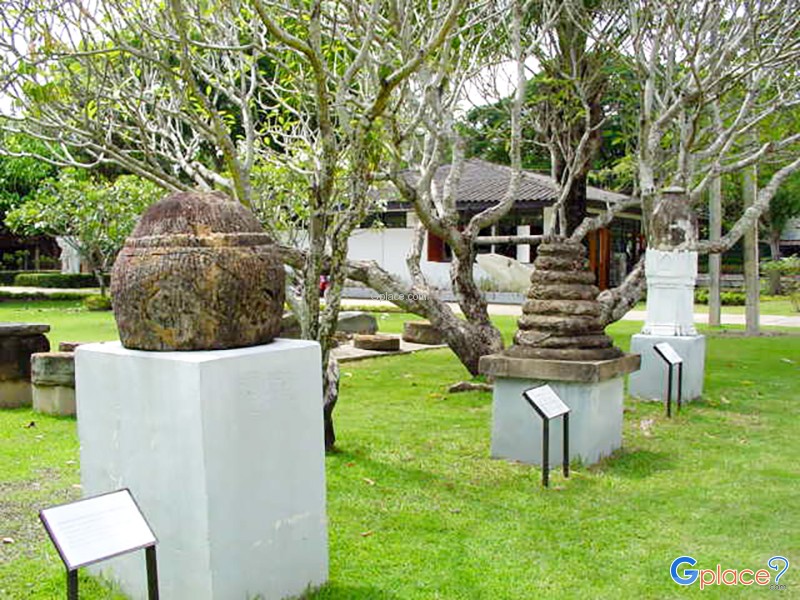
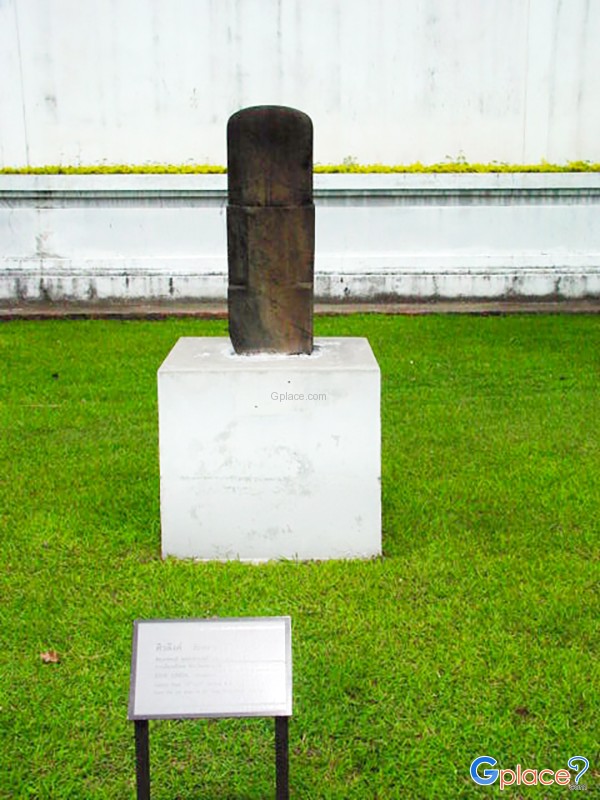
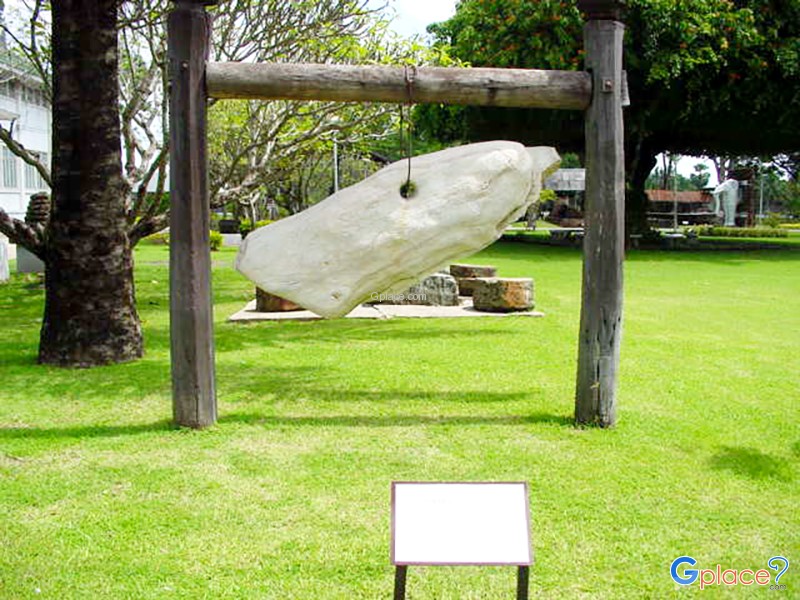
Ramkhamhaeng National Museum serves as a center for collecting and displaying ancient artifacts recovered from archaeological excavations and the restoration of historical sites within the Sukhothai World Heritage area and its surroundings. Established in 1960, the museum was officially opened by His Majesty King Bhumibol Adulyadej (King Rama IX). The complex is divided into two main sections: a modern indoor exhibition building and an outdoor display area. These sections showcase stone sculptures, architectural elements, and ancient utensils that reflect the lifestyle and prosperity of Thailand from over 700 years ago.
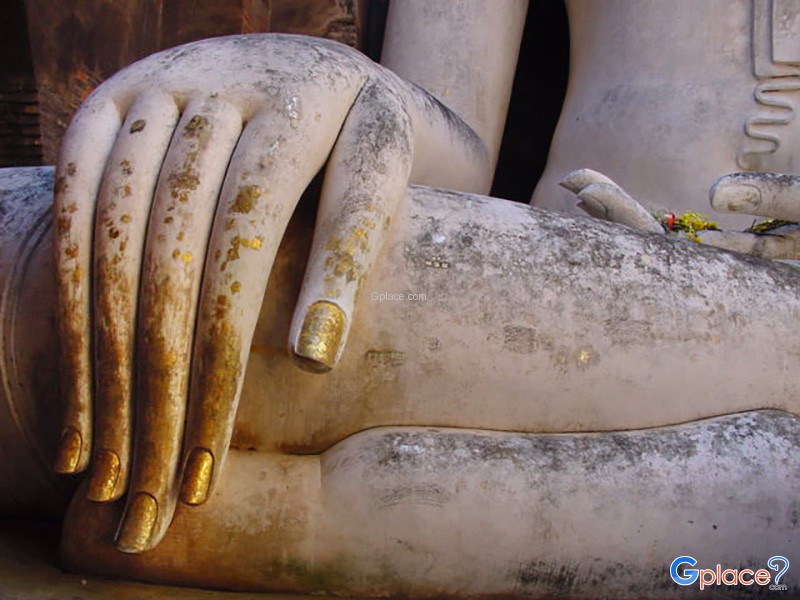
The most significant artifact and a must-see national treasure is the original King Ramkhamhaeng Inscription (Stone Inscription No. 1), which has been registered by UNESCO in the Memory of the World Register. This inscription is the primary evidence of the invention of the Thai alphabet and the foundation of Thai governance during the Sukhothai period. Furthermore, the museum enshrines the Walking Buddha and various other Buddha images in the authentic Sukhothai style, widely recognized as the most graceful and exquisite Buddhist art in Thai history. The collection also includes a display of gold Buddha images and ancient gold jewelry discovered within the crypts of various temples in Sukhothai.
The exhibition's content also covers ancient economic and industrial wisdom, particularly Sangkhalok Ceramics which were a major export from Sukhothai to various countries across Asia. Visitors can observe the evolution of ancient ceramics featuring intricate patterns and unique glazing techniques. Additionally, the museum displays large bronze Hindu deities, showcasing the religious diversity and cultural influences that blended perfectly within the Sukhothai Kingdom.
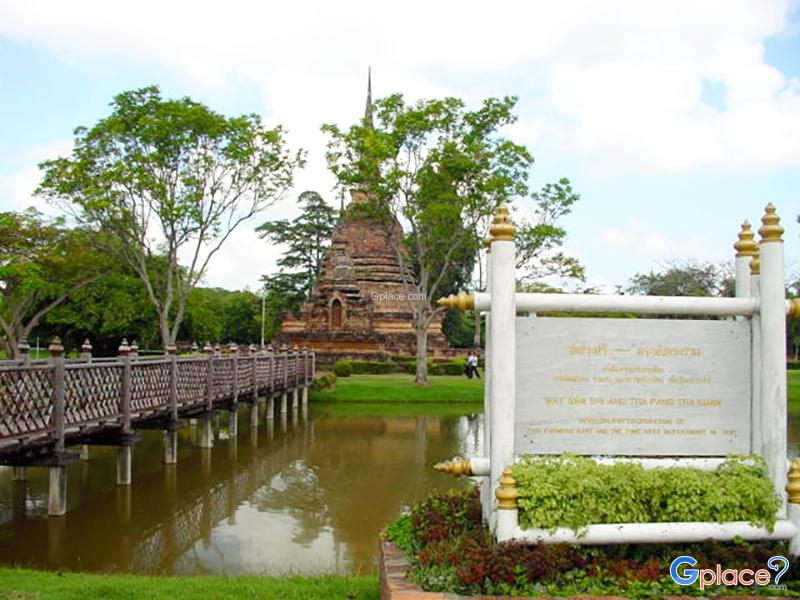
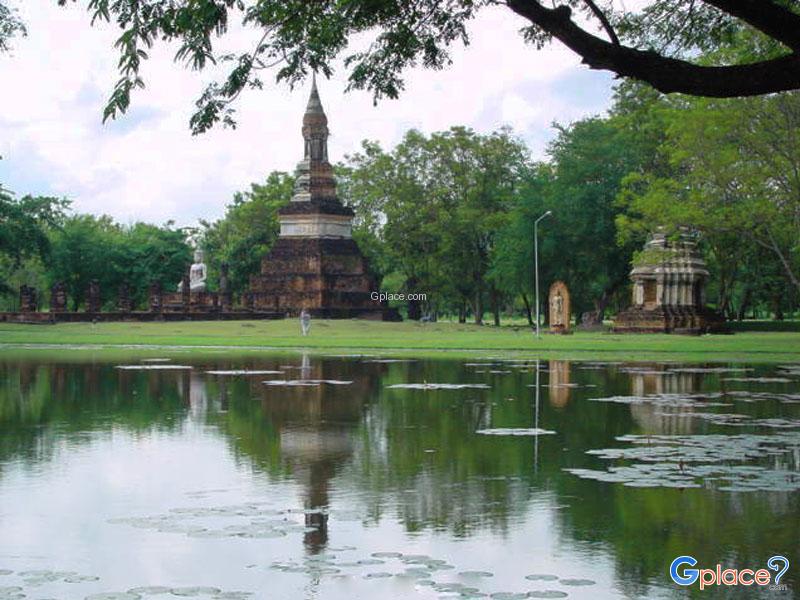
Currently, the museum functions as the most vital learning center for archaeologists and tourists worldwide. Visiting the museum before exploring the historical park helps provide a clear overview of the city planning, ancient irrigation systems (Sareedphong), and the connection between religious sites and the city's way of life. Exploring this museum completes the understanding of the foundations of the Thai nation, preserved systematically to international standards.
How to Get There
-
Location: Situated directly opposite Wat Mahathat, near the main entrance to the Central Zone of the Sukhothai Historical Park.
-
Transportation: If staying in the Old Town area, visitors can easily walk or ride a bicycle and park at the designated area in front of the museum.
Travel Tips
-
Best Time to Visit: Morning or afternoon is recommended to escape the heat, as the indoor exhibition rooms are air-conditioned.
-
Activities: Visitors should allow approximately 1-2 hours to study the information from the descriptive signs, which are available in both Thai and English.
-
Regulations: Touching artifacts is strictly prohibited. Photography is allowed only in designated areas (Please refrain from using flash).
Admission Fee:
- Thai Citizens: 30 THB
- Foreign Visitors: 150 THB
Opening Hours:
- Open Daily 09:00 – 16:00
Ramkhamhaeng National Museum

 Share
Share
 Mueang Kao Subdistrict,, Mueang District, Sukhothai
Map
Mueang Kao Subdistrict,, Mueang District, Sukhothai
Map
 Open now : 9.00 - 16.00
Mon9.00 - 16.00
Tue9.00 - 16.00
Wed9.00 - 16.00
Thu9.00 - 16.00
Fri9.00 - 16.00
Sat9.00 - 16.00
Sun9.00 - 16.00

 https://www.thai-tour.com/thai-tour/north/sukhothai/data/place/phokhunramkhamhaeng-museum.html

 6523
6523