 Attractions
  Hotel
Hotel  Restaurant
  Shopping
  Abroad





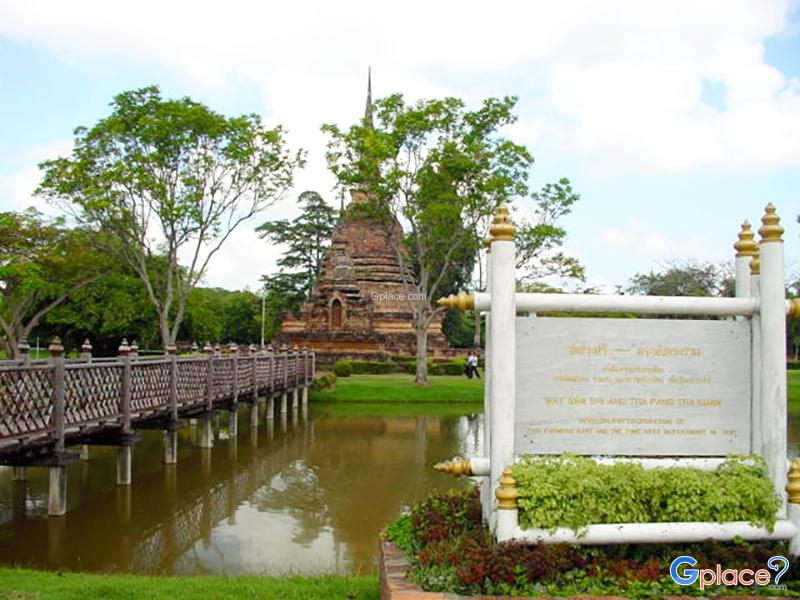

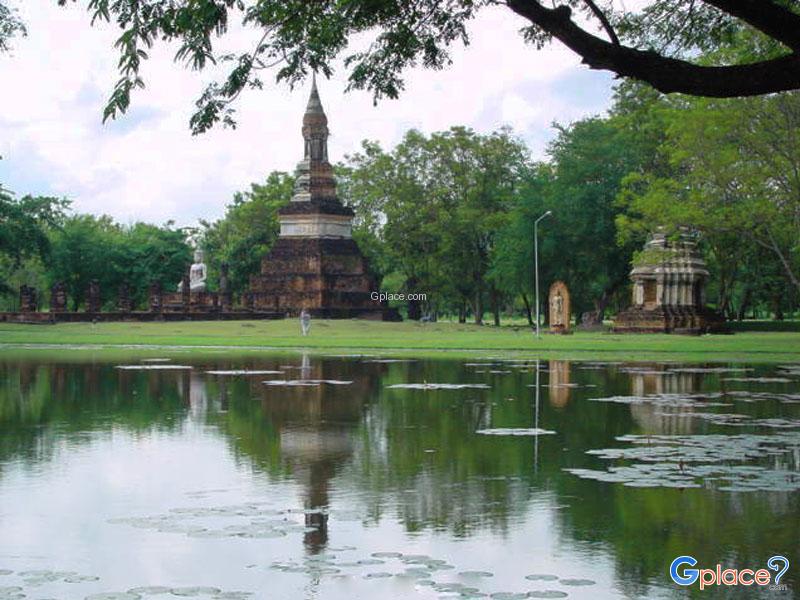
“Walk across the wooden bridge to the sacred island. Admire the Ceylonese-style bell pagoda perfectly reflected on the water's surface. This is one of the most beautiful sunset viewpoints in Sukhothai Historical Park.”
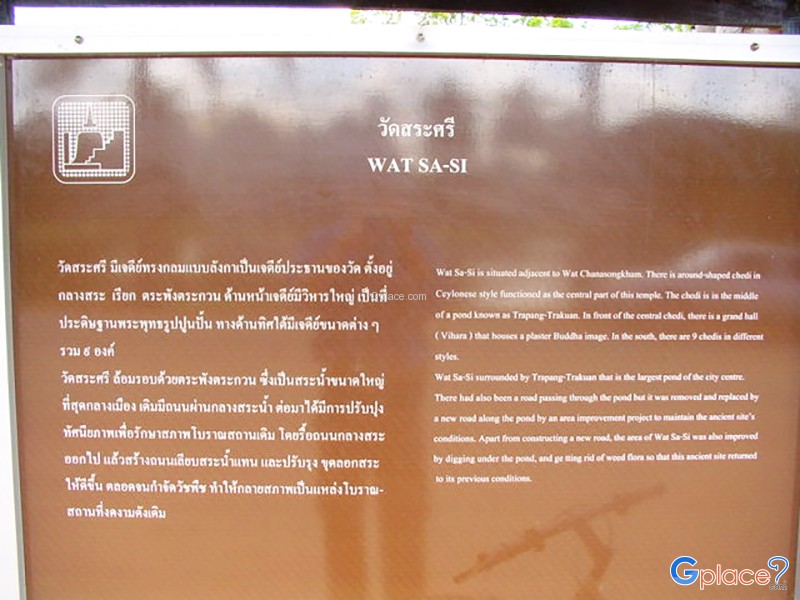
Si Sa Temple is widely regarded as one of the most beautiful historical sites in Thailand due to its landscape. It is located on an island in the middle of a large pond called "Traphang Trakuan" within the Sukhothai city walls. Building a temple on an island reflects ancient city planning that blended nature with religious beliefs. Water was used as a symbol of purity and a sacred boundary to separate the religious area from the outside world. The atmosphere around the temple is cool, peaceful, and breezy throughout the day.
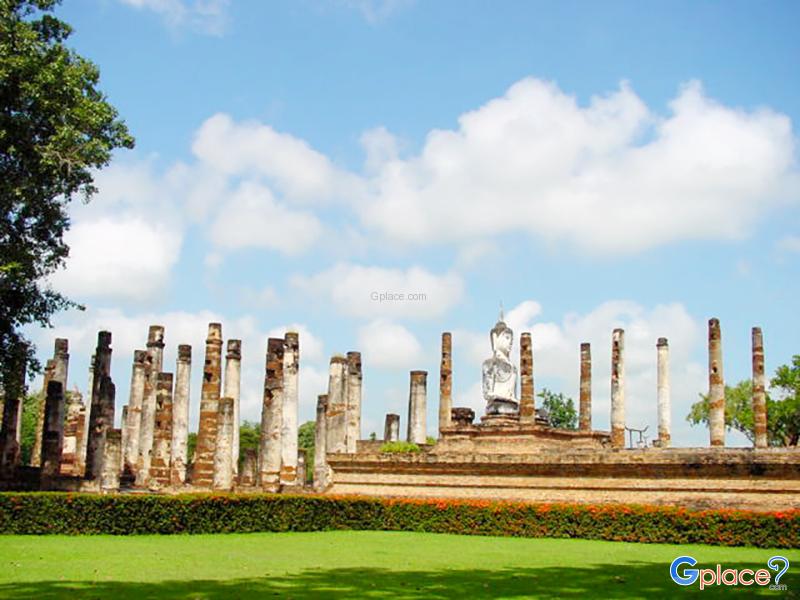
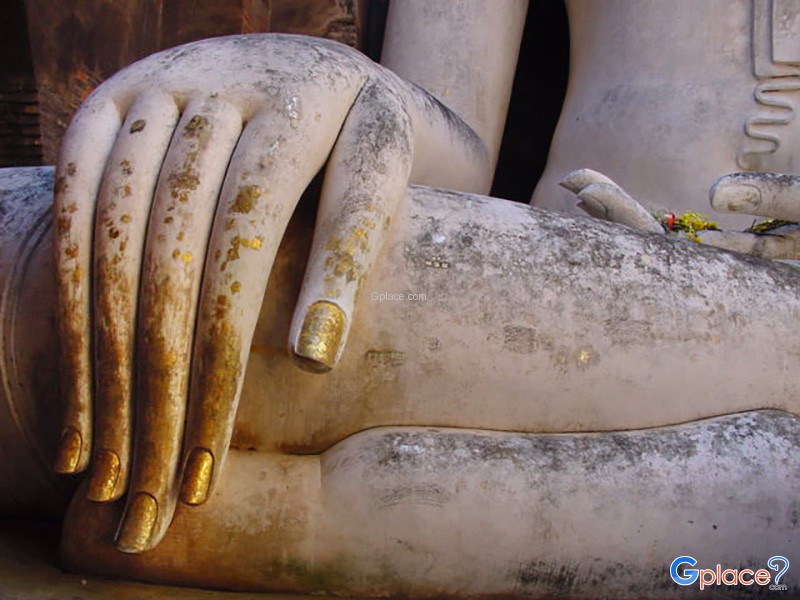
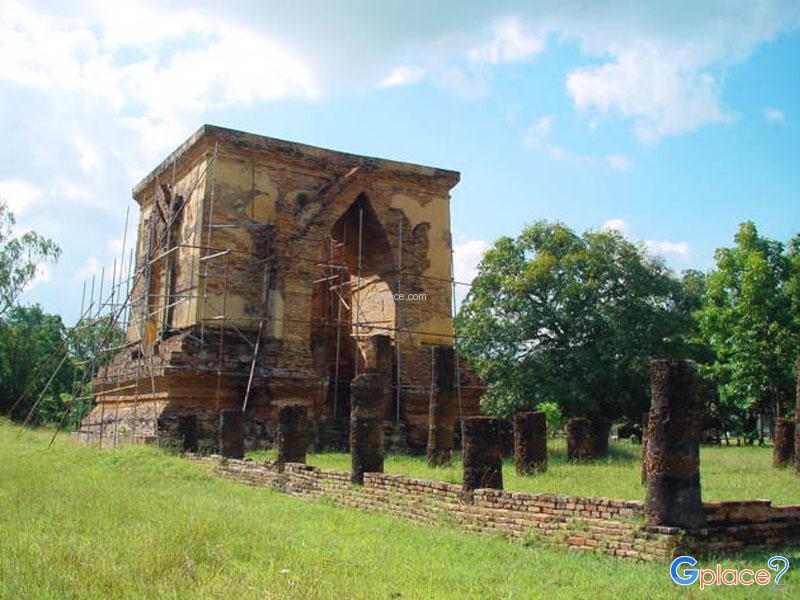
The main architectural highlight of Si Sa Temple is the Bell-shaped Pagoda (or Ceylonese style). This is important historical evidence showing the influence of Sri Lankan Buddhism on the Sukhothai Kingdom. The pagoda has a square base with several layers leading up to the smooth, round bell shape. Its symmetrical proportions make it look elegant and timeless. In front of the pagoda is a large Vihara (Prayer Hall) with only its base and laterite pillars remaining. Inside the hall, there is a stucco Buddha image in the "Subduing Mara" posture, created in the authentic Sukhothai art style.
In addition to the bell pagoda, the Walking Buddha statue in front of the main pagoda is a major attraction for tourists and art historians. This posture is considered the masterpiece of Sukhothai art. It depicts the Buddha walking gracefully and mercifully, with unique flowing lines and slender fingers, which is rare in other art eras. Seeing this statue surrounded by water makes it appear like a living piece of art.
Another important part is the Ubosot (Ordination Hall), located on a separate small island to the east of the main island of Si Sa Temple. Building the hall in the water follows the concept of "Udaka Sima," which uses water instead of stone walls to define the sacred area for monk ceremonies. This shows the strict religious discipline of the Sukhothai period. Today, the islands are connected by a wooden bridge, which has become a symbol of Sukhothai tourism. Visitors often walk on this bridge to enjoy the peaceful view and take wide-angle photos.
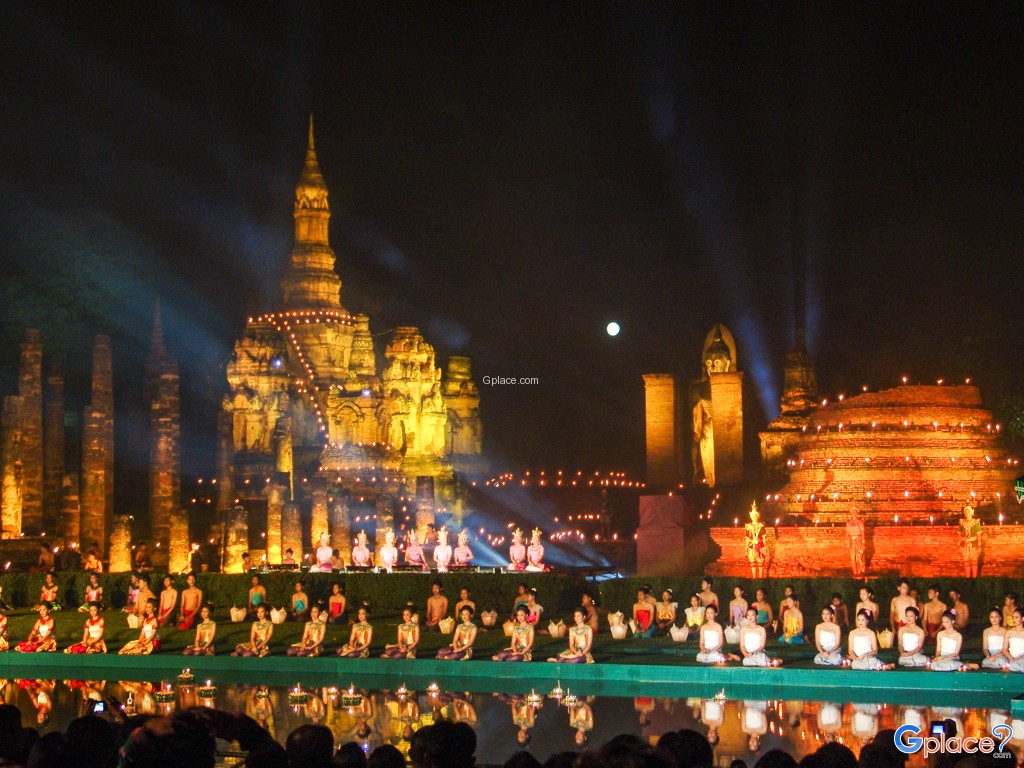
For tourism, Si Sa Temple is the best spot to watch the sunset in the historical park. When the golden light hits the pagoda and reflects on the calm water, it creates a scene as beautiful as a painting. The temple is also the main venue for the Loy Krathong festival, featuring grand light decorations. This allows us to clearly imagine the prosperity of the "Dawn of Happiness." Visiting Si Sa Temple provides a perfect Sukhothai experience, offering both historical knowledge and visual beauty.
How to Get There
Transportation within the Park:
-
Bicycle: The most popular and convenient way. You can ride directly across the wooden bridge to the island.
-
Electric Tram: The park's tram stops at the entrance in front of Si Sa Temple.
-
Walking: If you park at the central parking lot, you can walk along the pond to the temple about 200–300 meters.
Travel Tips
-
Recommended Time: 04:30 PM – 06:30 PM. This is when the sunlight is soft and perfect for photography as the sun sets.
-
Photography Tip: The best spot is at the foot of the wooden bridge before crossing to the island. This allows you to capture the bridge, the pagoda, and the reflection in the water all at once.
-
Dress Code: Please dress politely. Although the area is open and airy, it remains a sacred and historical site.
Admission Fee:
-
Thai Citizens: 20 THB / Foreign Visitors: 100 THB (Entry fee for the Central Zone).
Opening Hours:
-
Open Daily: 06:30 AM – 07:30 PM (Spotlights illuminate the pagoda at night).
Si Sa Temple

 Share
Share
 Sukhothai Historical Park (Central Zone), Mueang Kao Subdistrict, Mueang District, Sukhothai
Map
Sukhothai Historical Park (Central Zone), Mueang Kao Subdistrict, Mueang District, Sukhothai
Map
 Closed today
Mon6.30 - 19.30
Tue6.30 - 19.30
Wed6.30 - 19.30
Thu6.30 - 19.30
Fri6.30 - 19.30
Sat6.30 - 19.30
Sun6.30 - 19.30

 https://www.thai-tour.com/thai-tour/north/sukhothai/data/place/wat_srasri.html

 5873
5873