 Attractions
  Hotel
Hotel  Restaurant
  Shopping
  Abroad





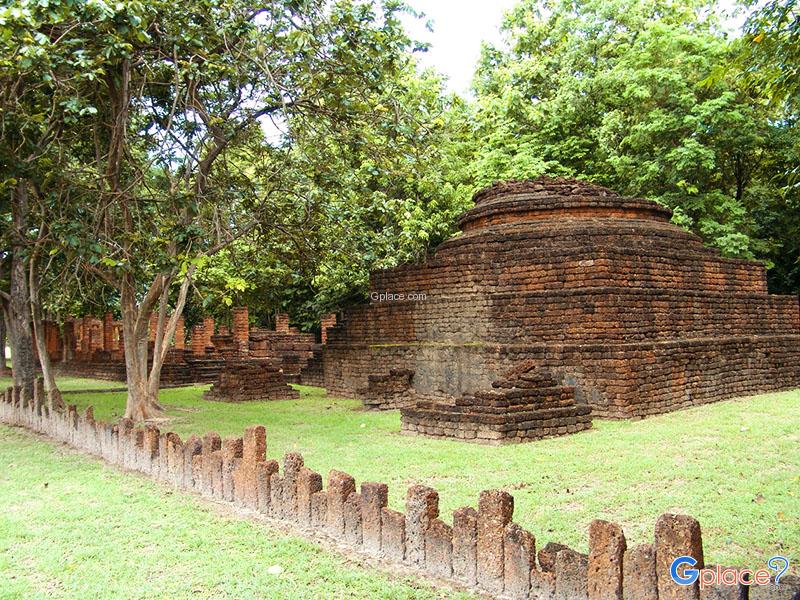

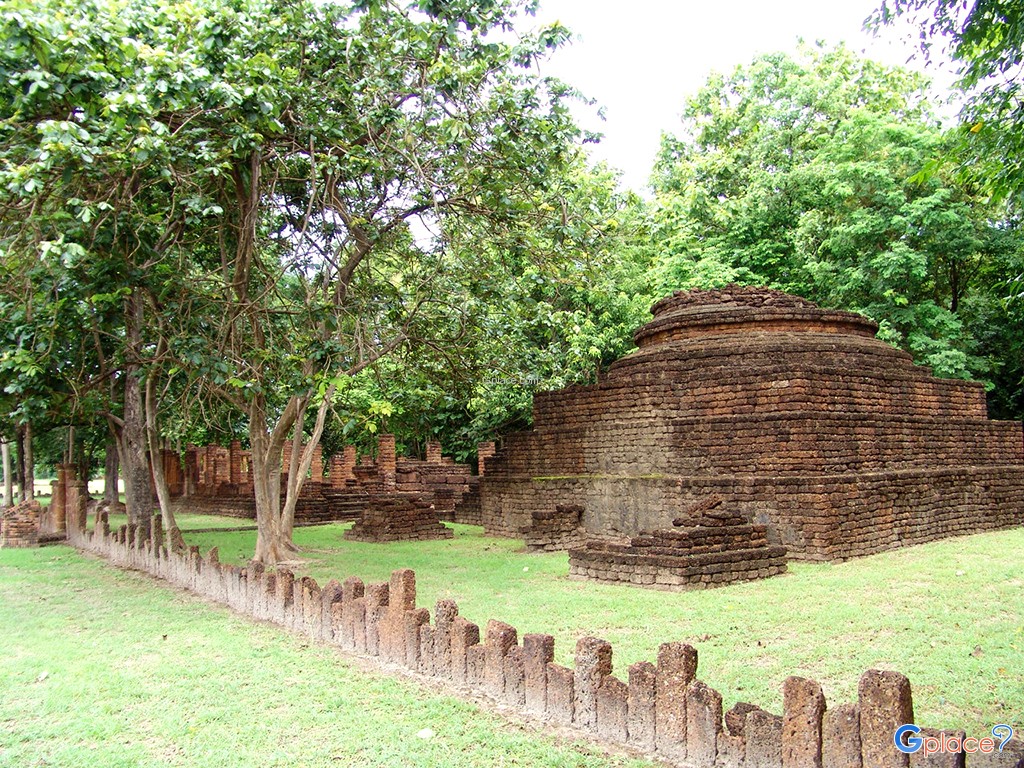
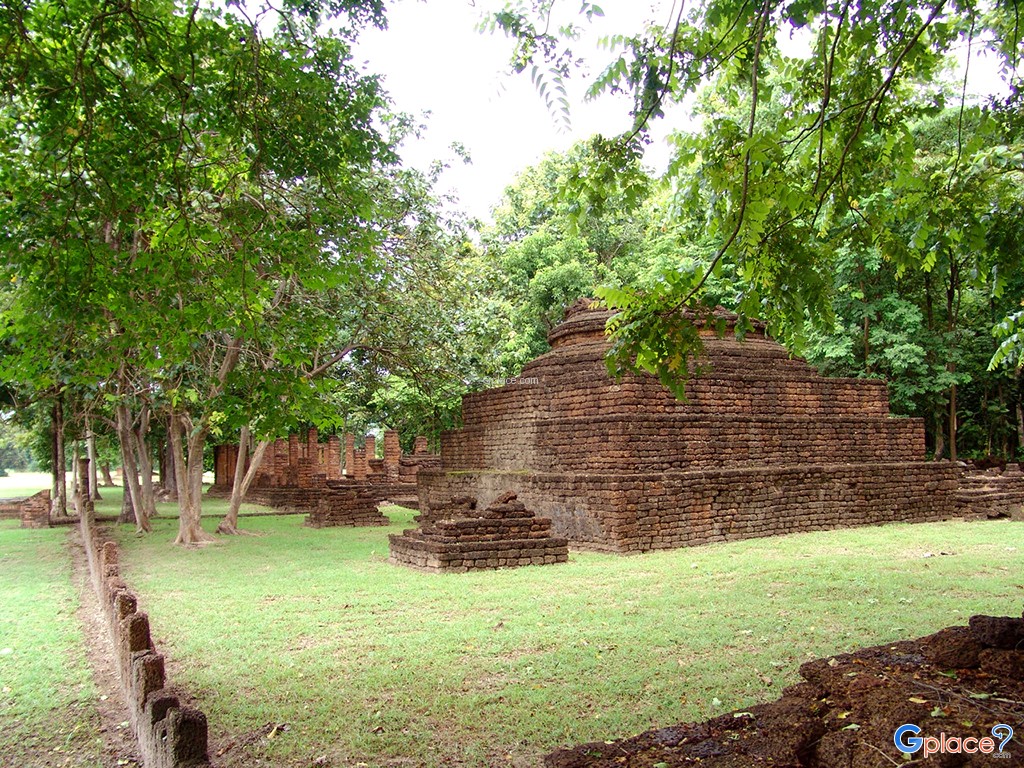
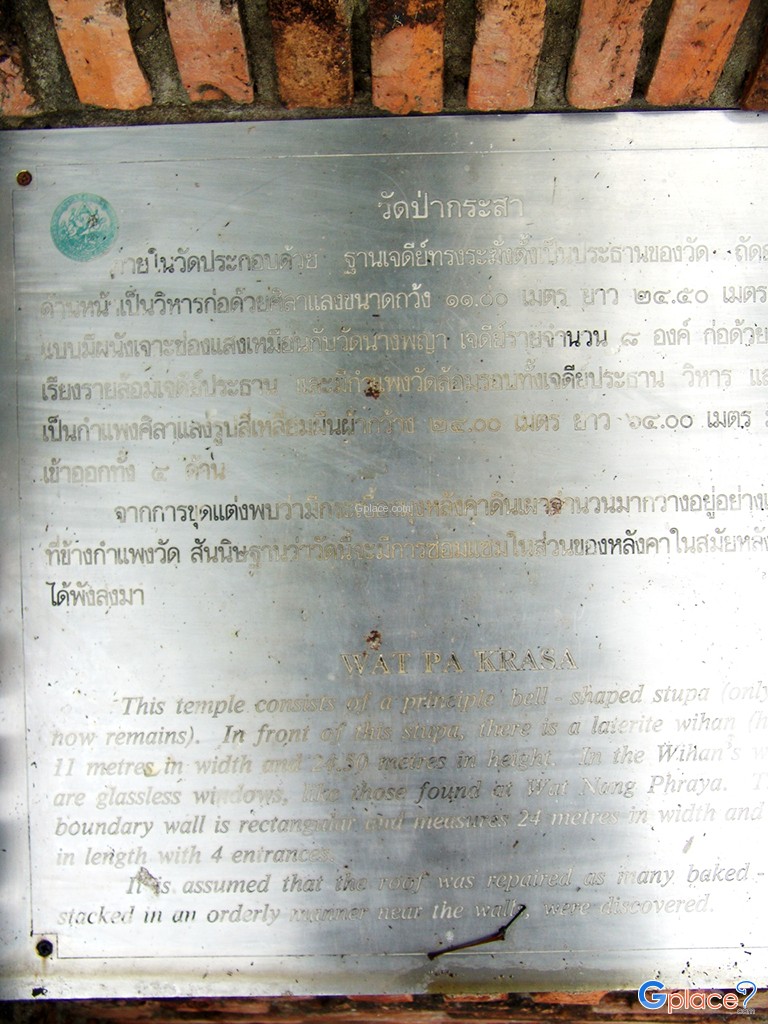
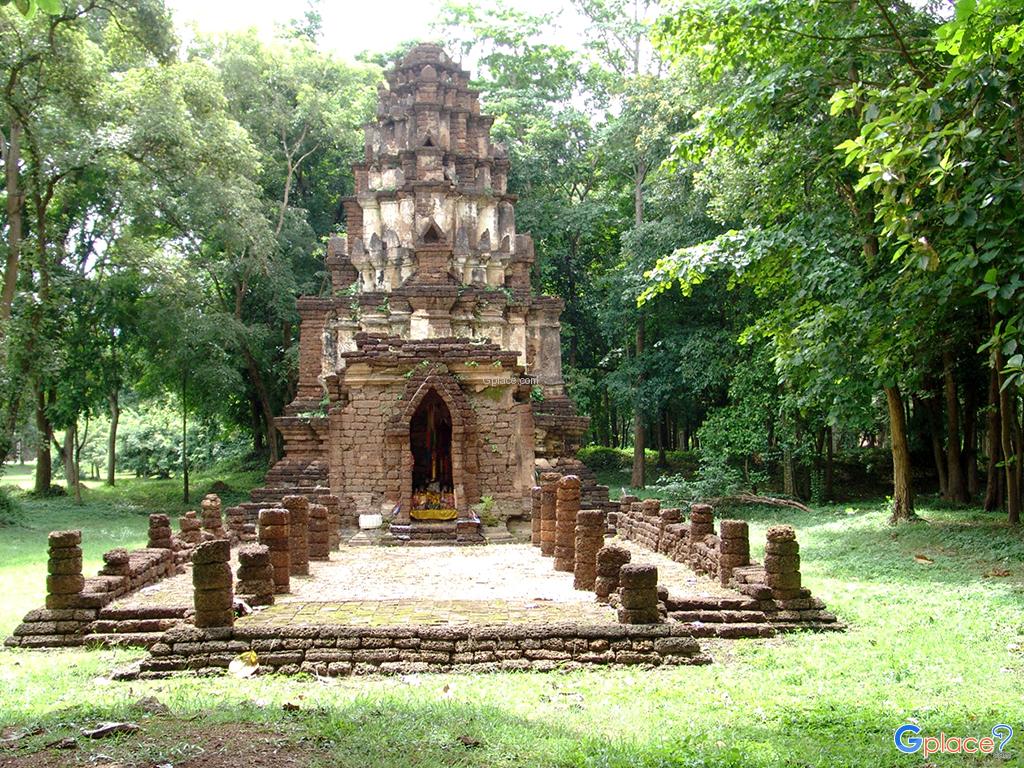
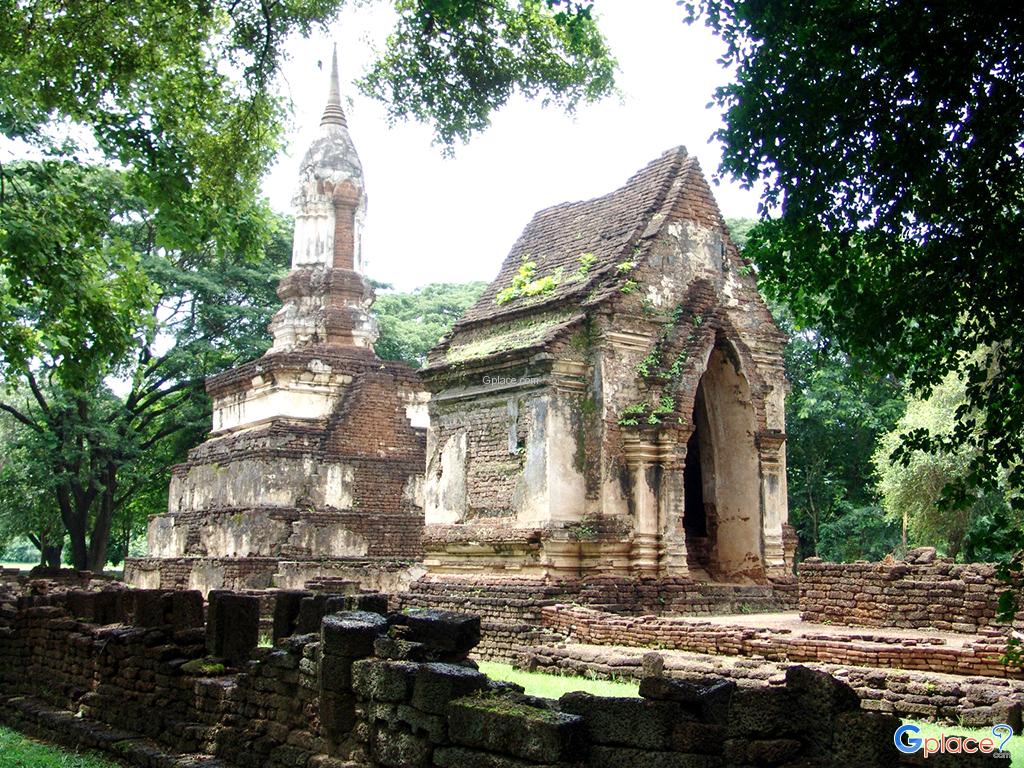
“Features a laterite vihara with rare lattice-style ventilation walls, a large bell-shaped main stupa on a high base, and a surrounding laterite boundary structure resembling an ancient wall”
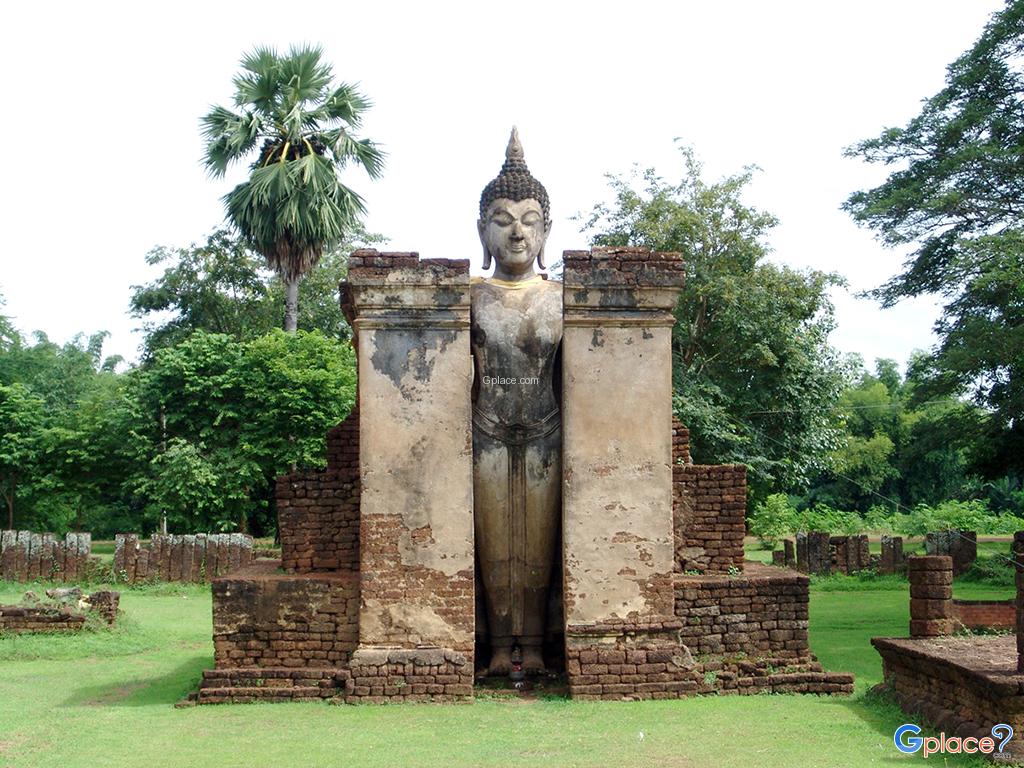
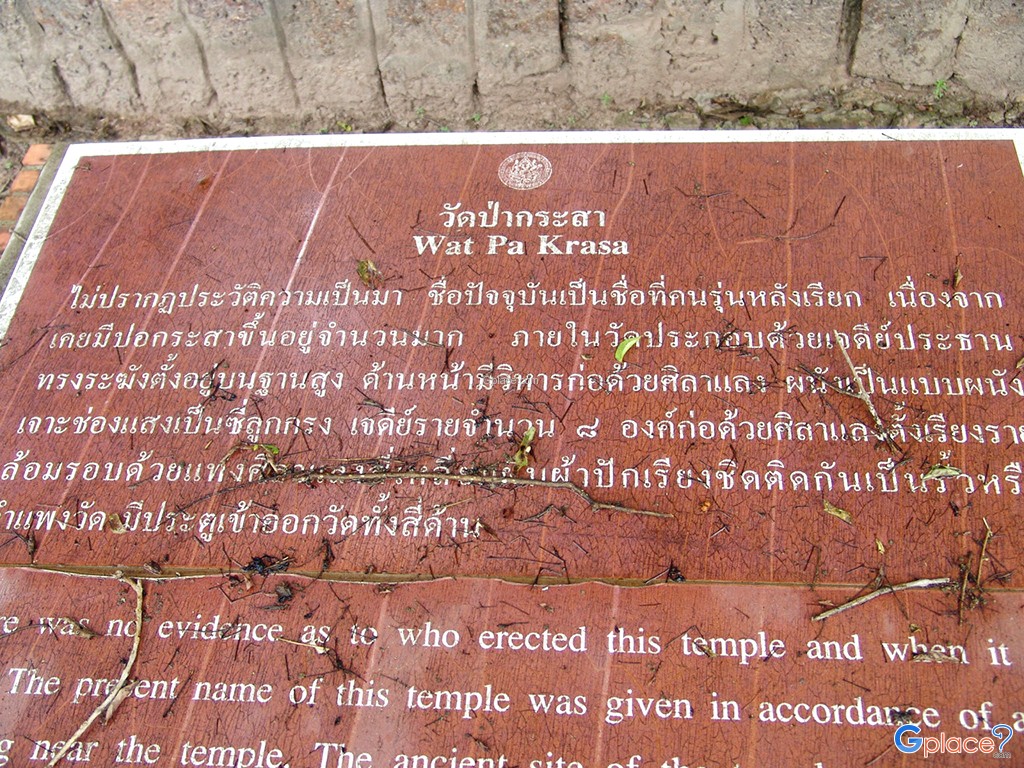
Wat Pa Krasa (Wat Pa Krasa) is located outside the southern city wall of Si Satchanalai Historical Park. There is no clear historical record of its origin, and the name “Pa Krasa” (Krasa Forest) was later given due to the former abundance of Krasa trees in the area, which created a dense and quiet forest environment.
Archaeological assumptions suggest that this site was likely a forest monastery (Aranyavasi tradition) used by monks for meditation and Vipassana practice, emphasizing solitude and spiritual retreat away from urban settlements.
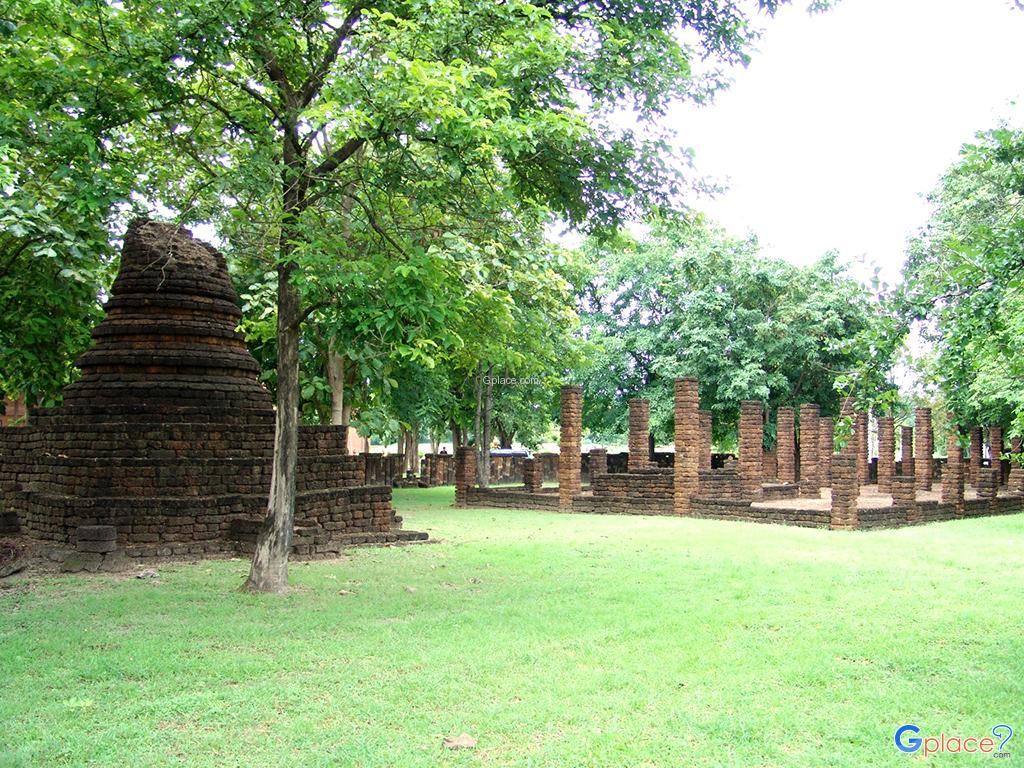
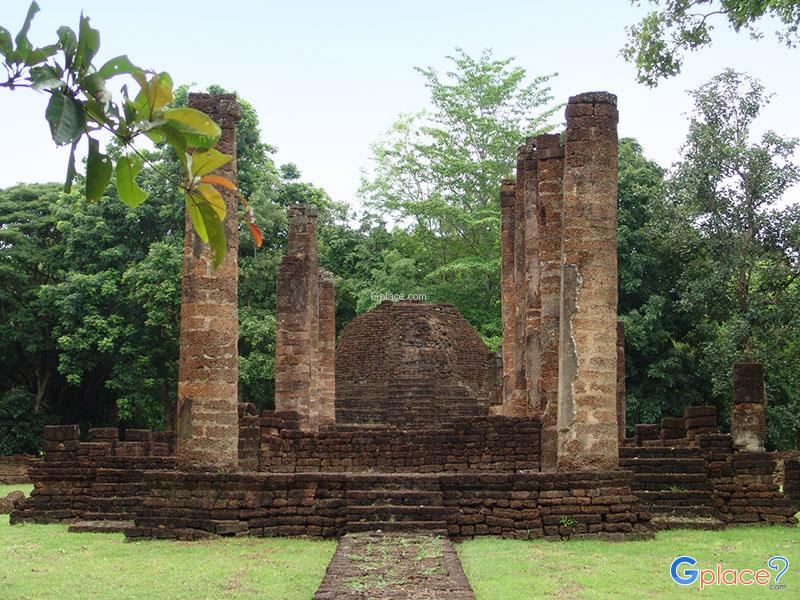
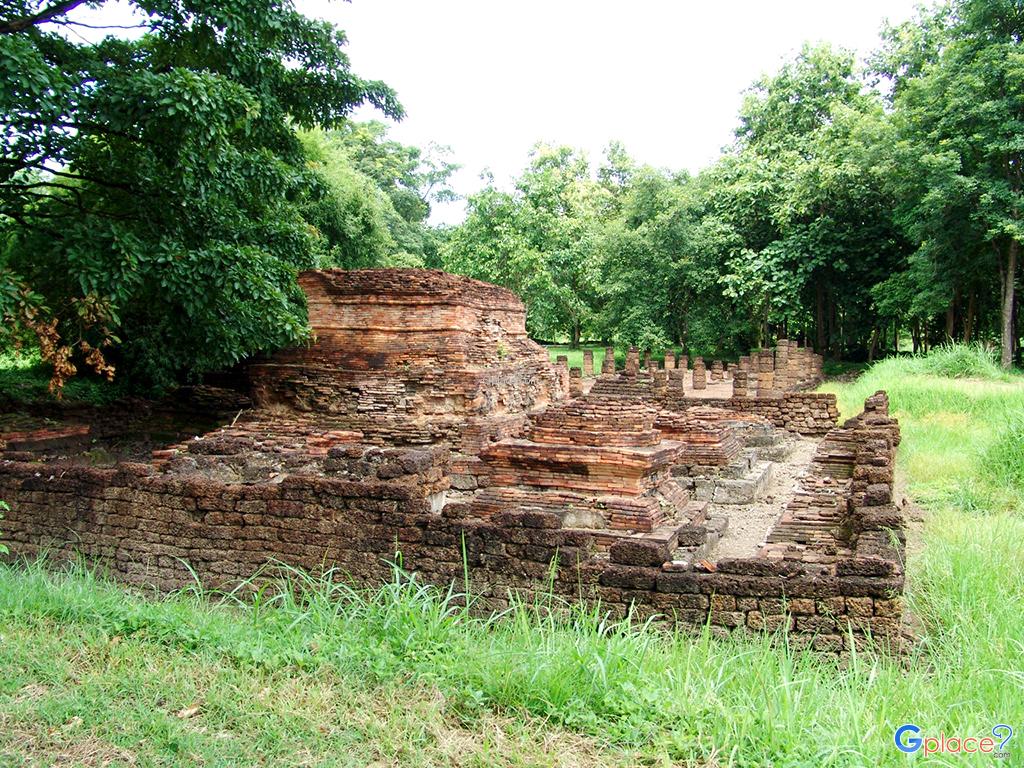
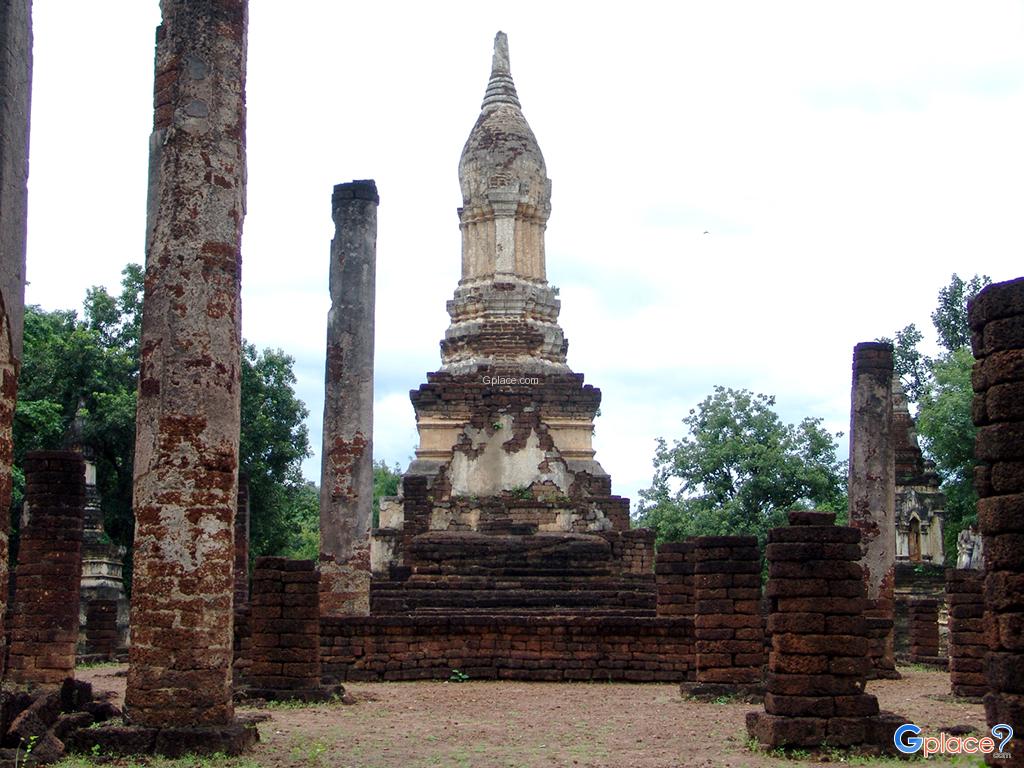
The entire structure is built using laterite, a key material of the Sukhothai civilization. The layout follows an east–west axis, featuring a main bell-shaped stupa on a raised base, symbolizing Buddhist cosmology and sacred space.
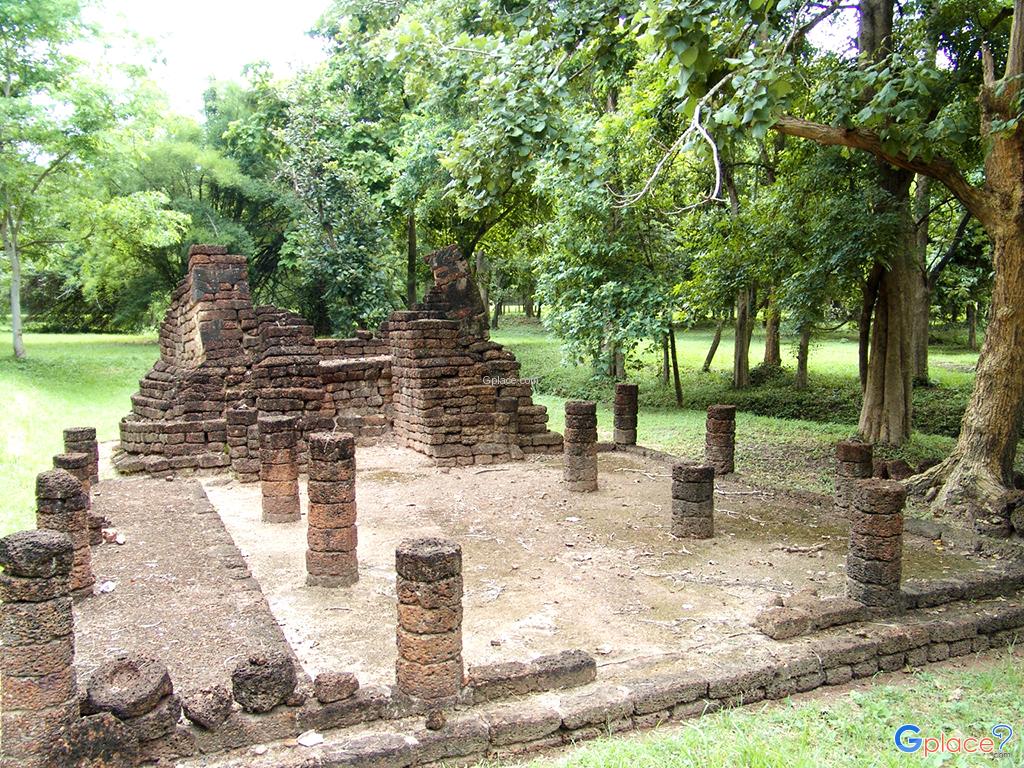
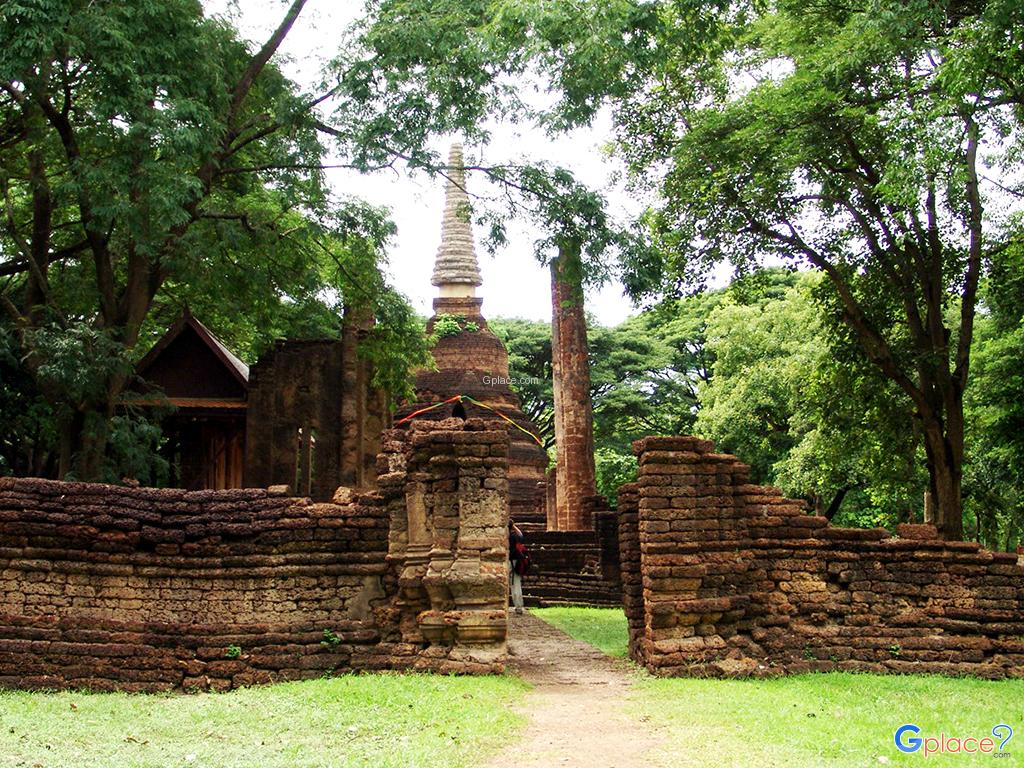
In front of the stupa stands a laterite vihara (ordination hall), notable for its lattice-style perforated walls, designed for natural ventilation and light penetration. This architectural technique reflects a deep understanding of environmental adaptation and monastic living conditions.
Surrounding the main stupa are eight subsidiary stupas, arranged symmetrically. The entire sacred area is enclosed by closely arranged laterite slabs, functioning as an ancient form of boundary wall. The temple complex also includes four entrance gateways on all cardinal directions, symbolizing openness and spiritual connection with nature.
Overall, Wat Pa Krasa represents a rare and well-preserved example of a forest-based Sukhothai temple, reflecting the deep integration of religion, architecture, and natural environment within the UNESCO World Heritage landscape of Si Satchanalai.
How to Get There
- From Si Satchanalai Historical Park, rent a bicycle and ride out through the southern gate (Saphan Chan Gate). The temple is located on the right-hand side along the southern temple route, before reaching Wat Sa Pathum.
Travel Tips
- Best time to visit: 08:30–10:30 AM for soft light and cooler weather
- Bring mosquito repellent due to the forested environment
- Ideal for cycling tours around southern archaeological sites
- Maintain silence to fully experience the peaceful atmosphere
- Great spot for photography of untouched ancient ruins
Admission Fee:
- Thai visitors: 20 THB
- Foreign visitors: 100 THB
(Included in Si Satchanalai Historical Park ticket)
Opening Hours:
- Open daily: 08:30 – 16:30 hrs
Wat Pa Krasa

 Share
Share
 Si Satchanalai, Si Satchanalai, Sukhothai 64190
Map
Si Satchanalai, Si Satchanalai, Sukhothai 64190
Map
 Open now : 8.30 - 16.30
Mon8.30 - 16.30
Tue8.30 - 16.30
Wed8.30 - 16.30
Thu8.30 - 16.30
Fri8.30 - 16.30
Sat8.30 - 16.30
Sun8.30 - 16.30

 https://www.thai-tour.com/thai-tour/north/sukhothai/data/place/wat_pa-kasa.html

 4469
4469