 Attractions
  Hotel
Hotel  Restaurant
  Shopping
  Abroad






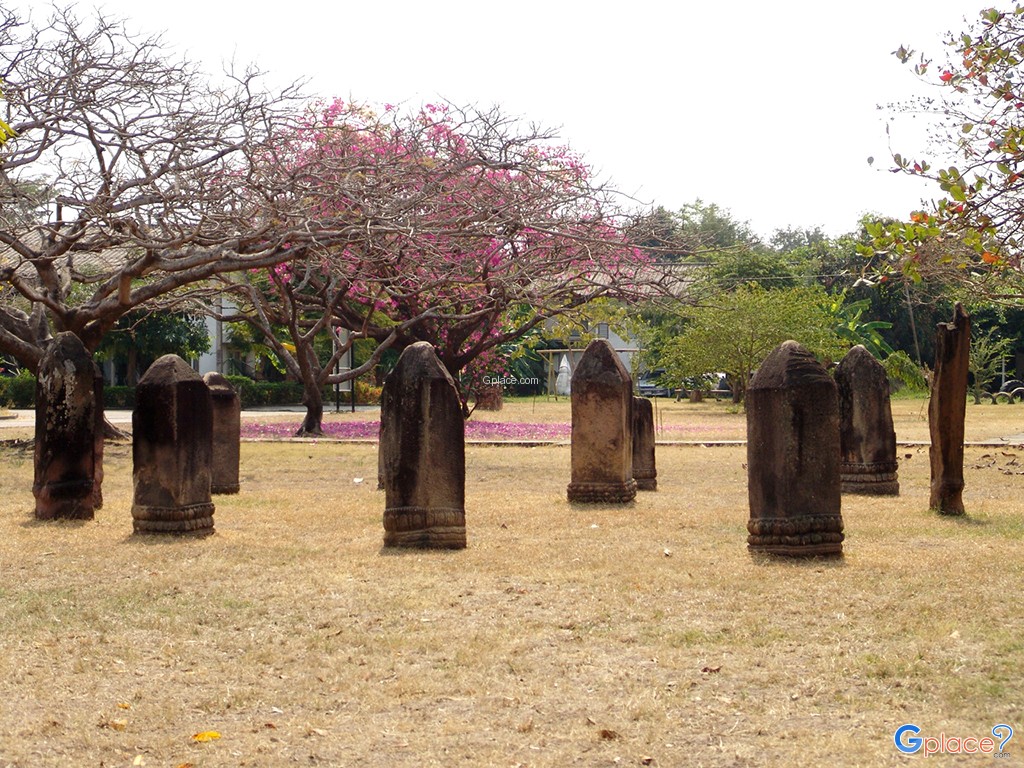
“Admire one of the most complete and beautifully carved boundary markers in Thailand, depicting stories from the life of Buddha, along with displays of artifacts from the Ban Chiang archaeological site, including rare Khmer art from this region.”
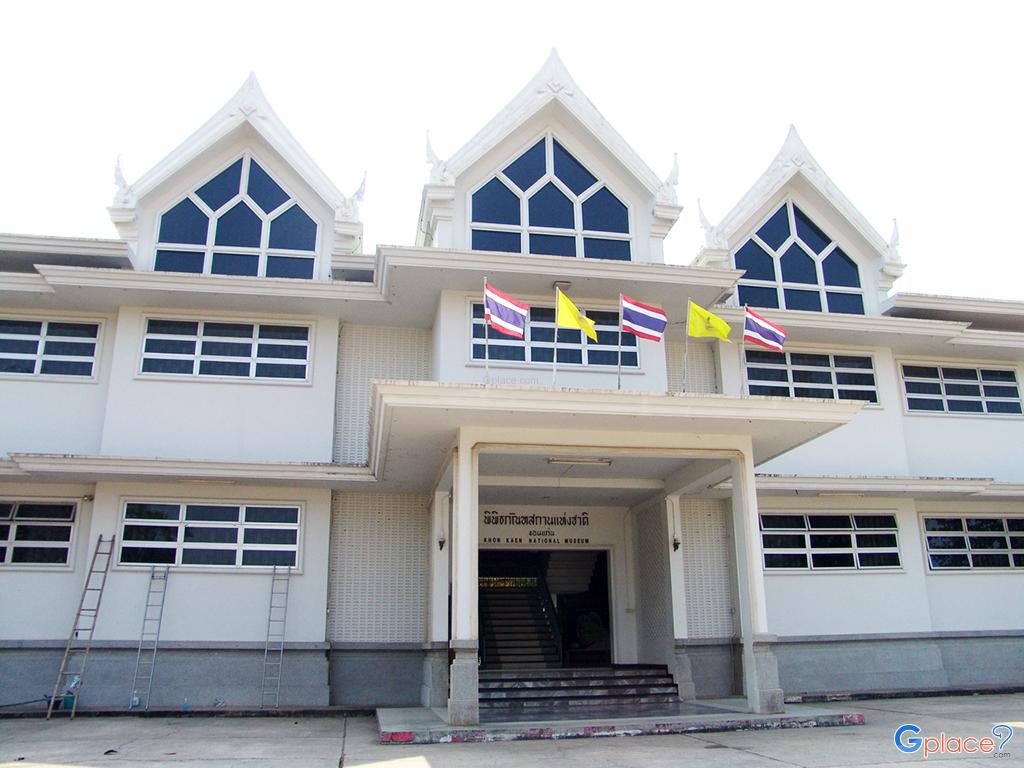
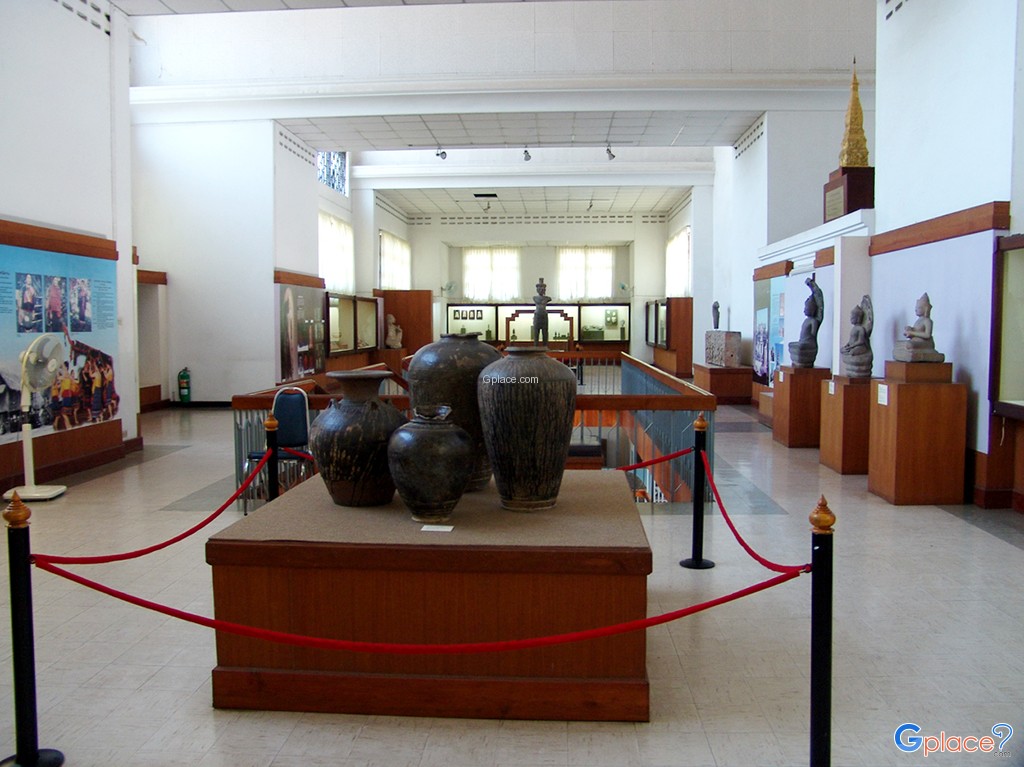
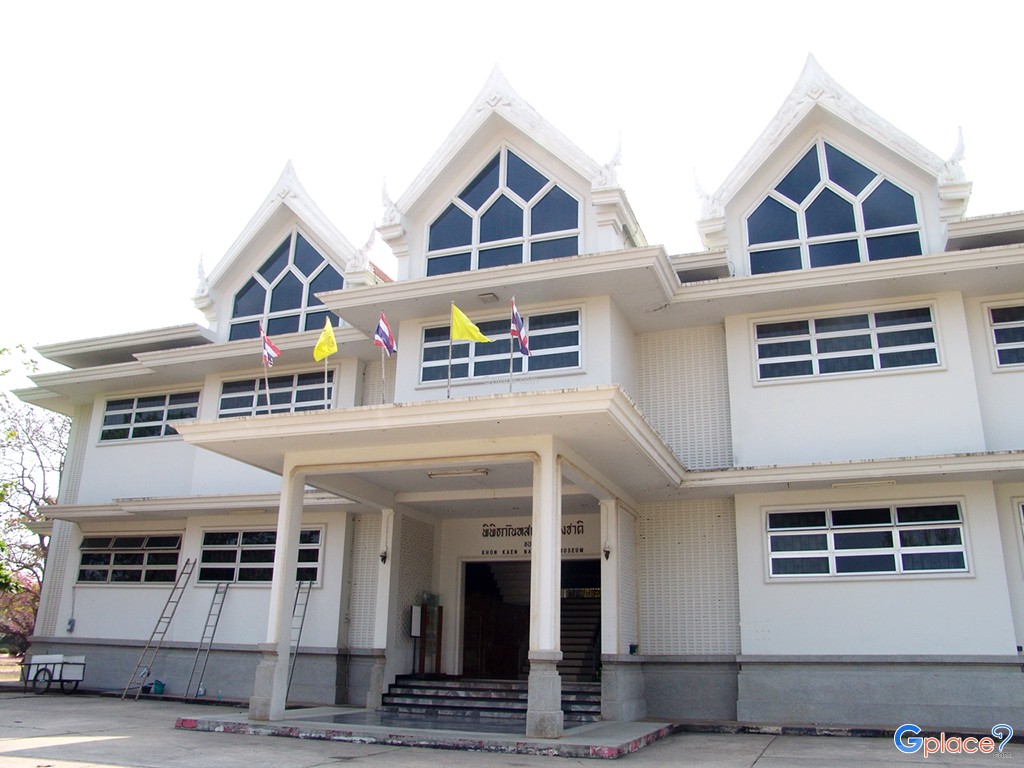
The Khon Kaen National Museum stands as one of Thailand’s most significant regional intellectual treasuries, serving as a comprehensive center for the preservation and exhibition of the cultural heritage of the Upper Northeastern region. The building features contemporary architecture that houses over a thousand masterwork artifacts recovered from archaeological excavations within Khon Kaen and its neighboring provinces. The exhibition begins by establishing a foundation of knowledge regarding local geology and traces of prehistoric life before transitioning into the fascinating Prehistoric Period. This section displays vital artifacts from world-renowned excavation sites such as Ban Chiang and Non Chai, offering insights into human evolution along the Mekong and Chi River basins. Visitors can observe polished stone tools, ornaments made from shells and precious stones, and the iconic red-painted pottery that gained international recognition for its unique artistry.
The crown jewel of this museum is the collection of Dvaravati art, particularly the "Sandstone Boundary Stones" (Sema Stones), which have been discovered in great abundance in this region. These stones served not only as markers for sacred religious grounds but also as "stone picture books" intricately carved with scenes from the life of the Buddha and the Jataka tales. A prime example is the Pimpapilap Sema Stone, depicting the Buddha’s return to Kapilavastu, which is widely acclaimed for its near-perfect preservation and superior craftsmanship. Beyond Dvaravati art, guests can explore the profound influence of Khmer culture (Lopburi Art) in Isan through sculptures of Hindu and Mahayana Buddhist deities, as well as sandstone lintels exquisitely carved to reflect ancient beliefs in divinity and cosmology.
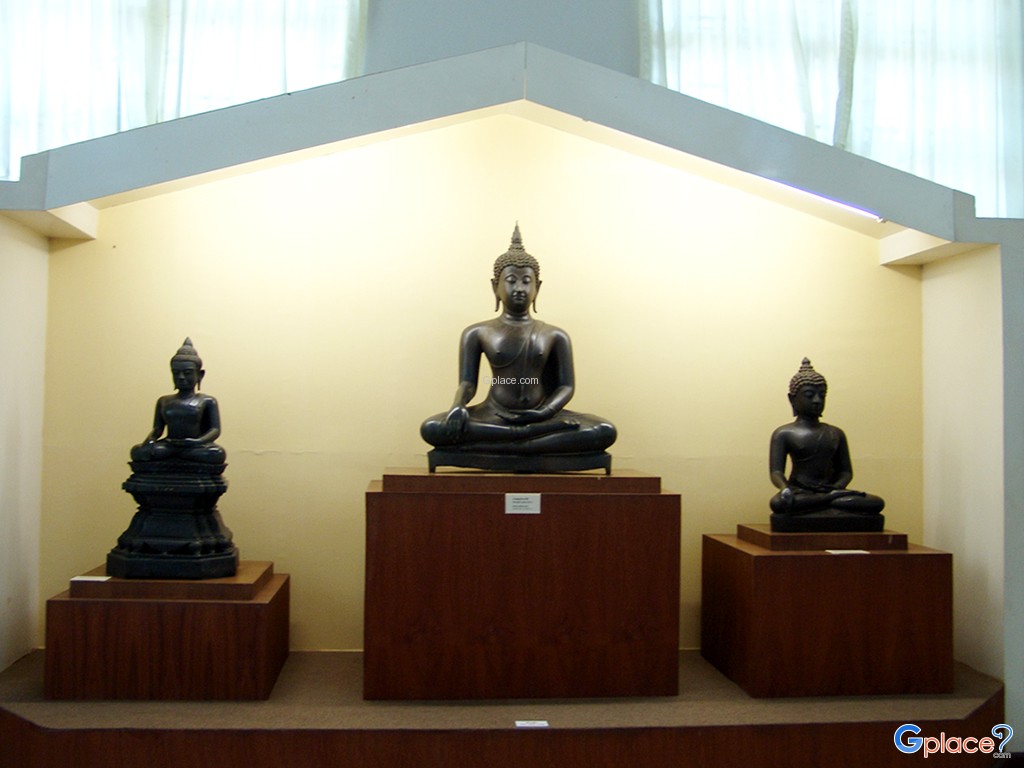
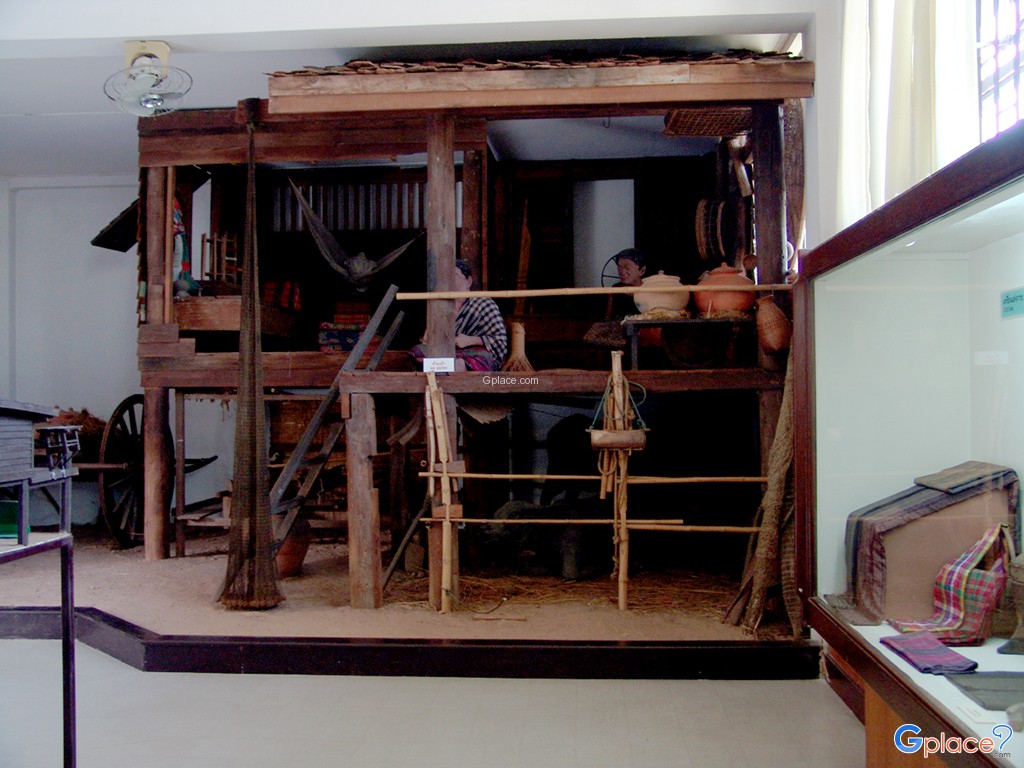
Moving from antiquity to the later historical periods, the museum showcases Lan Xang art and early Rattanakosin artifacts, which illustrate the cultural migrations and the establishment of settlements on the Korat Plateau. Highlights include intricately carved wooden Buddha images, lacquered scripture cabinets, and various ritual objects. Furthermore, a dedicated section on "Folk Culture" gathers everyday items used by the Isan people, such as bamboo wickerwork, tools for weaving Khon Kaen’s famous Mudmee silk, and amulets that reflect a way of life deeply intertwined with both animism and Buddhism. Walking through each hall is akin to traveling back thousands of years on a timeline to understand the profound roots of the Isan people—from the dawn of metallurgy to the creation of high art and its evolution into the vibrant economic and educational hub it is today.
How to Get There
- You can travel by private car, or use a shared taxi (songthaew) that passes in front of the museum (such as routes 4 or 10), or use a ride-hailing application within Khon Kaen city.
Travel Tips
-
Allow at least 1-2 hours to fully explore all sections.
-
The building is air-conditioned, making it comfortable to walk around.
-
And don't miss taking photos with the stone boundary markers in the garden outside the building.
-
If you are visiting in a group or school group, it is recommended to contact the staff in advance to request a special guided tour.
Admission Fees:
-
Thai citizens: 20 baht
-
Foreigners: 200 baht
-
Free admission: Students (in uniform or showing student ID), children, Thai senior citizens (60 years and older), monks, novices, and religious figures of all faiths.
Opening Hours:
- Open Wednesday to Sunday, from 9:00 AM to 4:00 PM. Closed on Mondays and Tuesdays, as well as public holidays (please check the museum's Facebook page for specific holiday information).
Khon Kaen National Museum

 Share
Share
 The road behind the government center, Nai Mueang Subdistrict, Mueang Khon Kaen District, Khon Kaen Province 40000
Map
The road behind the government center, Nai Mueang Subdistrict, Mueang Khon Kaen District, Khon Kaen Province 40000
Map
 Closed today
Mon -
Tue -
Wed9.00 - 16.00
Thu9.00 - 16.00
Fri9.00 - 16.00
Sat9.00 - 16.00
Sun9.00 - 16.00



 8517
8517