 Attractions
  Hotel
Hotel  Restaurant
  Shopping
  Abroad
  Nearby Places





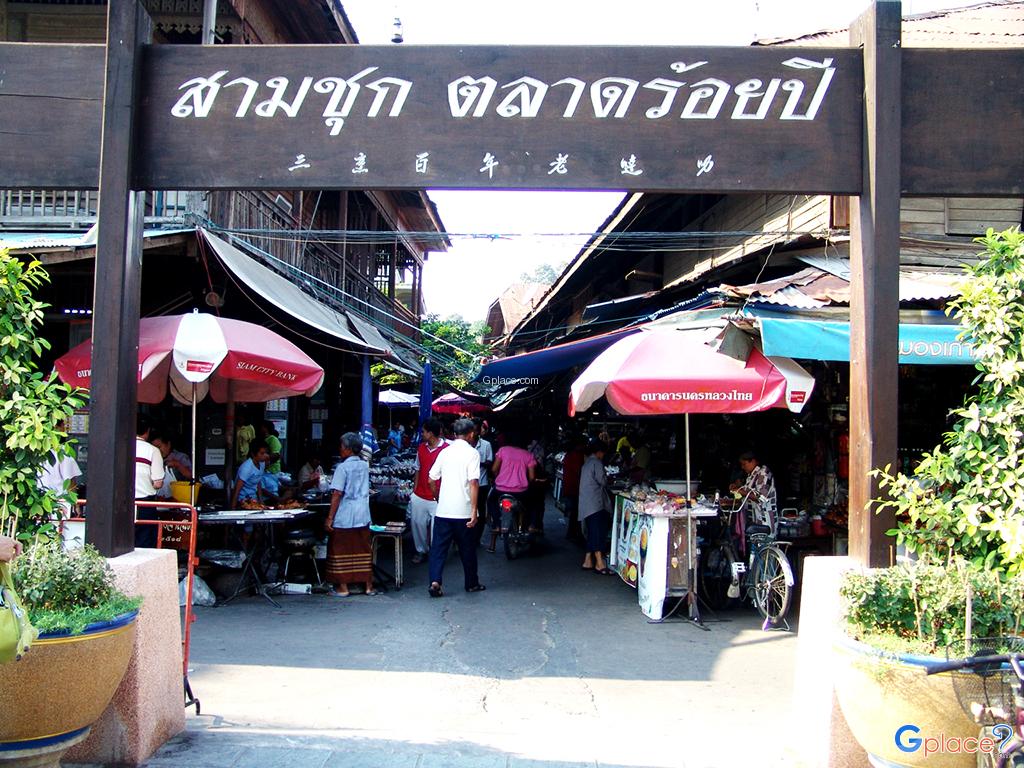

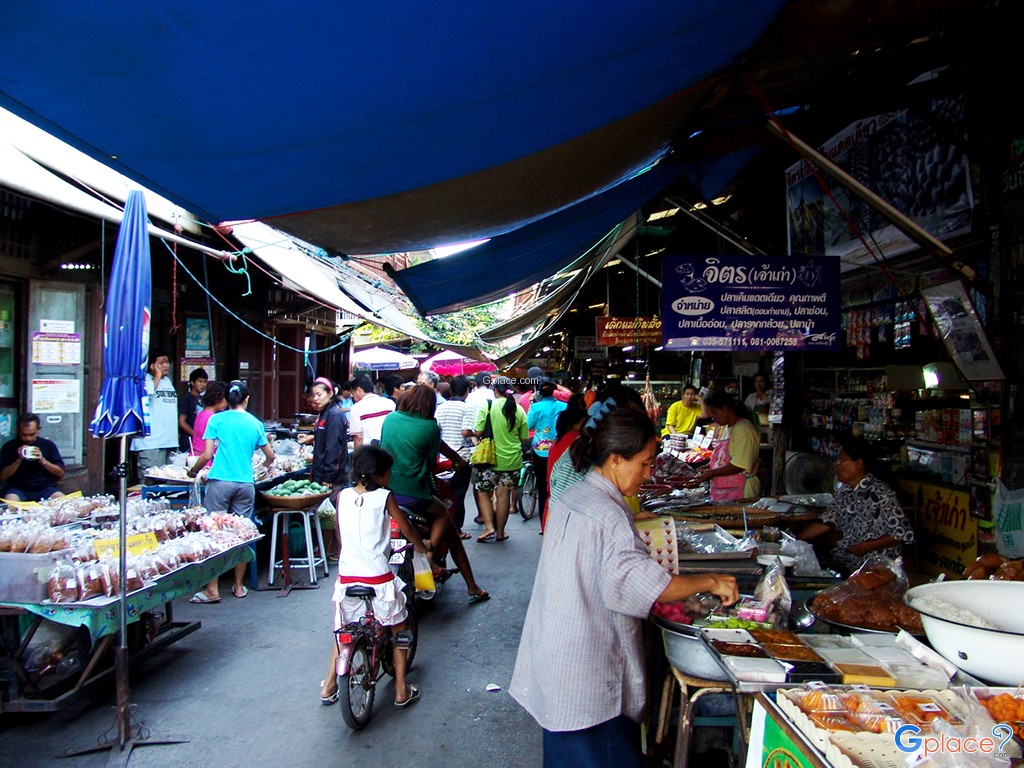
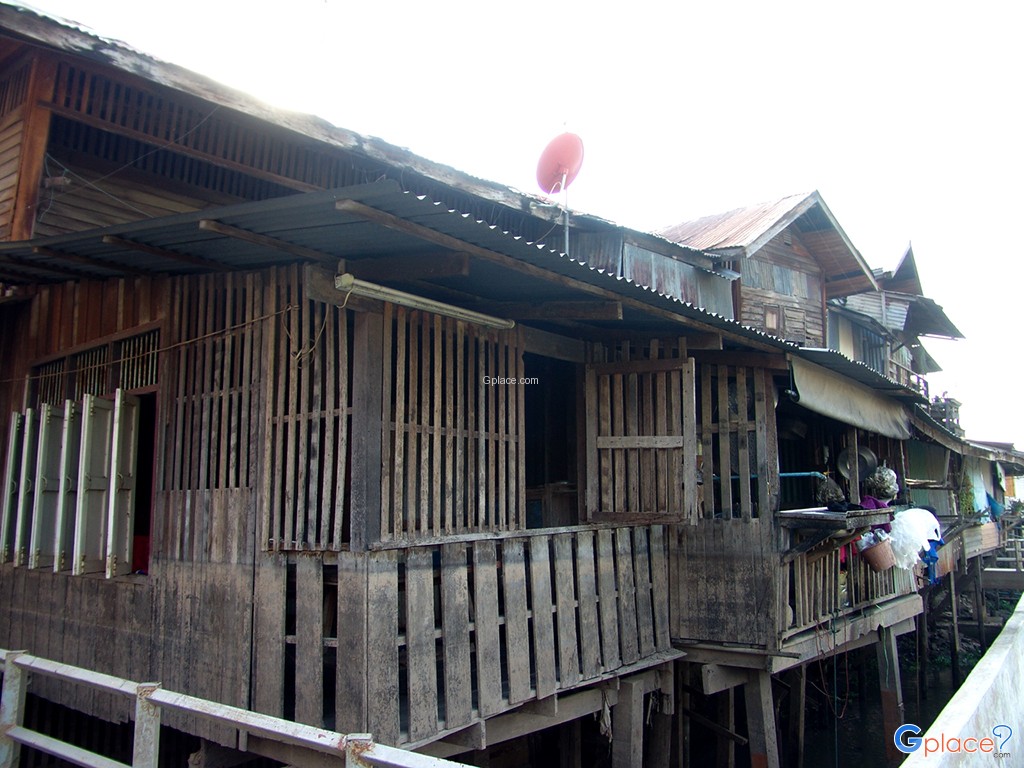
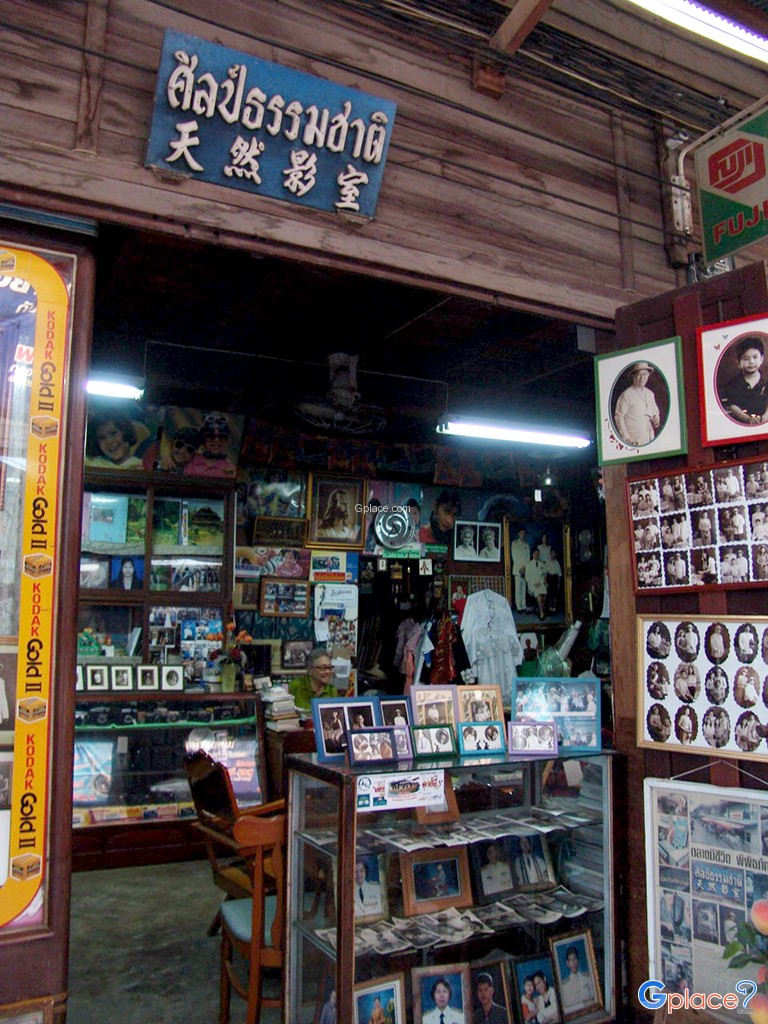
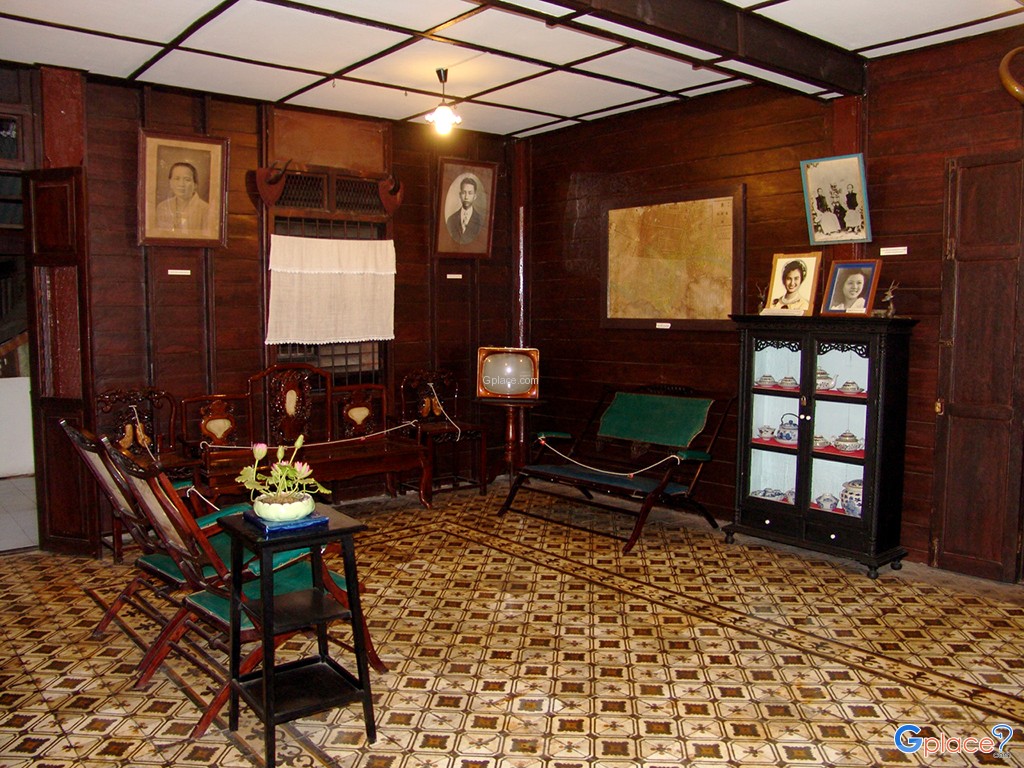
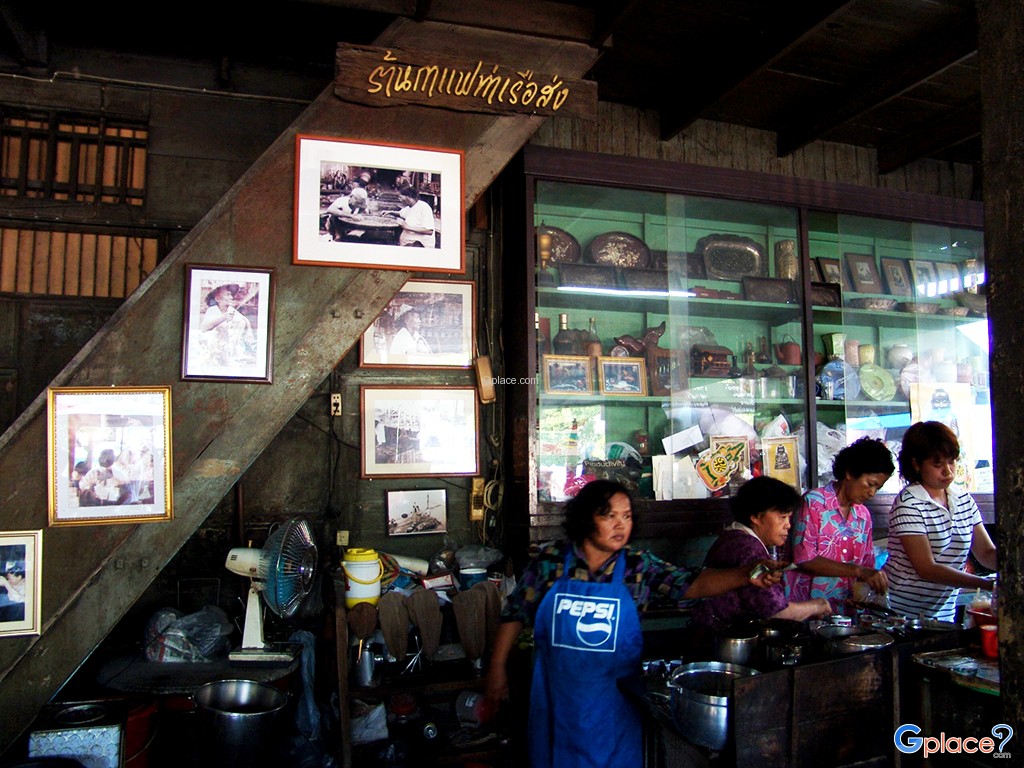
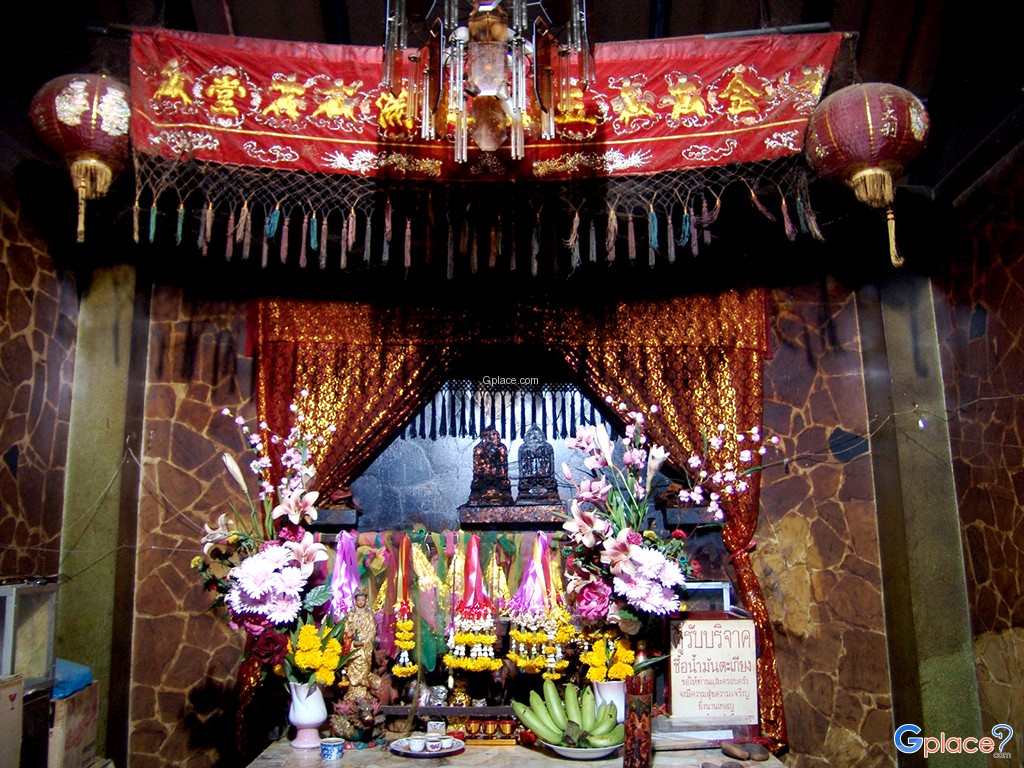
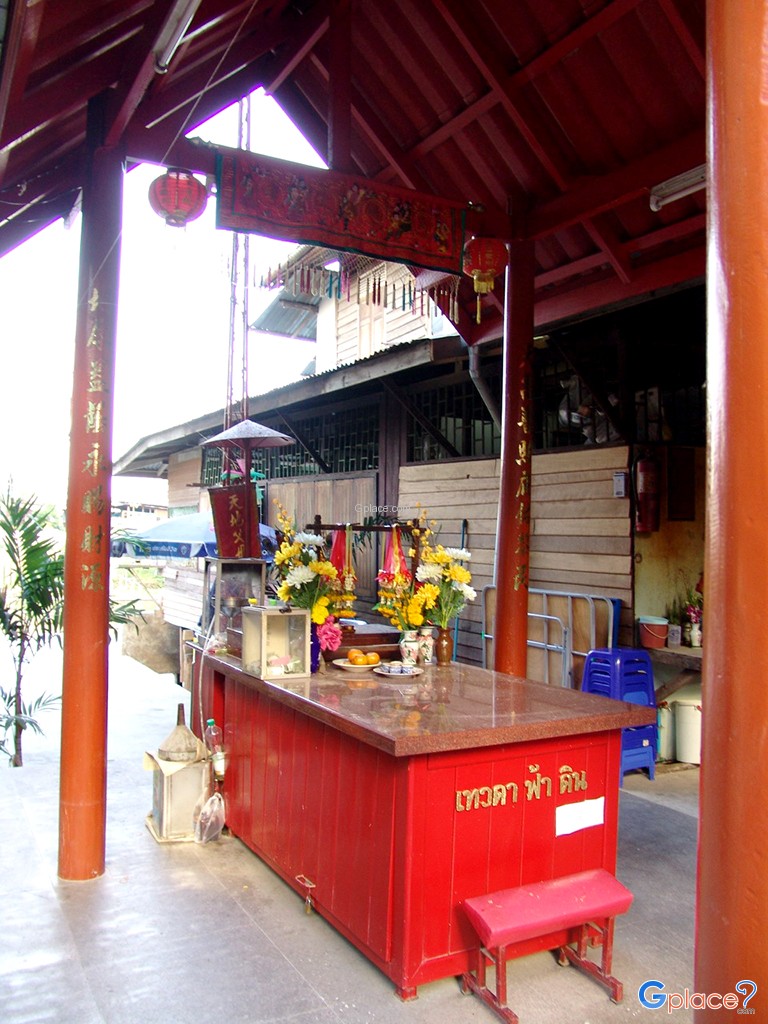
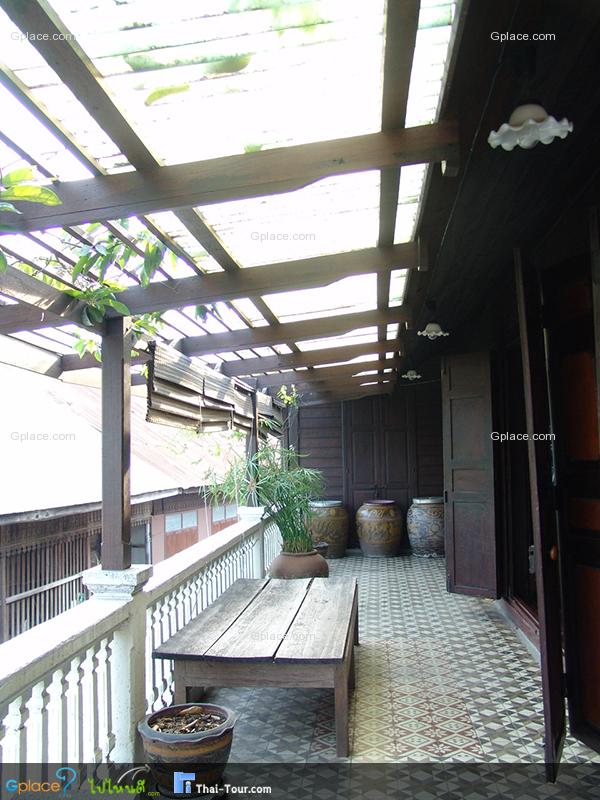
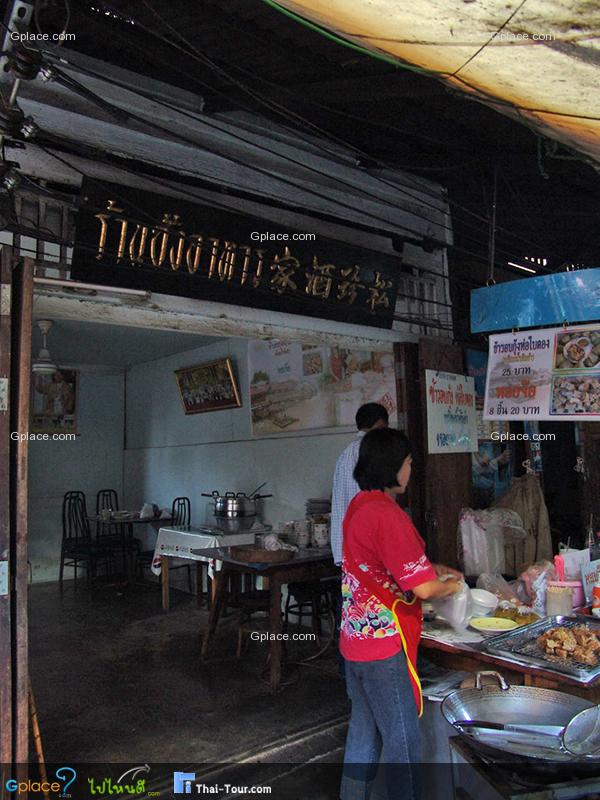
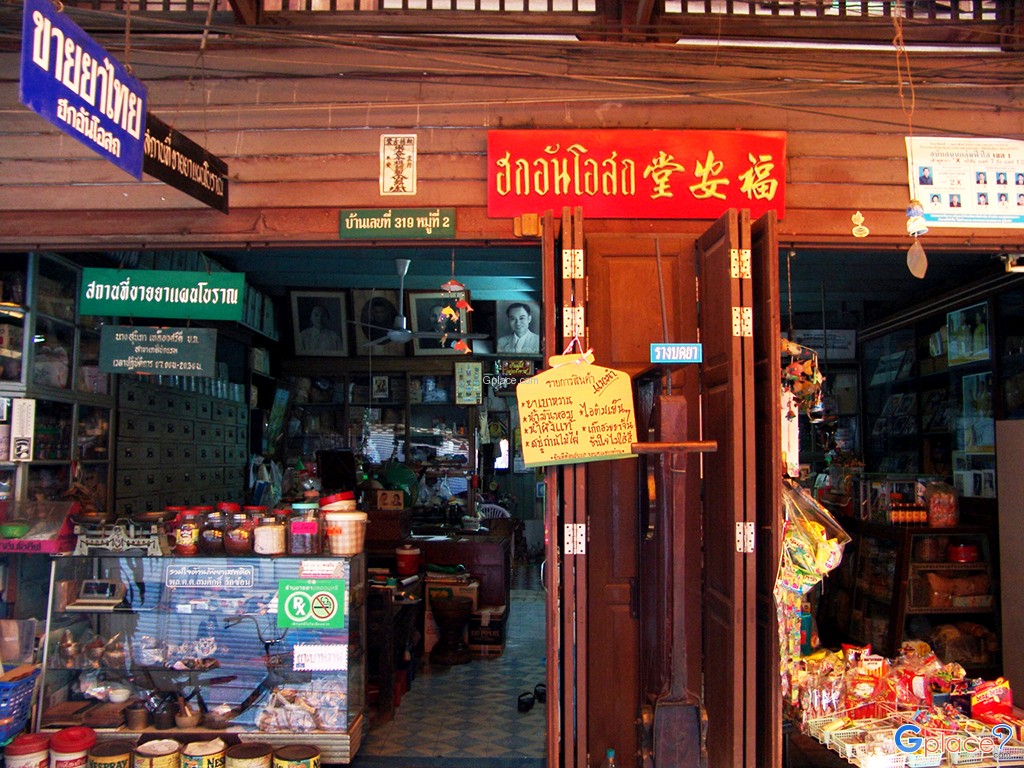
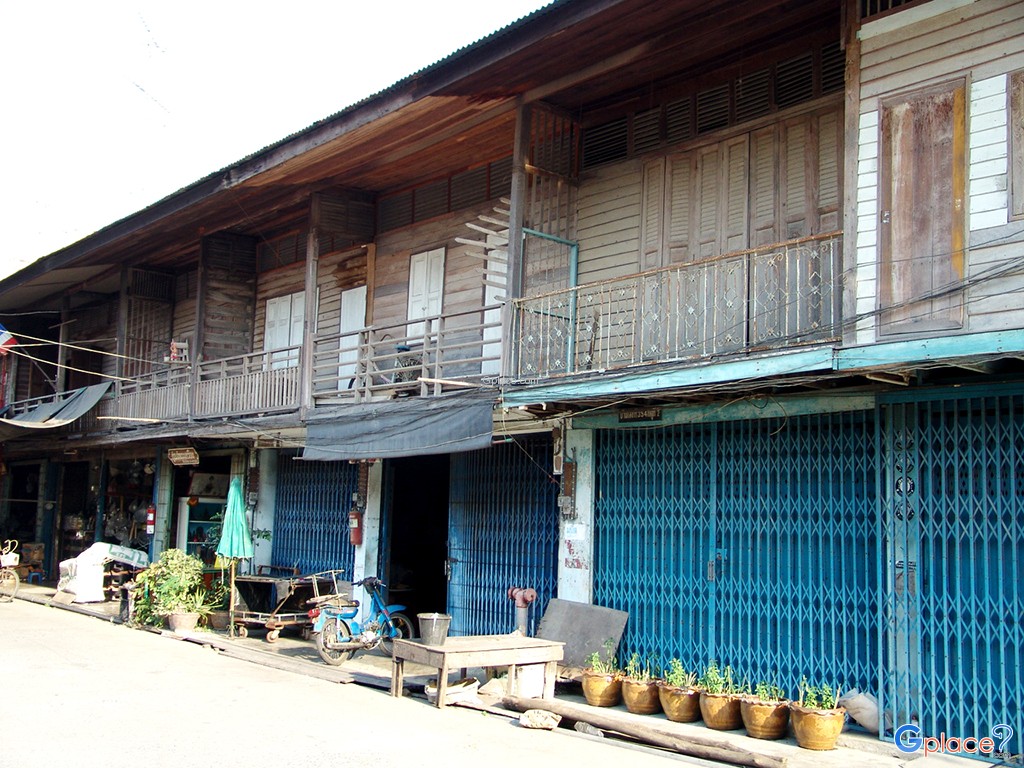
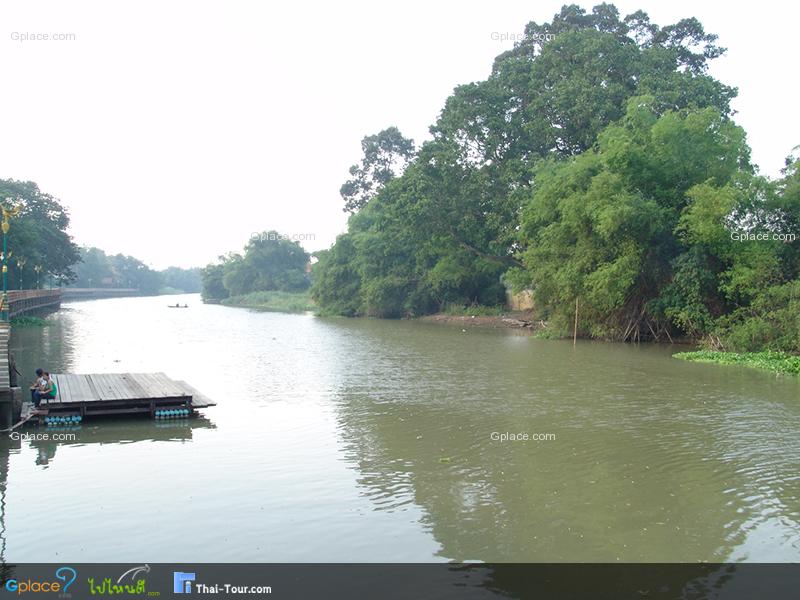

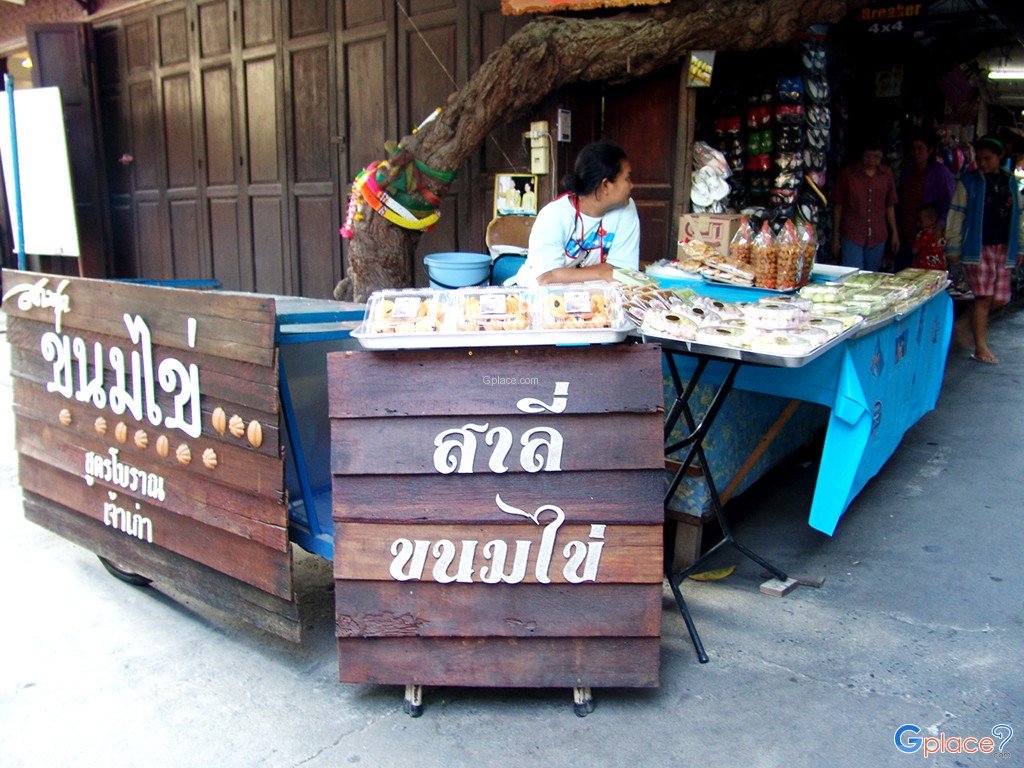
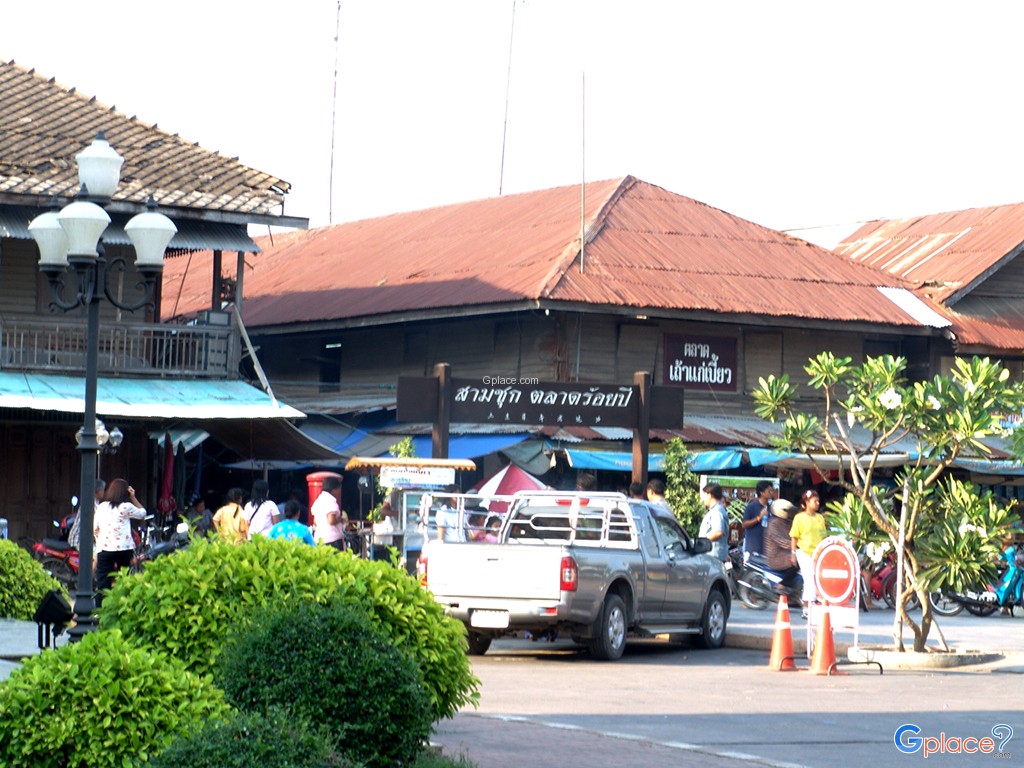
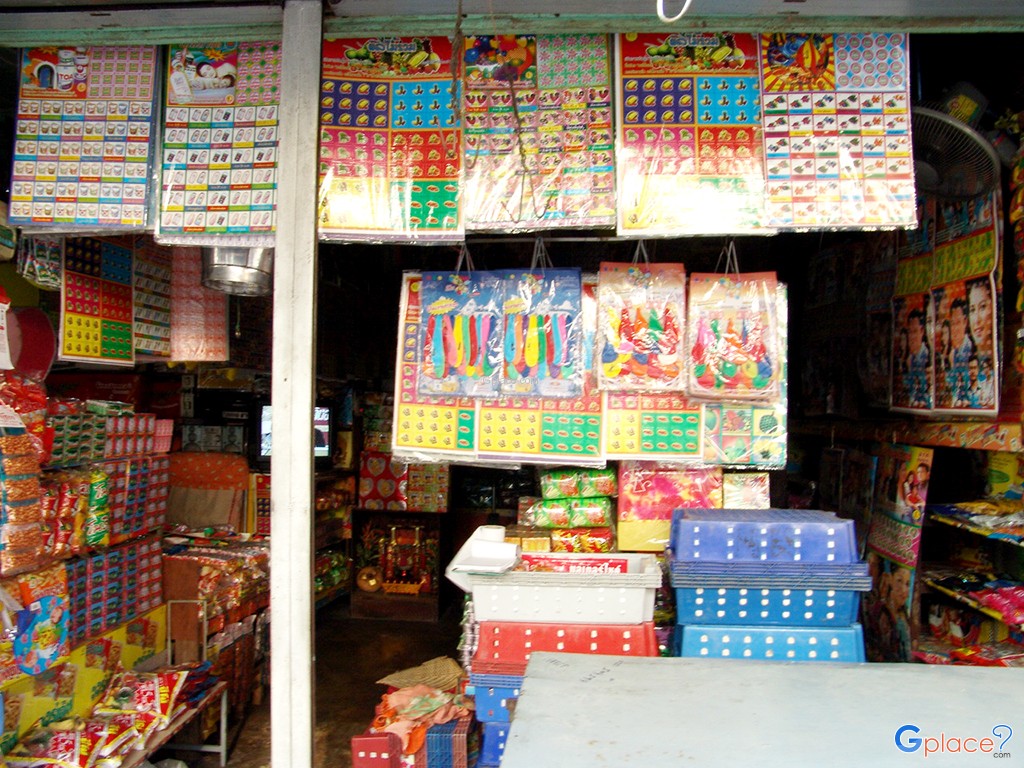
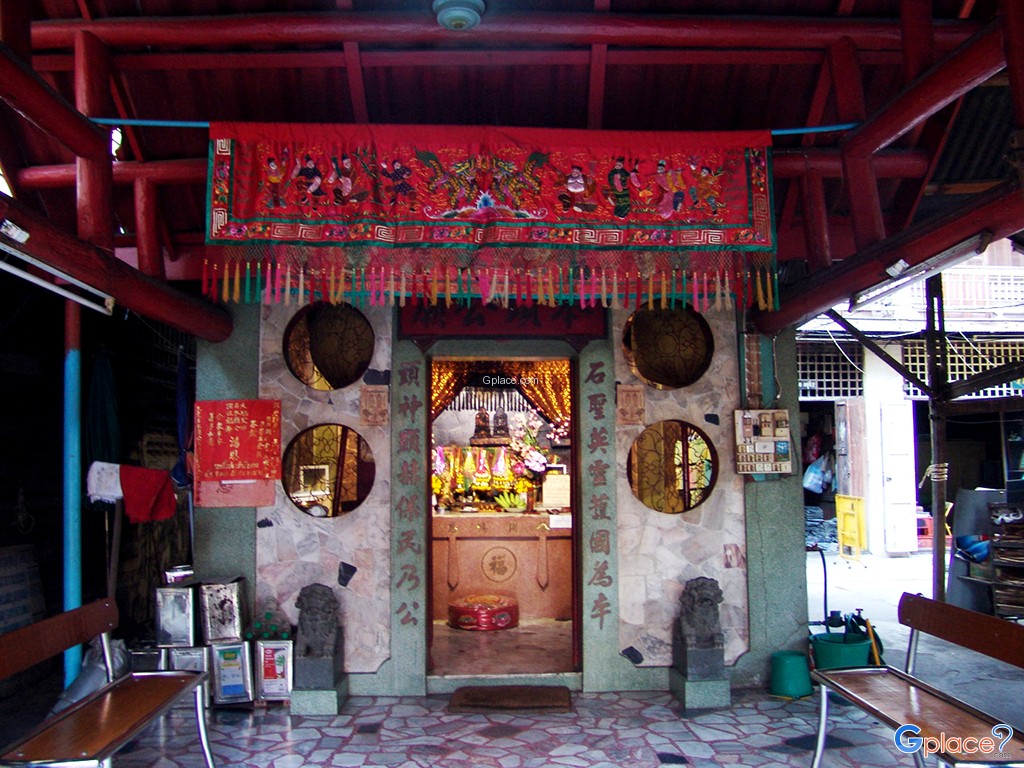

Sam Chuk Market is an old community market surrounded by wooden houses and stories of people’s lives from the past, with very little alteration or modern modification. Visitors can truly step back in time and experience the atmosphere of the period when the market was at its peak. In the early days, Sam Chuk Market served as an important trading center along the Suphan River basin. Local villagers brought native products such as salt, cotton, minerals, and herbs to trade with merchants who traveled by boat.
Later, when the riverside areas of the Suphan River developed into major rice-farming zones and several large rice mills were established, Sam Chuk Market grew into an important rice trading hub of the region. Commercial activities became lively and continuous, allowing the market to expand beyond the riverbanks into inland areas. Rows of wooden shophouses were constructed along the roads, reflecting the economic prosperity of that era.
During its golden age, the market generated significant tax revenue for the government, leading to the appointment of the first tax collector, Khun Chamnong Chinarak, who played a key role in managing and overseeing the market. This period of prosperity lasted for several decades. However, after roads were constructed through Sam Chuk District, people increasingly relied on land transportation, causing river-based trade and the traditional lifestyle of the market to gradually decline.
Although its economic role diminished, Sam Chuk Market continued to maintain its wooden shophouse layout and traditional community lifestyle. Because the physical characteristics and way of life of the community changed very little over time, even after more than a hundred years, the market has become a rare example of preserved cultural heritage in modern society.
As a result, the people of Sam Chuk Market collectively worked to restore, preserve, and conserve the traditional wooden architecture as cultural heritage. At the same time, the area was developed into an eco-cultural tourism destination and a community learning center, allowing the market to regain its vitality. One of the most significant buildings is the house of Khun Chamnong Chinarak, the first tax collector and owner of Sam Chuk Market. Built in 1916, the house served as a family residence as well as a place to welcome and accommodate respected figures and important guests. Today, this house stands as a historical testament reflecting the former prosperity and strong community relationships of Sam Chuk Market.