 Attractions
  Hotel
Hotel  Restaurant
  Shopping
  Abroad





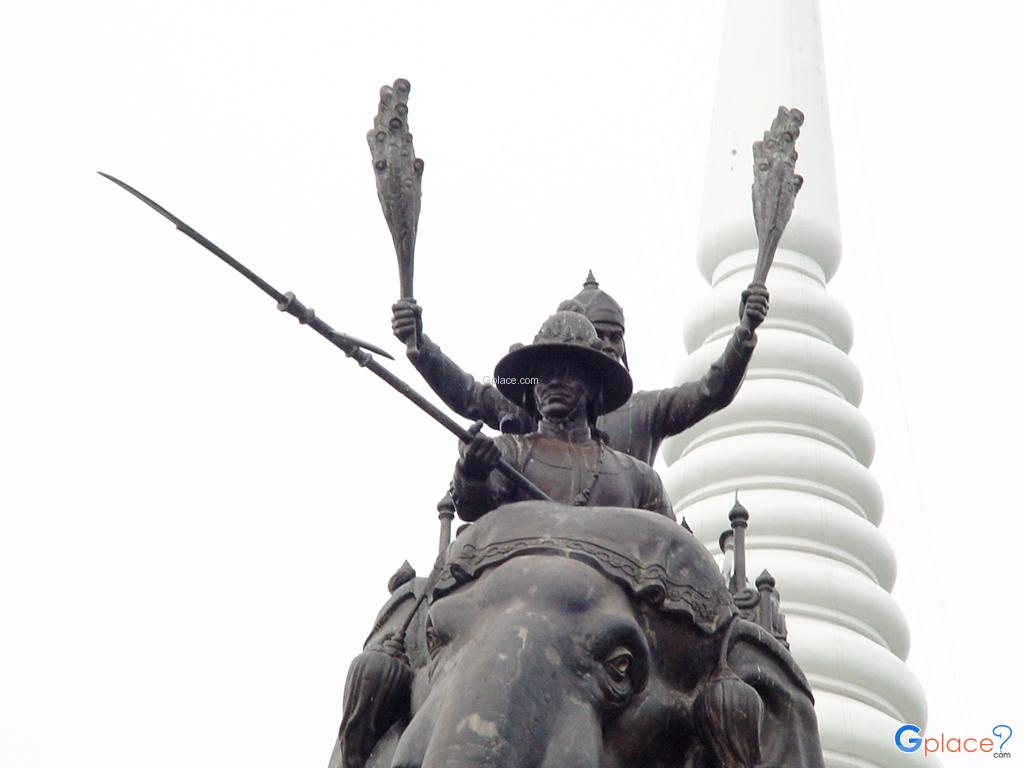

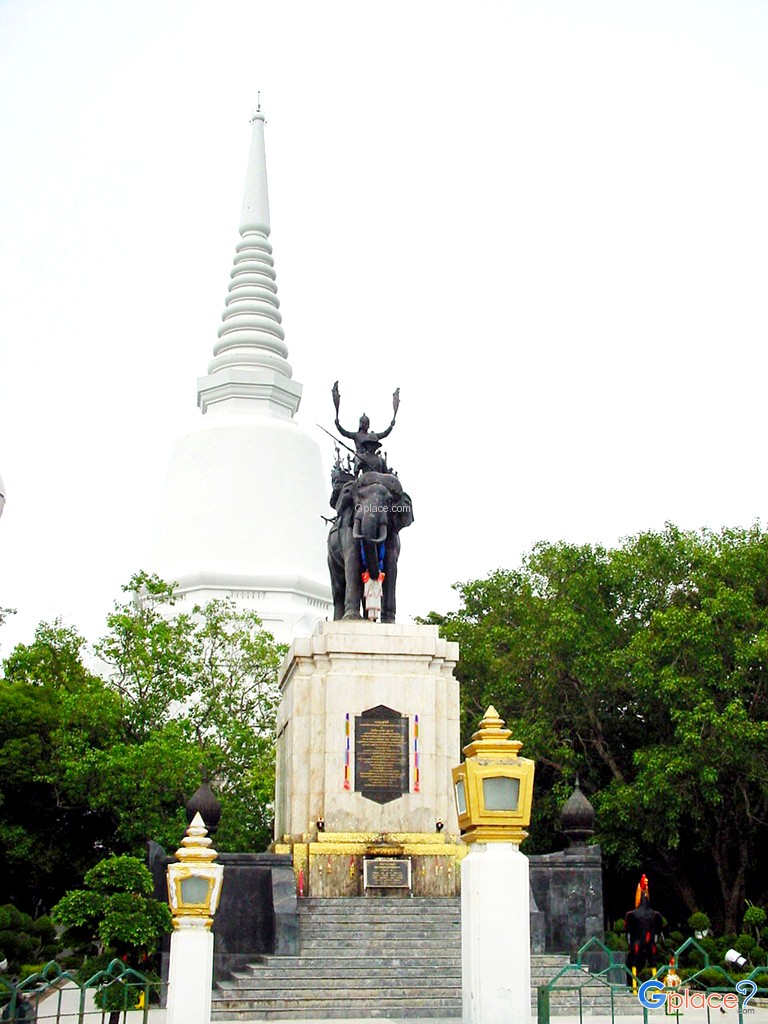
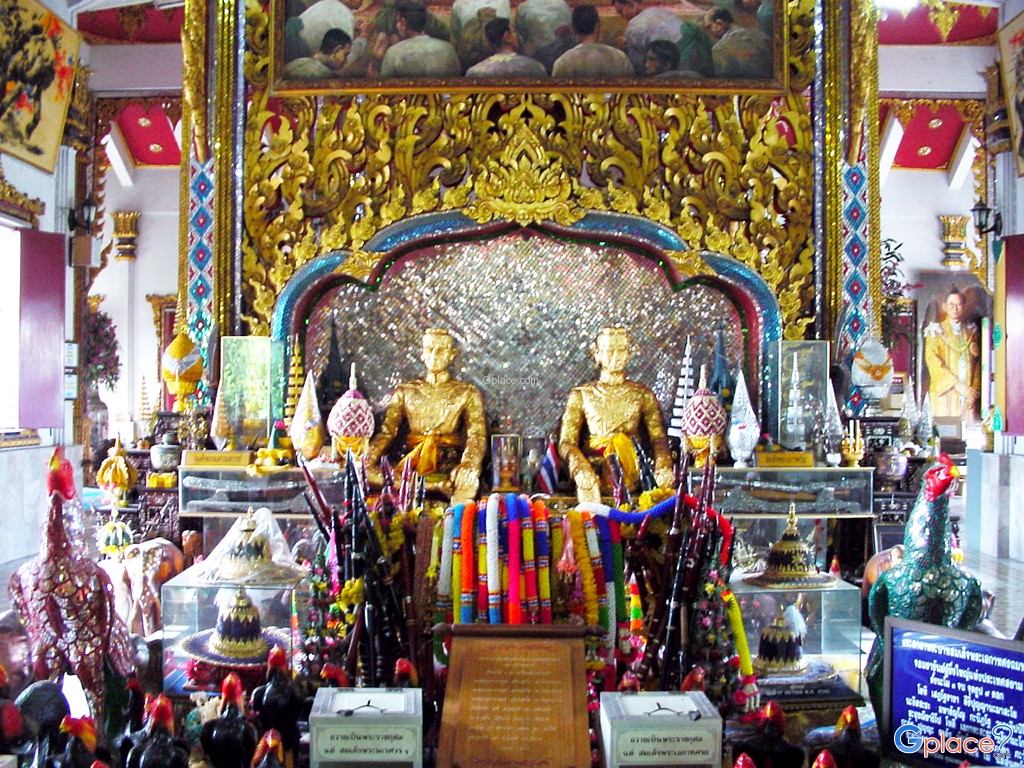
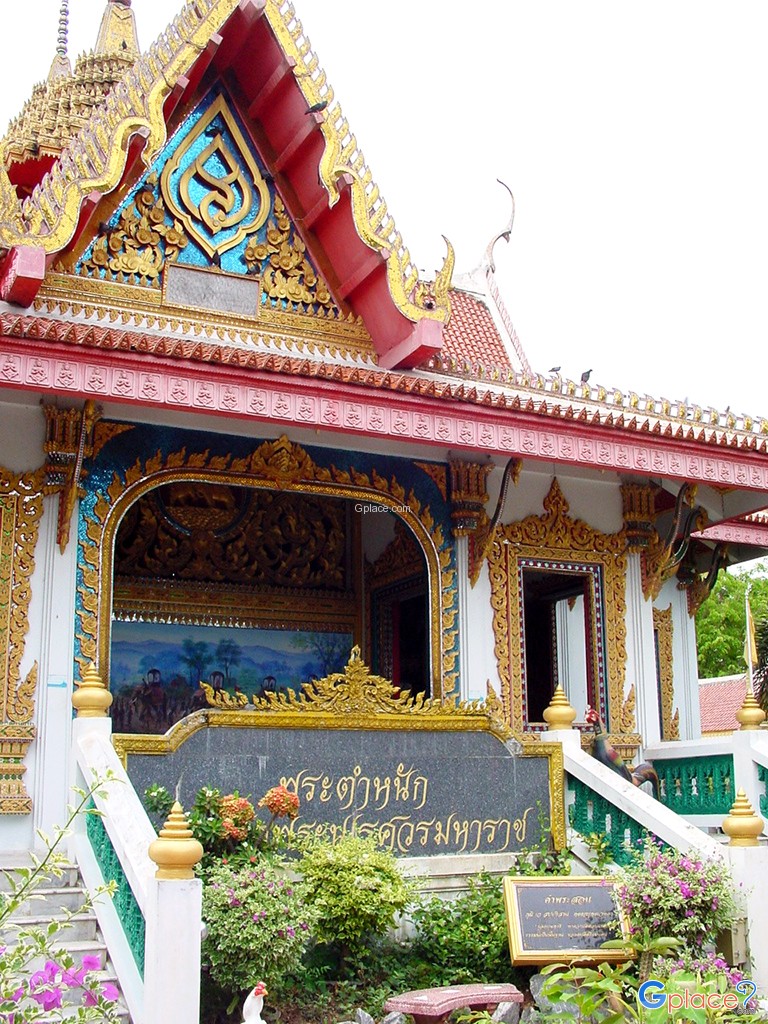
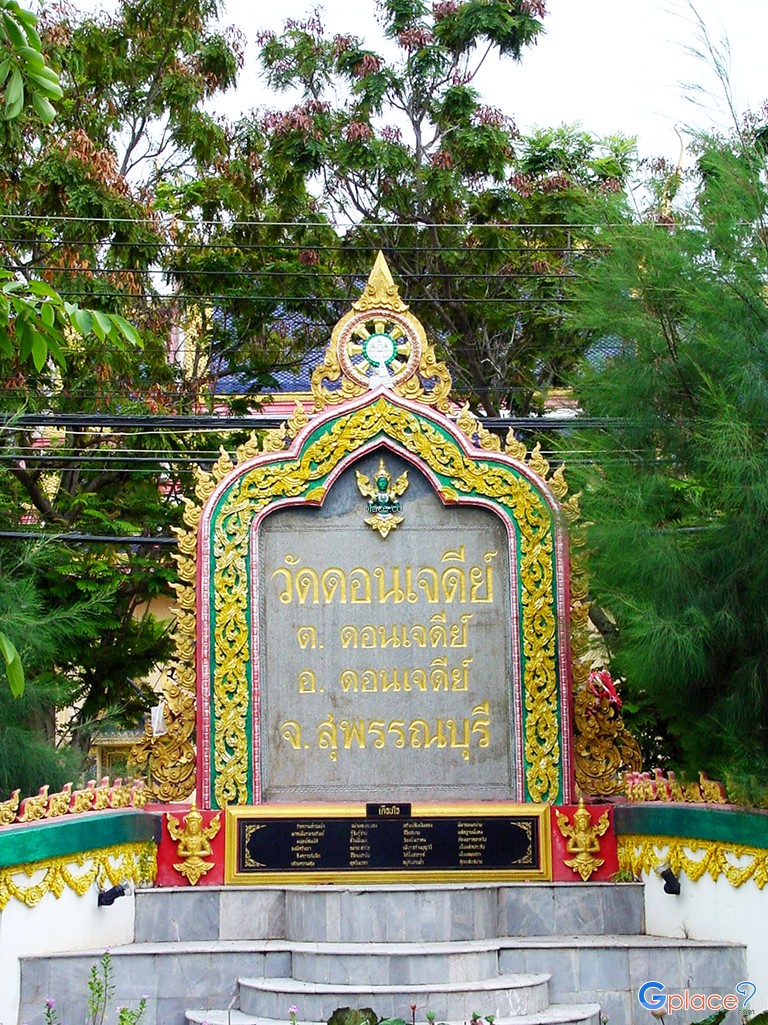

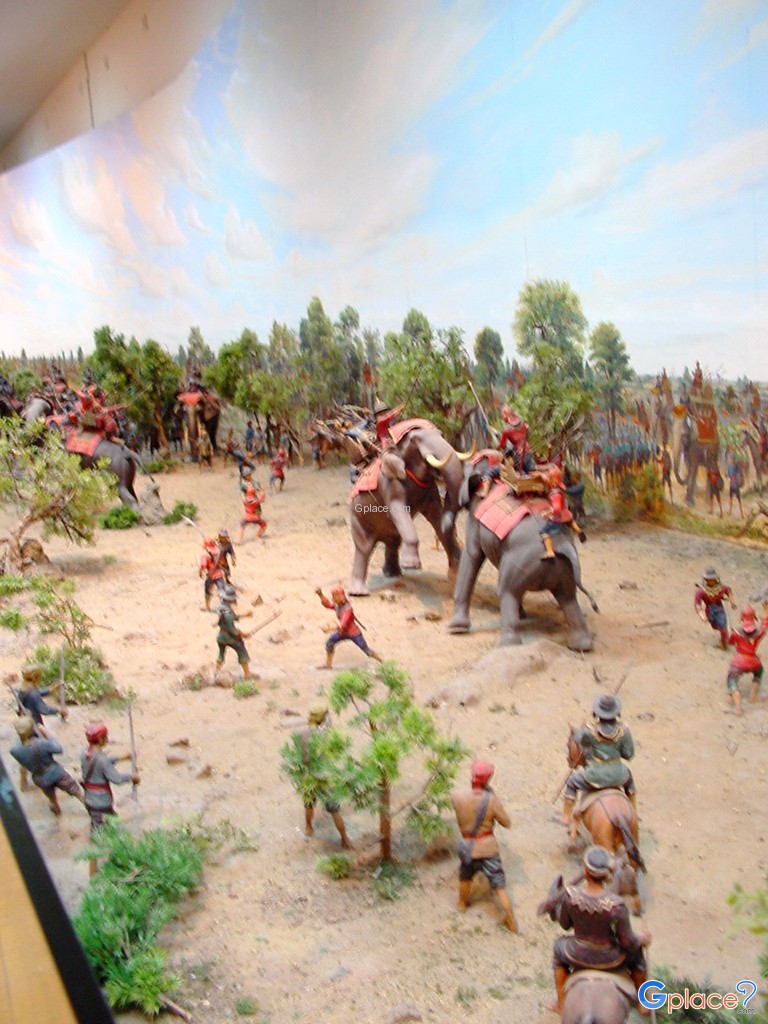
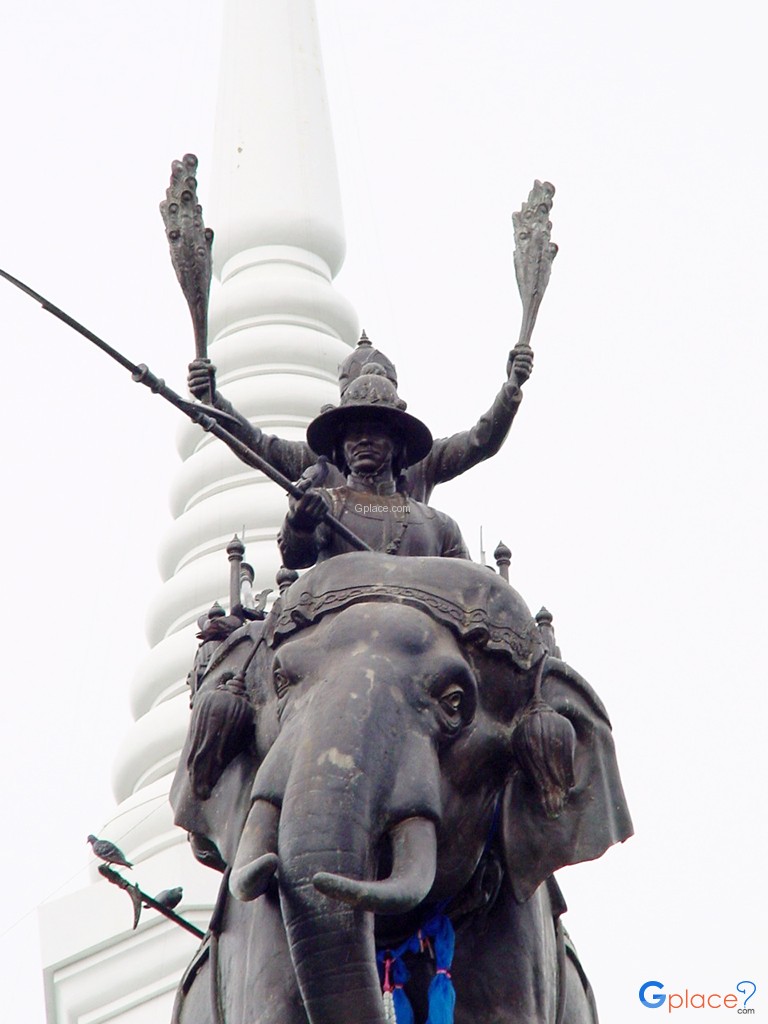
“The Yutthahatti Pagoda, a symbol of Thai victory and freedom, and the majestic monument of King Naresuan the Great on his war elephant, standing tall as a guardian of Suphan Buri.”
Don Chedi Royal Monument is one of Thailand’s most important historical landmarks, located in Don Chedi District, Suphan Buri Province. The monument consists of two key elements of great significance: the royal statue of King Naresuan the Great mounted on his war elephant, and the Elephant Duel Chedi. King Naresuan ordered the construction of this chedi to commemorate his decisive victory over the Burmese Crown Prince in the historic Elephant Duel War in 1591. This victory marked a crucial turning point that firmly liberated the Ayutthaya Kingdom from Burmese domination.
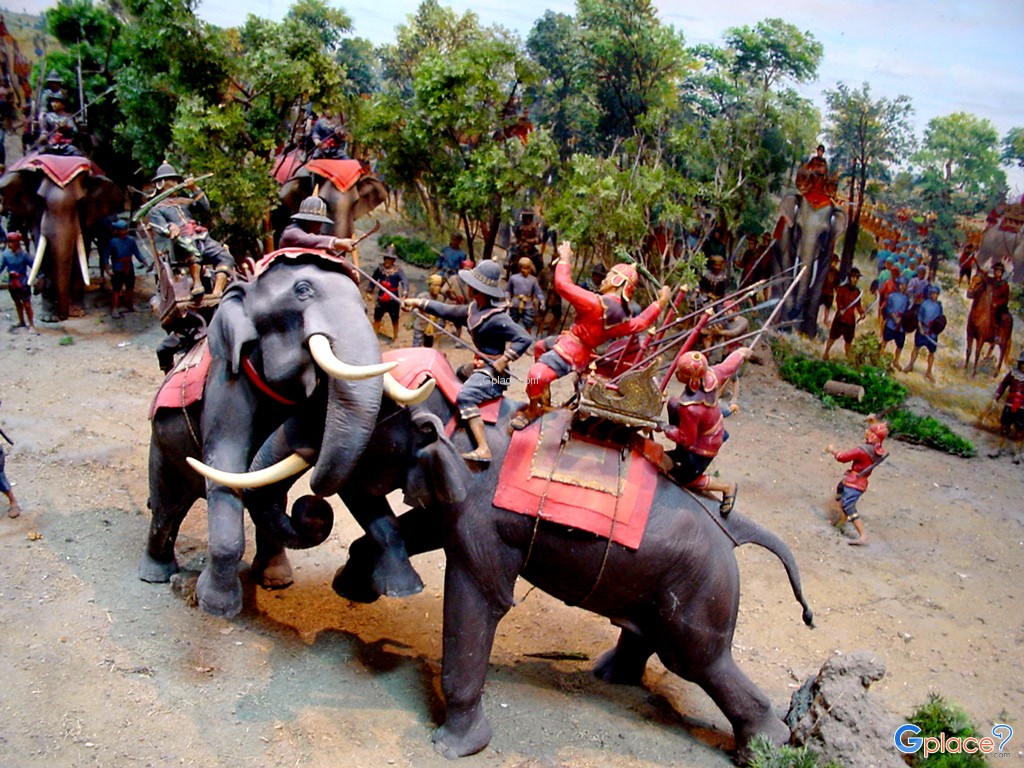
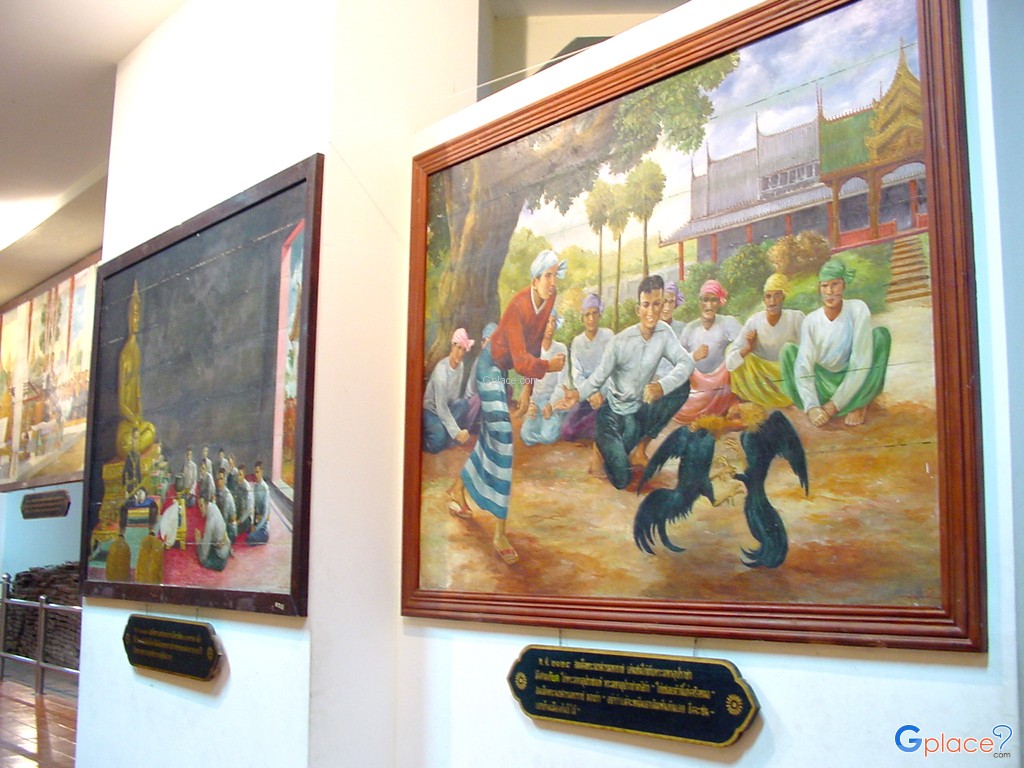
Inside the Elephant Duel Chedi, exhibition halls have been created to present history through multimedia displays, including light and sound presentations and hundreds of detailed miniature figures depicting the movements of both Thai and Burmese armies. These exhibitions vividly recreate the atmosphere of ancient warfare, allowing visitors to gain historical knowledge while enjoying an engaging and immersive experience. The site serves as a living historical classroom suitable for visitors of all ages.
The Don Chedi Royal Monument received great royal grace when His Majesty the present King presided over the ceremonial rites and officially opened the monument on January 25, 1959. Since then, the Thai government has designated January 25 of every year as the Day of Royal Homage at the Don Chedi Royal Monument, which is also recognized as the Royal Thai Armed Forces Day. Suphan Buri Province commemorates this occasion annually with the Don Chedi Memorial Fair to honor the heroic deeds of King Naresuan the Great.
King Naresuan the Great was born on the first lunar day of the first month in the Year of the Rabbit, 1555, at Chankasem Palace in Phitsanulok Province. He was the second son of King Maha Thammaracha and Queen Wisutkasatree, the daughter of Queen Suriyothai and King Maha Chakkraphat. He had an elder sister, Princess Suphankanlaya, and a younger brother, Prince Ekatotsarot, both of whom played significant roles in Thai history.
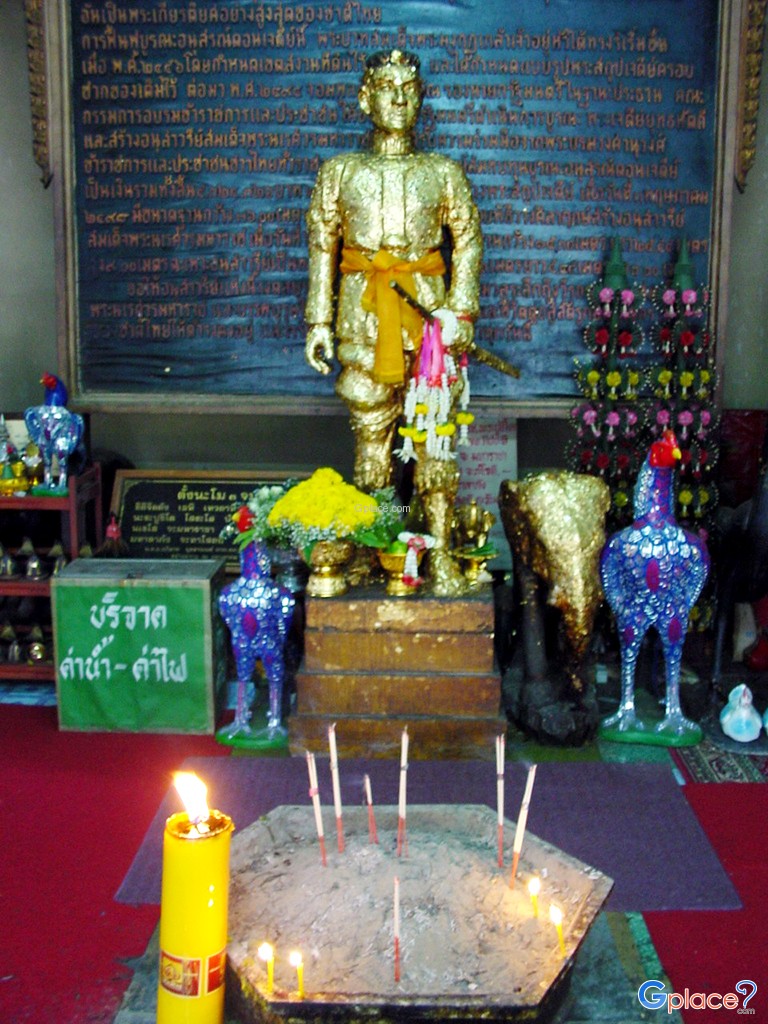
During the period when Ayutthaya fell under Burmese control, King Naresuan was taken to Hongsawadee as a royal hostage at the age of only eight. There, he grew up and received military training alongside Mingyi Swa, the son of King Nanda Bayin, who later became the Burmese Crown Prince. A famous cockfighting incident, in which Mingyi Swa insulted King Naresuan after losing, became a symbol of the Thai king’s determination, dignity, and unyielding spirit.
Later, Princess Suphankanlaya made the ultimate sacrifice by offering herself to King Nanda Bayin in exchange for King Naresuan’s safe return to Ayutthaya. When King Naresuan later learned of an assassination plot against him, he boldly proclaimed independence at Mueang Kraeng, declaring that Ayutthaya would no longer be subject to Hongsawadee. This courageous act led to a series of major conflicts, culminating in the famous Elephant Duel War in 1592, where King Naresuan emerged victorious. This victory laid the foundation for Thailand’s independence and national sovereignty.
Today, the Don Chedi Royal Monument stands not only as a tourist attraction but also as a place of learning, remembrance, and national pride. It honors the wisdom, bravery, and selfless devotion of King Naresuan the Great, the warrior king who sacrificed everything for the freedom and dignity of the Thai nation.
How to Get There
Private Car:
- From Suphan Buri city center, take Highway 322 (Suphan Buri-Don Chedi) for about 31 km. The monument is clearly visible at the end of the road.
Public Transport:
- Vans on the Bangkok-Suphan Buri-Don Chedi line are available from Bangkok’s bus terminals (Mo Chit 2 and Pinklao). Get off at Don Chedi district station, which is adjacent to the site.
Travel Tips
Best Time to Visit:
- Recommended in the late afternoon to enjoy the sunset view. For the ultimate experience, visit during the annual festival in January.
Dress Code:
- As it is a sacred and highly significant historical site, please wear polite and modest clothing (avoid shorts or sleeveless tops).
Recommended Activities:
- Visit the exhibitions inside the pagoda to gain a deeper understanding of the site's history and significance.
Must-Try Items:
- Taste the famous Sali Suphan (Suphan Buri Sponge Cake) and local delicacies sold in the market area near the monument.
Admission Fee
-
Local visitors: Free (Donations for exhibition maintenance are welcome)
-
Foreign visitors: Free
Opening Hours
-
Open daily from 07:00 - 18:00
Don Chedi Monument

 Share
Share
 Don Chedi-Sa Krachom Road, Don Chedi Sub-district, Don Chedi District, Suphan Buri, Thailand
Map
Don Chedi-Sa Krachom Road, Don Chedi Sub-district, Don Chedi District, Suphan Buri, Thailand
Map
 Closed today
Mon7.00 - 18.00
Tue7.00 - 18.00
Wed7.00 - 18.00
Thu7.00 - 18.00
Fri7.00 - 18.00
Sat7.00 - 18.00
Sun7.00 - 18.00



 5463
5463