 Attractions
  Hotel
Hotel  Restaurant
  Shopping
  Abroad





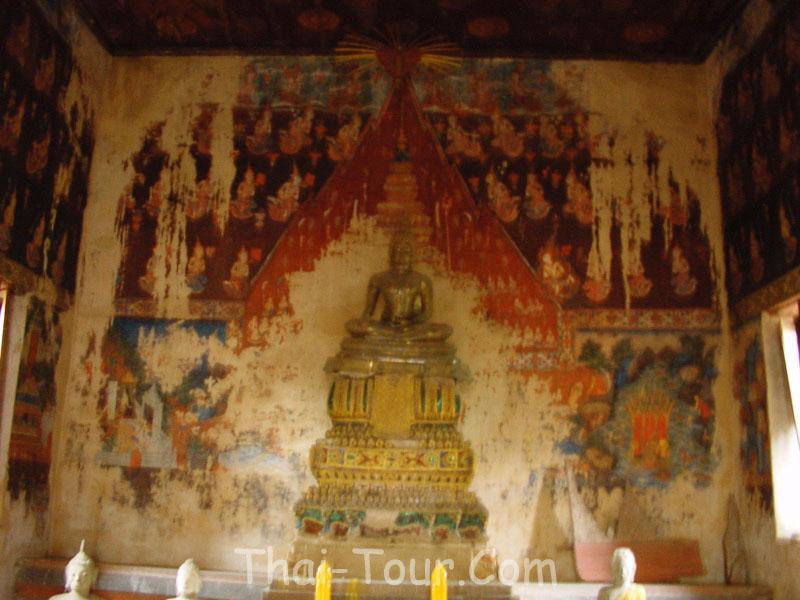

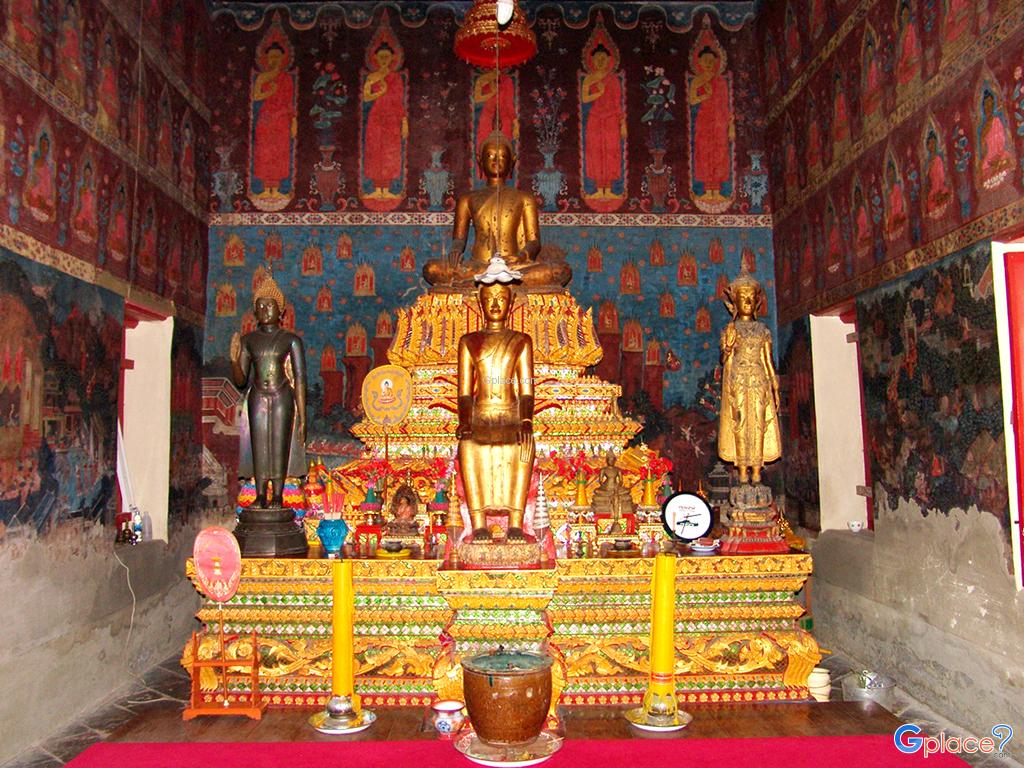
“Behold the magnificent murals painted during the reign of King Rama III, depicting the life of Buddha and Jataka tales with graceful lines and vibrant colors.”
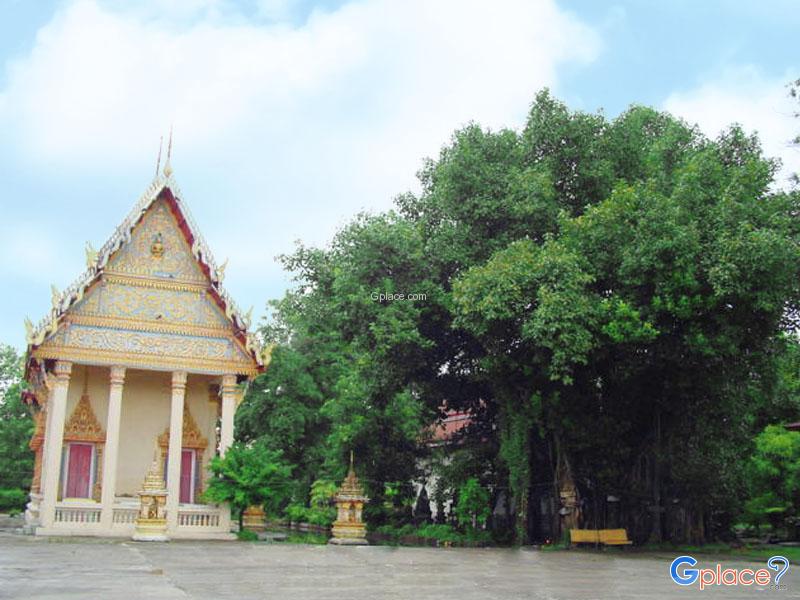
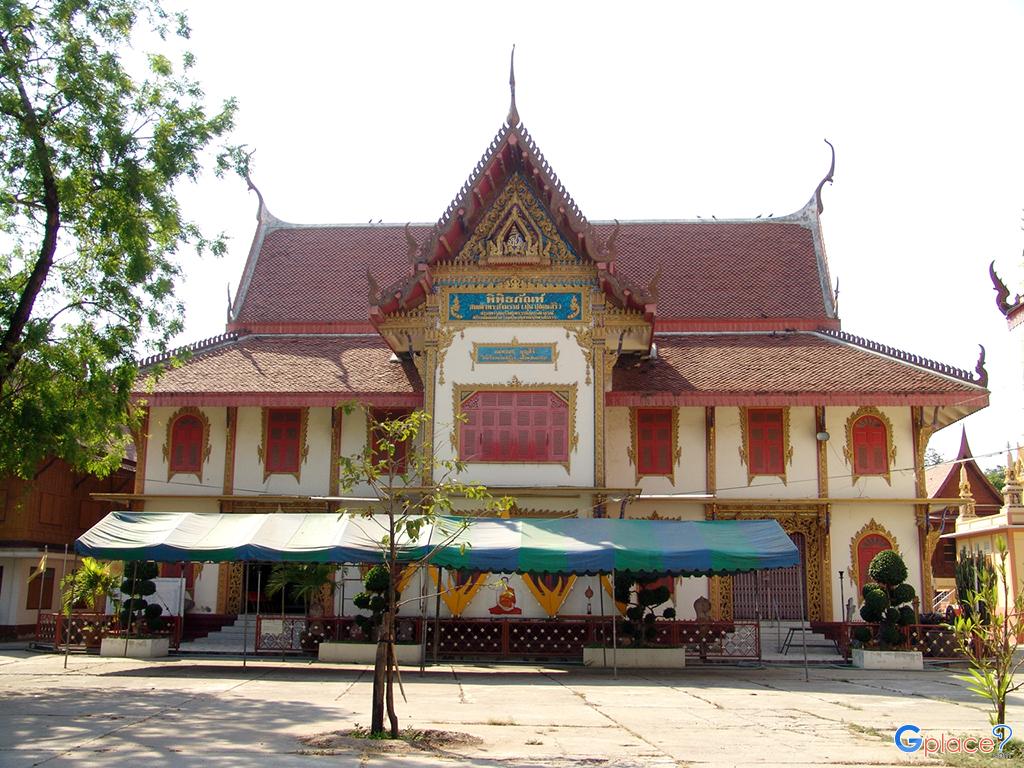
No Phutthangkun Temple, formerly known as “Wat Makham No”, is an ancient temple established during the early Rattanakosin period, around the reign of King Rama III. It was founded by Lao communities who migrated and settled along the Tha Chin River. The temple clearly reflects the blending of cultural beliefs and artistic traditions passed down through generations of riverside communities, serving as a long-standing spiritual center for the people of Phihan Daeng Subdistrict.
The most remarkable treasure of the temple is the mural paintings inside the old ordination hall, created by master craftsmen during the reign of King Rama III. These murals depict scenes from the Buddha’s life and the Ten Great Birth Stories (Jataka Tales), executed using traditional mineral pigments. The paintings are distinguished by their delicate lines, refined composition, and expressive figures, showcasing the exceptional skill and devotion of the artists.
Another significant charm lies in the integration of everyday life from the past into the murals. Elements such as traditional clothing, occupations, architecture, and daily activities are subtly woven into the religious narratives. As a result, the murals serve not only as sacred artworks but also as valuable visual records of Thai society and culture during that historical period.
The atmosphere within the temple grounds is calm, serene, and shaded by greenery. The old ordination hall is modest in size yet graceful in its traditional Thai architectural style. Upon entering, visitors can sense the sacred aura and spiritual depth created by the surrounding murals, making it an ideal place to slow down, reflect, and appreciate the artistic and spiritual heritage preserved within the walls.
No Phutthangkun Temple can be regarded as a living art museum, especially appealing to art historians, students, photographers, and those passionate about Thai culture. Natural light filtering through doors and windows casts gentle shadows across the mural surfaces, enhancing their depth and revealing the meticulous details of the artwork in a truly captivating way.
A visit to this temple is not only an opportunity for worship but also a journey back in time, offering insight into the artistic roots, beliefs, and daily lives of people in the past. Through the ancient brushstrokes that still adorn the ordination hall walls, visitors can experience a timeless connection to Thailand’s cultural and artistic legacy.
How to Get There
Private Car:
- From Suphan Buri town, take Somphan Khong Road (on the west side of the Tha Chin River) towards Pihan Daeng. The temple is on the left with clear signage.
Public Transport:
- Tuk-tuks or motorcycle taxis from Suphan Buri town can easily take you to the temple.
Travel Tips
Best Time to Visit:
- Morning to late morning (09:00 - 11:30) is best as natural light helps reveal the intricate details of the murals inside the chapel.
Chapel Access:
- The old chapel may be kept closed for preservation. If you arrive and it is locked, feel free to ask for permission from the temple monks or staff to enter.
Photography:
- Using a flash is strictly prohibited as it damages the ancient colors. Please be mindful of this rule.
Etiquette:
- As it is a sacred site with important heritage, please dress politely and remove your shoes before entering the chapel.
Admission Fee
-
Thai Visitors: Free
-
Foreign Visitors: Free
Opening Hours
-
Daily from 08:00 – 17:00
No Phutthangkun Temple

 Share
Share
 Somphan Khong Road, Pihan Daeng, Mueang Suphan Buri, Suphan Buri, Thailand
Map
Somphan Khong Road, Pihan Daeng, Mueang Suphan Buri, Suphan Buri, Thailand
Map
 Closed today
Mon8.00 - 17.00
Tue8.00 - 17.00
Wed8.00 - 17.00
Thu8.00 - 17.00
Fri8.00 - 17.00
Sat8.00 - 17.00
Sun8.00 - 17.00



 3917
3917