 Attractions
  Hotel
Hotel  Restaurant
  Shopping
  Abroad






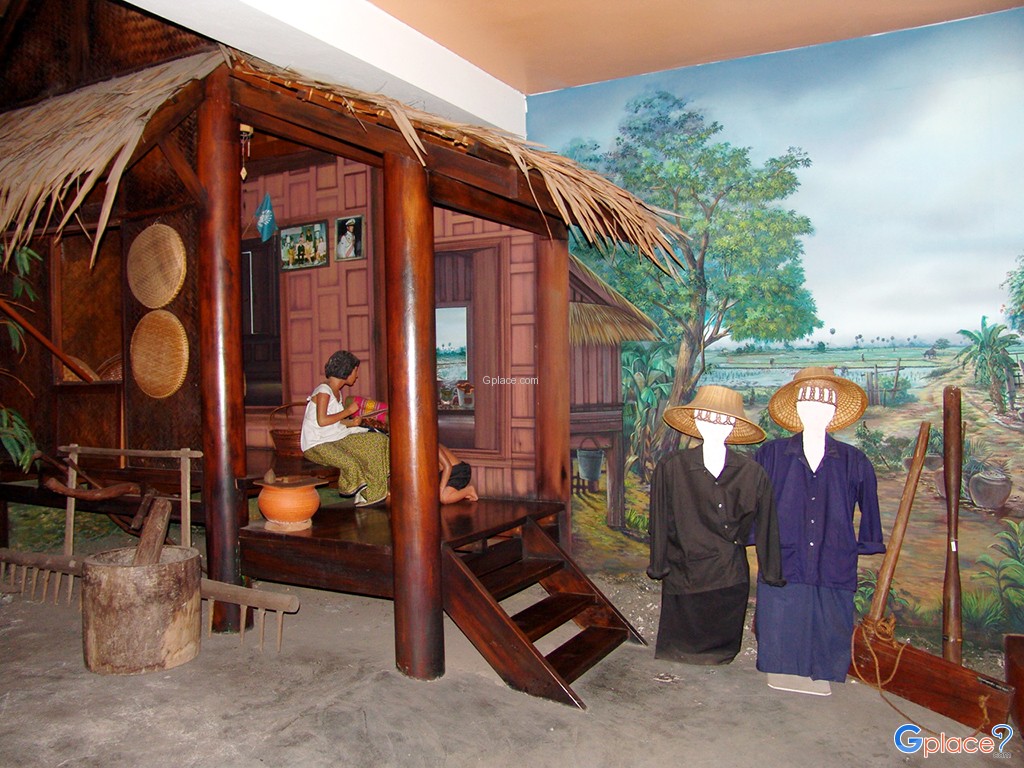
“Explore an extensive collection of ancient farming tools and vivid replicas of the traditional farmer's way of life, rarely seen in the modern world.”
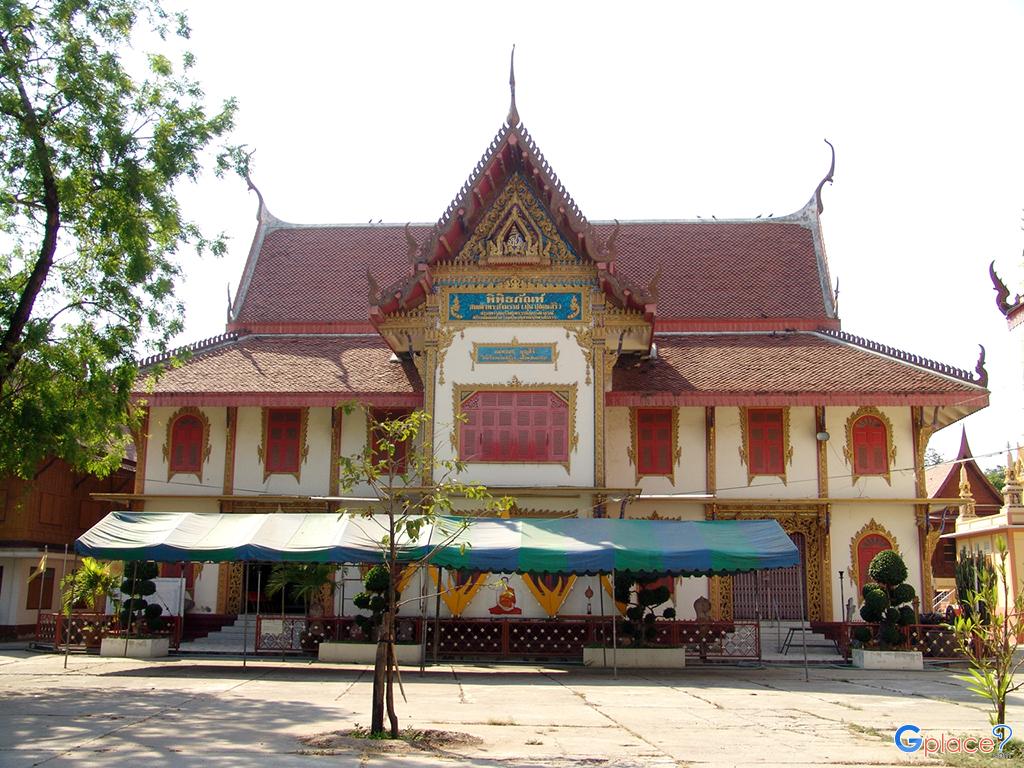
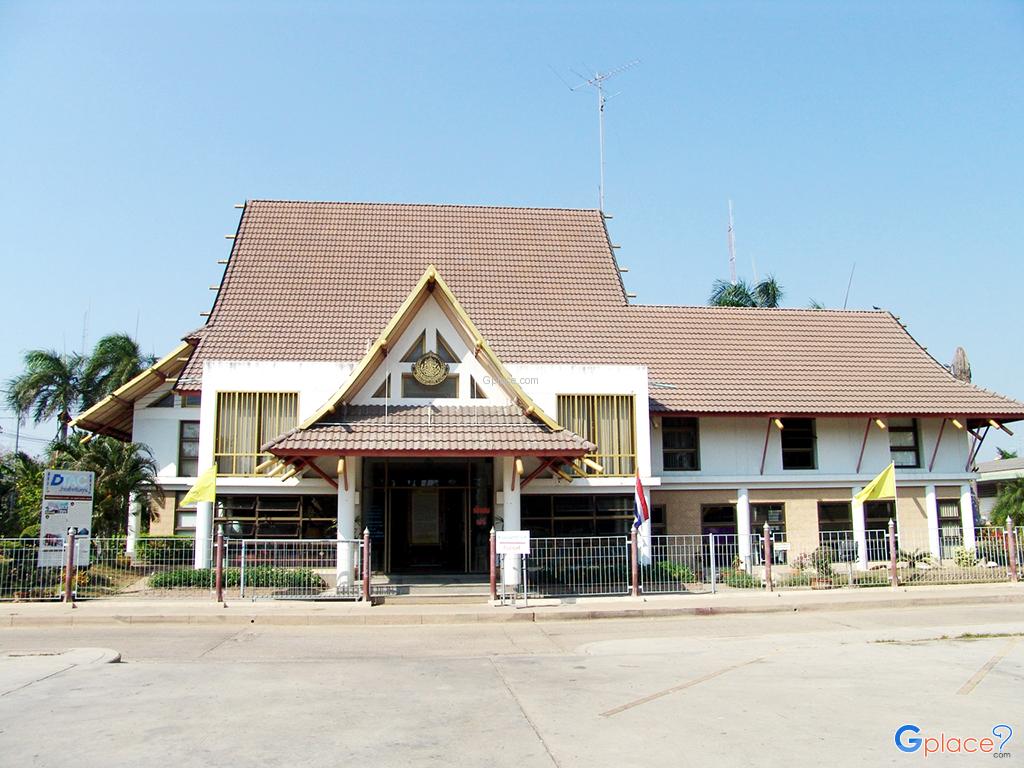
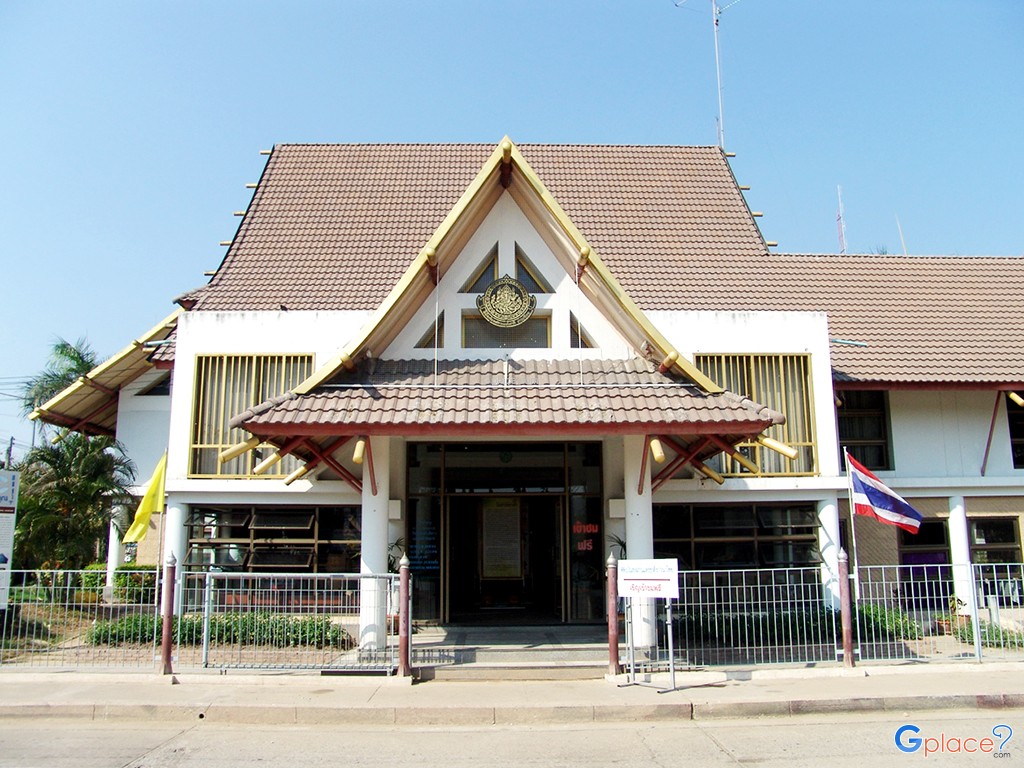
National Museum of Thai Farmers is located in a beautiful Thai-style wooden building, which formerly served as the Suphan Buri Provincial Hall. The building has been preserved and adapted by the Fine Arts Department to become a museum dedicated to honoring the farming profession, widely regarded as the backbone of the nation and a vital force that has sustained Thai society for generations. The museum also plays an important role in collecting, preserving, and passing on Thailand’s unique agricultural heritage so that future generations can study and appreciate it in an organized and meaningful way.
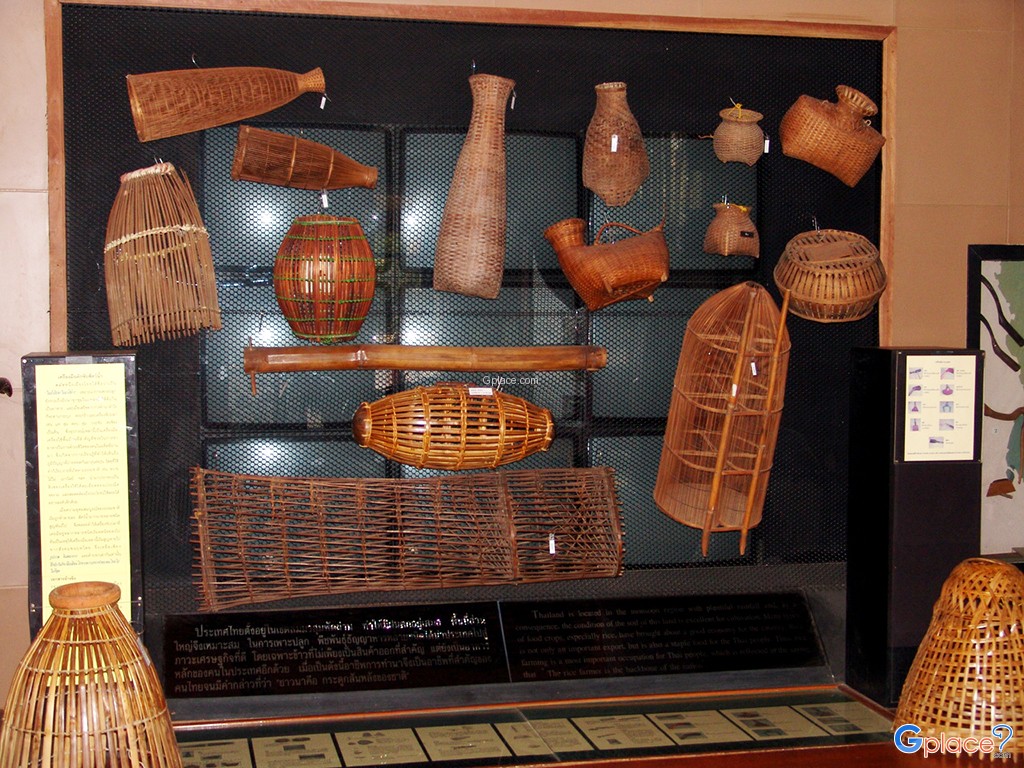
One of the most significant highlights not to be missed is the exhibition on the royal benevolence of Thai monarchs toward rice farming, which illustrates the crucial role of the monarchy in improving the livelihoods of Thai farmers throughout different eras. Alongside this exhibition is a display of traditional farming tools used in the past, such as wooden plows, yokes, bamboo fish traps, sickles, and ancient rice milling machines. These artifacts help visitors gain a deeper understanding of the traditional way of life and wisdom of Thai farmers.
The museum also features models and educational media that reflect rice-related traditions and beliefs, including the Royal Ploughing Ceremony and the belief in Mae Phosop, the Rice Goddess, which has been deeply rooted in Thai society for centuries. These customs demonstrate the strong bond between agricultural practices and community life in Thailand from the past to the present. The exhibitions are designed to be easy to understand and engaging for visitors of all ages.
The atmosphere inside the museum is peaceful, green, and well-organized. The old wooden structure creates a warm and nostalgic feeling. Walking through the exhibitions allows visitors to observe the evolution of rice cultivation, from periods that relied heavily on human and animal labor to the era of modern machinery. This journey clearly reflects the perseverance, diligence, and wisdom of Thai ancestors passed down through generations.
The National Museum of Thai Farmers is especially suitable for families with young children, students, researchers in history and anthropology, and anyone interested in traditional Thai rural life. Moreover, the Thai-style wooden building has received an outstanding architectural conservation award, making it an excellent location for photographers to capture its elegant design and historical atmosphere.
Visitors are invited to explore the journey of rice grains—from the paddy fields to everyday life—and to experience the spirit of the countryside that has nourished the Thai people throughout every era at this valuable and meaningful museum.
How to Get There
Private Car:
- Located on Phra Phanwasa Road in the city center (next to Suphan Buri Vocational College). Parking is available in front of the museum.
Public Transport:
- Accessible via local city buses, tricycles, or tuk-tuks, which drop passengers directly in front of the museum.
Travel Tips
Best Time to Visit:
- Open year-round; weekends are perfect for family educational trips.
Preparation:
- The exhibits are in a semi-open building; please dress modestly and bring a camera to capture rare ancient artifacts.
Recommended Activity:
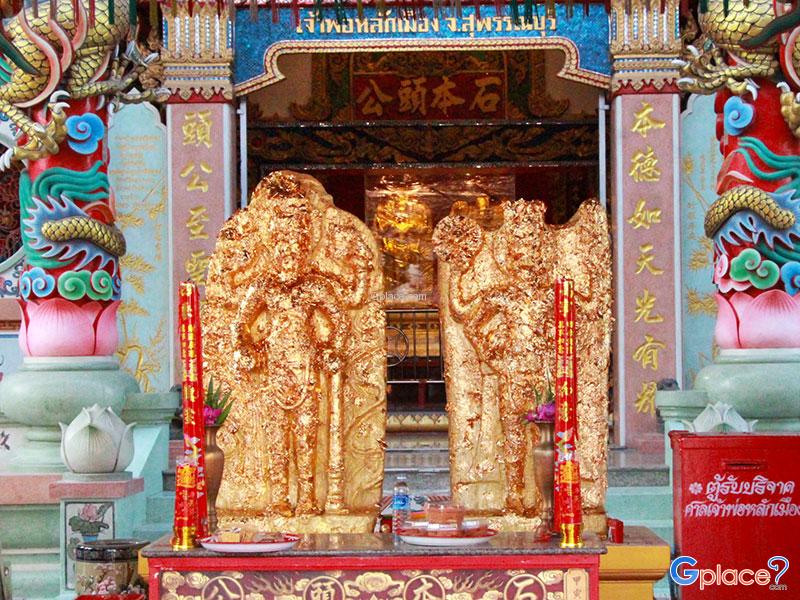
- After the museum, visit the nearby Suphan Buri City Pillar Shrine for good fortune.
Planning:
- For group visits, contacting the staff in advance for a guided tour by a curator is highly recommended to gain deeper insights.
Admission Fee
-
Thai Visitors: Adults 20 THB, Students in uniform and Seniors: Free
-
Foreign Visitors: Adults 100 THB
Opening Hours
-
Wednesday – Sunday (Closed on Monday, Tuesday, and Public Holidays) from 09:00 – 16:00
National Museum of Thai Farmers

 Share
Share
 Phra Phanwasa Road, Tha Phi Liang, Mueang Suphan Buri, Suphan Buri, Thailand
Map
Phra Phanwasa Road, Tha Phi Liang, Mueang Suphan Buri, Suphan Buri, Thailand
Map
 Open now : 9.00 - 16.00
Mon -
Tue -
Wed9.00 - 16.00
Thu9.00 - 16.00
Fri9.00 - 16.00
Sat9.00 - 16.00
Sun9.00 - 16.00



 3246
3246