 Attractions
  Hotel
Hotel  Restaurant
  Shopping
  Abroad






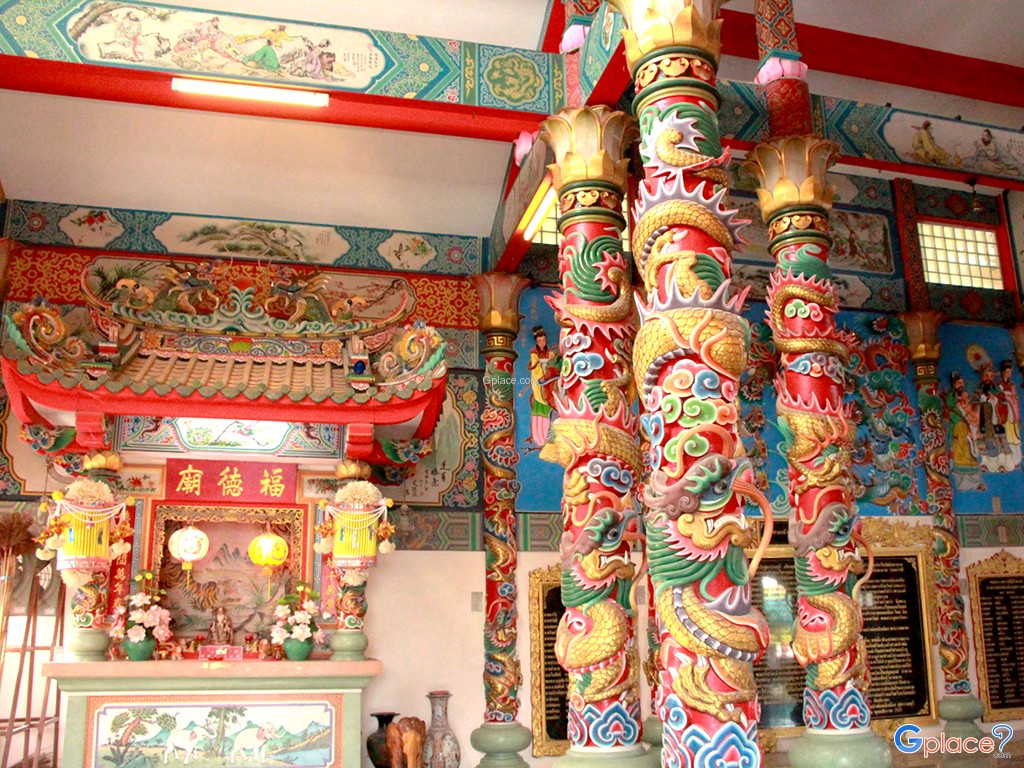
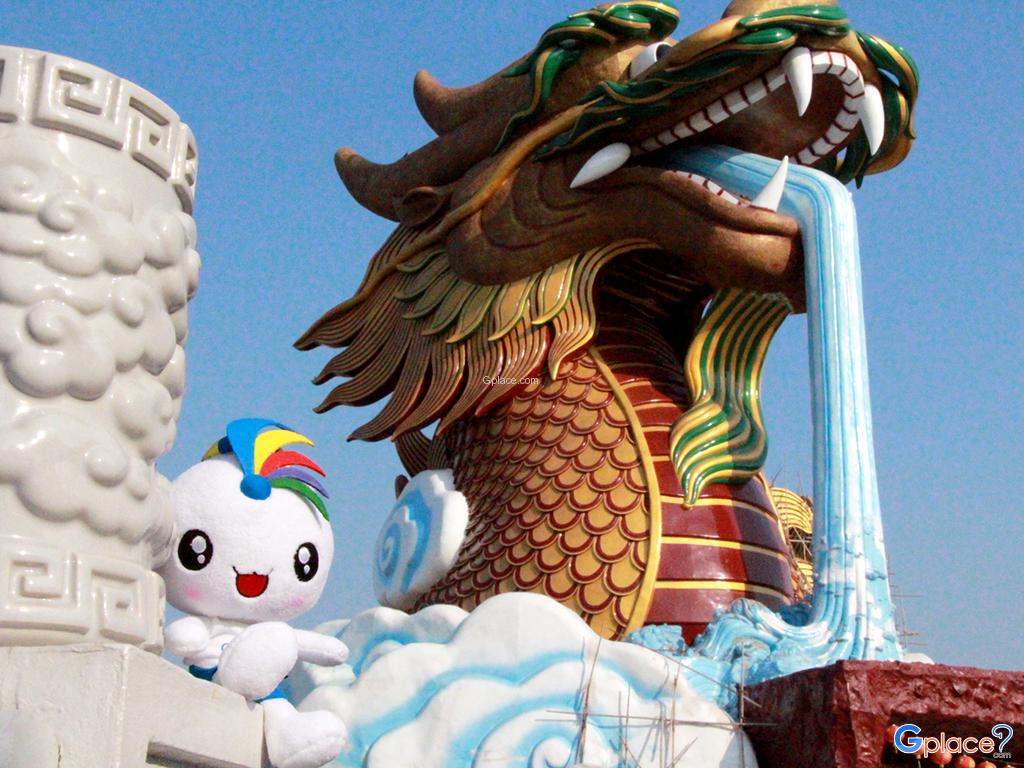
“Pay respect to the sacred City Pillar Spirit, take photos with the massive Celestial Dragon, and explore the ancient Chinese village modeled after Lijiang, a World Heritage site.”
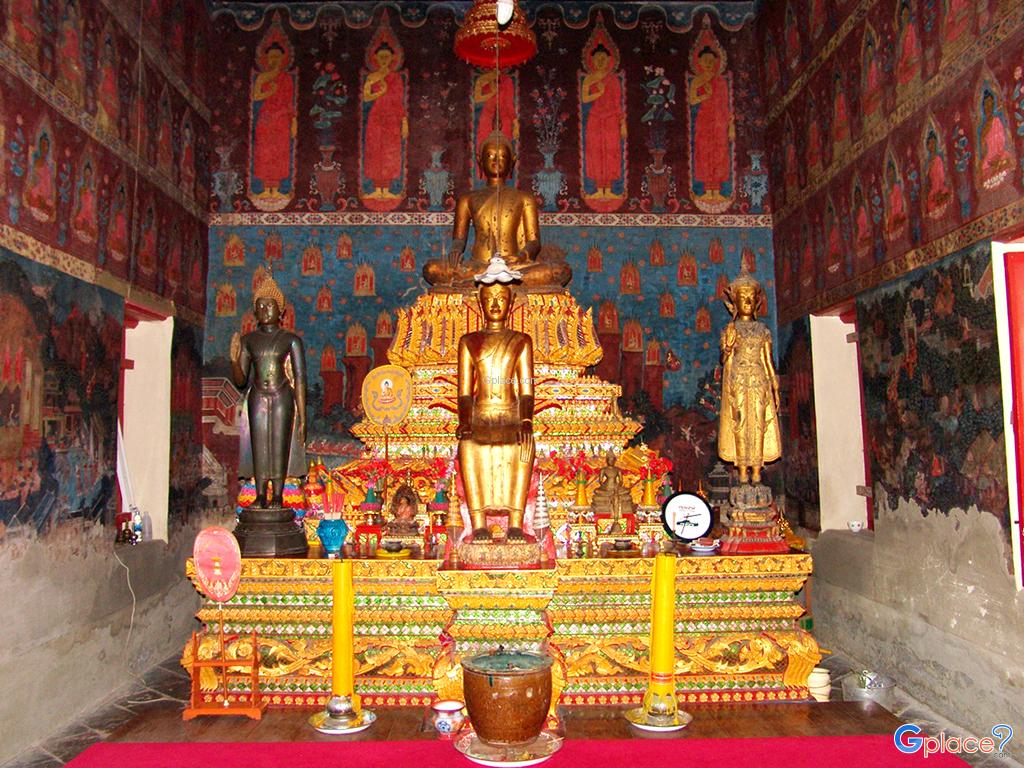
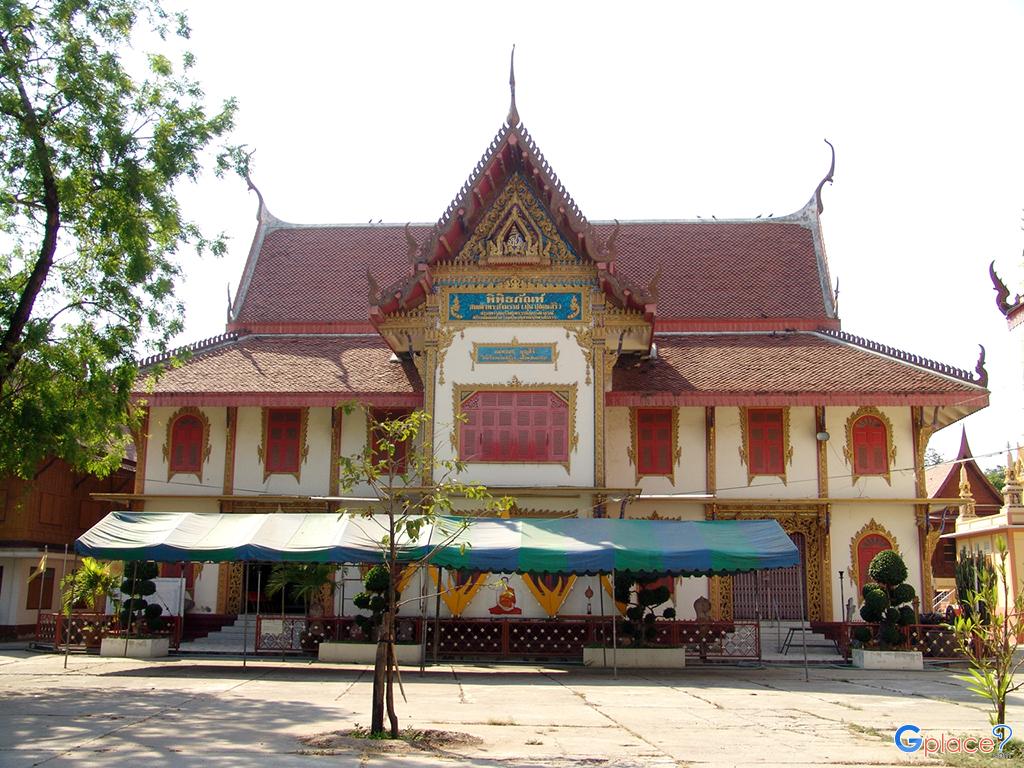
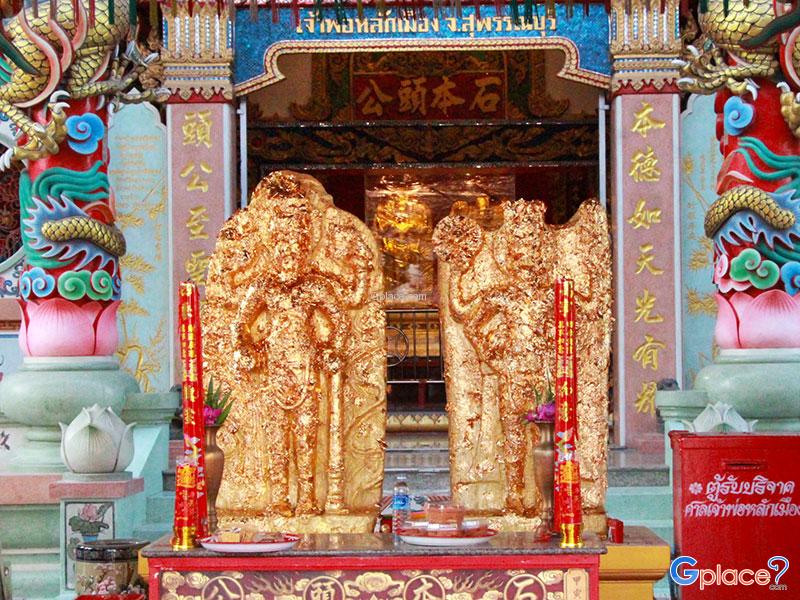
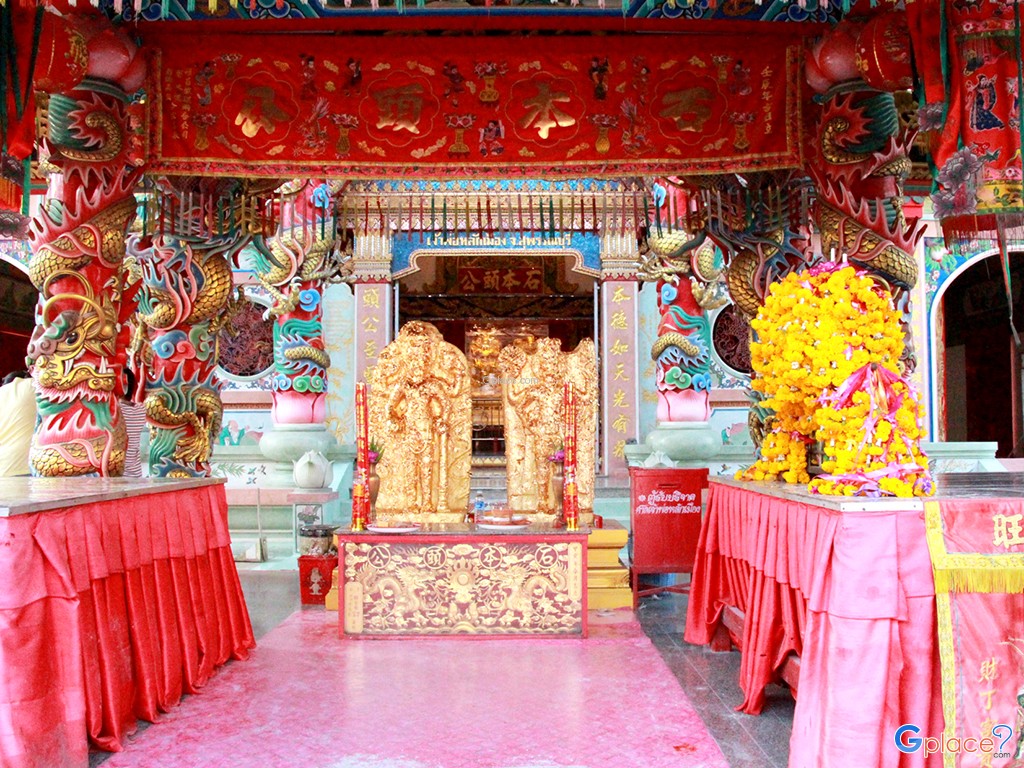
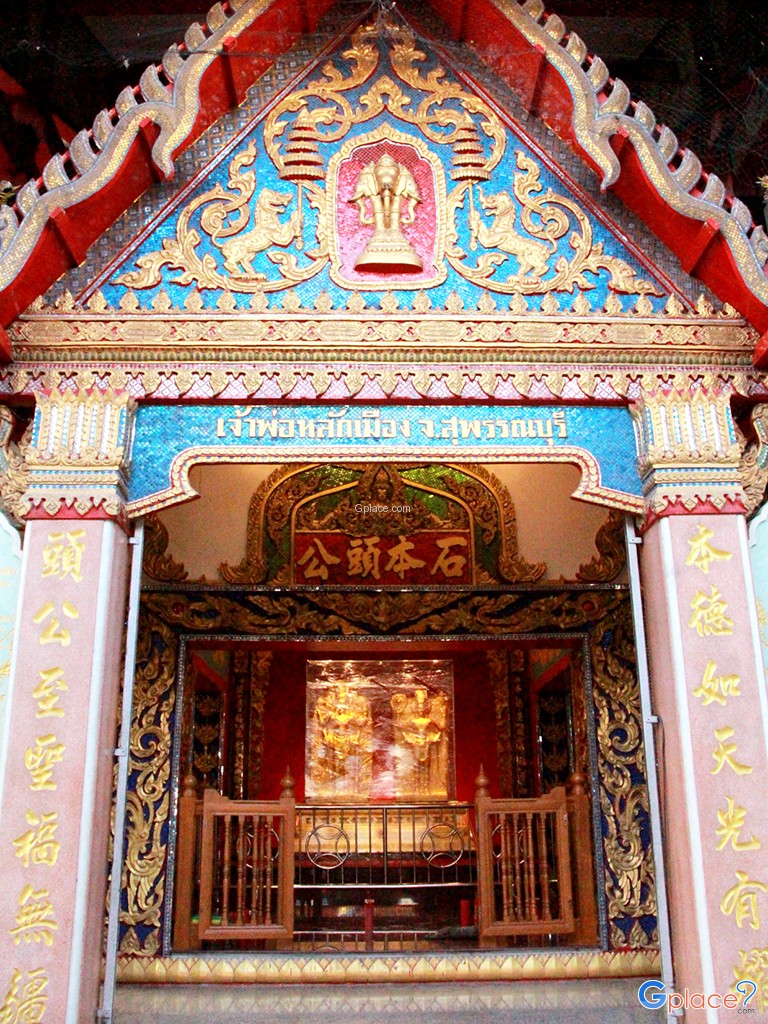
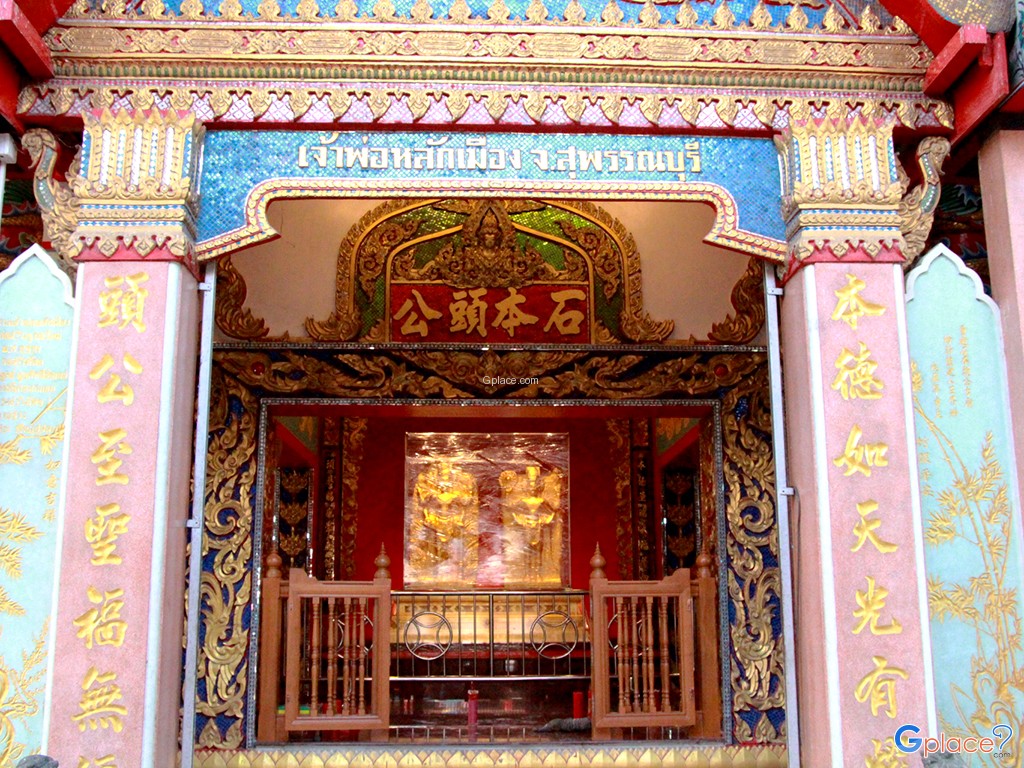
Chao Pho Lak Mueang Shrine of Suphan Buri of Suphan Buri is located on the western bank of the Suphan Buri River, also known as the Tha Chin River, set slightly inland along Malai Man Road. The shrine has long been regarded as a sacred place and a spiritual center for the people of Suphan Buri, revered by both Thai locals and Thai people of Chinese descent. In the past, the shrine was a traditional Thai wooden structure housing images of Shiva and Vishnu, depicted wearing cylindrical “Tuek” hats and carved from green stone, reflecting the religious beliefs and artistic traditions of ancient times.
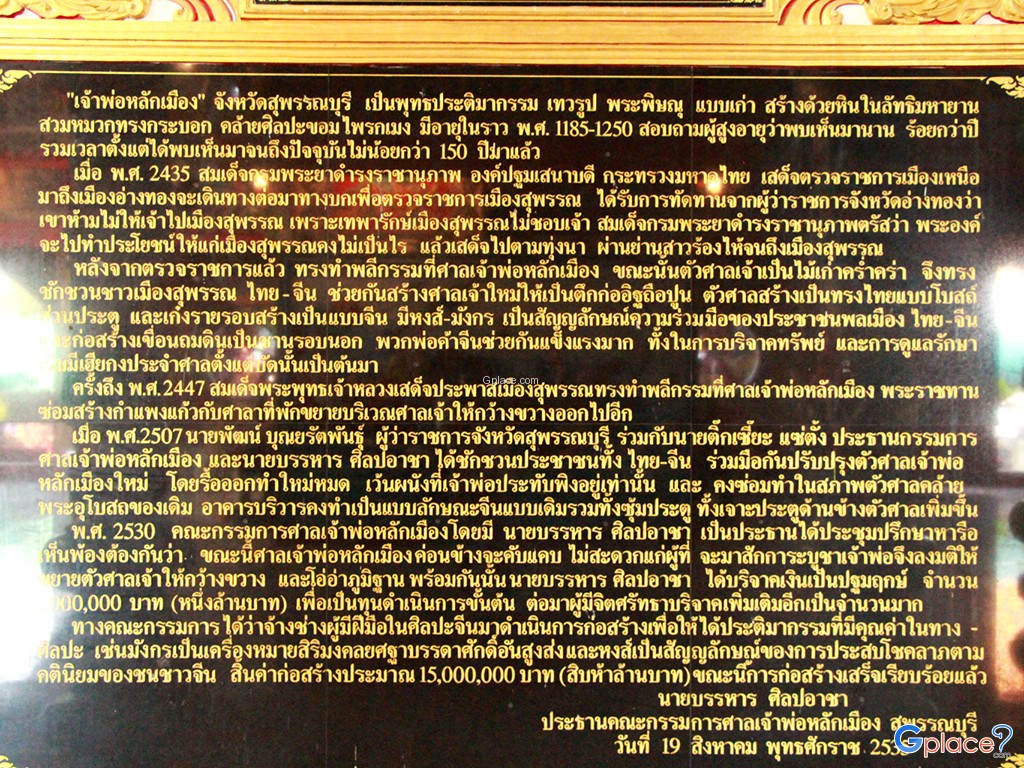
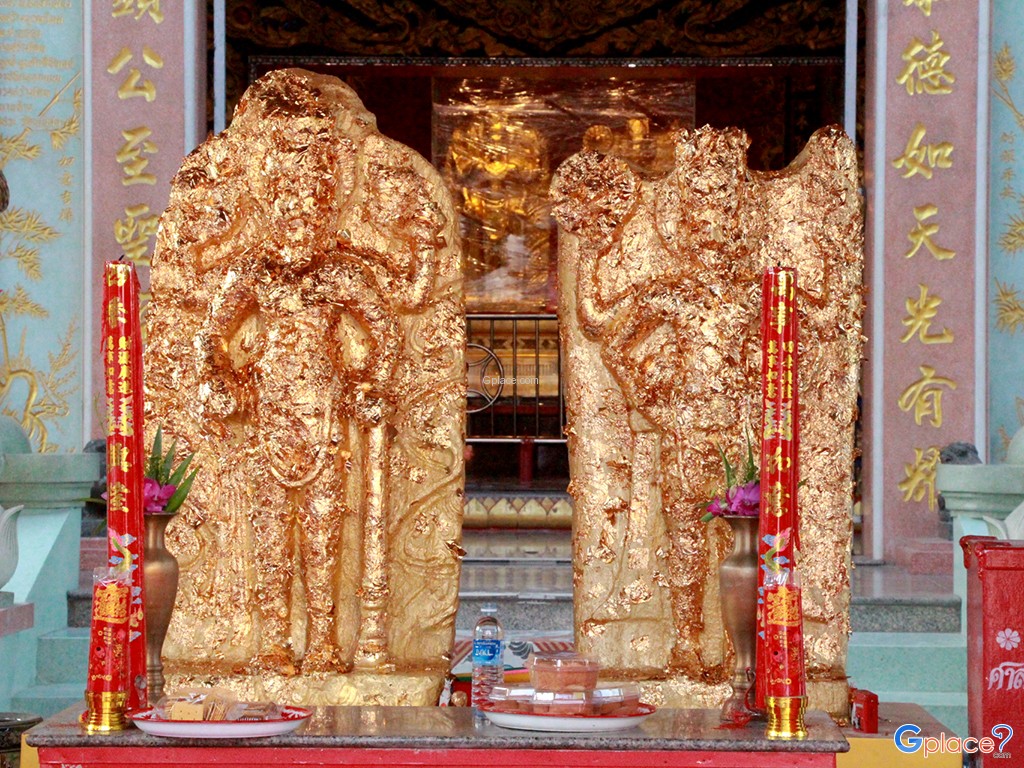
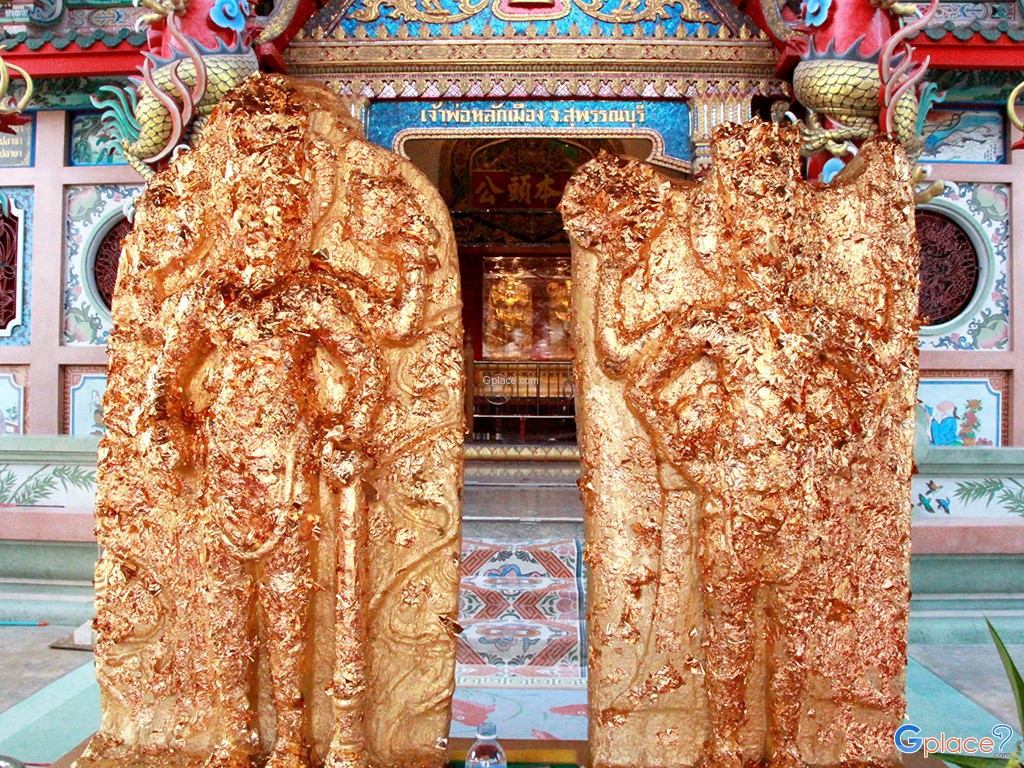
Later, the shrine was renovated and rebuilt into its present form, combining a vihara-style structure with a Chinese pavilion. The true identity of Chao Pho Lak Mueang is, in fact, a Buddhist bas-relief sculpture carved on a stone slab according to Mahayana Buddhist beliefs. The sculpture displays characteristics of ancient Khmer art and is dated to approximately 1185–1250 B.E., or around 1,300–1,400 years ago. The sacred figure is known as Avalokiteshvara Bodhisattva, commonly referred to by local people as Phra Narai Si Kror (the Four-Armed Vishnu), symbolizing compassion and the salvation of all beings.
According to historical accounts, around 150 years ago, this Avalokiteshvara Bodhisattva image was discovered buried in mud and soil near the canal by the shrine. Local villagers then worked together to retrieve and enshrine it in an elevated place, constructing a shrine to serve as its sacred residence and a site for public worship. During a royal inspection tour in 1904 (B.E. 2447), King Chulalongkorn (Rama V) personally performed ritual offerings to Chao Pho Lak Mueang and graciously donated his personal funds to construct embankments around the shrine mound, create platforms for worshippers, and build a surrounding crystal wall.
The shrine was further expanded with the addition of a Chinese-style pavilion, reflecting the close cultural ties between Thai and Chinese communities in Suphan Buri. Later, around 1937 (B.E. 2480), Prince Narisara Nuwattiwong and Chao Phraya Yommarat showed great interest in further improving and restoring the shrine, resulting in the dignified and harmonious architectural appearance seen today.
Every year, on the 15th day of the 7th lunar month according to the Chinese calendar, an important traditional ceremony known as the Hungry Ghost Festival or Giving Alms Ceremony (Ting Kradad) is held at the nearby Chinese association. This ritual, rooted in Mahayana Buddhist beliefs, aims to extend compassion to wandering spirits of the deceased. Offerings and essential goods are distributed to the poor, symbolizing generosity, mercy, and the enduring spiritual and cultural heritage of the Suphan Buri community.
How to Get There
Private Car:
- Cross the Aracha Simok Bridge, and you will see the golden dragon from a distance. Ample parking is available around the park.
Public Transport:
- Accessible via local city buses or by hiring a tuk-tuk/motorcycle taxi from Suphan Buri town.
Travel Tips
Best Time to Visit:
- Early morning (08:00 - 10:00) or late afternoon provides the best light for photography and a cooler temperature.
Museum Access:
- The Dragon Descendants Museum has an admission fee (Thai: Adults 299 THB / Children 149 THB) and tours are conducted in scheduled sessions.
Recommended Activity:
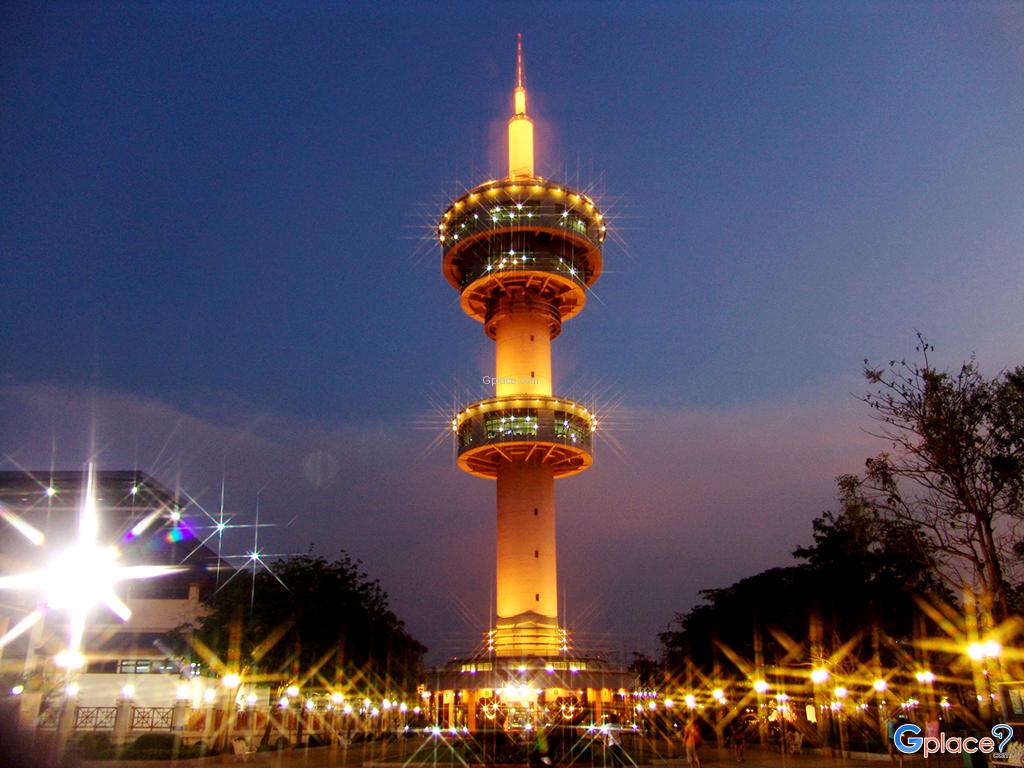
- After paying respect at the shrine, head up to the "Observation Tower" for a panoramic view of Suphan Buri and the park from above.
Special Occasions:
- During the Lunar New Year (Chinese New Year), the park is spectacularly decorated with lanterns and hosts grand performances.
Admission Fee
-
Shrine and Village: Free entry
-
Dragon Descendants Museum: Admission fee applies
Opening Hours
-
City Pillar Shrine: Daily 07:00 – 17:00 (Sat-Sun closes at 18:00)
-
Dragon Descendants Museum: Wed – Sun (Closed Mon-Tue) 10:00 – 16:00
Chao Pho Lak Mueang Shrine of Suphan Buri

 Share
Share
 Luang Han Road, Rua Yai, Mueang Suphan Buri, Suphan Buri, Thailand
Map
Luang Han Road, Rua Yai, Mueang Suphan Buri, Suphan Buri, Thailand
Map
 Open now : 7.00 - 17.00
Mon7.00 - 17.00
Tue7.00 - 17.00
Wed7.00 - 17.00
Thu7.00 - 17.00
Fri7.00 - 17.00
Sat7.00 - 18.00
Sun7.00 - 18.00



 4340
4340