
 Attractions
  Hotel
Hotel  Restaurant
  Shopping
  Abroad





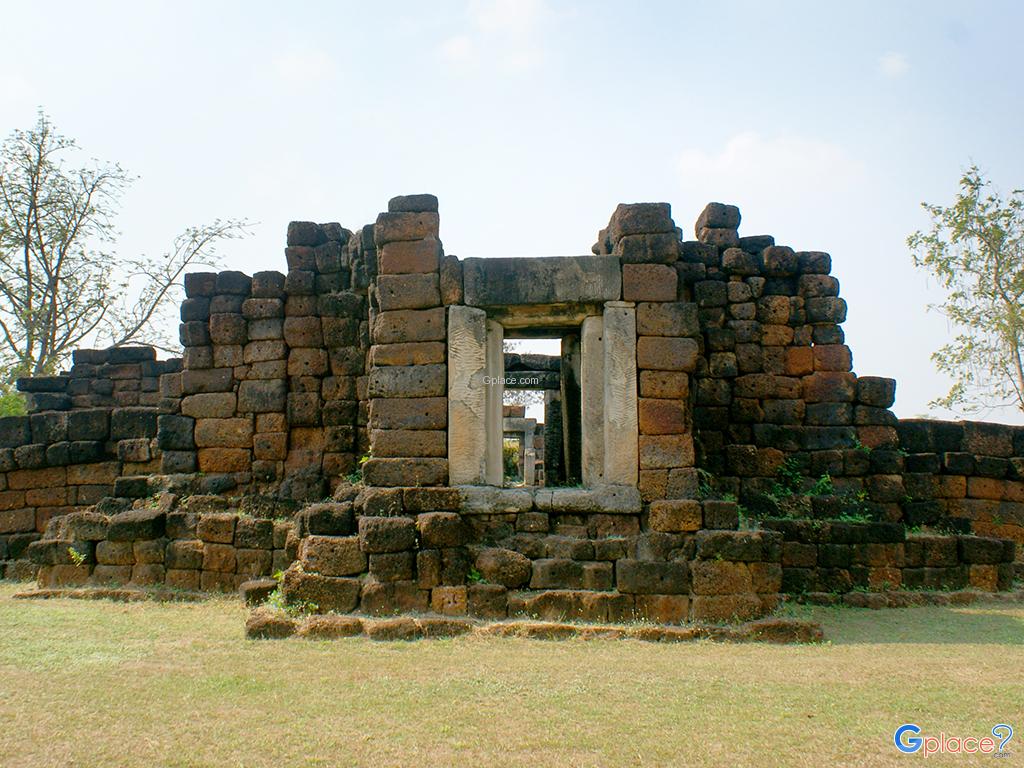

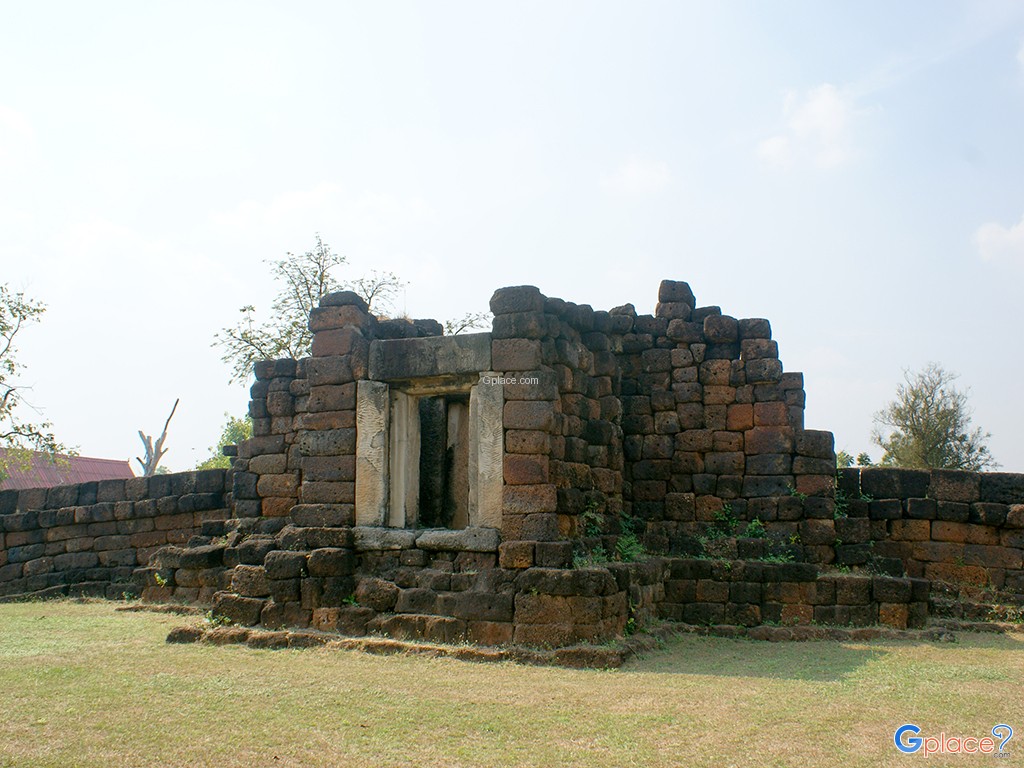

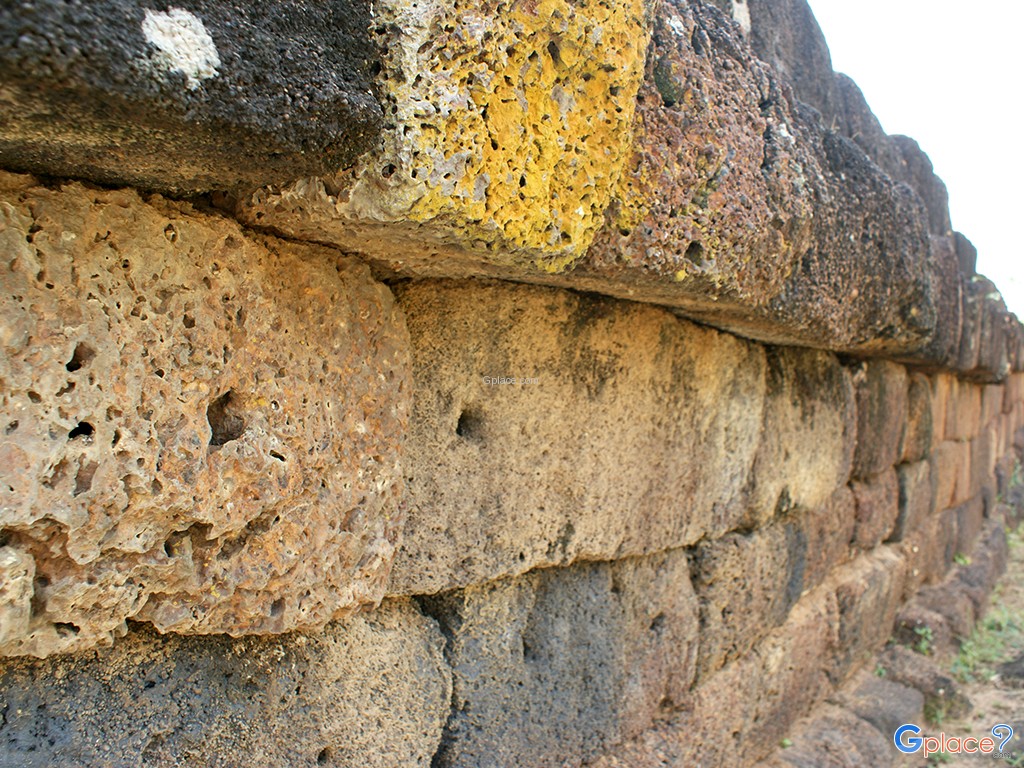

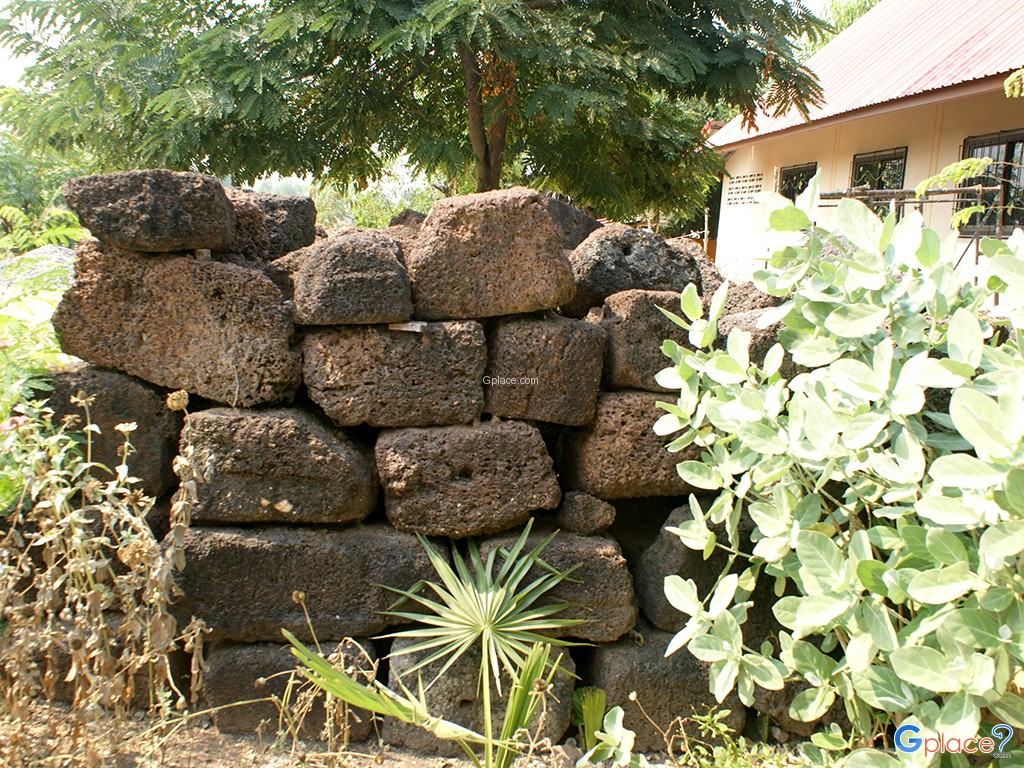
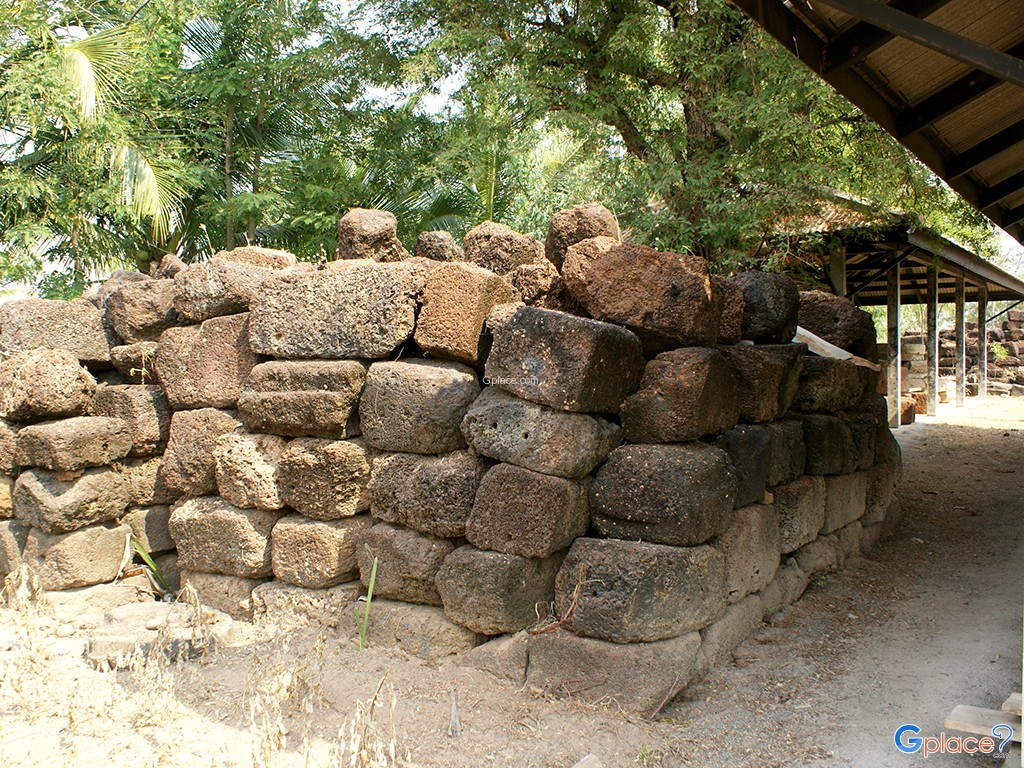
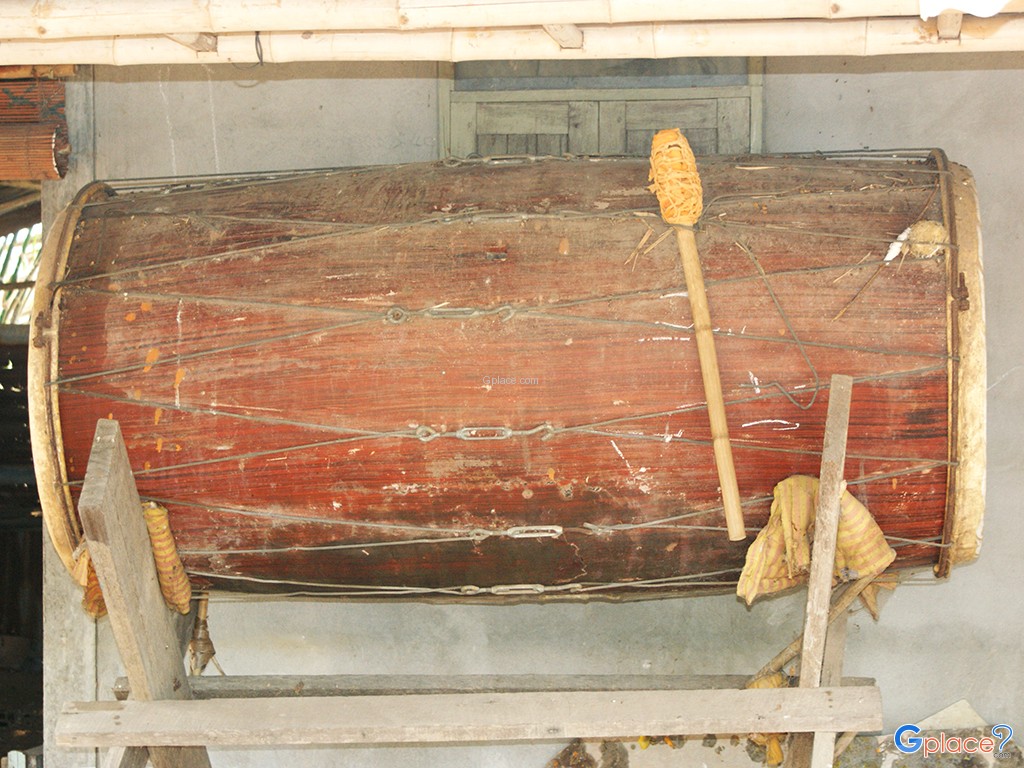
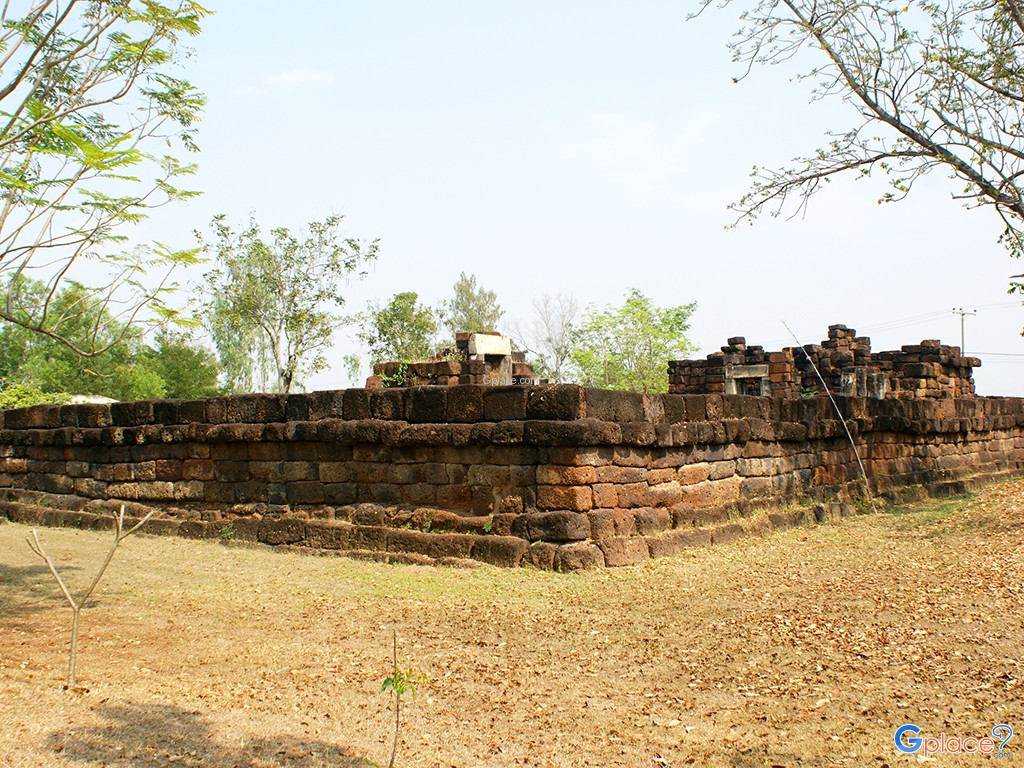
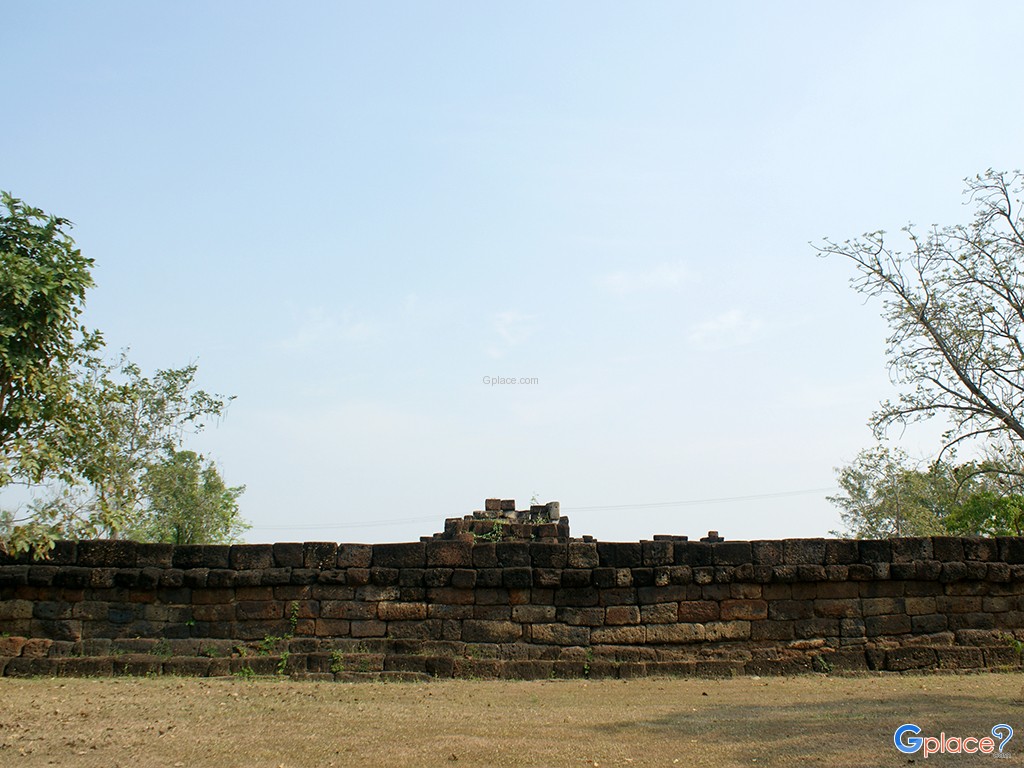
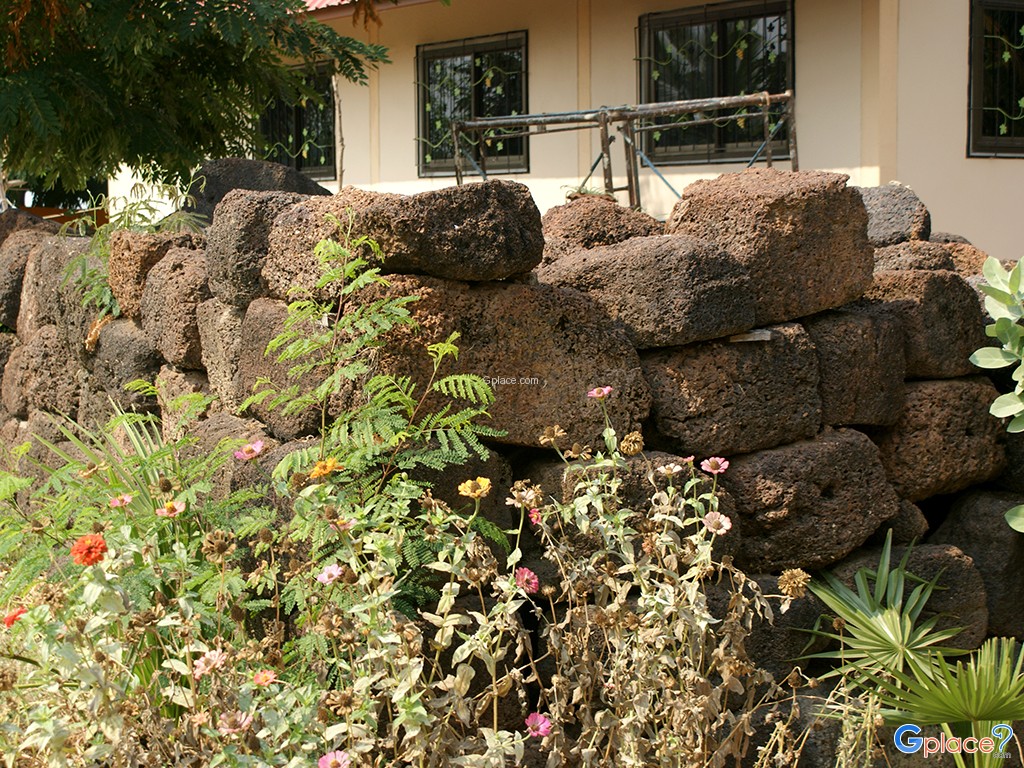
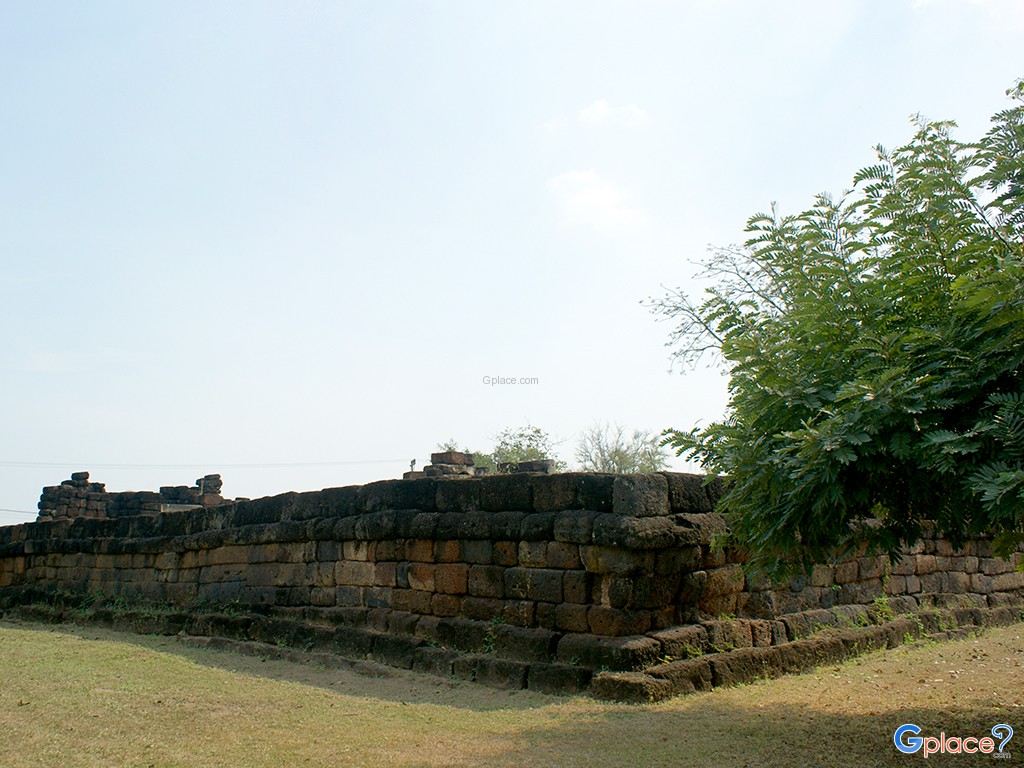
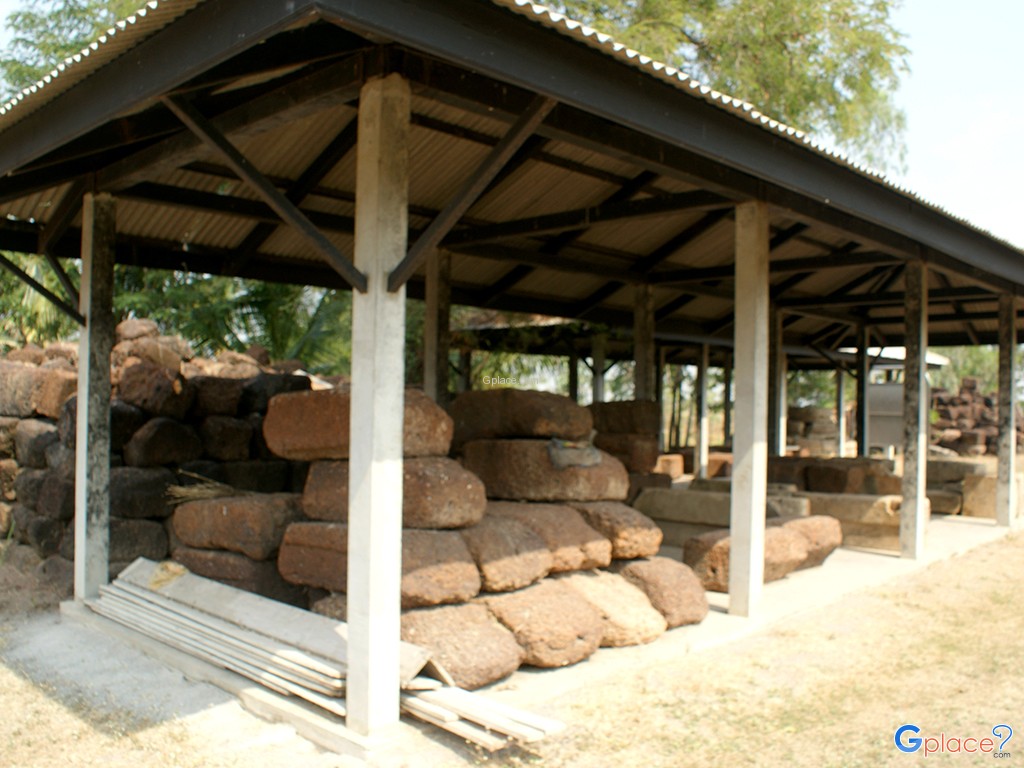
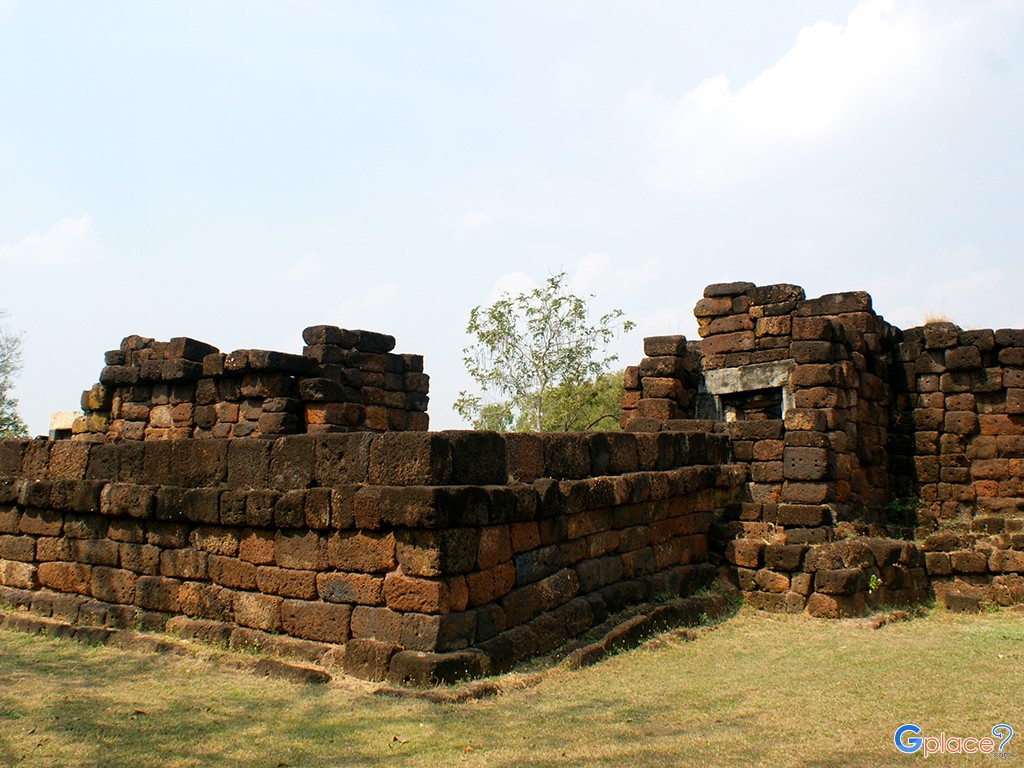
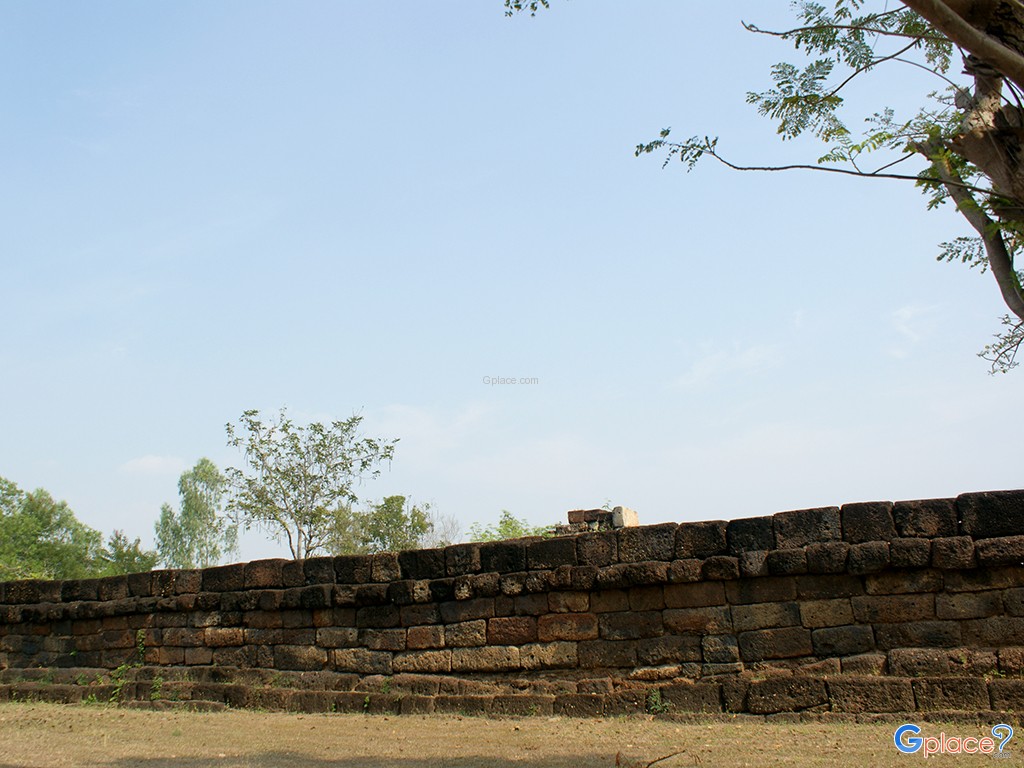
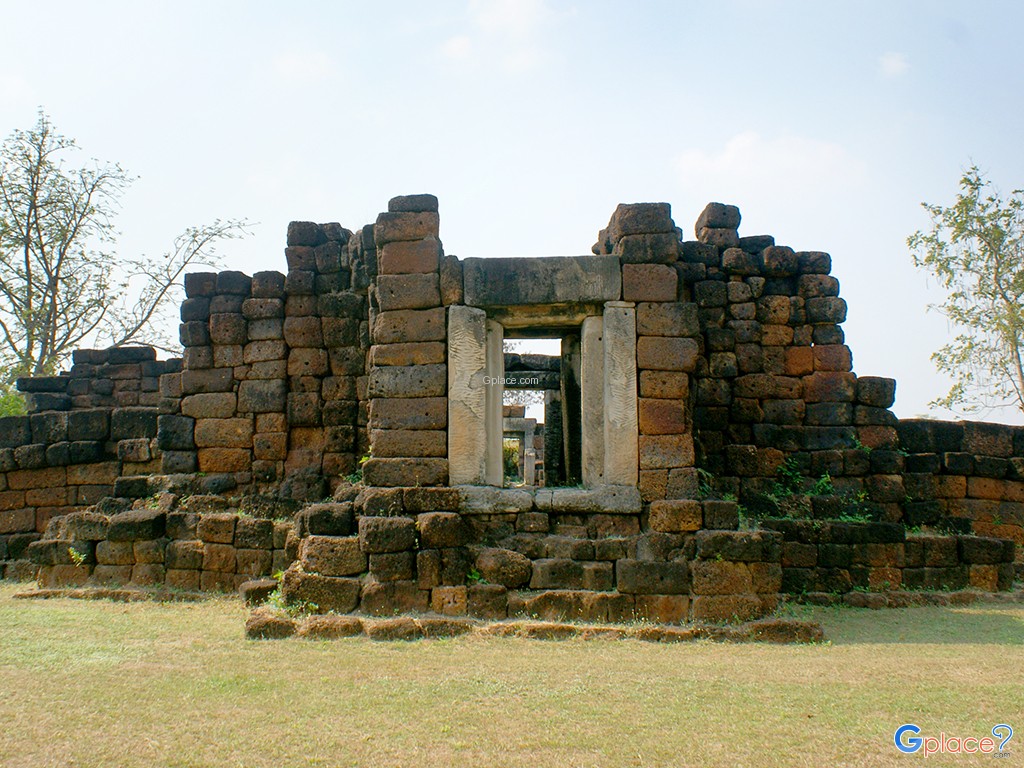
“Admire the beauty of this relatively well-preserved ancient laterite stone castle. Discover its layout as an Arokayasala (hospital) according to ancient Khmer beliefs, amidst the peaceful and serene atmosphere of the temple, which serves as a spiritual center for the local community.”
Wat Ku Kaew, situated within the tranquil grounds of Ku Kaew Samakkhi in Ku Kaew Samakkhi Ancient Site, Ban Ku Kaew, Don Chang Sub-district, is a magnificent archaeological testament to the ancient Khmer Empire's influence in the region. This historical site is identified by historians and archaeologists as an "Arogayasala," or an ancient medical infirmary. It is one of the 102 hospitals established across the empire during the late 12th to early 13th century (approximately the 18th Buddhist century) under the royal command of King Jayavarman VII, the last great monarch of the Khmer Empire. These infirmaries were strategically constructed along major travel routes to provide both spiritual solace and physical healing to citizens and travelers alike.
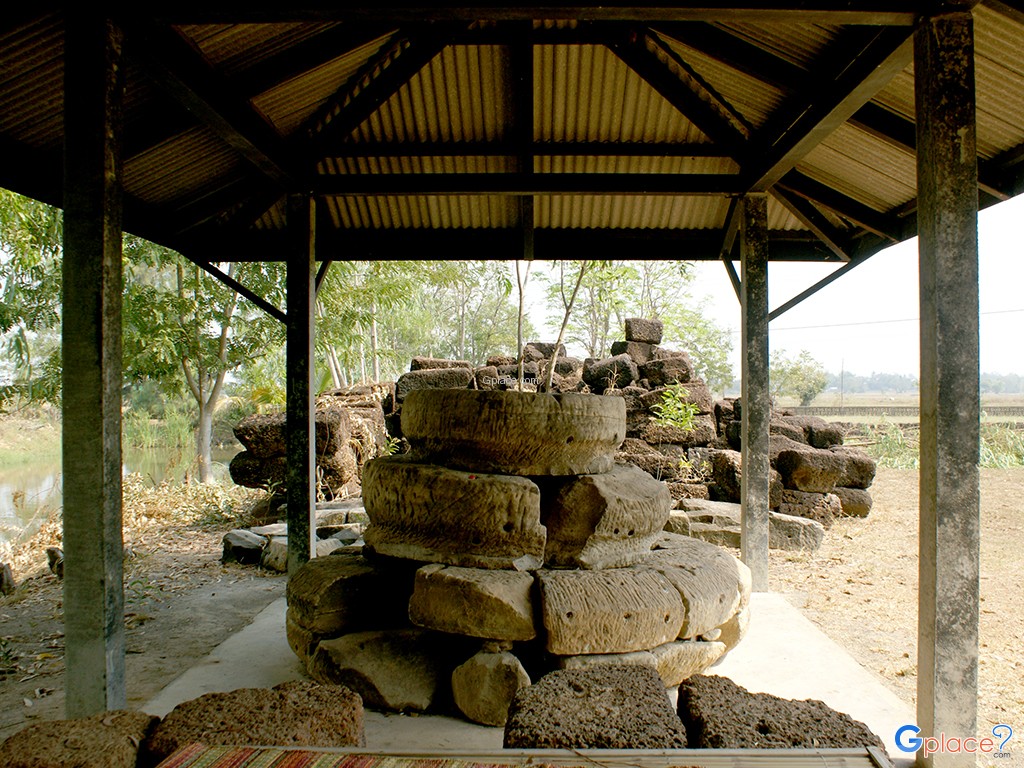
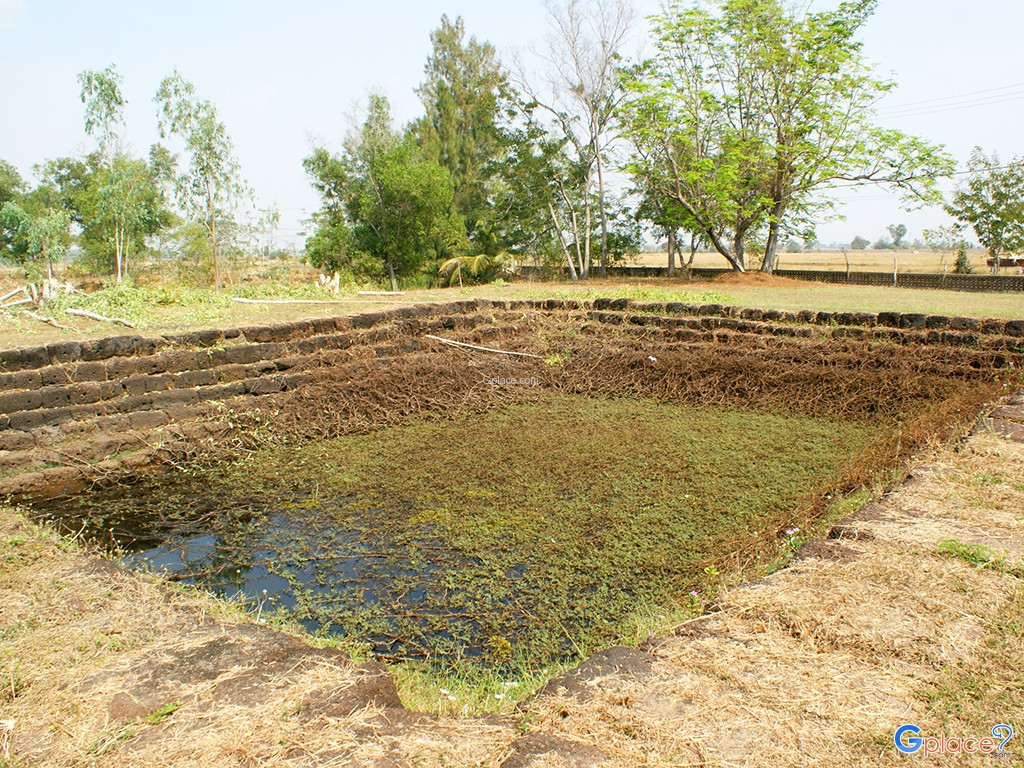
The architectural layout of Ku Kaew strictly adheres to the Bayon style, characterized by the use of laterite as the primary building material, complemented by sandstone decorative elements. The complex features a central prang (the main sanctuary tower) with a square base and indented corners, symbolizing the center of the universe according to Mahayana Buddhist cosmology. Located to the southeast of the main tower is the "Bannalai," or library, a smaller structure believed to have housed sacred scriptures or ritualistic items. The entire inner sanctuary is enclosed by a laterite boundary wall known as the "Kamphaeng Kaeo," with a single entrance pavilion, or "Gopura," facing east, representing light and the direction of birth. Outside the wall to the northeast lies a rectangular pond lined with laterite, which in ancient times served as a source of holy water used for both medicinal purposes and sacred ceremonies.
During excavations and restorations conducted by the Fine Arts Department, several significant artifacts were unearthed, providing crucial insights into the site's chronology and spiritual significance. These findings include fragments of Buddha images sheltered by a Naga's hood in the Lopburi art style, as well as sculptures of the Bodhisattva Avalokiteshvara and Prajnaparamita, the deities of wisdom and compassion central to the Mahayana faith during King Jayavarman VII’s reign. Inscriptions found at the site mirror those discovered at other Arogayasala locations, confirming its role as a house of healing. Today, Ku Kaew is not merely an archaeological ruin; it remains a living center of faith for the people of Khon Kaen. The site is meticulously preserved, offering a peaceful atmosphere where visitors can contemplate the sophisticated civilization that thrived here over 800 years ago. An annual worship ceremony is held by the local community to pay respects to the spirits and ancestors, ensuring that the legacy of this sacred infirmary continues to be honored for generations to come.
How to Get There
- From Khon Kaen city center, take Mittraphap Road (heading towards Nakhon Ratchasima province), turn right onto the bypass road (Route 230), then turn left onto the road to Don Chang subdistrict. Follow the signs to Wat Ku Kaeo Samakkhi. The distance from the city center is approximately 15-20 kilometers.
Travel Tips
-
It is best to visit in the morning or afternoon to avoid the heat, as the historical site is located outdoors.
-
Please dress respectfully, as it is a temple and historical site.
-
And please dress modestly, as it is located within the temple grounds.
Admission Fees:
- No entrance fee.
Opening Hours:
- The site is open for visits throughout the day (8:00 AM – 5:00 PM is recommended for convenience and optimal lighting for viewing the historical site).
Wat Ku Kaew Samakkhi

 Share
Share
 Ban Hua Sara, Don Chang Subdistrict, Mueang Khon Kaen District, Khon Kaen Province 40000
Map
Ban Hua Sara, Don Chang Subdistrict, Mueang Khon Kaen District, Khon Kaen Province 40000
Map
 Open now



 5304
5304