 Attractions
  Hotel
Hotel  Restaurant
  Shopping
  Abroad





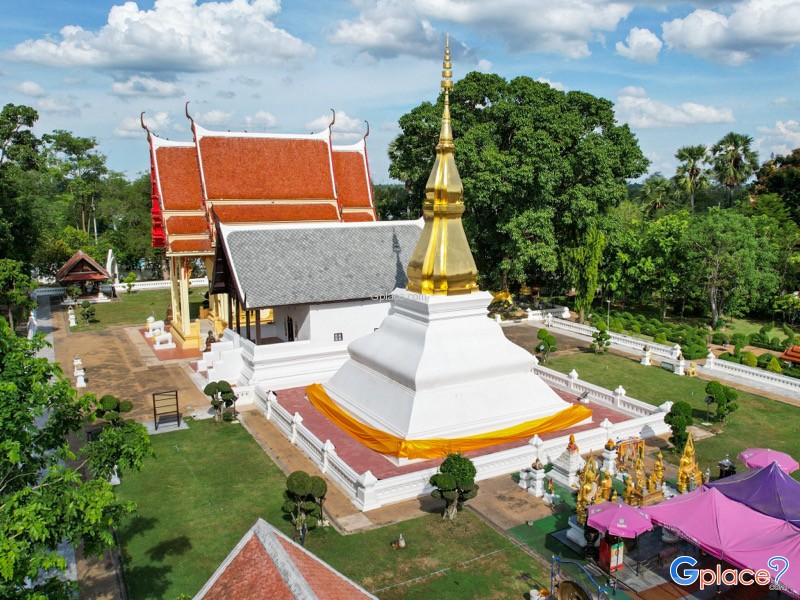

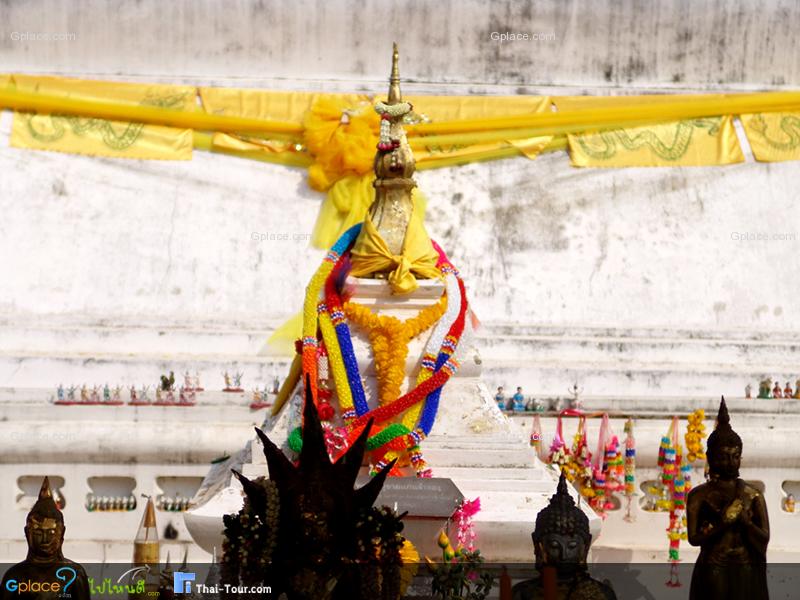
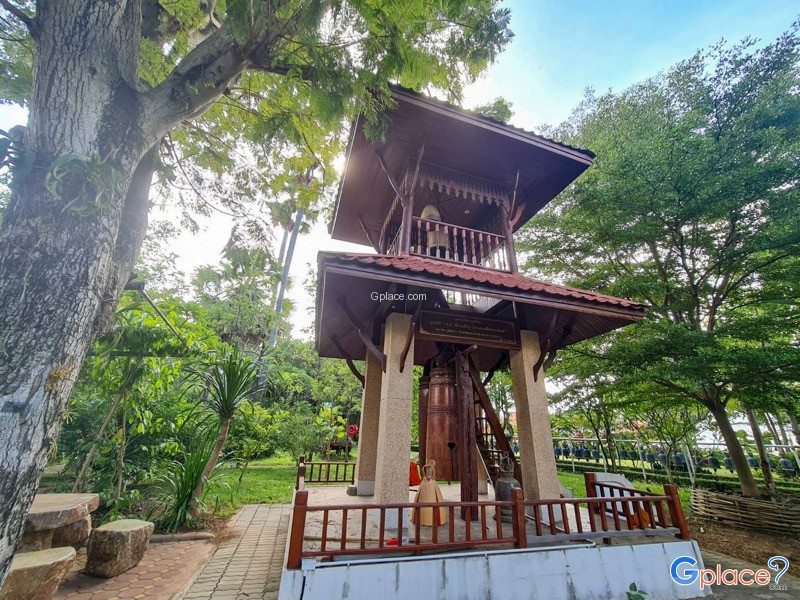
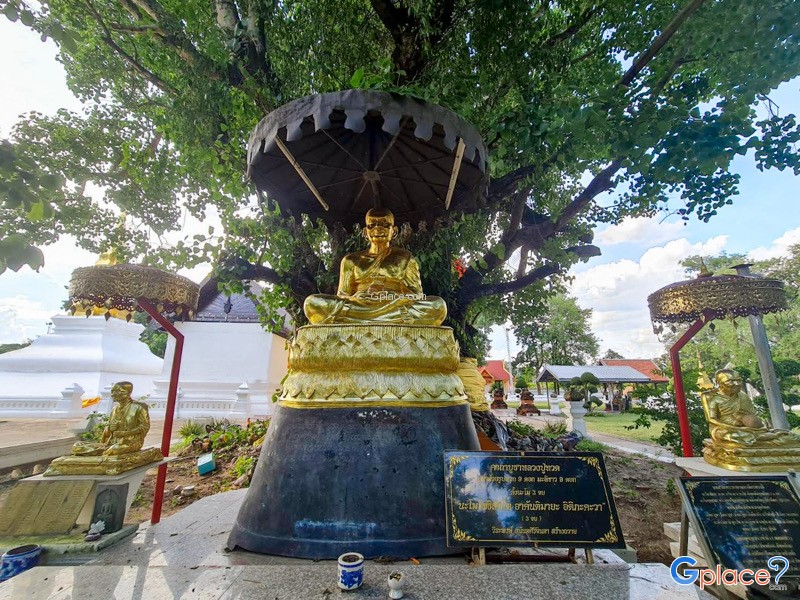
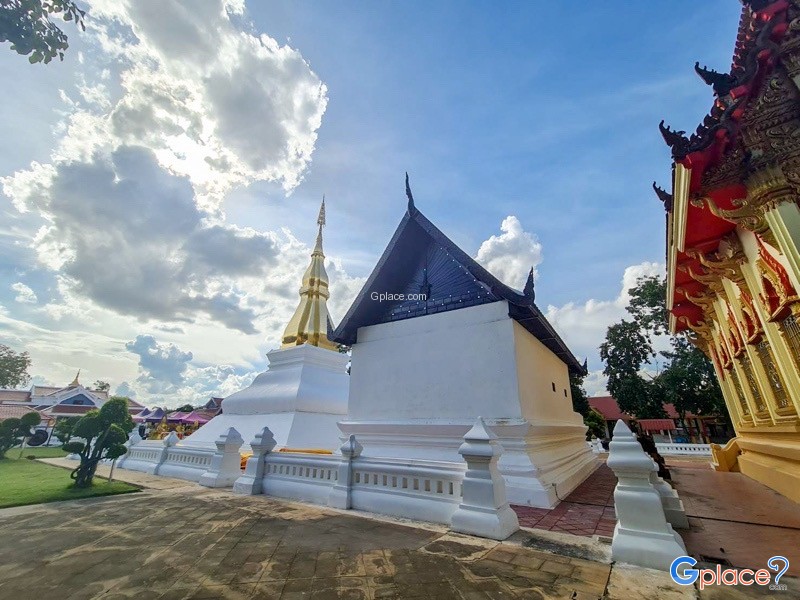

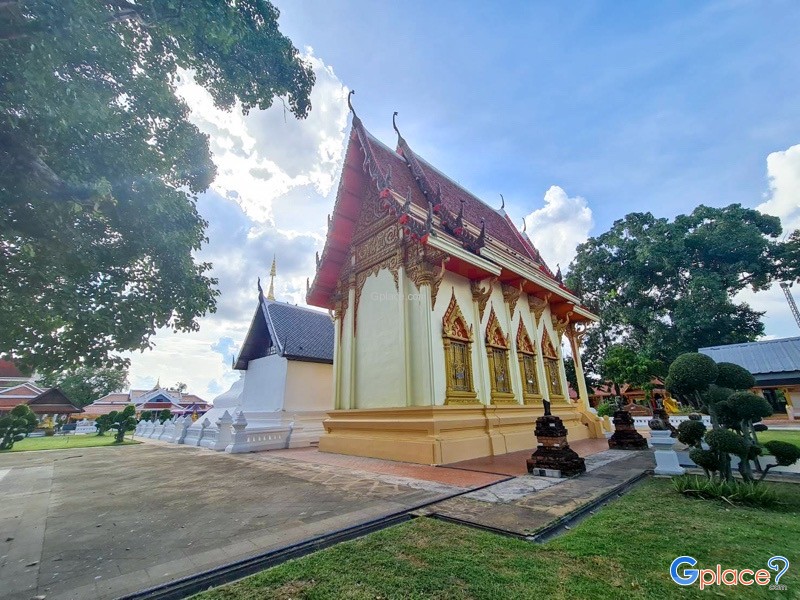
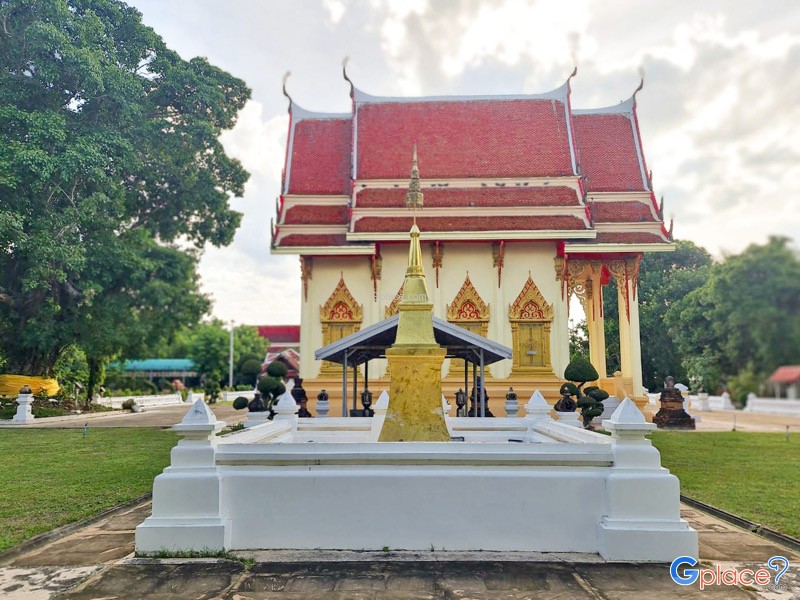
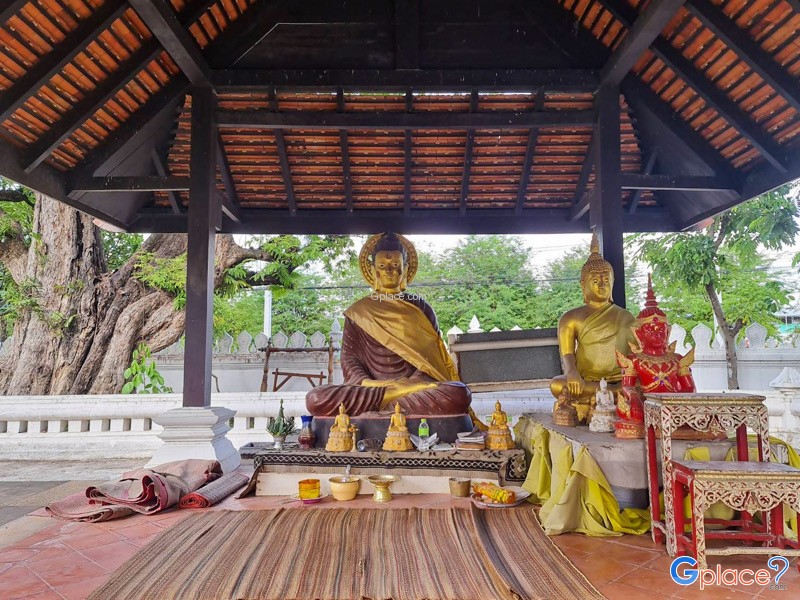
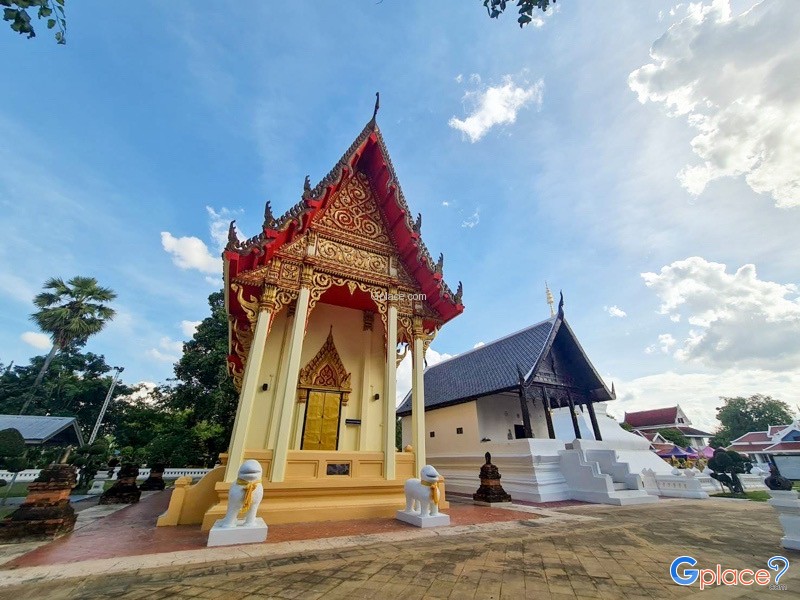
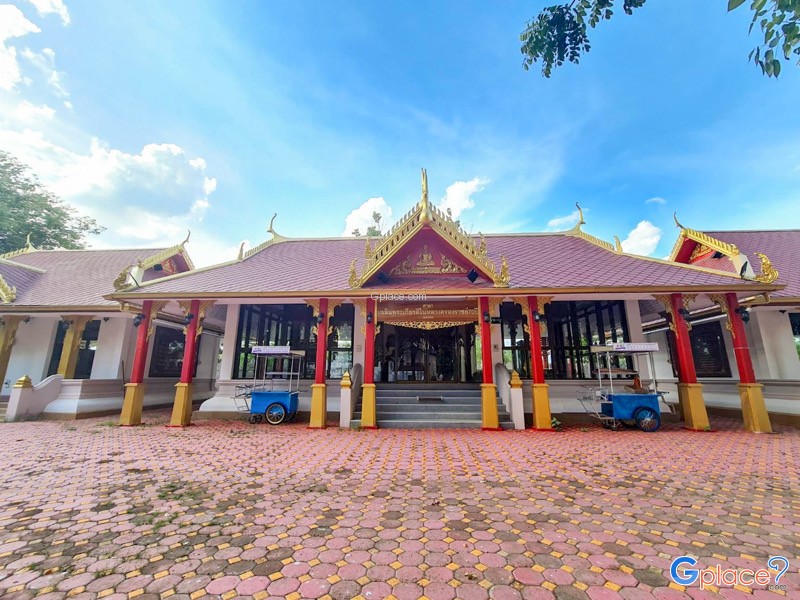
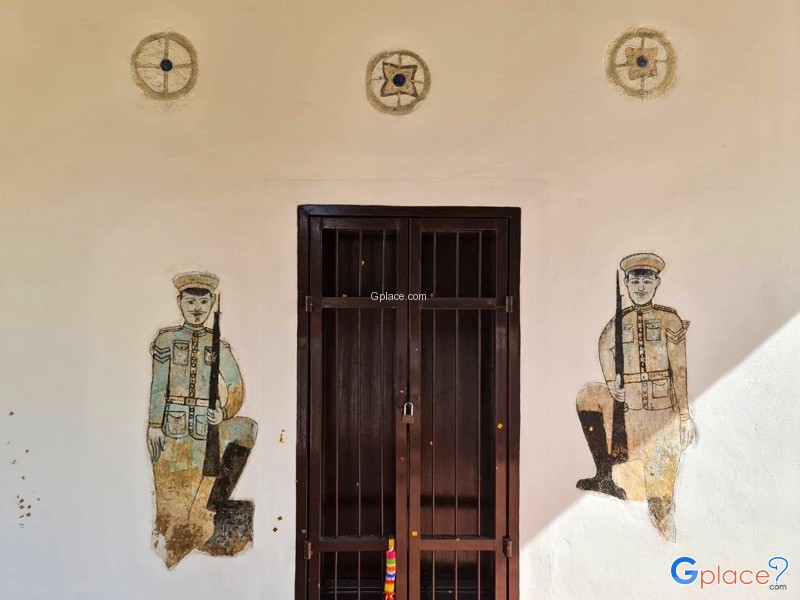
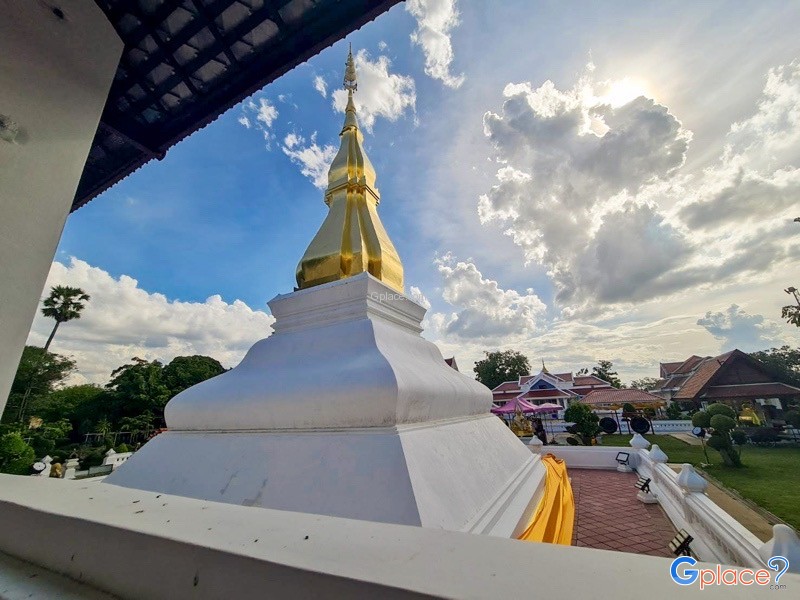
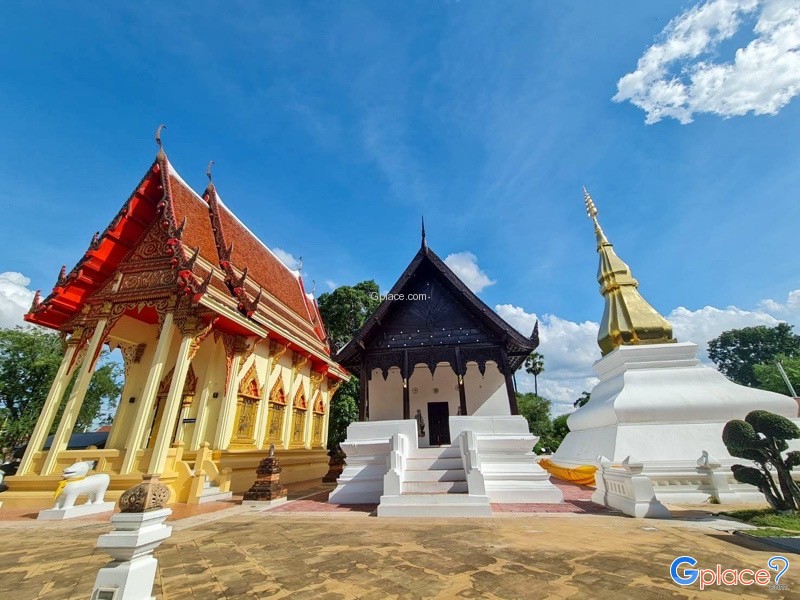
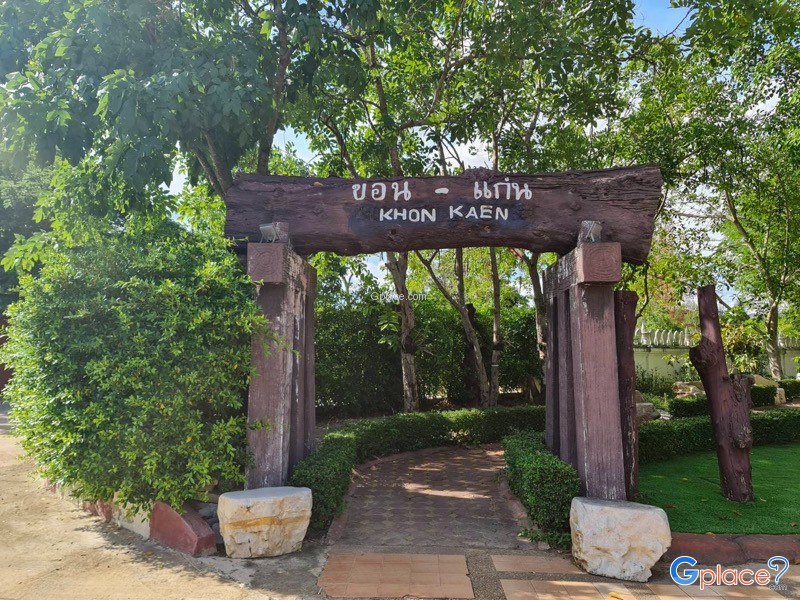

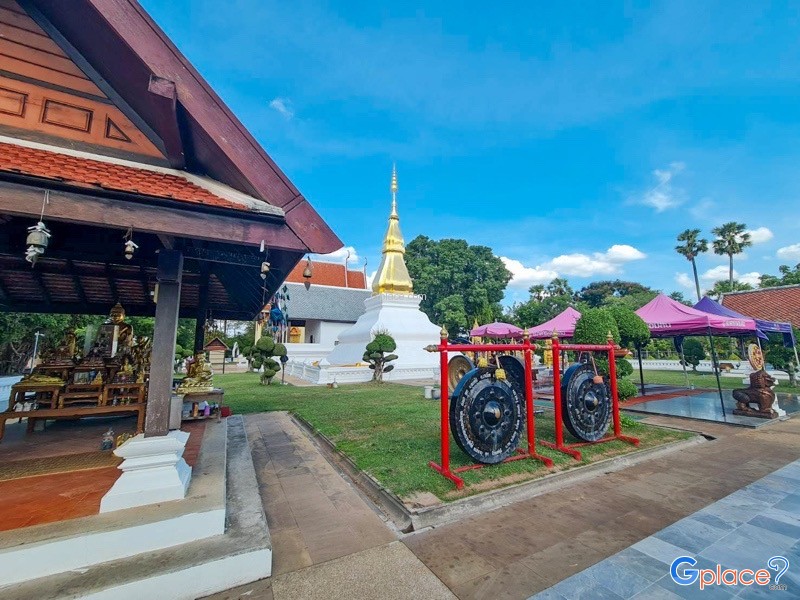
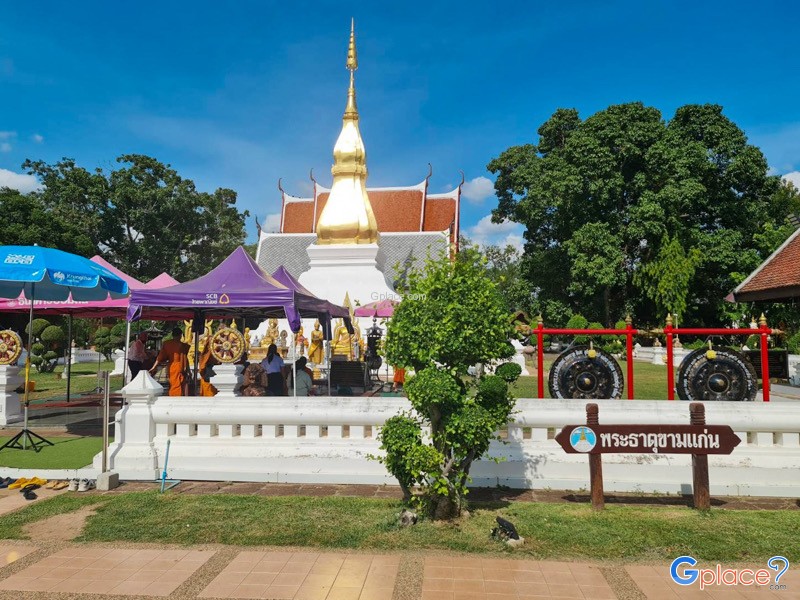
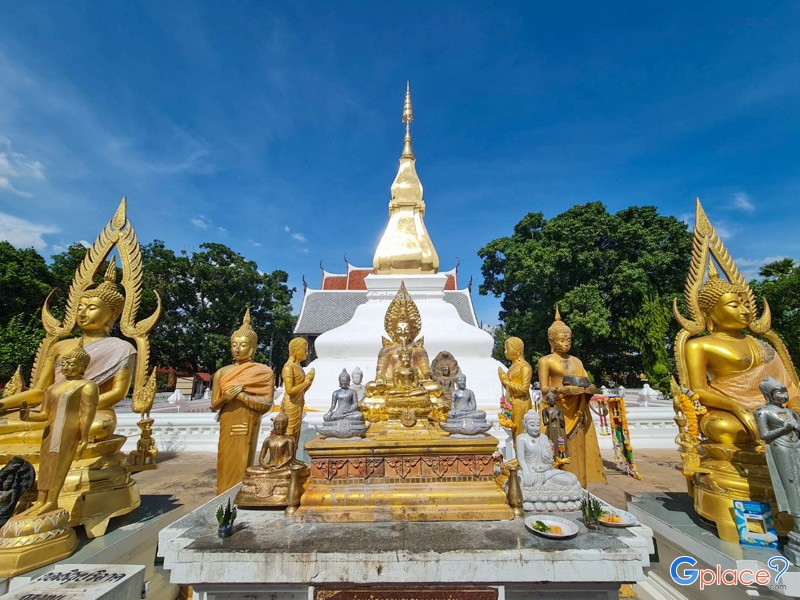
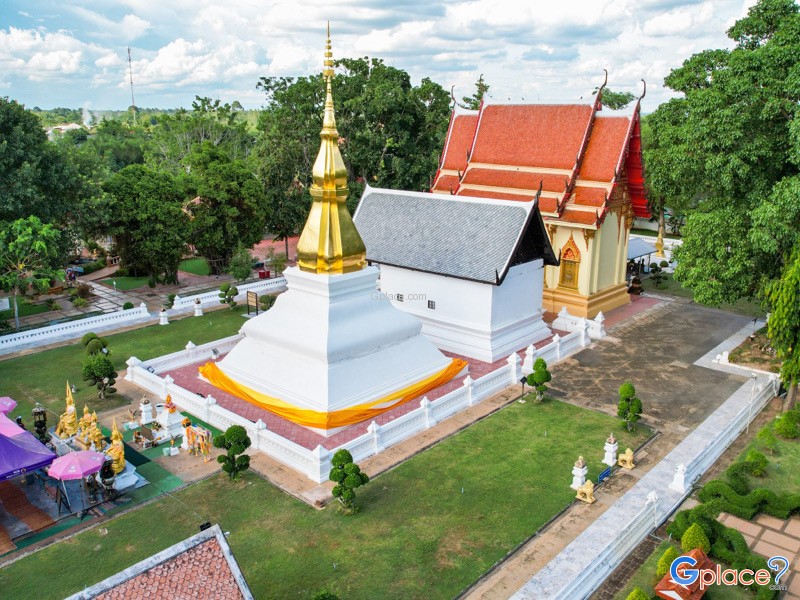
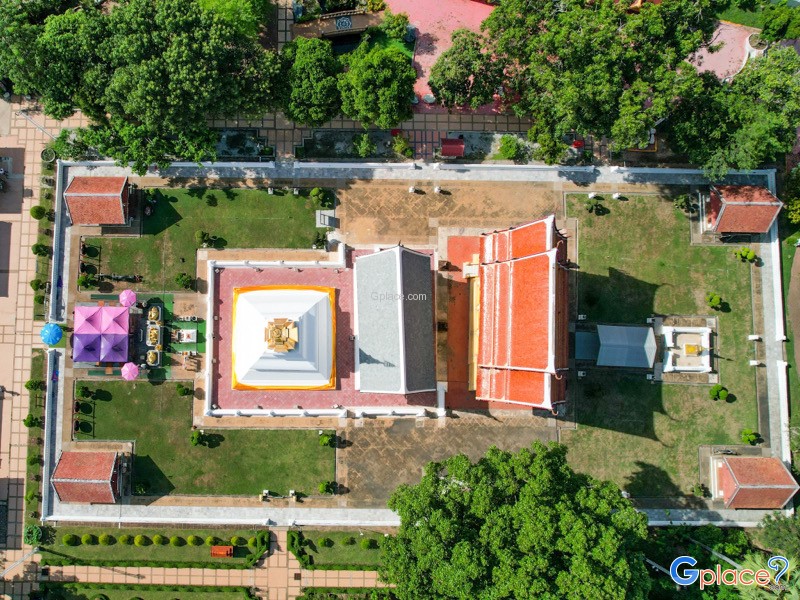
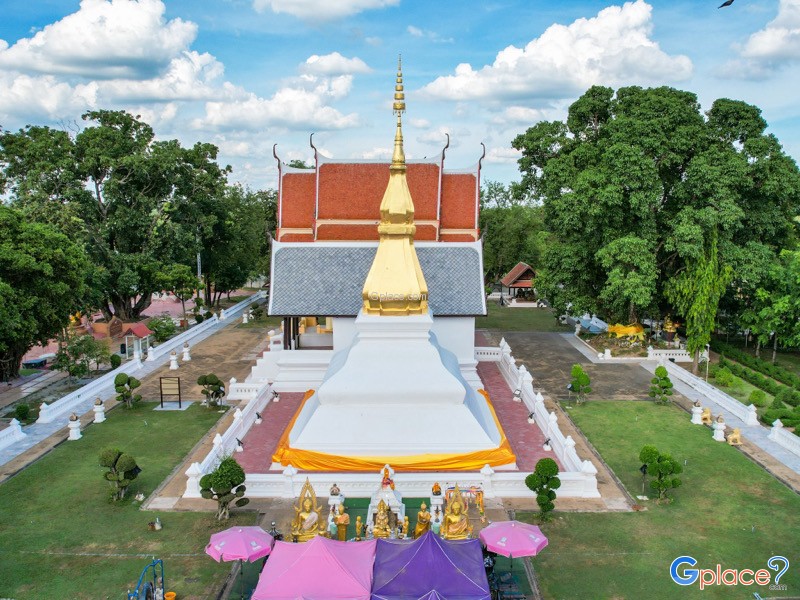
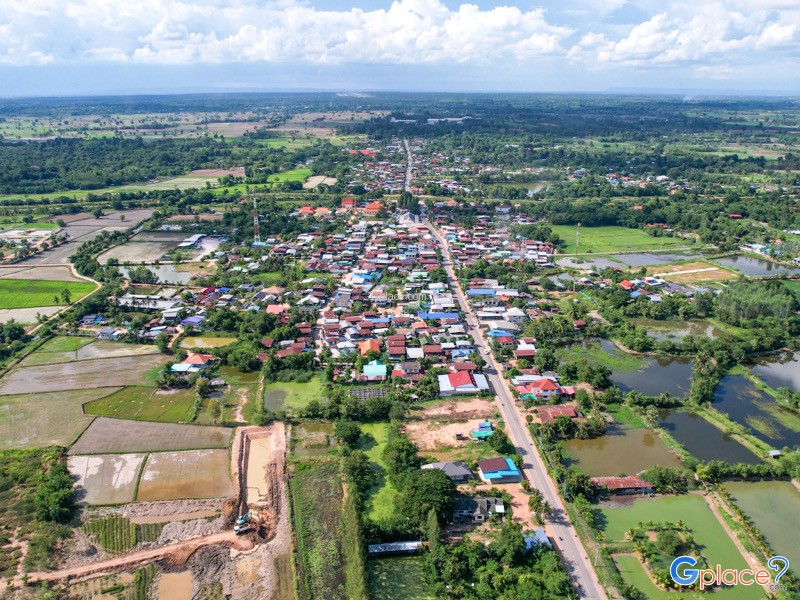
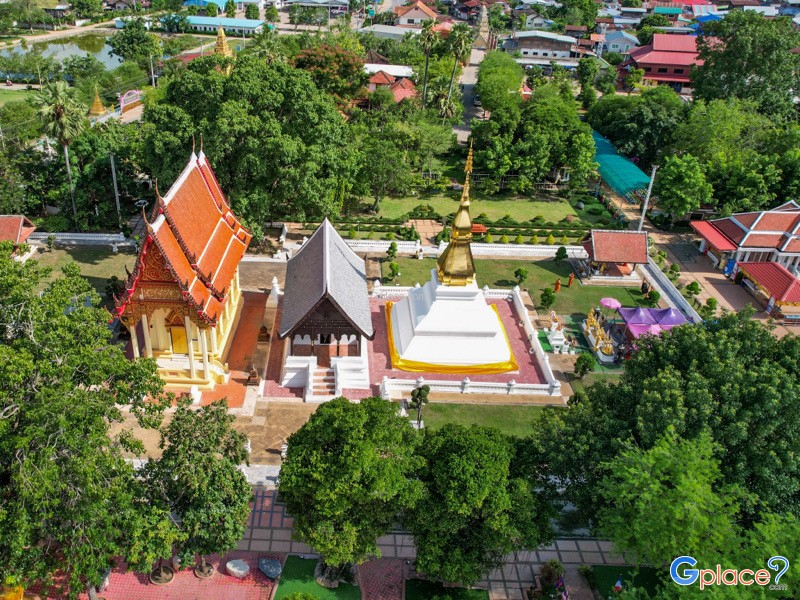
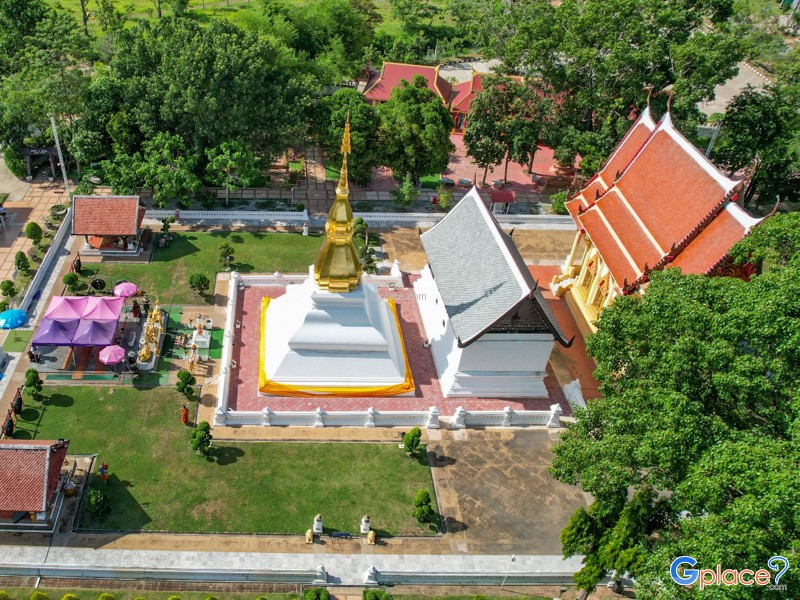
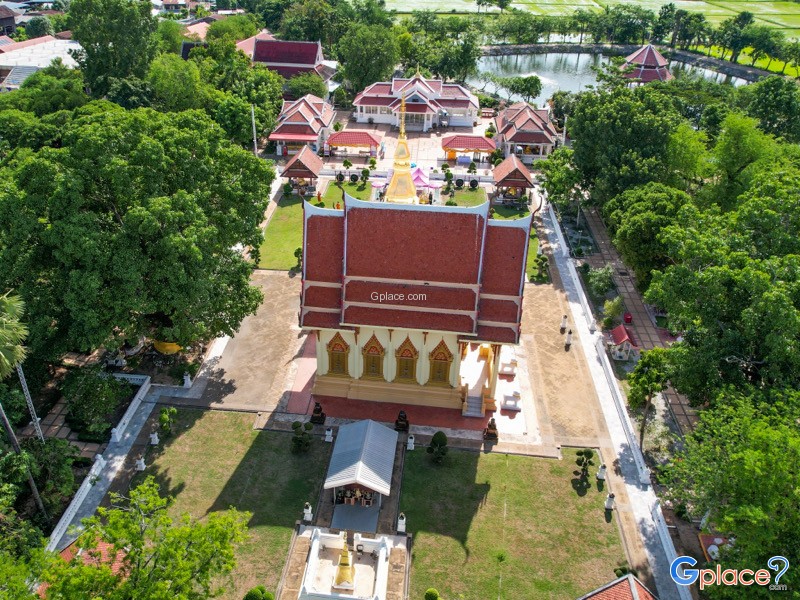
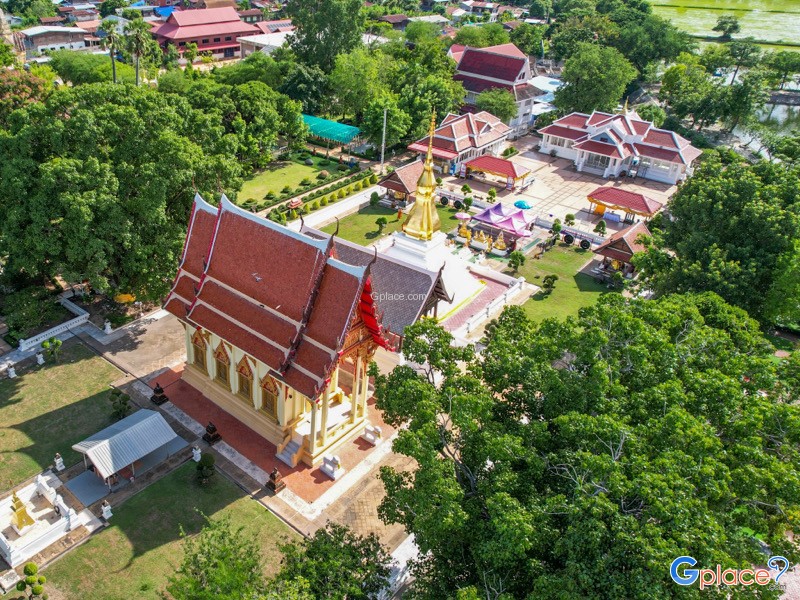
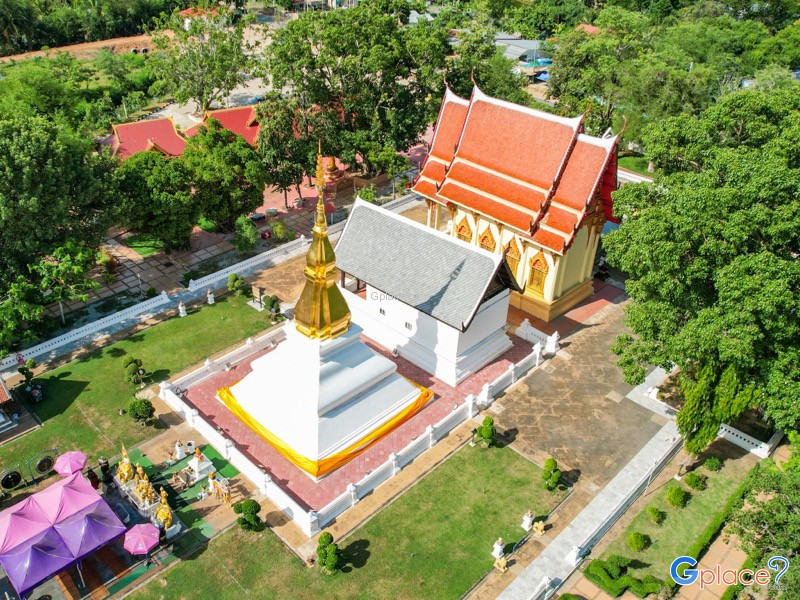
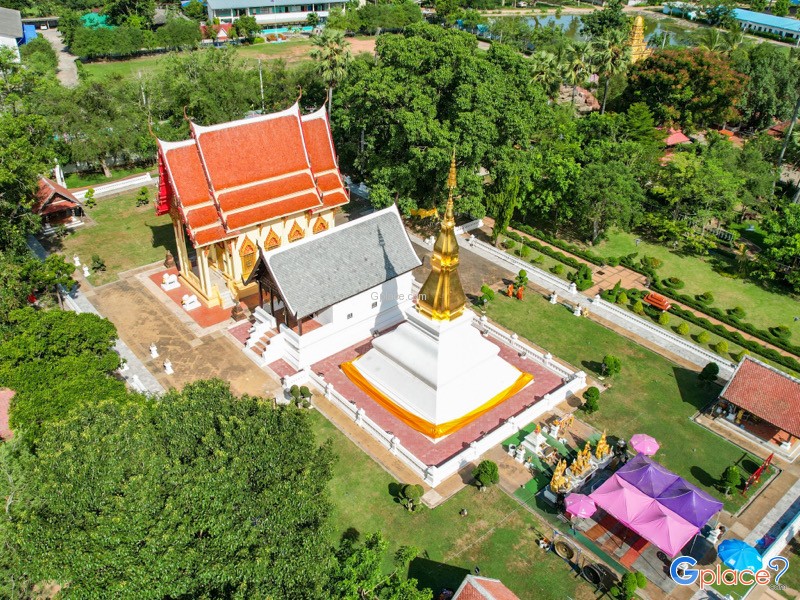
“The pristine white pagoda, adorned with a golden spire, boasts a unique and beautiful shape, blending Lan Xang and local art styles. It is also steeped in the historical legend of the "dead tamarind tree that was reborn," making it an important symbol of the province.”
Phra That Kham Kaen is one of the most important sacred sites in Khon Kaen Province and the origin of the city's official name. Located within Wat Chetiyaphum, it has a long-standing tradition of belief dating back thousands of years. According to local legend, during the time of the Buddha's passing in Kushinara, a group led by a Moriya king and a group of Arahants intended to enshrine his ashes at Phra That Phanom. Along the way, they passed through what is now Ban Kham subdistrict and found a large, dead tamarind tree stump, which they used as a temporary resting place for their belongings and the ashes.
Upon reaching Phra That Phanom, the group discovered the stupa was already completed and sealed, making it impossible to enshrine the ashes. Disappointed, they returned along the same route, but upon reaching the spot where they had rested, they were astonished to find the stump, once dry and dead with only its hardwood remaining, still containing the ashes. Miraculously, the tamarind tree sprouted new leaves and branches, growing lush and vibrant as if alive. The group responsible for the restoration saw this place as auspicious and miraculous and decided to build a pagoda over the tamarind tree stump. They enshrined the ashes of the Buddha and a sacred Buddha image within the pagoda, giving rise to the name "Phra That Kham Kaen," meaning "the pagoda built over the tamarind tree stump."
Architecturally, Phra That Kham Kaen is a beautiful and unique pagoda in the Lan Xang style. It stands approximately 19 meters tall, with a square base featuring twelve corners, adorned with exquisite bas-relief carvings. The top of the pagoda is covered with a gleaming golden spire. The pagoda rests on a layered lotus base, reflecting the wisdom and cultural blend of the Mekong River basin. The temple grounds are meticulously maintained, and the surrounding area is peaceful and shaded by large trees, providing visitors with a sense of tranquility.
Beyond its historical and religious significance, Phra That Kham Kaen has served as a spiritual center for the people of Khon Kaen throughout history. The name of the pagoda has been incorporated into the provincial motto and is currently used as the official symbol of Khon Kaen province. Buddhists believe that those who come to worship and pray at this pagoda will receive blessings for a stable and strong life, like the "core of a tree," experiencing prosperity and having the strength to overcome obstacles. It is also believed that prayers offered here bring good health and renewed hope, much like the miraculous resurrection of a tamarind tree.
How to Get There
- From Khon Kaen city center, take Highway 209 (Khon Kaen-Chiang Yuen) for approximately 12 kilometers, then turn left onto Ban Kham-Nam Phong Road (Highway 2183) for another 14 kilometers to reach Wat Chetiyaphum.
Travel Tips
-
Respectful attire is advised, as this is an important religious site.
-
It is best to visit in the morning or evening to avoid the heat.
-
Every year on the full moon of the sixth lunar month, there is a grand celebration of Phra That Kham Kaen, a major religious event where locals and tourists alike come to pour water over the stupa and participate in the circumambulation ceremony.
Admission Fees:
- Free of charge (No admission fee)
Opening Hours:
- Open daily from 7:00 AM to 5:00 PM.
Phra That Kham Kaen

 Share
Share
 Moo 1, Ban Kham Subdistrict, Nam Phong District, Khon Kaen Province 40140
Map
Moo 1, Ban Kham Subdistrict, Nam Phong District, Khon Kaen Province 40140
Map
 Open now : 7.00 - 17.00
Mon7.00 - 17.00
Tue7.00 - 17.00
Wed7.00 - 17.00
Thu7.00 - 17.00
Fri7.00 - 17.00
Sat7.00 - 17.00
Sun7.00 - 17.00



 9228
9228