 Attractions
  Hotel
Hotel  Restaurant
  Shopping
  Abroad





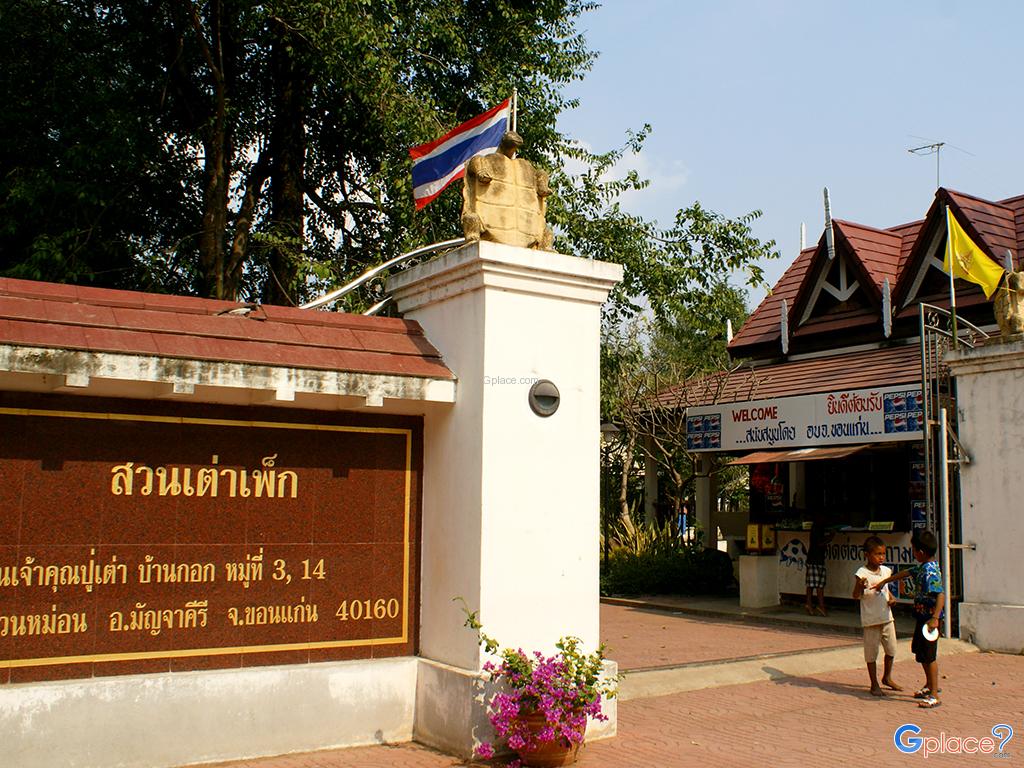

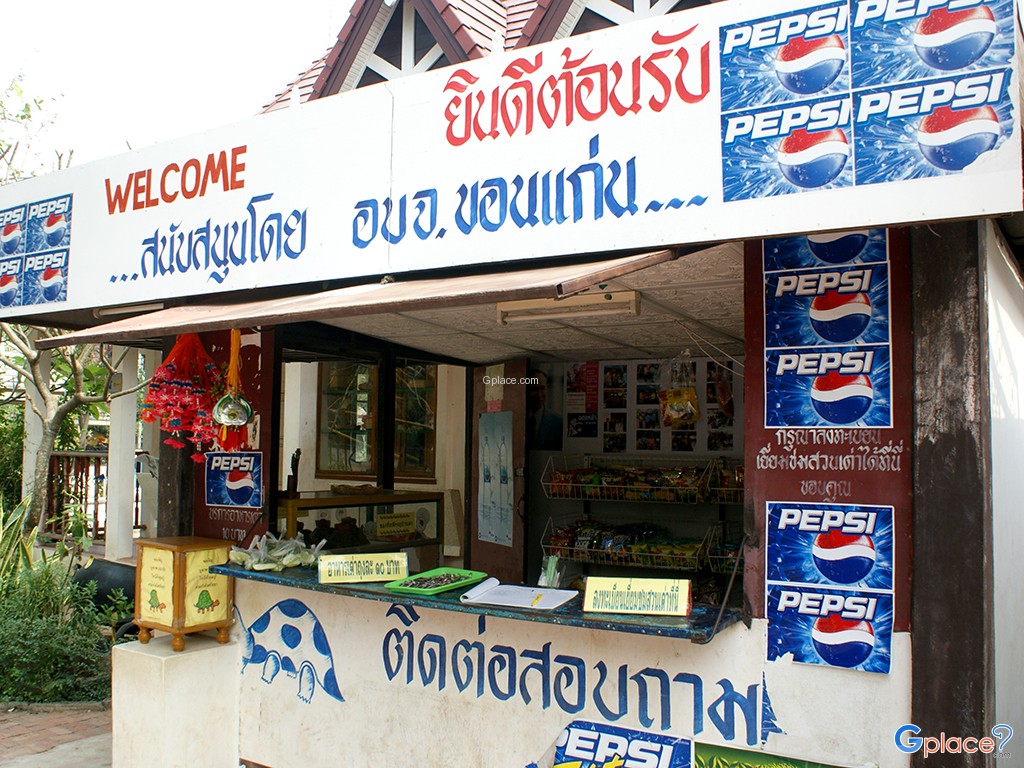
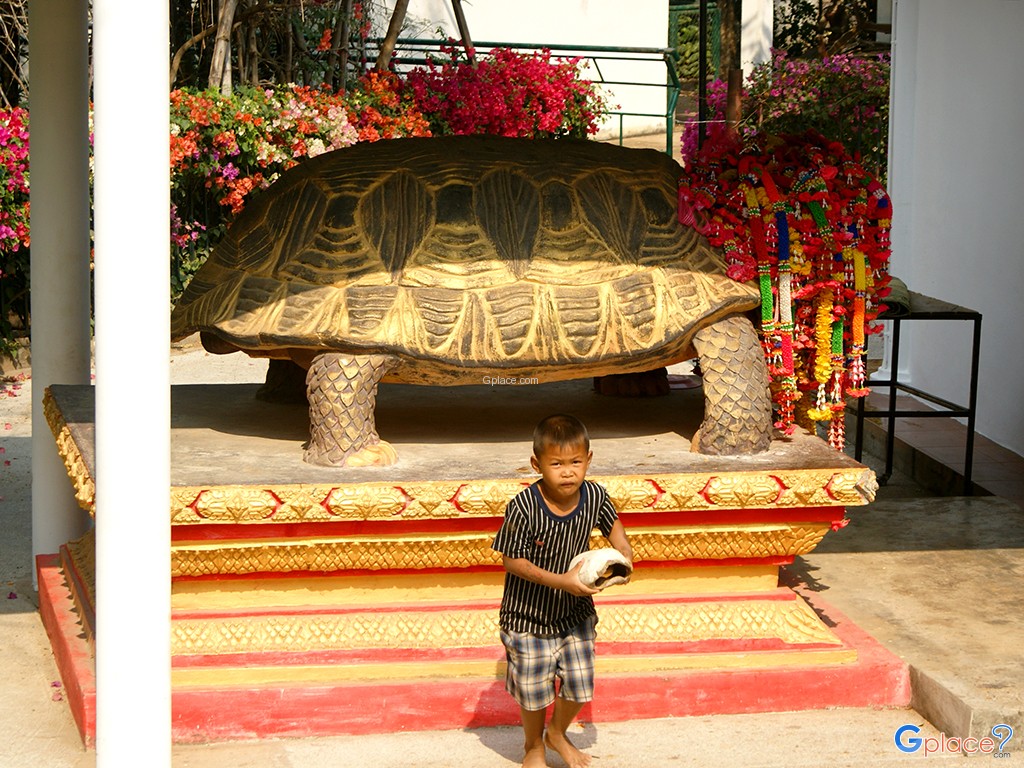

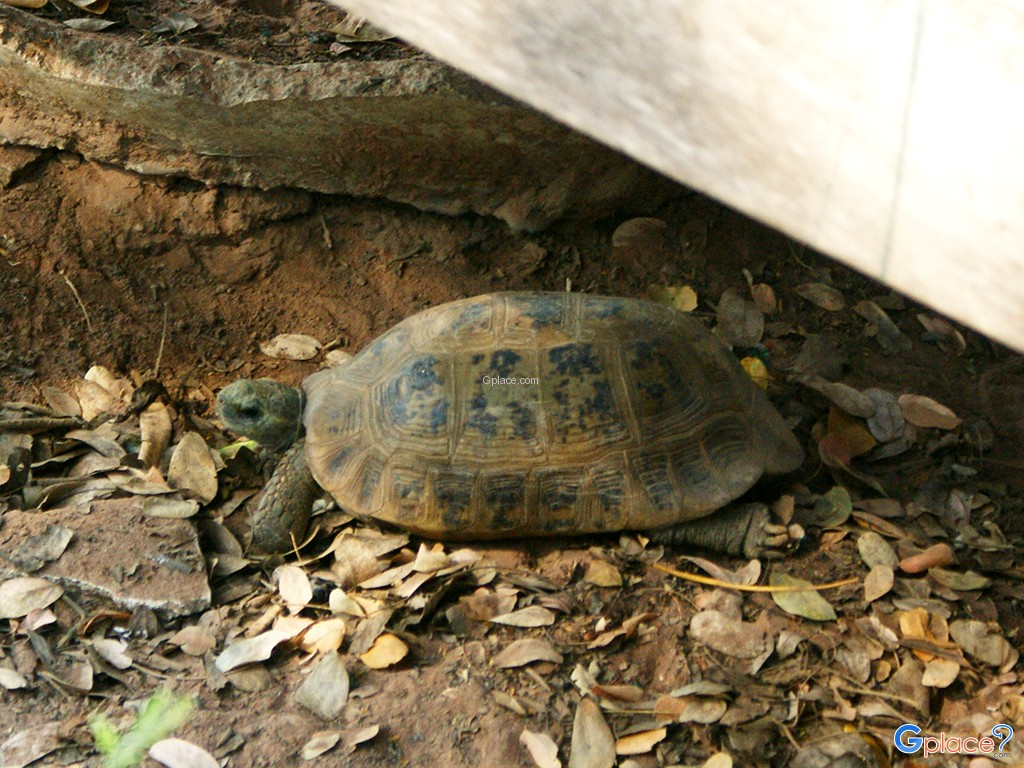

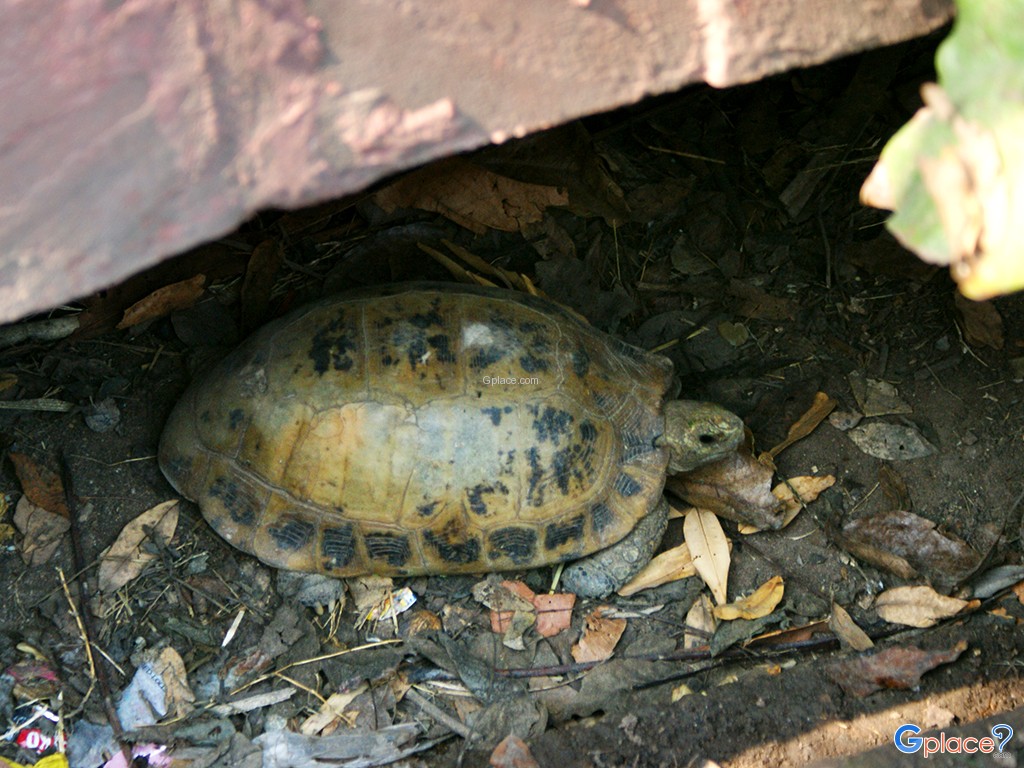
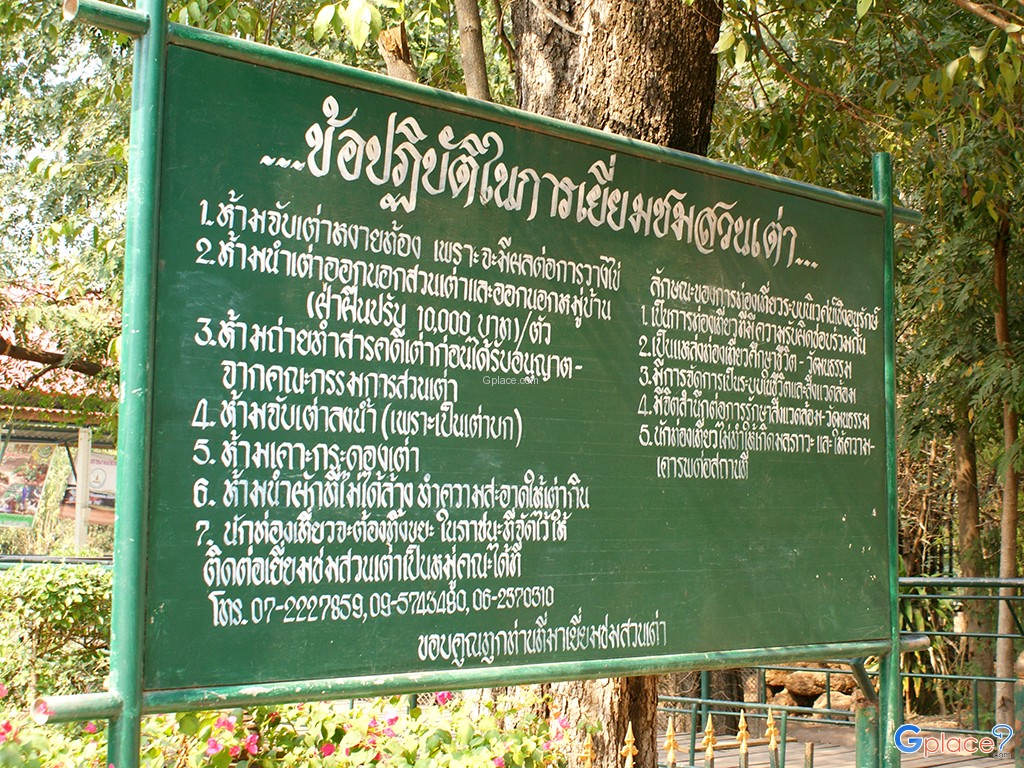
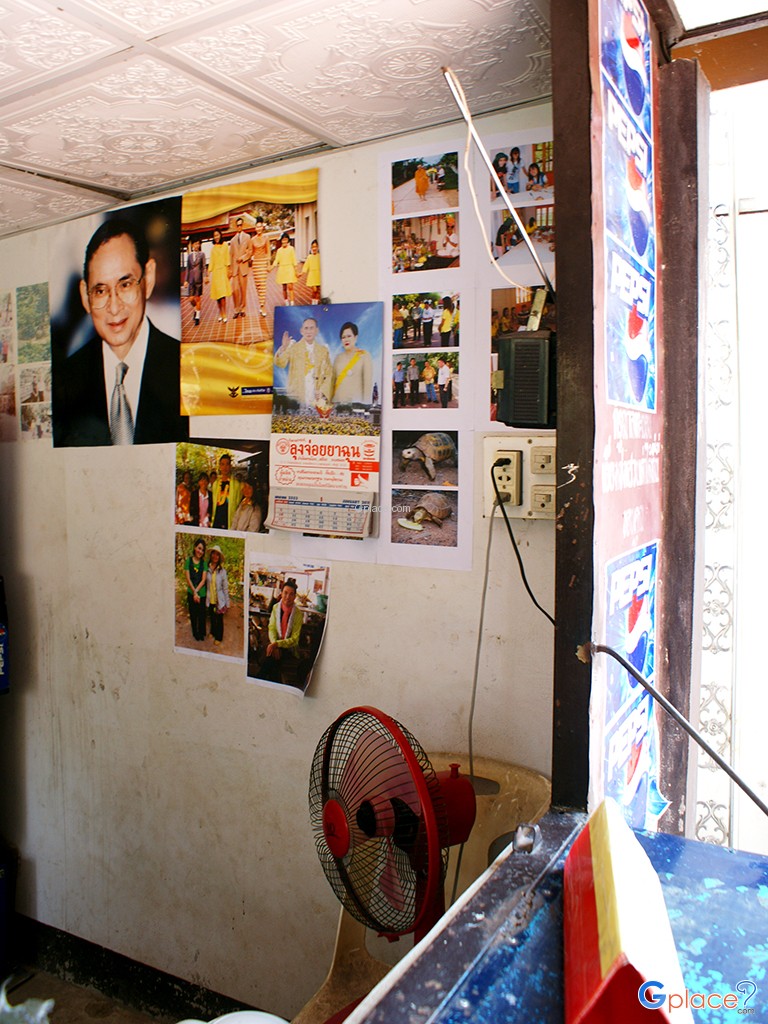
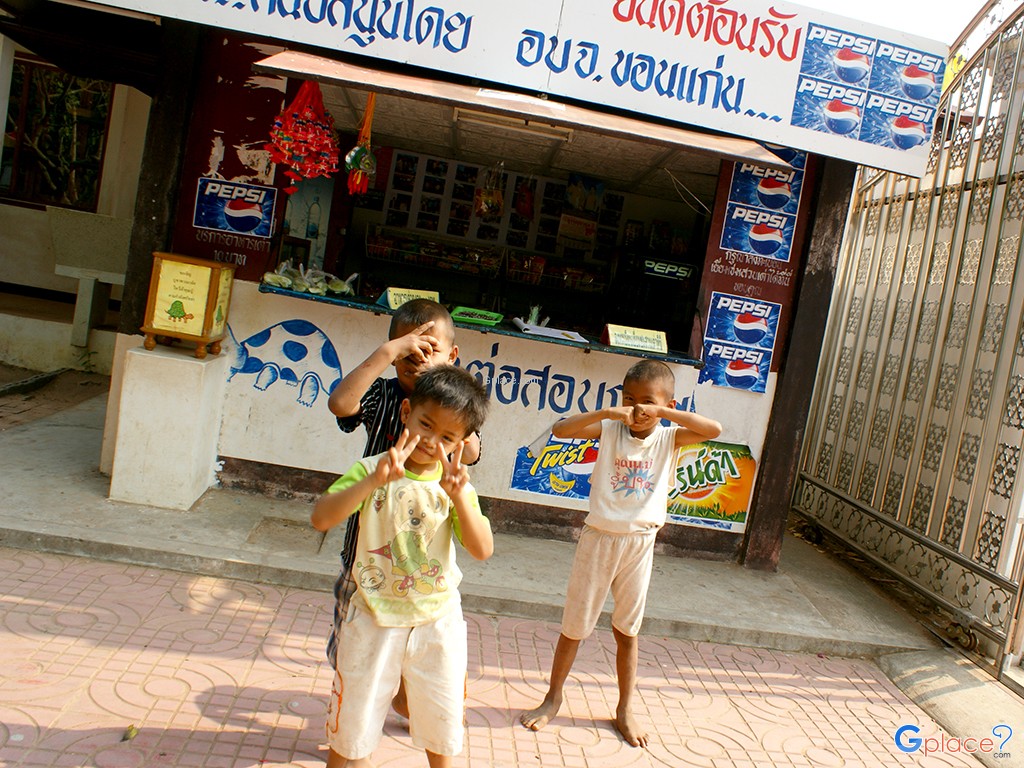
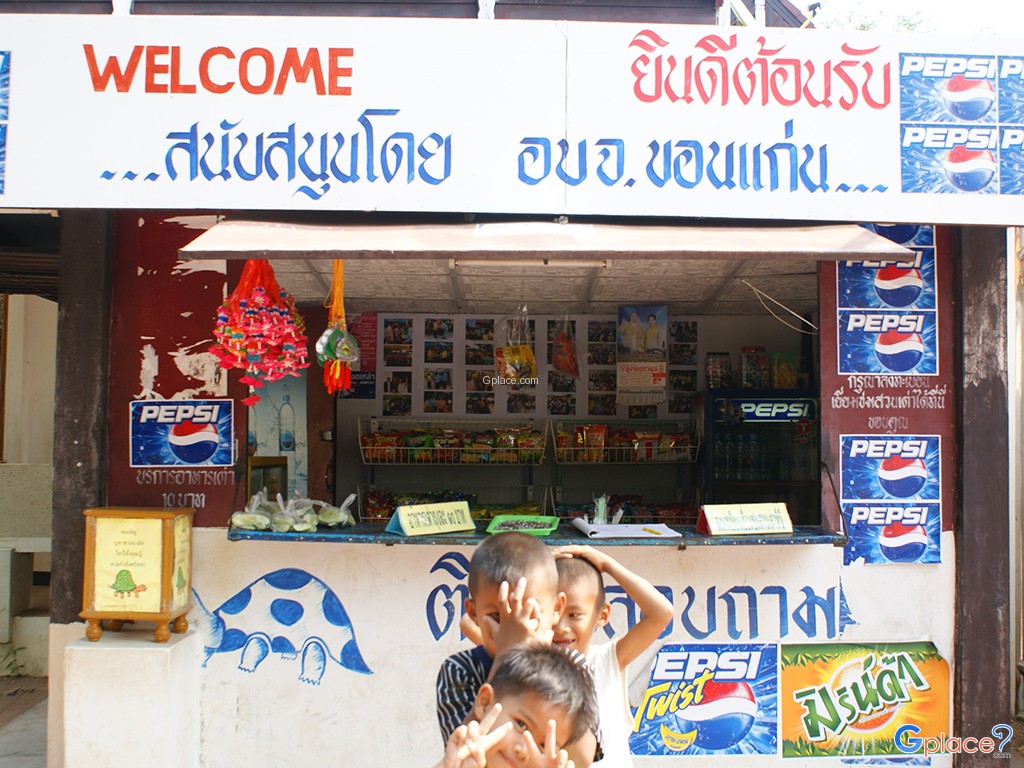
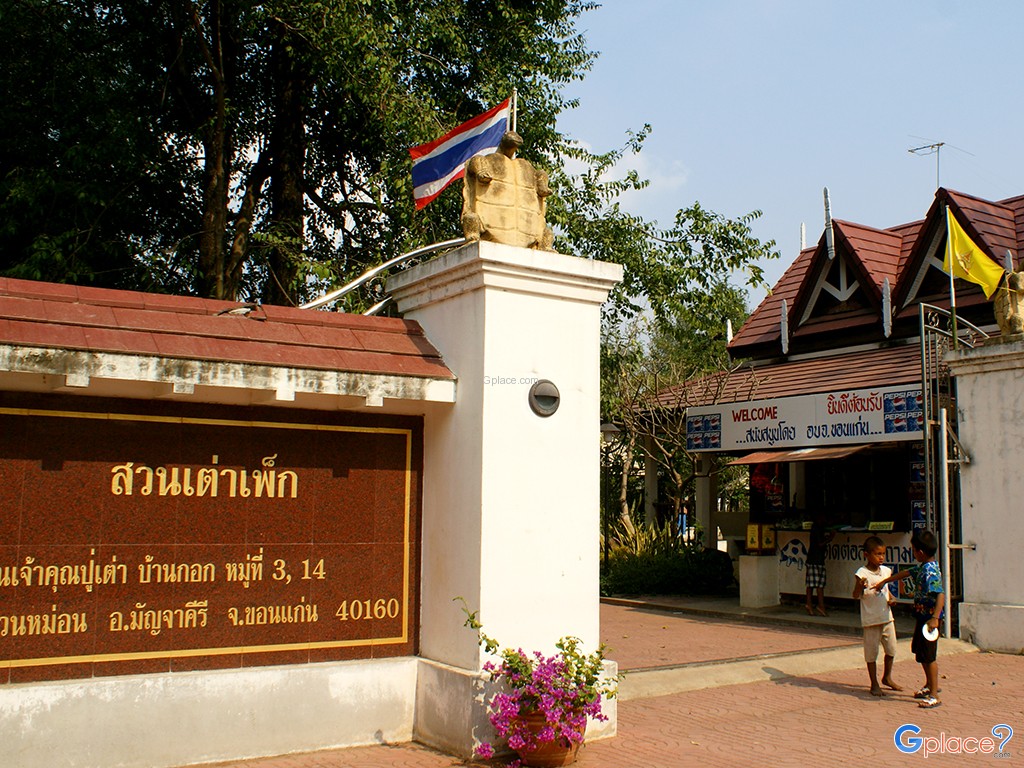
“A highlight is seeing hundreds of "Pek turtles," or yellow turtles, roaming freely among the villagers. The locals believe turtles are sacred animals (guardian turtles), so they take good care of them and feed them. It is considered a rare natural and cultural learning experience.”
Turtle Village, or Ban Kok, stands as a profound "living natural museum" and represents one of the most remarkable examples of human-wildlife symbiosis in Southeast Asia. The history of this village dates back over two centuries to its founding era. According to local chronicles, when the original ancestors migrated to this lush area known as "Don Tao" (Turtle Grove), they were astonished to find thousands of tortoises occupying the land, so many that it was nearly impossible to walk without encountering one. Interpreting this as a divine omen, the settlers established their home here and designated the tortoises as "Sacred Beings" or "Grandfather’s Servants." This gave rise to a powerful cultural taboo: harming, eating, or removing a tortoise from the village is strictly forbidden, as it is believed to bring spiritual misfortune to the perpetrator.
Biologically, the "Tao Pek," or Elongated Tortoise (Indotestudo elongata), found here has undergone a unique behavioral adaptation to communal life. During the monsoon season, the village teems with activity as hundreds of tortoises emerge to roam, while in the dry or cold seasons, they retreat into burrows beneath stilt houses or within the surrounding scrub forests to aestivate. Their diet primarily consists of "Pek Grass" (a localized dwarf bamboo), wild mushrooms, and fallen fruits. The depth of this bond is visible in the daily rituals of the villagers; many place bowls of water and trays of succulent vegetables in front of their homes, treating the tortoises like cherished family members. It is not uncommon to find a tortoise wandering into a kitchen or napping under a resident’s bed, with the human occupants carefully navigating their daily chores so as not to disturb their reptilian housemates.
The spiritual and communal heart of the village is centered around the "Chao Pu Mahesak Shrine" and "Wat Chai Si" Temple. These sites serve as the primary gathering points where the tortoises congregate in the highest numbers. Visitors are treated to a rare sight of "Ecological Culture" in action—sights such as Buddhist monks chanting with tortoises resting calmly around their pedestals, or local village students acting as youth ambassadors, teaching tourists how to identify the sex of a tortoise or estimate its age by the growth rings on its scutes. Furthermore, the village hosts a dedicated learning center that provides scientific data and research on the elongated tortoise, which is internationally recognized as an endangered species. While its numbers are dwindling globally, the population at Ban Kok remains stable and thriving, making it a premier global model for sustainable, community-led wildlife conservation.
How to Get There
- From Khon Kaen city center, take Highway 2731 towards Manjakiri District. Upon reaching the district, drive straight towards Suan Mon Subdistrict. The distance from the provincial capital is approximately 50 kilometers. There are clear signs along the way. Alternatively, you can use the Khon Kaen-Manjakiri bus service.
Travel Tips
-
It is best to visit in the late afternoon (approximately 3:00 PM - 5:00 PM), when the sun is not too hot and the turtles tend to come out of their hiding places to forage for food under houses or in temples.
-
Please follow the instructions on the signs, such as not touching the turtles or taking them out of the area.
-
It is advisable to contact the community leader or villagers in advance to participate in activities and learn about their way of life appropriately.
-
Please dress respectfully and show respect for the local culture.
Admission Fees:
- Free Admission: There is no entrance fee to visit the Turtle Village. It is a community-based tourism site that welcomes all visitors without charge.
Opening Hours:
- Open daily from 8:00 AM to 6:00 PM.
Turtle Village

 Share
Share
 Baan Kok, Suan Mon Subdistrict, Manjakiri District, Khon Kaen Province 40160
Map
Baan Kok, Suan Mon Subdistrict, Manjakiri District, Khon Kaen Province 40160
Map
 Closed today
Mon8.00 - 18.00
Tue8.00 - 18.00
Wed8.00 - 18.00
Thu8.00 - 18.00
Fri8.00 - 18.00
Sat8.00 - 18.00
Sun8.00 - 18.00



 38681
38681