 Attractions
  Hotel
Hotel  Restaurant
  Shopping
  Abroad





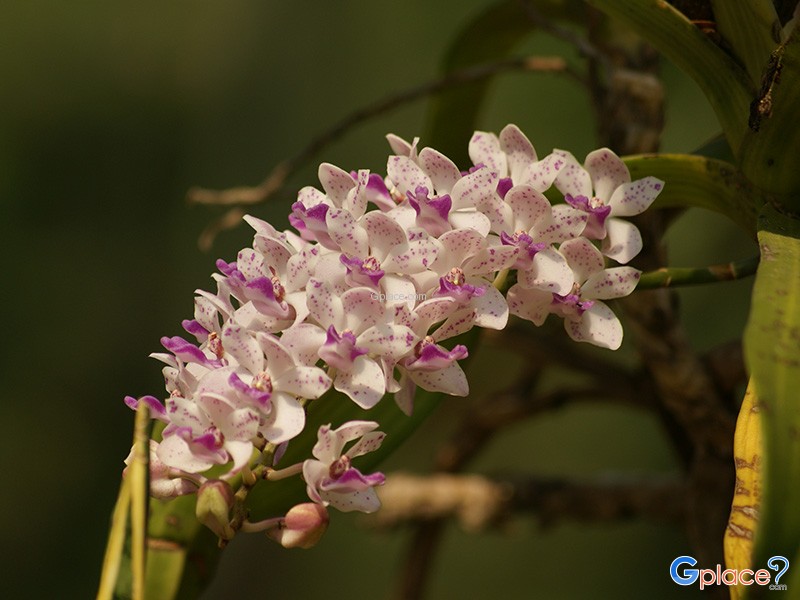



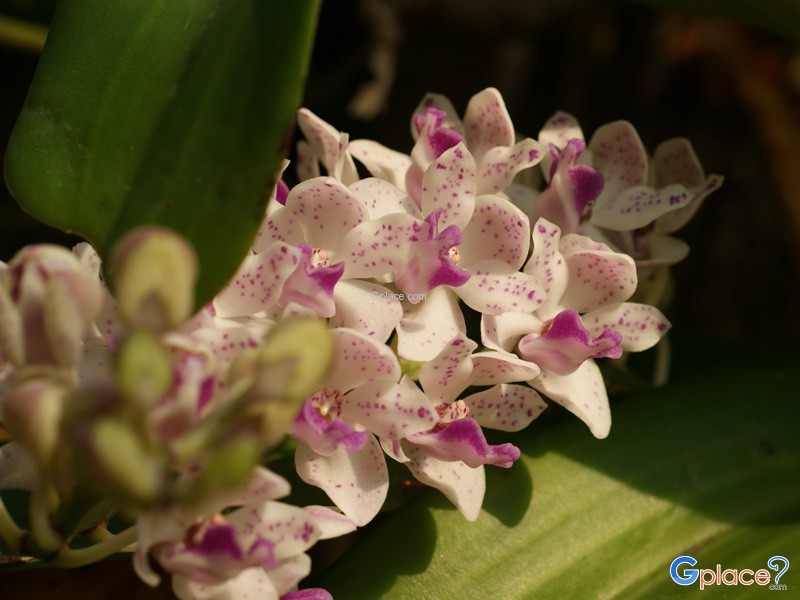
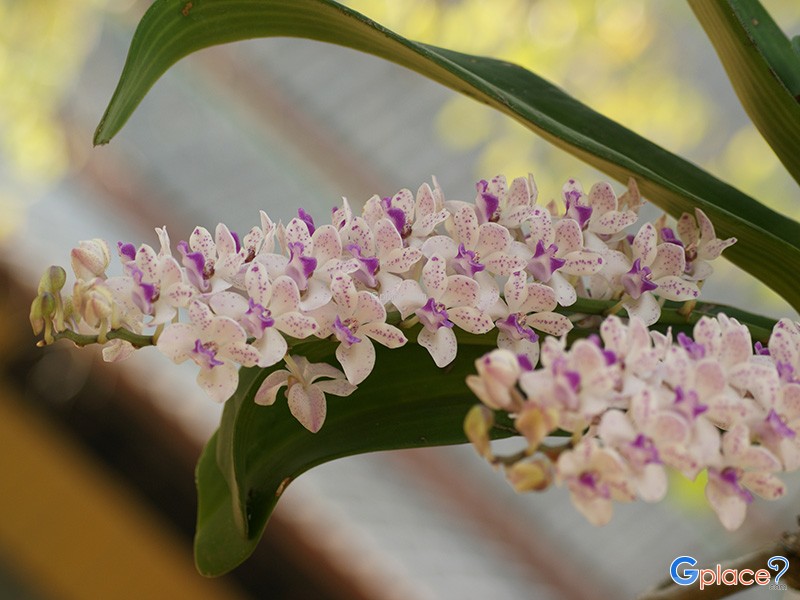
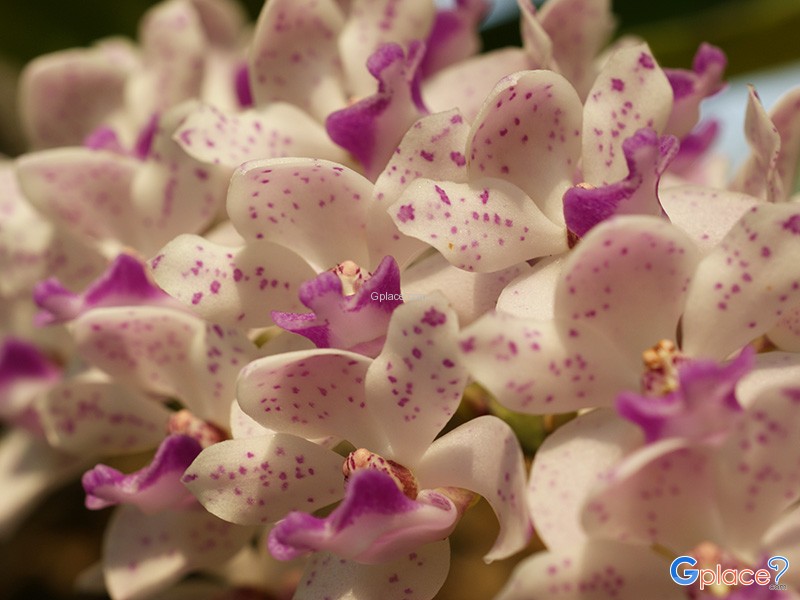
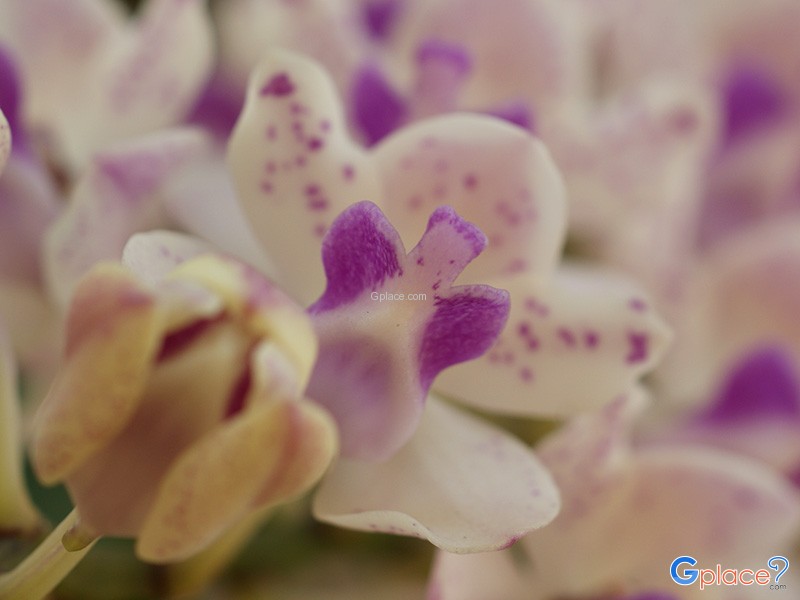
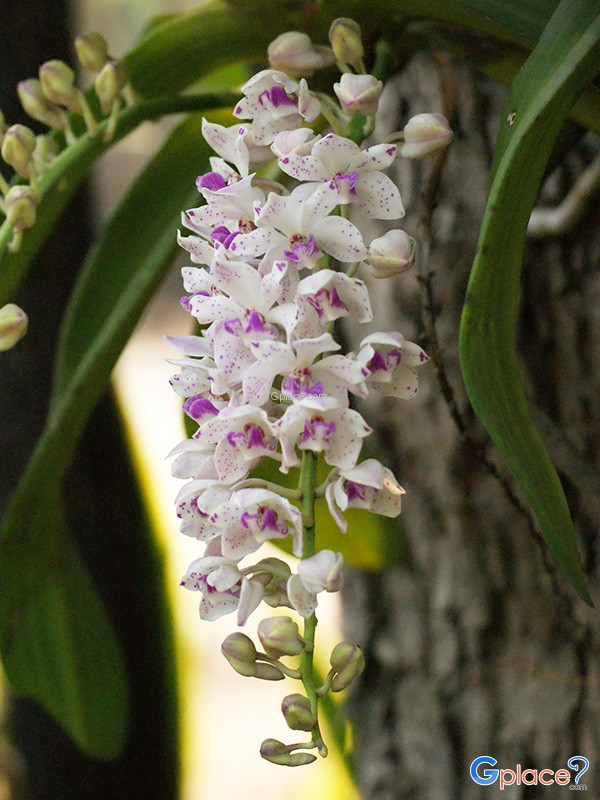

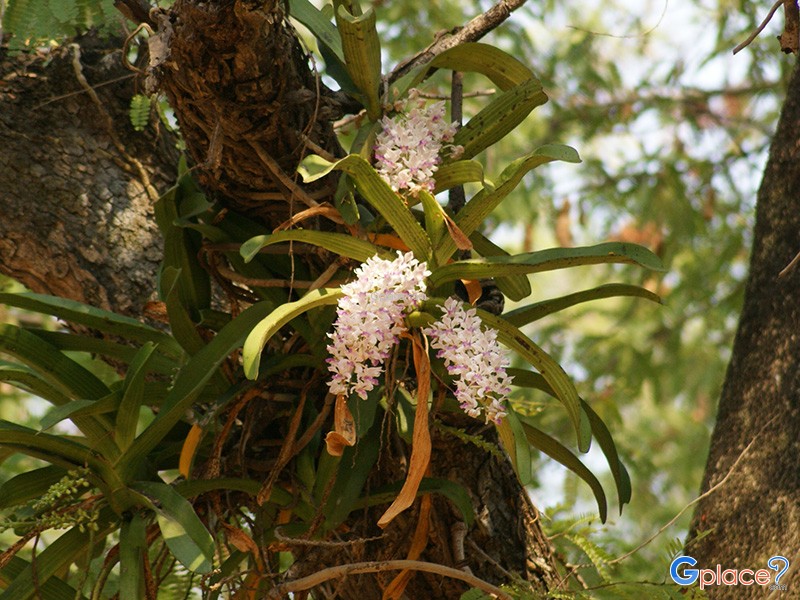
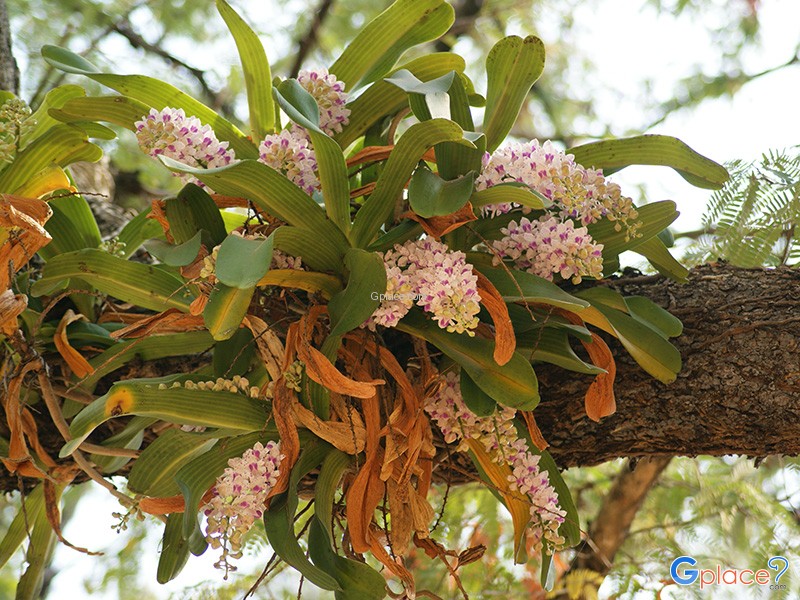
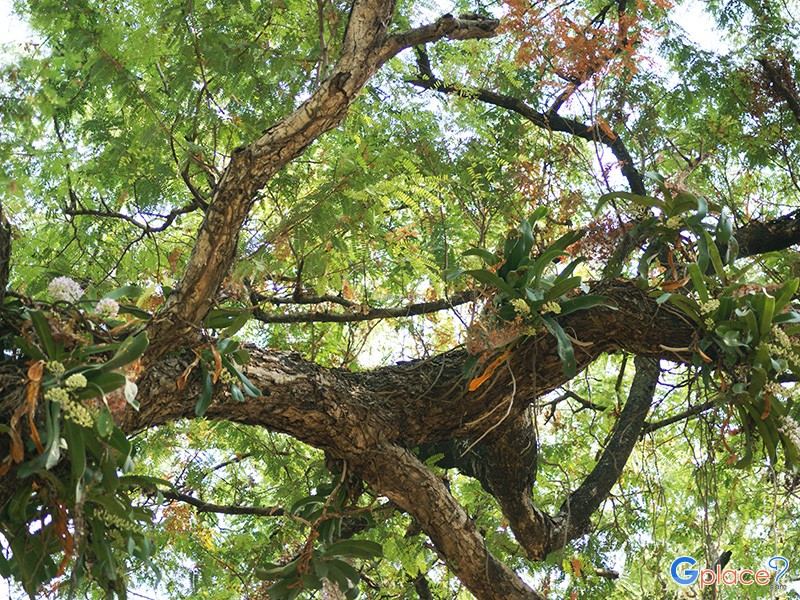
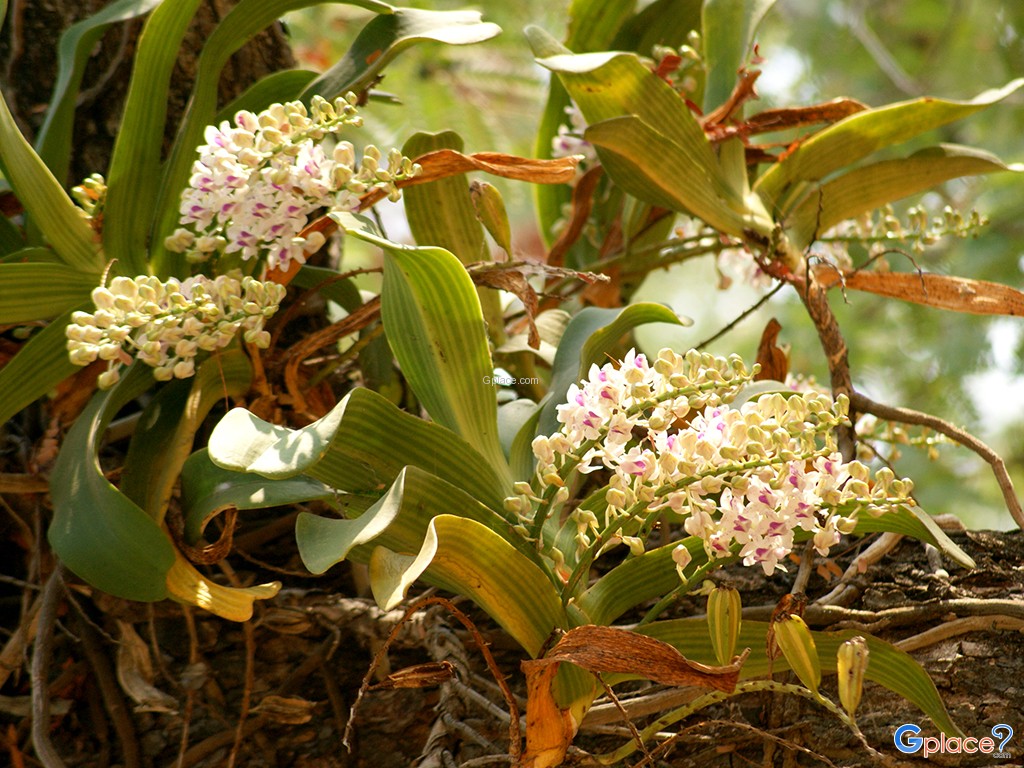
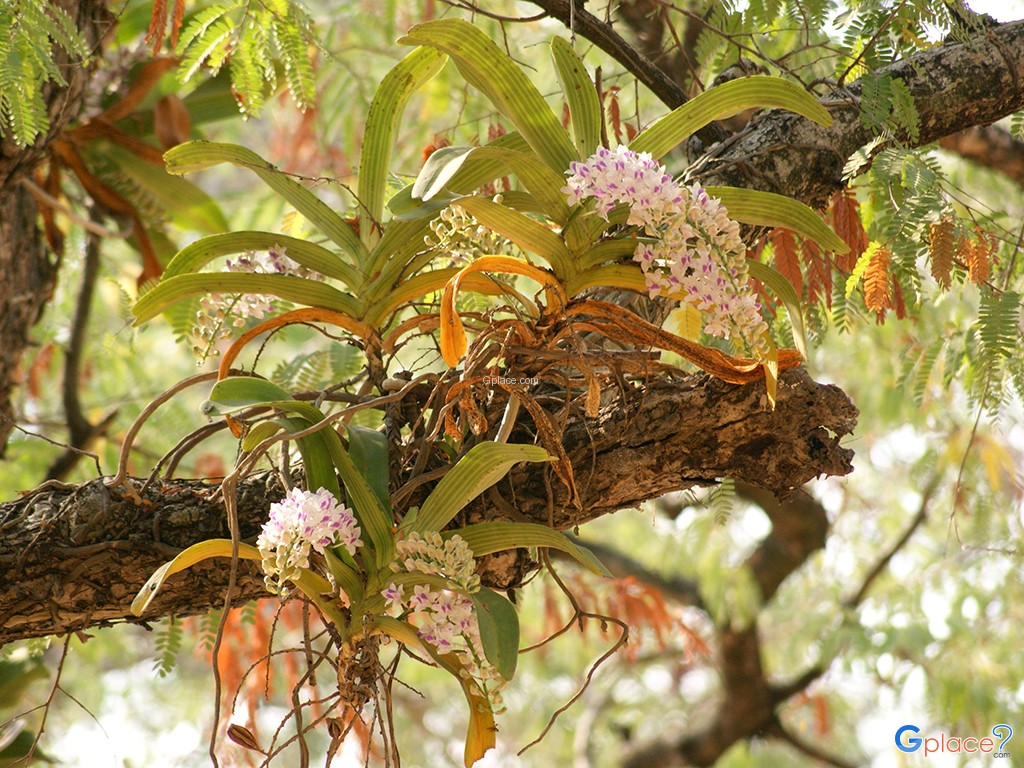
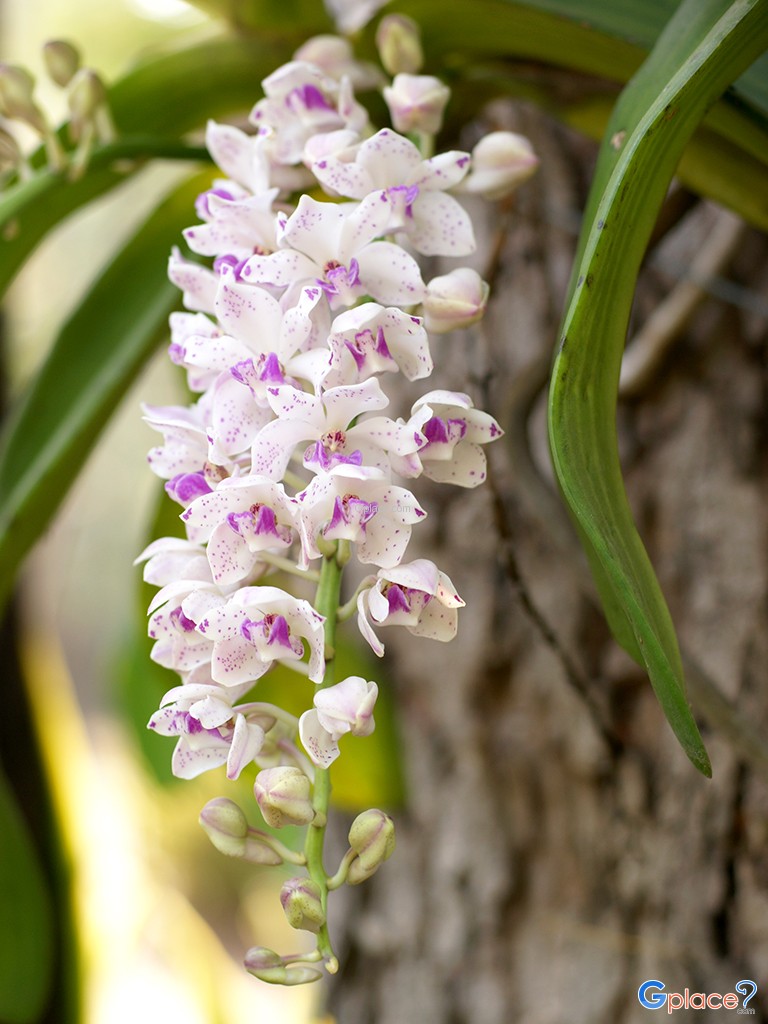
“Admire the beauty of the "Temple in the Middle of the Water," with its delicate wood carvings. During the winter, this temple transforms into a spot to see the fragrant Phalaenopsis orchids, filling the entire grounds with their sweet scent.”
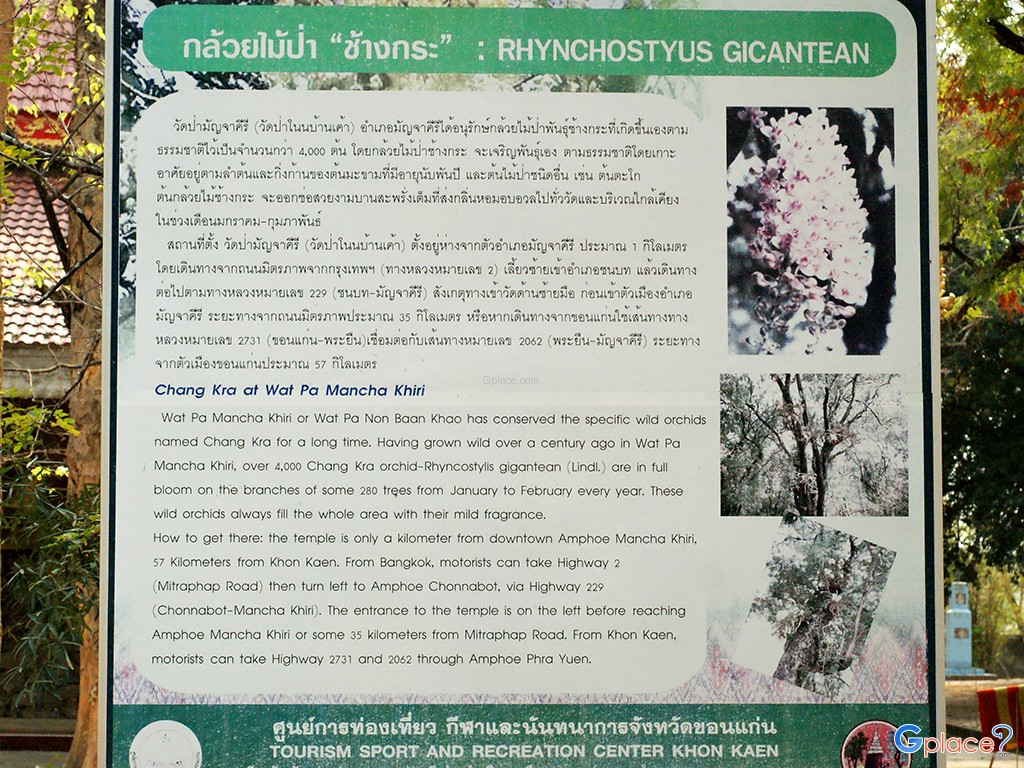
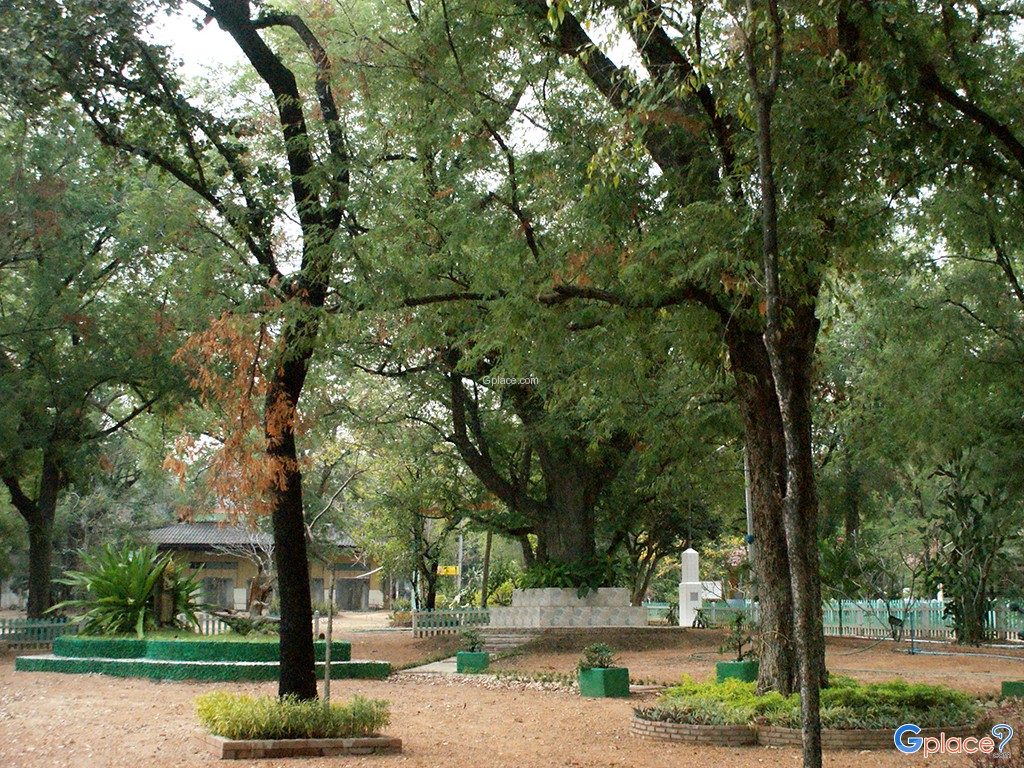
Wat Pa Mancha Khiri, historically known as "Wat Pa Ban Makham," was established around 1951 by Phra Ajarn Phrom Jakkasiri as a forest monastery belonging to the Dhammayutika Nikaya order. It stands as one of the most significant spiritual and ecological sites in Khon Kaen Province. Spanning approximately 15 rai, the temple occupies an ancient grove of tamarind trees that have been meticulously preserved for over a century. The temple's most prestigious feature is the "Natural Wild Chang Kra Orchid Colony," which grows naturally on nearly 300 ancient tamarind trees, some aged over 200 years. This phenomenon is considered a global botanical marvel, as these orchids are not man-made plantations but an indigenous species that has thrived through a natural symbiotic relationship with the giant trees for generations. During the peak blooming season from late December to February, hundreds of thousands of fragrant white-and-crimson blossoms release a heavy, sweet scent that fills the entire monastery grounds.
Architecturally, the centerpiece of the temple is the "Sim Klang Nam," a traditional Northeastern Thai (Isan) style wooden ordination hall situated in the center of a large pond. This structure follows the "Uthaka Sima" (Water Sima) concept, an ancient Buddhist tradition where a body of water serves as a boundary to ensure the utmost purity of the sacred monastic rites performed within. The hall features a distinctive roof made of wooden shingles and exquisite carvings that reflect the refined craftsmanship of the Mancha Khiri artisans. The monastery also houses several revered Buddha images and a classic wooden sermon hall (Sala Kan Parian) that remains a testament to traditional vernacular architecture.
Beyond its aesthetic and biological appeal, Wat Pa Mancha Khiri is a vital center for plant genetic conservation and a strict sanctuary for Vipassana meditation. The tranquil environment under the canopy of ancient trees provides a perfect "Sappaya" (conducive environment) for those seeking spiritual retreat and the study of Dhamma. Visiting this temple offers a profound immersion into a world where Buddhist faith, ancient Isan heritage, and rare natural ecosystems coexist in perfect harmony, making it a living museum of cultural and biological significance.
How to Get There
- From Khon Kaen city, take Highway 2731 towards Manjakiri District, approximately 57 kilometers. Upon entering the district, there will be clear signs directing you to turn off towards Ban Makham, where the temple is located.
Travel Tips
-
To see the Phalaenopsis orchids in full bloom, it is recommended to visit between the end of December and the end of January.
-
Respectful attire is advised, as this is a meditation center emphasizing tranquility.
-
Those wishing to participate in meditation should inquire in advance.
Admission Fees:
- Free of charge (no admission fee) for both domestic and international visitors.
Opening Hours:
- Open daily from 8:00 AM to 5:00 PM. (Operating hours may vary slightly during major festivals or public holidays.)
Wat Pa Mancha Khiri

 Share
Share
 Tambon Kut Khao, Amphoe Manjakiri, Khon Kaen 40160
Map
Tambon Kut Khao, Amphoe Manjakiri, Khon Kaen 40160
Map
 Open now : 8.00 - 17.00
Mon8.00 - 17.00
Tue8.00 - 17.00
Wed8.00 - 17.00
Thu8.00 - 17.00
Fri8.00 - 17.00
Sat8.00 - 17.00
Sun8.00 - 17.00



 4531
4531