 Attractions
  Hotel
Hotel  Restaurant
  Shopping
  Abroad





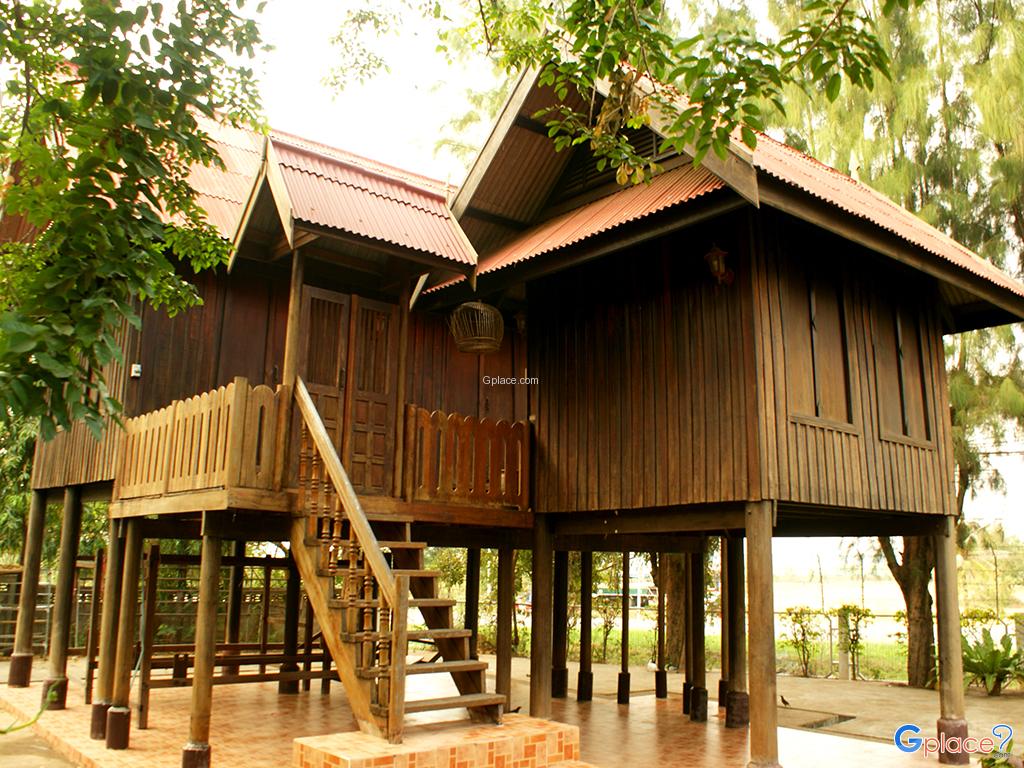

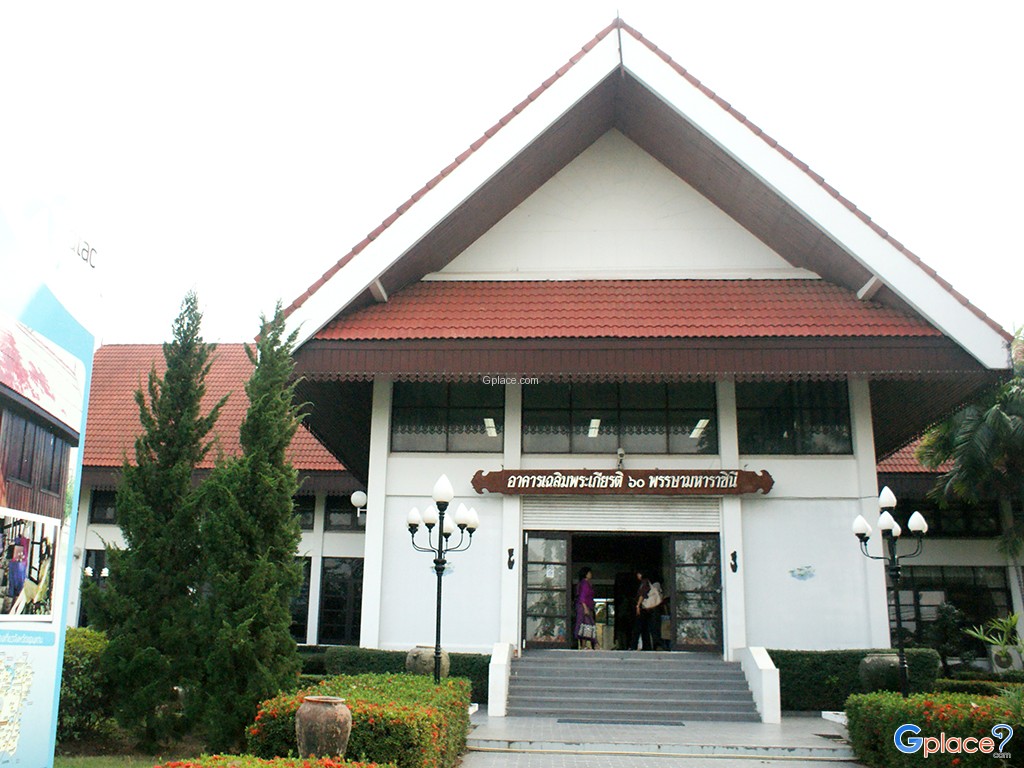
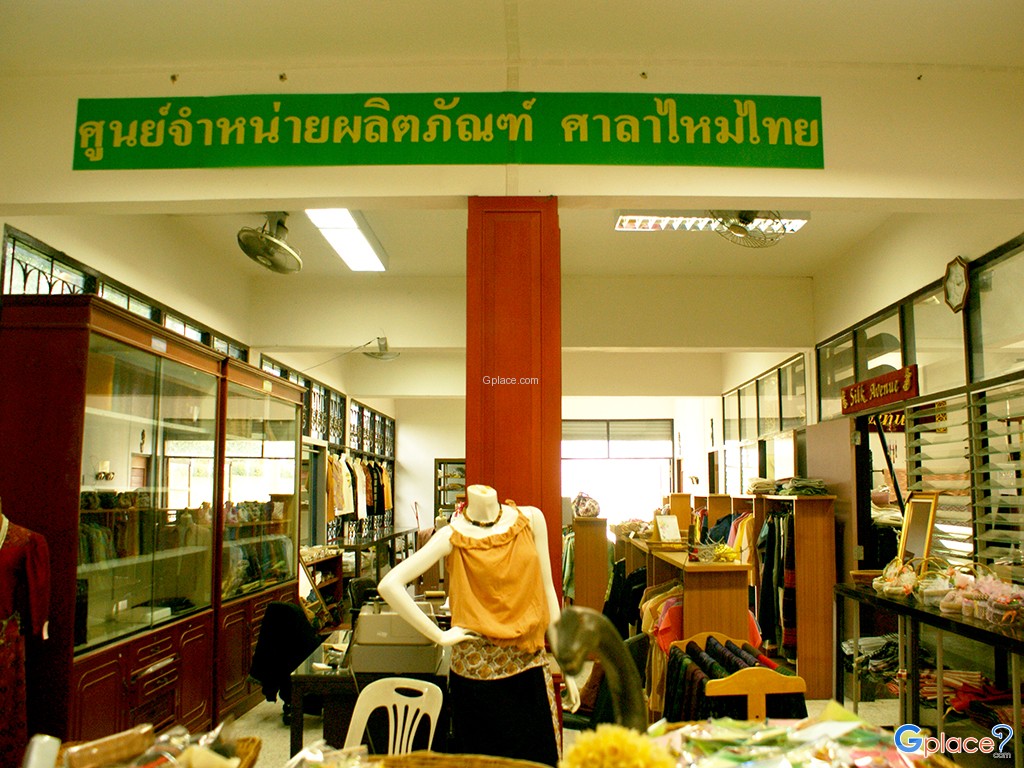
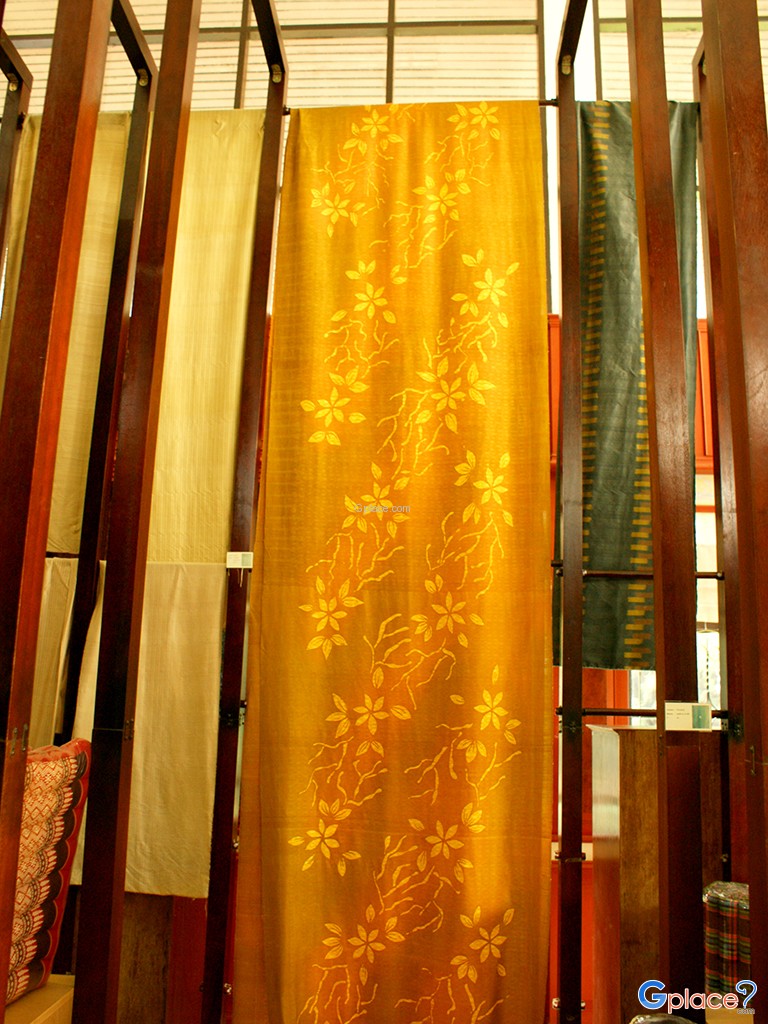
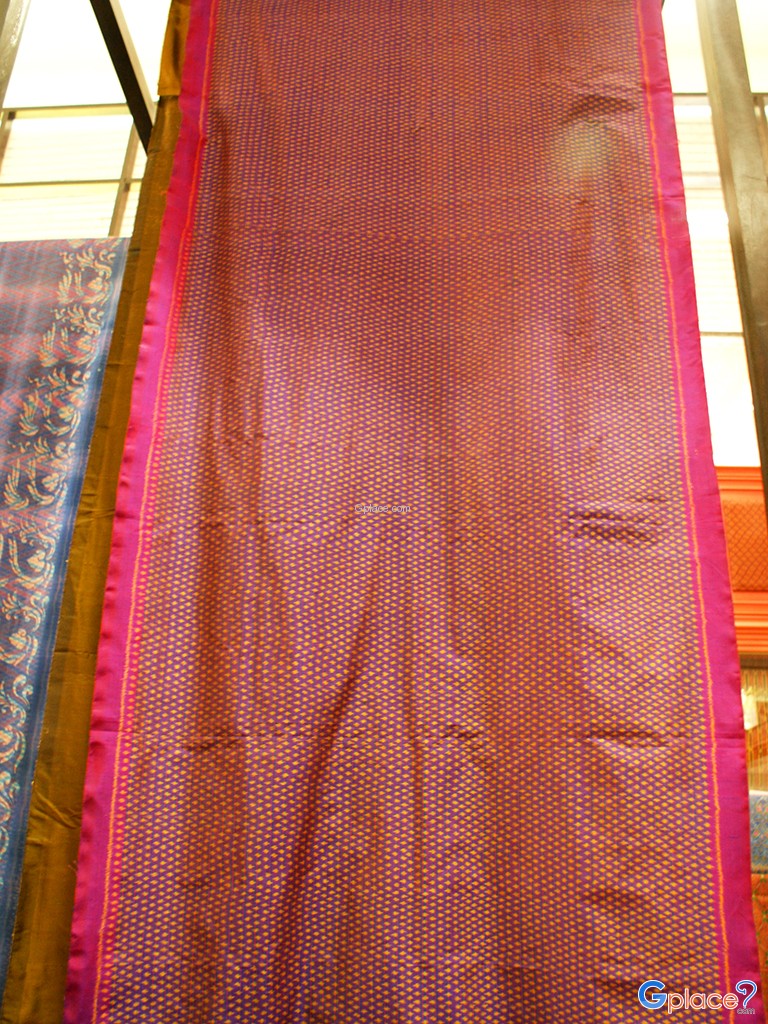
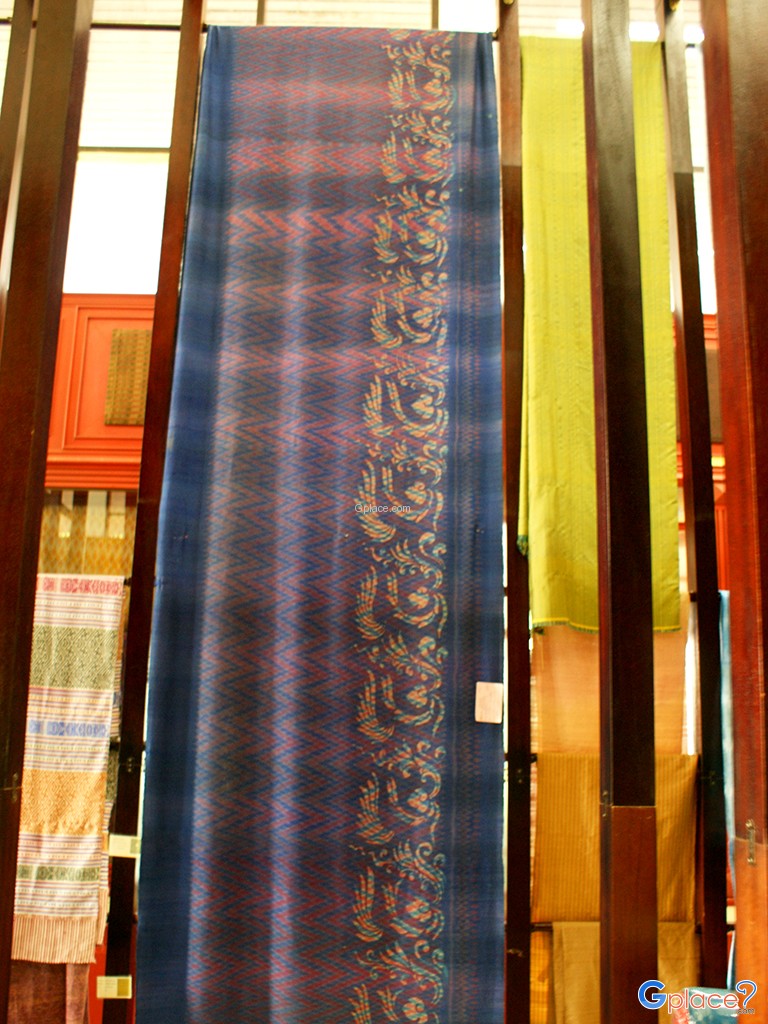

“Admire the exquisite beauty of "Nang Na Mudmee Silk," a highly detailed and intricate silk fabric. Learn the entire process, from mulberry cultivation and silkworm rearing to weaving, and view rare antique silk fabrics.”
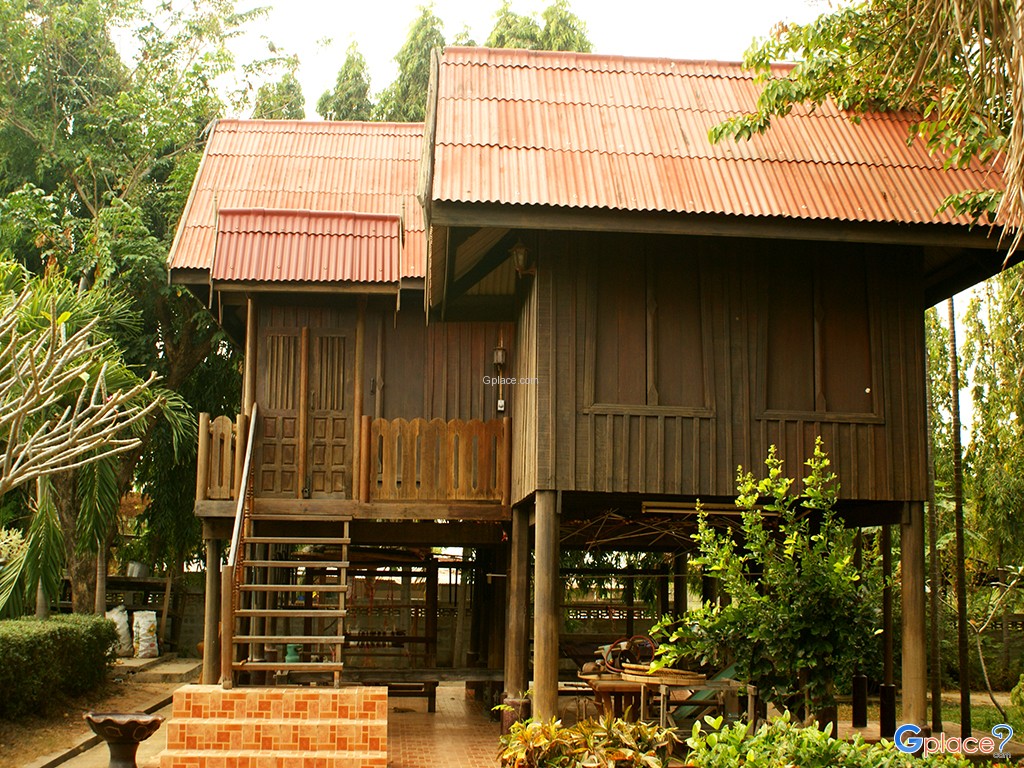
Sala Mai Thai, also known as the Pavilion of Thai Silk (60th Anniversary Celebrations Building), is situated within the grounds of the Chonnabot Industrial and Community Education College. It serves as one of Khon Kaen’s most significant centers for the preservation and study of local wisdom. The pavilion was established under the Silk and Mudmee Cultural Art Center Project to fulfill the royal initiatives of Her Majesty Queen Sirikit, the Queen Mother, who aimed to promote and safeguard the unique art of Mudmee (Ikat) silk weaving, a heritage deeply rooted in the identity of the Chonnabot district.
The interior features a comprehensive exhibition that guides visitors through the entire lifecycle of silk production. It begins with the fascinating biological cycle of silkworms—from the initial egg stage to the larvae feeding on mulberry leaves and finally to the spinning of golden and white cocoons. Visitors can learn about the traditional silk-reeling process, a meticulous task that requires immense patience and skill to produce smooth, high-quality silk threads ready for weaving.
The undeniable highlight of the pavilion is the gallery of rare "Ancient Mudmee Silk" patterns that are difficult to find elsewhere today. These patterns, such as "Kong Jed," "Khan Mak Beng," and "Nam Phong," reflect the traditional way of life and spiritual beliefs of the Isan people. Furthermore, the pavilion proudly displays award-winning silk pieces from national competitions, particularly the exquisite "Mudmee Na-Nang" silk, renowned for its intricate patterns and sophisticated color palettes. The exhibition also showcases various types of traditional looms, including the local floor loom and the "flying shuttle" loom (Ki Kratuk).
Beyond its role as a museum, Sala Mai Thai acts as a hub for silk product development and marketing research, helping to elevate Thai silk to international standards. It is more than just a repository of the past; it is a vibrant space where the cultural heritage of Thai silk continues to breathe and evolve, ensuring that the legendary craftsmanship of Chonnabot remains a source of pride for future generations.
How to Get There
- From Khon Kaen city center, take Highway 2 (Mittraphap Road) heading south (towards Korat). Upon reaching the Ban Phai District intersection, turn right onto Highway 229 (towards Chonnabot District). Drive straight for approximately 10-12 kilometers. The Thai Silk Pavilion will be on your left, within the grounds of Chonnabot Vocational College.
Travel Tips
-
For group visits or those seeking in-depth knowledge, it's recommended to contact the museum in advance to request a guide. The historical details of each fabric pattern offer more compelling stories than simply viewing them on your own.
-
Don't just focus on the indoor exhibitions. Explore the weaving workshop or demonstration area, where you'll be allowed to witness the actual "ikat" weaving process, providing a deeper understanding of the intricacy of this art form.
-
If you plan to purchase high-quality silk, it's advisable to research the unique patterns of Chonnabot District beforehand, such as "Kong Chet" or "Mee Khan" patterns, to better understand and select quality from local shops.
-
Since Chonnabot District has numerous silk shops lining the main road (Chaeng Sanit Road), it's recommended to spend the afternoon exploring these shops after visiting the museum to compare prices and patterns directly from the producers.
-
The center often sells products from women's groups or students from local colleges. Supporting these small businesses helps boost their income and preserve the silk weaving profession.
-
Besides silk viewing, Chonnabot District also has "Hong Mun Mang Chonnabot," a nearby folk museum, which can provide a deeper understanding of Chonnabot's history.
Admission Fees:
- Free Admission: There is no entrance fee for both Thai and foreign visitors.
Opening Hours:
-
Open daily from 8:30 AM to 4:30 PM.
-
Notes: The center is generally open every day, but it may be closed on some public holidays. It is recommended to verify in advance if visiting during a major festival.
Sala Mai Thai

 Share
Share
 Chonnabot Subdistrict, Chonnabot District, Khon Kaen Province 40180
Map
Chonnabot Subdistrict, Chonnabot District, Khon Kaen Province 40180
Map
 Open now : 8.30 - 16.30
Mon8.30 - 16.30
Tue8.30 - 16.30
Wed8.30 - 16.30
Thu8.30 - 16.30
Fri8.30 - 16.30
Sat8.30 - 16.30
Sun8.30 - 16.30



 4293
4293