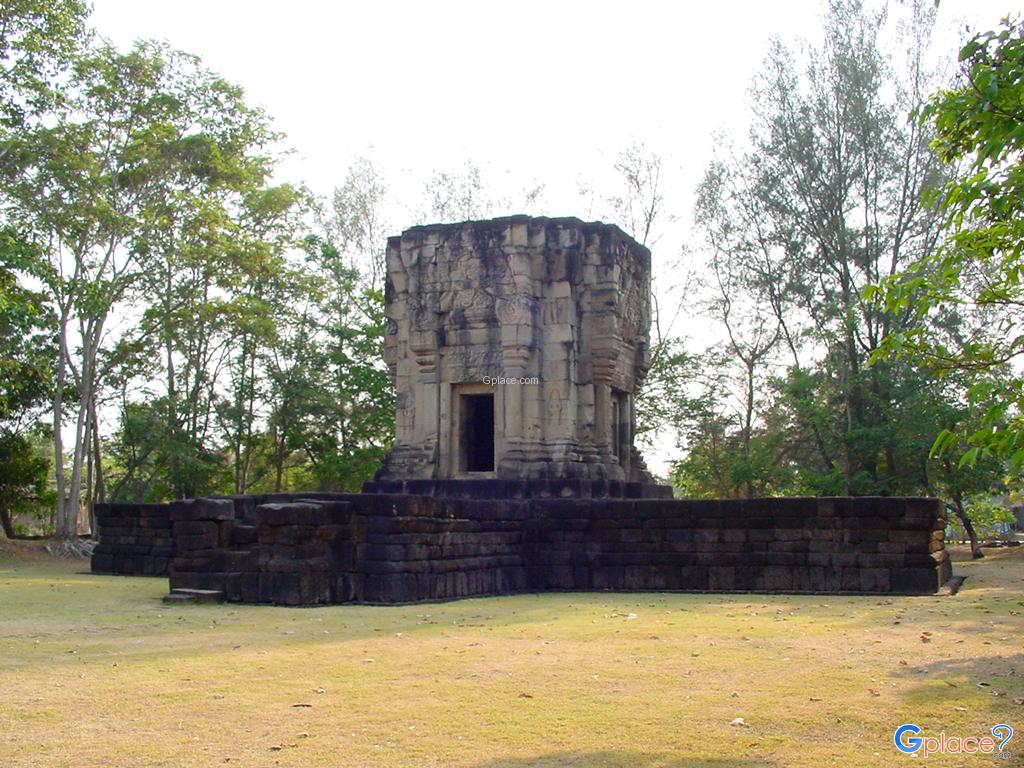
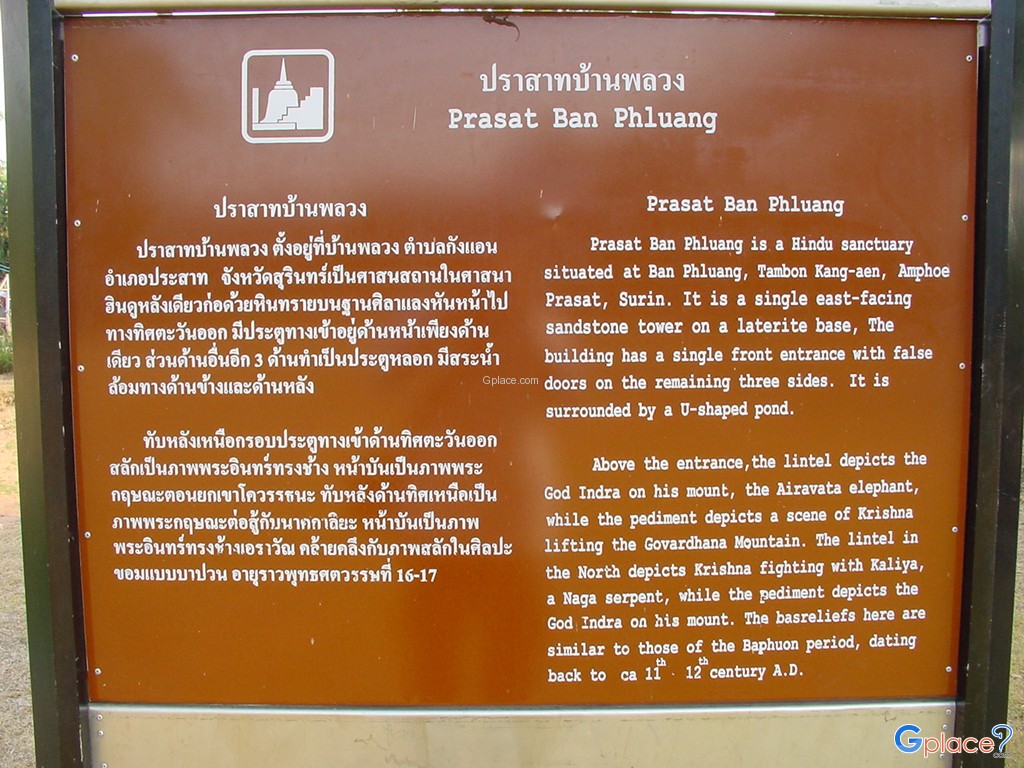
Prasat Ban Phluang is an important Khmer archaeological site of the Baphuon style, dating back to approximately the 11th–12th Buddhist centuries around the 16th–17th century CE, located in Ban Phluang village, Kang Aen Subdistrict, Prasat District, Surin Province, northeastern Thailand. It was built during the period when the influence of the Khmer Empire from Angkor expanded into the lower Mun River basin and the present-day Isan region. The sanctuary was constructed as a Hindu temple dedicated to Shiva under the Shaivism tradition, reflecting the ancient Indian cosmological concept of Mount Meru as the center of the universe, which was translated into architecture through the symbolic representation of a sacred cosmic mountain manifested in the form of a stone temple.
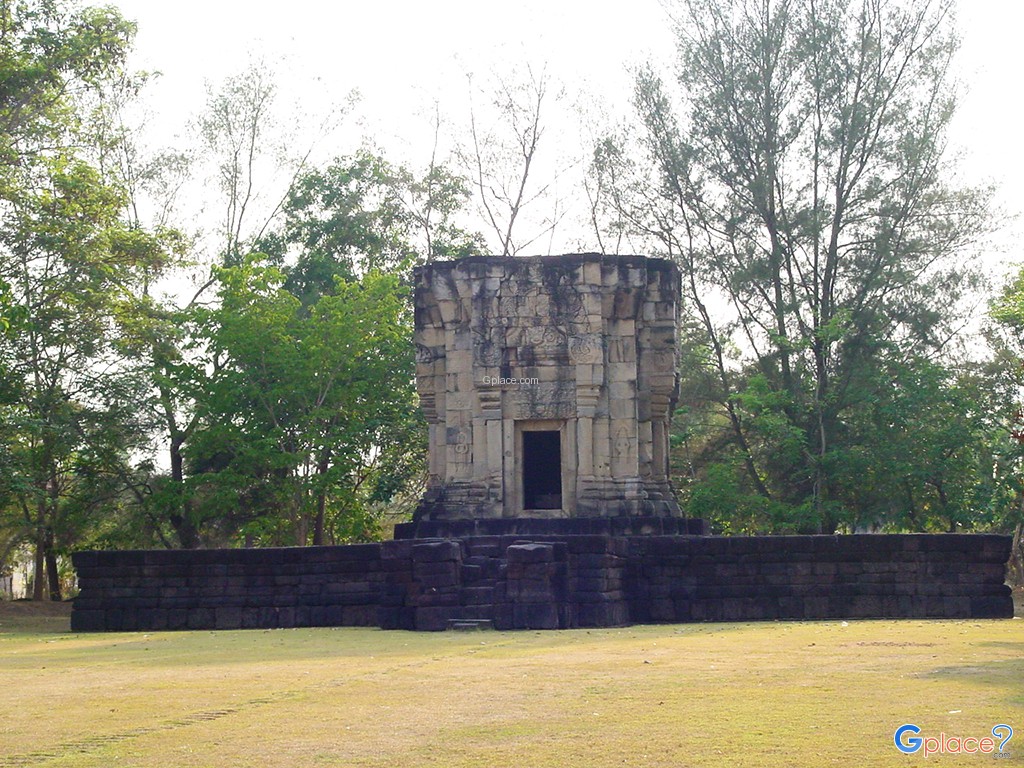
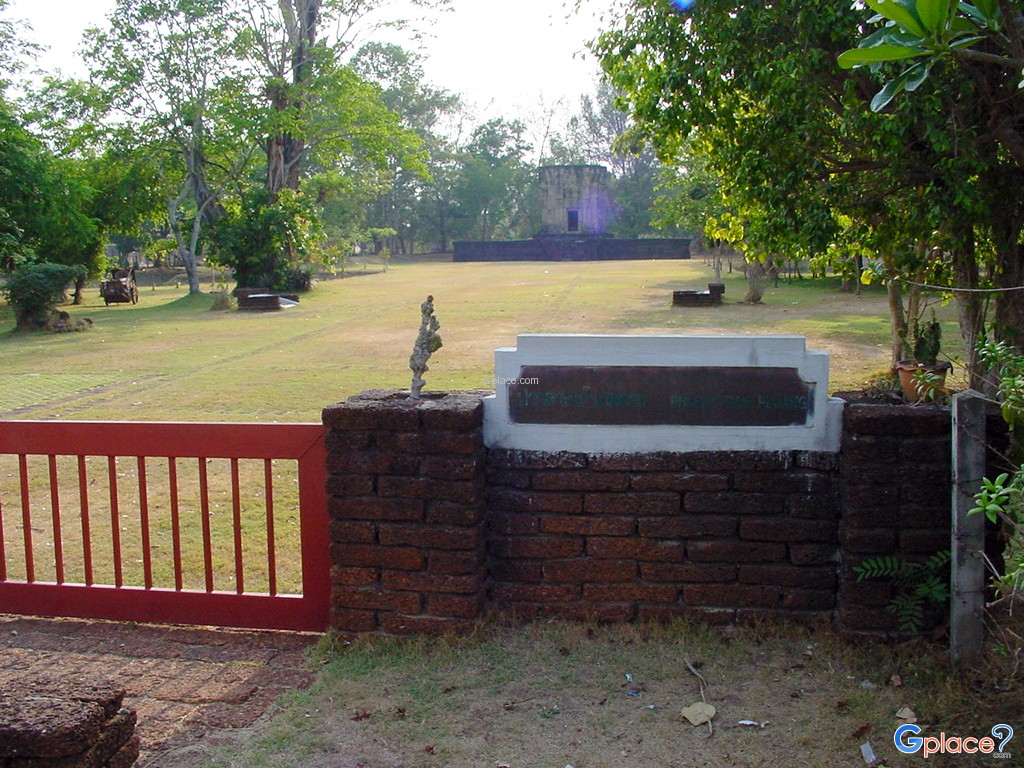
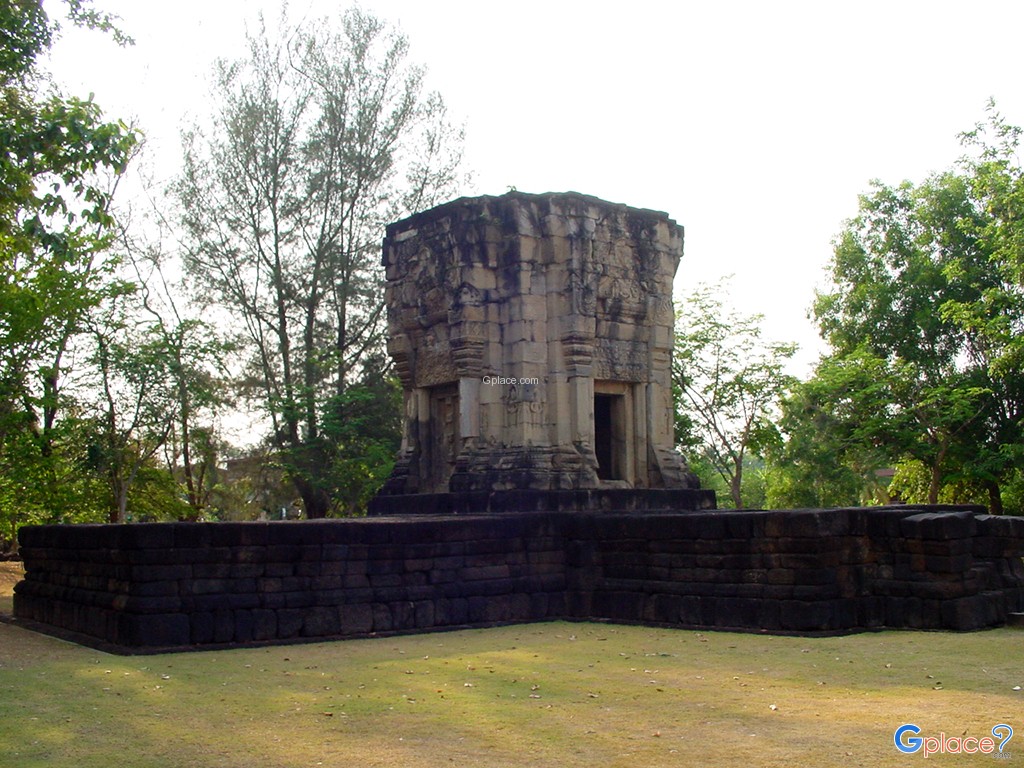
The structure consists of a single central sanctuary built on a laterite base in a rectangular plan, elevated above ground level to signify sacred space separated from the human world. The layout follows a strict axial symmetry and is oriented toward the east, which is considered an auspicious direction in both Hindu belief and Khmer architectural tradition. This orientation reflects a broader cosmological order in which architecture is used to represent the structured universe and the relationship between deities and humanity.
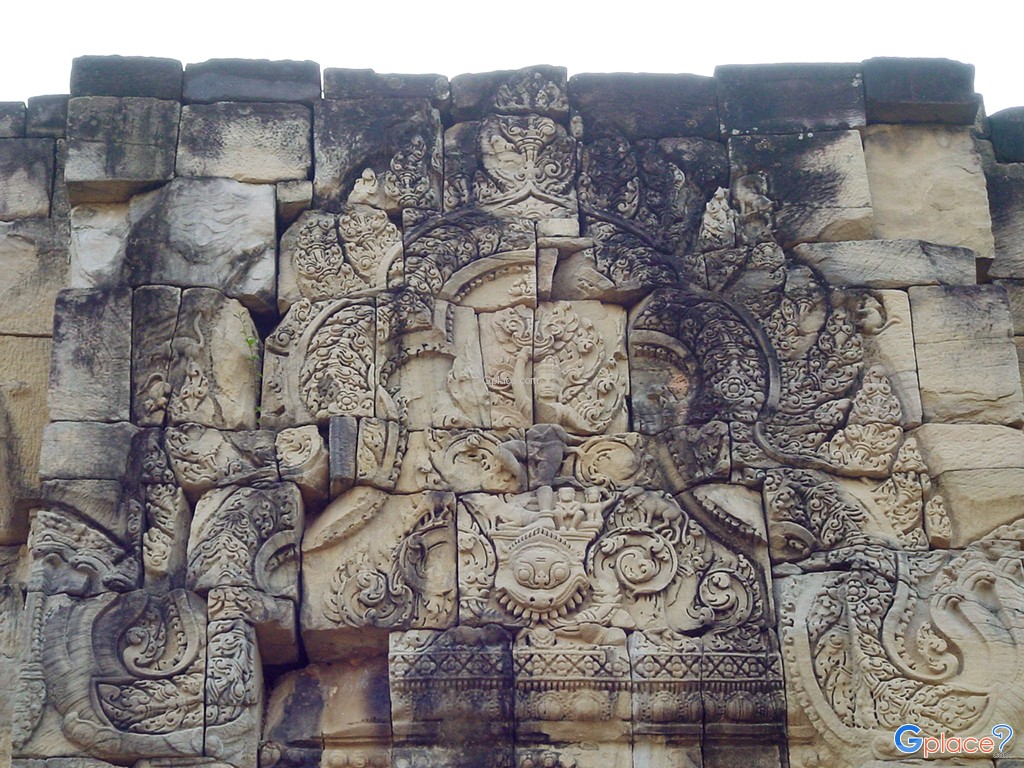
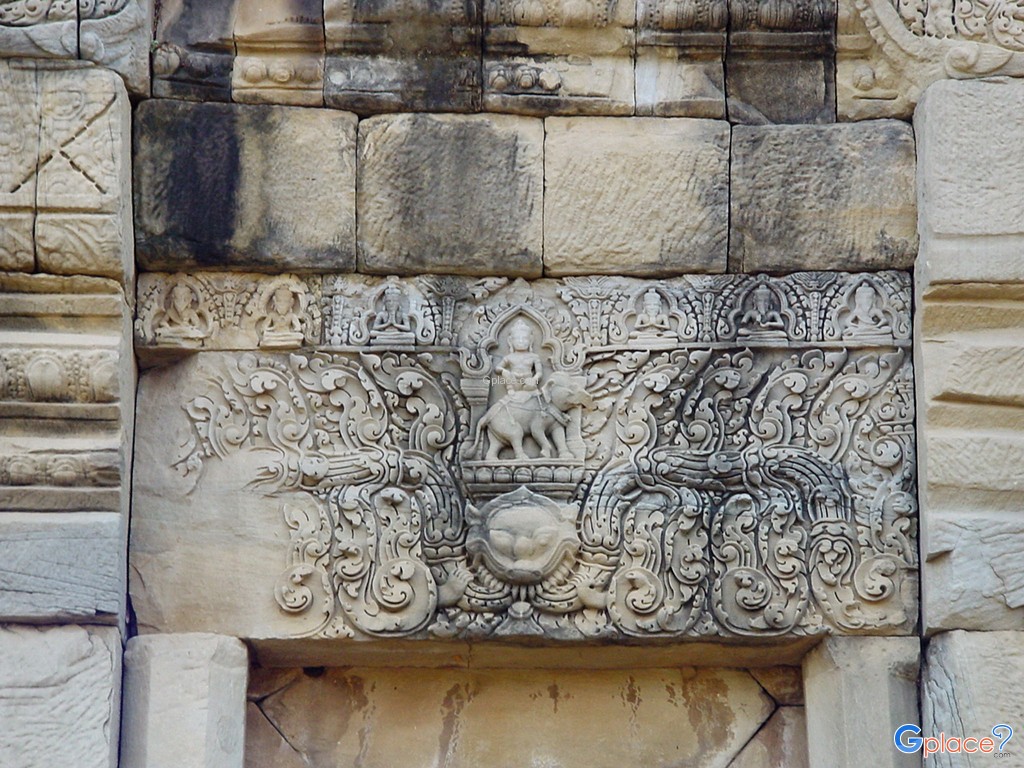
Architecturally, the temple uses laterite as the structural foundation material and sandstone for intricate decorative carving. The construction technique avoids the extensive use of binding mortar and instead relies on precise stone placement and interlocking methods, demonstrating the advanced engineering knowledge of Khmer builders. The most outstanding feature of the site is its remarkably well-preserved lintels and pediments, which retain exceptional detail compared to many other Khmer monuments in the region.
Among the most significant artistic elements is the depiction of Indra riding the three-headed elephant Erawan, a symbolic representation of divine power, protection, and prosperity. The carvings also include celestial apsaras and richly detailed floral and vegetal motifs, which serve both decorative and symbolic functions, representing the harmony between nature and the divine within Khmer religious cosmology. These artistic compositions reflect the aesthetic ideals of the Baphuon period, characterized by refined detailing and balanced composition.
The temple was restored by the Thai Fine Arts Department between 1971 and 1973 using the Anastylosis method, which reconstructs the monument primarily from its original fallen components while minimizing modern reconstruction. This approach ensures that the structure maintains its historical authenticity and allows its original form to be interpreted as accurately as possible.
Today, Prasat Ban Phluang stands not only as a religious and artistic monument but also as an important archaeological testimony to the spread of Khmer civilization into northeastern Thailand. It provides valuable insights into ancient religious practices, architectural techniques, and the cultural integration between Khmer and Indian traditions in mainland Southeast Asia. It is widely regarded as one of the most significant and well-preserved examples of Khmer stone carving art in the region, making it an important site for historical study, cultural appreciation, and heritage tourism.

 Attractions
  Hotel
Hotel  Restaurant
  Shopping
  Abroad









 Share
Share
 Ban Phluang, T. Kang-aen, A.Prasat, Surin
Map
Ban Phluang, T. Kang-aen, A.Prasat, Surin
Map
 Closed today

 https://www.thai-tour.com/thai-tour/northeast/surin/data/place/pic_prasat-banphluang.htm

 5007
5007