 Attractions
  Hotel
Hotel  Restaurant
  Shopping
  Abroad






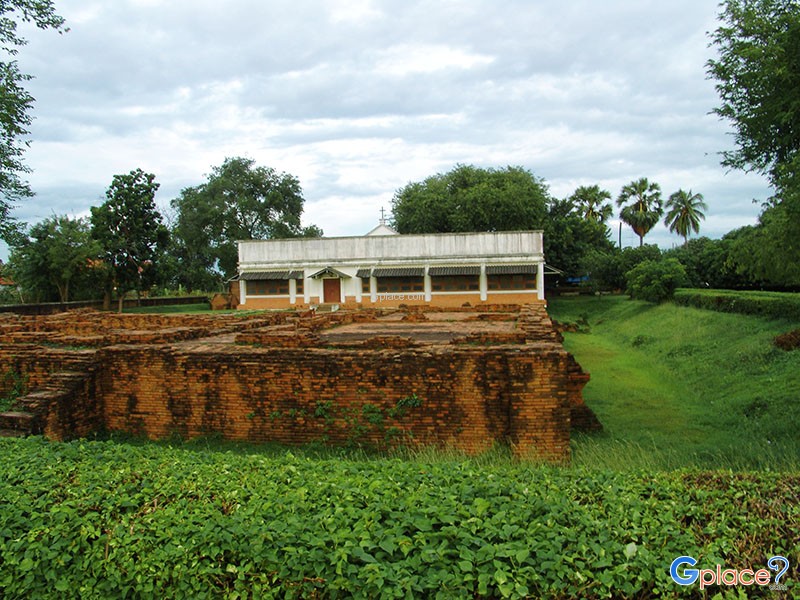
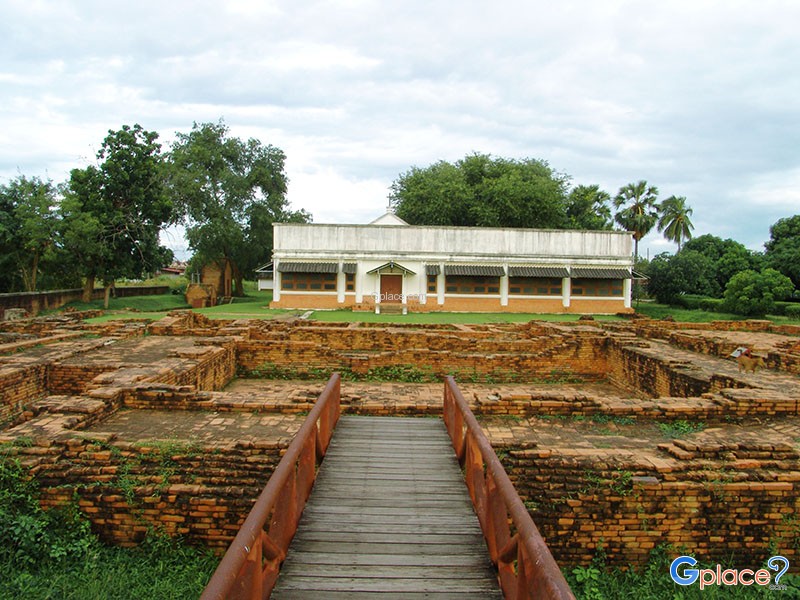
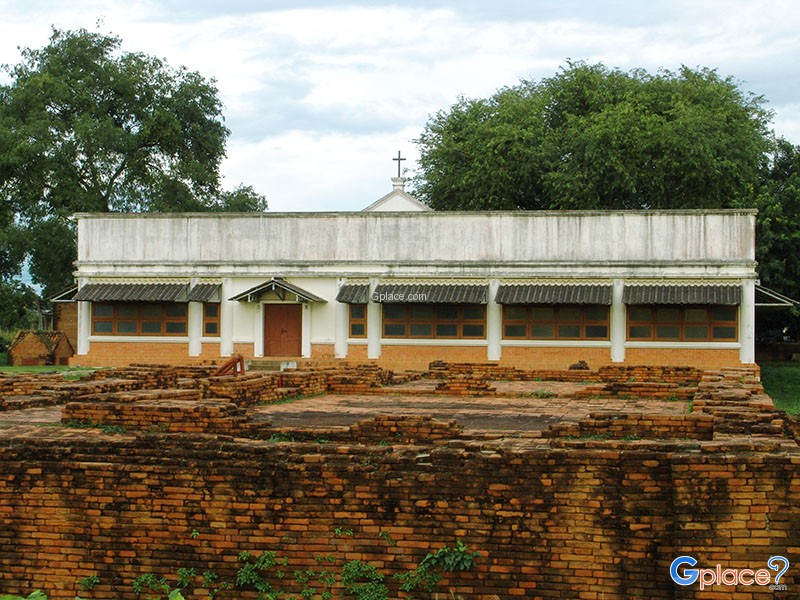
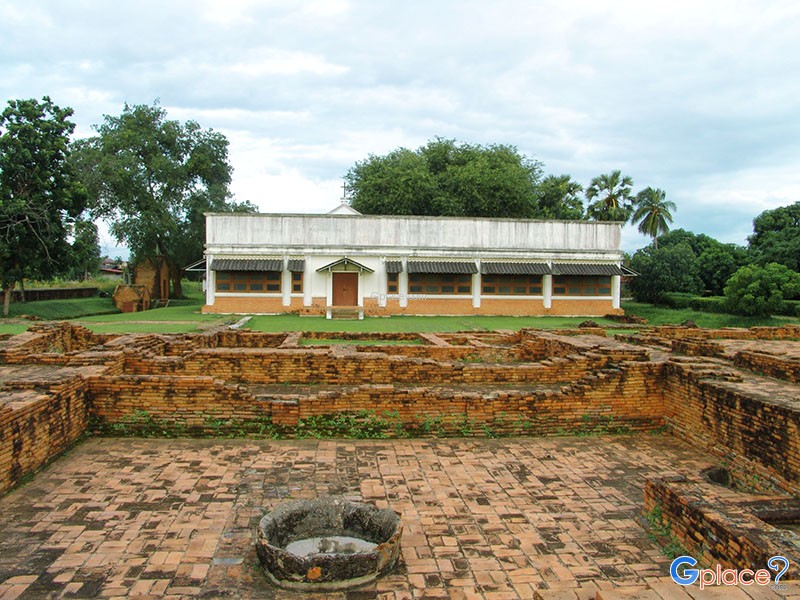
“Visit the ruins of San Petro Church, the first Christian church in Thailand, and witness the remarkable excavation of over 200 ancient skeletons in a well-preserved historical cemetery.”
Portuguese Village is an important historical site that reflects Siam’s early contact with Western nations. Its origins date back to the reign of King Ramathibodi II, when the Portuguese arrived in Ayutthaya in 1511 AD (2054 BE) to establish diplomatic relations and trade. They were the first European nation to form official ties with Siam, and the area was granted by royal permission for Portuguese settlement, eventually developing into a large riverside community along the Chao Phraya River.
In the past, the Portuguese Village was home to several thousand residents. The Portuguese played significant roles as merchants, sailors, and volunteer soldiers, particularly as skilled musketeers who strengthened the Ayutthaya army. Their advanced knowledge of firearms, shipbuilding, and navigation greatly contributed to the military capabilities and international trade of the Ayutthaya Kingdom.
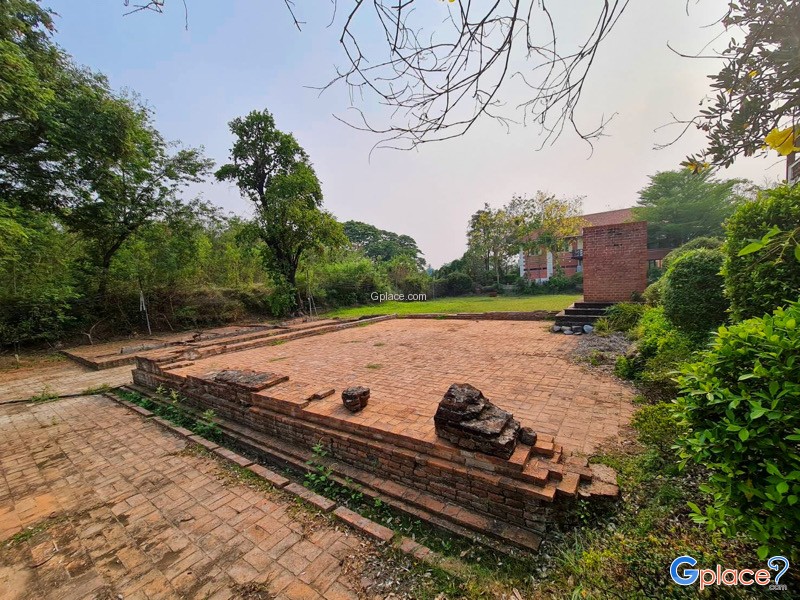
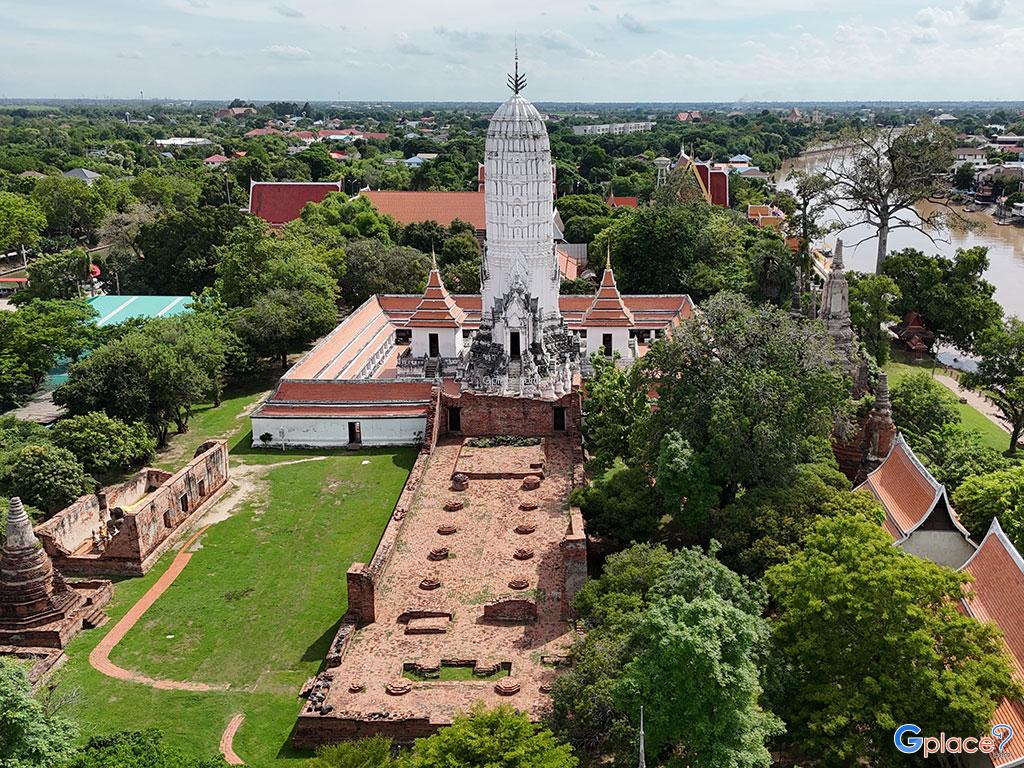
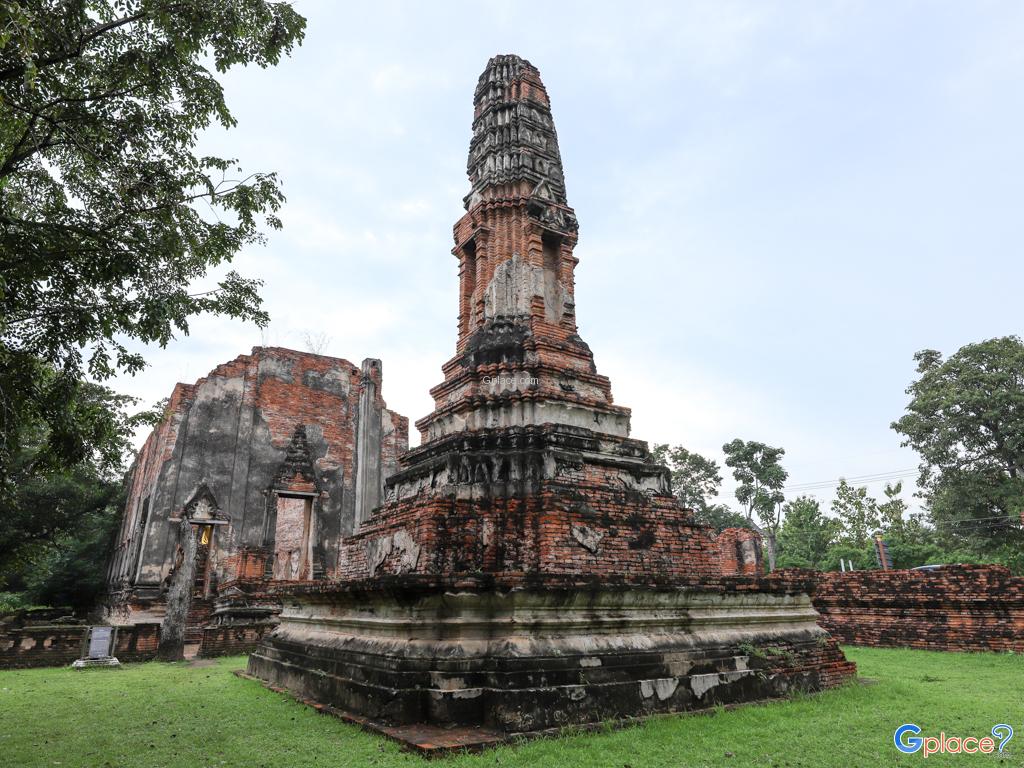
The most important monument within the area is San Pedro Archaeological Site, a Dominican church that once served as the religious center of the Christian community. Today, only the foundations and parts of the walls remain, yet the original Western-style layout is still clearly visible. Archaeological excavations uncovered numerous burial sites and well-preserved human skeletons arranged both inside and around the church. It is believed that the skeletons located in the innermost area belonged to priests or prominent figures of the community.
Various artifacts have also been discovered, reflecting the daily life and beliefs of the Portuguese settlers, including crosses, religious medallions, tobacco pipes, ceramics, and household items. These findings confirm permanent settlement and the cultural integration between Western traditions and Ayutthaya society.
The atmosphere surrounding the Portuguese Village is peaceful, shady, and imbued with a sense of historical mystique. Located outside the main island of Ayutthaya, the site remains relatively quiet, allowing visitors to explore the ruins closely and thoughtfully. The area also features a permanent exhibition building that presents the history of Thai–Portuguese relations and the lasting cultural influences that continue to the present day.
One of the most visible legacies of Portuguese influence is traditional Thai desserts of Portuguese origin, such as Thong Yip, Thong Yod, and Foi Thong. These sweets were developed by Maria Guyomar de Pinha, known in Thai history as “Thao Thong Kip Ma,” a woman of Portuguese descent who played a significant role in the Ayutthaya royal court. These desserts have become treasured elements of Thai culinary heritage and symbolize the exchange of knowledge between the two civilizations.
The Portuguese Village is therefore a highly valuable historical destination, ideal for those interested in history, archaeology, and Ayutthaya’s multicultural past. It also offers a fresh perspective on Ayutthaya’s role as a major hub connecting Eastern and Western worlds in earlier times.
How to Get There
Private Car:
- Cross the Kasattrathirat Bridge to the west bank (same direction as Wat Chaiwatthanaram). Follow Road 3469 towards Samphao Lom; there are clear signs for the Portuguese Village.
Tour Boat:
- Hiring a long-tail boat for a trip around the city island and docking at the village pier is a convenient and scenic way to arrive.
Tuk-Tuk:
- Readily available from town; simply ask for the Portuguese Village (located south of the city island).
Travel Tips
Best Time to Visit:
- Morning (09:00 – 11:00 AM) or late afternoon to avoid the heat, as most of the archaeological site is outdoors.
Photography:
- Key photo spots include the brick foundations of San Petro Church and the displayed skeleton excavations.
Planning:
- The Portuguese Village is located directly across the river from the Japanese Village. It is ideal to visit both on the same day to compare the lifestyles of different foreign settlements.
Dress Code:
- As the site includes a cemetery and holds religious significance, please dress politely to show respect.
Admission Fee
-
Thai Visitors: 20 THB (Sometimes free depending on the period)
-
Foreign Visitors: 50 THB
Opening Hours
-
Open daily from 08:00 – 18:00 (Exhibition building may close at 16:30)
Portuguese Village

 Share
Share
 Portuguese Village, Samphao Lom, Phra Nakhon Si Ayutthaya, Phra Nakhon Si Ayutthaya, Thailand
Map
Portuguese Village, Samphao Lom, Phra Nakhon Si Ayutthaya, Phra Nakhon Si Ayutthaya, Thailand
Map
 Open now : 8.00 - 18.00
Mon8.00 - 18.00
Tue8.00 - 18.00
Wed8.00 - 18.00
Thu8.00 - 18.00
Fri8.00 - 18.00
Sat8.00 - 18.00
Sun8.00 - 18.00



 5902
5902