 Attractions
  Hotel
Hotel  Restaurant
  Shopping
  Abroad





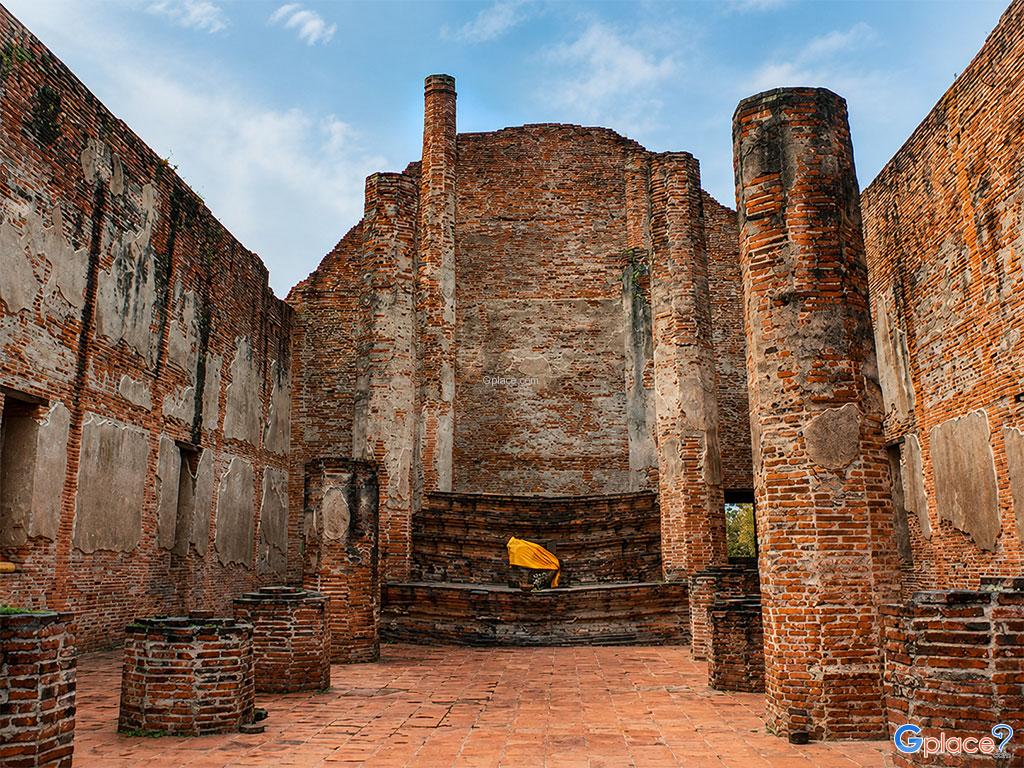

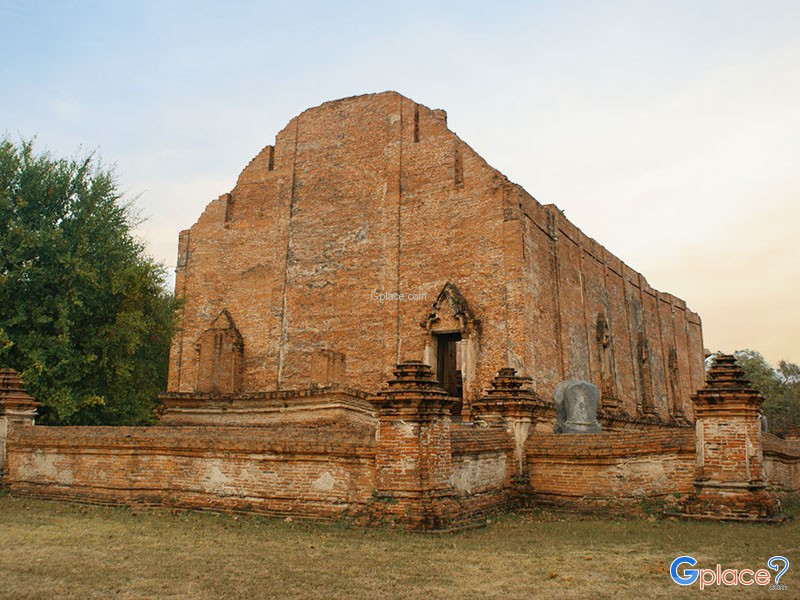
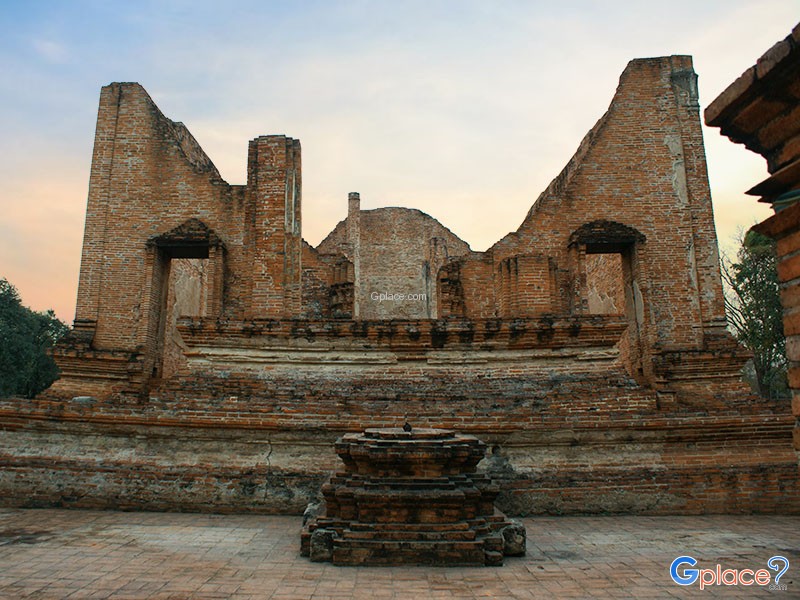
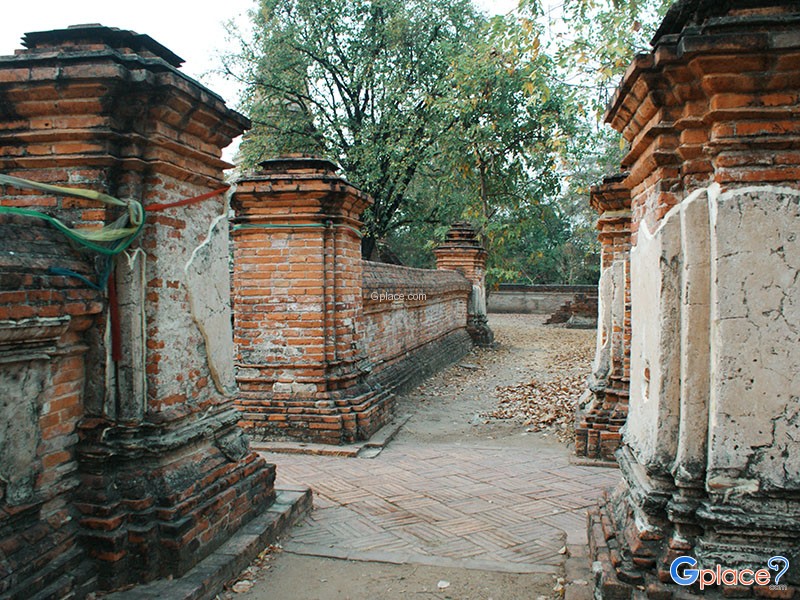
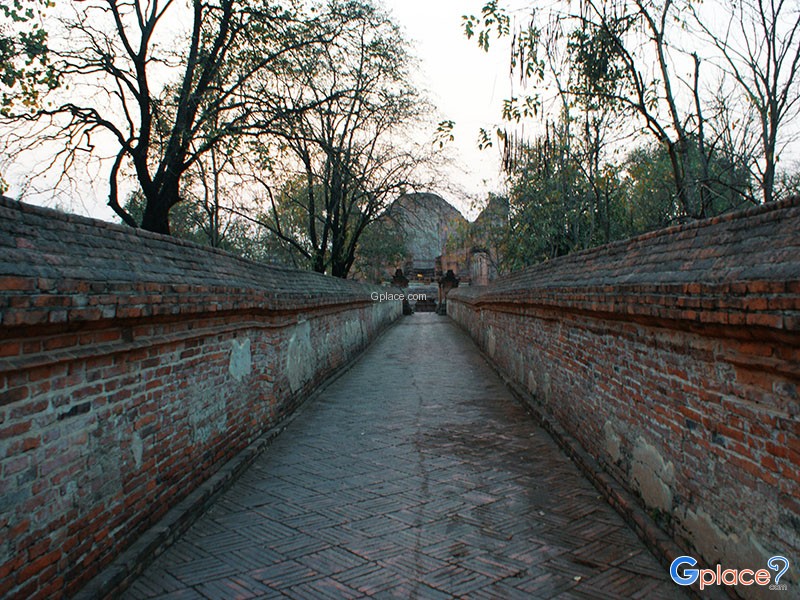
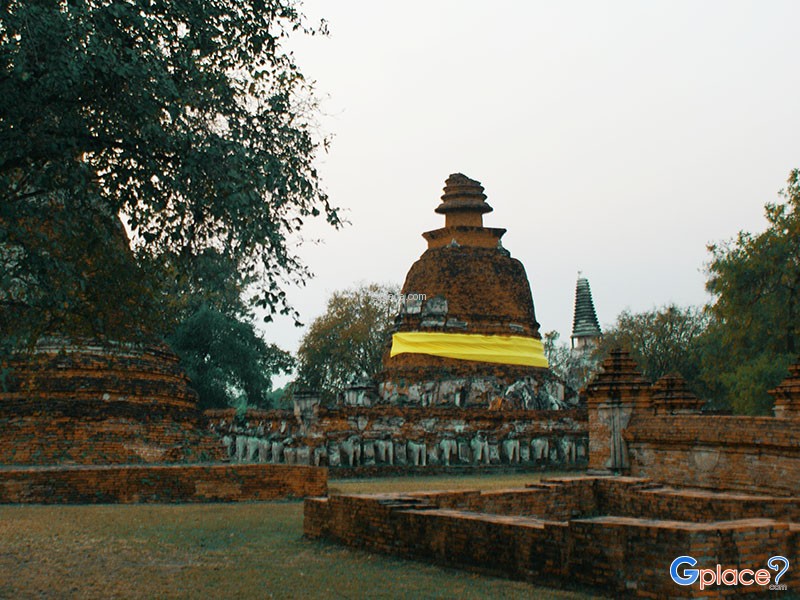
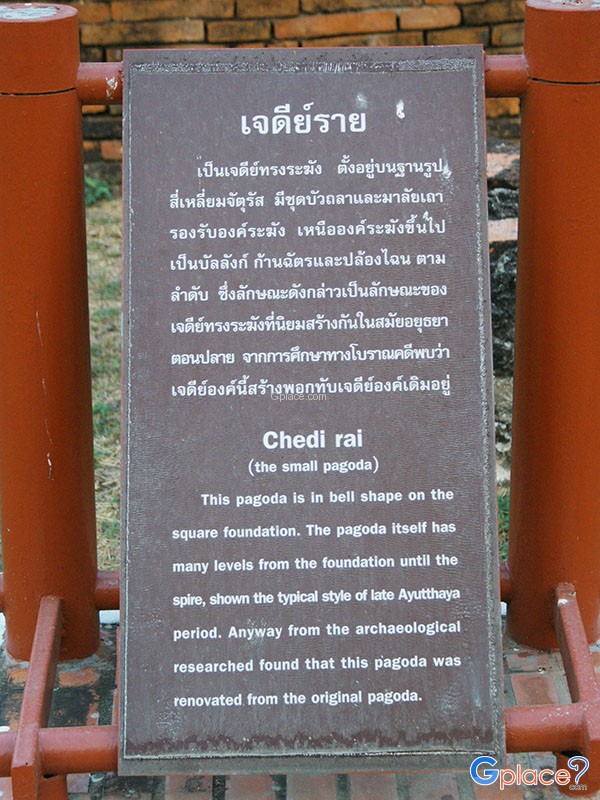
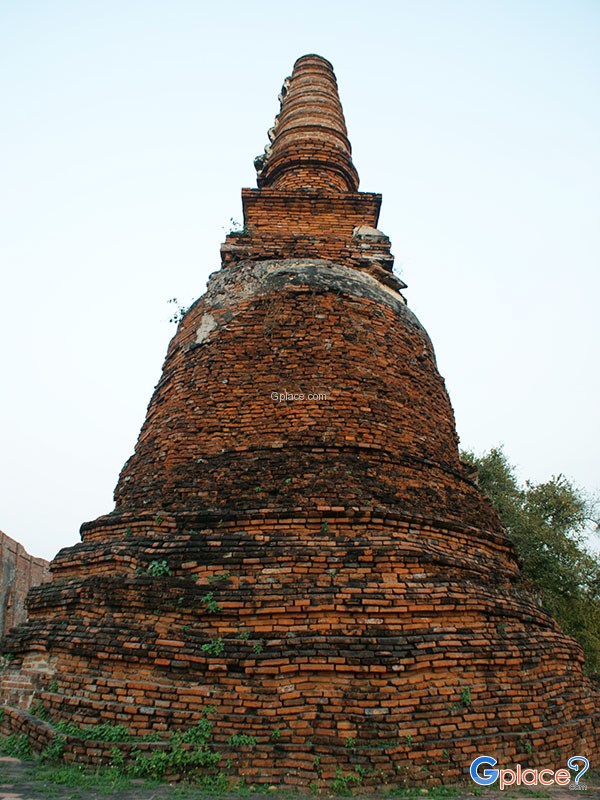
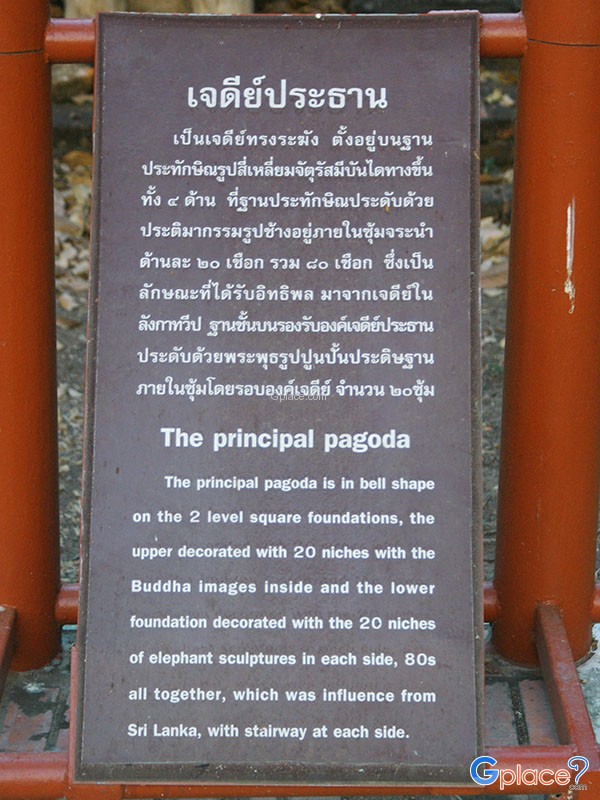
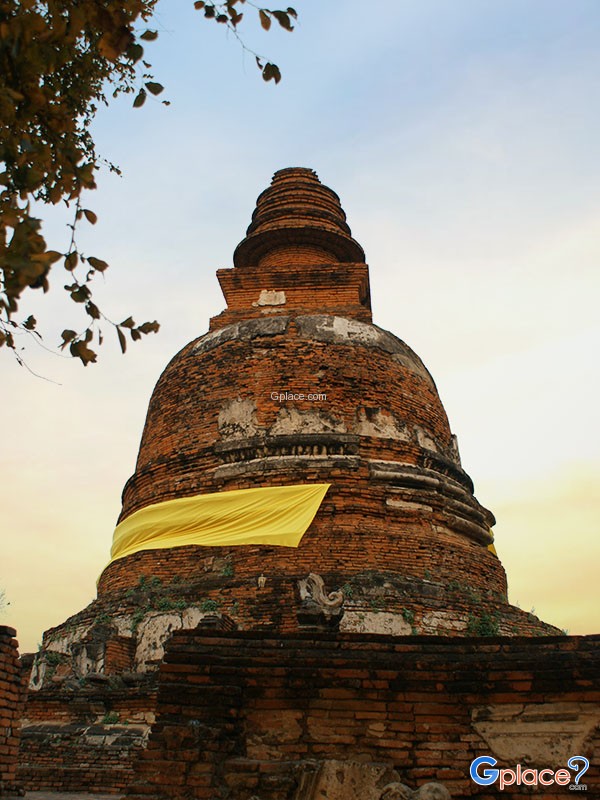
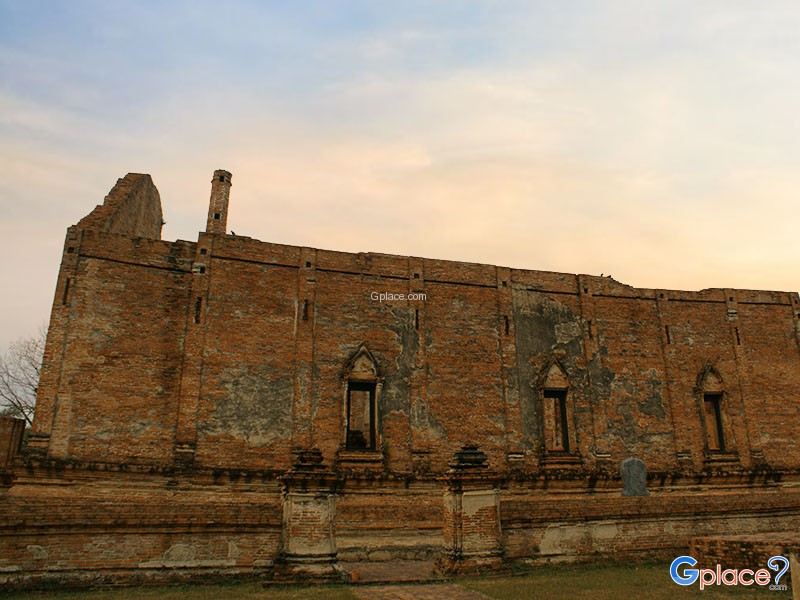
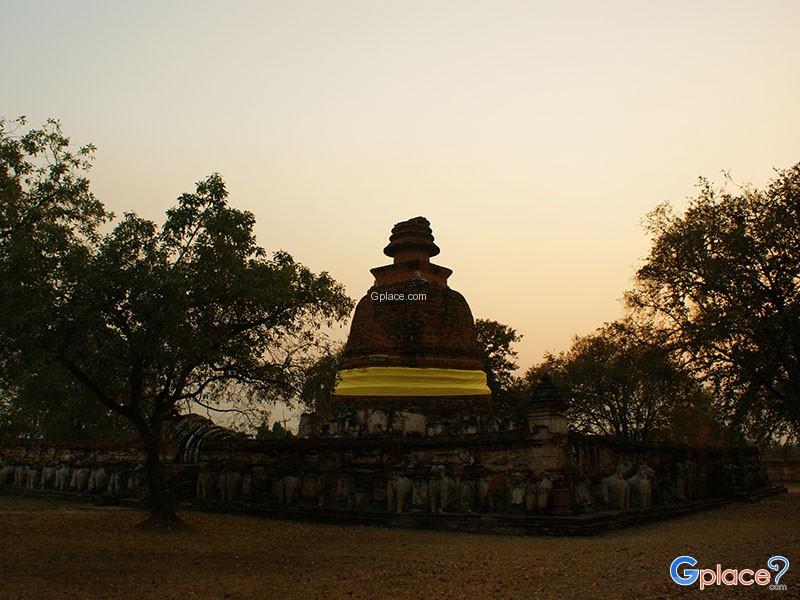
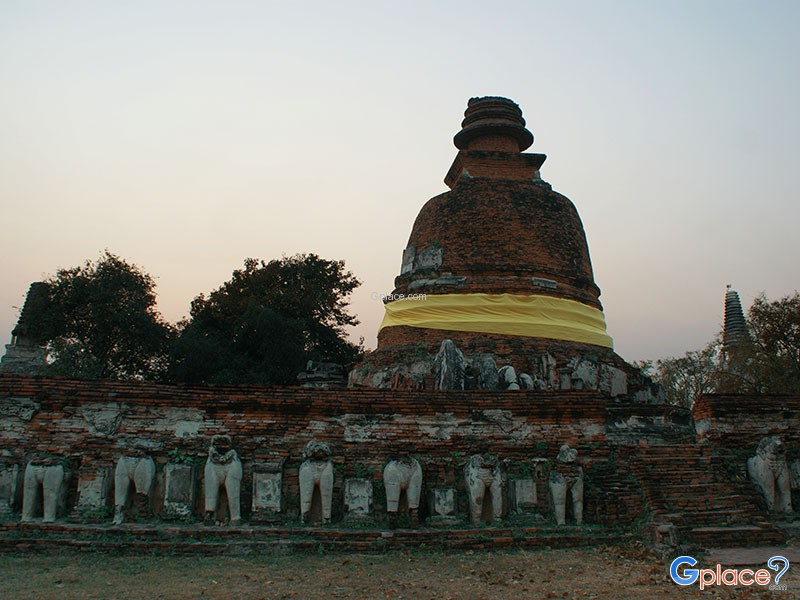


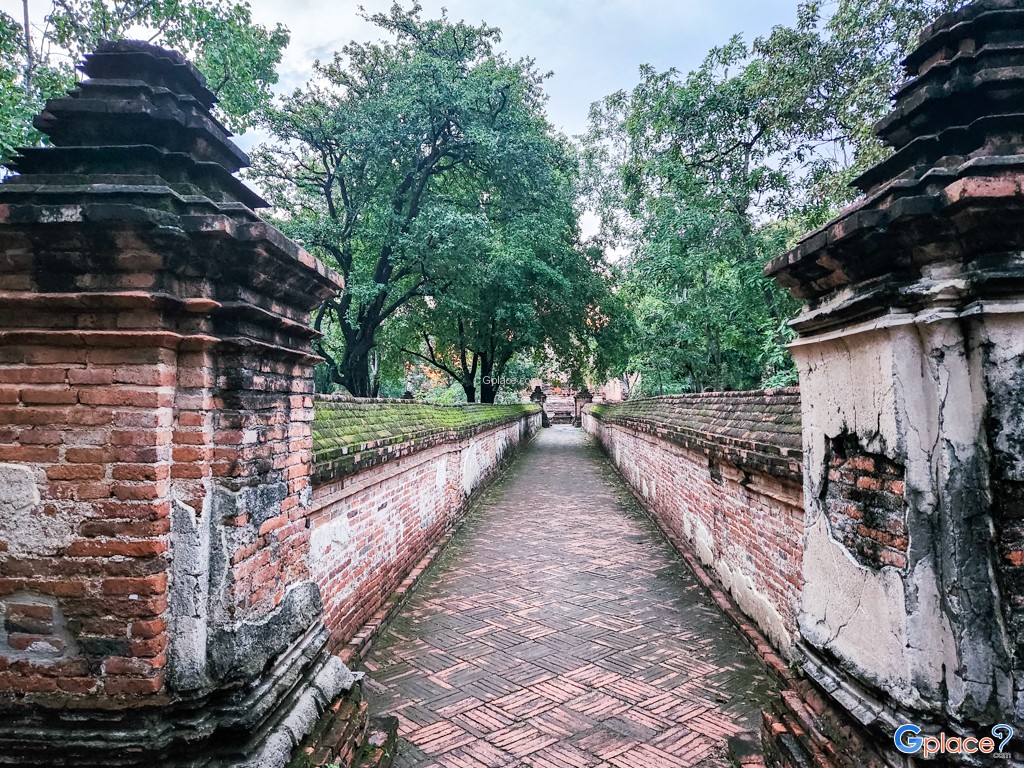
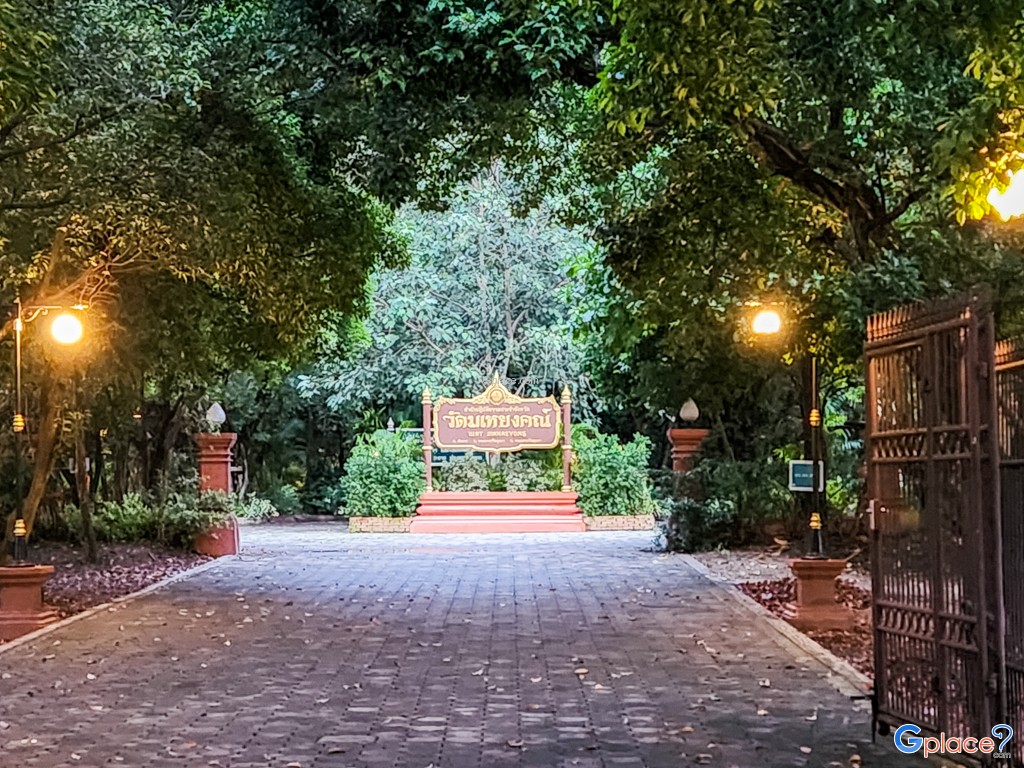
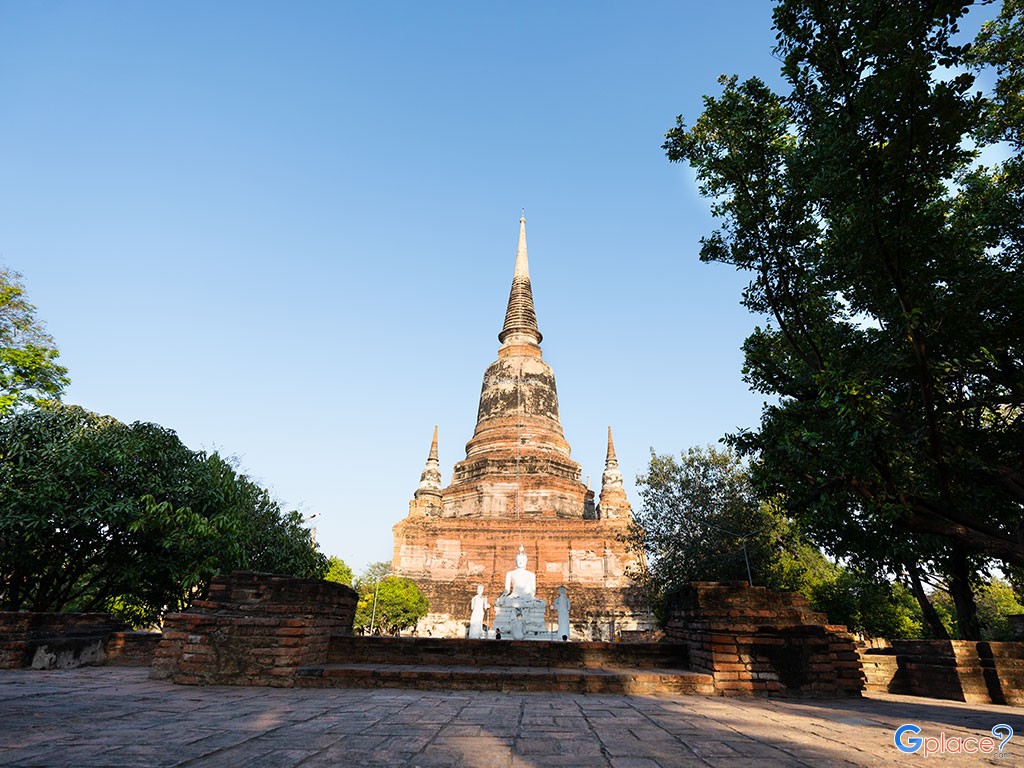
“Marvel at the bell-shaped pagoda set on a high base surrounded by 80 sculpted elephants, situated amidst a lush forest atmosphere that preserves a profound sense of antiquity and peace.”
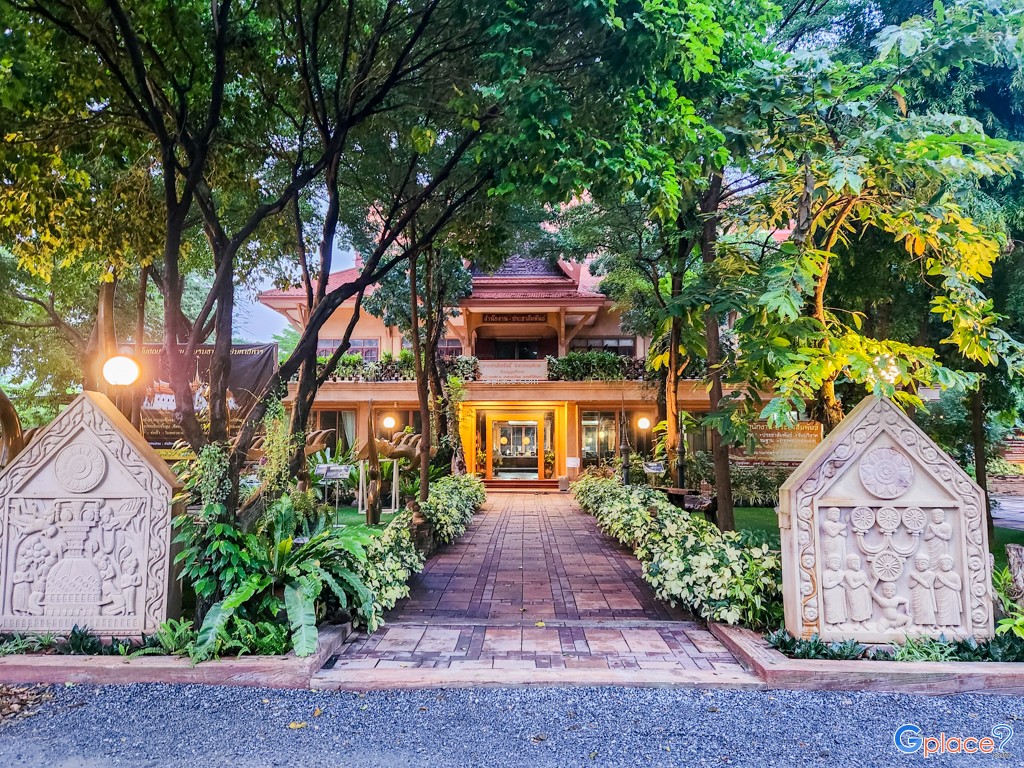
Maheyong Temple is located at No. 95, Moo 2, Hantra Subdistrict, Phra Nakhon Si Ayutthaya District, Phra Nakhon Si Ayutthaya Province, within the Ayutthaya Historical Park. This ancient temple dates back to the Ayutthaya period and was abandoned after the second fall of Ayutthaya, eventually becoming a historical ruin. Today, it has been revitalized as a Vipassana meditation center and a place for Nekkhamma ordination and Eight-Precept observance under the guidance of Chao Khun Phawana Khemarangsi (Luang Por Surasak Khemarangsi).
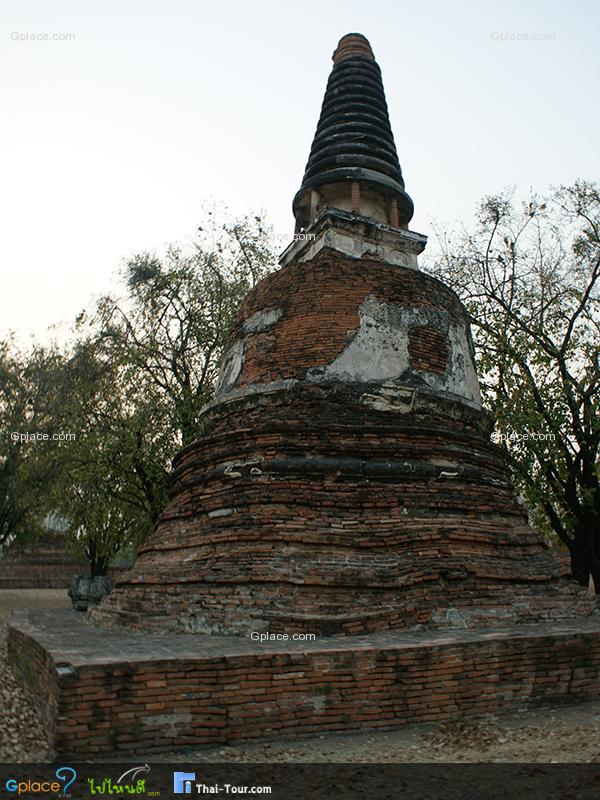
Maheyong Temple was established during the reign of King Borommarachathirat II (Chao Sam Phraya) in 1438 CE (B.E. 1981). The temple was centered around a bell-shaped stupa built on a circumambulatory base, surrounded by elephant sculptures, known as an “elephant-encircled chedi.” Prince Damrong Rajanubhab later suggested that its design was inspired by the Mahiyangana Stupa in Sri Lanka, associated with King Dutugemunu, who achieved victory in warfare with the aid of his war elephant, Kandula, and subsequently promoted Buddhism throughout the island.
Similar elephant-encircled stupas have also been found in other important ancient Thai cities such as Sukhothai, Si Satchanalai, and Kamphaeng Phet, indicating shared artistic and religious influences across the region. The name “Wat Maheyong” is believed to have been derived from the Mahiyangana Stupa in Sri Lanka, a major Buddhist landmark in ancient times.
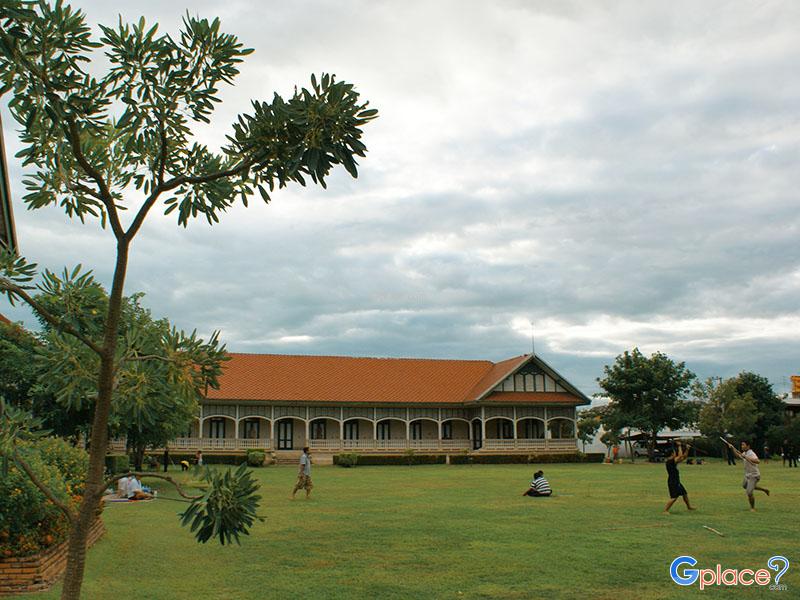
During the reign of King Thai Sa, the temple underwent a major restoration in 1709 CE (B.E. 2252). The king frequently visited the site to oversee the renovations and ordered the construction of a royal residence on a small island south of the temple wall. This two-story brick structure was similar in style to royal residences at Wat Kudi Dao and the residence of Phra Phutthakhosachan, reflecting the temple’s royal patronage.
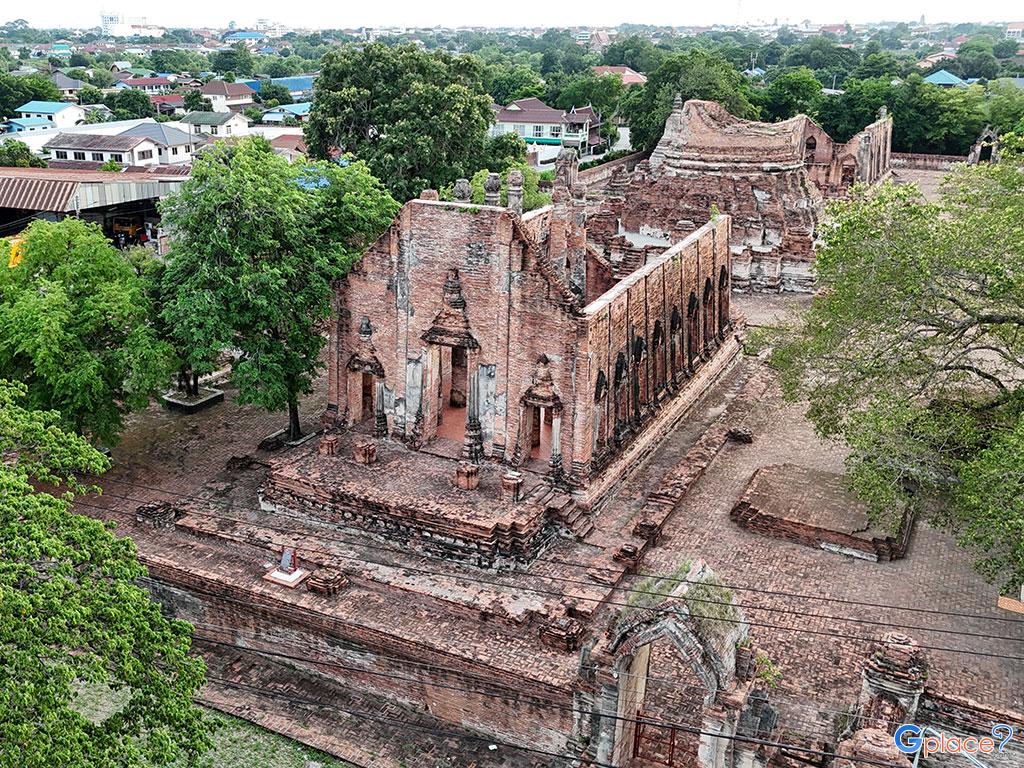
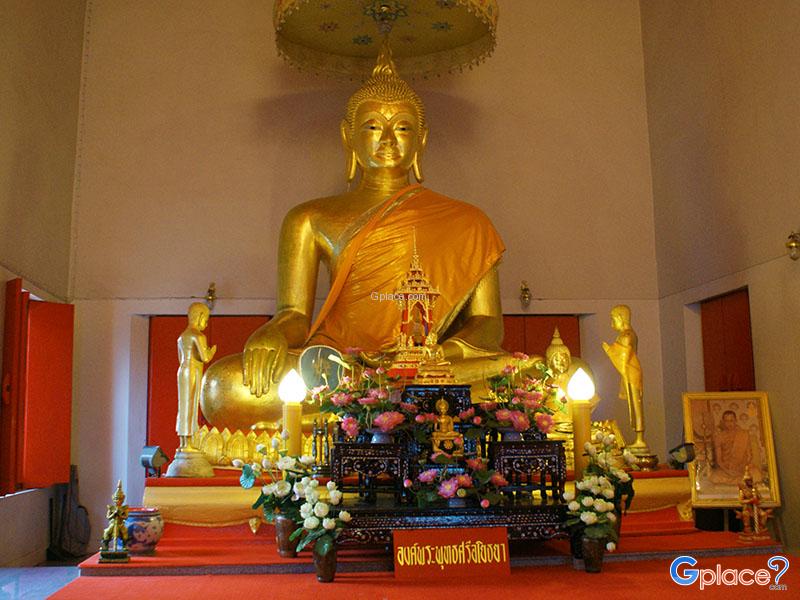
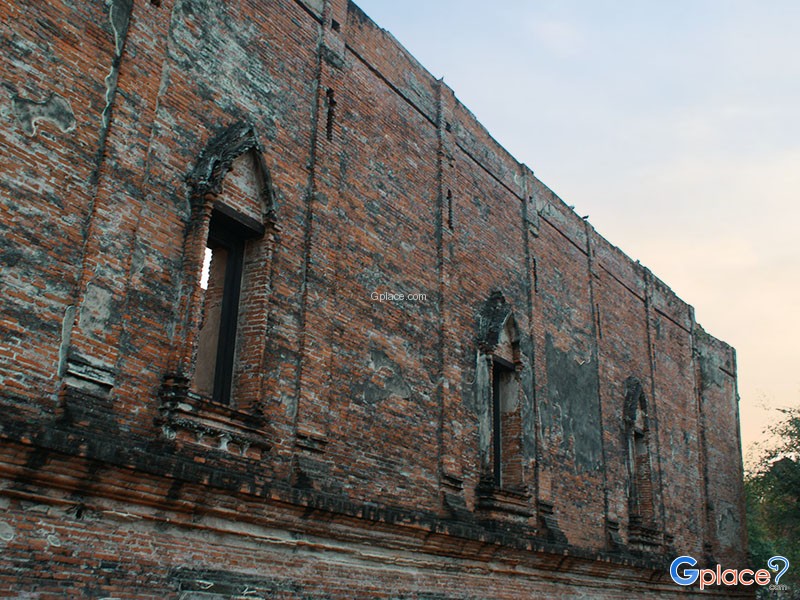
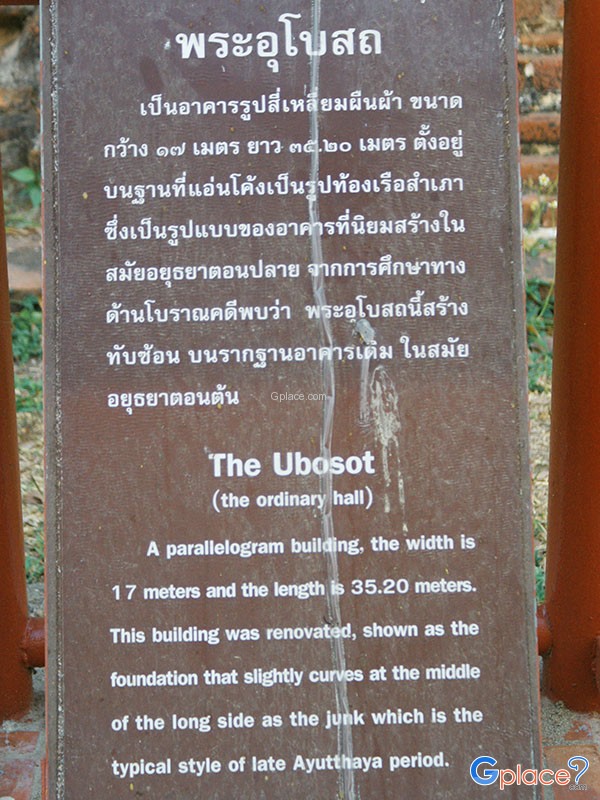
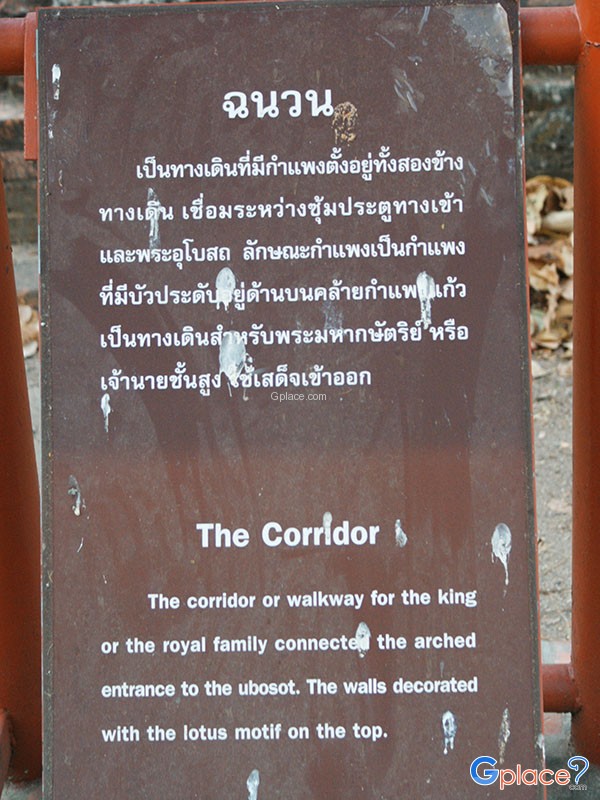
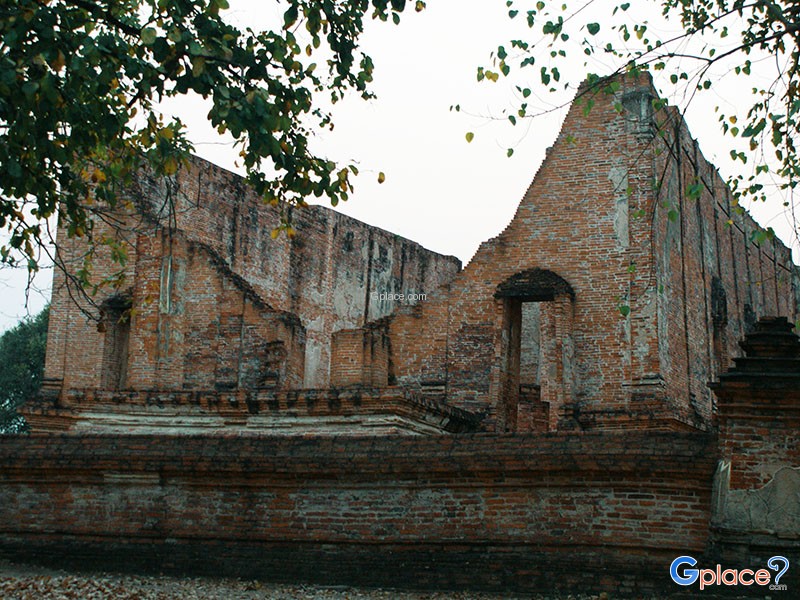
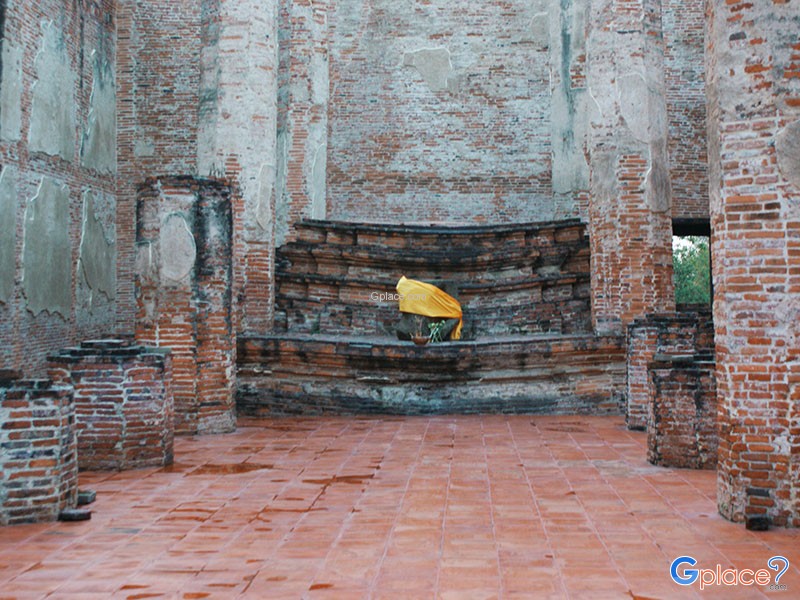
The restoration also included rebuilding the ordination hall on its original site, which may previously have been a vihara. The architectural style and stucco decorations belong to the late Ayutthaya period, showcasing the refined craftsmanship of that era, which remains valuable for historical and artistic study today.
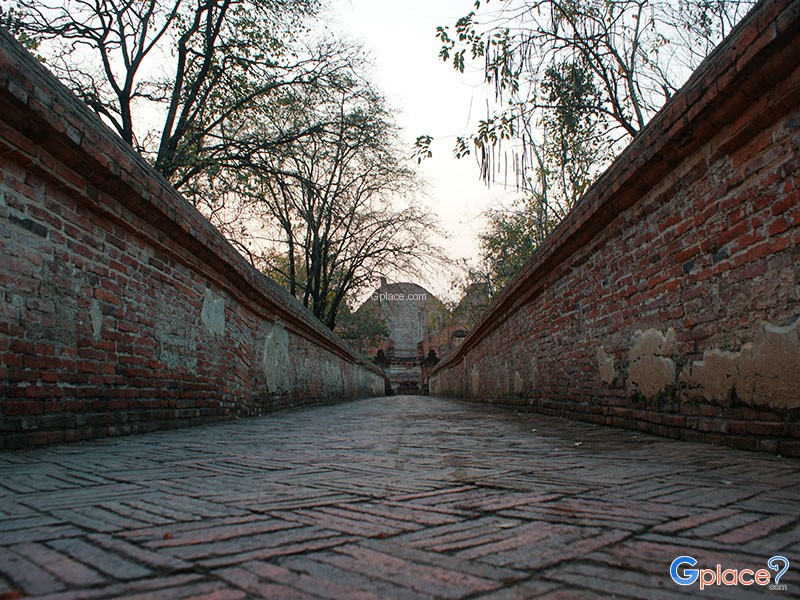
Historically, Maheyong Temple served as a royal temple dedicated to Vipassana meditation, playing a significant role in Ayutthaya’s religious life. It was restored several times before being abandoned after the fall of Ayutthaya in 1767 CE (B.E. 2310), remaining deserted for over 200 years. Although many structures deteriorated, the remaining ruins still clearly reflect the grandeur, artistic sophistication, and importance of the temple.
The modern revival of Maheyong Temple began in 1984 CE (B.E. 2527), when Phra Khru Kasem Thammatat (Phra Phawana Khemakhun Vi.) established a meditation center on the site. Vegetation covering the ruins was cleared, the grounds were landscaped for tranquility, and the Fine Arts Department carried out archaeological excavation and restoration under the Ayodhya rehabilitation project. As a result, Wat Maheyongkhon, once likened to “buried gold,” was restored to its rightful prominence.
Today, Maheyong Temple has been registered as a national historic monument since March 8, 1941, by the Fine Arts Department. Areas outside the protected zone serve as an active meditation center, welcoming numerous participants. Regular religious activities include Vipassana meditation courses, special Dhamma retreats, monthly Nekkhamma ordinations, daily Eight-Precept observances, and monk ordinations, making Wat Maheyongkhon both a significant historical site and a living center of Buddhist practice in present-day Ayutthaya.
How to Get There
Private Car:
- From the Wat Sam Pluem roundabout (the pagoda in the middle of the road), drive east for about 2 km. The temple is on the right with ample parking.
Frog-headed Tuk-Tuk:
- Can be hired from Ayutthaya Station or Chao Phrom Market. It is a convenient and short ride from the main hubs.
Bicycle:
- For cycling enthusiasts, the route is paved and less crowded than the city island, though caution is advised at major intersections.
Travel Tips
Best Time to Visit:
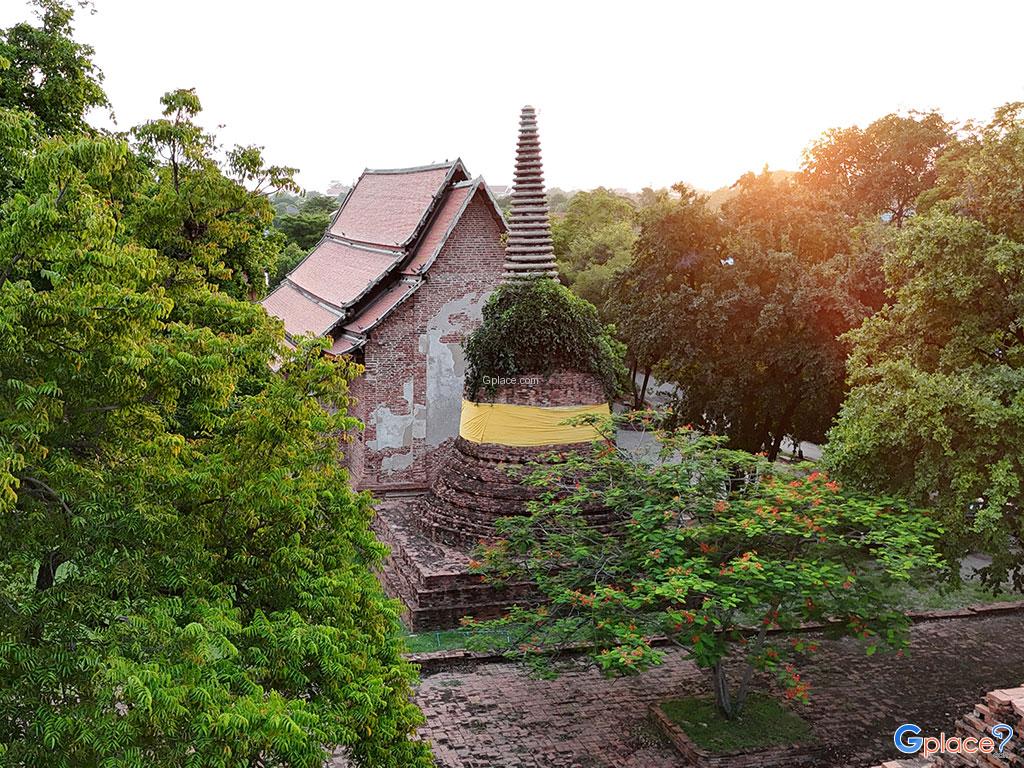
- Early morning (08:00 – 09:30 AM) to enjoy the fresh air and soft sunlight filtering through the trees onto the red brick ruins.
Dress Code and Etiquette:
- Since it is an active meditation center, please dress modestly and keep your voice low to respect those practicing meditation nearby.
Photography:
- Popular spots include the stairs leading up to the elephant pagoda and the rows of arched doorways along the ordination hall walls.
Local Culture:
- On Buddhist holy days, candlelit processions around the ruins take place, offering a breathtaking and sacred sight.
Planning:
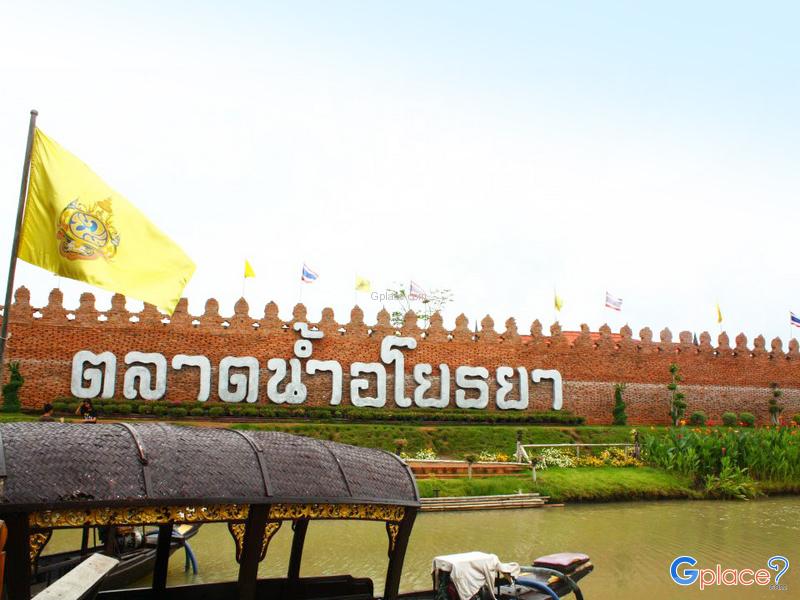
- Located near Ayothaya Floating Market and Wat Kudi Dao, it is easy to include in a half-day tour of the city's eastern zone.
Admission Fee
-
Thai Visitors: 10 THB
-
Foreign Visitors: 50 THB
Opening Hours
-
Open daily from 08:00 – 17:00
Maheyong Temple

 Share
Share
 Maheyong Temple, Hantra, Phra Nakhon Si Ayutthaya, Phra Nakhon Si Ayutthaya, Thailand
Map
Maheyong Temple, Hantra, Phra Nakhon Si Ayutthaya, Phra Nakhon Si Ayutthaya, Thailand
Map
 Open now : 8.00 - 17.00
Mon8.00 - 17.00
Tue8.00 - 17.00
Wed8.00 - 17.00
Thu8.00 - 17.00
Fri8.00 - 17.00
Sat8.00 - 17.00
Sun8.00 - 17.00



 5082
5082