 Attractions
  Hotel
Hotel  Restaurant
  Shopping
  Abroad






“Witness the grandeur of the only structure in Thailand designed for royal wild elephant roundups and explore the mahout way of life at the Royal Elephant Village.”
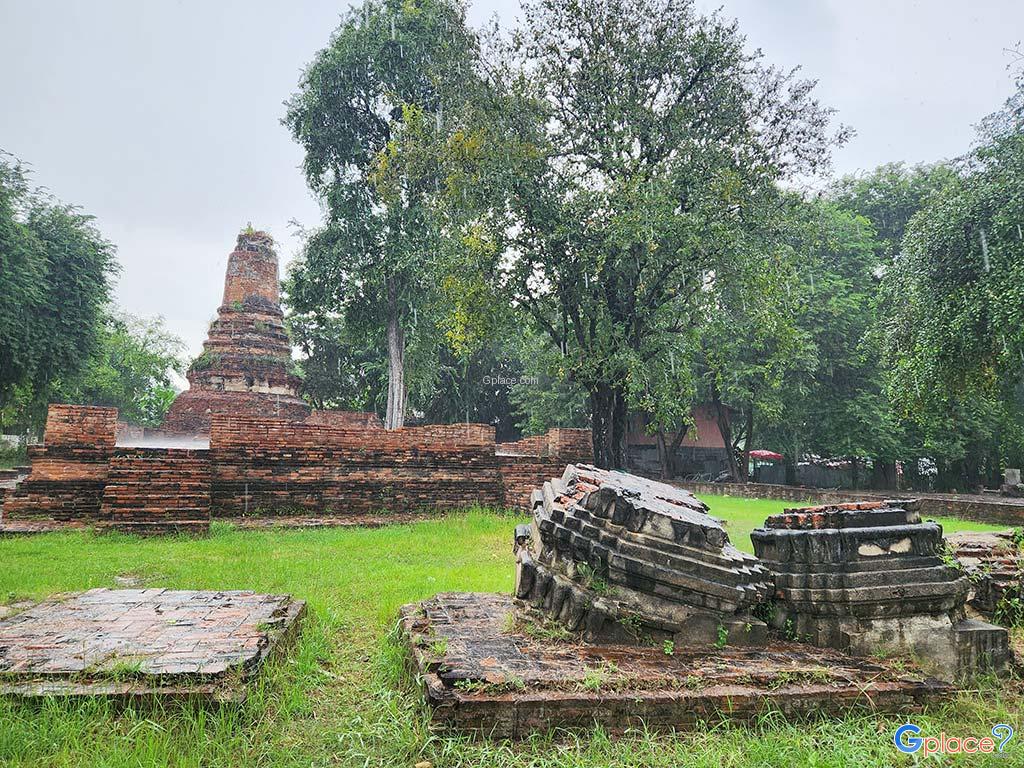
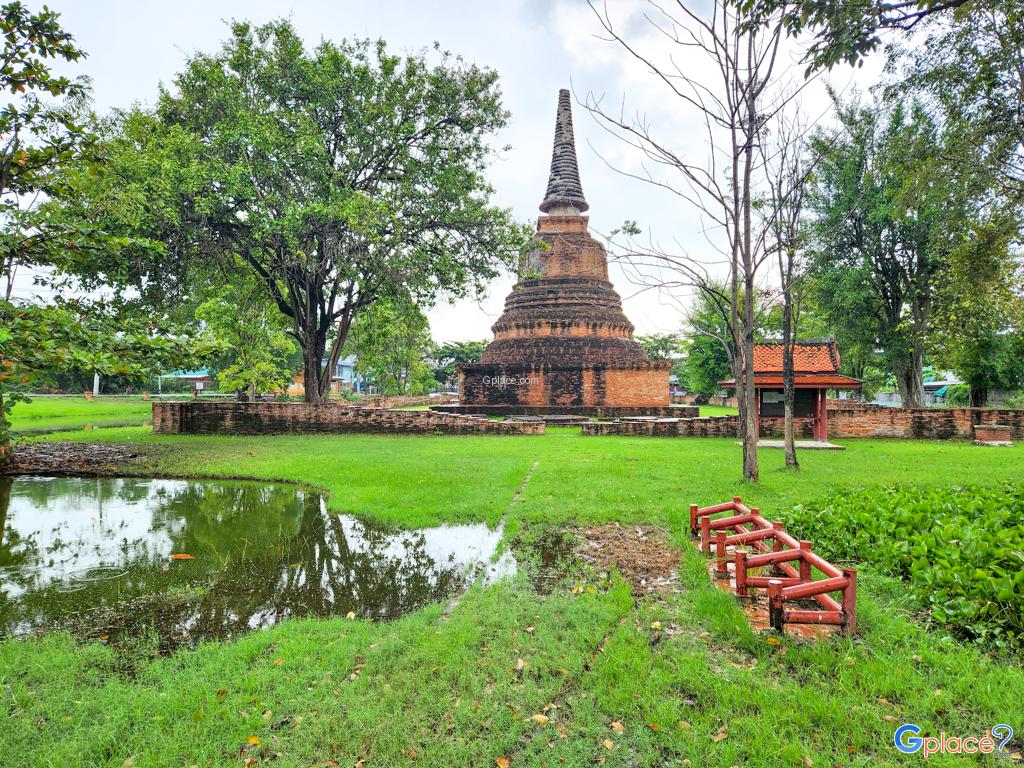
Elephant Kraal Pavilion, commonly known as the “Royal Elephant Kraal,” is an important historical site that reflects the grandeur of Thailand’s past and the deep bond between elephants and the monarchy. This site was used as the ceremonial ground for capturing wild elephants, which were then selected and trained as war elephants, royal elephants, and working elephants for state affairs during the Ayutthaya period. Located north of the old city island, the kraal remained in use and underwent continuous restoration until the early Rattanakosin period, making it a valuable cultural heritage site.
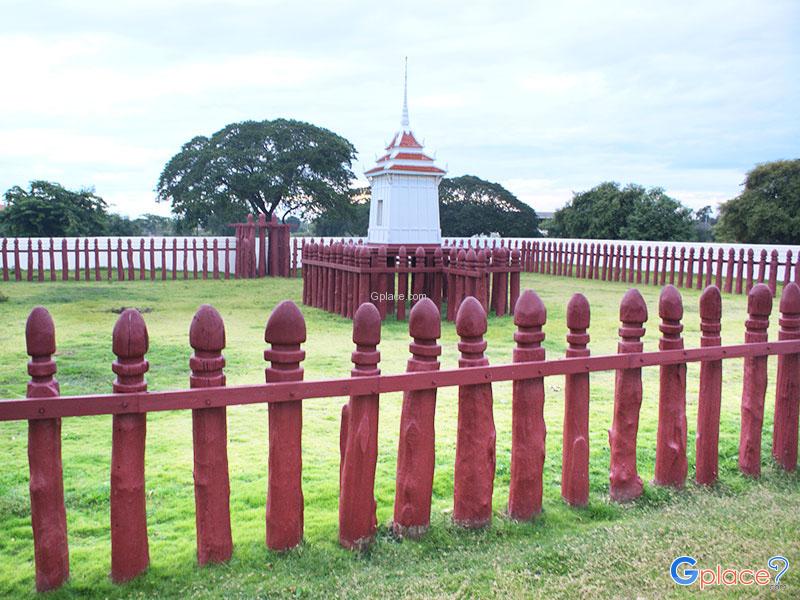
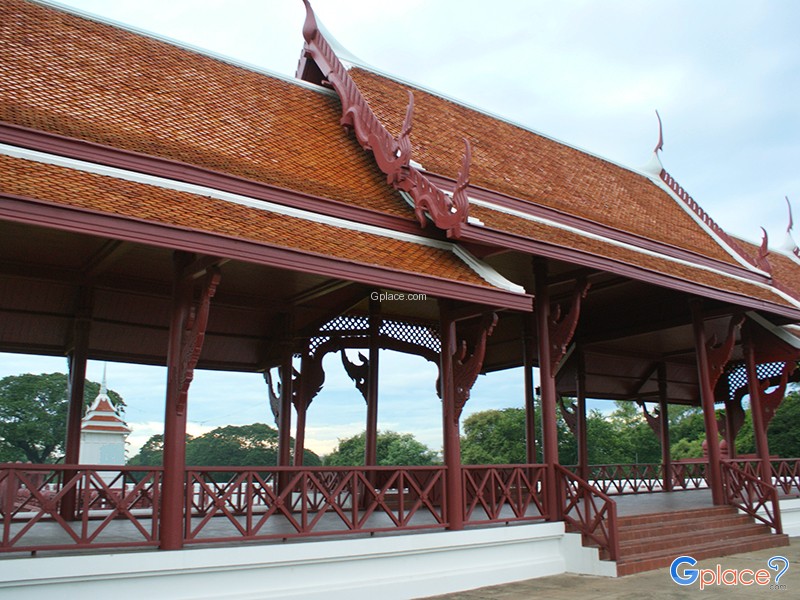
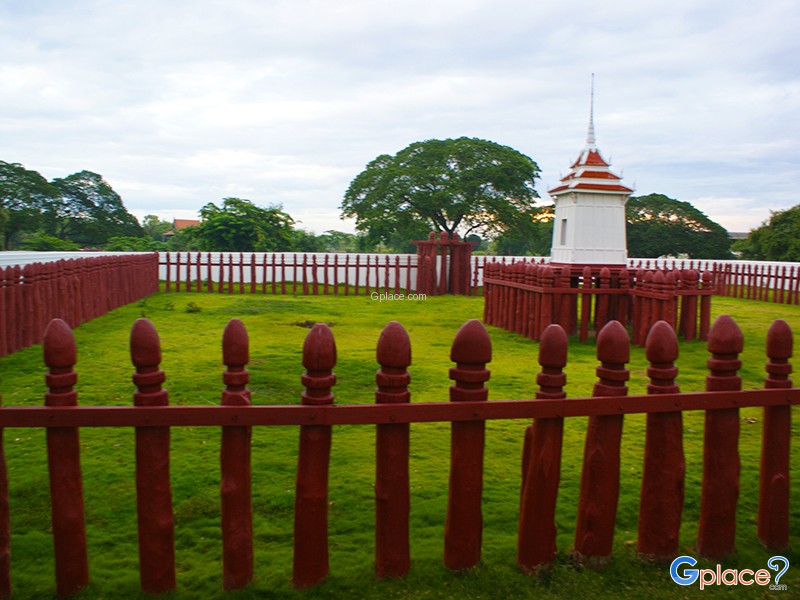
The architectural layout of the Elephant Kraal is both distinctive and ingeniously designed according to traditional wisdom. At the center stands the Khachaprawet Maha Prasat Pavilion, where the king and royal family observed the elephant-catching ceremonies. Surrounding the area are massive brick battlement walls and rows of tall wooden posts known as “talung poles,” made from huge tree trunks and arranged to form a strong enclosure capable of restraining powerful wild elephants. The entire structure demonstrates the ancient Thai understanding of elephant behavior and advanced engineering skills.
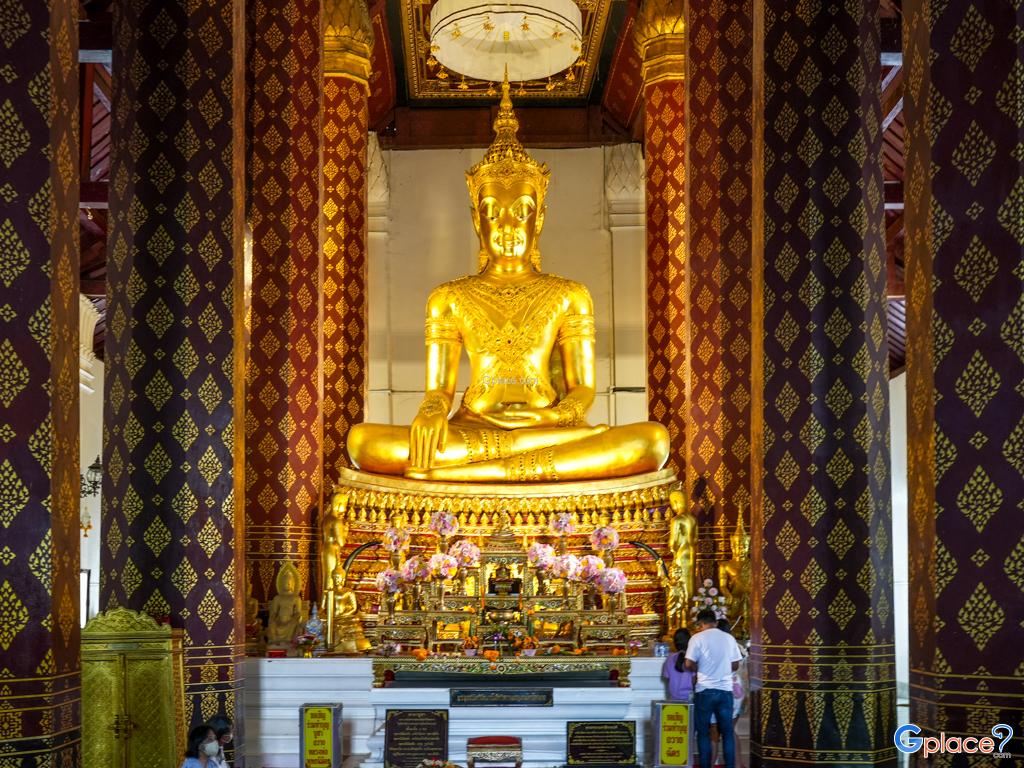
Within the kraal are also sacred spaces closely tied to ritual beliefs. The Pakam Shrine is used for offerings and ceremonies to seek permission from forest spirits and elephant souls before the capture ritual, reflecting deep respect for nature and animals. Additionally, the Mondop of Phra Thewakarn houses a statue of Ganesha, the elephant-headed deity associated with wisdom and protection, serving as a spiritual center for mahouts and participants in the ceremonies.
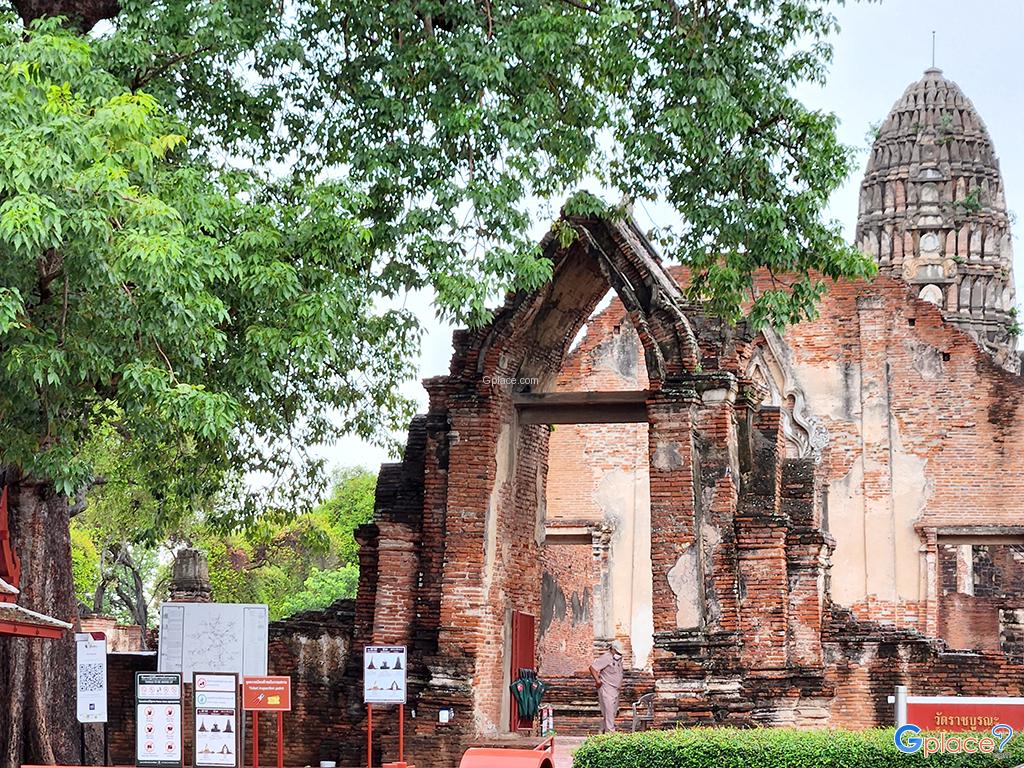
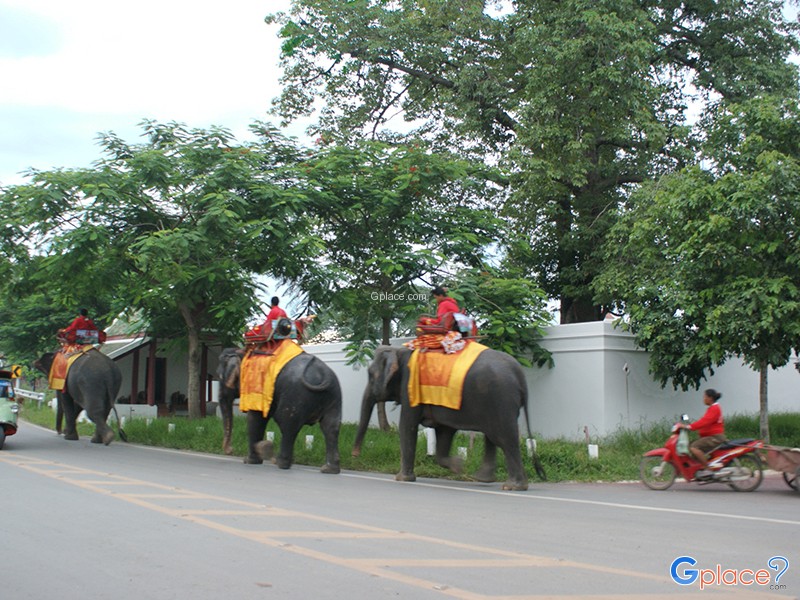
The atmosphere surrounding the Elephant Kraal Pavilion is filled with a sense of mystery and tranquility, as history here still feels alive. Today, the area is home to the Royal Elephant Kraal Village, where visitors can see elephants living closely with their mahouts. Walking along the ancient brick walls and wooden posts in the early morning or late afternoon creates a powerful connection to the past, accompanied by glimpses of traditional lifestyles that are increasingly rare in modern times.
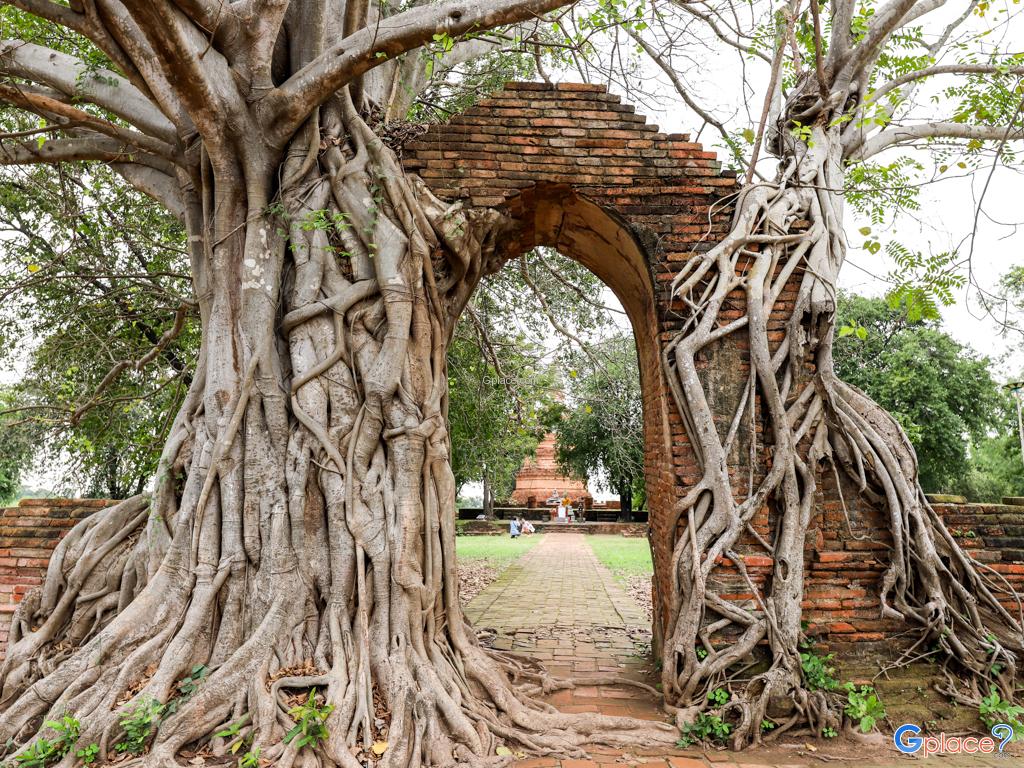
The Elephant Kraal Pavilion is a paradise for historians, conservationists, and photographers seeking wide-angle views of a large historical complex rich in detail and character. One of the most popular photographic perspectives is shooting through gaps in the walls or between the wooden posts, which adds depth and dimension to the images. With a bit of luck, visitors may even capture photographs of elephants walking past the ancient ruins, a rare and evocative scene found in few other places.
More than just an archaeological site, the Elephant Kraal Pavilion stands as a symbol of loyalty, bravery, and Thai wisdom passed down through generations. It tells a powerful story of authority, faith, and the enduring relationship between humans and the elephants that have long been regarded as Thailand’s treasured companions.
How to Get There
Private Car:
- From Ayutthaya city, take Highway 347 towards Wat Phu Khao Thong and turn right following the signs for "Elephant Kraal" (about 4 km from the city).
Tuk-Tuk (Frog-head style):
- Available from the railway station or Chao Phrom Market; simply ask for "Phaniat Khlong Chang" or the "Elephant Kraal."
Travel Tips
Best Time to Visit:
- Year-round, especially before 10:30 AM or after 4:30 PM if you wish to see elephants bathing in the nearby river.
Footwear/Clothing:
- Wear breathable clothing and comfortable walking shoes, as the area is mostly open-air with brick pathways.
Special Activities:
- Don't miss the "Lot Thong Chang" tradition (walking under an elephant's belly) for good luck and feeding the elephants at the provided stations.
Planning:
- Combine your visit with nearby attractions like Wat Phu Khao Thong and Wat Na Phra Men for a complete day trip around the northern part of the city.
Admission Fee
-
Local Visitors: Adult Free (Historical site entry), Activities like elephant rides range from 100-500 THB.
-
Foreign Visitors: Adult Free (Historical site entry), Activities like elephant rides range from 200-500 THB.
Opening Hours
-
Historical Site Daily 08:30 – 16:30
-
Elephant interactions and rides Daily 09:00 – 17:00
Elephant Kraal Pavilion

 Share
Share
 Elephant Kraal Pavilion, Suan Phrik, Phra Nakhon Si Ayutthaya, Phra Nakhon Si Ayutthaya, Thailand
Map
Elephant Kraal Pavilion, Suan Phrik, Phra Nakhon Si Ayutthaya, Phra Nakhon Si Ayutthaya, Thailand
Map
 Closed today
Mon8.30 - 16.30
Tue8.30 - 16.30
Wed8.30 - 16.30
Thu8.30 - 16.30
Fri8.30 - 16.30
Sat8.30 - 16.30
Sun8.30 - 16.30



 4377
4377