 Attractions
  Hotel
Hotel  Restaurant
  Shopping
  Abroad





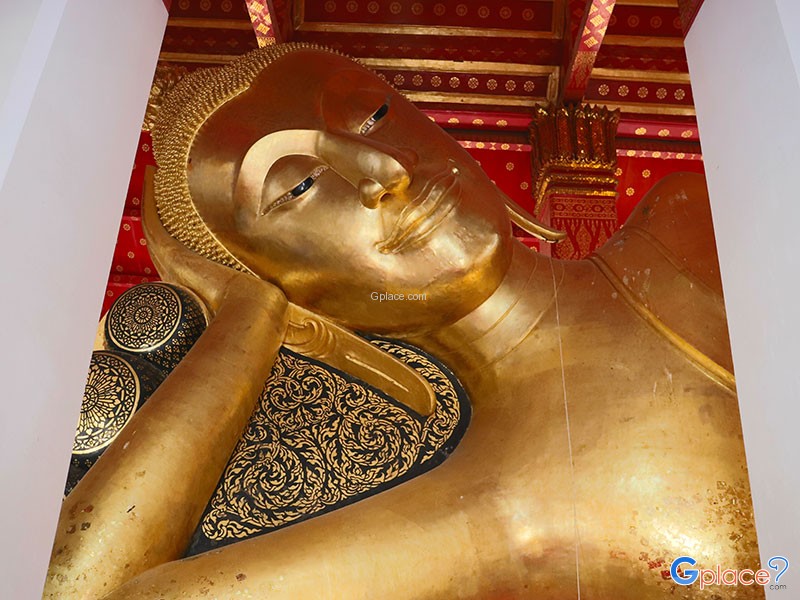

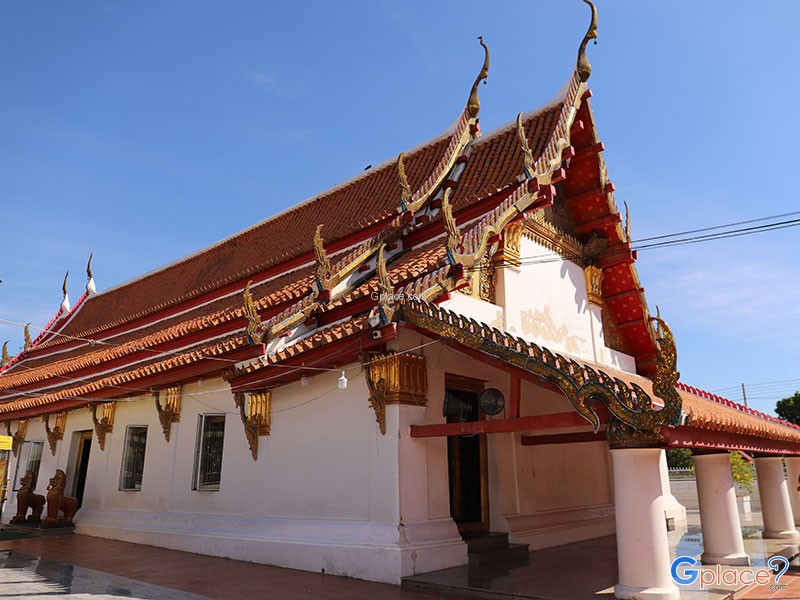
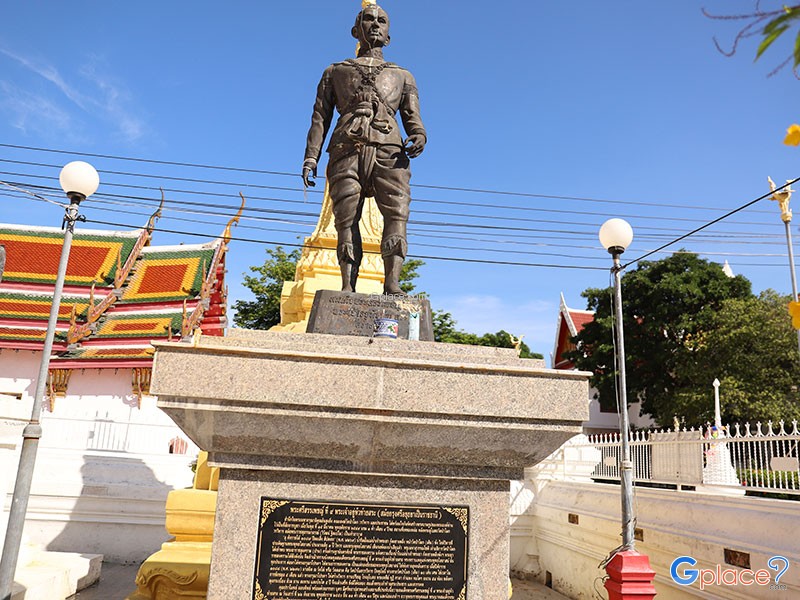
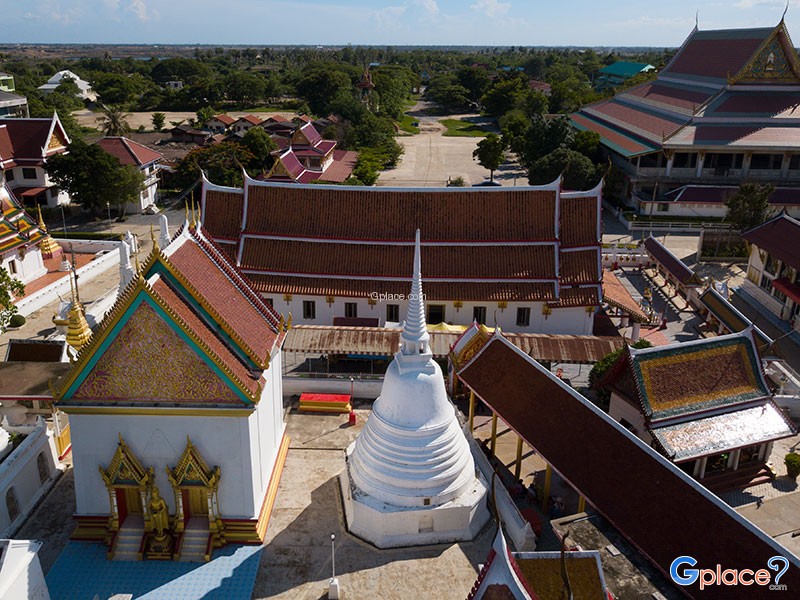
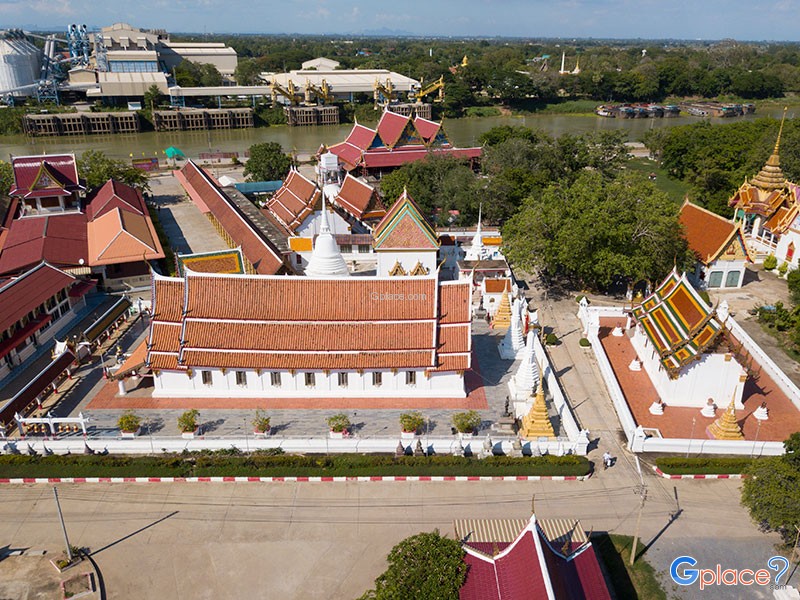
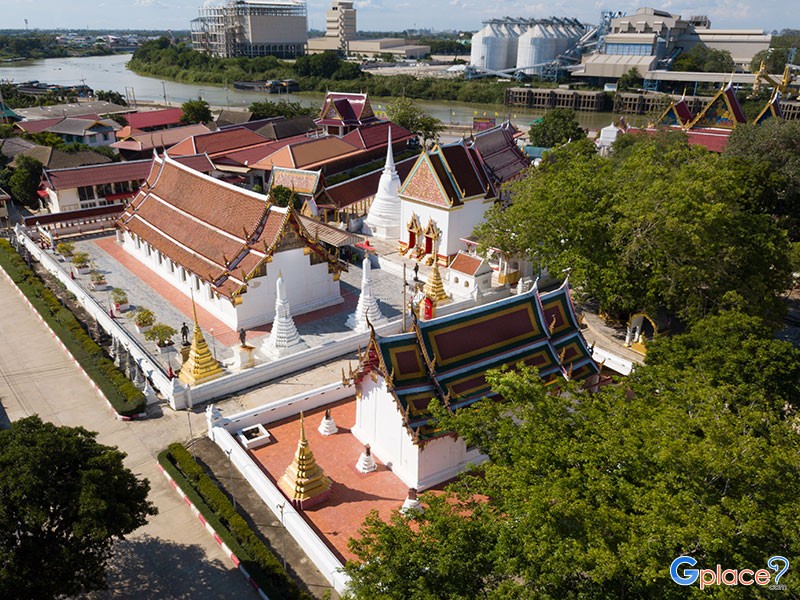
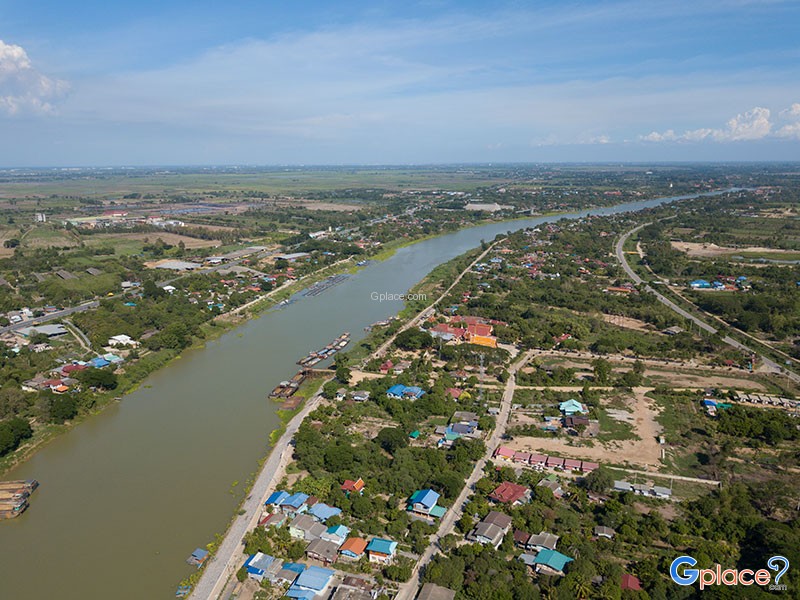
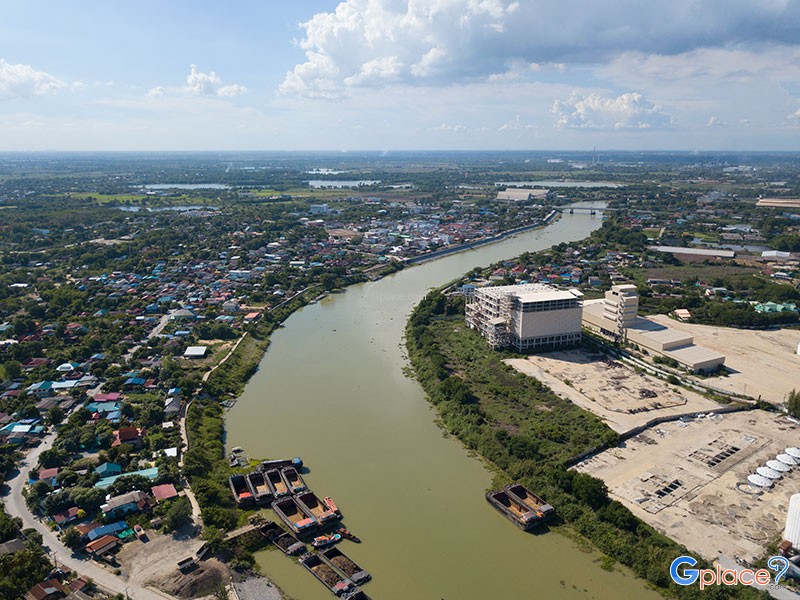
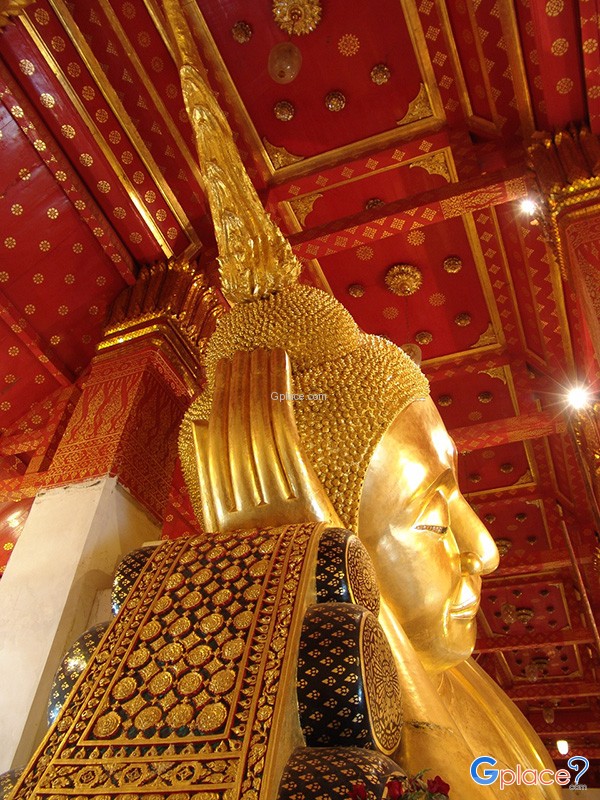
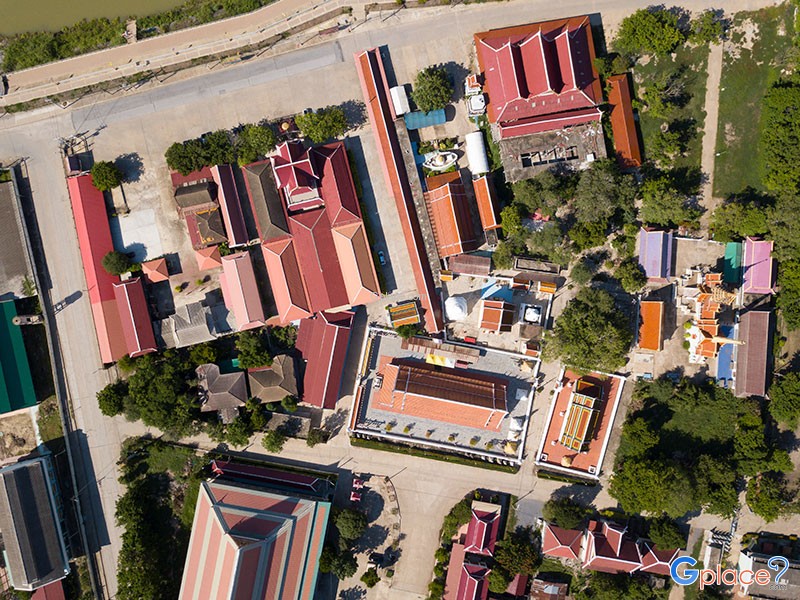
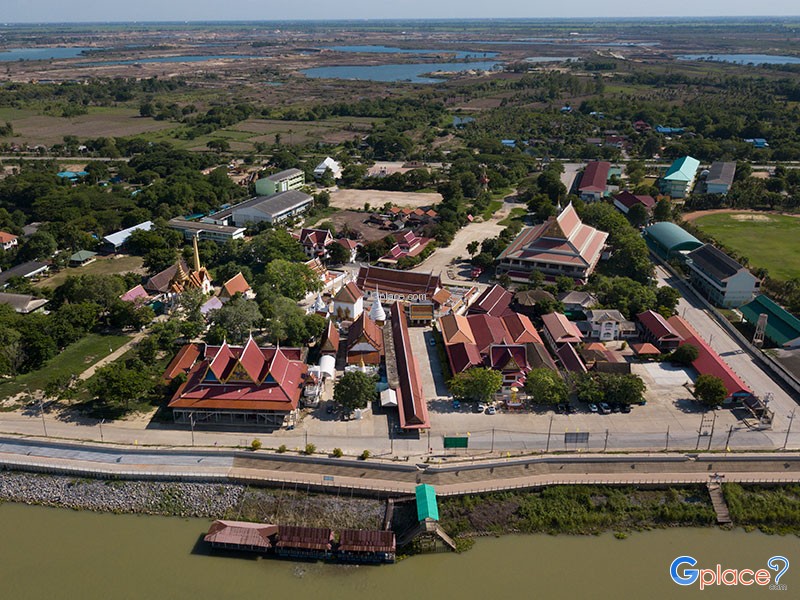
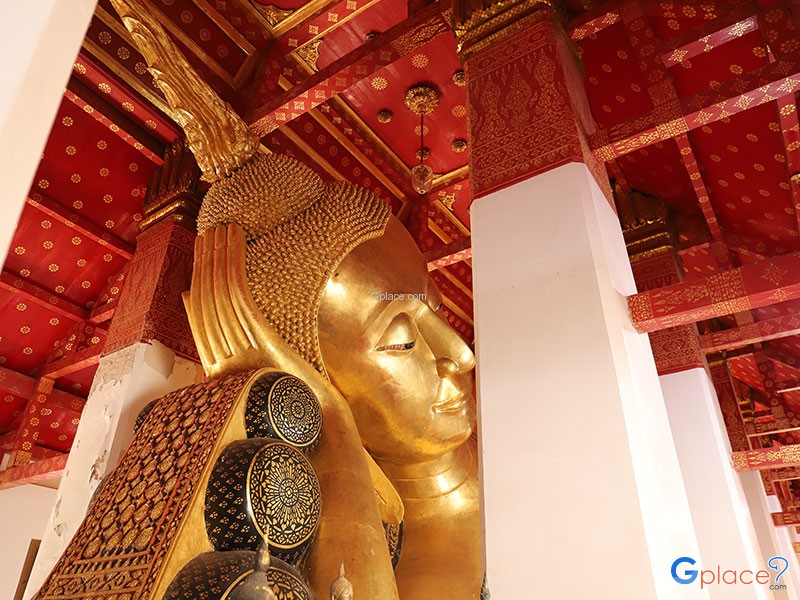
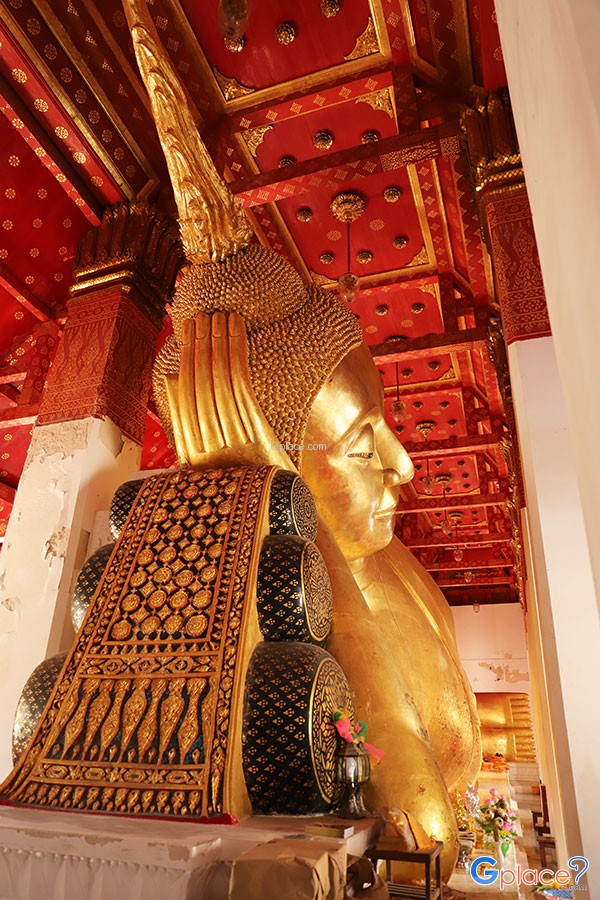
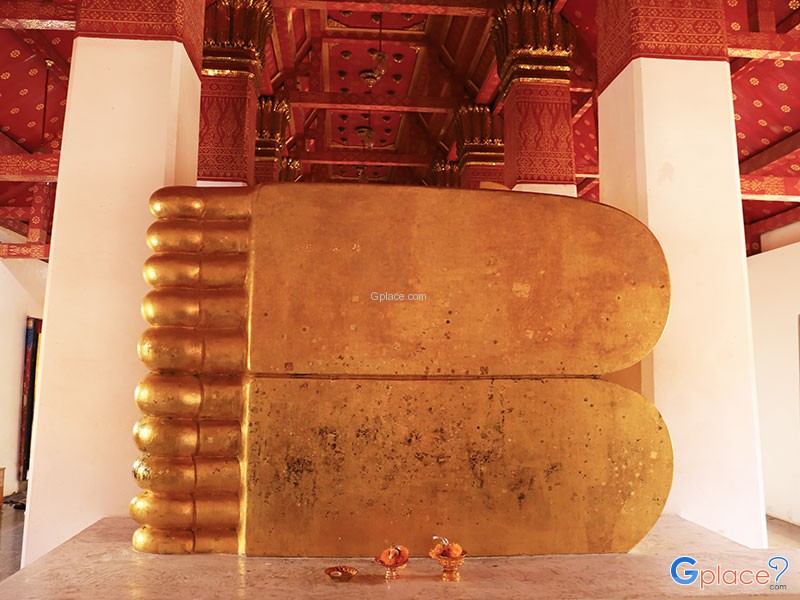

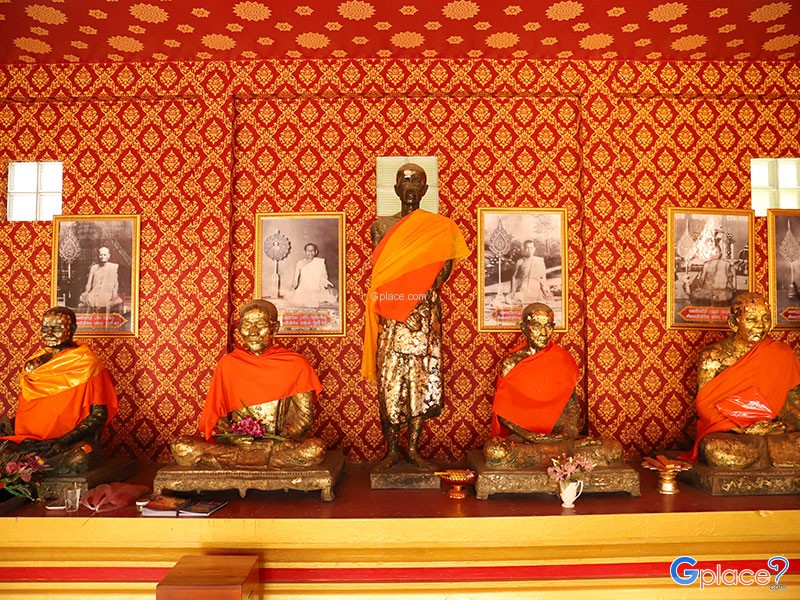
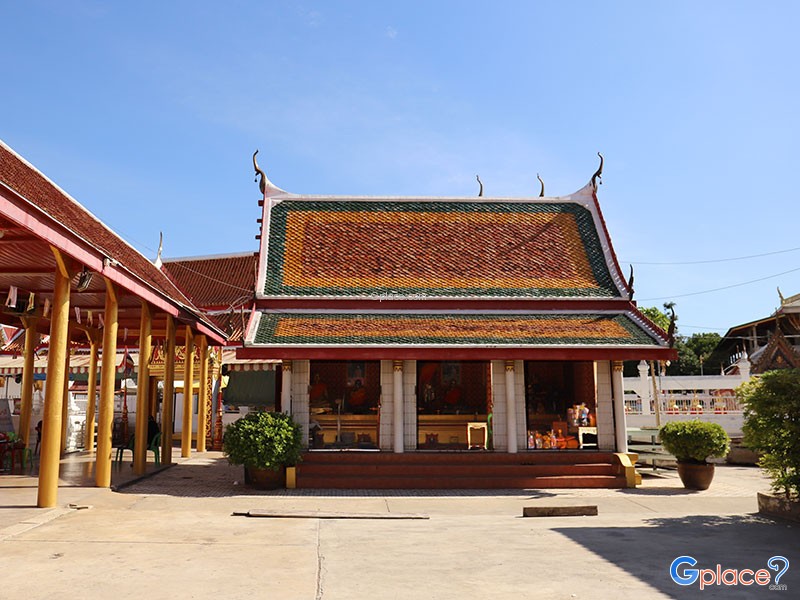
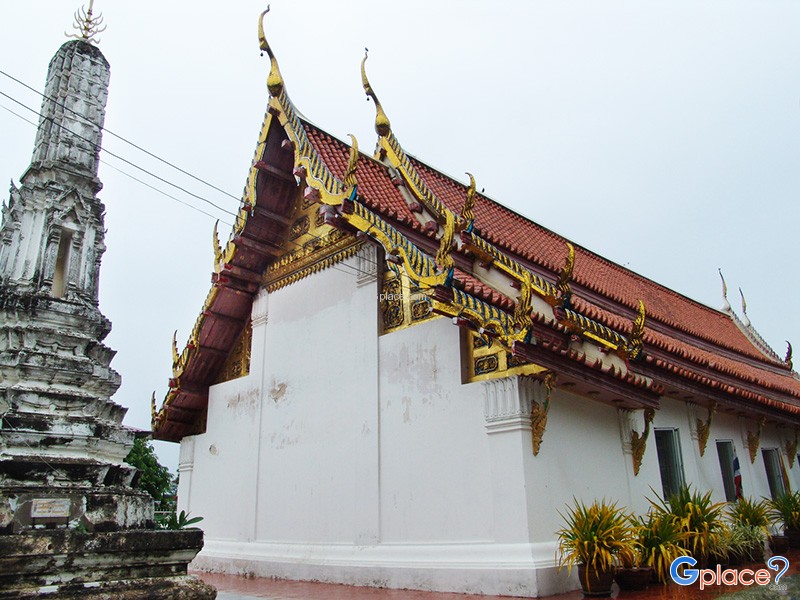
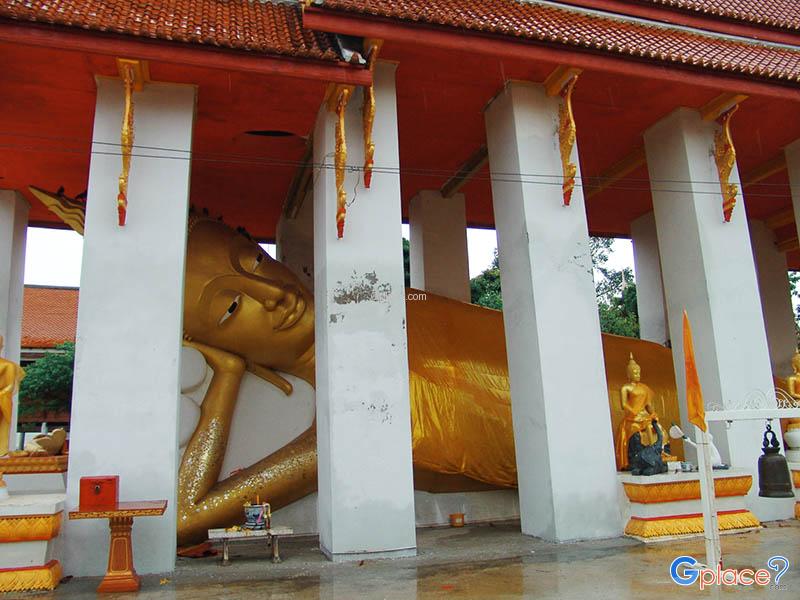
“Home to a 22.58-meter Sukhothai-style Reclining Buddha and the "Vihara Khian," the former royal residence of King Thai Sa during the historic relocation of the statue.”
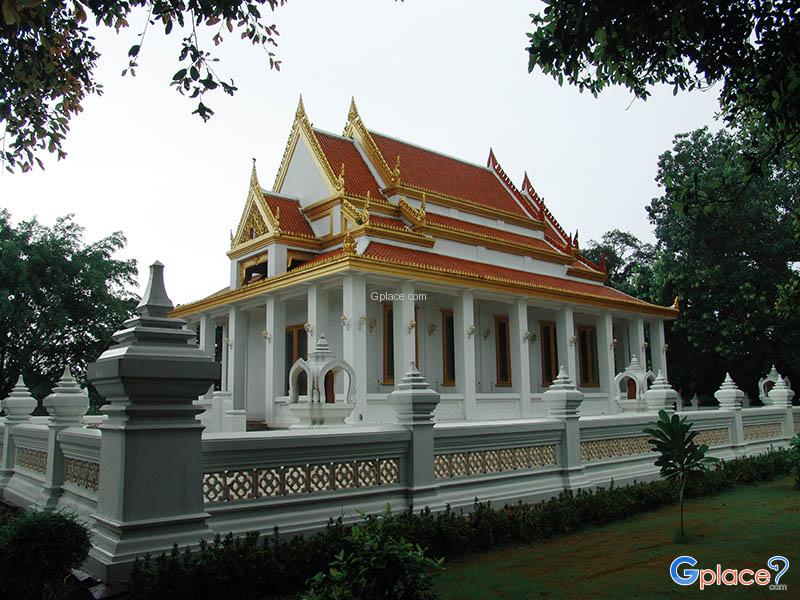
Pa Mok Worawihan Temple is a second-class royal monastery of the Worawihan category, located on the western bank of the Chao Phraya River in Pa Mok District, Ang Thong Province. This ancient temple dates back to the Ayutthaya period and was originally known as “Wat Tai” or “Wat Talat.” It was later merged with Wat Chi Pa Khao and granted the name “Wat Pa Mok,” derived from the abundance of mok trees that once grew densely in the area. For centuries, the temple has served as both a religious and community center for the people of Pa Mok.
Pa Mok Worawihan Temple holds great historical significance, as recorded in the royal chronicles. King Naresuan the Great is said to have gathered his troops at this temple and paid homage to the Buddha image here before leading his army into the famous elephant duel against the Burmese Crown Prince. This historical event has elevated the temple’s status as a sacred site closely associated with a crucial chapter in Thai history, symbolizing bravery, determination, and royal devotion.
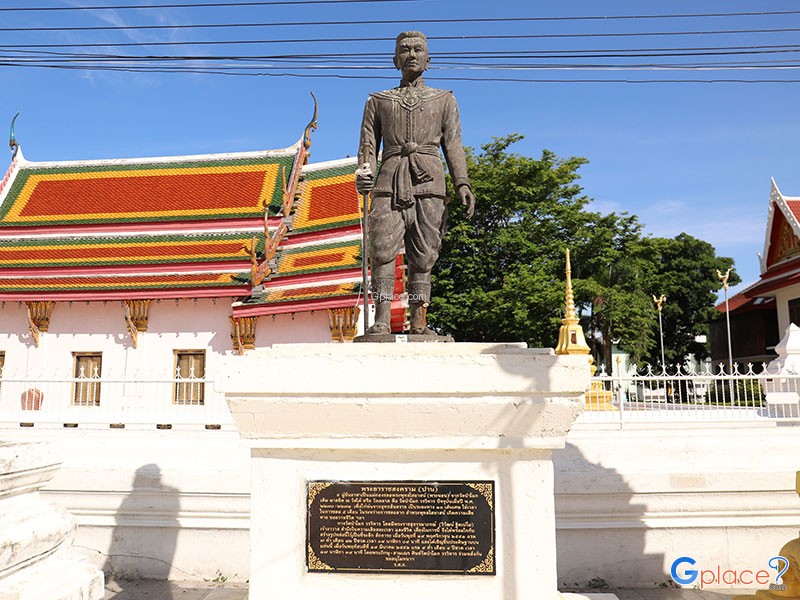
The most outstanding highlight of the temple, regarded as its greatest treasure, is the Reclining Buddha, a magnificent Buddha image lying on its right side in the Siha Saiya posture. Constructed of brick and mortar and gilded with gold, the image measures 22.58 meters in length. The Reclining Buddha is associated with the famous legend of the “Relocation of the Reclining Buddha” during the reign of King Thai Sa in 1727. As river erosion threatened the temple’s riverbank, the king ordered Phraya Ratchasongkhram to lead a large workforce using pulleys and human strength to move the massive Buddha image away from the river. The successful relocation was considered an extraordinary engineering achievement of its time.
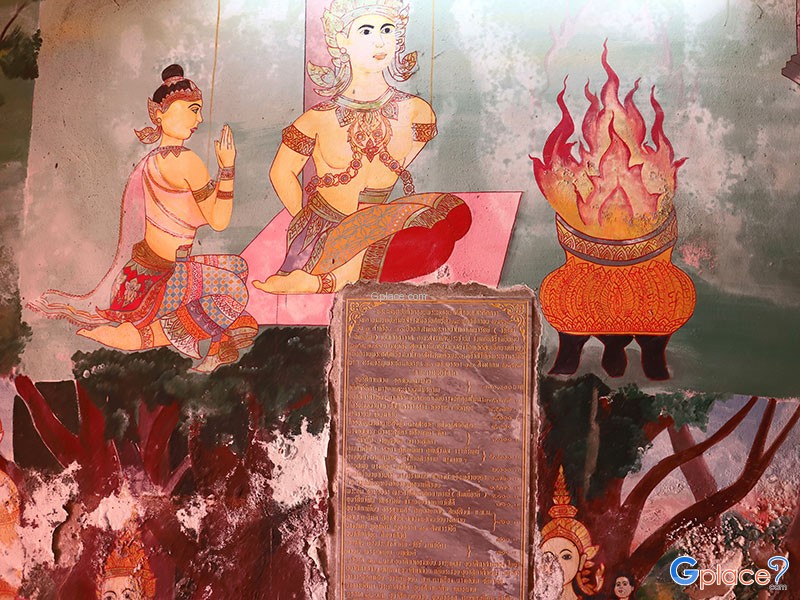
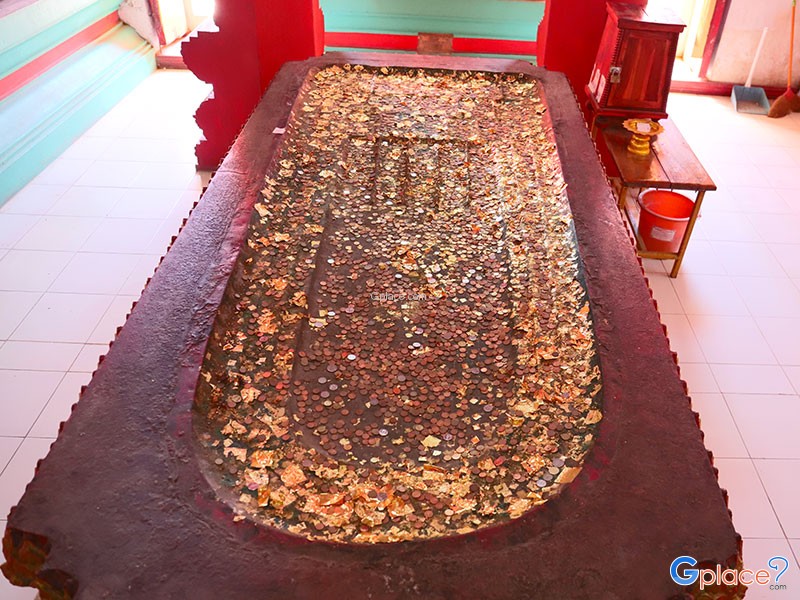
The atmosphere within the temple grounds is serene and filled with a strong sense of history. Visitors can explore the Phra Wihan Khian, which once served as King Thai Sa’s temporary residence while he supervised the relocation of the Reclining Buddha. Inside the hall are beautifully preserved mural paintings depicting Jataka tales, created by master artists from the early Rattanakosin period. The temple also features a mondop housing the Four Buddha Footprints carved from black slate, as well as a brick-built Chinese junk structure enshrining a stupa—an architectural feature that is rare and reflects the prosperity of the riverine community in the past.
Another fascinating aspect of the temple is the legend of the “Talking Reclining Buddha.” According to local tradition, during the reign of King Rama V, a cholera outbreak spread throughout the area. Villagers prayed to the Reclining Buddha for protection, and some reportedly received guidance through dreams or visions about herbal remedies, leading to recovery from the illness. This belief strengthened the temple’s role as a spiritual refuge, where people continue to seek blessings for good health, protection from illness, and overall well-being.
Pa Mok Worawihan Temple is therefore far more than an ancient riverside temple. It is a living repository of religious devotion, historical legacy, and enduring faith woven through centuries of Thai history. Visitors are warmly invited to explore this remarkable royal monastery and experience the cultural heritage and spiritual atmosphere that have stood the test of time.
How to Get There
By Private Car:
- From Ang Thong city center, take Highway 309 (Ang Thong-Ayutthaya) for about 18 km toward Pa Mok. From Ayutthaya, it is about a 20-minute drive following the Pa Mok route.
By Public Transport:
- Take a van or bus on the Bangkok-Ang Thong route, then use a local taxi or Tuk-Tuk to reach the Pa Mok municipality area where the temple is located.
Travel Tips
Best Time to Visit:
- Accessible year-round. Morning visits are recommended for cooler weather and to see the golden Reclining Buddha illuminated by natural light.
Dress Code:
- As a significant royal temple, please dress modestly (no shorts, sleeveless tops, or short skirts).
Photography:
- Photography is allowed inside the Vihara, but please be respectful and avoid using flash to help preserve the ancient murals.
Activity:
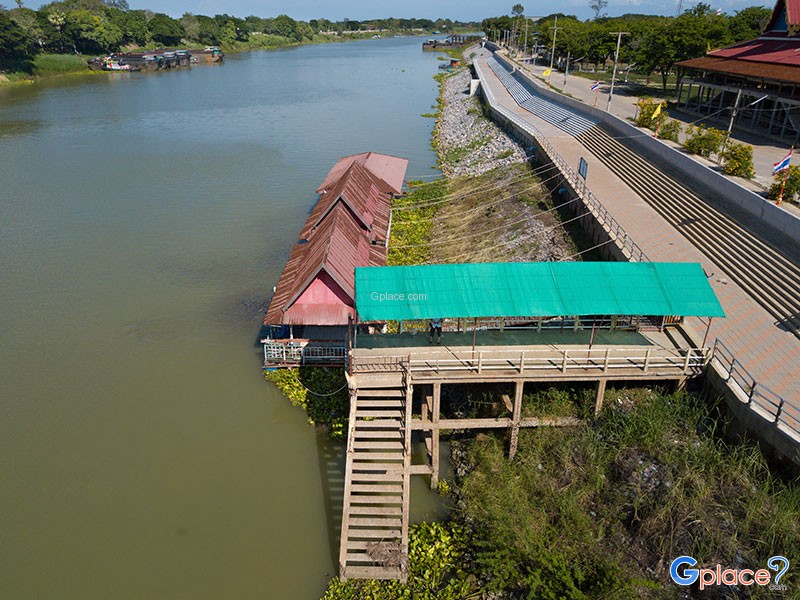
- After paying respects to the Buddha, take a walk by the Chao Phraya River in front of the temple to enjoy the local riverside lifestyle.
Planning:
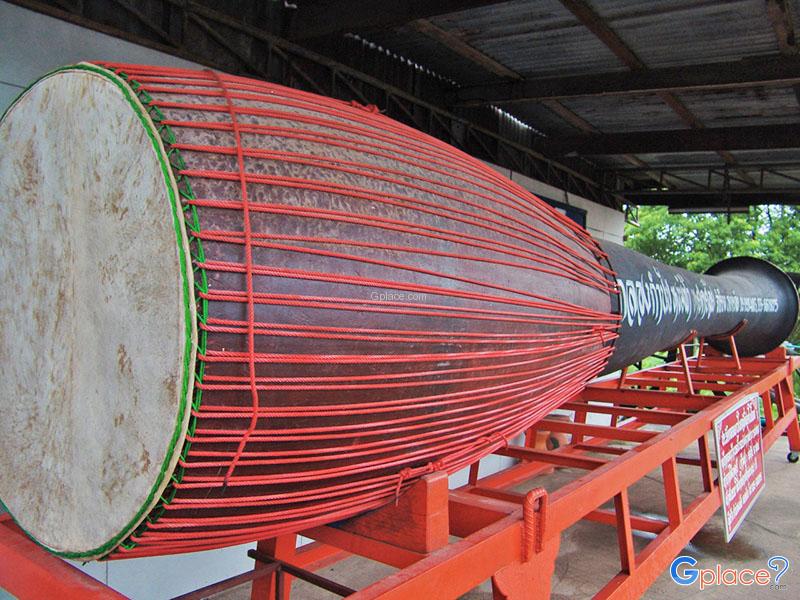
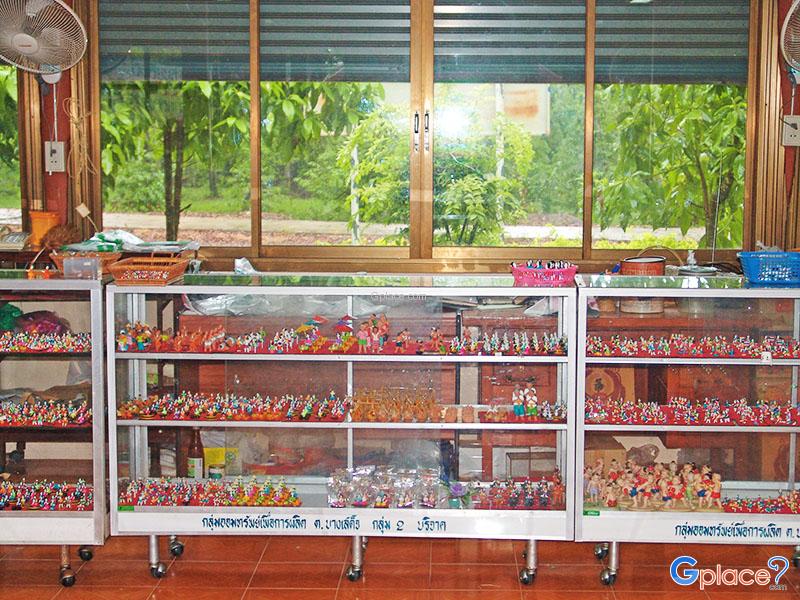
- The temple is near the Drum-Making Village and the Ban Bang Sadet Court Doll Center, making it easy to combine all three into a convenient one-day trip.
Admission Fee
-
Local Visitors: Adult Free, Child Free
-
Foreign Visitors: Adult Free, Child Free
Opening Hours
-
Open daily from 08:00 – 17:00.
Pa Mok Worawihan Temple

 Share
Share
 Pa Mok Worawihan Temple, Pa Mok Municipality, Pa Mok, Ang Thong, Thailand
Map
Pa Mok Worawihan Temple, Pa Mok Municipality, Pa Mok, Ang Thong, Thailand
Map
 Closed today
Mon8.00 - 17.00
Tue8.00 - 17.00
Wed8.00 - 17.00
Thu8.00 - 17.00
Fri8.00 - 17.00
Sat8.00 - 17.00
Sun8.00 - 17.00



 5137
5137