 Attractions
  Hotel
Hotel  Restaurant
  Shopping
  Abroad







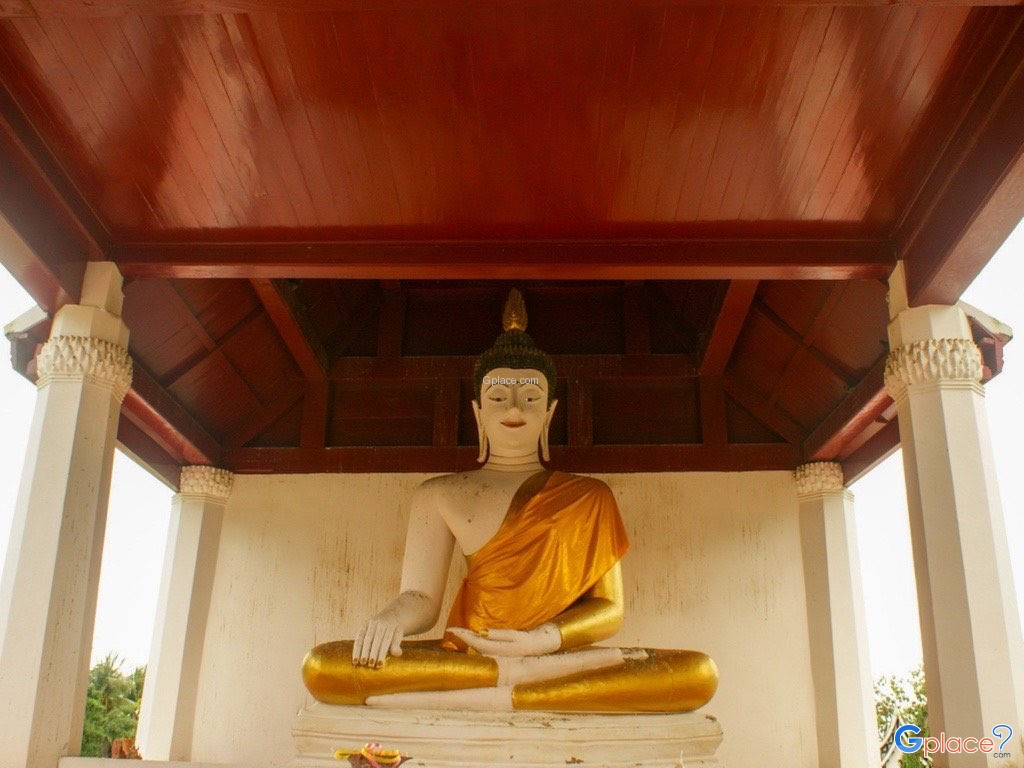
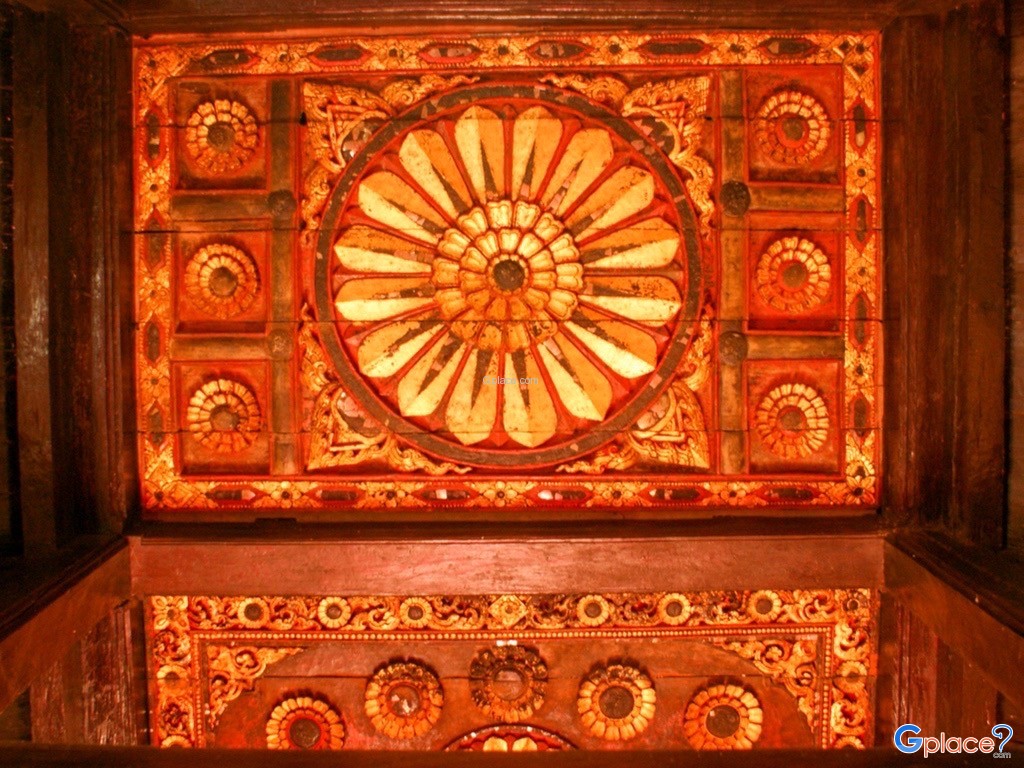

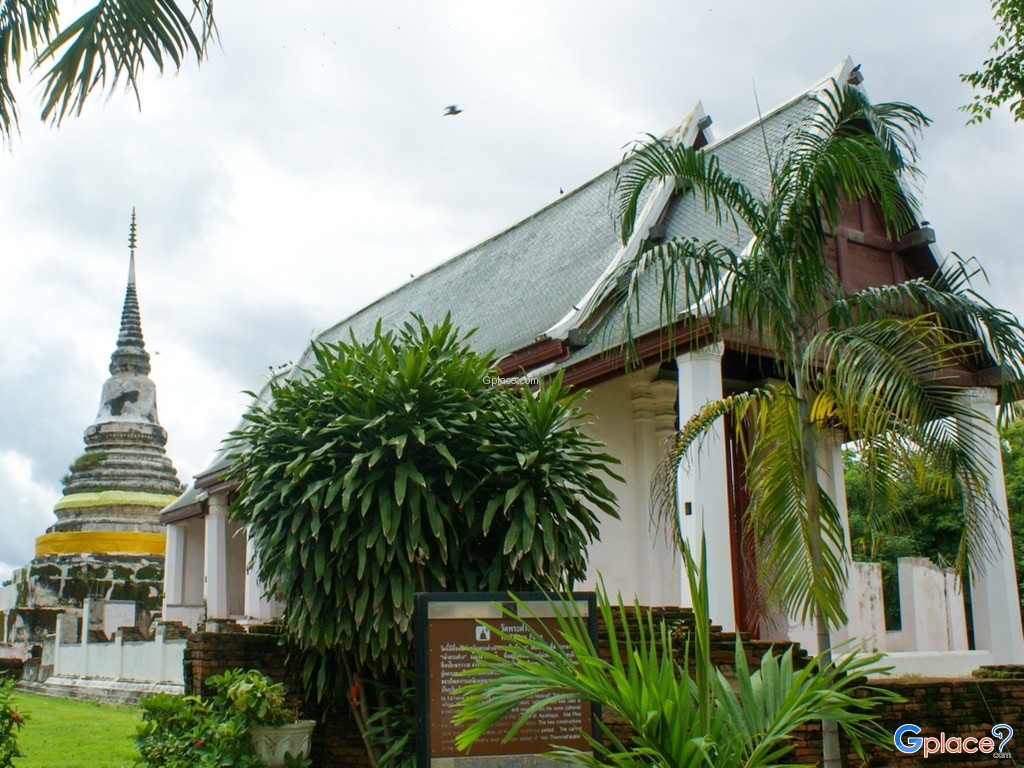
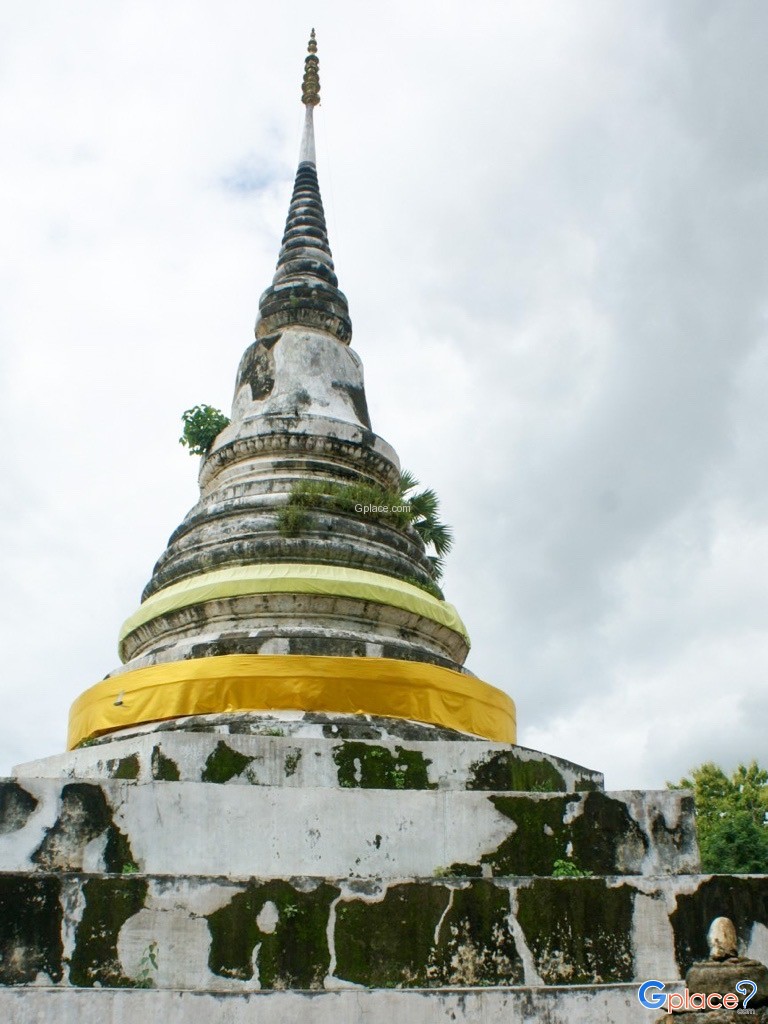
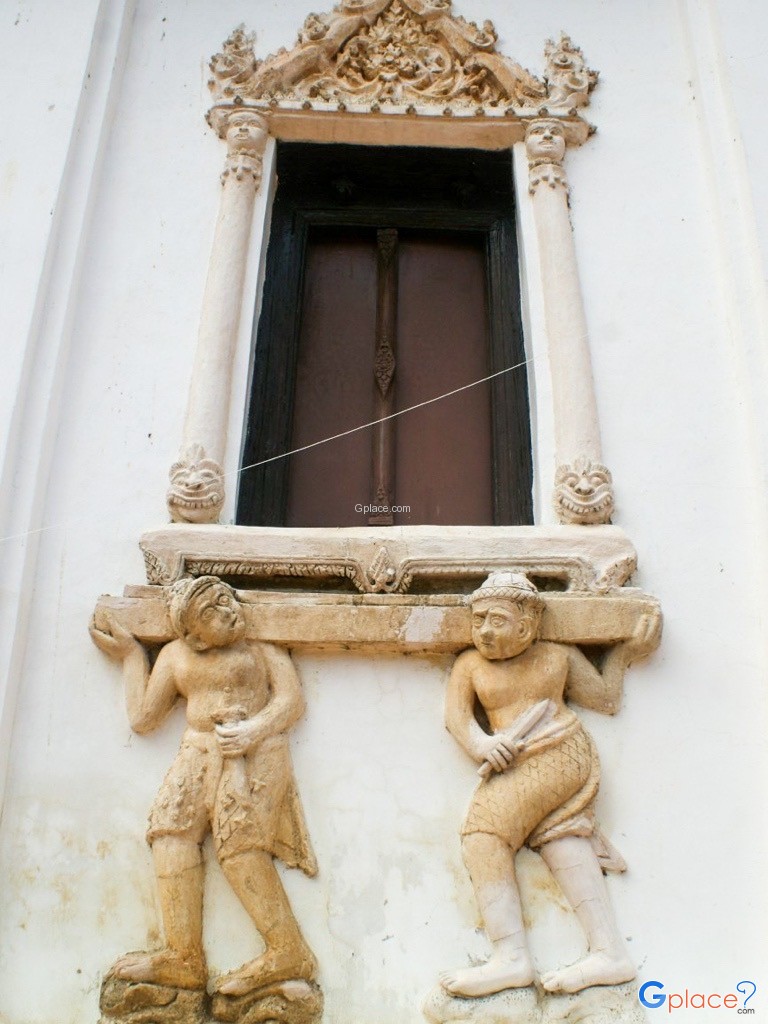
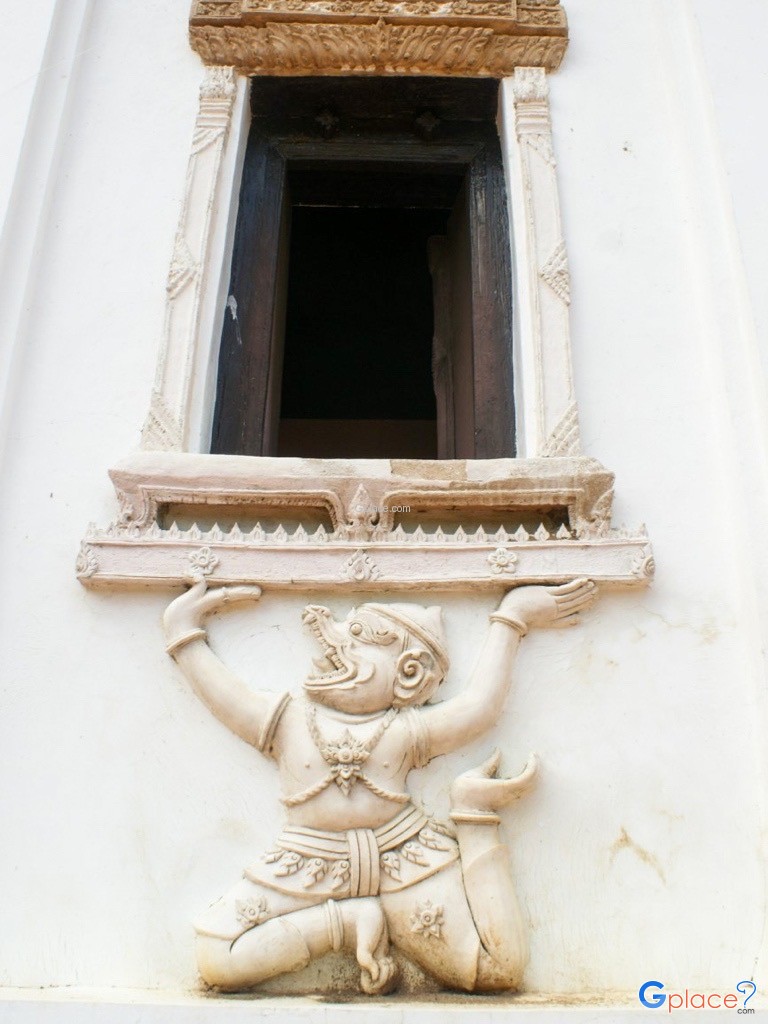
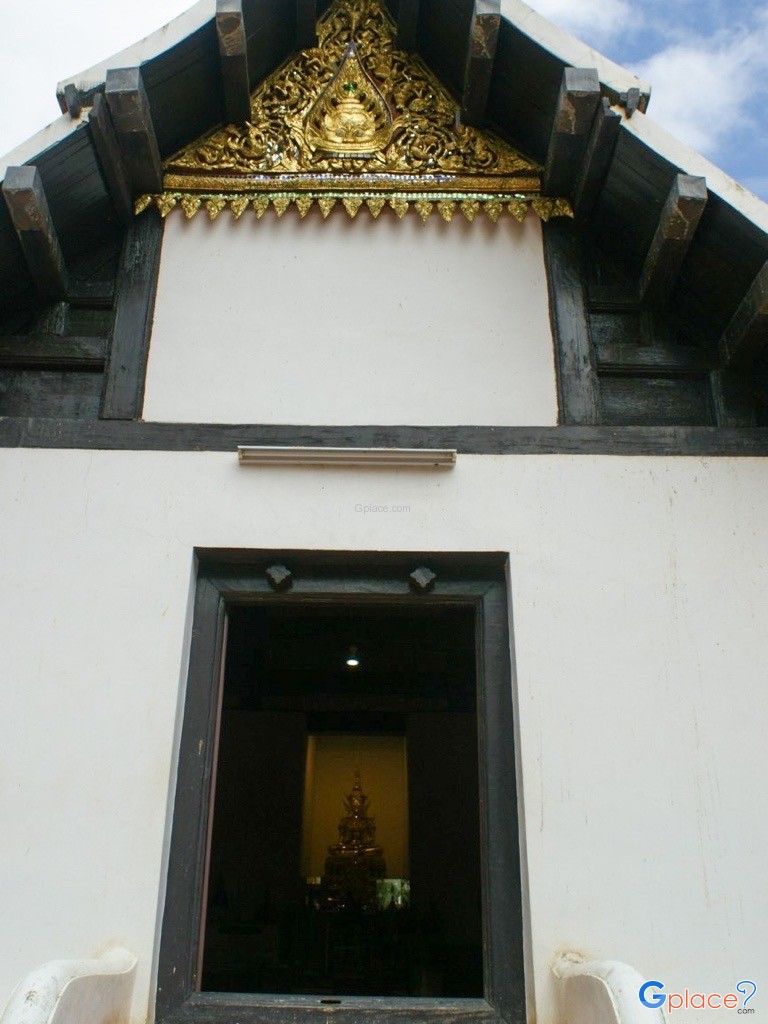



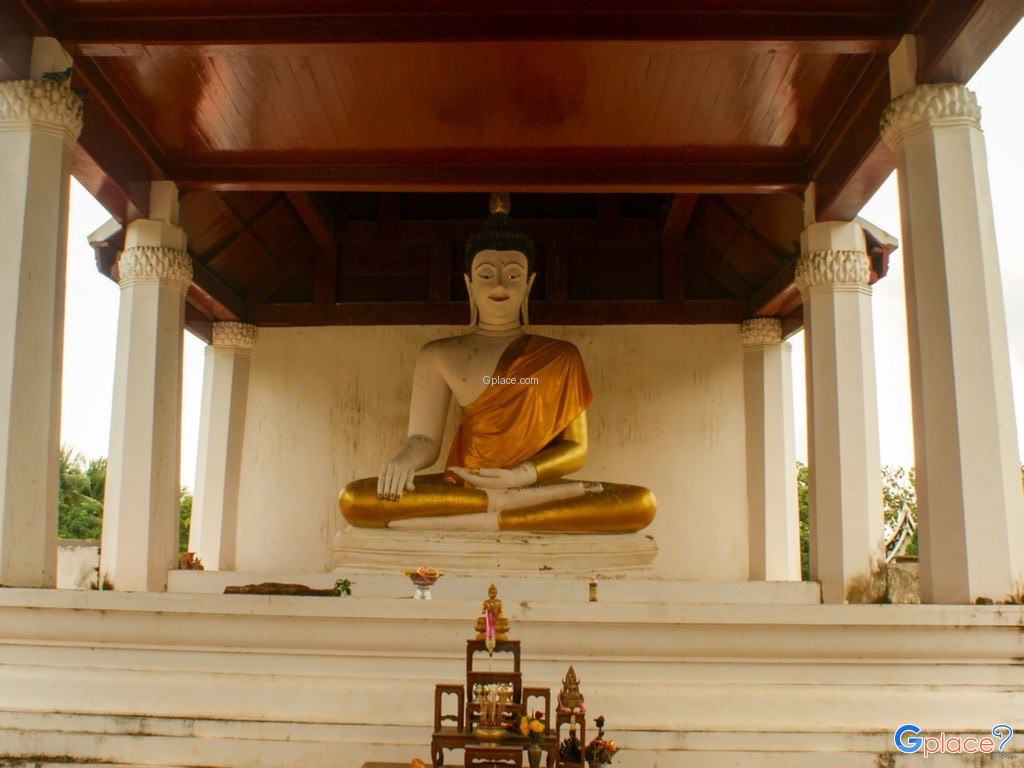
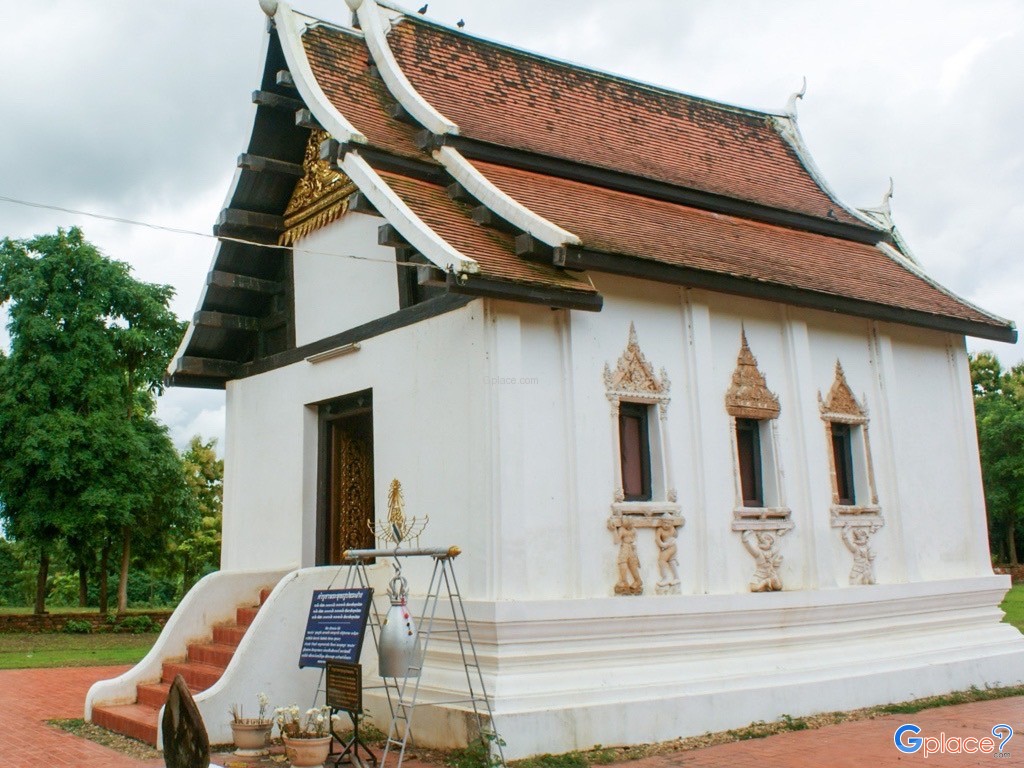
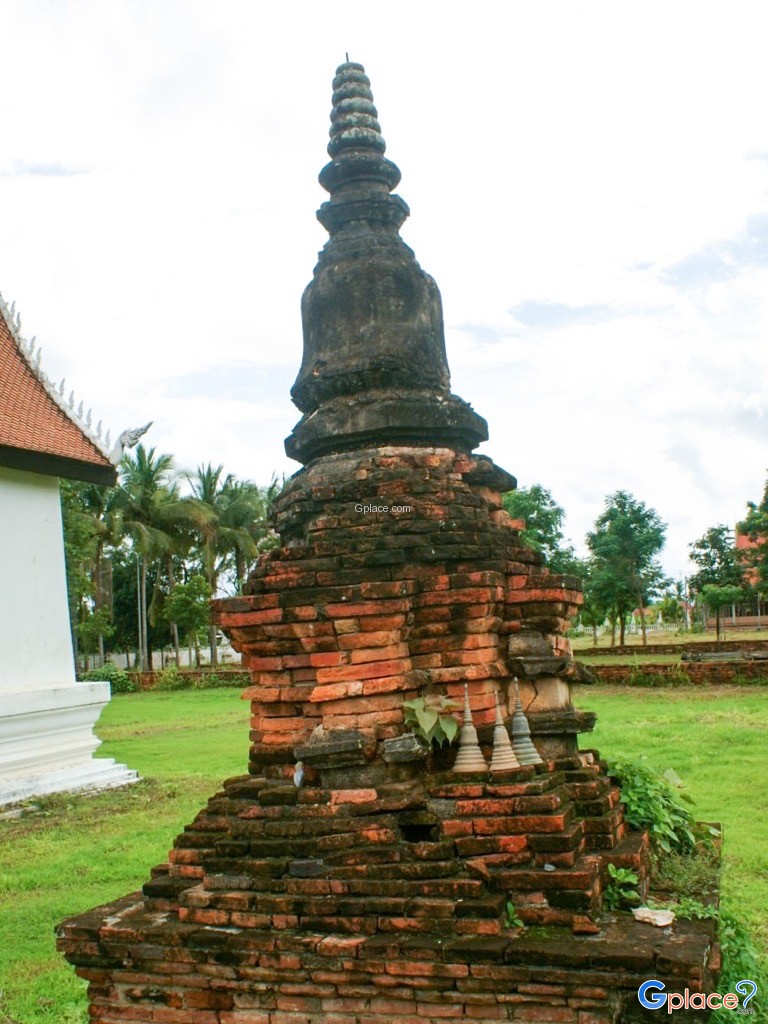
“Admire the Sukhothai-style relic stupa housing Buddha relics, explore the Ayutthaya-period Maha-Ut ordination hall, discover the legend of Chao Phraya Fang, and see the remains of the ancient vihara complex”
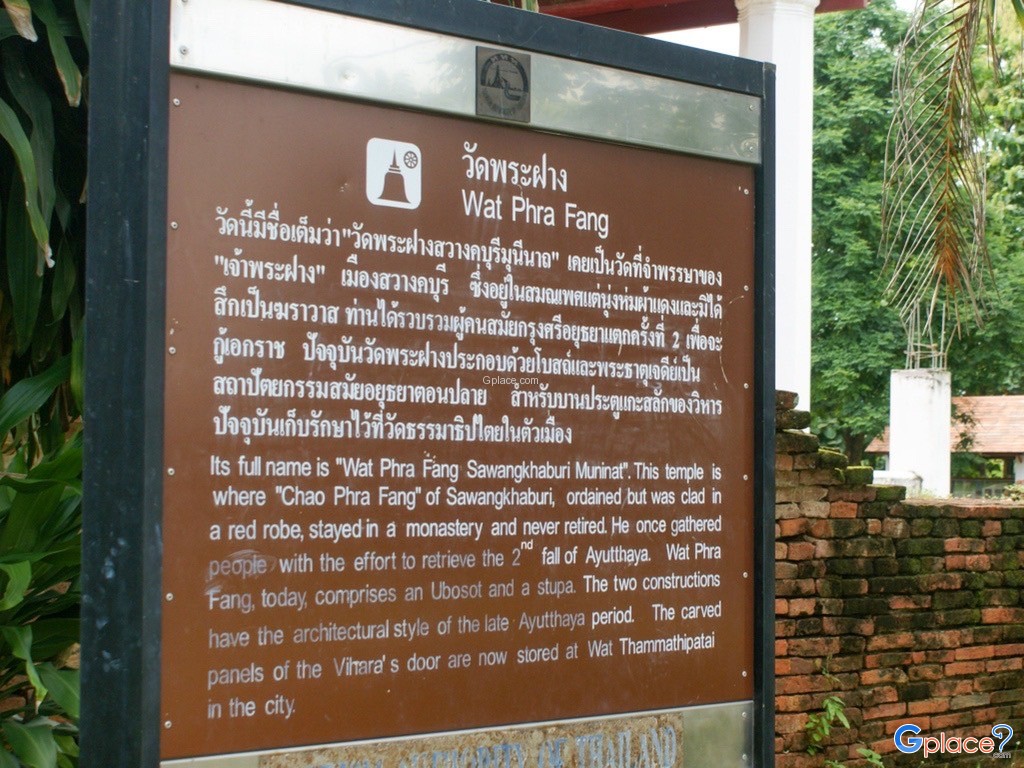
Wat Phra Fang Sawangkhaburi Muneenat, is an ancient temple dating back to the Sukhothai period, with records indicating its establishment around B.E. 1700 (approx. 1157 CE), even before the reign of King Ramkhamhaeng. It is considered the only remaining archaeological complex of the former Sawangkhaburi (Sawangkhburi / Sawankhaburi) ancient city, once a flourishing northern center. The temple was granted Visungkhamsima (royal ordination boundary) during the Sukhothai era and served as the principal royal temple (Phra Mahathat) of the city.
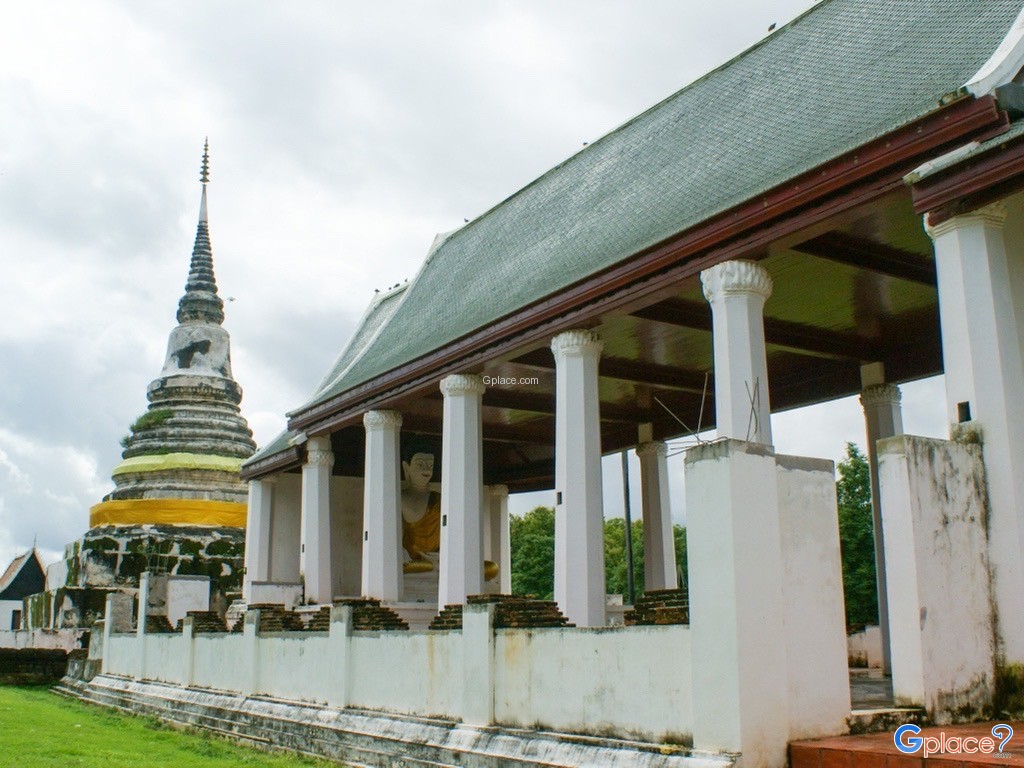
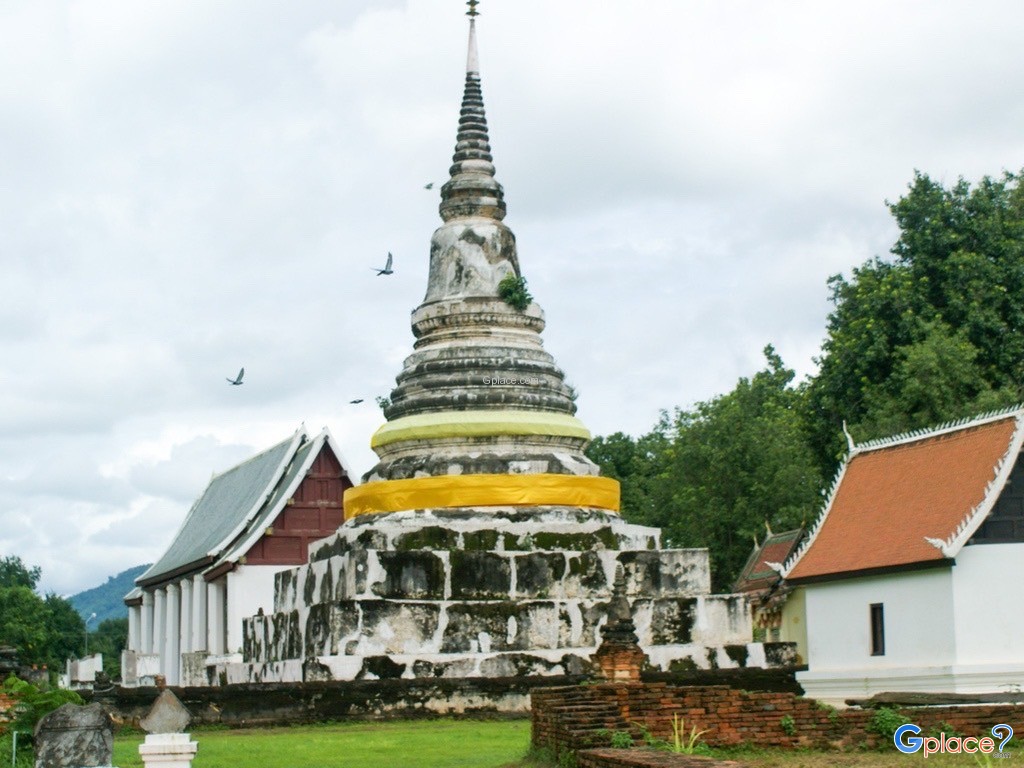
At the heart of the temple stands the Phra Mahathat Chedi, the most sacred structure enshrining Buddha relics. Originally built in the Sukhothai period, it was designed in the classic lotus-bud (Phum Khao Bin) style, symbolizing spiritual prosperity and abundance. This confirms its status as a major religious landmark of the kingdom.
During the Ayutthaya period, Simon de La Loubère, a French envoy in the reign of King Narai, recorded that this stupa was highly revered and considered as significant as the Buddha’s Footprint in Saraburi, highlighting its importance as a major pilgrimage site.
In the era of King Taksin the Great, after defeating Chao Phraya Fang, the ruler of the local faction during the fall of Ayutthaya, a grand celebration of the relic stupa was held for three days, comparable in scale to the famous Phra Phuttha Chinnarat festival.
The temple was also the residence of Chao Phraya Fang, a powerful monastic leader who established an independent faction during the post-Ayutthaya collapse. He is remembered in local legend for his mystical powers and distinctive red robes.
Following the decline of Sawangkhaburi in the Thonburi period, the site fell into neglect. By the early Rattanakosin period, the original lotus-bud chedi had severely deteriorated.
Later, under King Rama IV (King Mongkut), the stupa was restored and transformed into a Sri Lankan-style bell-shaped chedi, which remains today. This restoration played a crucial role in preserving the site.
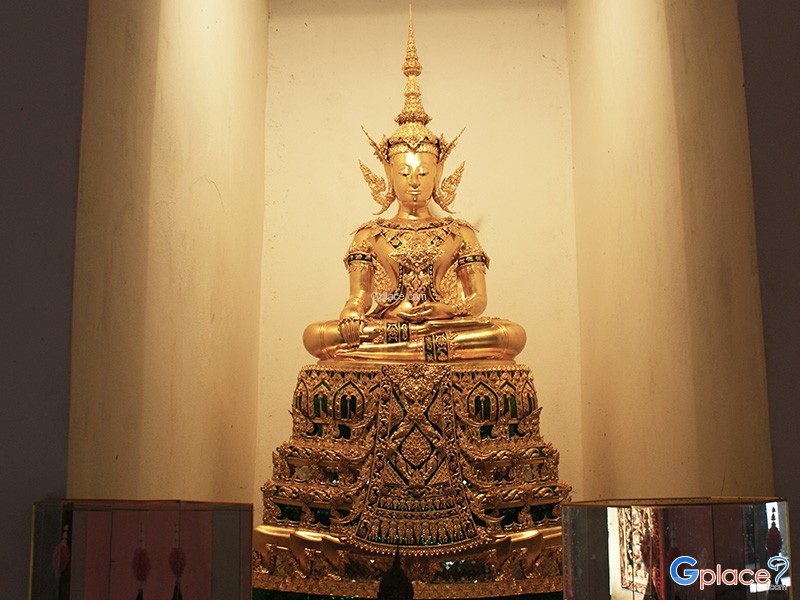
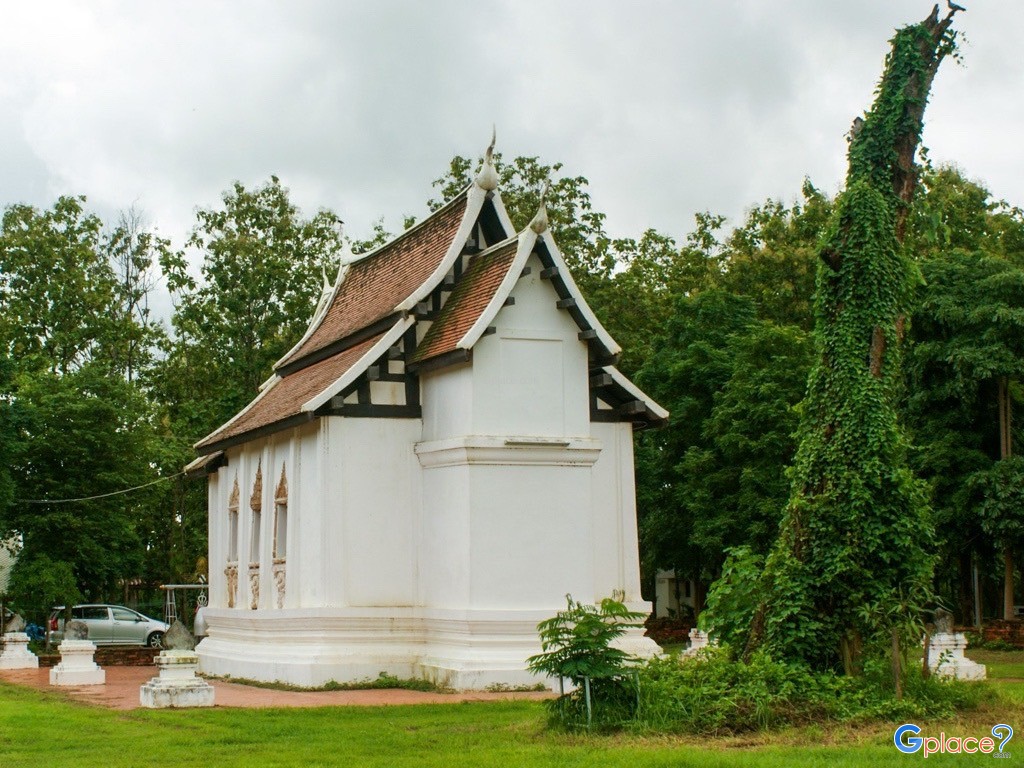
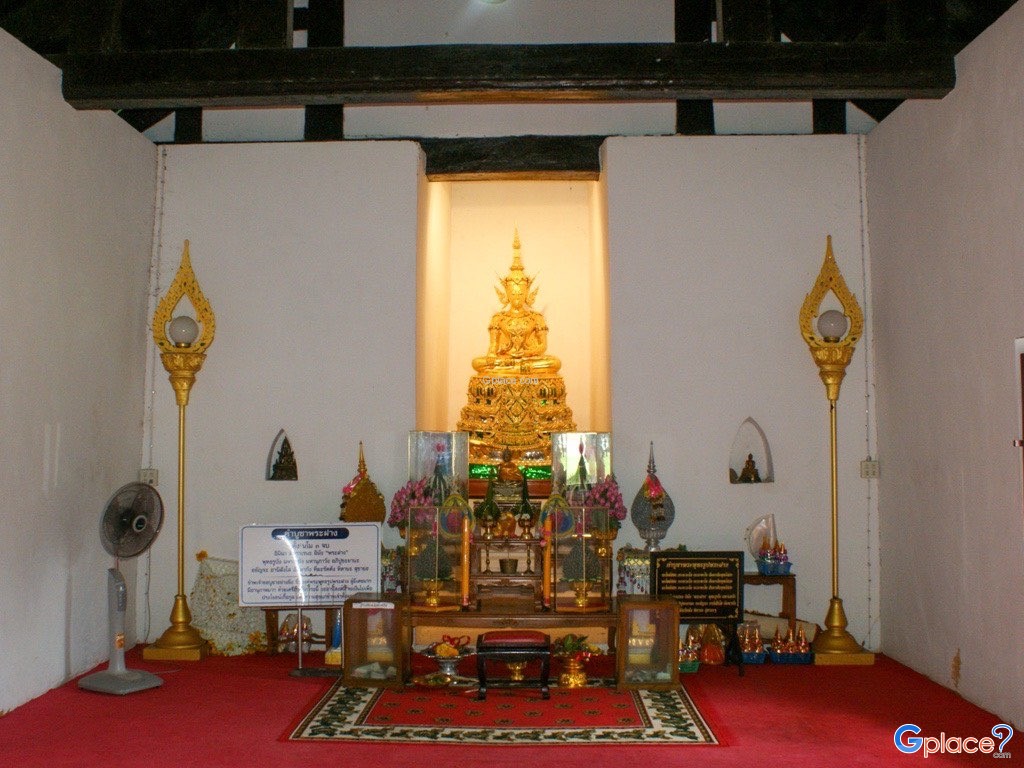
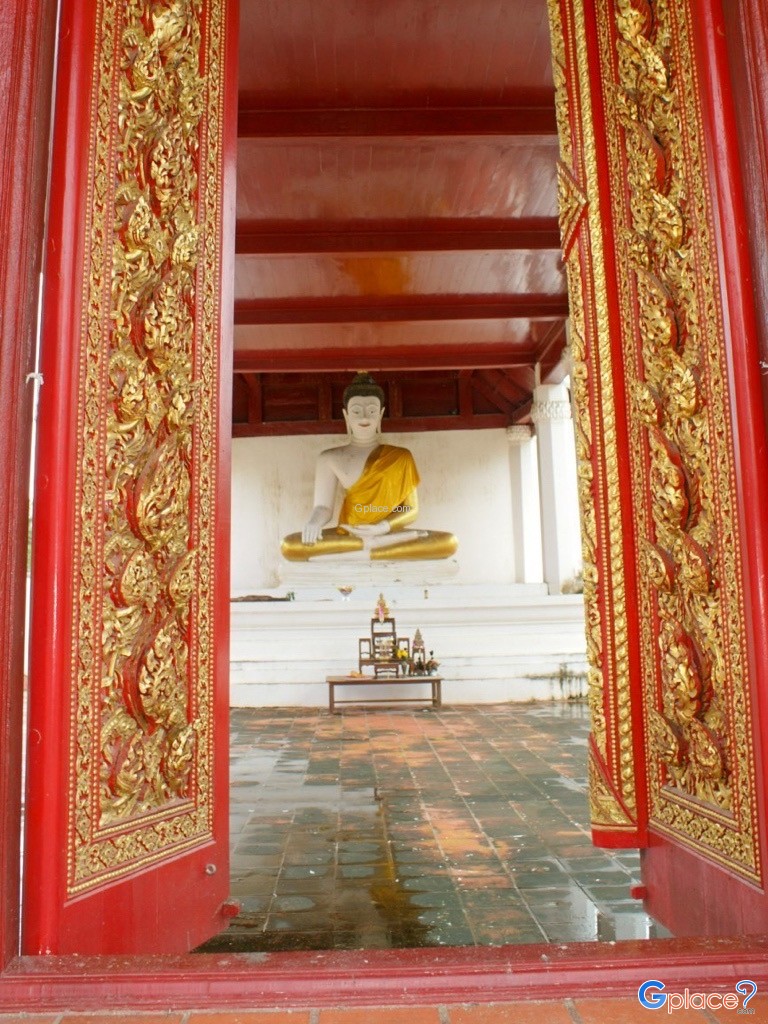
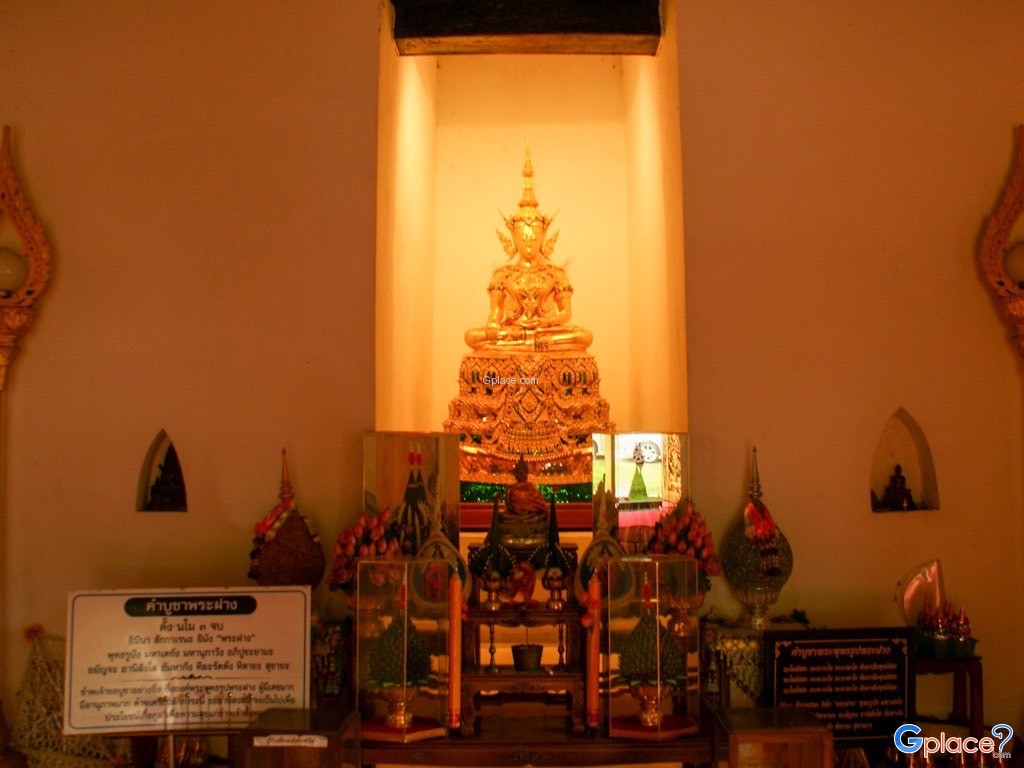
Within the temple grounds stands the Maha-Ut ordination hall, a unique Ayutthaya-style structure with a single प्रवेश (entrance/exit), used for sacred rituals. It once housed the renowned Phra Fang Buddha, a royal-attired Buddha image in Mara-vijaya posture, considered one of the most beautiful in Thailand. The original image is now enshrined at Wat Benchamabophit Dusitvanaram in Bangkok, while a replica remains here.
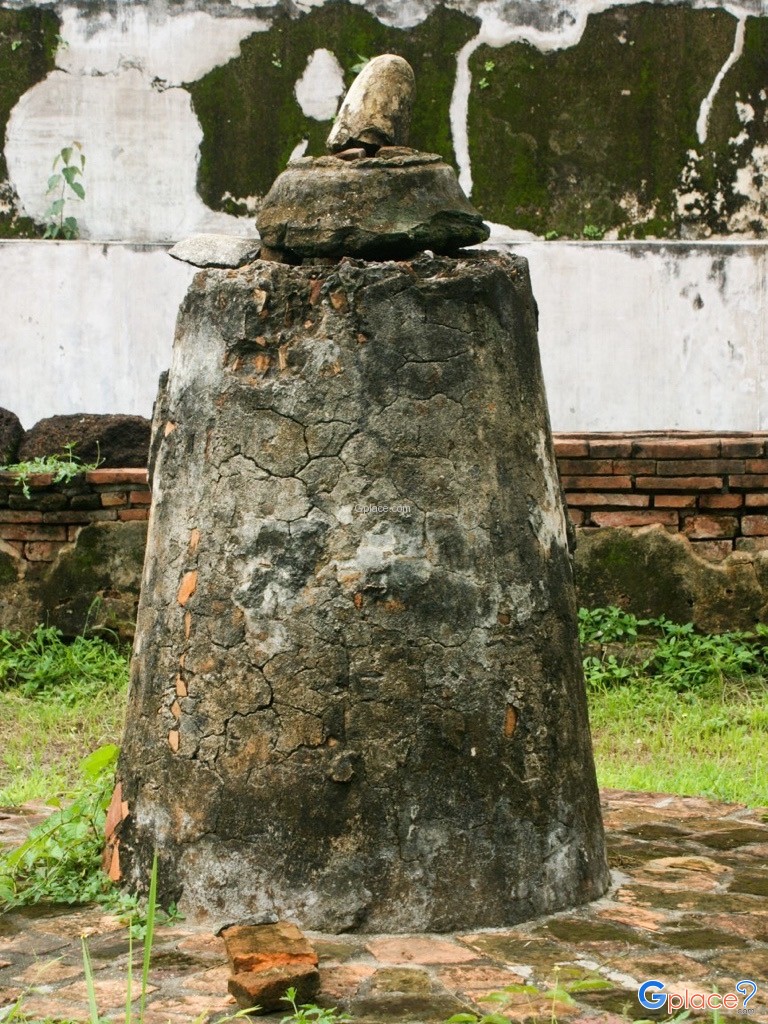
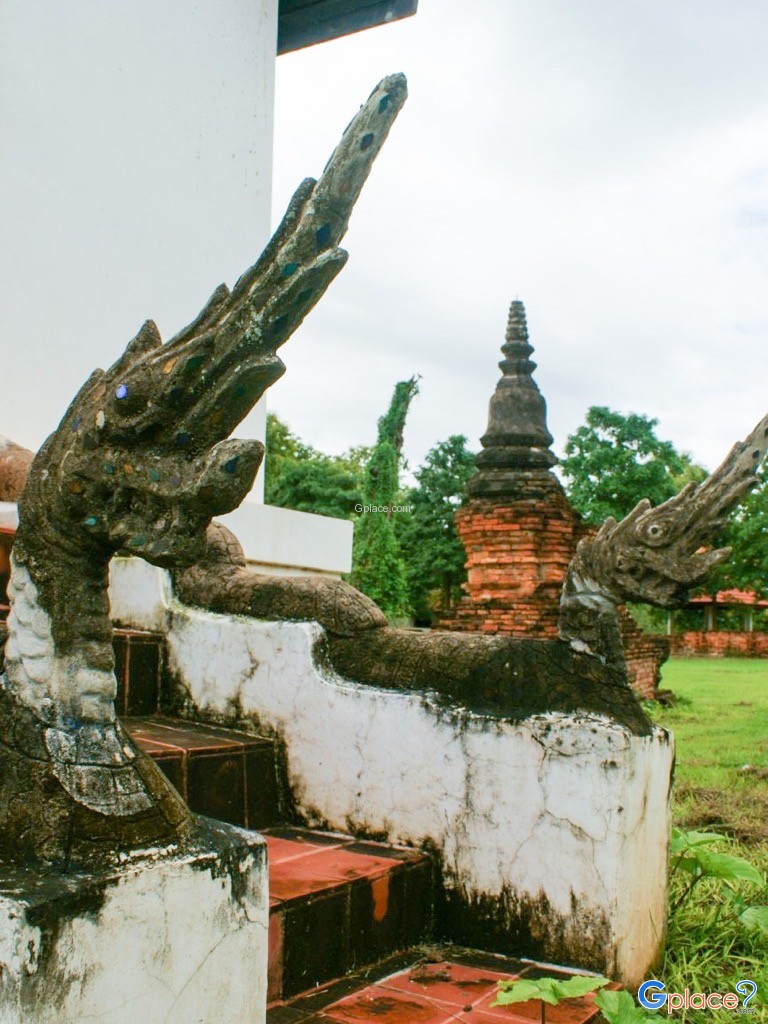
Other notable remains include the ancient vihara (assembly hall) foundations with laterite pillars, indicating the temple’s former grandeur, as well as traces of boundary walls and satellite stupas, reflecting Sukhothai-era planning.
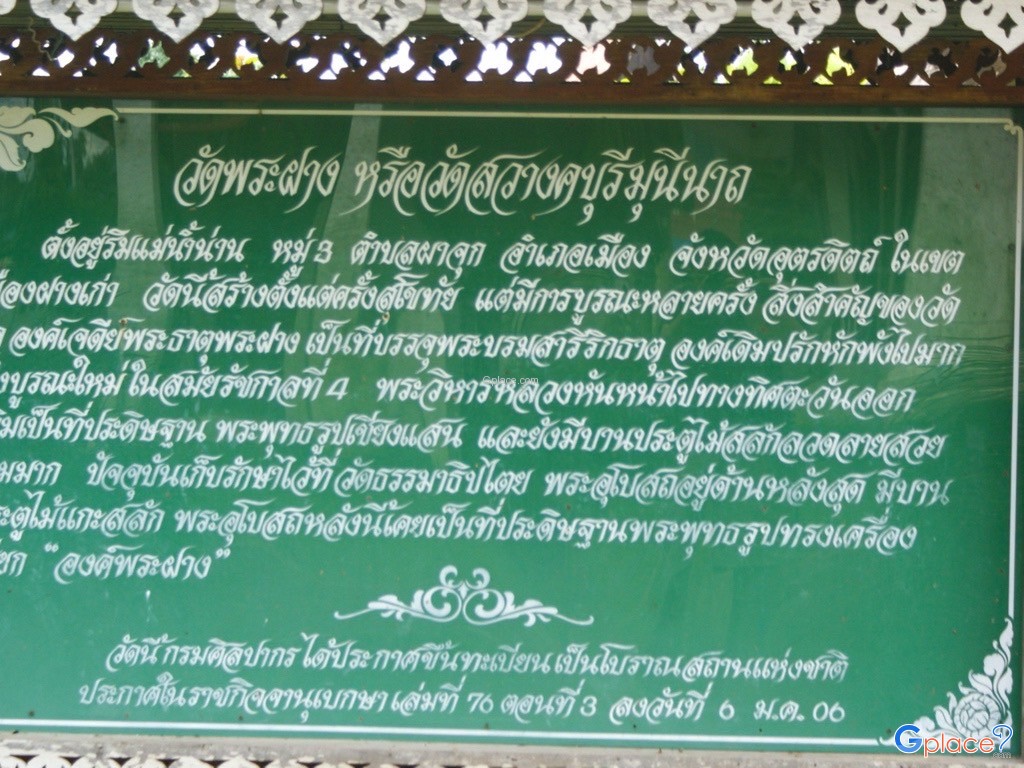
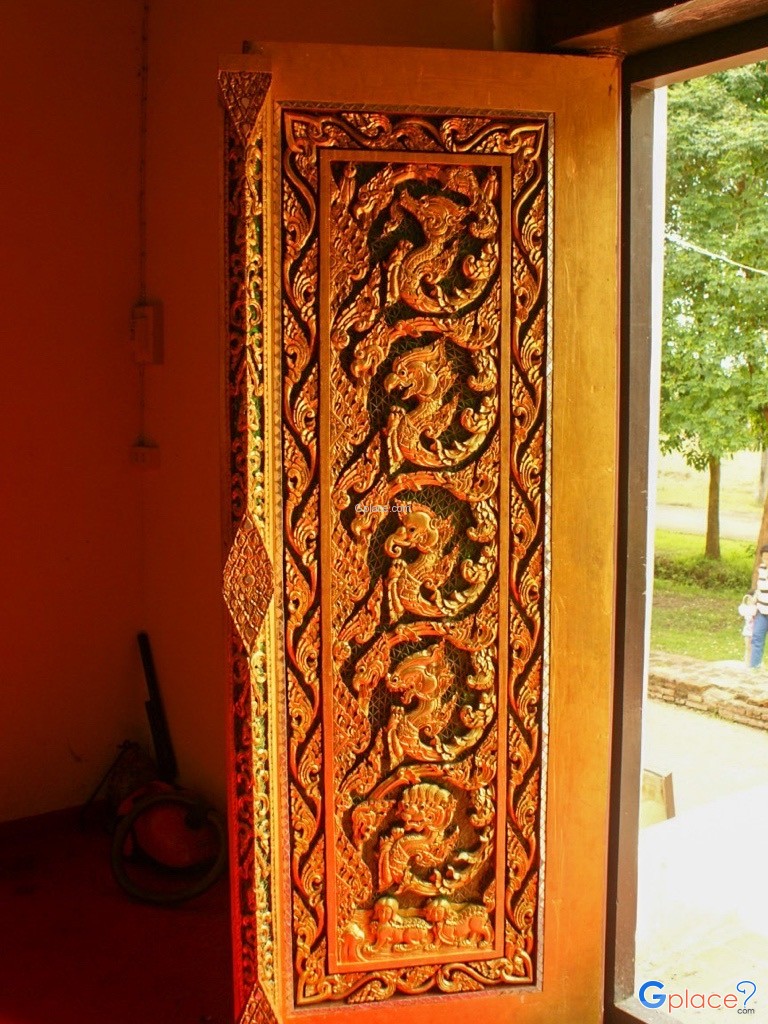
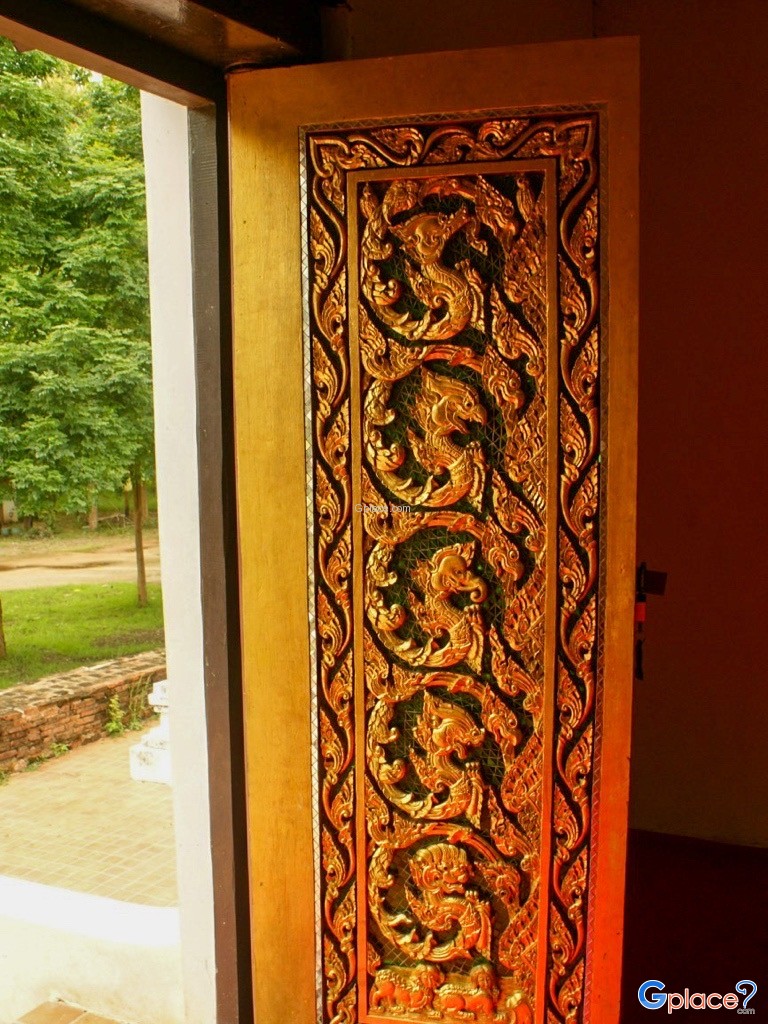
A significant artifact is the carved wooden door panels from the Ayutthaya period, now preserved at Wat Thammathipatai in central Uttaradit for security reasons.
Today, Wat Phra Fang is officially registered as a national historic site (since March 8, B.E. 2478 / 1935), covering approximately 32 rai, 3 ngan, and 90 square wah. It remains an important destination for those interested in history, archaeology, religion, and Thai cultural heritage.
How to Get There
- By Car: From Uttaradit city, take Highway 1045 toward Pha Chuk, cross the Nan River, then turn left onto Rural Road 4009 and follow signs to Wat Phra Fang (approx. 25 km)
Travel Tips
- Best time to visit: 08:00 – 10:30 AM for cooler weather and good lighting
- Dress respectfully as this is a sacred historical site
- Walk around the compound to see Sukhothai-style base structures
- Learning about Chao Phraya Fang enhances the experience
- Peaceful and tranquil atmosphere, ideal for cultural and spiritual travelers
Admission Fee:
- Free (donations are welcome)
Opening Hours:
- Open daily: 08:00 – 17:00 PM
Wat Phra Fang Sawangkhaburi Muneenat

 Share
Share
 Moo 3, Ban Fang, Pha Chuk, Mueang Uttaradit, Uttaradit 53000
Map
Moo 3, Ban Fang, Pha Chuk, Mueang Uttaradit, Uttaradit 53000
Map
 Open now : 8.00 - 17.00
Mon8.00 - 17.00
Tue8.00 - 17.00
Wed8.00 - 17.00
Thu8.00 - 17.00
Fri8.00 - 17.00
Sat8.00 - 17.00
Sun8.00 - 17.00



 48
48