 Attractions
  Hotel
Hotel  Restaurant
  Shopping
  Abroad





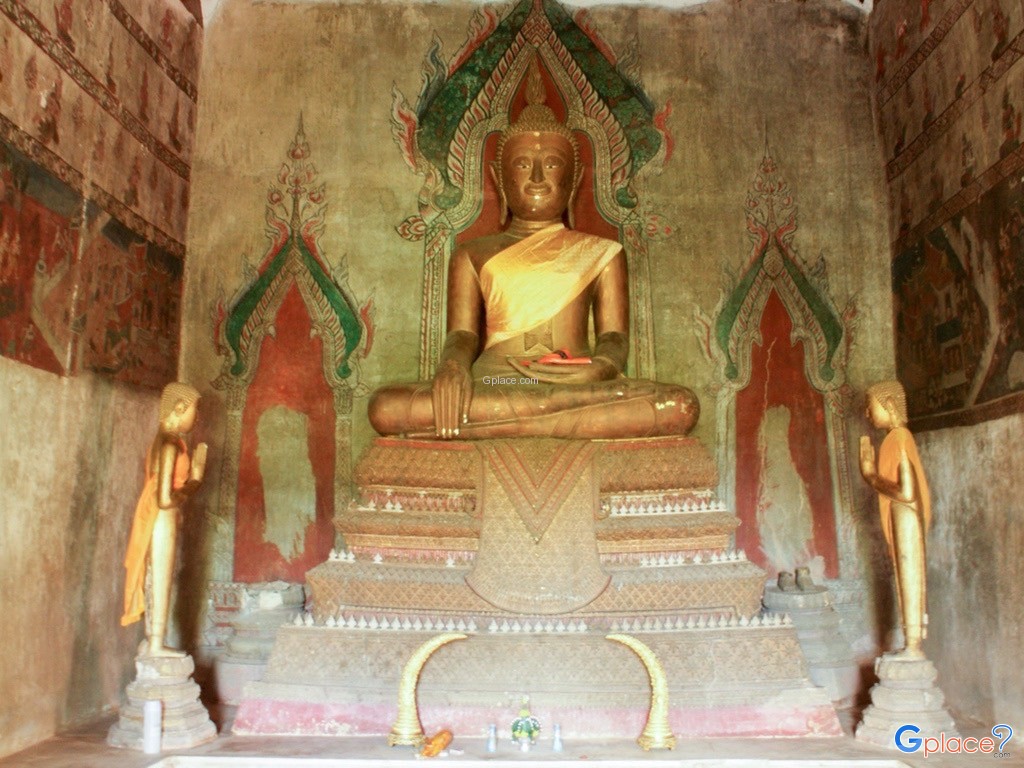

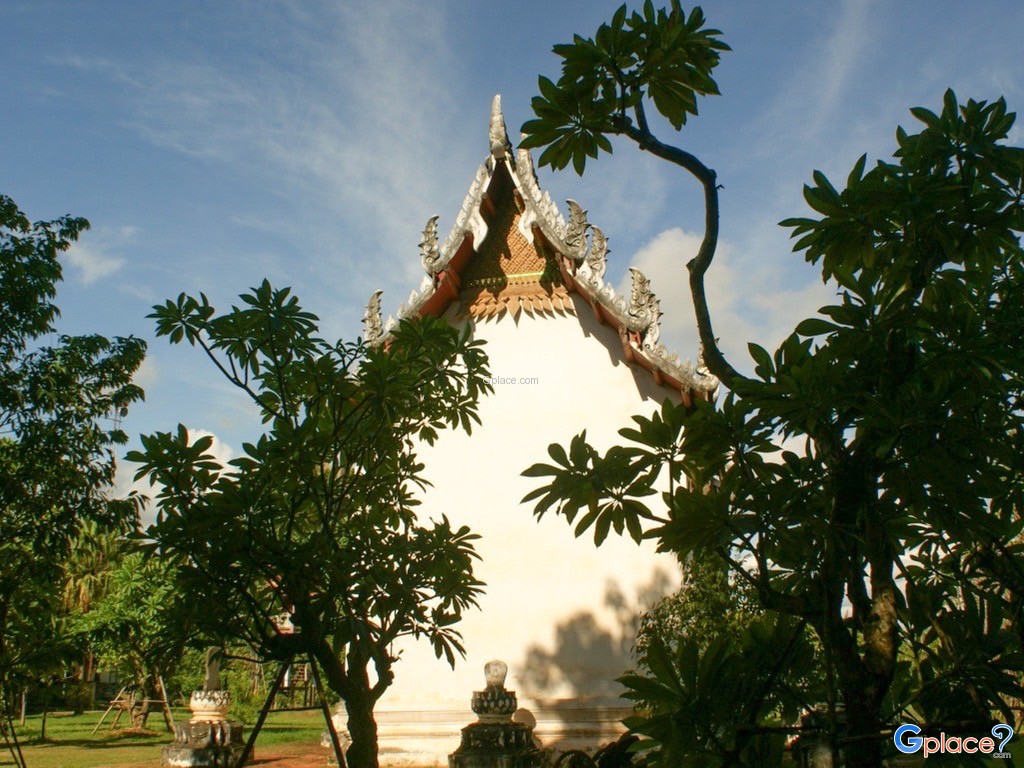
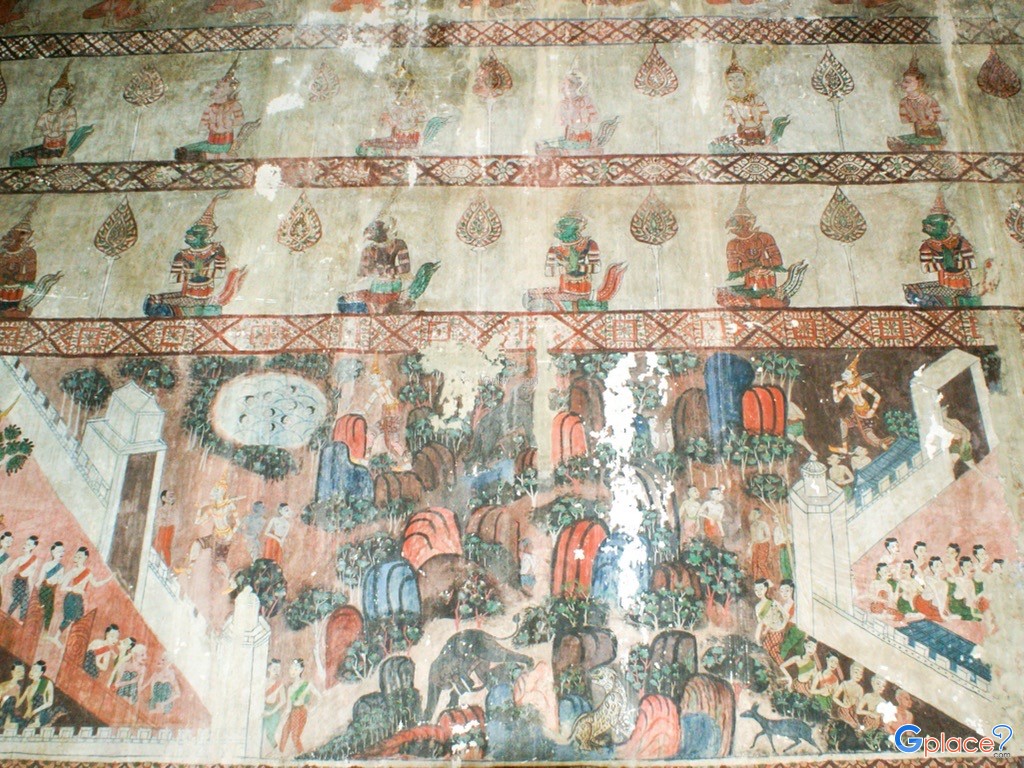
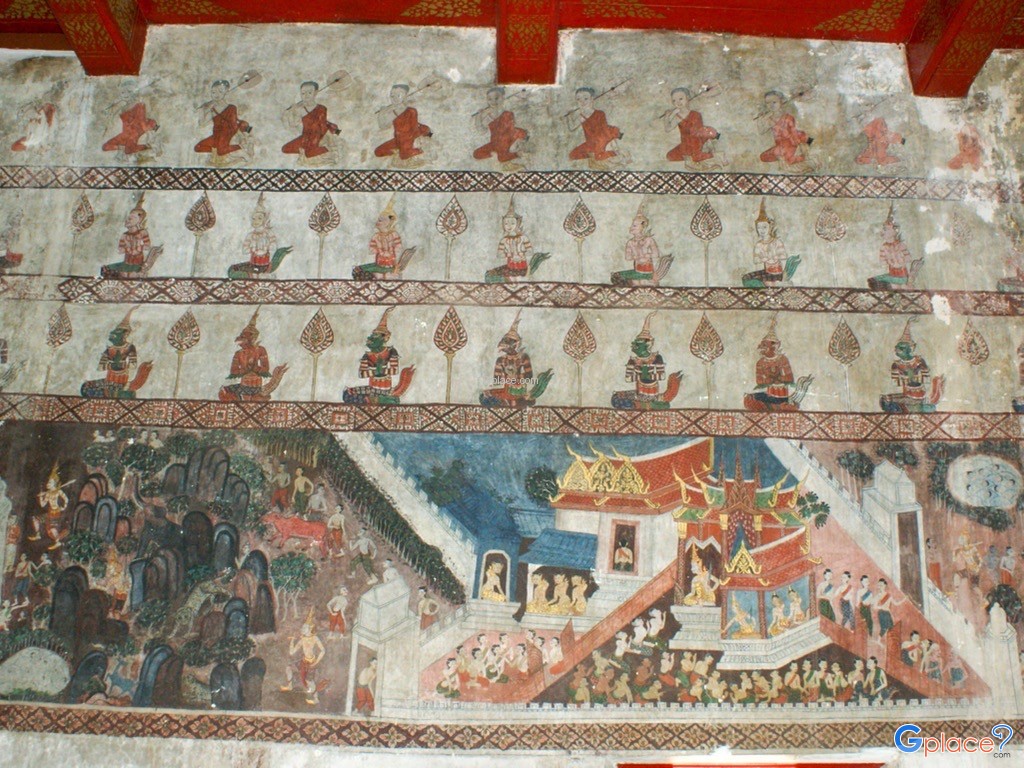
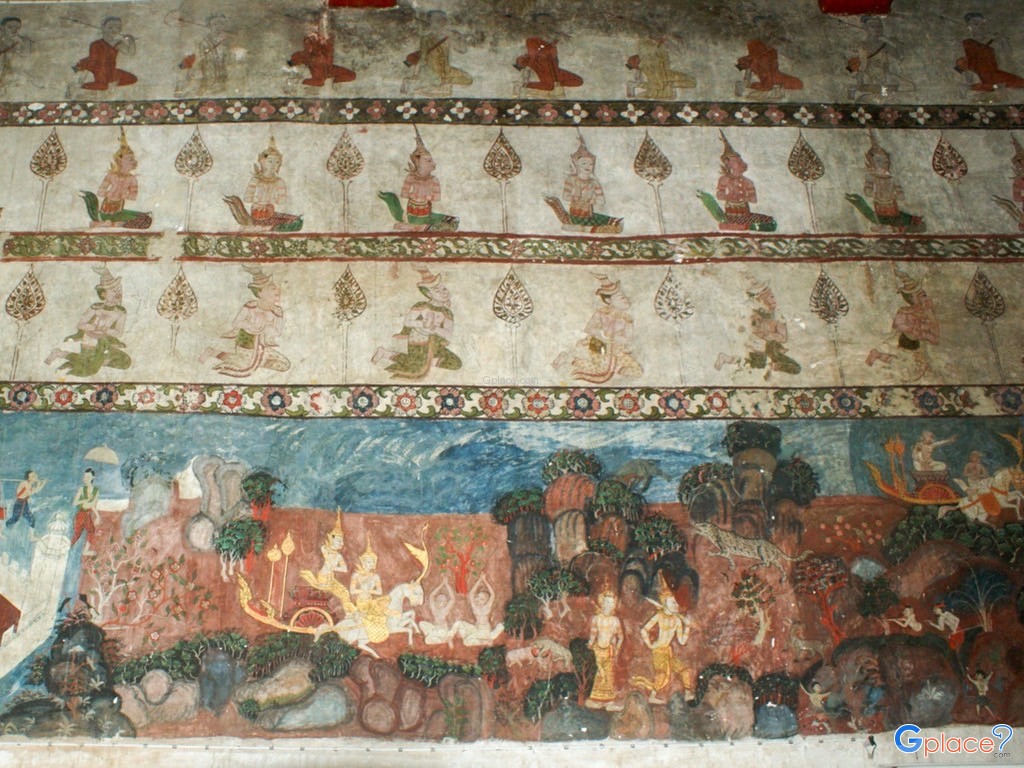
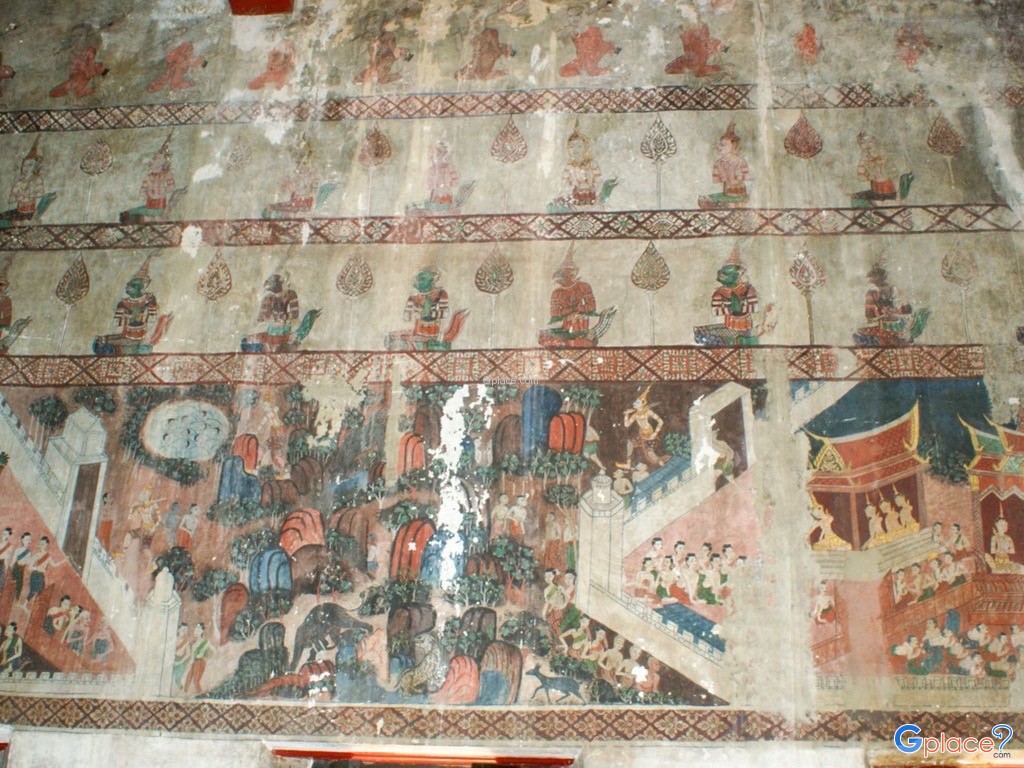
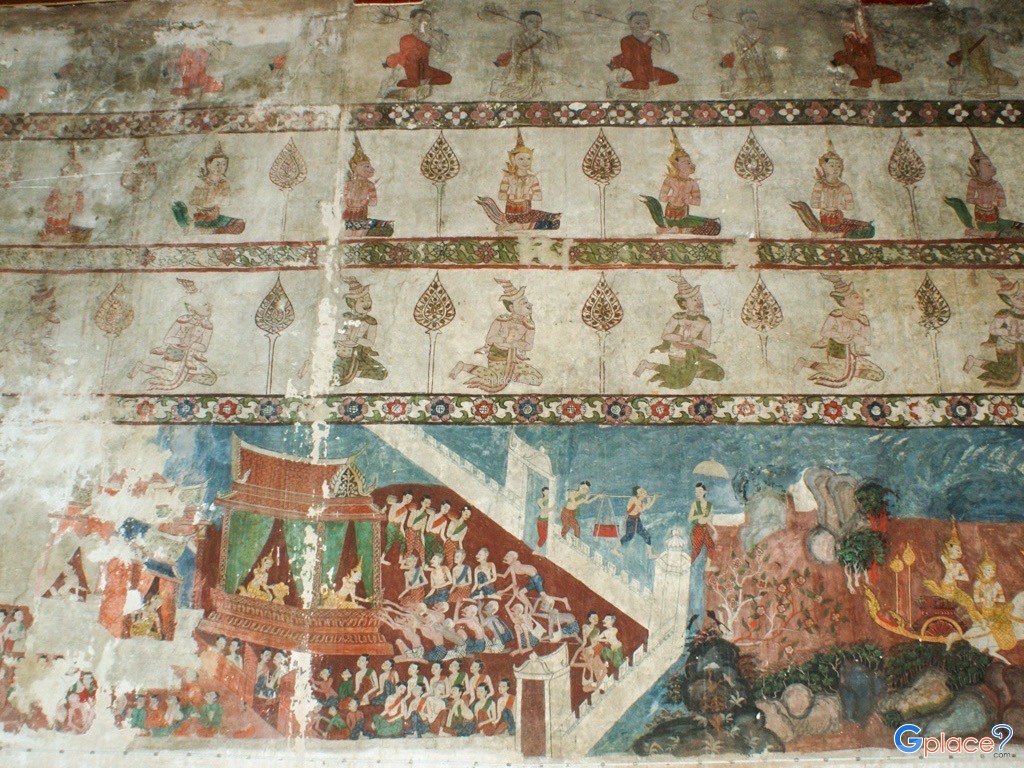
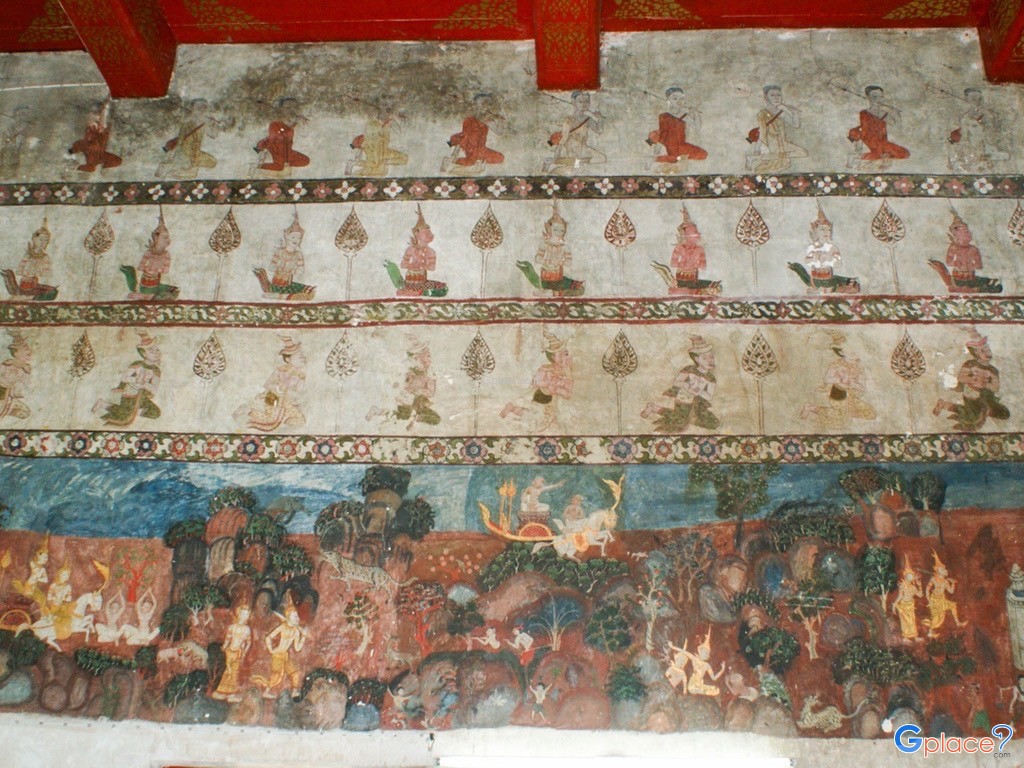
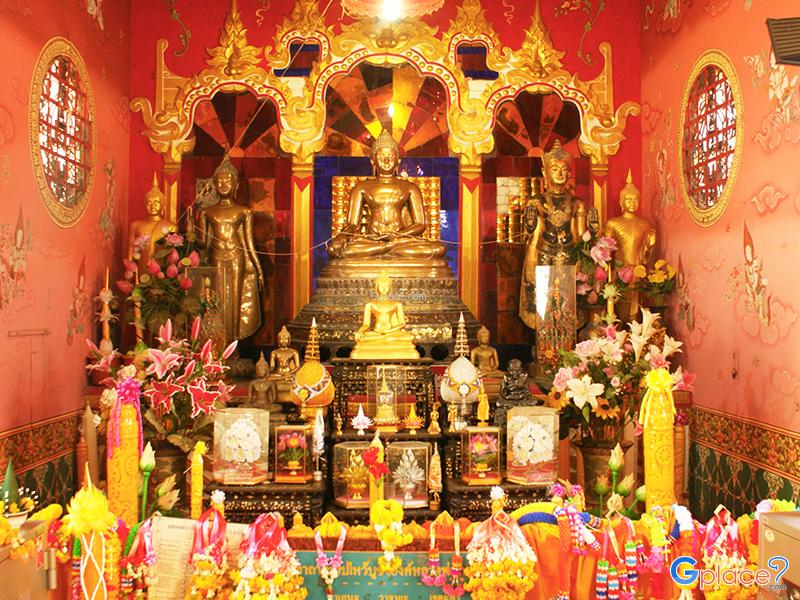
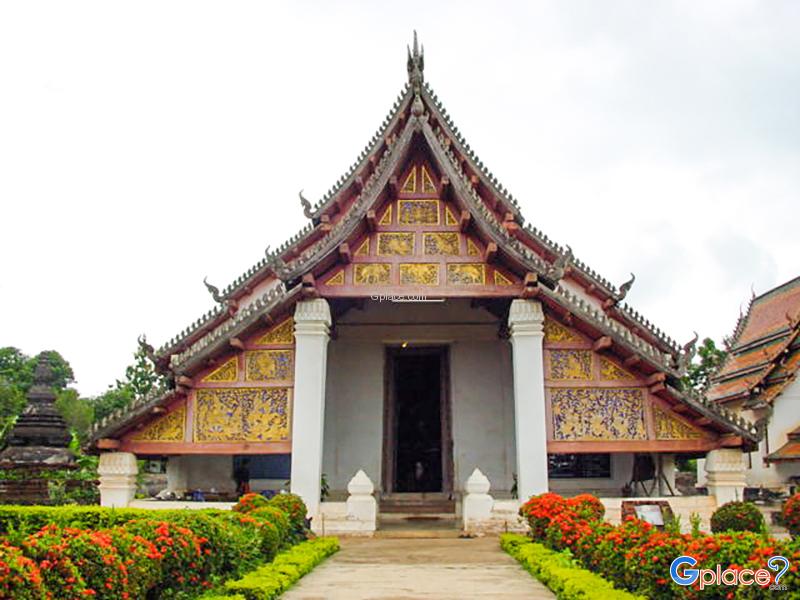
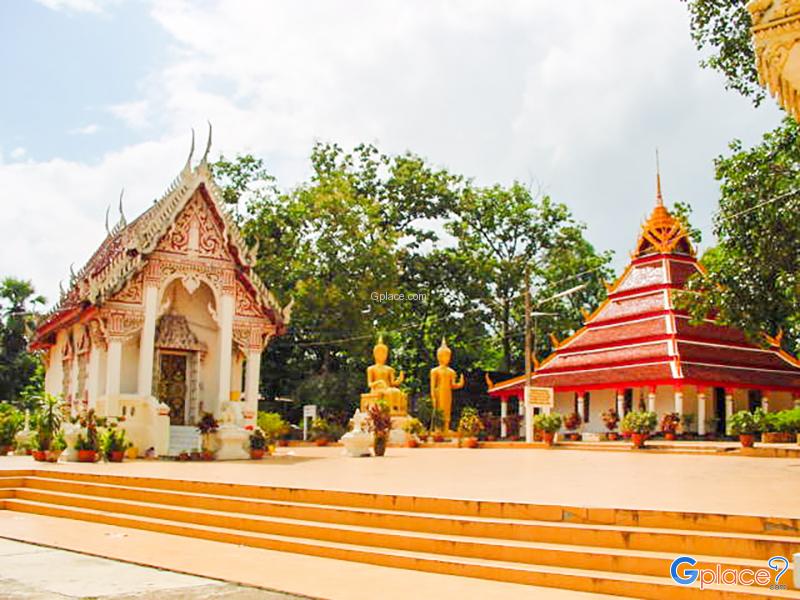
“Admire Luang Pho Yim, a stucco Buddha image with lacquer and gold leaf, blending early Rattanakosin and Luang Prabang Lao art. See rare mural paintings of the Vessantara Jataka and celestial assembly, intricate gable stucco work featuring Garuda and Naga with Thai-Chinese motifs, and a giant outdoor Buddha image with a 15-meter lap width.”
Wat Klang Tham Sakon (Wat Klang) was formerly known as Wat Photharam, an important ancient temple dating back to the late Ayutthaya period around 2285 B.E. It was granted the royal boundary consecration around 2300 B.E. Although the founder is unknown, its architectural style and location along the old Nan River reflect its historical role as a riverside community center and river transport stop.
The temple area was once part of an important water route leading to Phra That Si Aram, where people traveled mainly by boat. Wat Klang Tham Sakon served as a resting point and religious gathering site. When the river course changed over time, the old channel became a pond area in front of the temple, now known as “Bueng Nam Wat Klang”, preserving historical geography of the community.
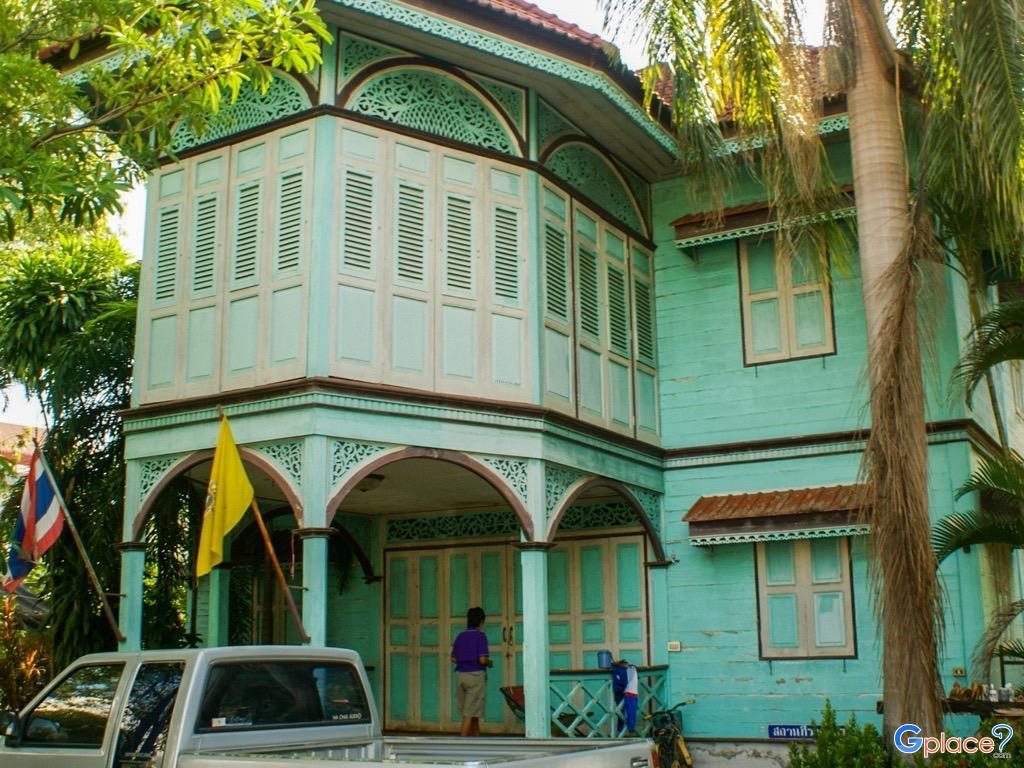
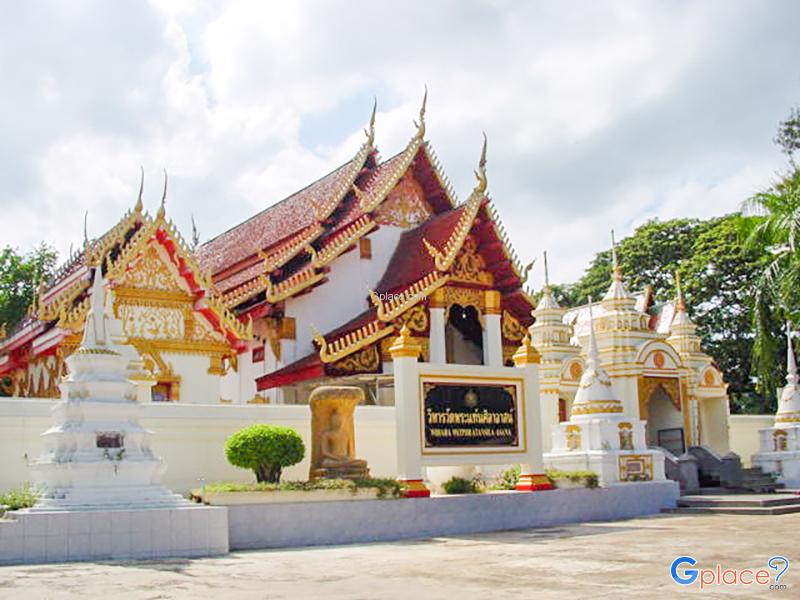
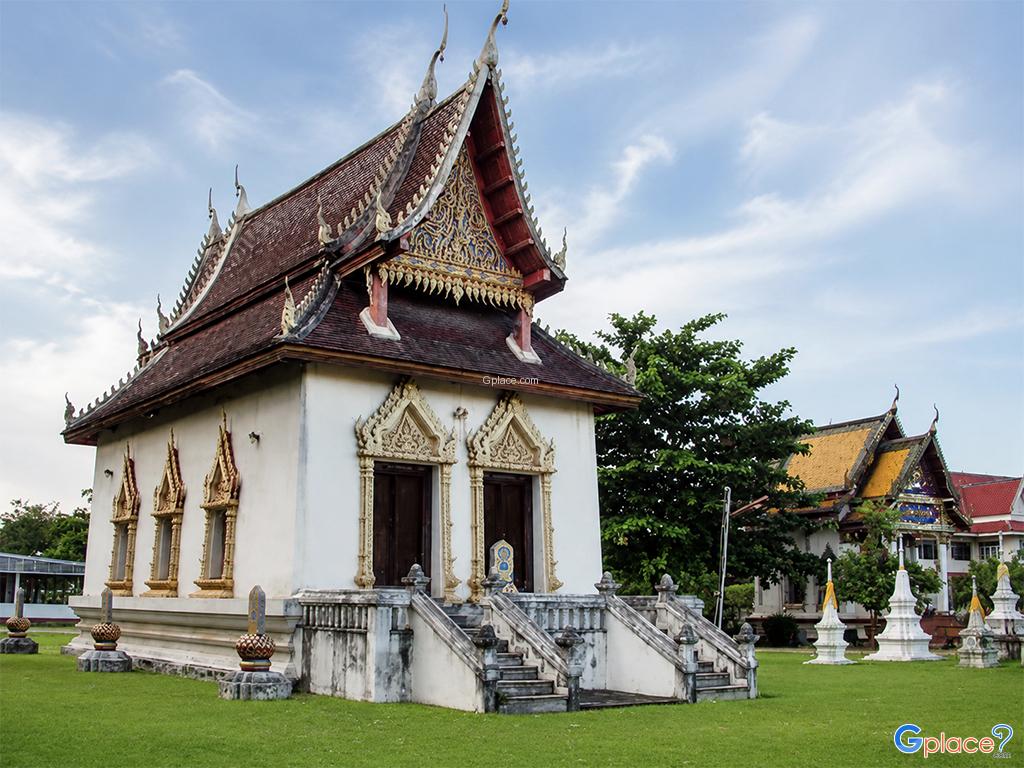
Architecturally, the temple was significantly restored during the reign of King Rama VII by a Chinese-descended abbot, resulting in a unique fusion of early Rattanakosin, Luang Prabang Lao, and Chinese artistic styles, visible in its detailed stucco and decorative elements.
Inside the ordination hall stands the principal Buddha image, a stucco Buddha covered with lacquer and gold leaf, featuring a serene and gentle expression. It is affectionately known as “Luang Pho Yim” (Smiling Buddha).
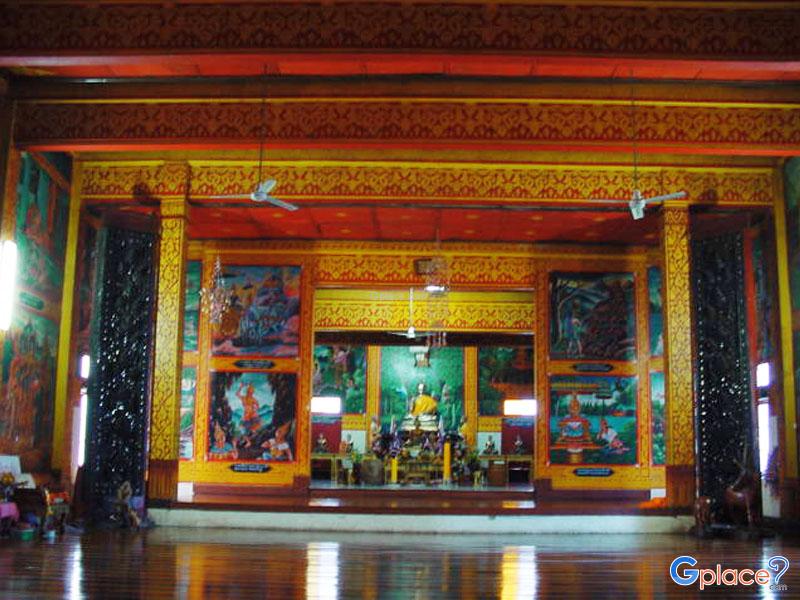
The interior also features early Rattanakosin mural paintings depicting the Vessantara Jataka and celestial assemblies, which remain relatively well-preserved and rare.
Architectural decoration includes finely crafted stucco elements such as spire finials, bargeboards, Naga tails, and mythical creatures, along with elaborate window and door frames. The gable features a carved wooden image of Garuda grasping a Naga, decorated with floral scrollwork and the royal emblem of King Rama II.
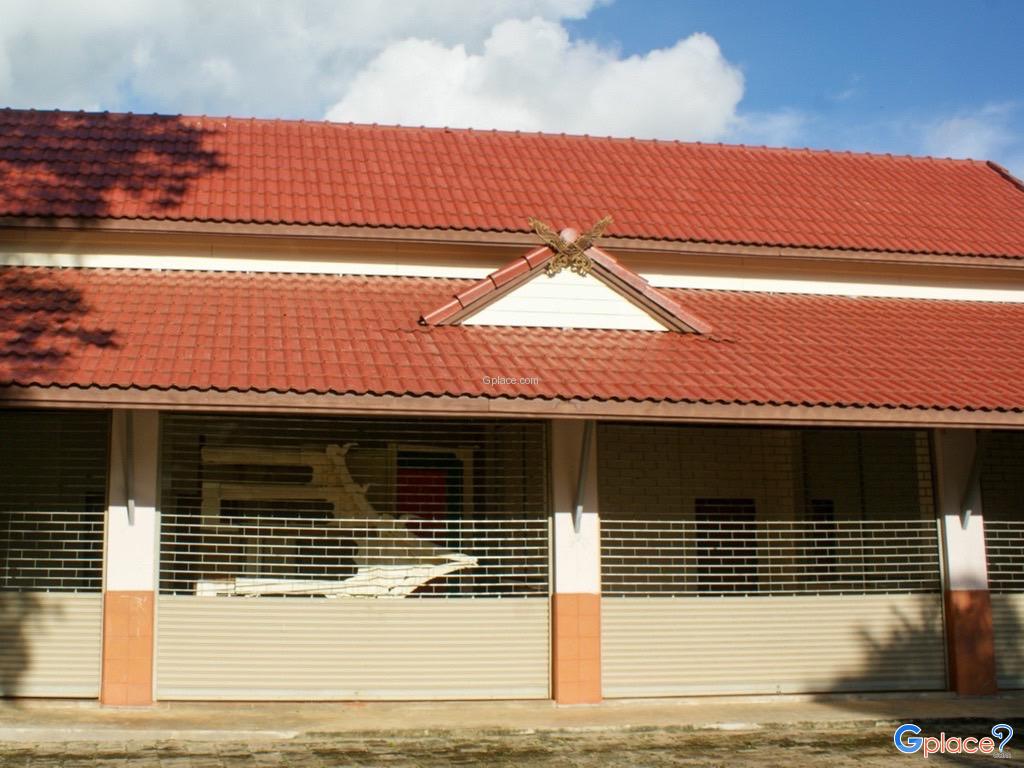
Under the base of the large Buddha image (Luang Pho To), there is a Buddha statue museum displaying Buddha images from the Dvaravati, Sukhothai, Ayutthaya, and Rattanakosin periods.
How to Get There
- By car: From Uttaradit city center, take the route to Ban Ko Subdistrict, cross the Nan River bridge, then continue straight into Ban Ko village. Clear signage is available along the route.
Travel Tips
- Recommended time: 09:00 – 11:00 AM for the best lighting on stucco artwork
- Walk around the Dharma courtyard and pond area
- Ideal for art, history, and photography lovers
- Spend time observing mural details closely
Admission Fee:
- Free (donations are welcome)
Opening Hours:
- Daily: 08:00 – 17:00
Wat Klang Tham Sakon

 Share
Share
 Ban Ko, Mueang, Uttaradit 53000
Map
Ban Ko, Mueang, Uttaradit 53000
Map
 Closed today
Mon8.00 - 17.00
Tue8.00 - 17.00
Wed8.00 - 17.00
Thu8.00 - 17.00
Fri8.00 - 17.00
Sat8.00 - 17.00
Sun8.00 - 17.00



 46
46