“ A rare Dvaravati-period boundary stone site over 1,200 years old, notable for its finely carved Buddhist biography and Jataka reliefs, and systematically displayed in a school-based museum. ”

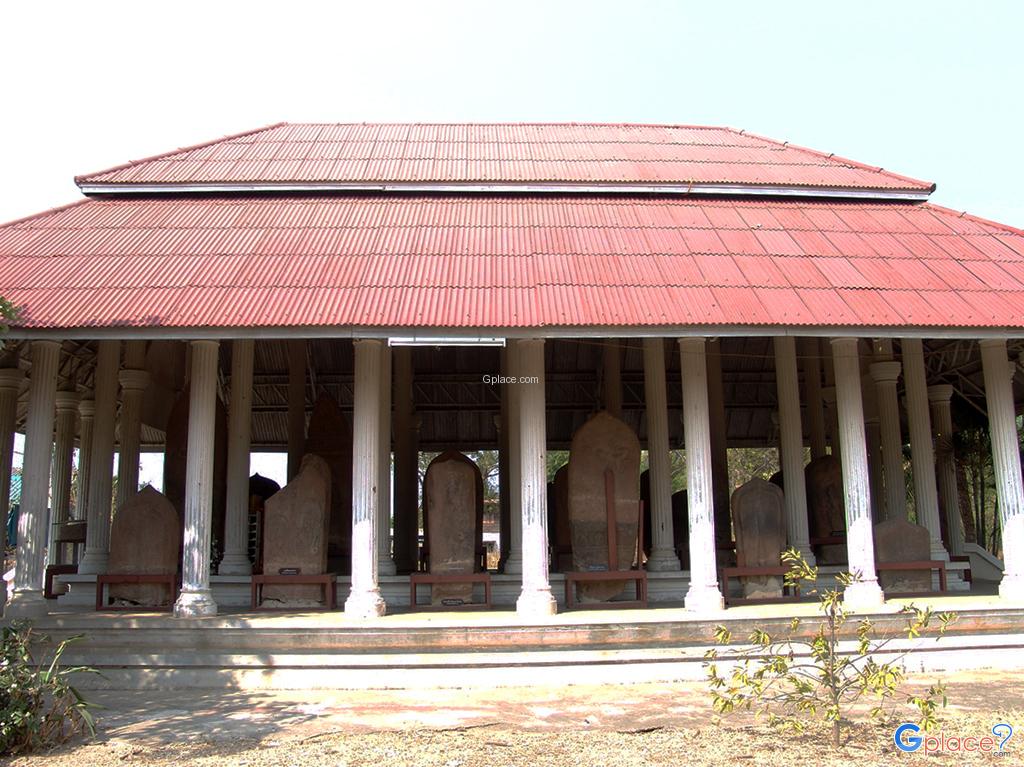
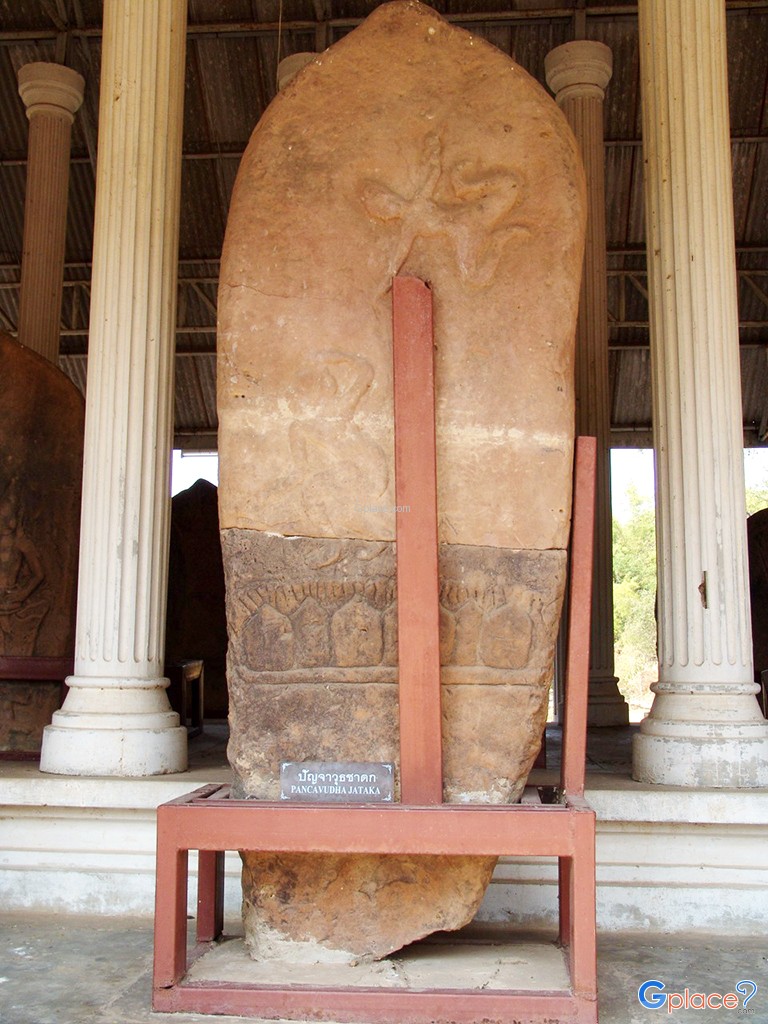
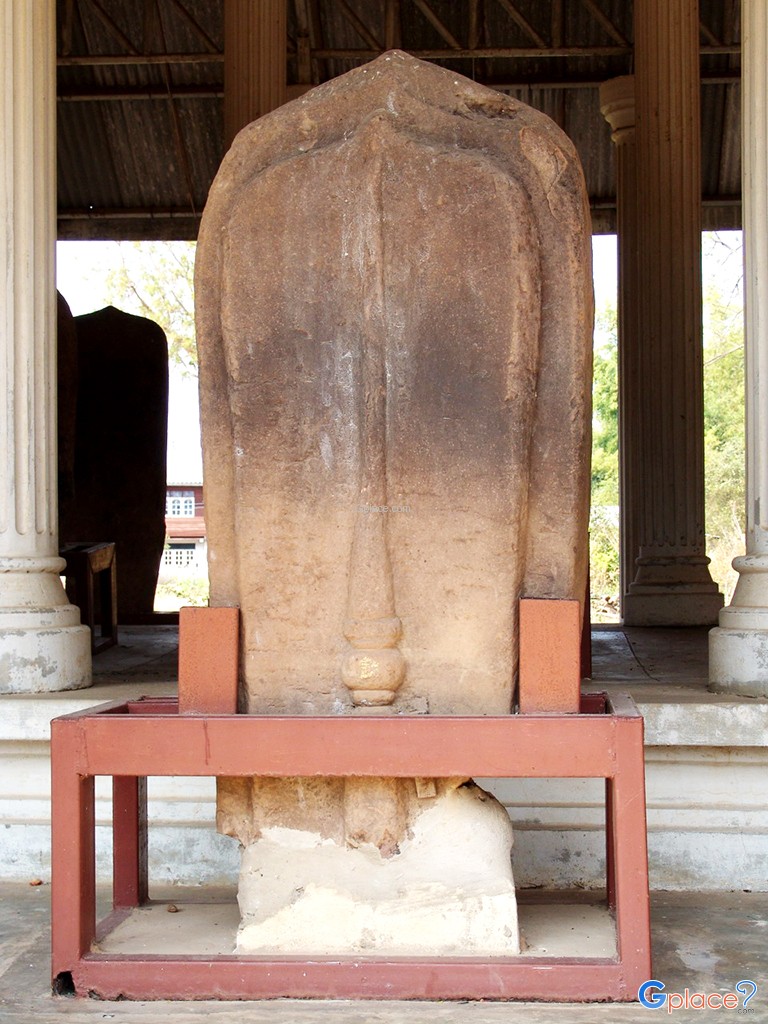
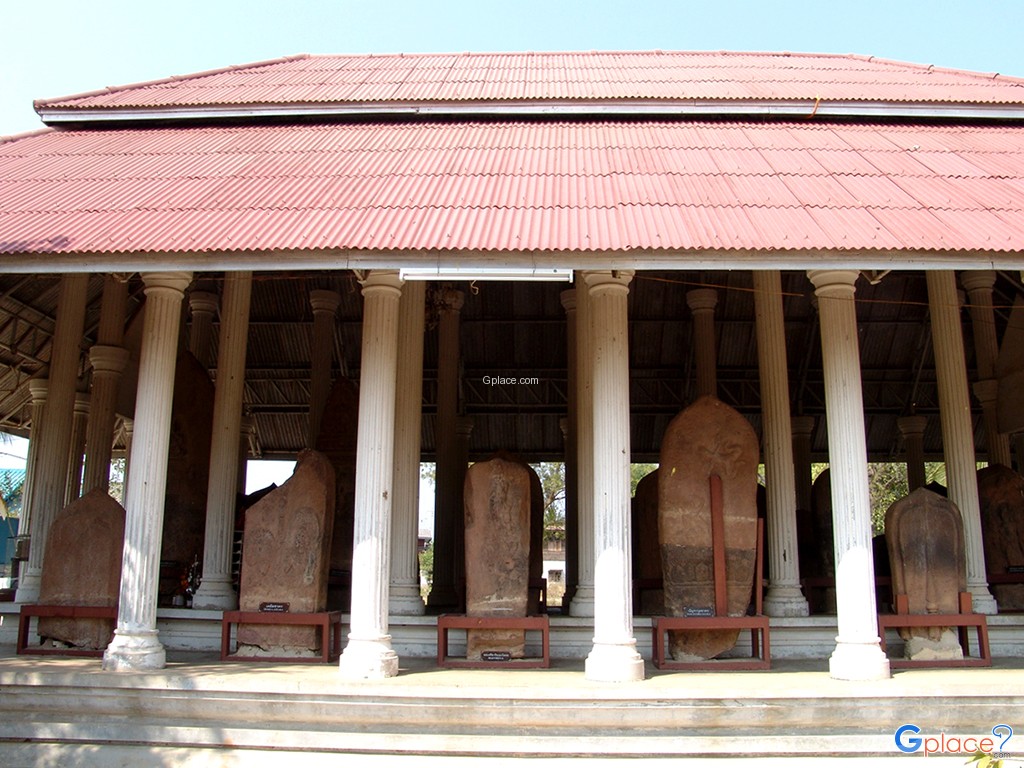
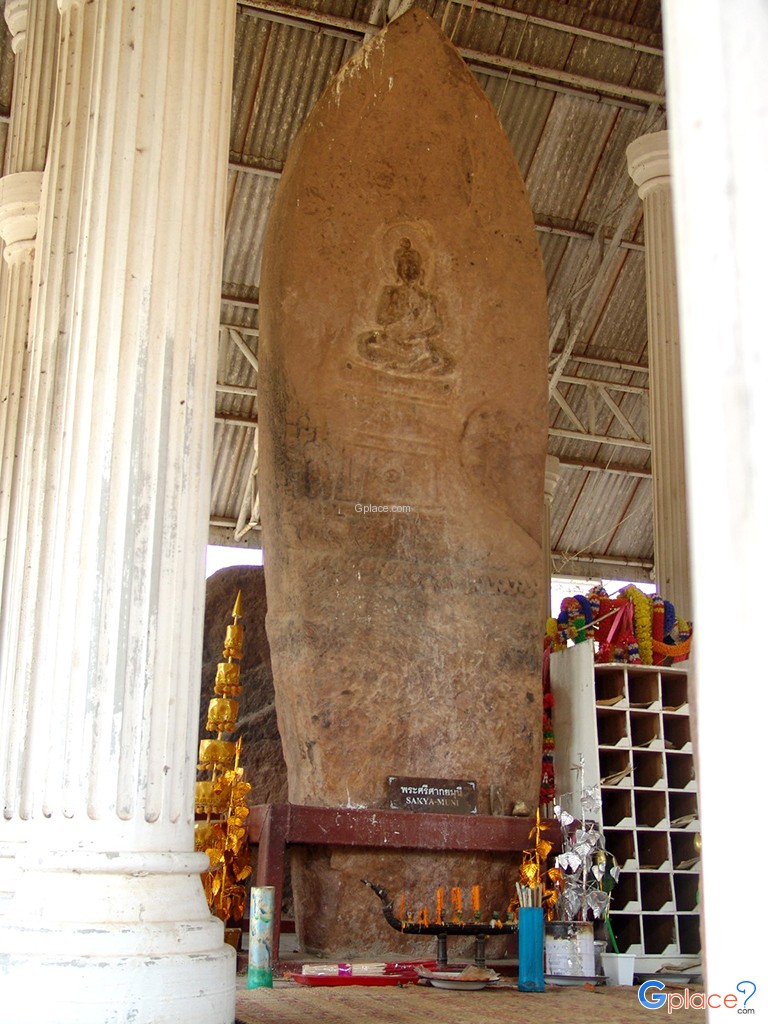
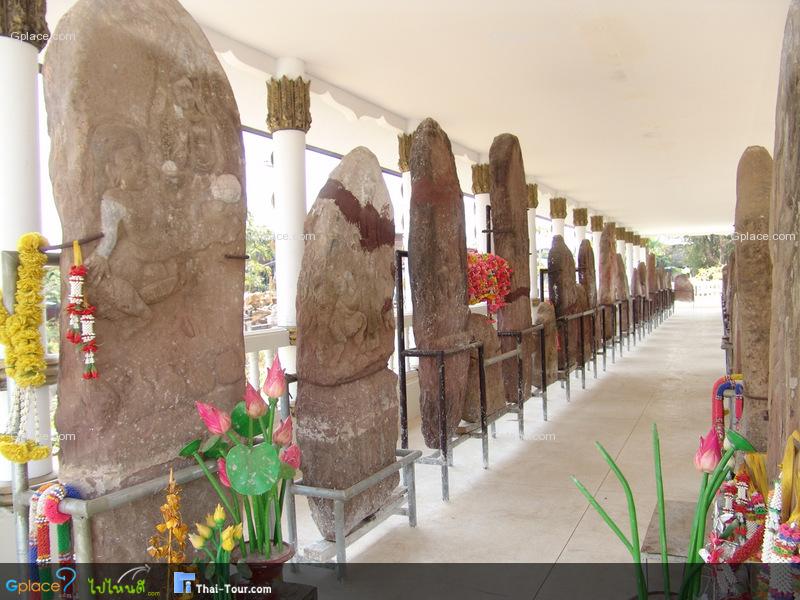
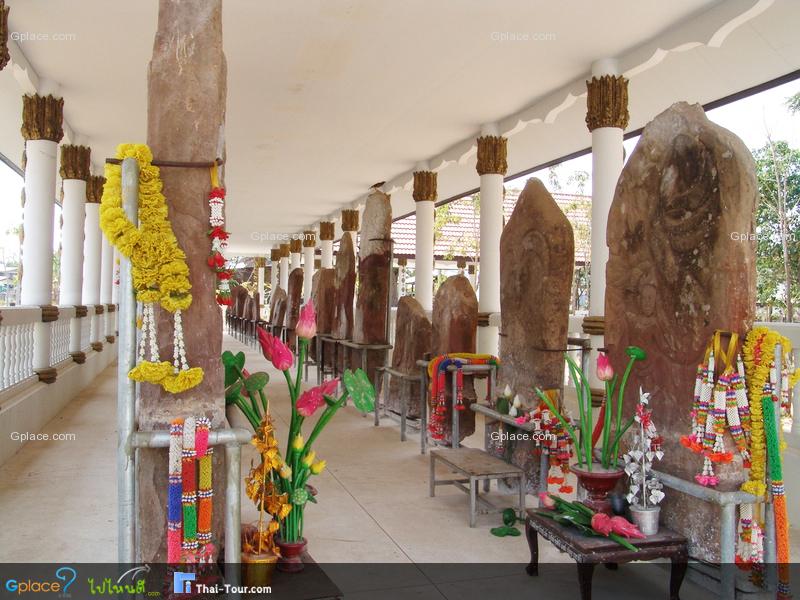
Bai Sema Ban Kut Ngong is an important group of archaeological artifacts in the Dvaravati art tradition of central northeastern Thailand, dating to approximately the 7th–11th centuries CE (around 1,200–1,400 years ago), and serves as clear evidence of the flourishing Buddhist communities in Chaiyaphum Province.The sema stones at this site were originally found scattered around Ban Kut Ngong village, indicating that the area was once a densely settled ancient community with multiple religious structures. Later, the local community, in cooperation with the Fine Arts Department, collected and preserved these artifacts within Ban Kut Ngong School, transforming the area into a valuable community museum for education and cultural heritage.Most of the sema stones are made from locally sourced sandstone and appear in both slab and pillar-like forms. They were traditionally used as boundary markers defining the sacred precinct (Buddhist ordination hall area) of ancient temples, reflecting a well-structured concept of sacred space in Dvaravati Buddhist society.

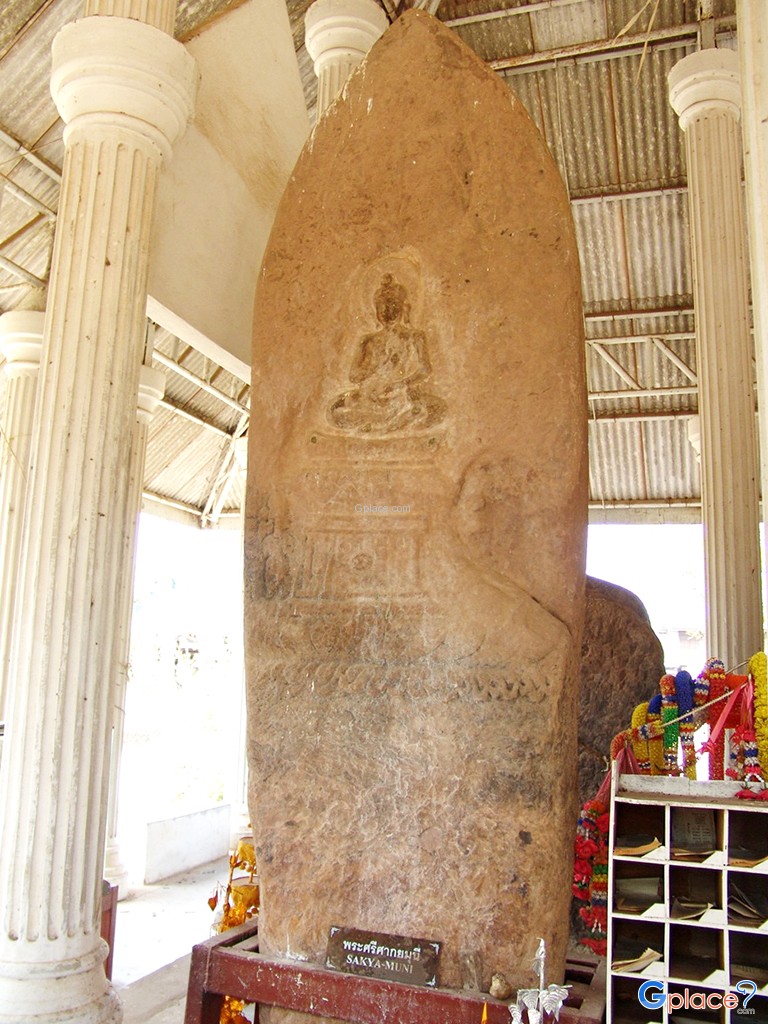
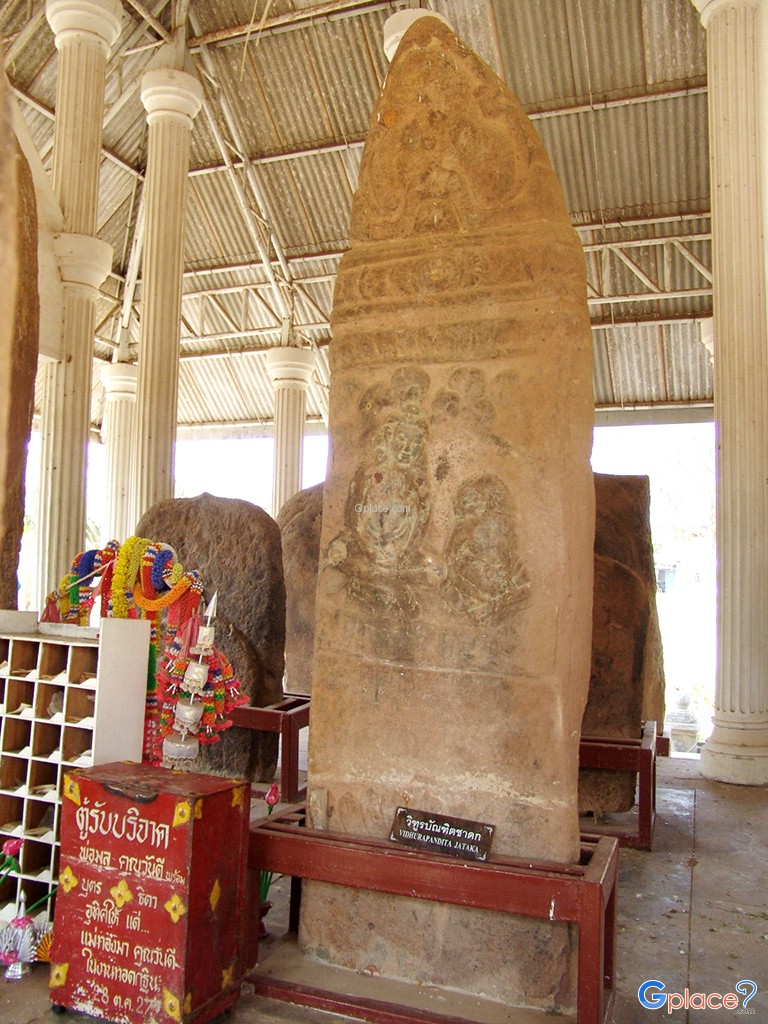
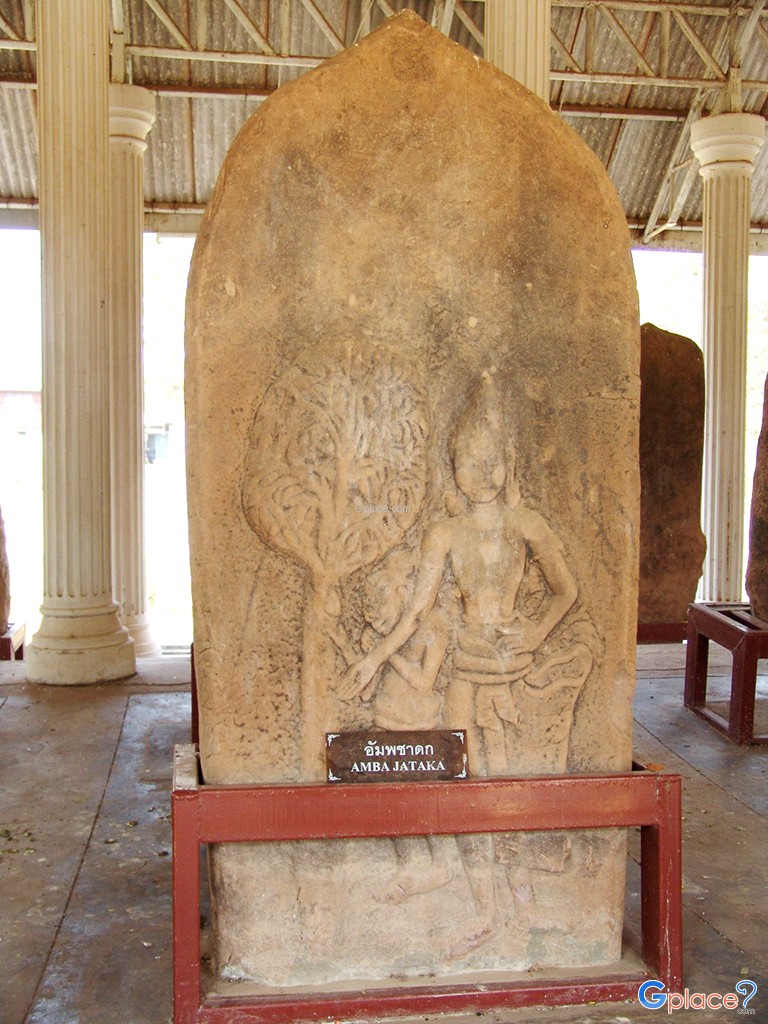
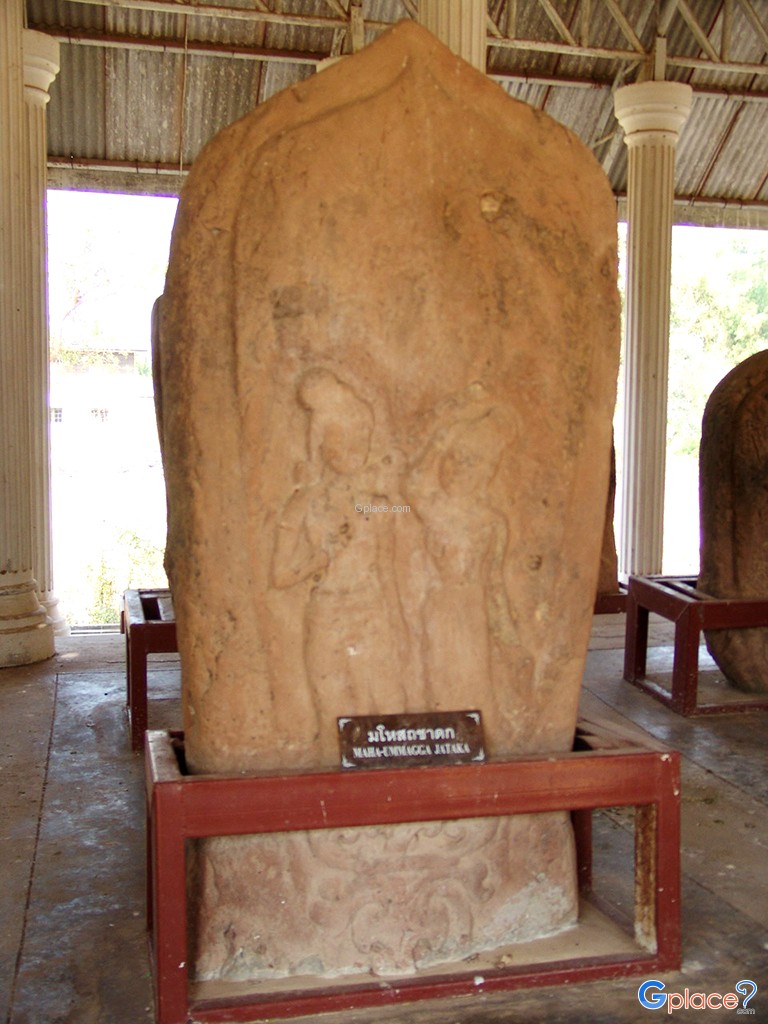
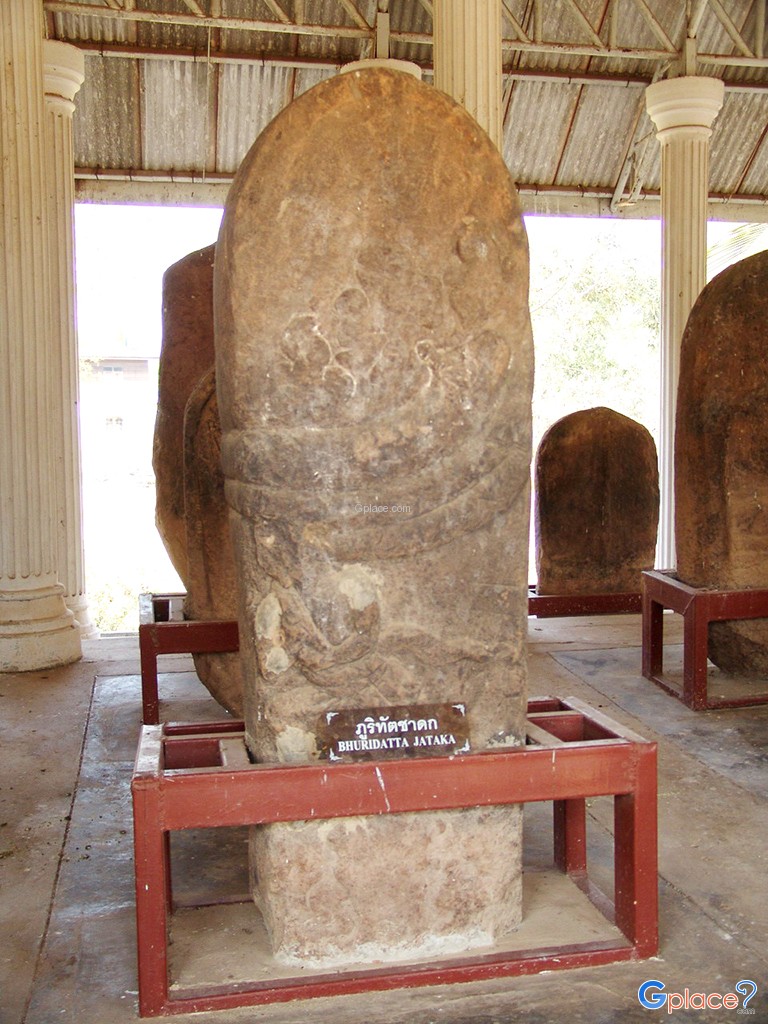
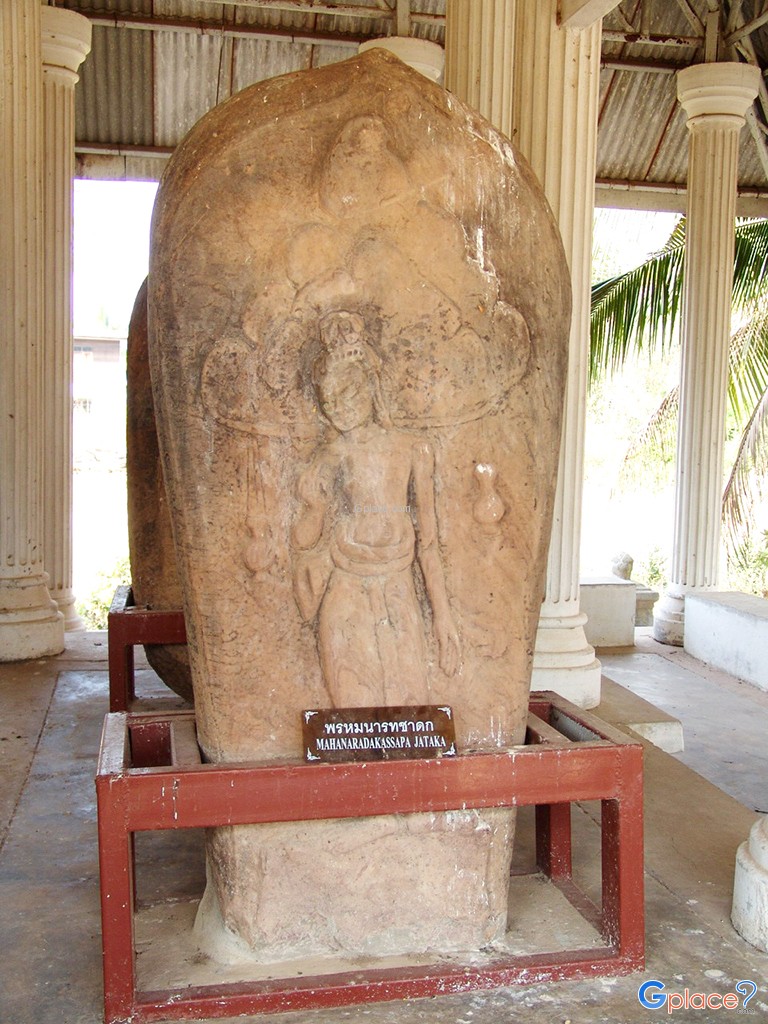
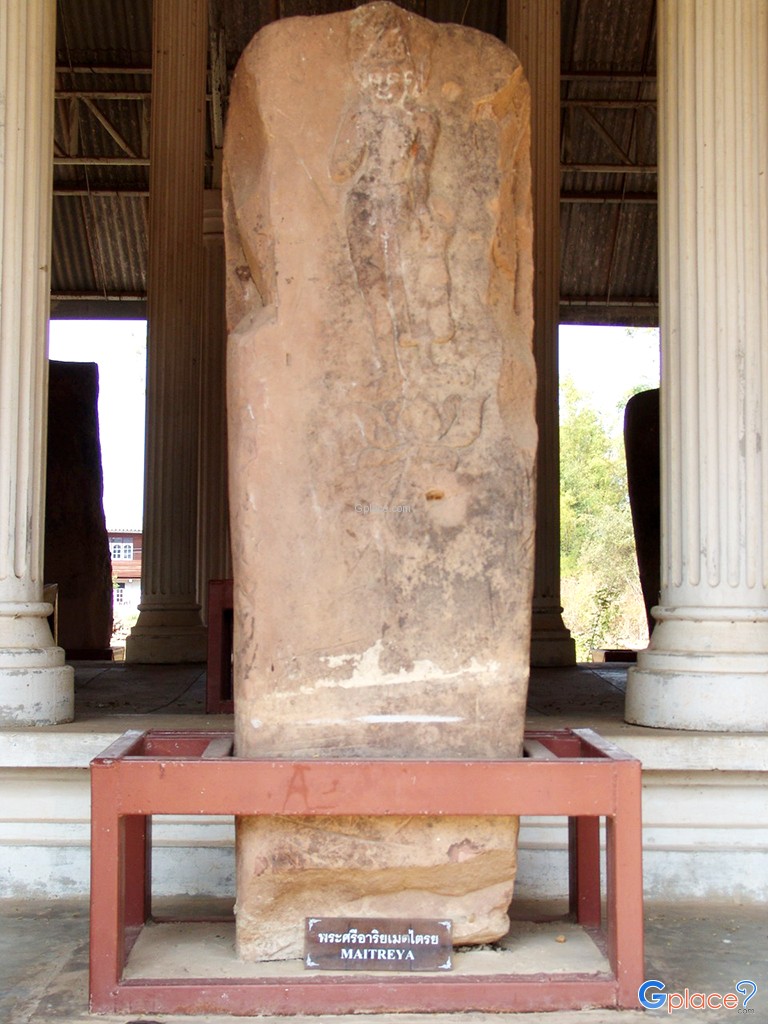
What makes Bai Sema Ban Kut Ngong particularly distinctive is its finely detailed bas-relief carvings. These often depict scenes from the life of the Buddha, such as the descent from Tavatimsa Heaven, the Buddha’s victory over Mara, and other key events from his life, reflecting the deep religious devotion and artistic sophistication of craftsmen of the period.In addition to Buddhist biography scenes, Jataka tales such as the Vessantara and Mahajanaka stories are also depicted in a narrative relief style, arranged sequentially so that the stones function almost like visual storytelling panels or “stone picture books” of ancient Buddhist literature. Artistically, these sema stones demonstrate a blend of classical Dvaravati influences from the Chao Phraya River basin and local northeastern artistic traditions, resulting in a unique regional style characterized by strong yet refined carving techniques and expressive compositions.Important Buddhist symbols such as the Dharmachakra (Wheel of Dharma), stupas, and chedis also appear frequently, representing the propagation of Buddhist teachings and the sacred cosmological worldview of the period.

The discovery of these sema stones was not initially the result of formal excavation but rather accidental findings by local villagers during agricultural activities. This later led to systematic collection and preservation efforts involving the community and government agencies, making it a model example of community-based heritage conservation.Today, the site functions as a school-based museum, serving as an important learning center for students, researchers, and visitors interested in history and art. The artifacts are systematically displayed with explanatory information to help visitors understand their historical and cultural context.Overall, Bai Sema Ban Kut Ngong stands as significant evidence that present-day Chaiyaphum was once an important religious and cultural center during the Dvaravati period, with a highly developed Buddhist society, artistic tradition, and community structure whose heritage continues to hold great historical value today.


How to Get There
  • By car: From Chaiyaphum city, take Highway 202 (Chaiyaphum–Bua Yai) for about 12 km to Kut Tum Subdistrict. Then turn into Ban Kut Ngong village and continue for another 1–2 km to reach Ban Kut Ngong School.
  • By public transport: Take a local songthaew or public minibus on the Chaiyaphum–Kut Tum route. Get off at the village entrance, then continue by motorcycle taxi to the school.

Travel Tips
  • Bai Sema Ban Kut Ngong is located inside a school, so visitors should request permission from staff before entering, especially on weekdays.
  • Avoid touching the sandstone sema stones directly, as sweat and moisture can damage the ancient carvings.
  • Wear comfortable walking shoes, as the museum and exhibition areas require short walks within the school grounds.
  • Bring drinking water and an umbrella or sun protection, as outdoor areas can be hot during midday.
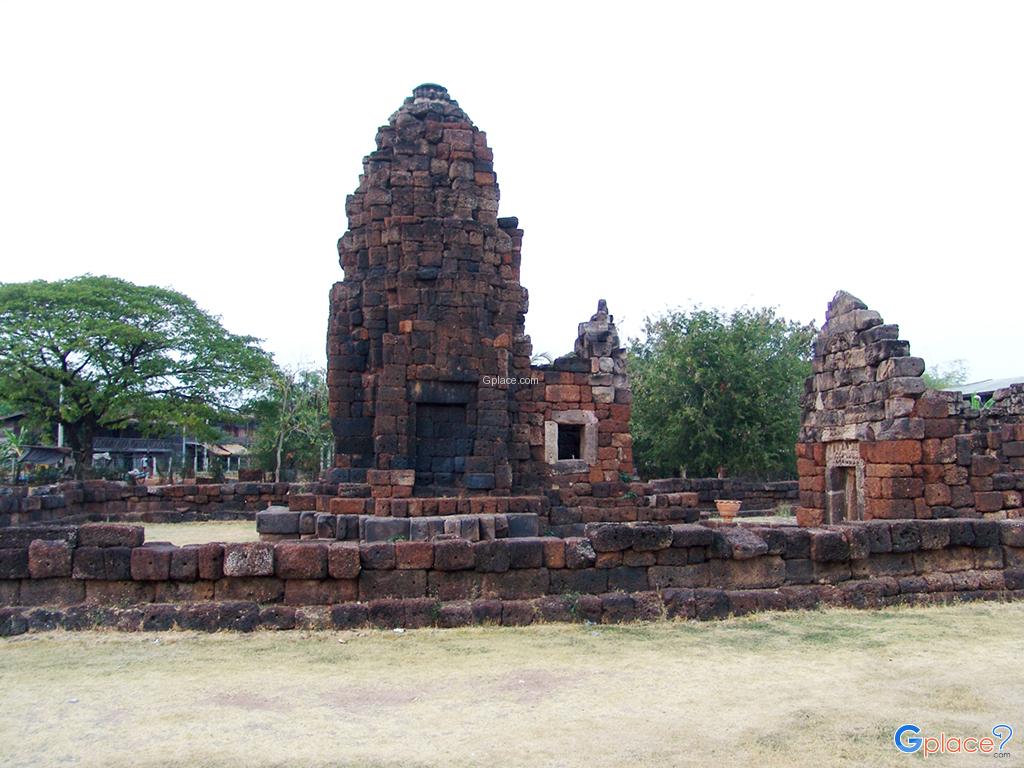
  • You can combine your visit with nearby historical attractions such as Phra That Nong Sam Muen or other cultural sites in Chaiyaphum to make the trip more worthwhile.

Admission Fee:

  • Free of charge (donations for maintenance are welcome according to visitor’s discretion)

Opening Hours:

  • Open daily from 08:30 – 16:30

Bai Sema Ban Kut Ngong

Share

Tambon Bung Khla, Mueang Chaiyaphum, Chaiyaphum 36000 Map

List 0 review | art & culture,attractions,Place of worship,place,Culture Hall

Open now : 8.30 - 16.30

Mon8.30 - 16.30
Tue8.30 - 16.30
Wed8.30 - 16.30
Thu8.30 - 16.30
Fri8.30 - 16.30
Sat8.30 - 16.30
Sun8.30 - 16.30


n/a

10

Recommend trips

Manage your trips

Delete

All reviews

(List 0 review)

Nearby Places

Prang Ku Prang Ku

(List 0 review)

Distance 7.42 Kilometer

Last visit

Phra Phutthabat Phu Faed Phra Phutthabat Phu Faed (List 0 review)
Huai Kum Dam Huai Kum Dam (List 0 review)