 Attractions
  Hotel
Hotel  Restaurant
  Shopping
  Abroad





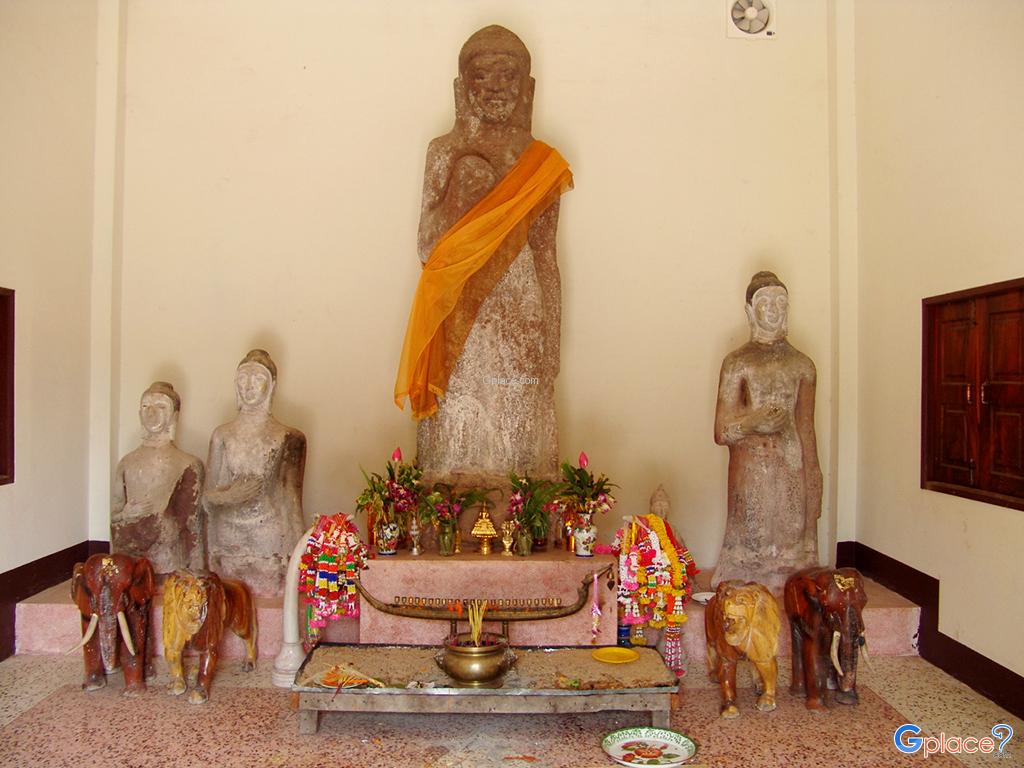


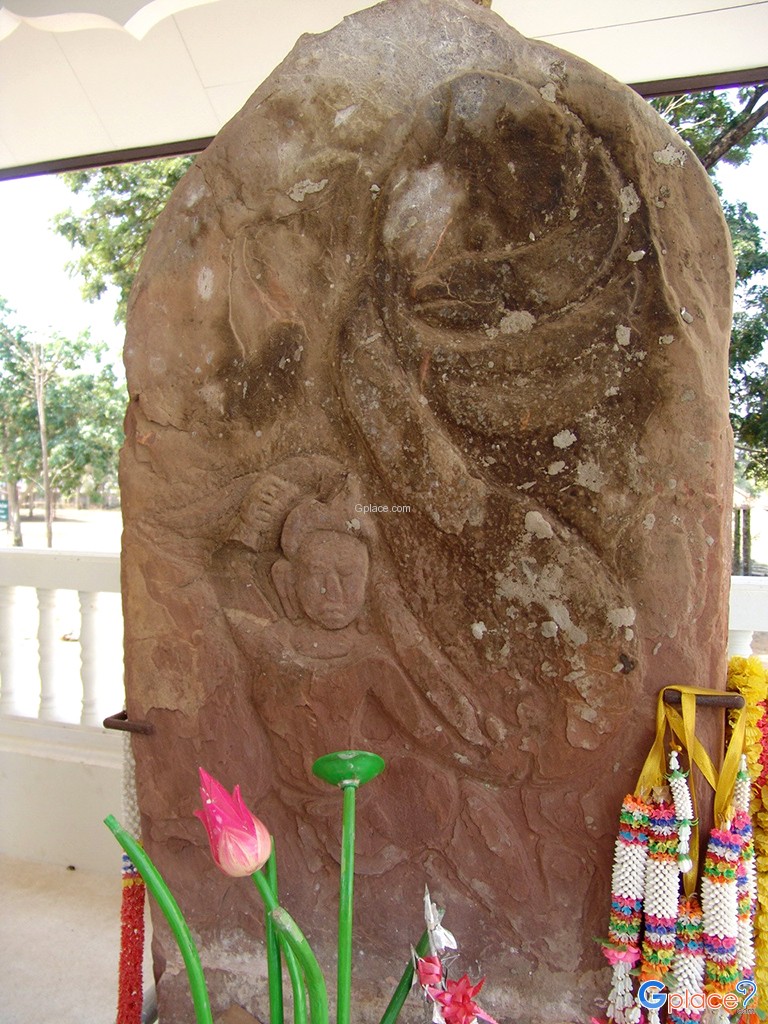
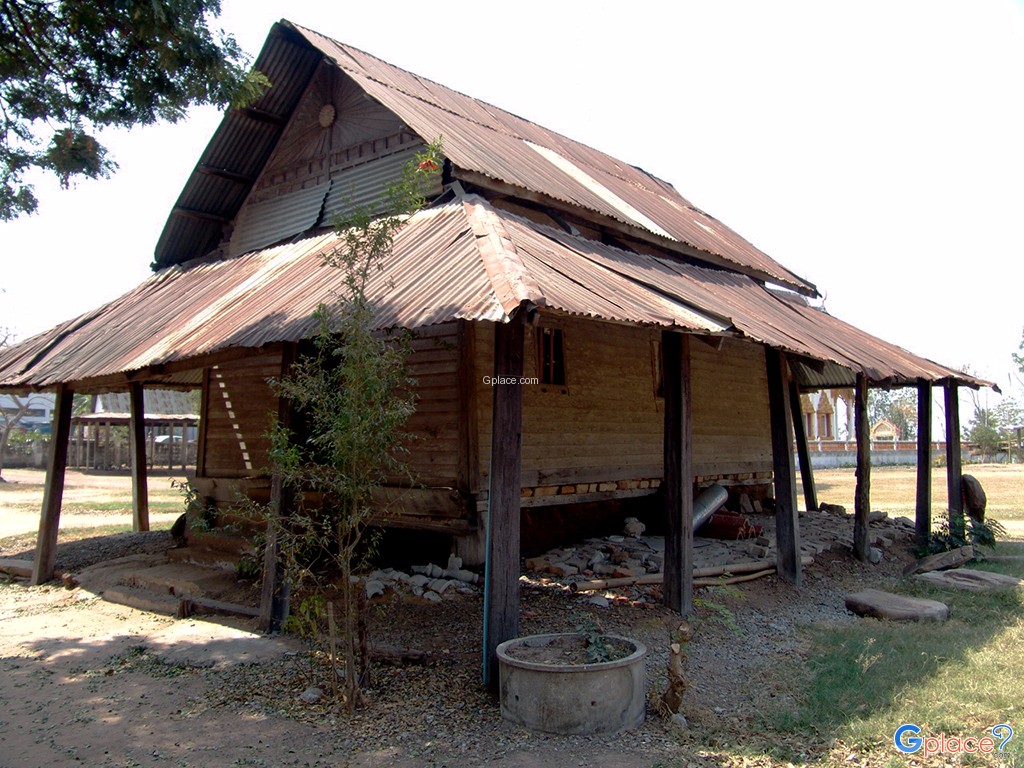
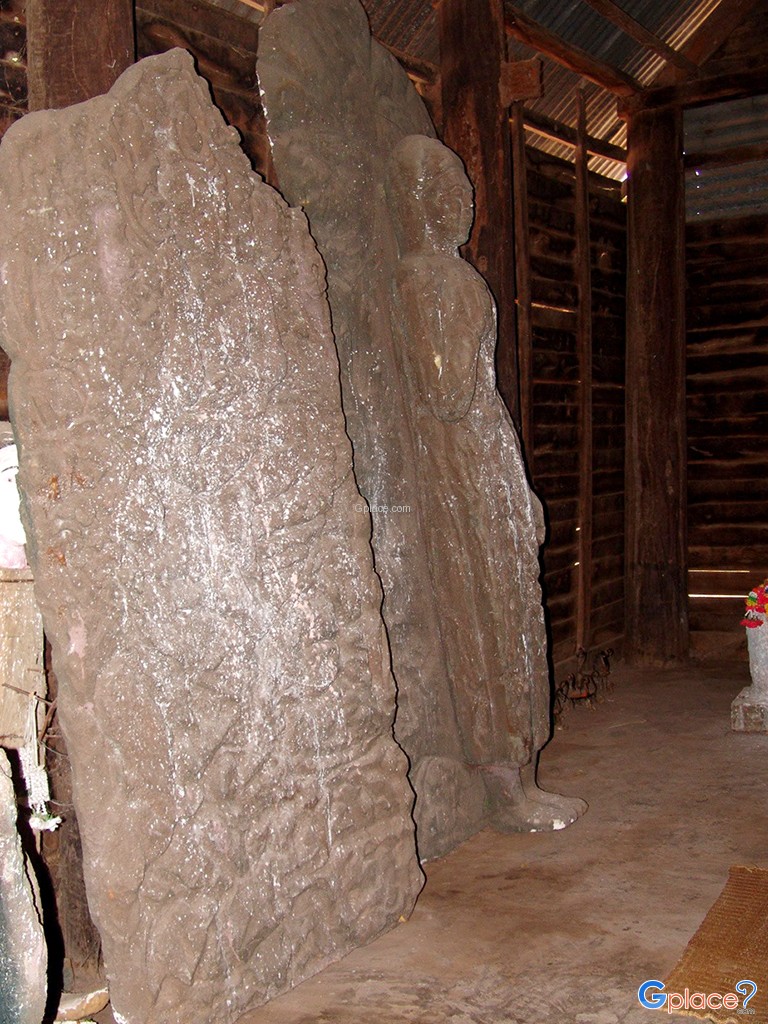
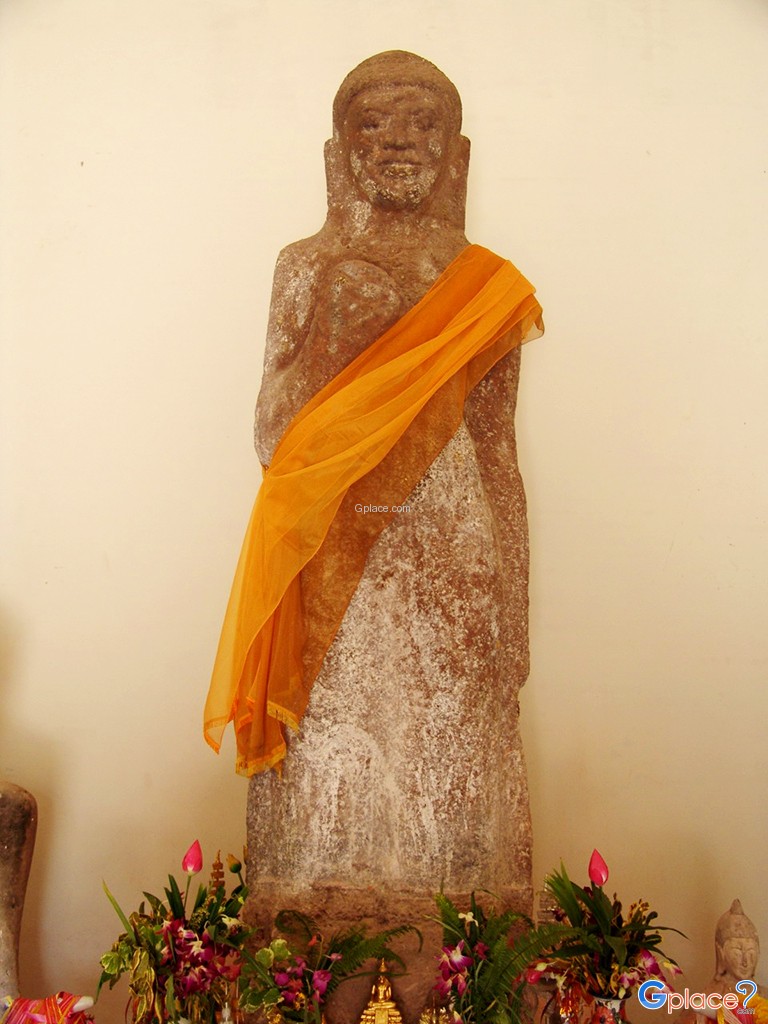
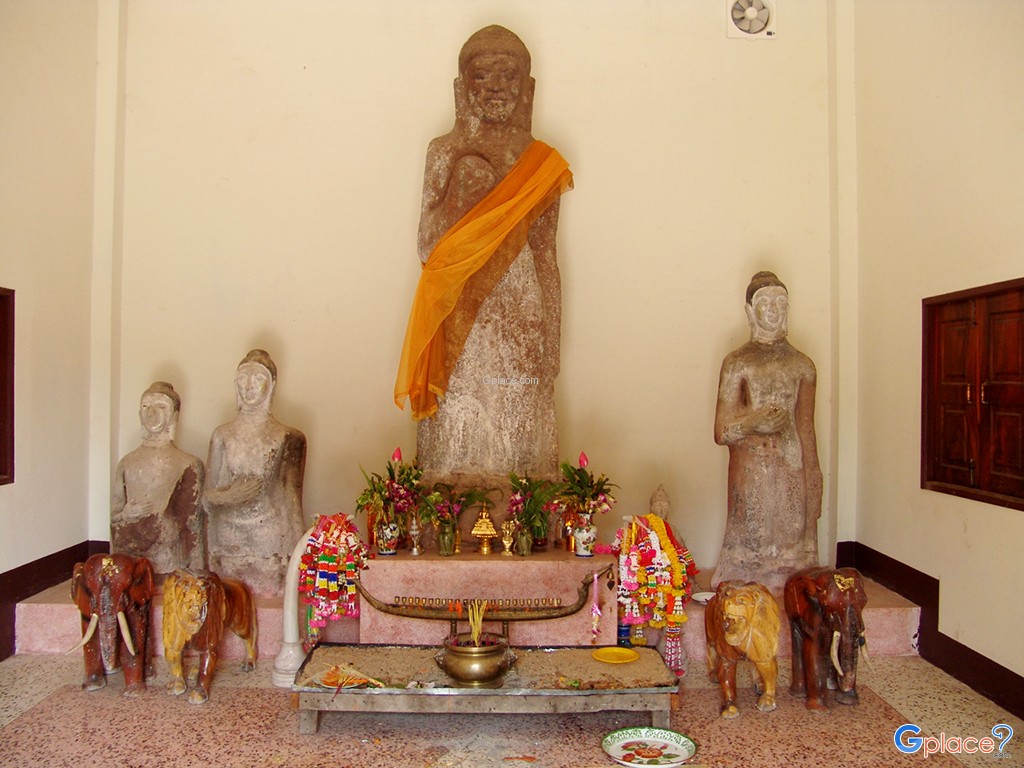
“The large Dvaravati-period Buddha is a sandstone carved Buddha statue with a magnificent and well-proportioned form. It was created during the Dvaravati period and is locally known as ‘Luang Pho Yai.”
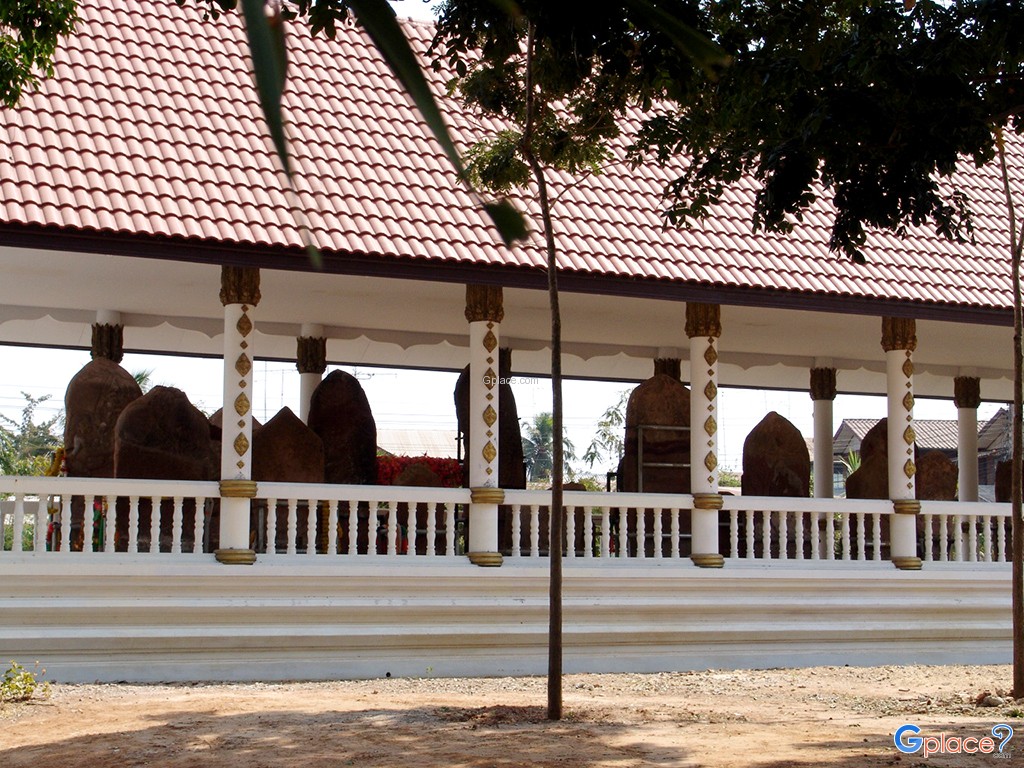
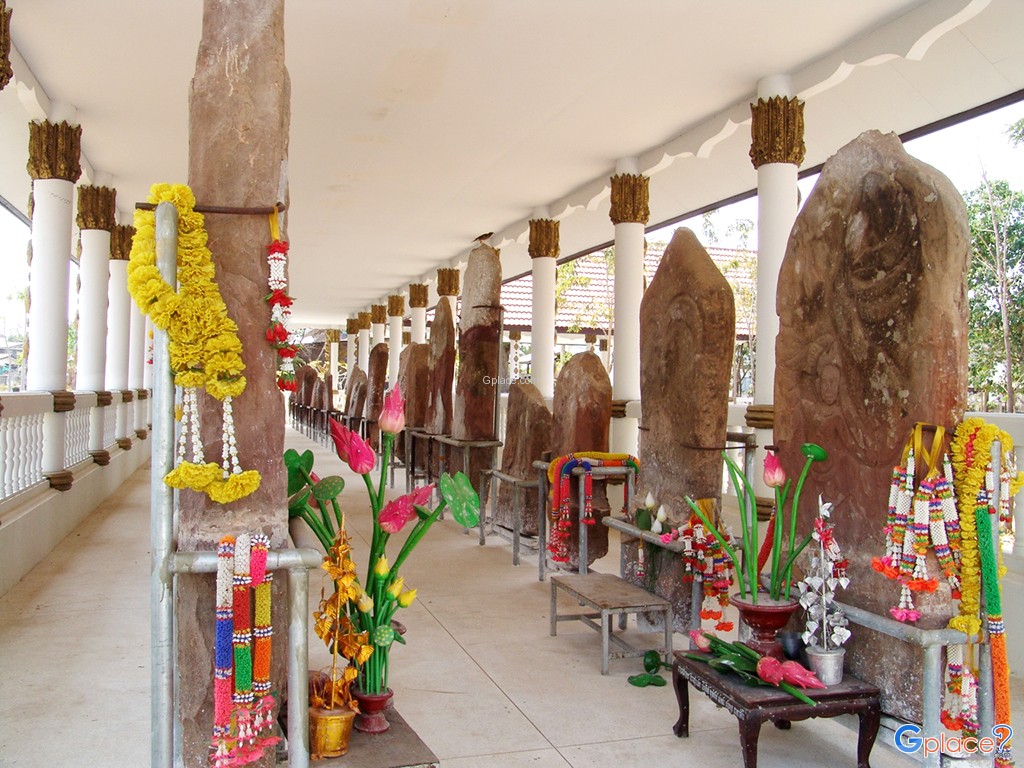
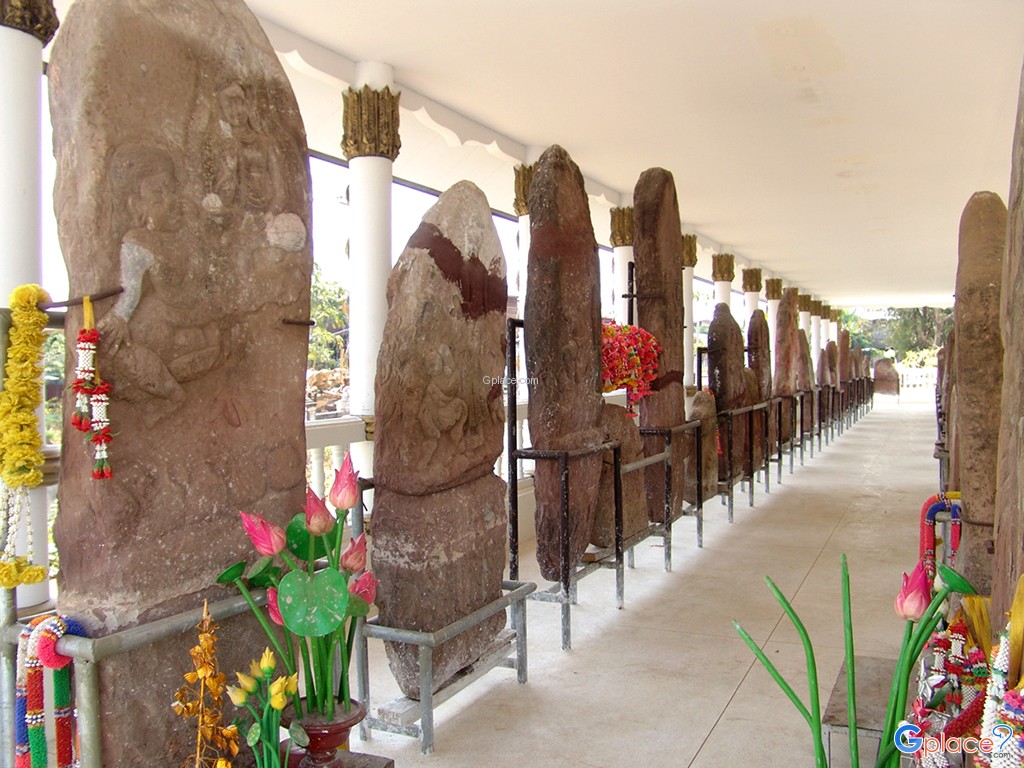
The Phra Yai Dvaravati, or “Luang Pho Yai,” enshrined at Wat Khon Sawan in Chaiyaphum Province, is an ancient Buddha image of great historical, artistic, and archaeological significance. It is believed to be associated with the Dvaravati culture, dating roughly from the 6th to 11th centuries CE (B.E. 1100–1600), a period when Buddhism became firmly established in the upper northeastern region of Thailand.The Khon Sawan area was once part of an ancient settlement that shows continuous cultural development from the Dvaravati period through Khmer influences and later into the Lan Xang era. This makes the area a layered cultural landscape, with important archaeological evidence found throughout the region, particularly numerous sandstone boundary stones (sema stones) used to define sacred Buddhist precincts in ancient times.
How to Get There
- By car: From Chaiyaphum city, take Highway 201 (Chaiyaphum–Kaeng Khro) for about 30 km until reaching the turnoff to Khon Sawan District. Then turn onto Rural Road Chy.3011 and continue for about 12 km to Wat Khon Sawan, located in the center of the community with clear signage along the route.
Travel Tips
- Visit during the Songkran Festival to join the Luang Pho Yai sacred celebration.
- Dress modestly, as this is a religious site.
- Go in the morning for cooler weather and better photo opportunities.
- Bring drinking water and sun protection, as it can be quite hot.
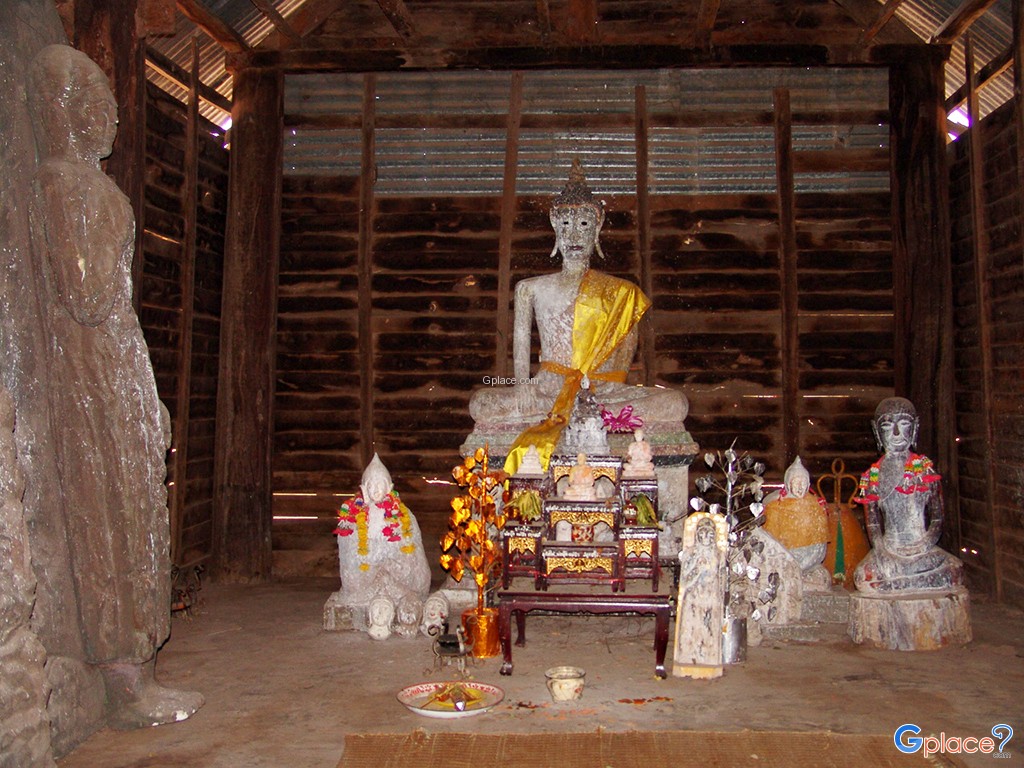
- Allow extra time to explore the ancient boundary stones (sema stones) and the traditional wooden ordination hall
Admission fee:
- Free (donations for temple maintenance are welcome)
Opening hours:
- Open daily from 08:00 – 17:00 PM
Phra Yai Dvaravati

 Share
Share
 Khon Sawan, Khon Sawan, Chaiyaphum 36140
Map
Khon Sawan, Khon Sawan, Chaiyaphum 36140
Map
List 0 review
|
art & culture,attractions,Place of worship,place,temple
 Closed today
Mon8.00 - 17.00
Tue8.00 - 17.00
Wed8.00 - 17.00
Thu8.00 - 17.00
Fri8.00 - 17.00
Sat8.00 - 17.00
Sun8.00 - 17.00



 61
61