 Attractions
  Hotel
Hotel  Restaurant
  Shopping
  Abroad
  Nearby Places





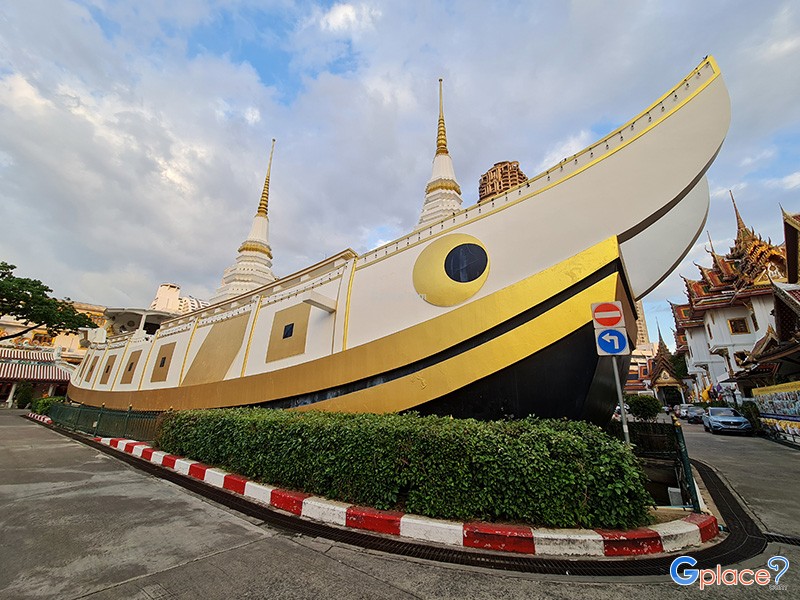

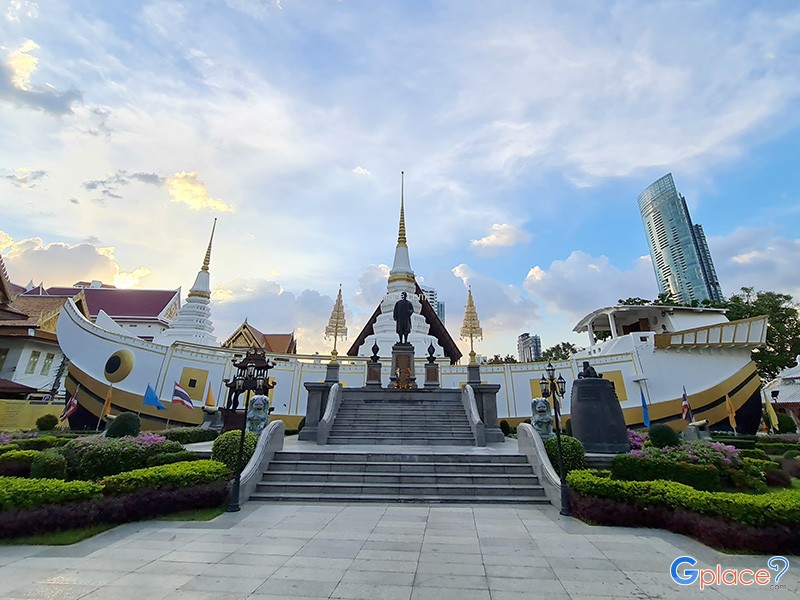
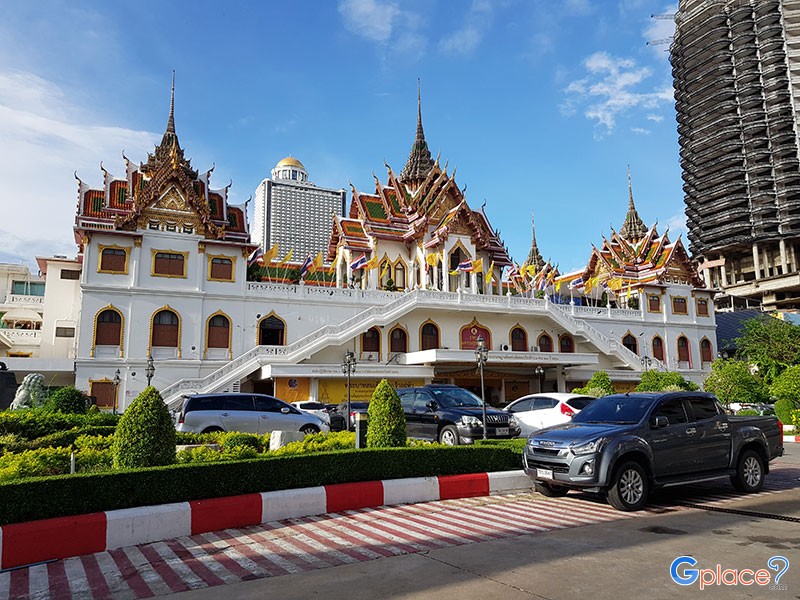
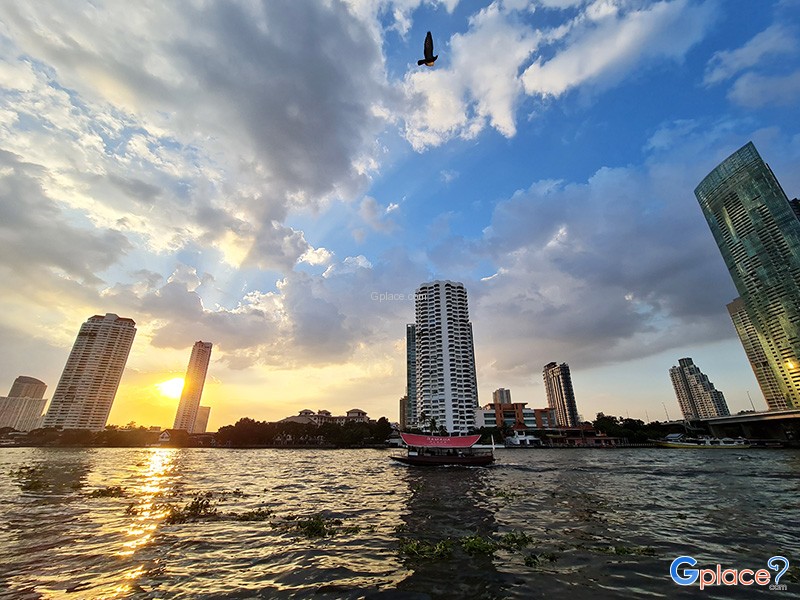
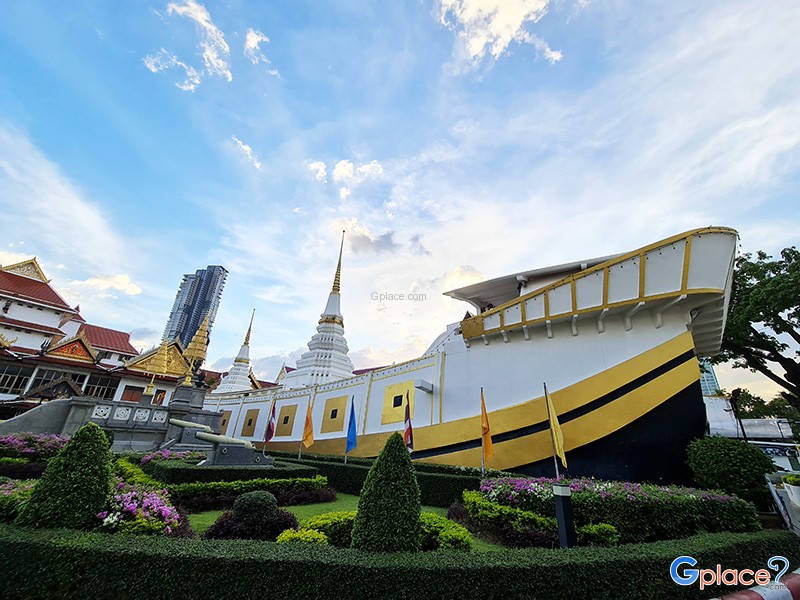
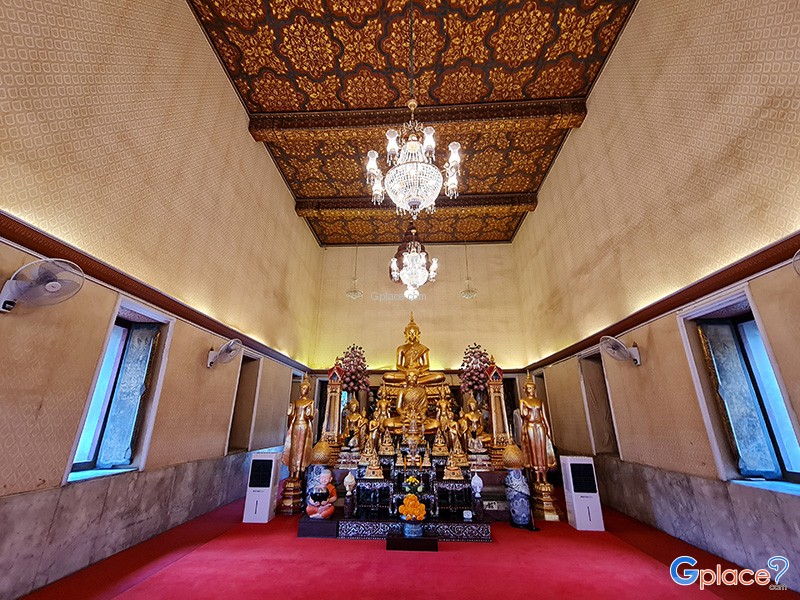
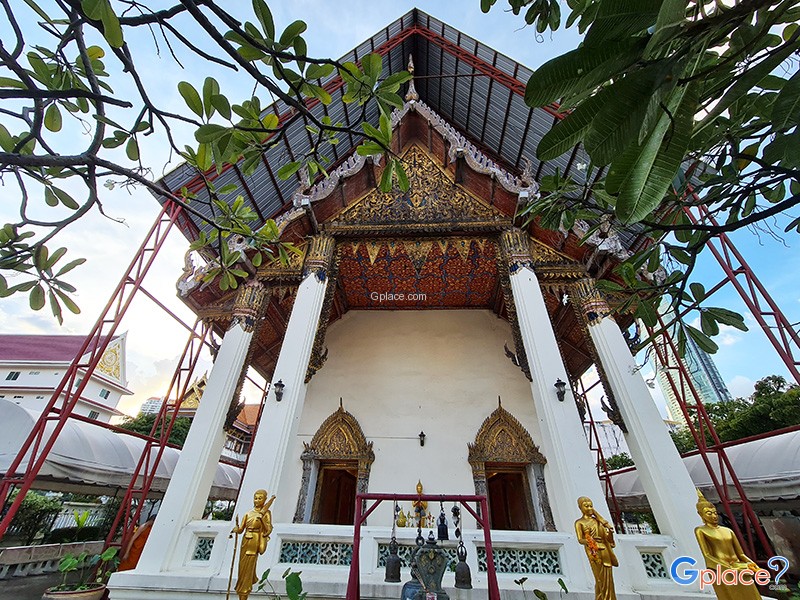
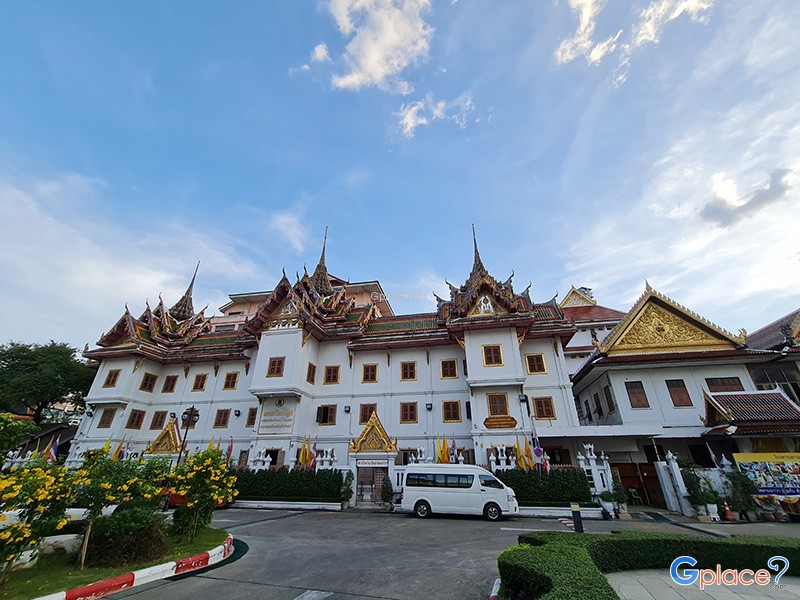
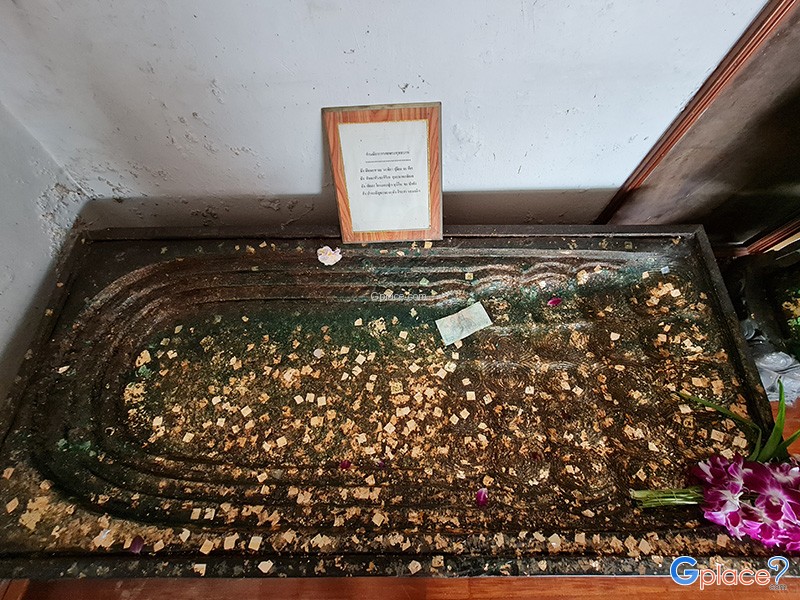
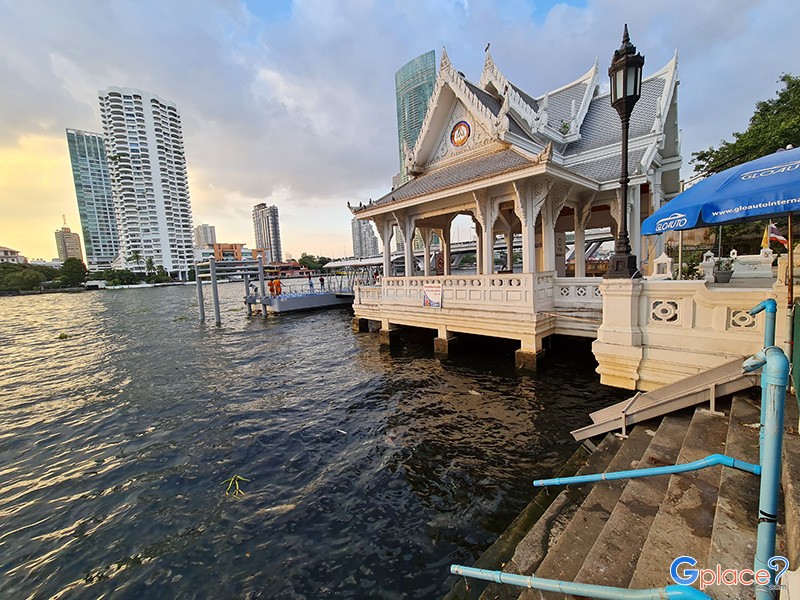
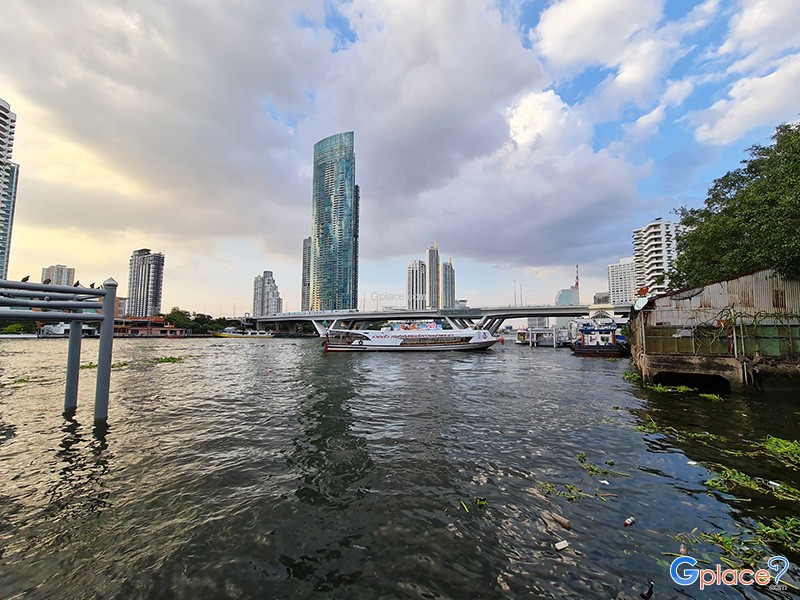
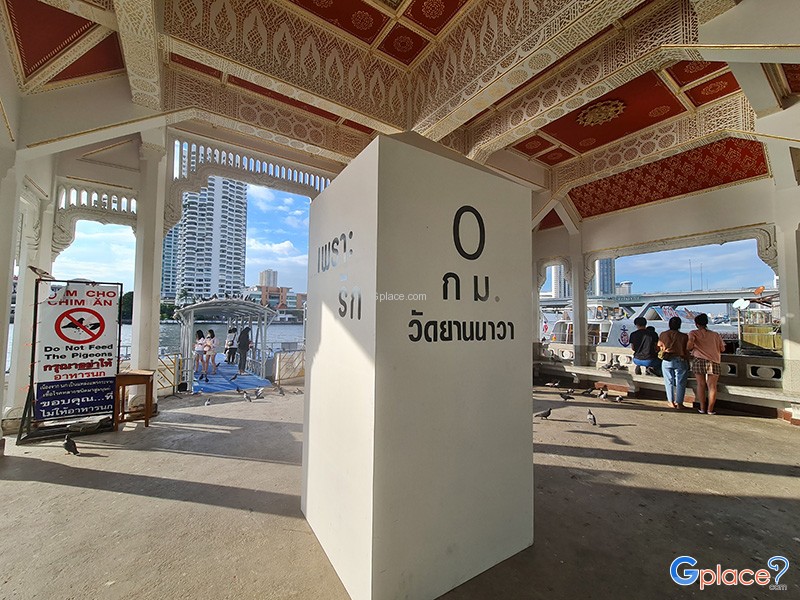
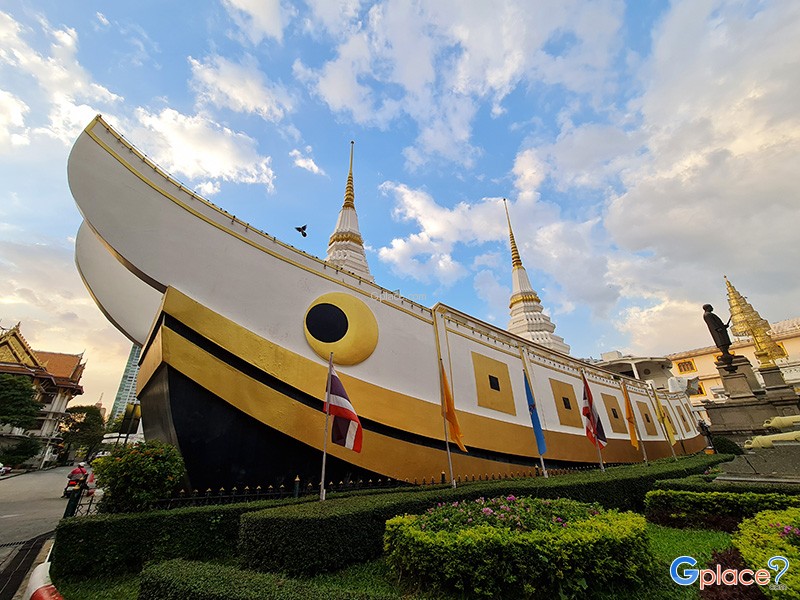
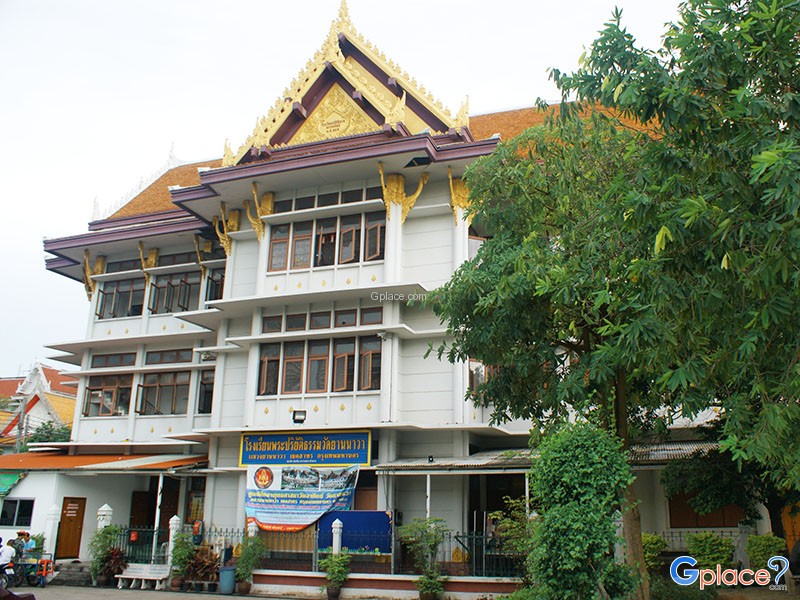
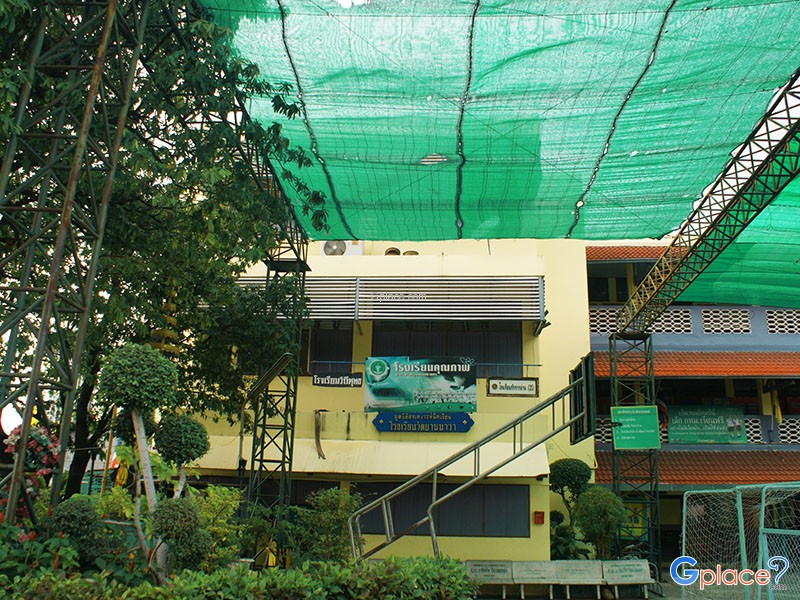

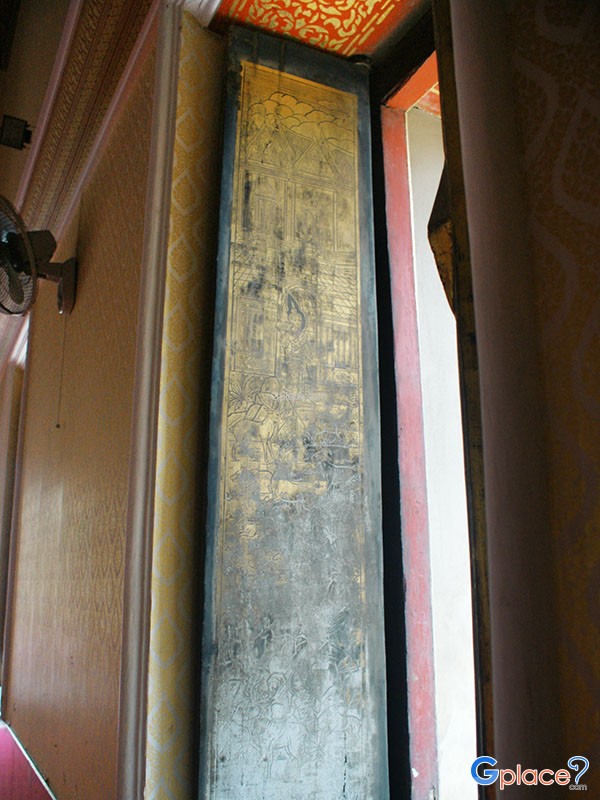
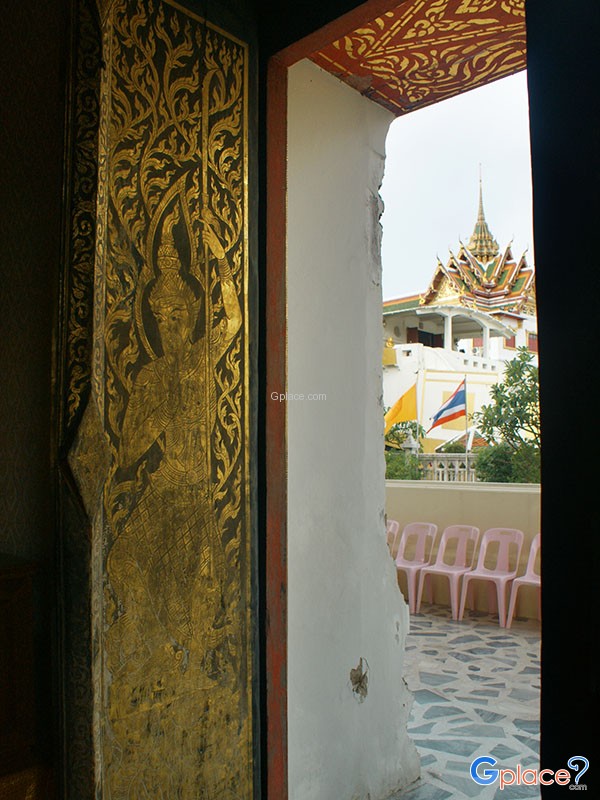
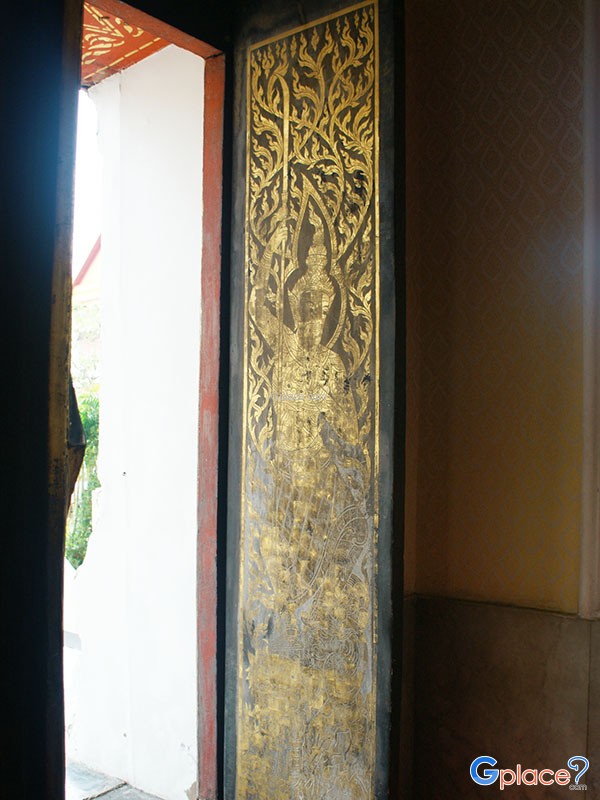
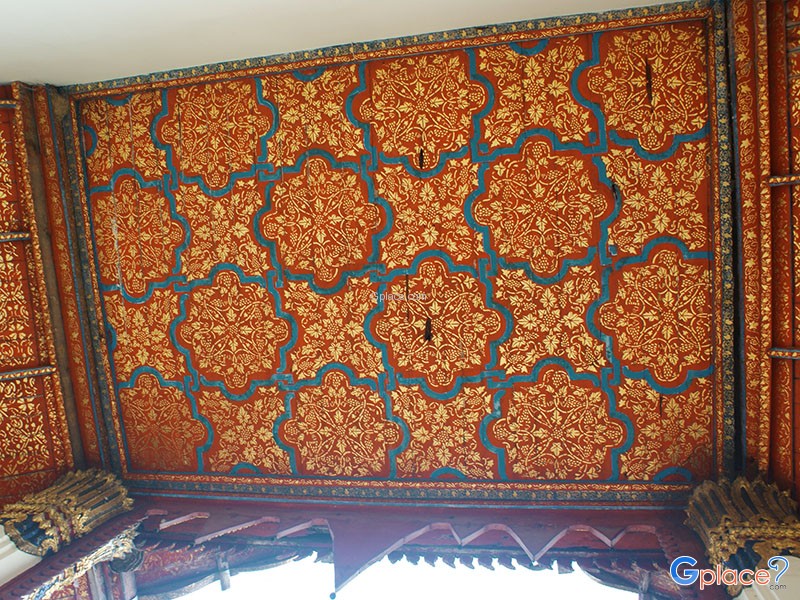
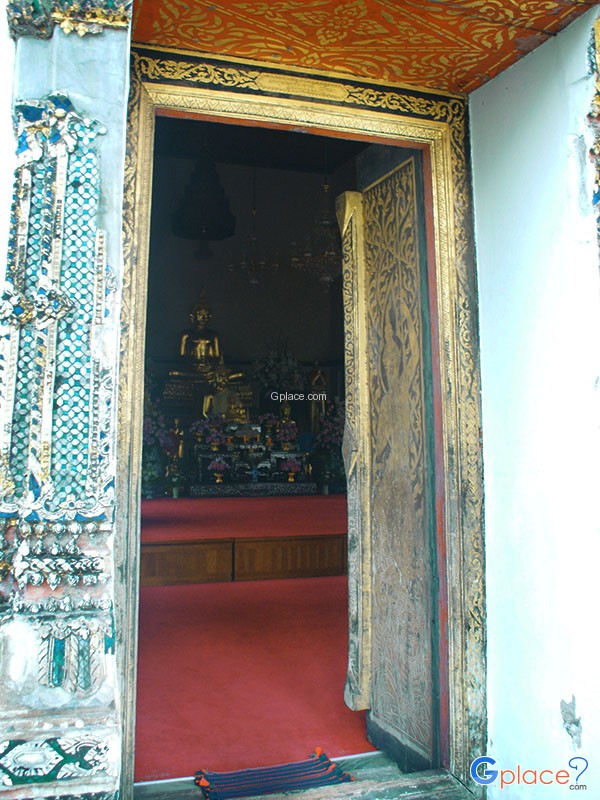

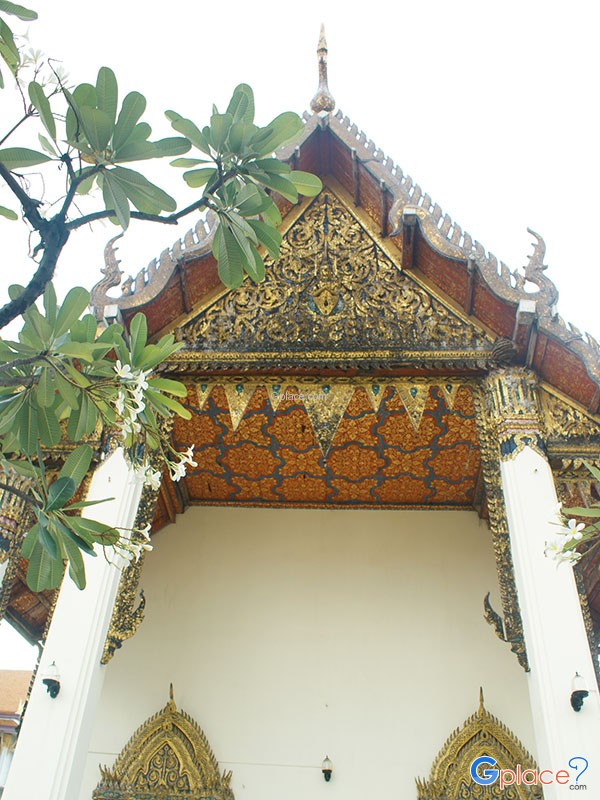
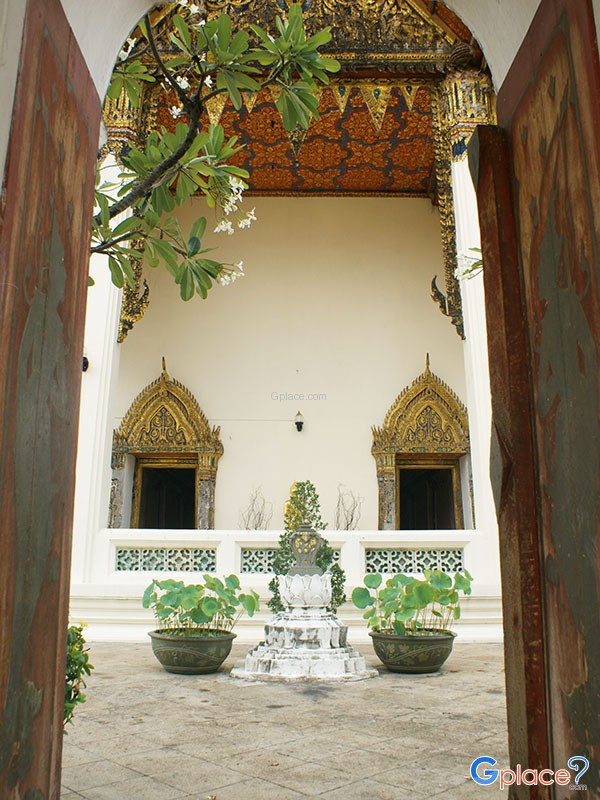
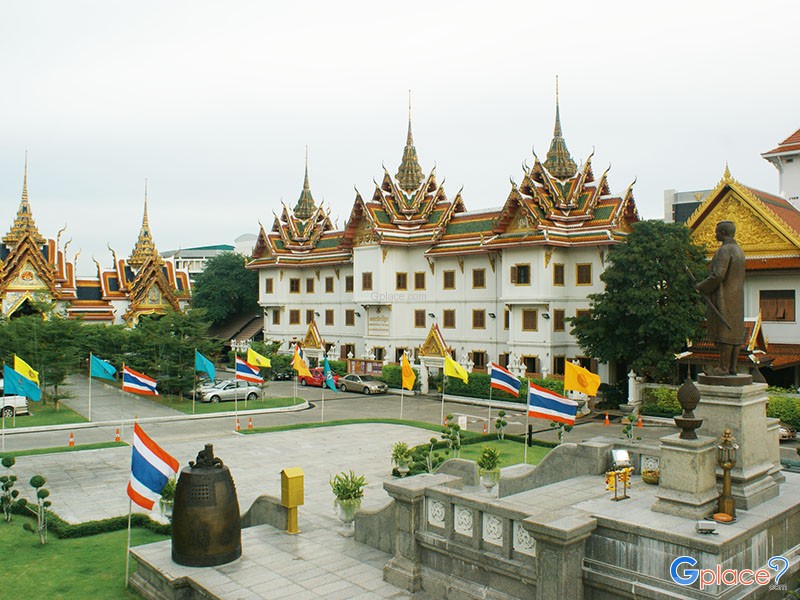
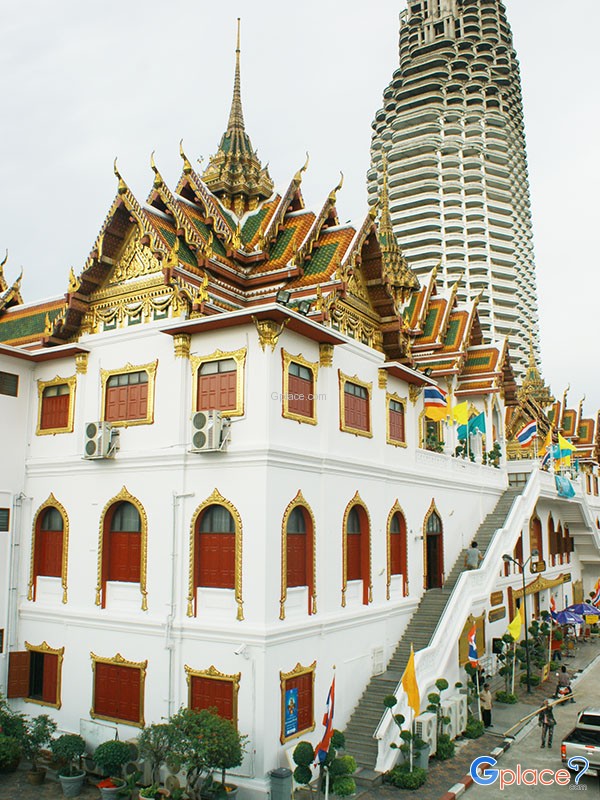
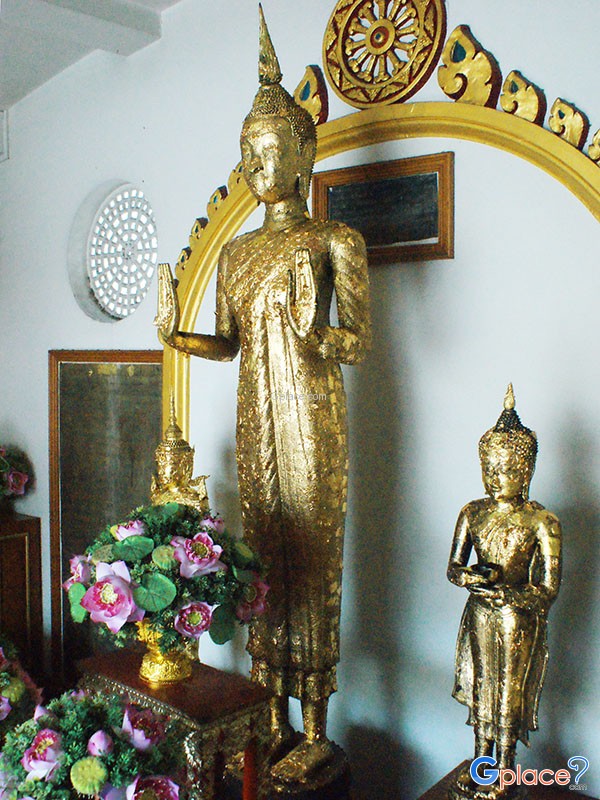
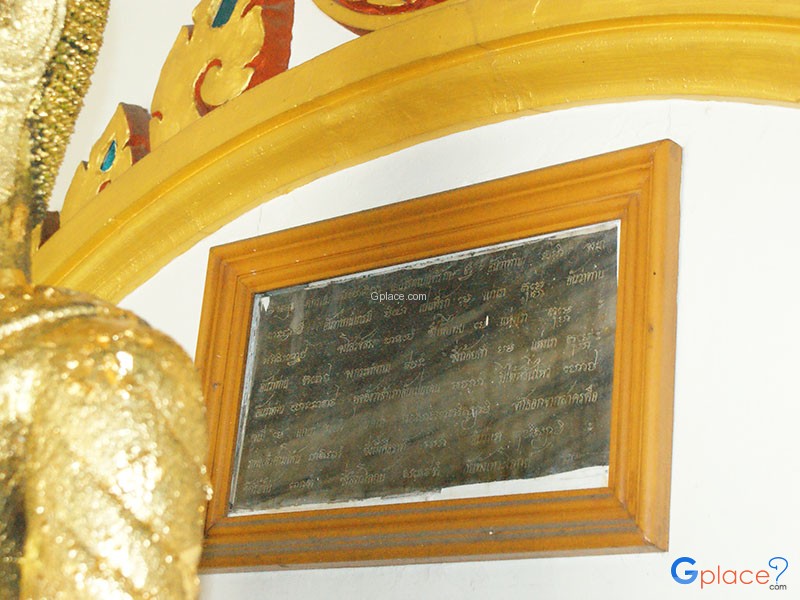
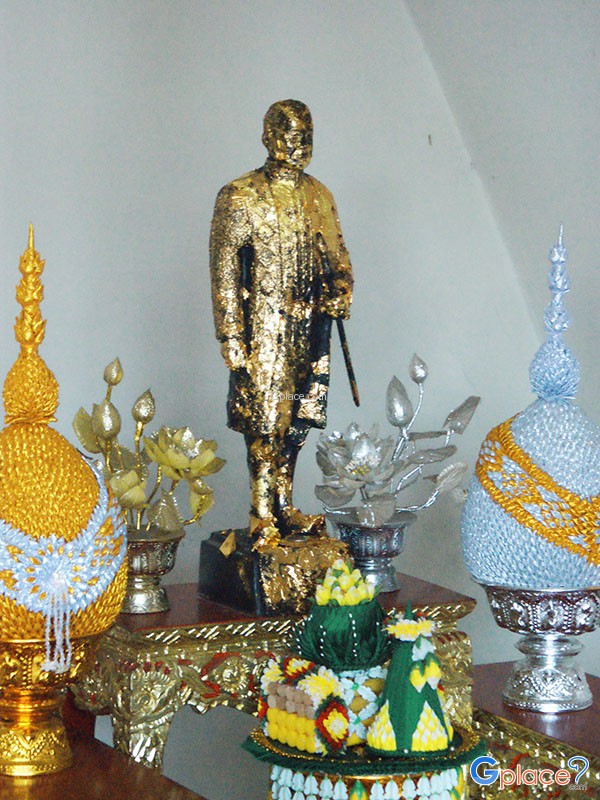
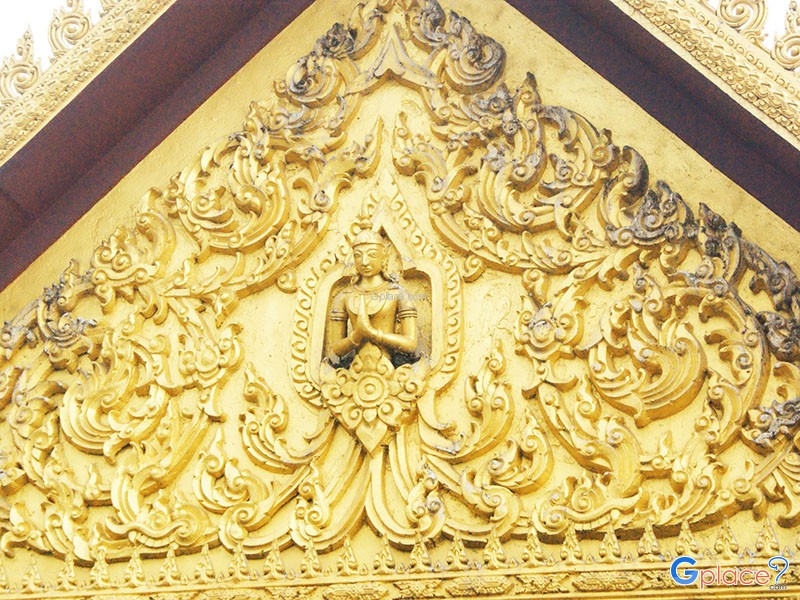
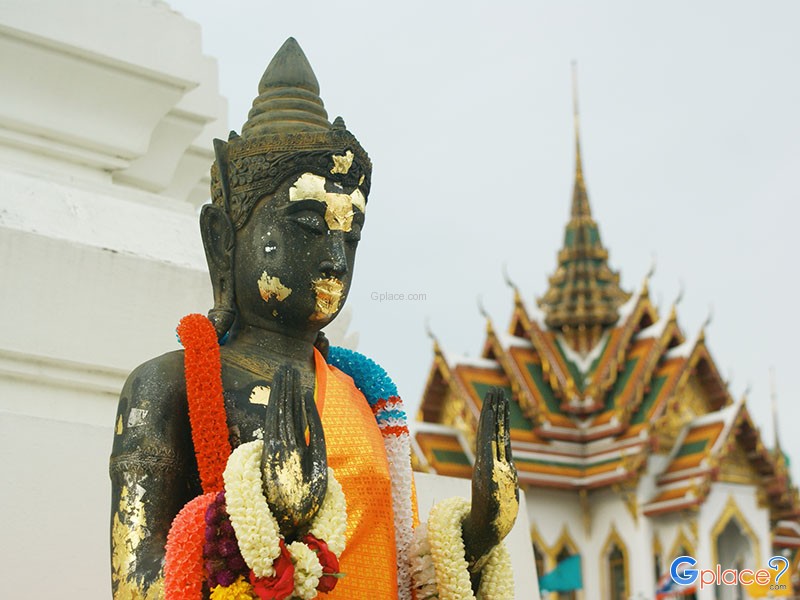
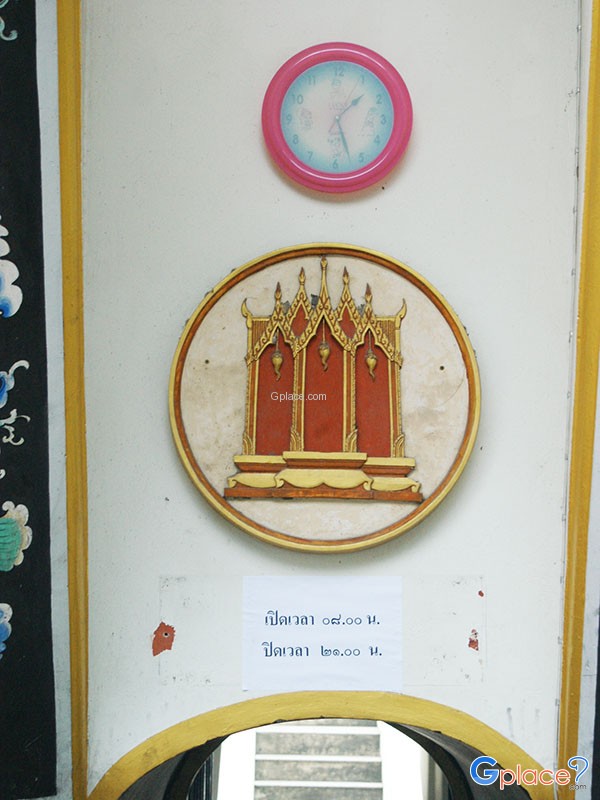
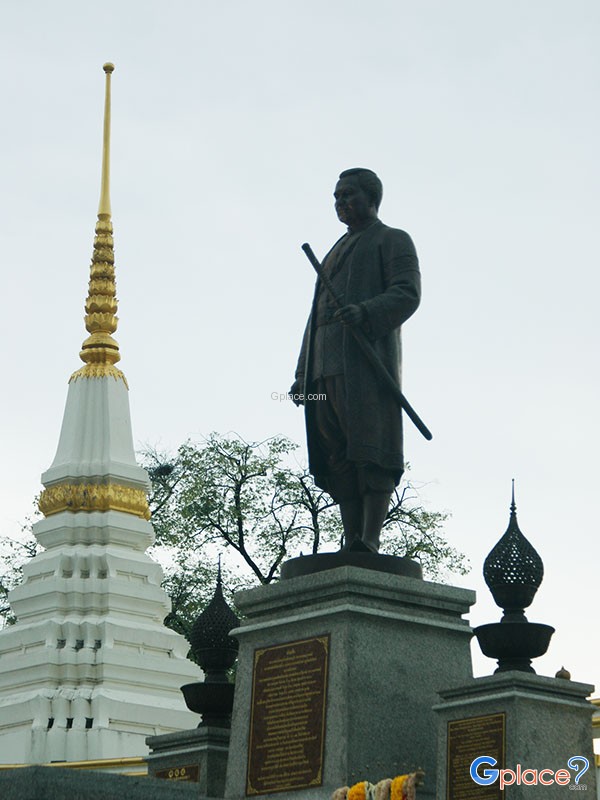
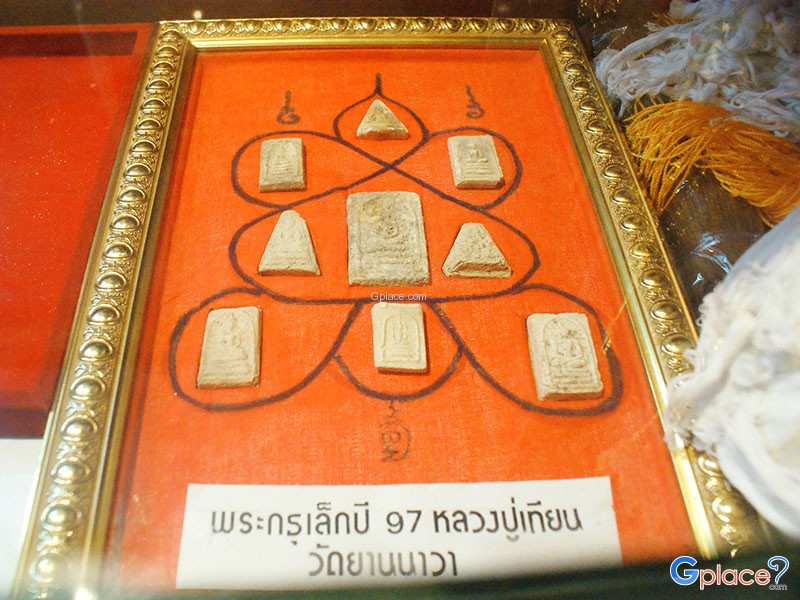
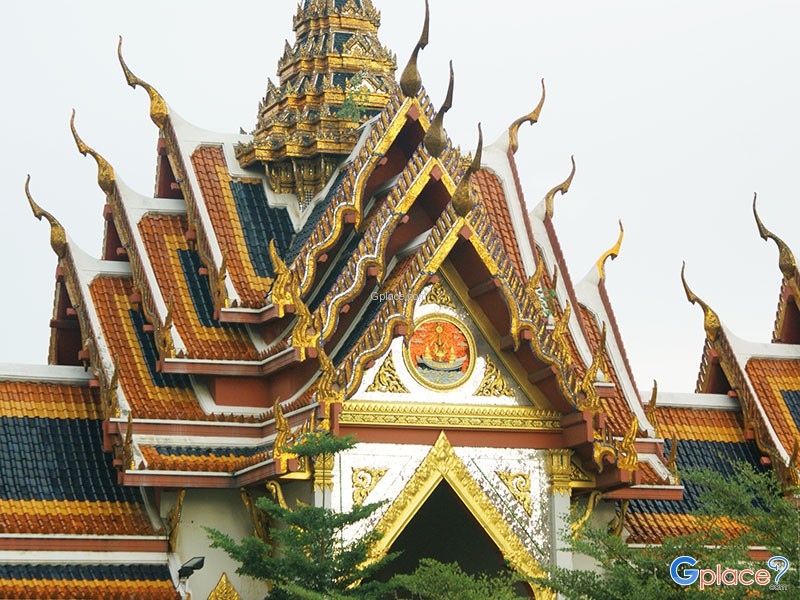
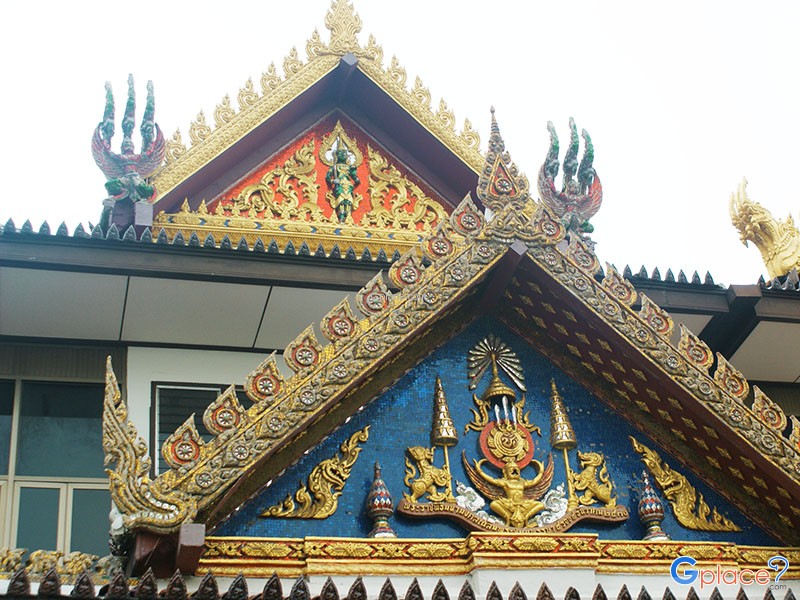
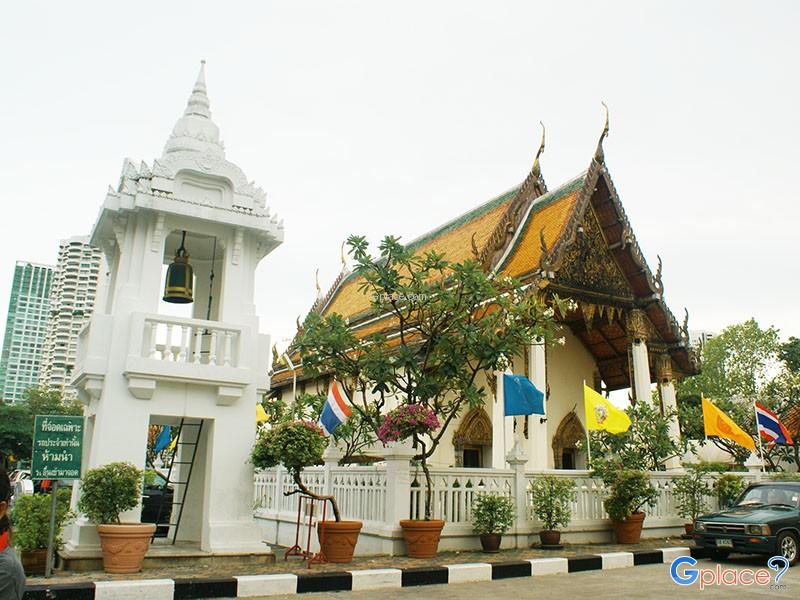
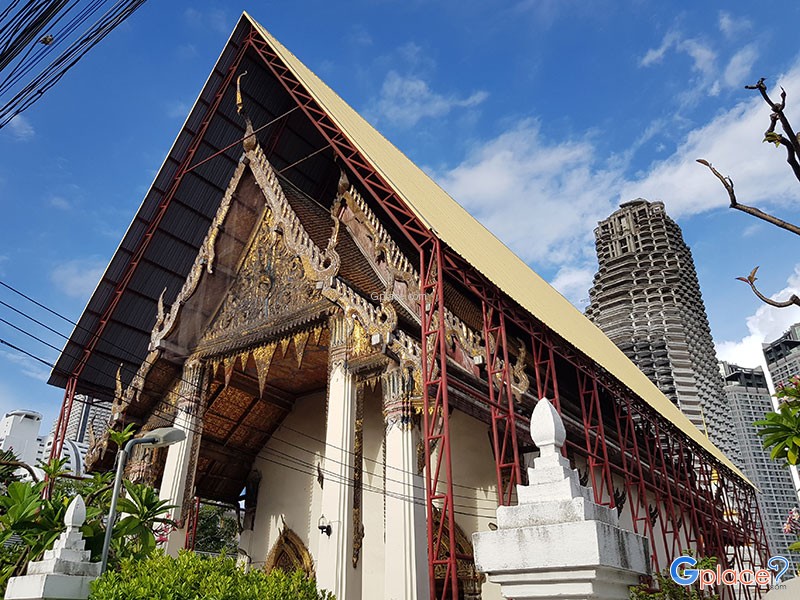
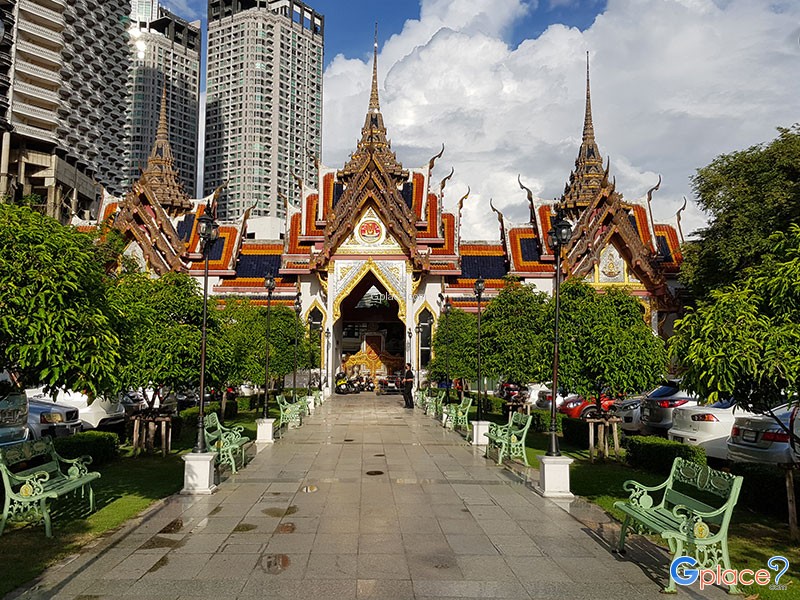
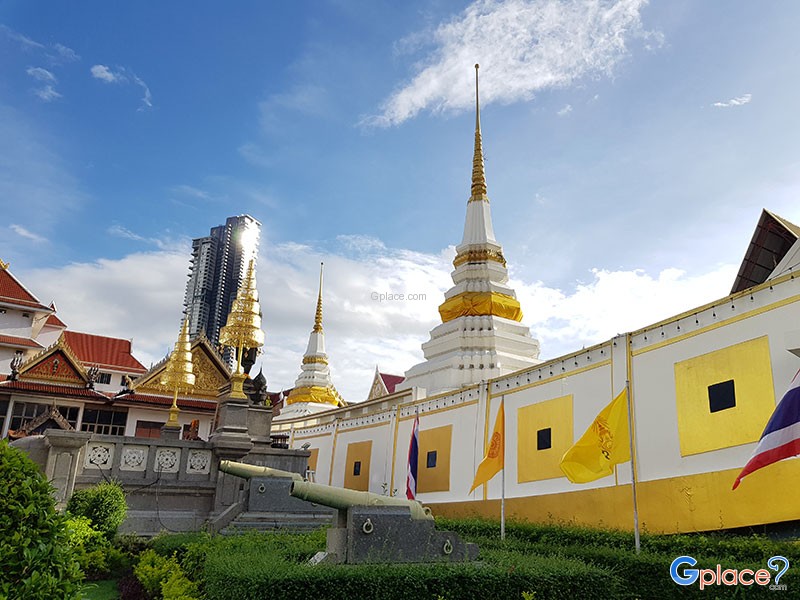
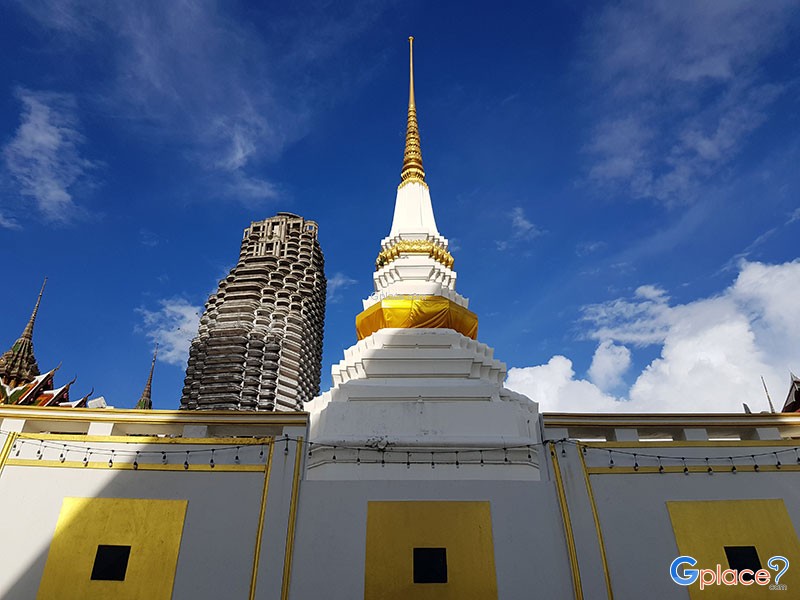
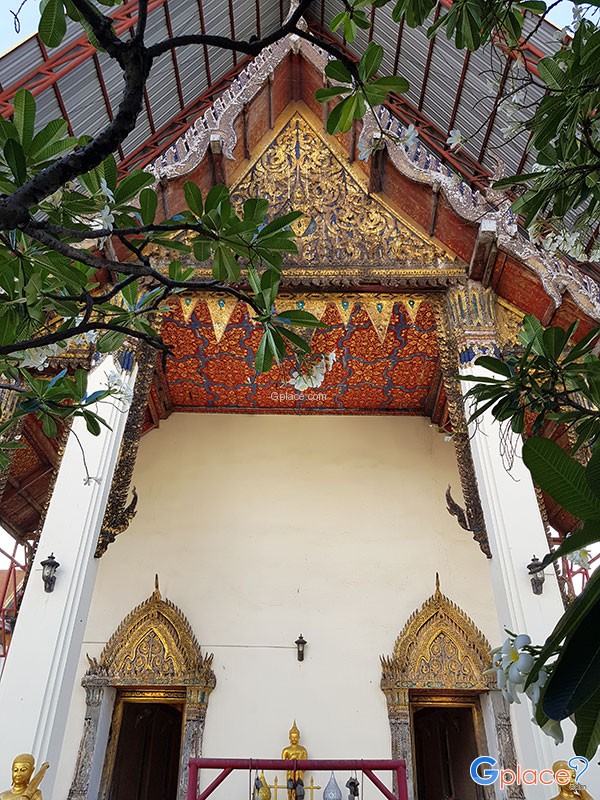
Yannawa Temple is a third-class royal monastery (worawihan) located along the Chao Phraya River in the Charoen Krung–Sathorn area of Bangkok. Originally known as “Wat Khok Khwai,” the temple dates back to the Ayutthaya period. Its historical prominence significantly increased during the early Rattanakosin era.
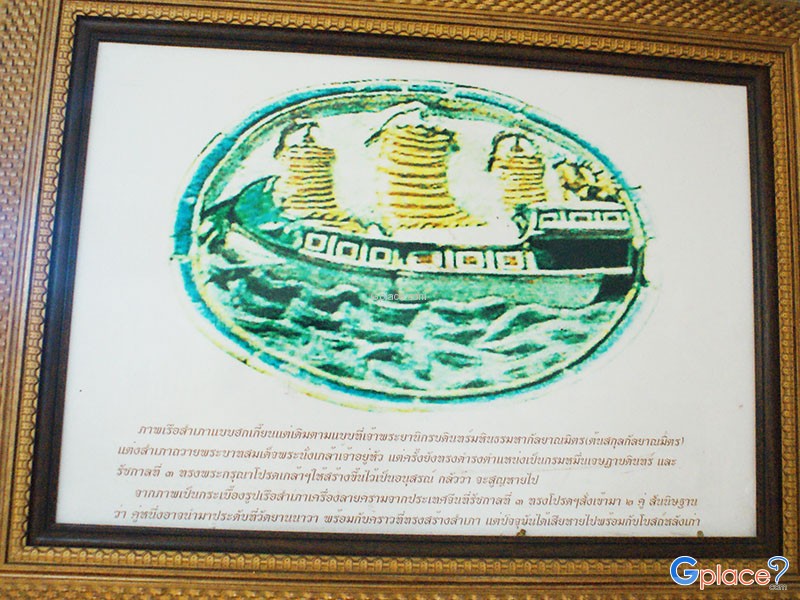
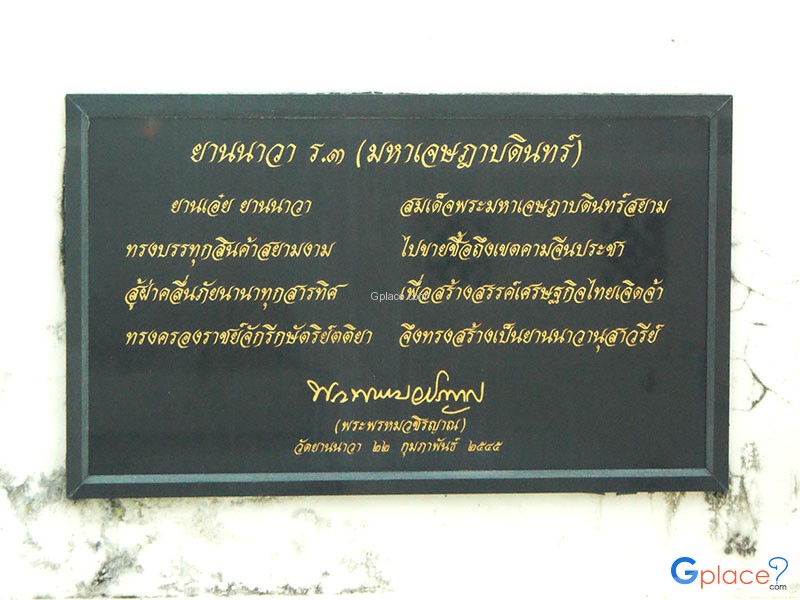
The temple’s most remarkable transformation occurred during the reign of King Rama III. Recognizing the importance of maritime trade, the king ordered a major renovation of the temple and commissioned the construction of a full-scale Chinese junk (sampan) structure to replace the traditional stupa. This innovative architectural decision reflected both historical awareness and visionary foresight.
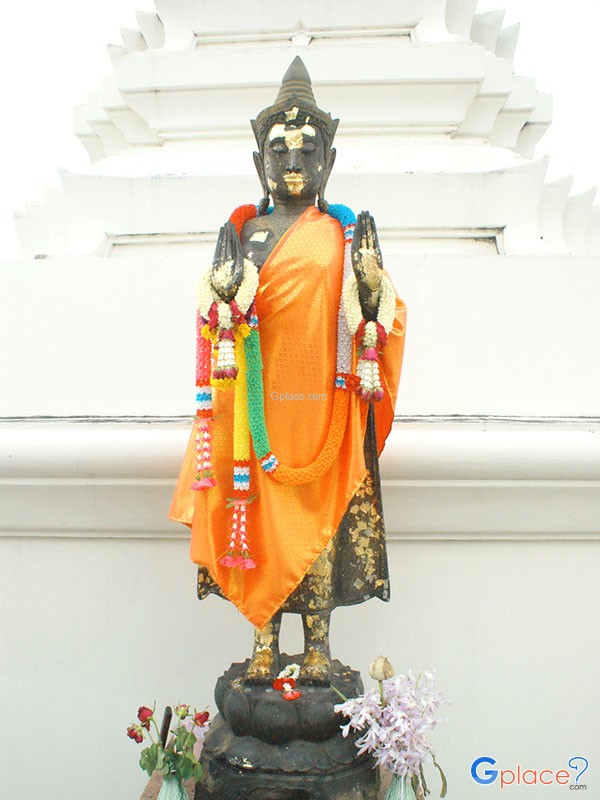
The junk-shaped structure measures approximately 44 meters in length and is constructed from brick and plaster. Designed to resemble the Chinese trading vessels that once dominated regional commerce, it houses two chedis (stupas) within its deck area. The larger chedi features a twelve-cornered indented base, while the smaller one follows a more conventional circular form.
Symbolically, the junk serves as a monument to the era when Siam prospered through maritime trade, particularly with China. King Rama III also foresaw that traditional Chinese junks would eventually be replaced by Western-style steamships—a prediction that later came true as global trade modernized.
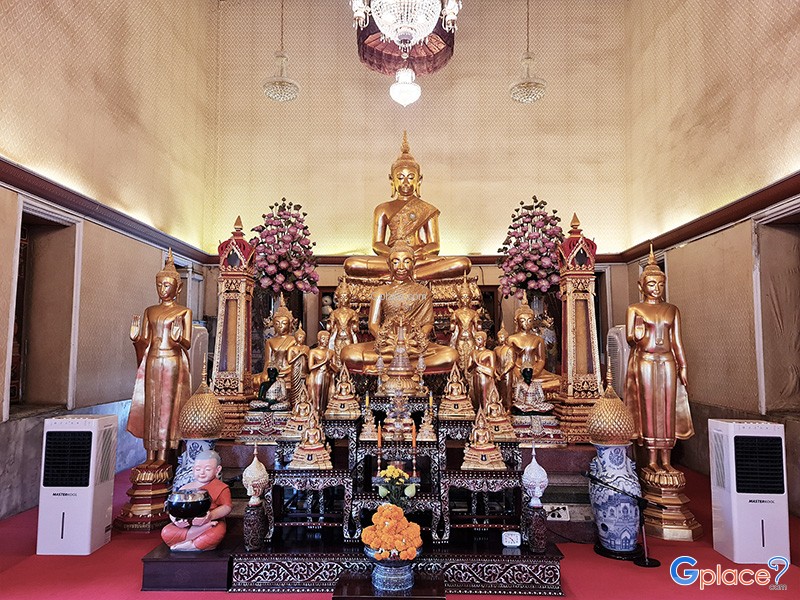
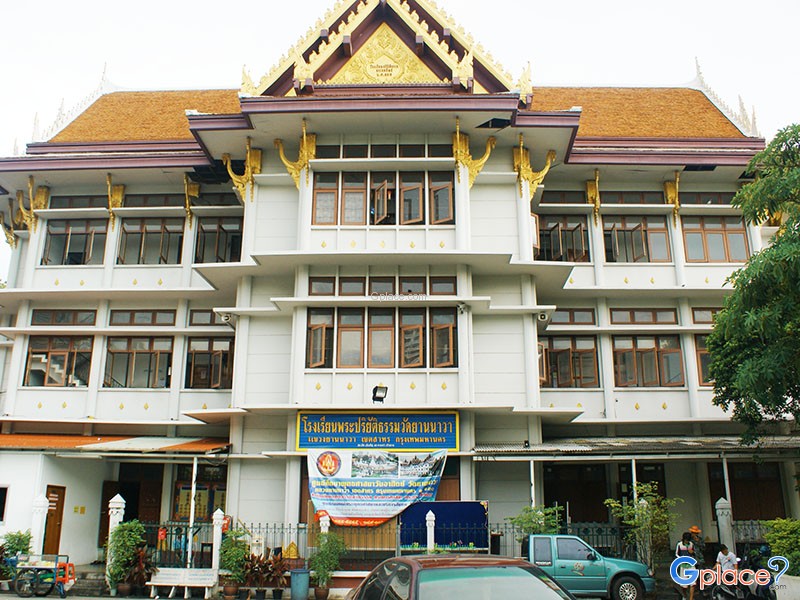
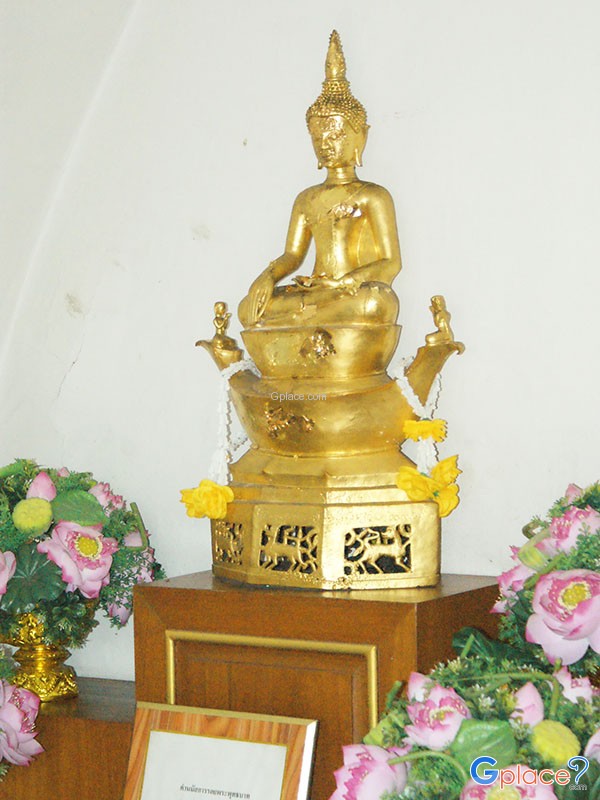
Beyond the junk chedi, the temple grounds include a beautifully designed ordination hall enshrining a principal Buddha image in the Mara-Vijaya (subduing Mara) posture. The temple also features the Maha Chedsadabodin Building, a Thai-style multipurpose hall used for meditation retreats, religious ceremonies, and community activities.
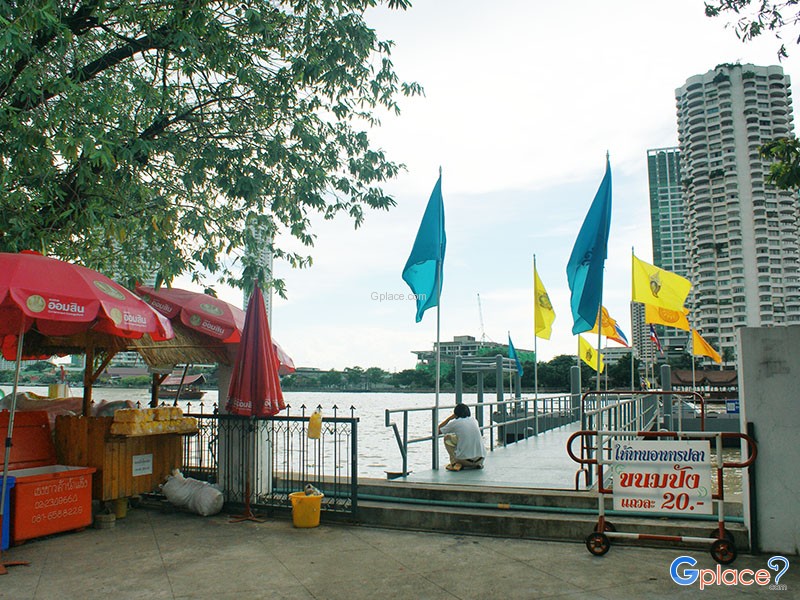
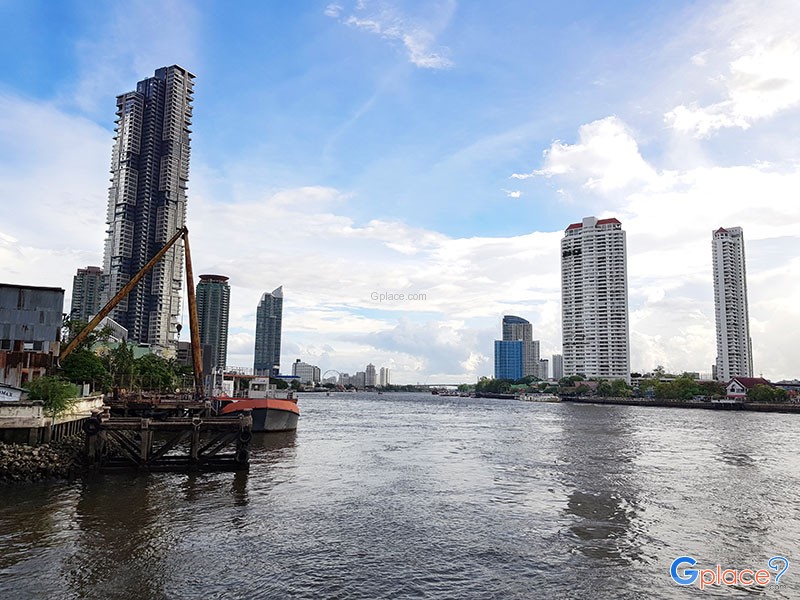
Situated along the river and near Bangkok’s modern business district, Yannawa Temple serves as both a spiritual sanctuary and a historical landmark. It offers visitors insight into Thailand’s maritime heritage and the deep-rooted Thai–Chinese cultural connections that shaped the nation’s development.