 Attractions
  Hotel
Hotel  Restaurant
  Shopping
  Abroad
  Nearby Places





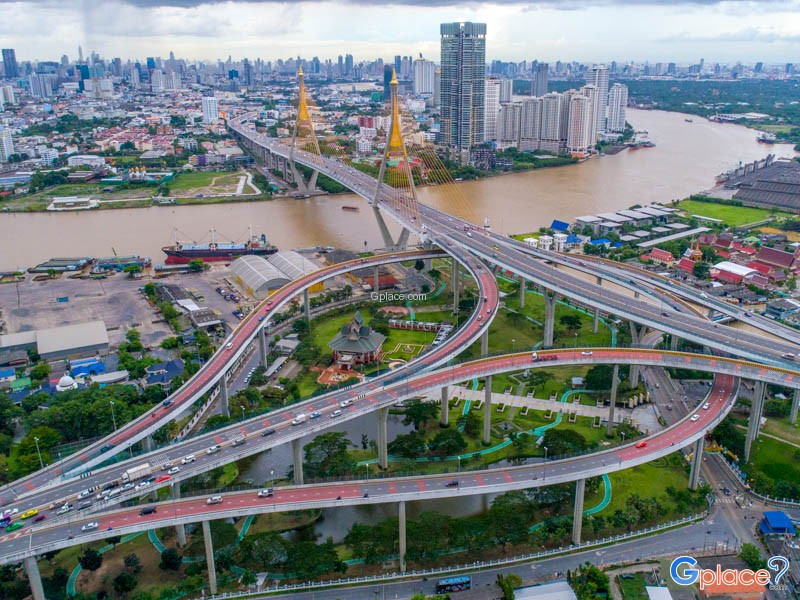

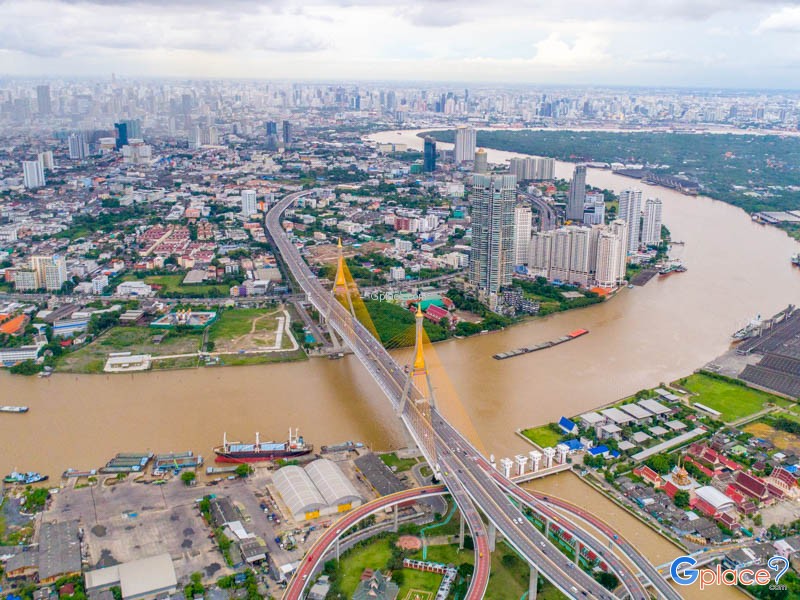
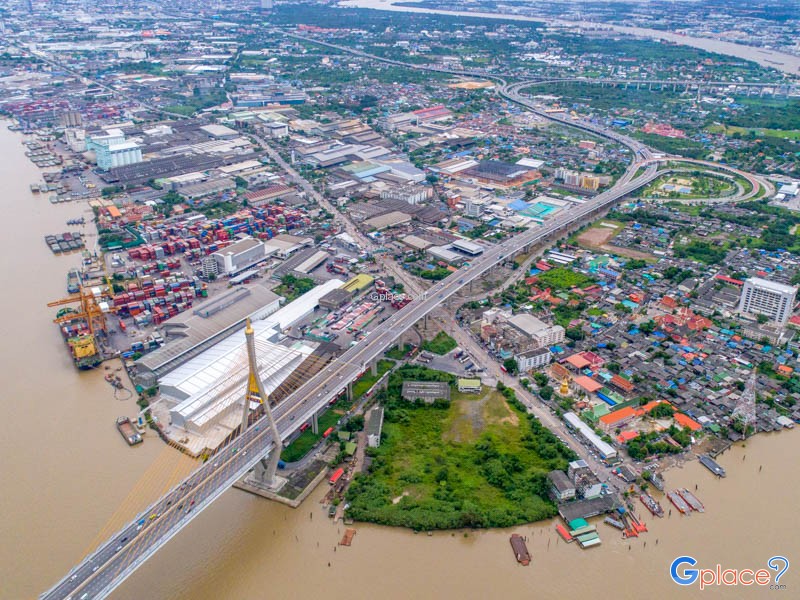
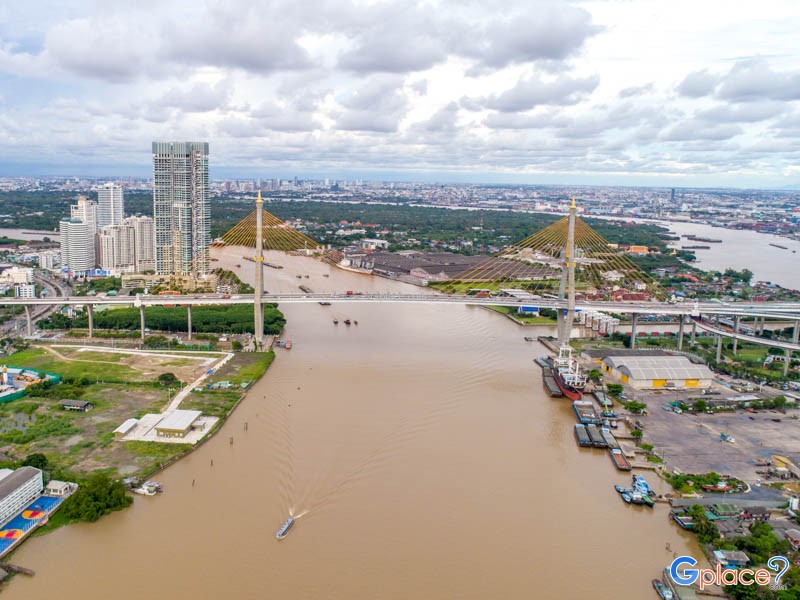
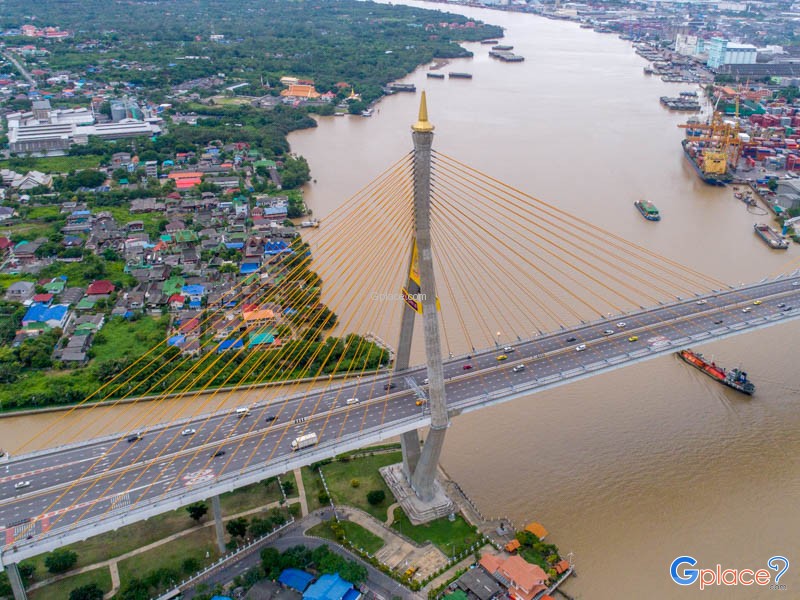
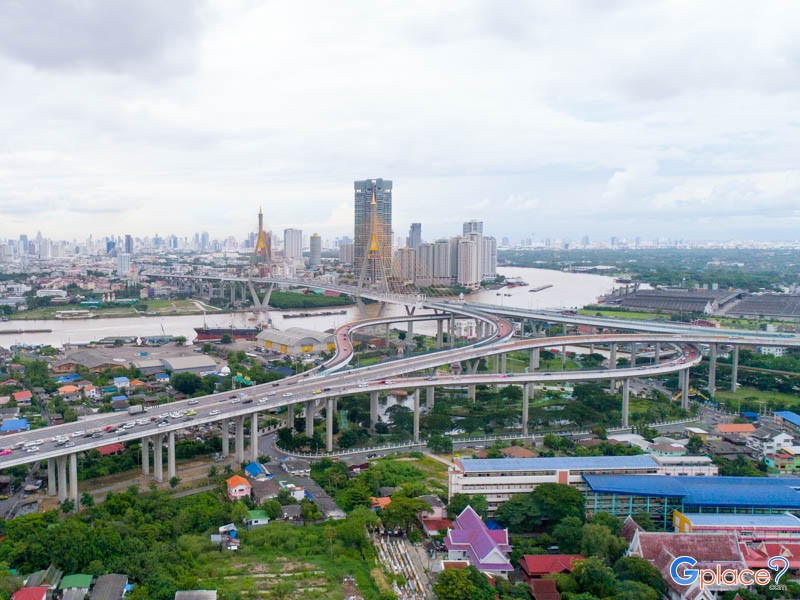
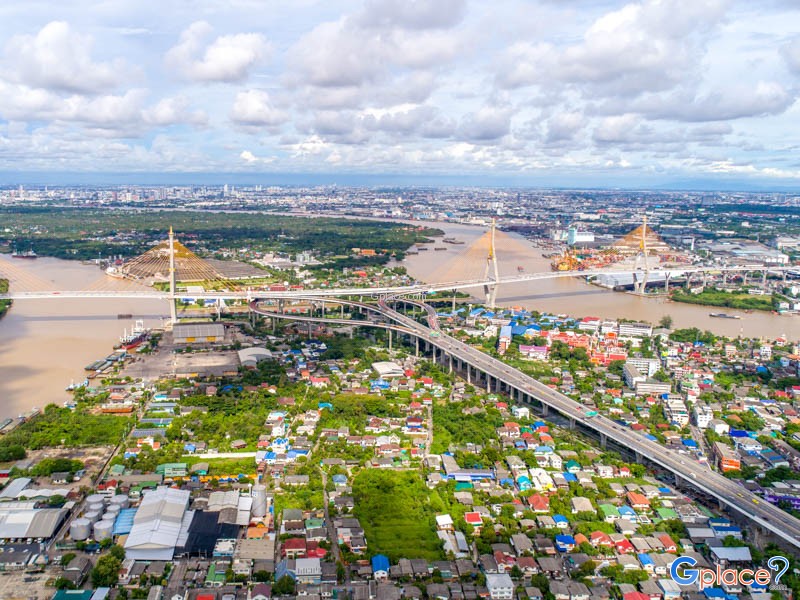
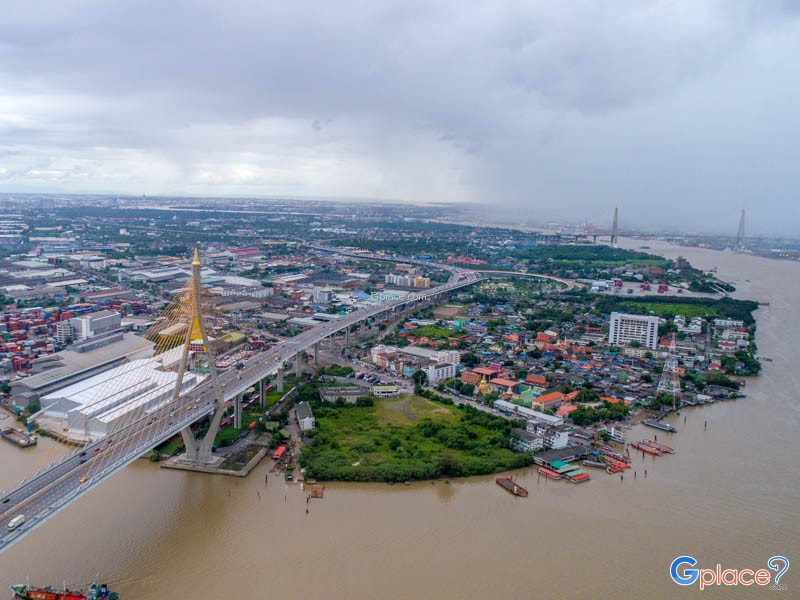
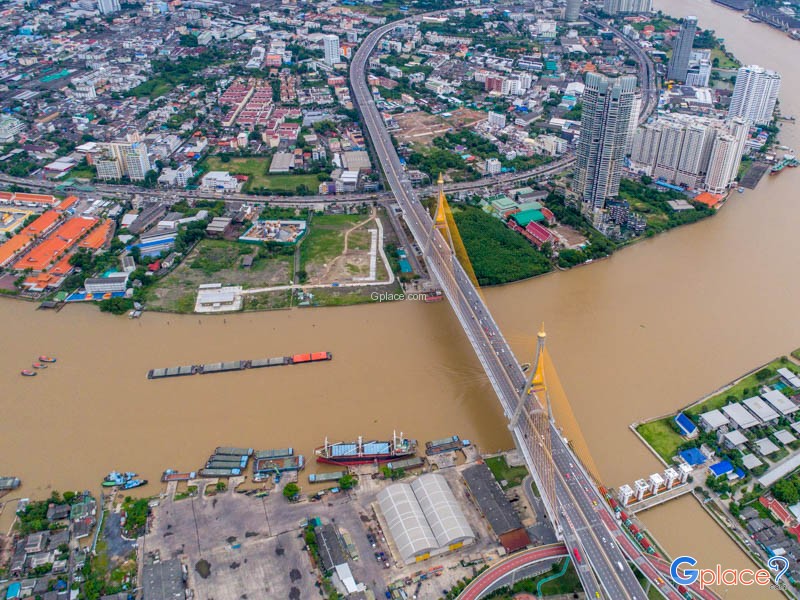
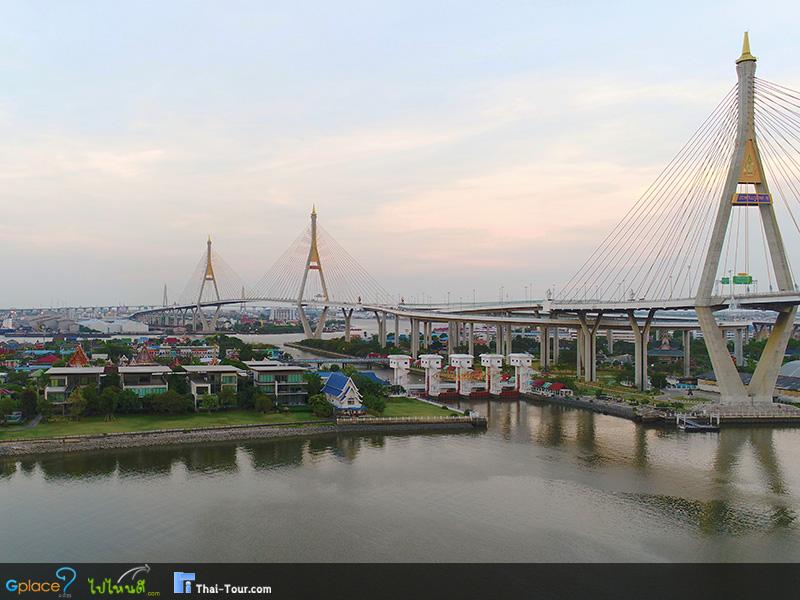
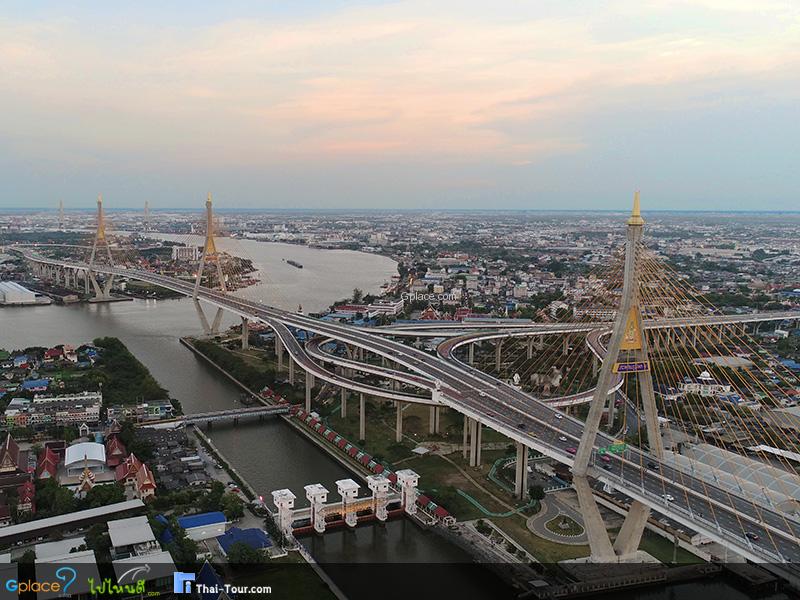
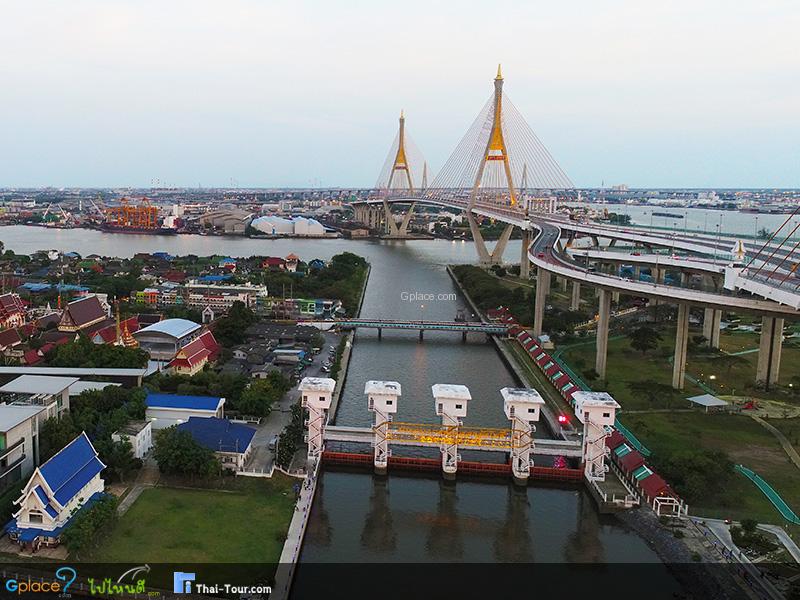
Bhumibol Bridge, formerly known as the “Industrial Ring Road Bridge,” is one of Thailand’s most significant infrastructure projects. It was initiated under the royal vision of King Bhumibol Adulyadej to alleviate severe traffic congestion caused by freight transportation between Khlong Toei Port and the industrial zones in Samut Prakan Province.
Previously, cargo trucks were required to pass through densely populated areas of central Bangkok, leading to heavy traffic and logistical inefficiencies. The bridge forms a crucial part of the Industrial Ring Road, improving connectivity between key economic areas, reducing travel time, lowering transportation costs, and enhancing the overall efficiency of goods distribution.
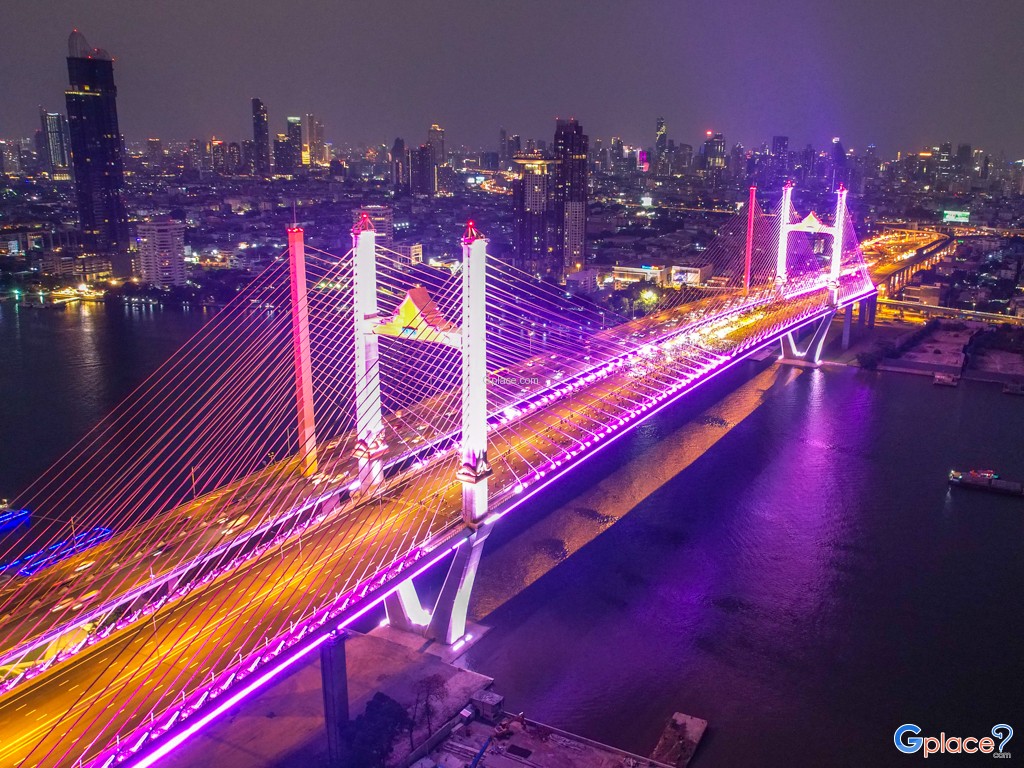
The structure consists of two cable-stayed bridge spans: Bhumibol Bridge 1 on the northern side, connecting the Yannawa district of Bangkok, and Bhumibol Bridge 2 on the southern side, linking Phra Pradaeng District in Samut Prakan. The two spans meet at a similar elevation above the Chao Phraya River, creating a distinctive and visually striking skyline.
Engineered at a considerable height_ above sea level, the bridge allows large cargo ships to pass beneath it. Its soaring pylons and symmetrically arranged cable lines form an elegant architectural silhouette, particularly impressive when viewed from below, where the cables appear to intersect dramatically against the sky.
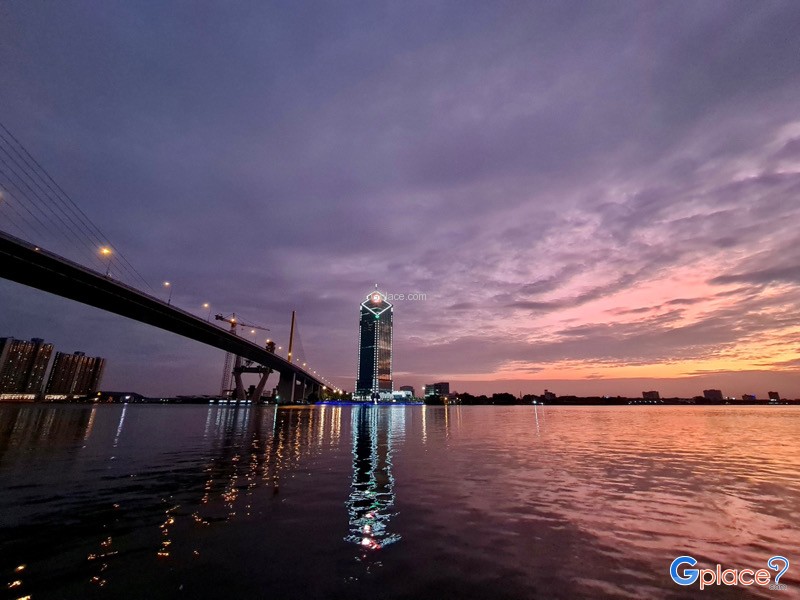
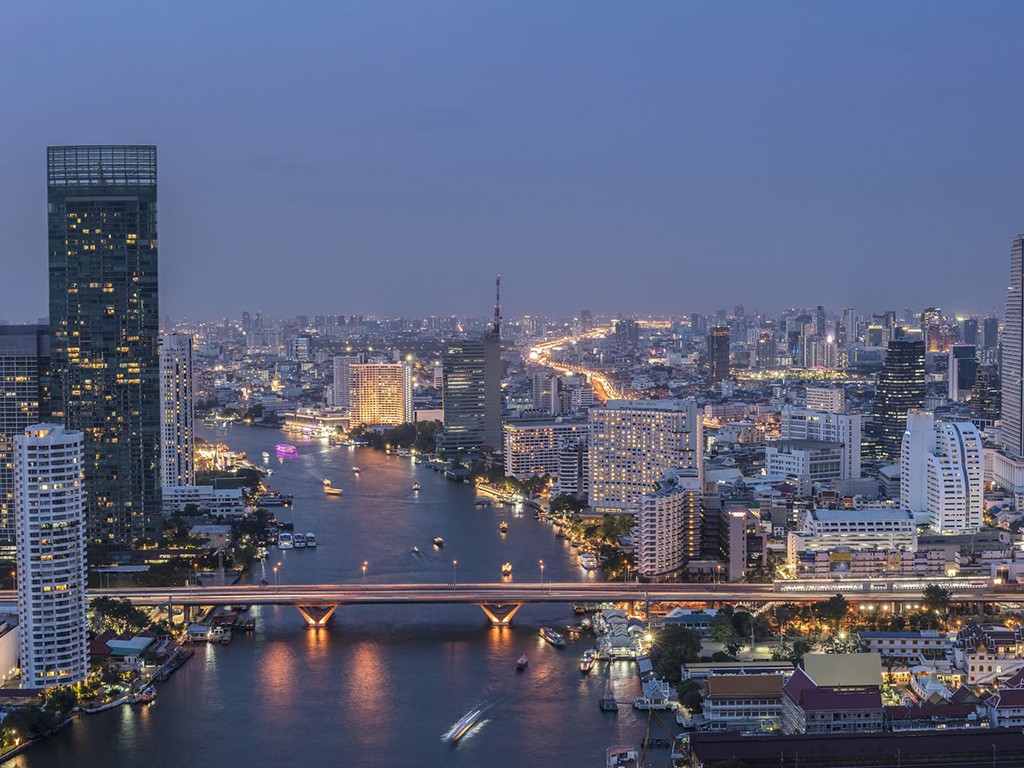
Beyond its transportation function, the bridge has become a major urban landmark. Beneath the southern span lies Lat Pho Park, a spacious riverside public park popular for jogging, cycling, relaxation, and photography. At sunset and during nighttime, decorative lighting illuminates the bridge, and the reflections shimmering across the Chao Phraya River create a breathtaking scene.
Today, Bhumibol Bridge stands not only as a vital transportation artery but also as a symbol of modern Thai engineering and urban development—blending functionality, royal vision, and aesthetic beauty into one remarkable structure.