 Attractions
  Hotel
Hotel  Restaurant
  Shopping
  Abroad






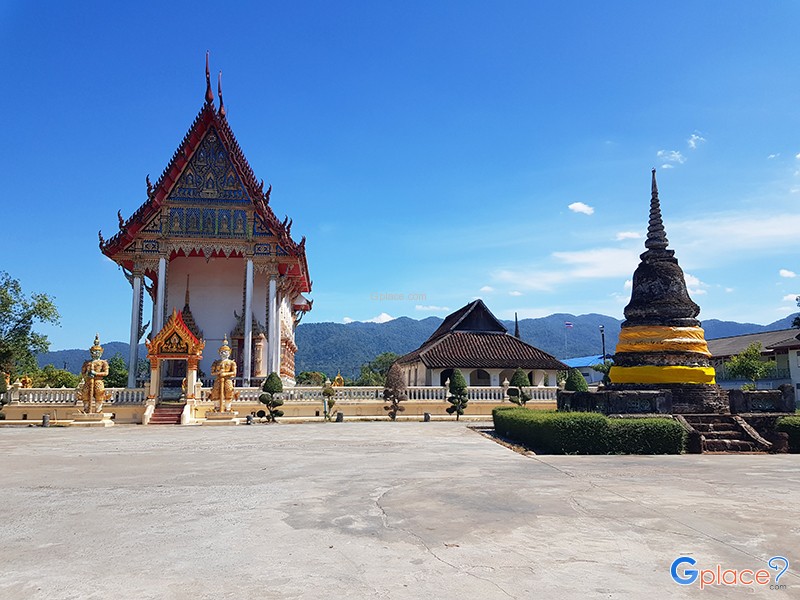
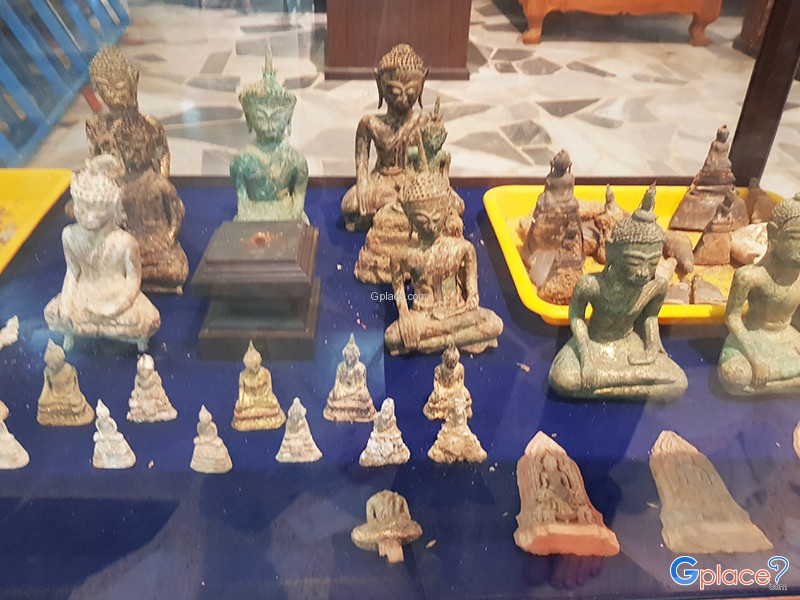
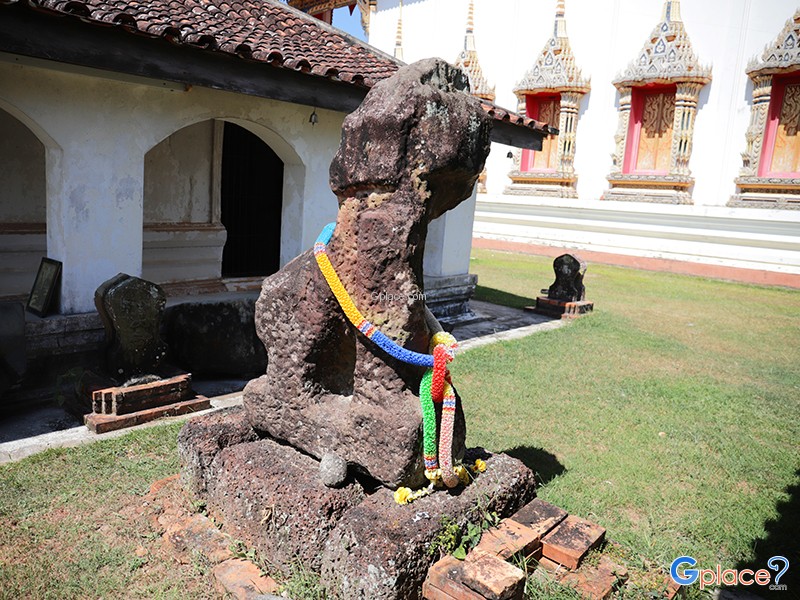
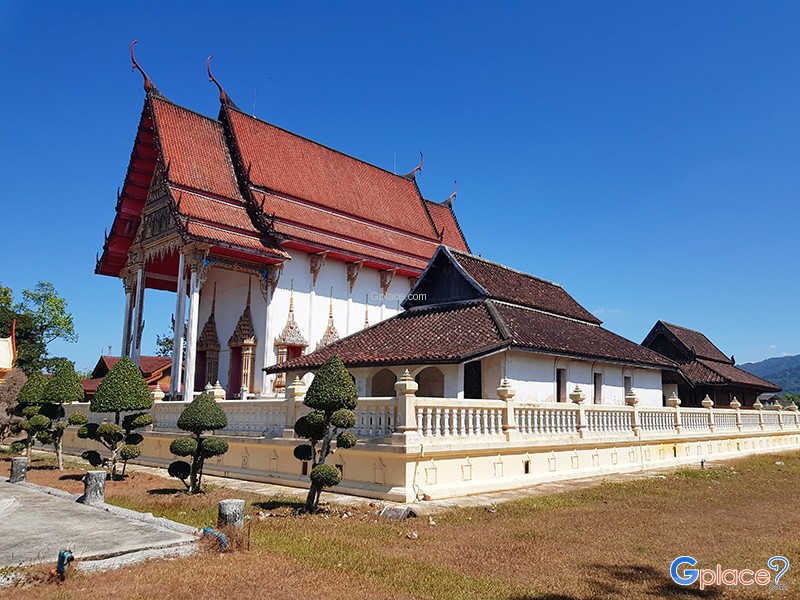
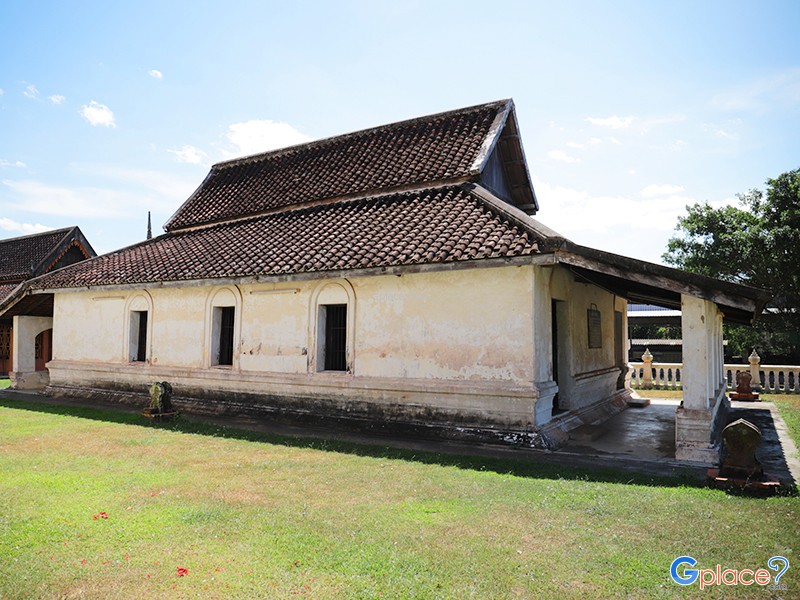
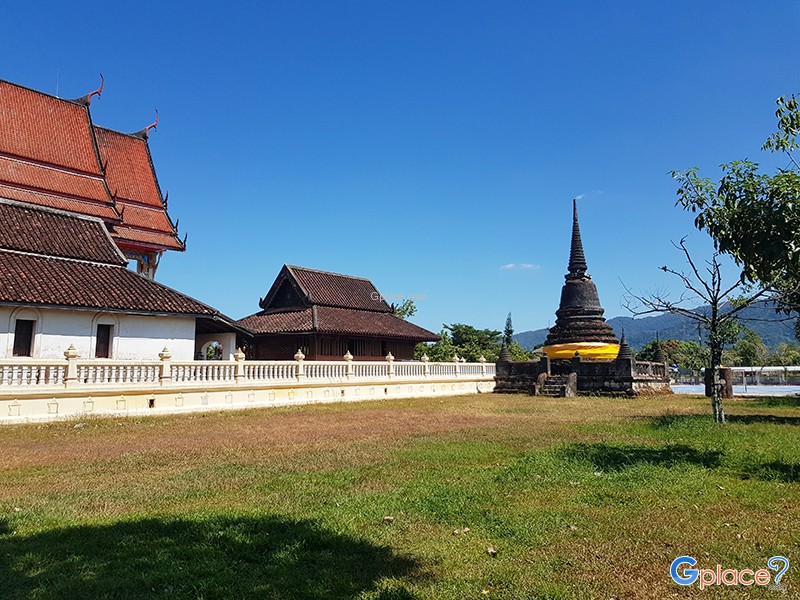
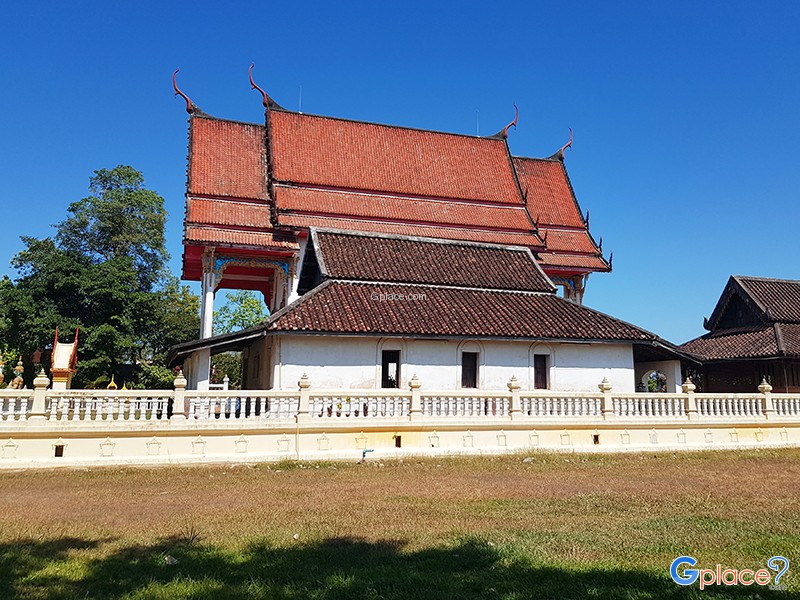
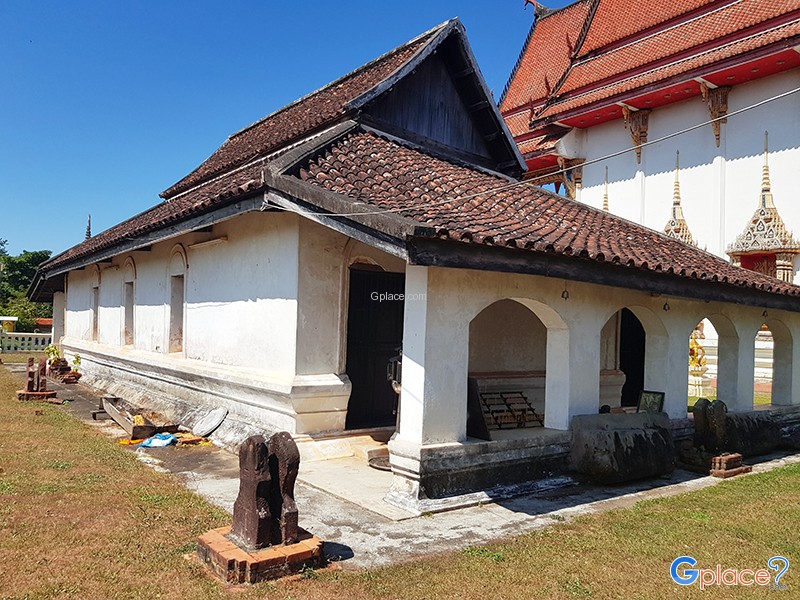
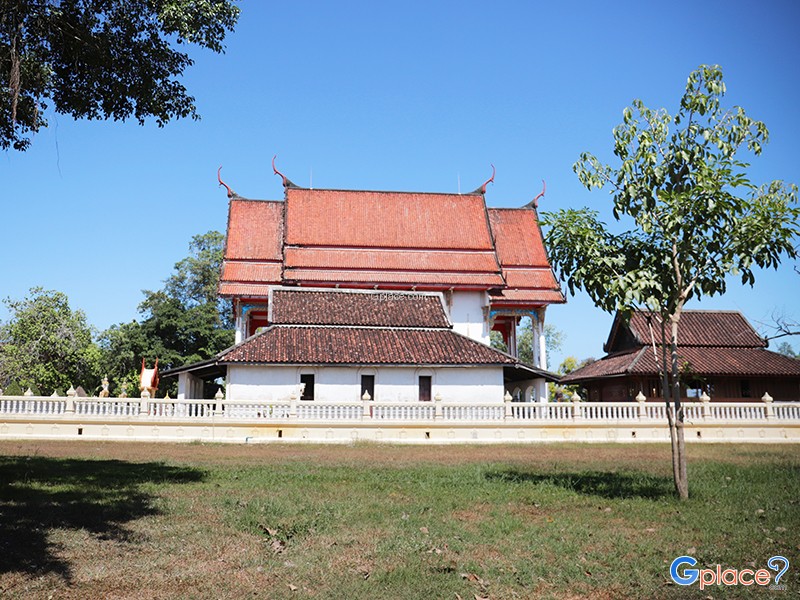
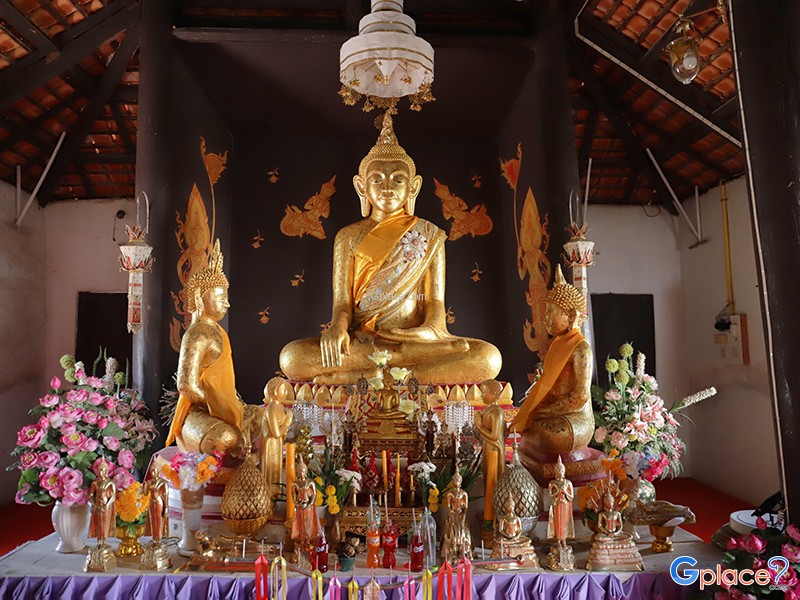
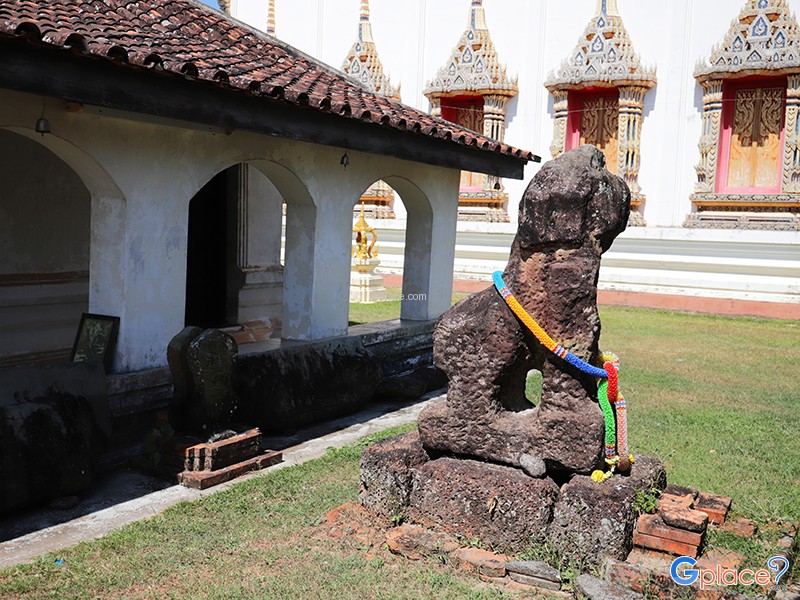
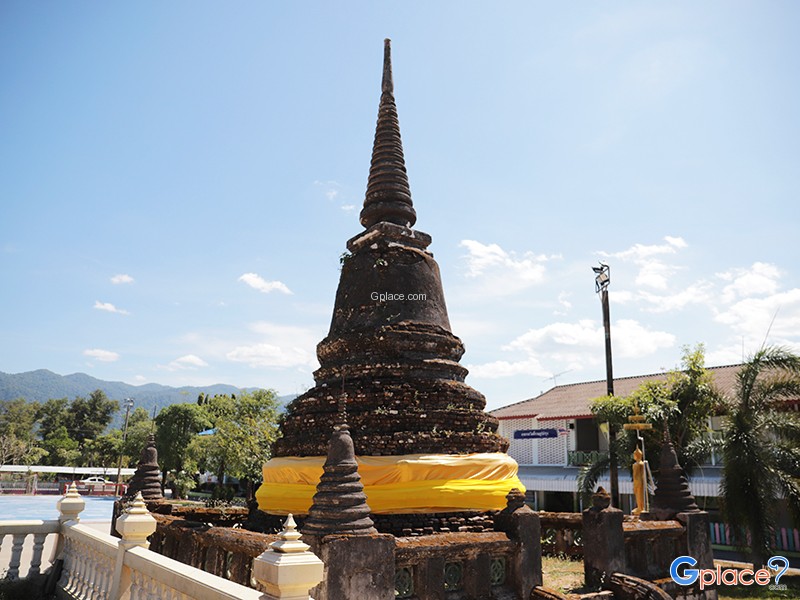
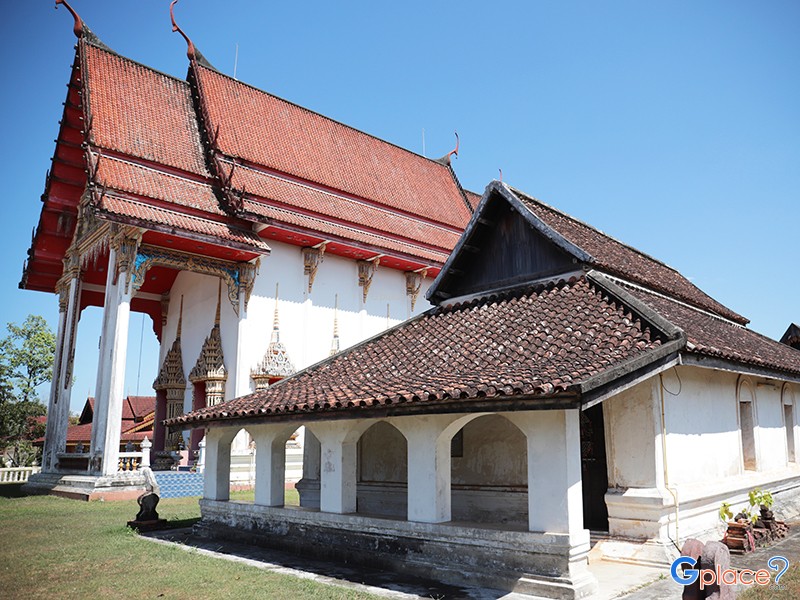
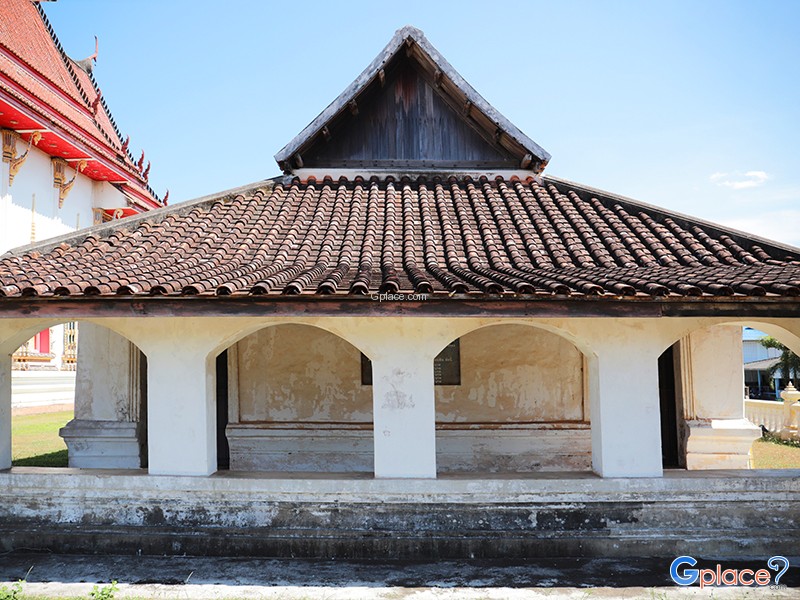
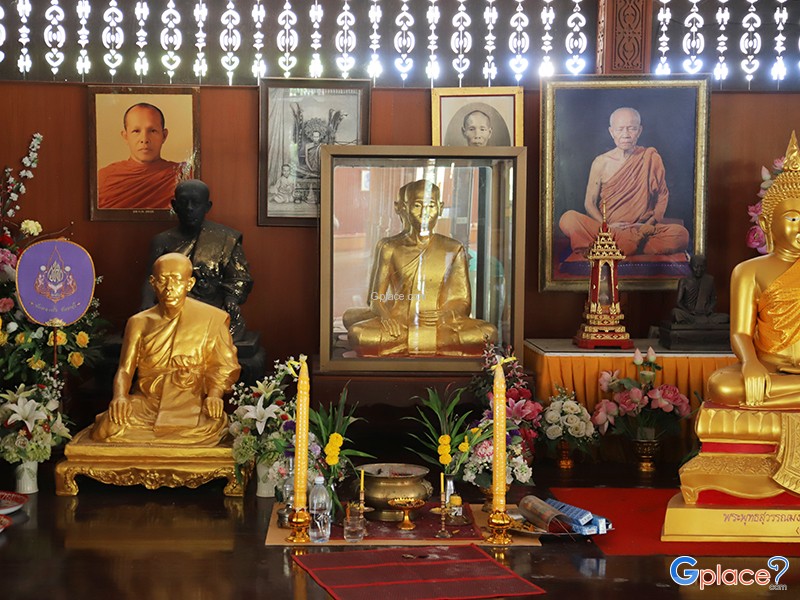
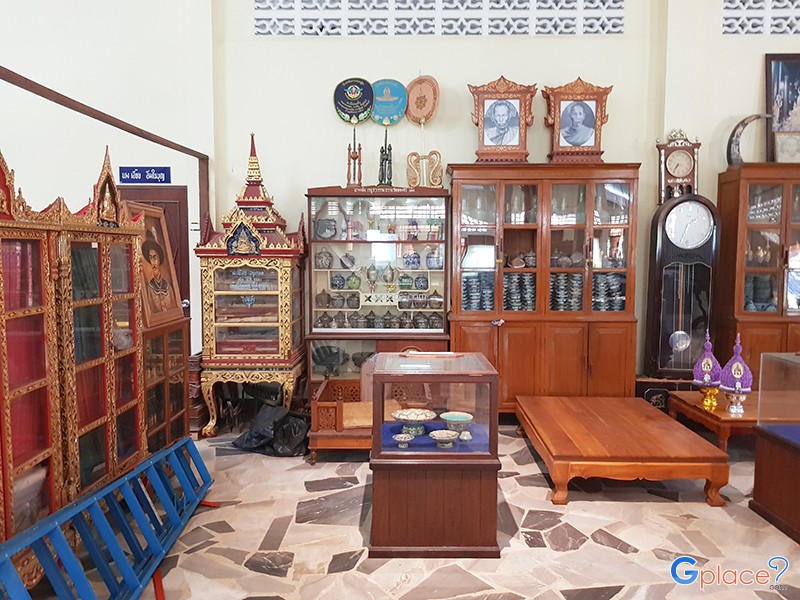


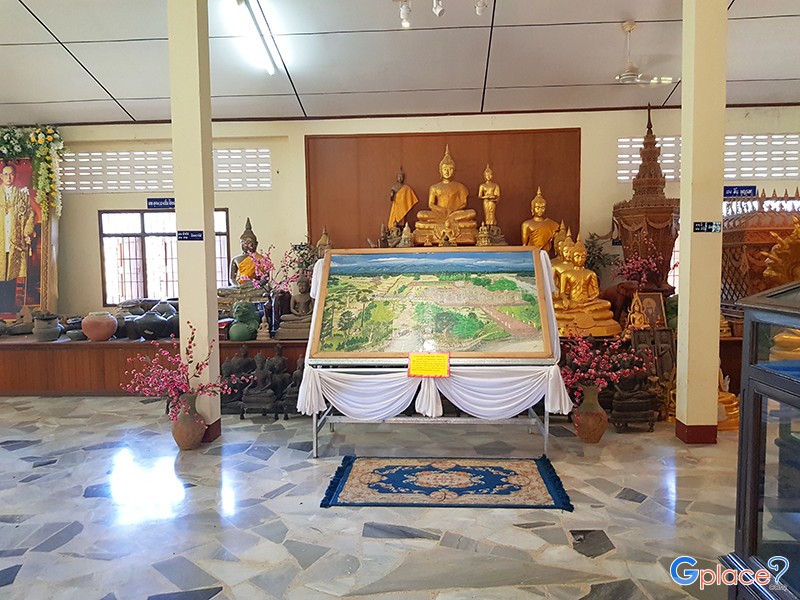
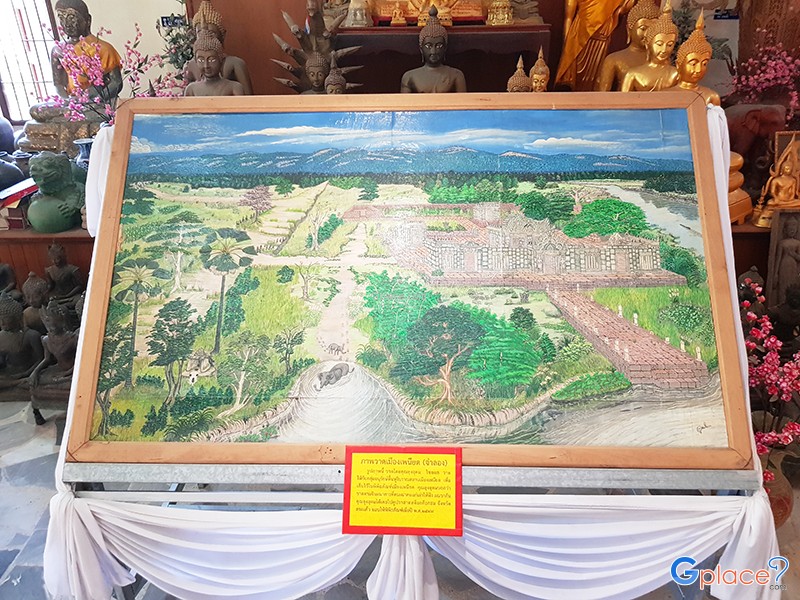

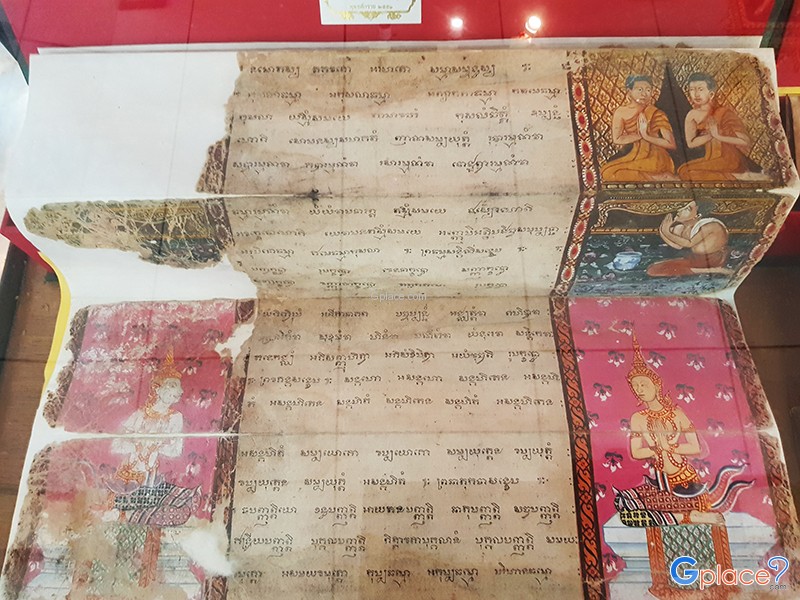

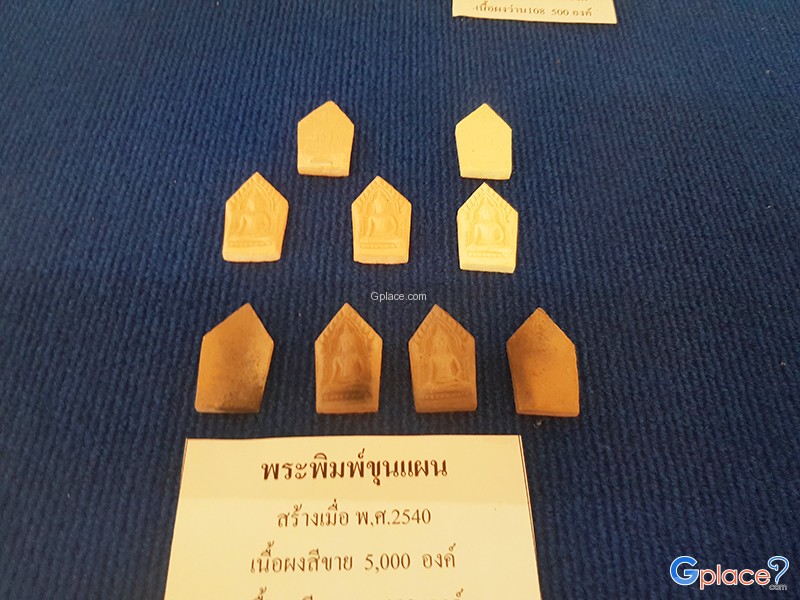
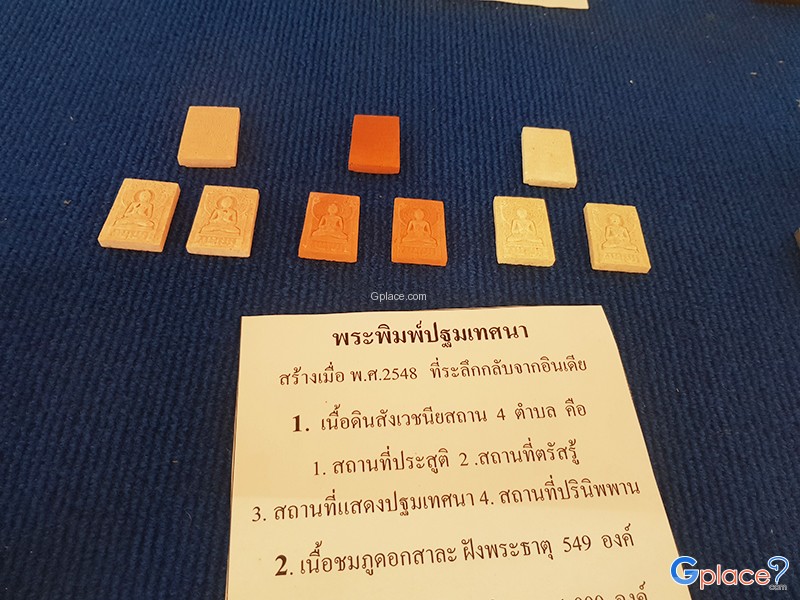
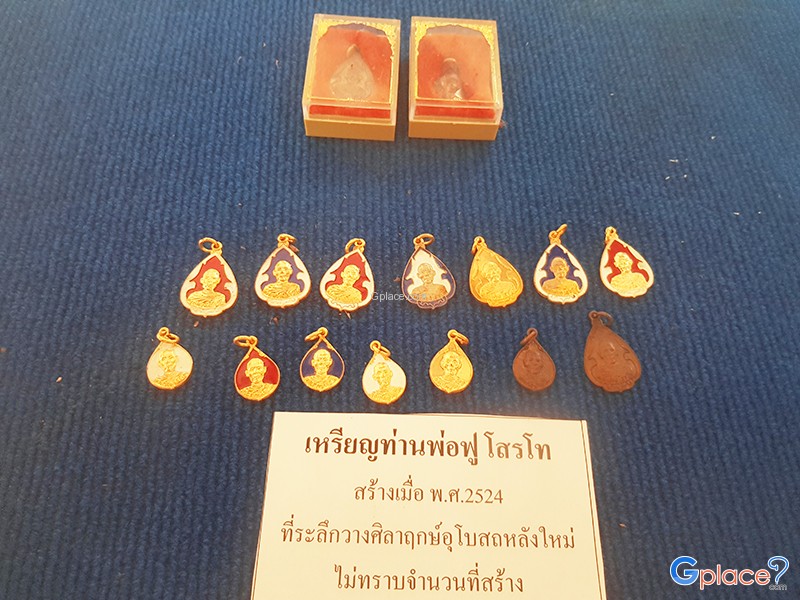
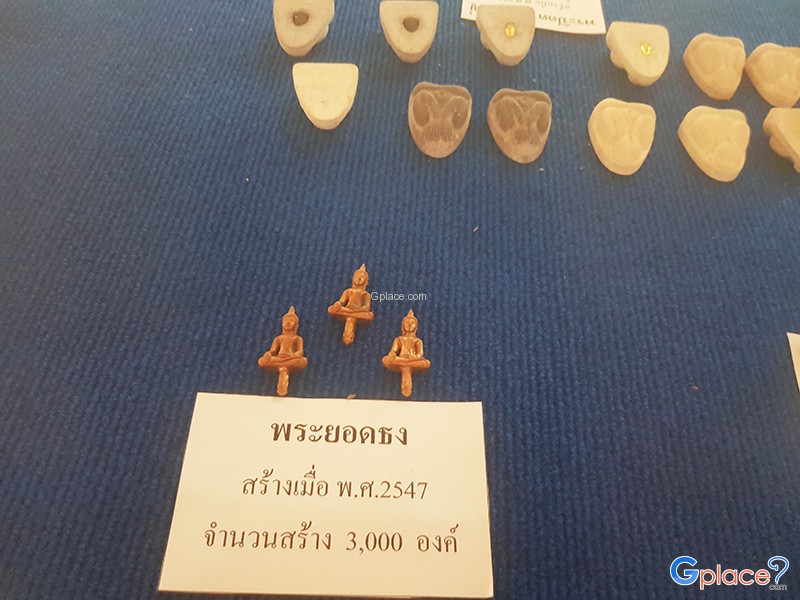
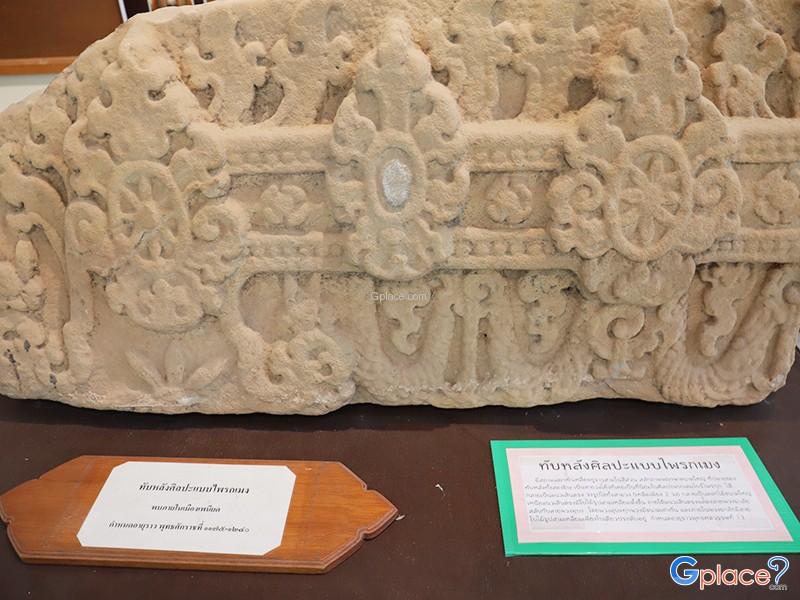
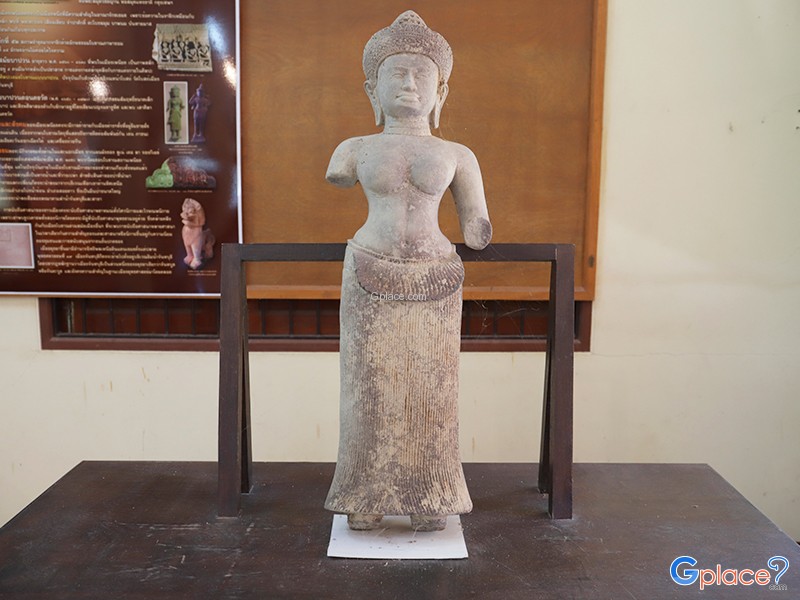
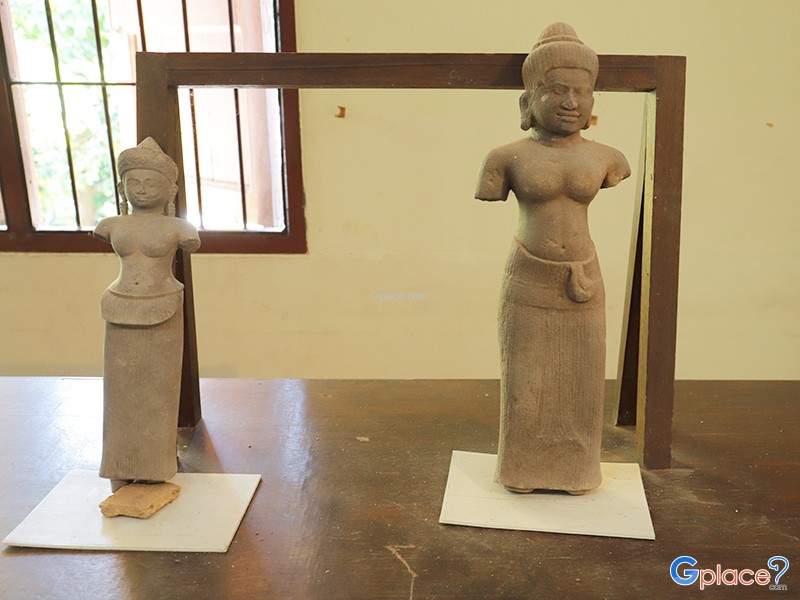
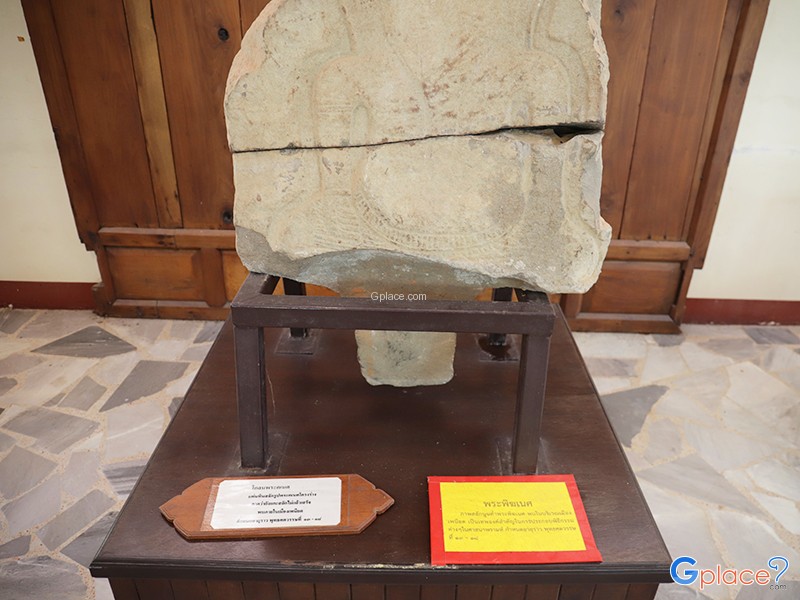
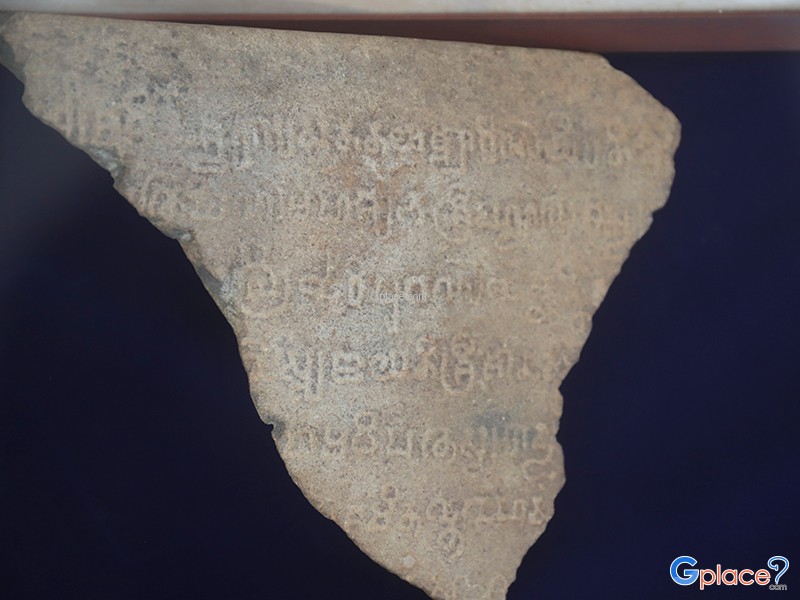
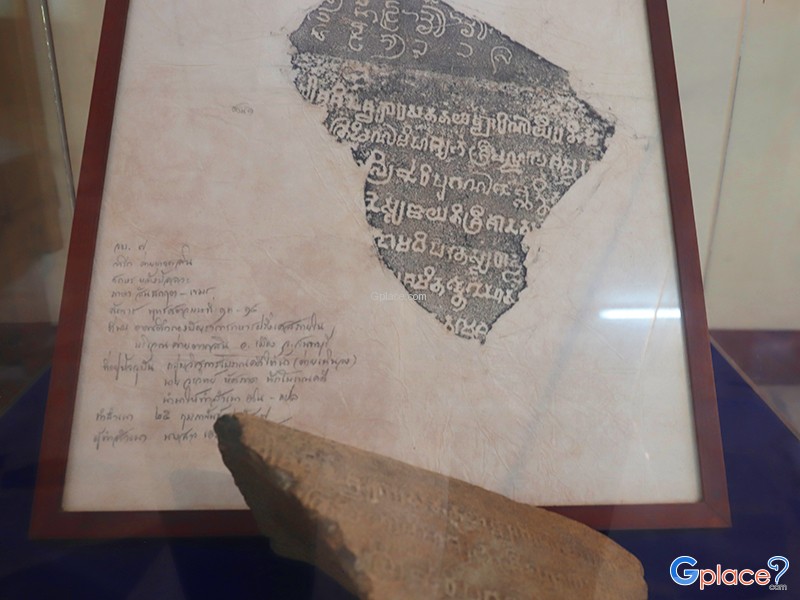
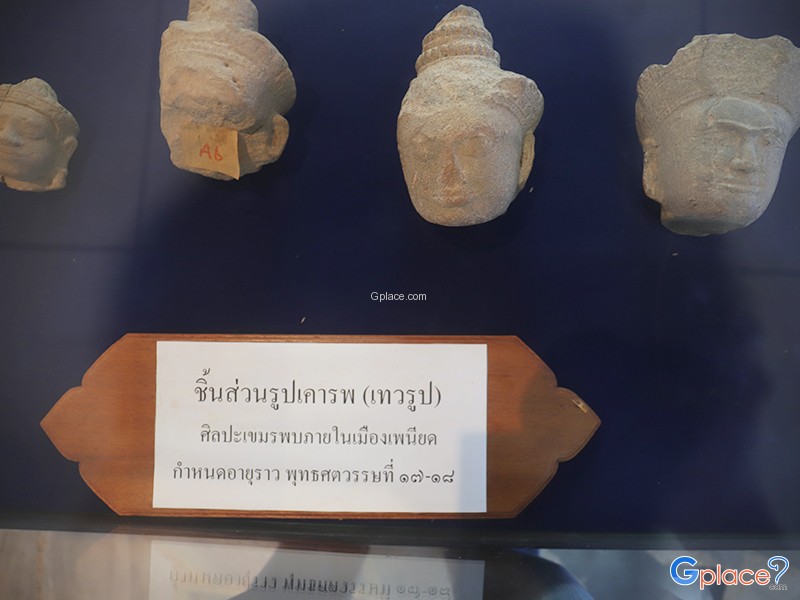
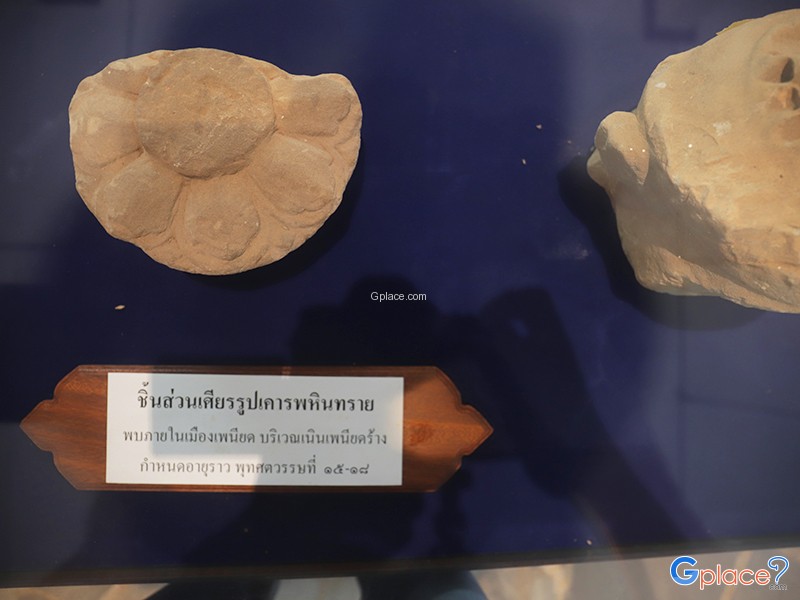
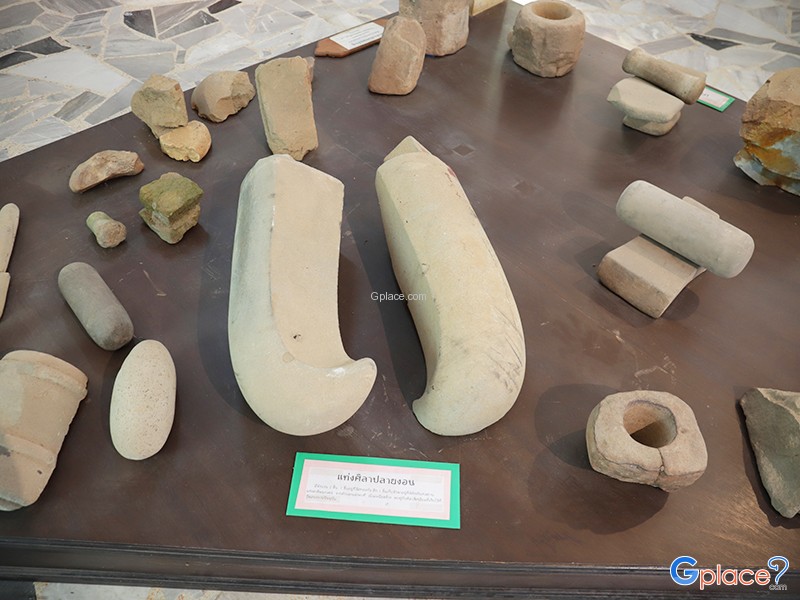
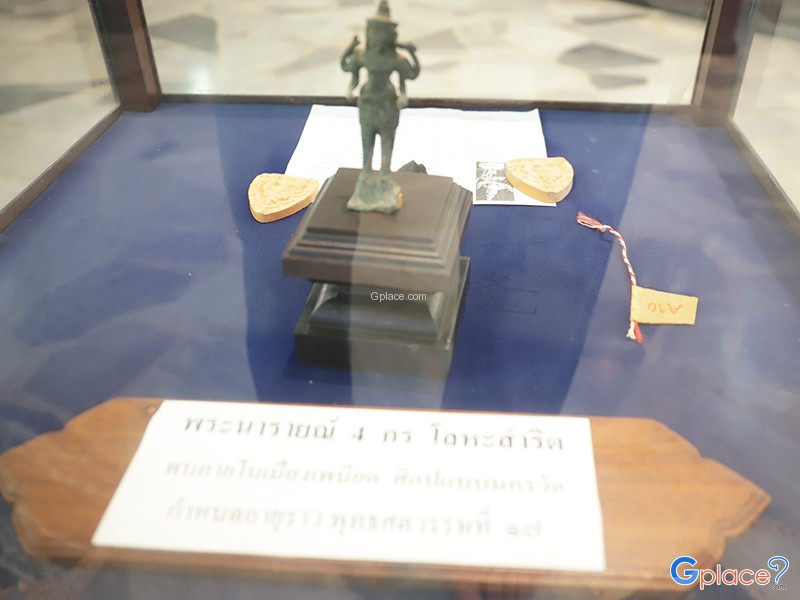
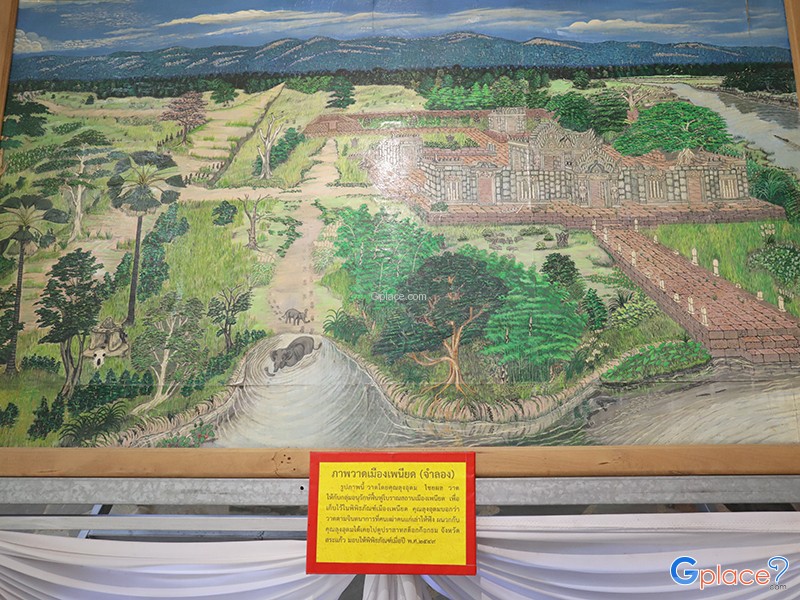
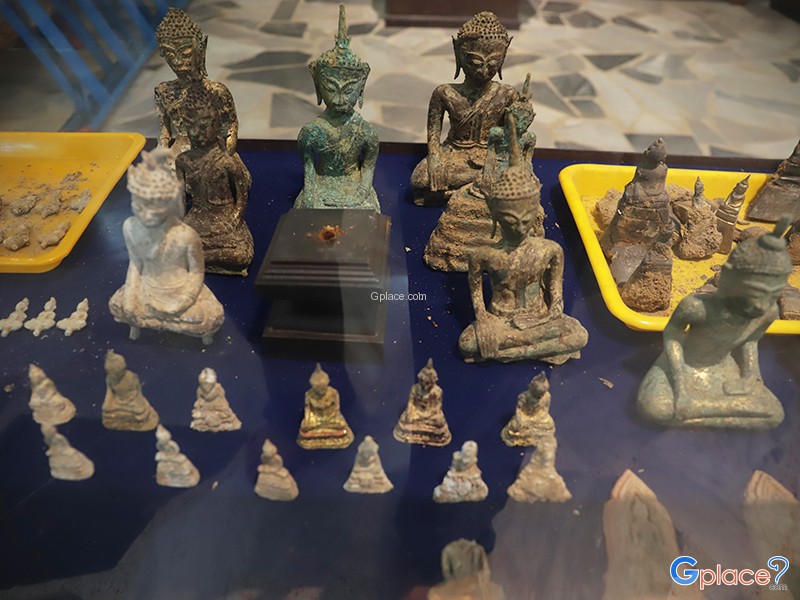
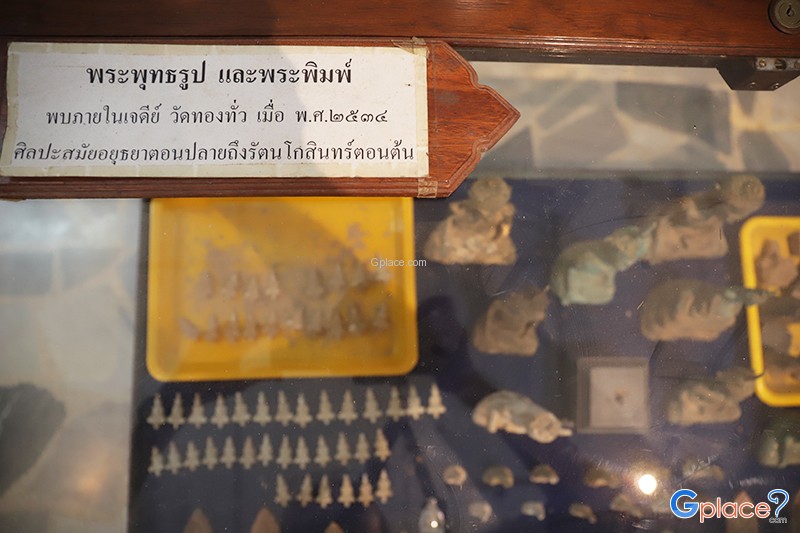
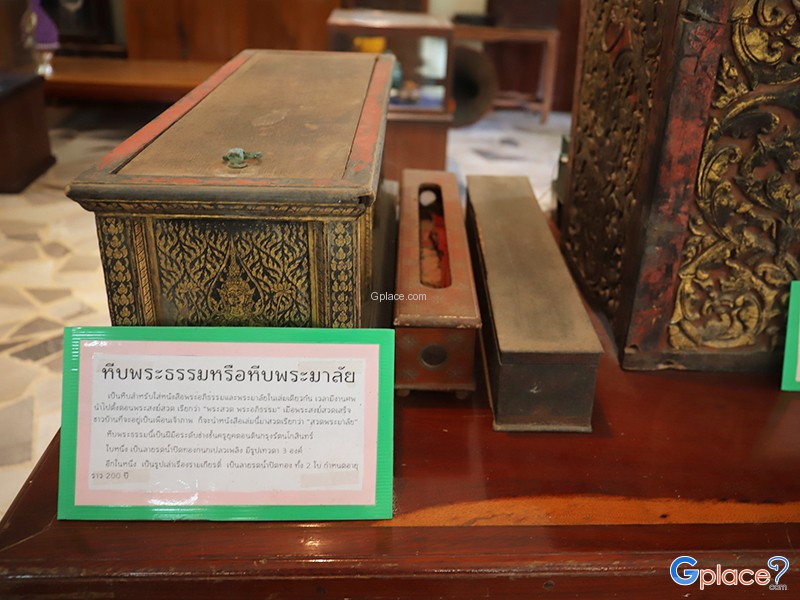
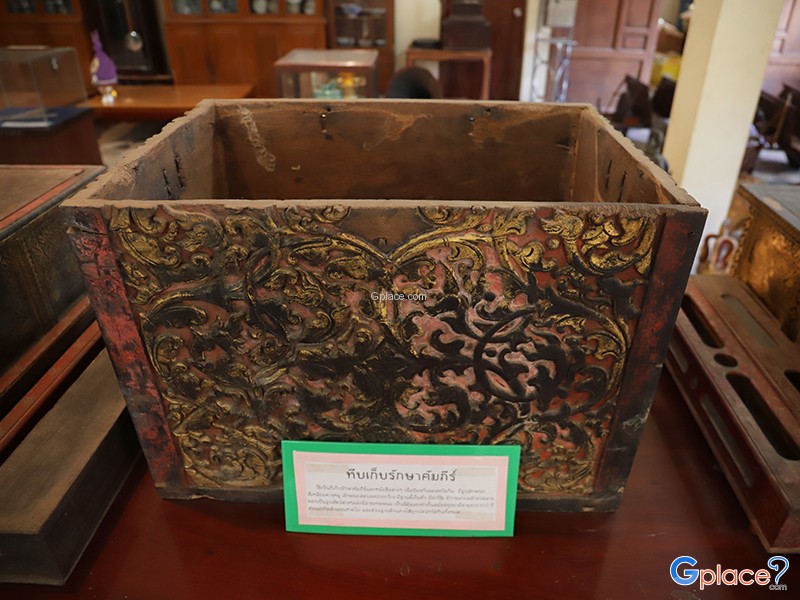
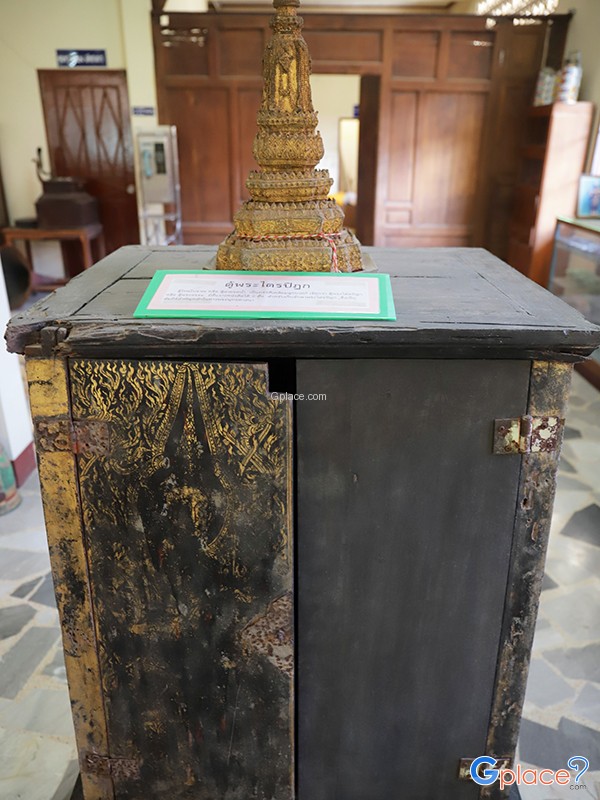
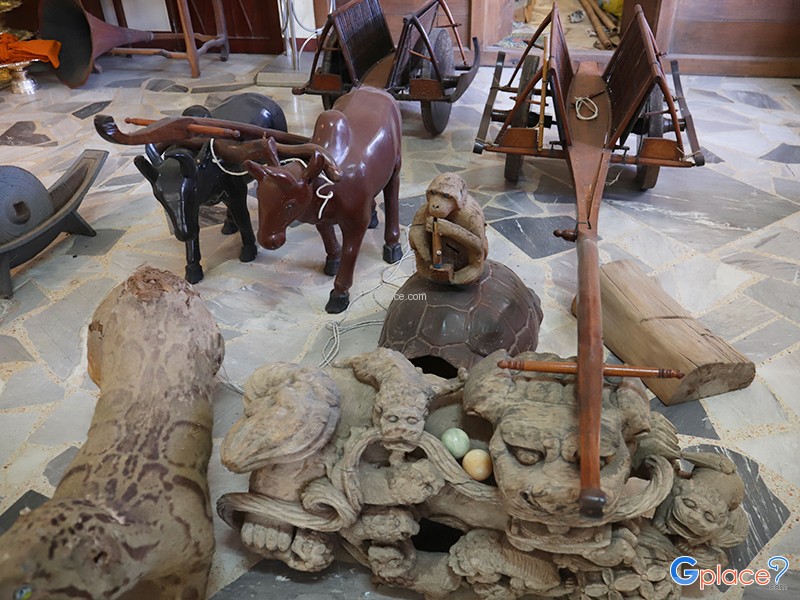
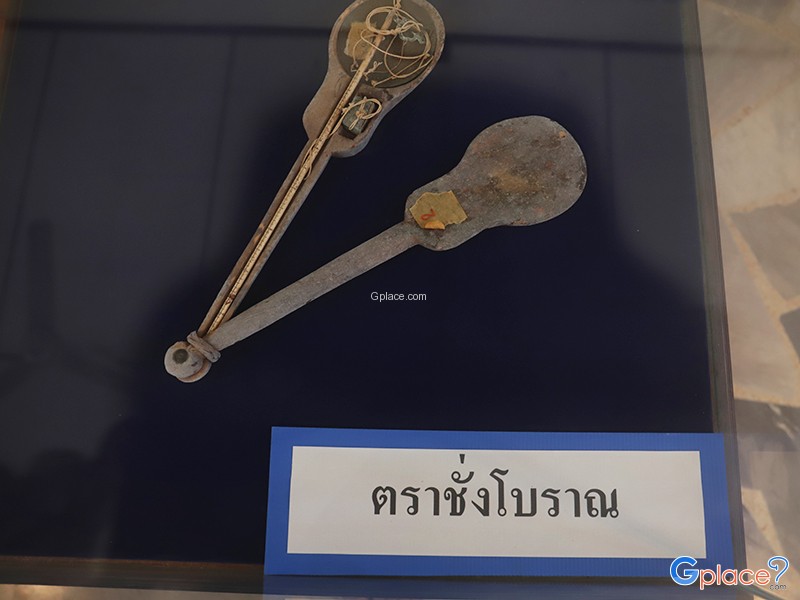
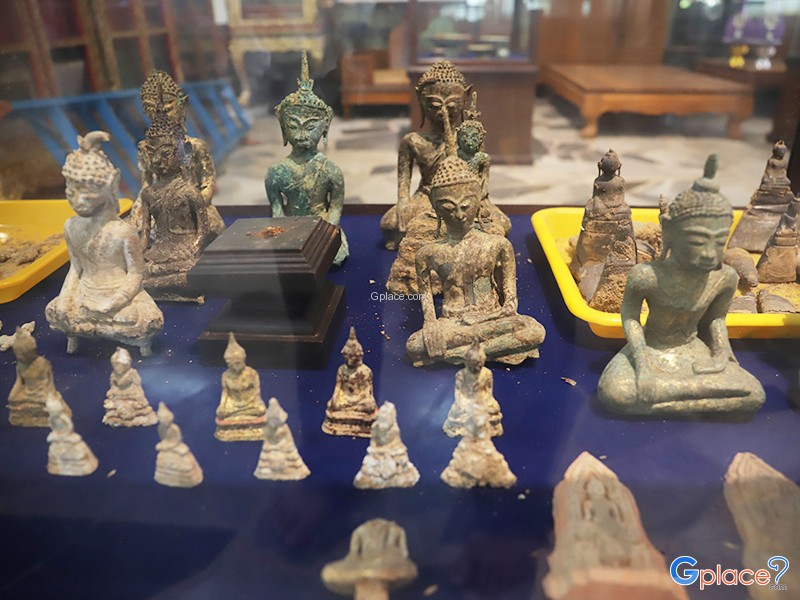
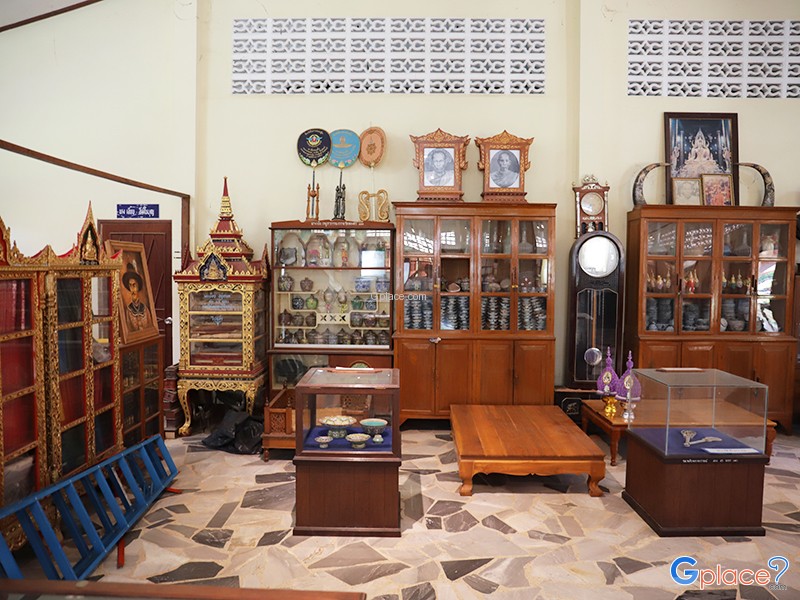
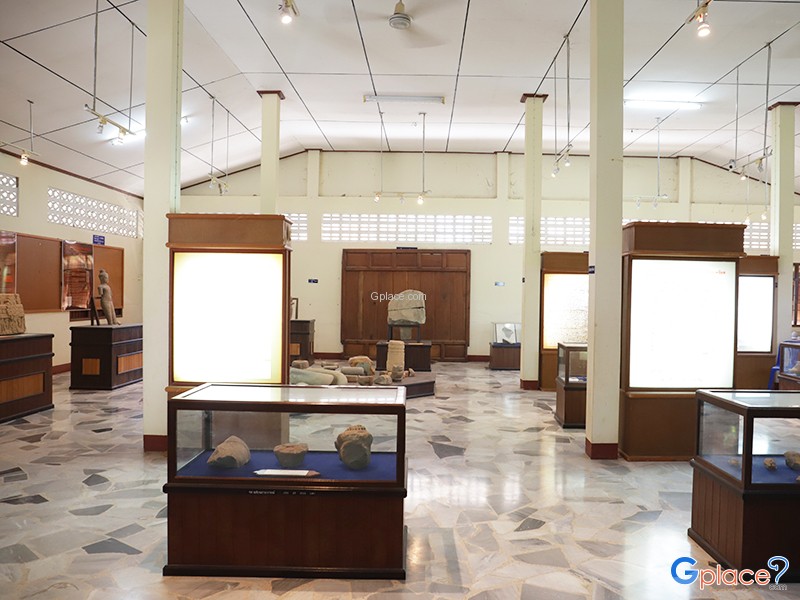
“Wat Thong Thua has an old ordination hall built over the top of a tourist attraction, with a seated lion carved in red sandstone.”
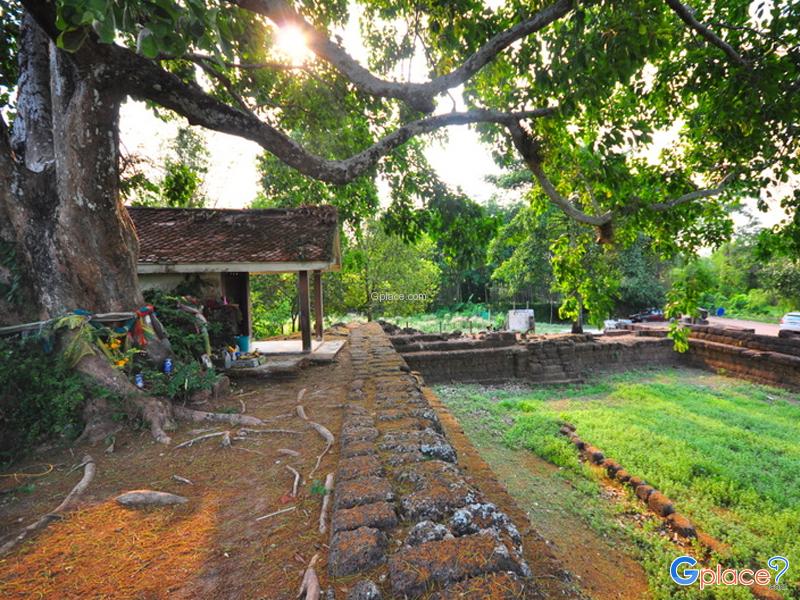
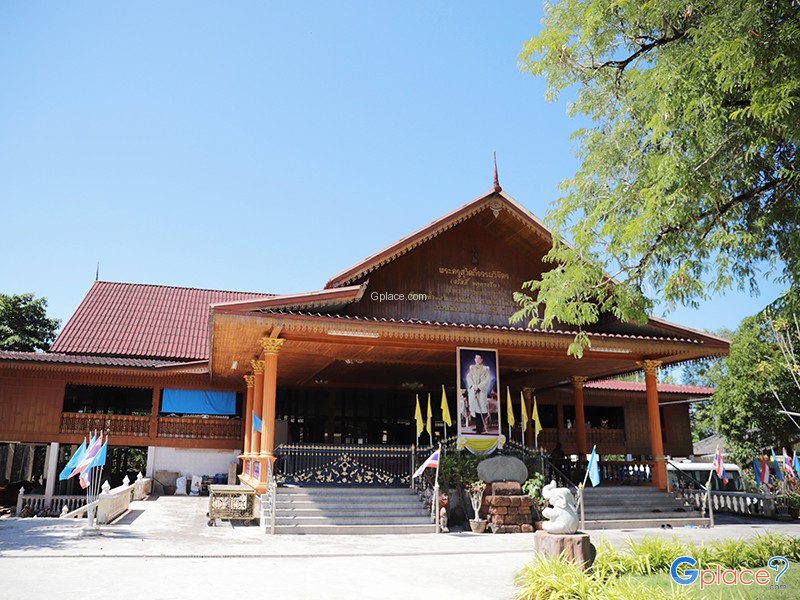
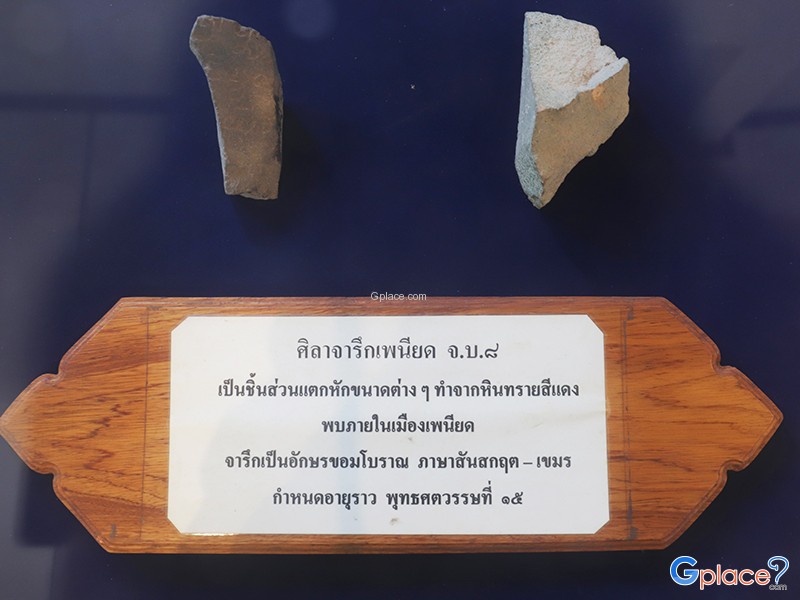
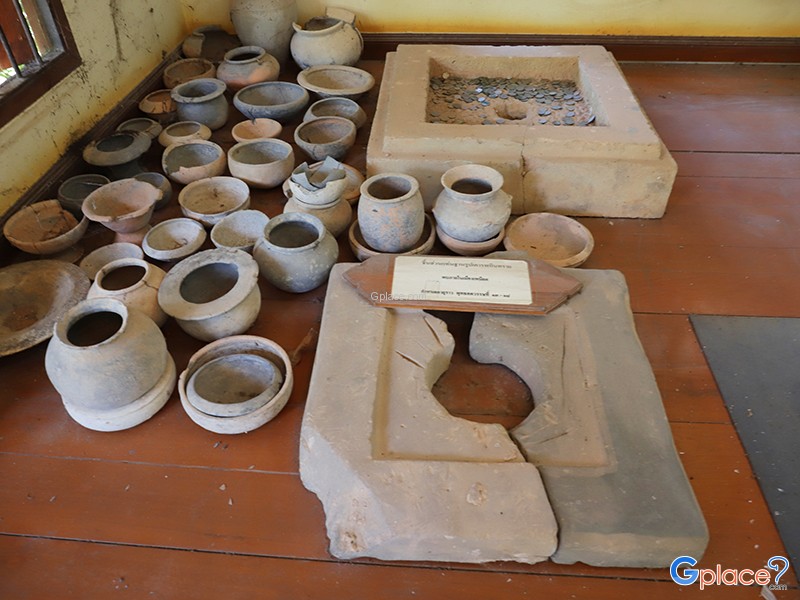
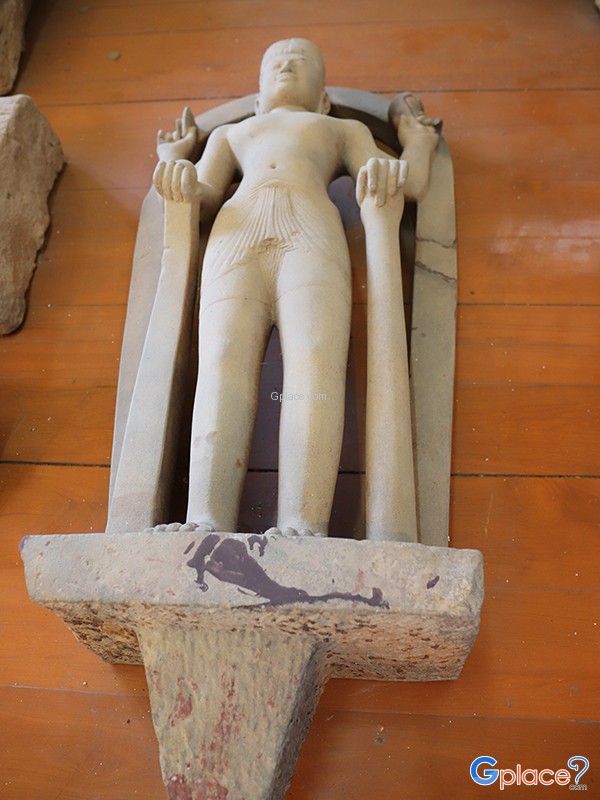
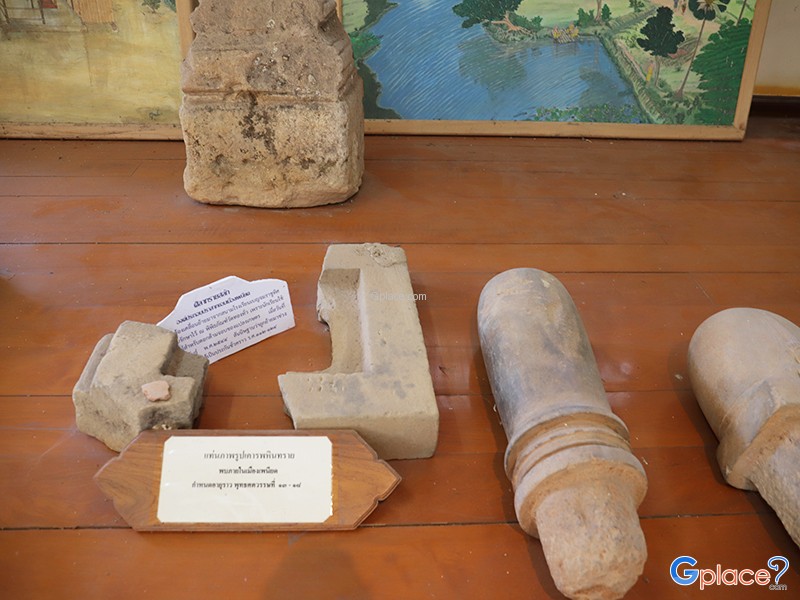
Wat Thong Thua is located near the ancient site of Mueang Peniat, which is associated with ancient Khmer civilization, as evidenced by the archaeological artifacts discovered. There is also “Wat Peniat,” an old temple located about 400 meters south of Wat Thong Thua. Later, the temple’s location was moved to the present Wat Thong Thua. Wat Thong Thua is situated within the area of Phlapphla Narai Subdistrict Municipality, Khlong Narai Subdistrict, Mueang District, Chanthaburi Province, and is about 4–5 kilometers east of the city center
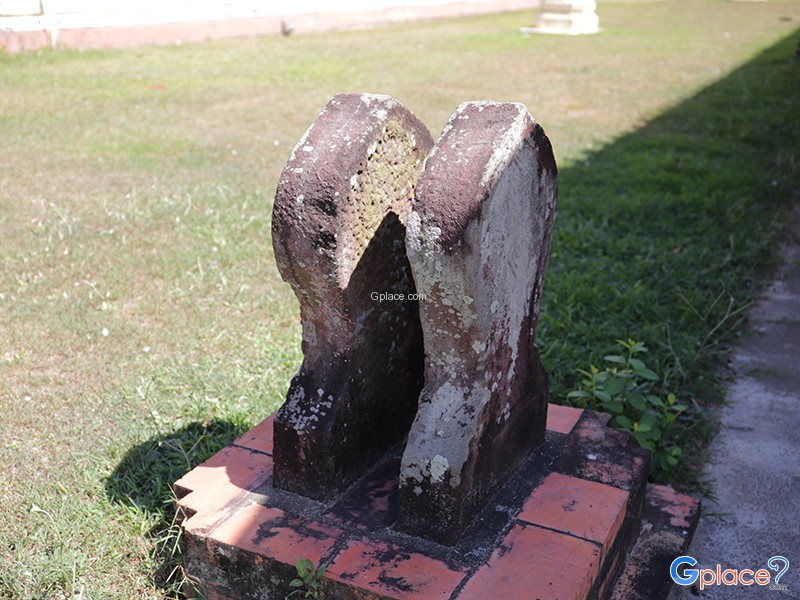
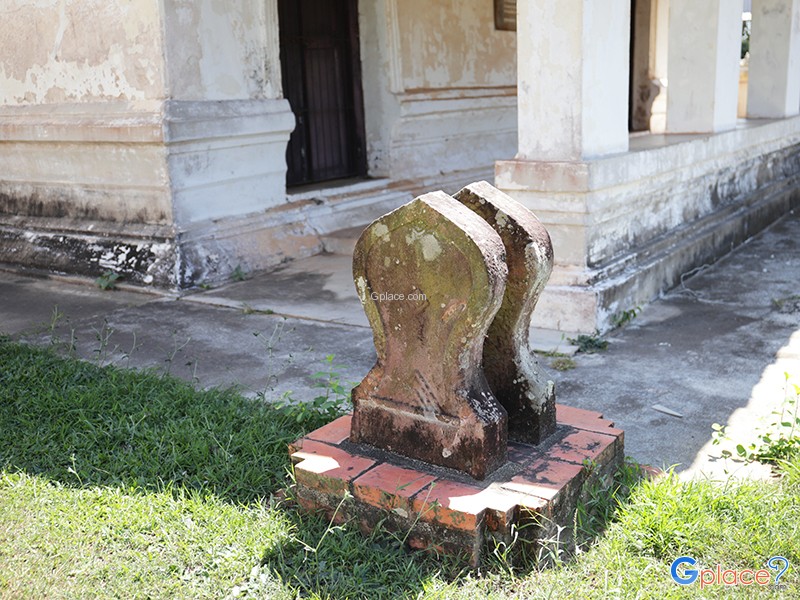
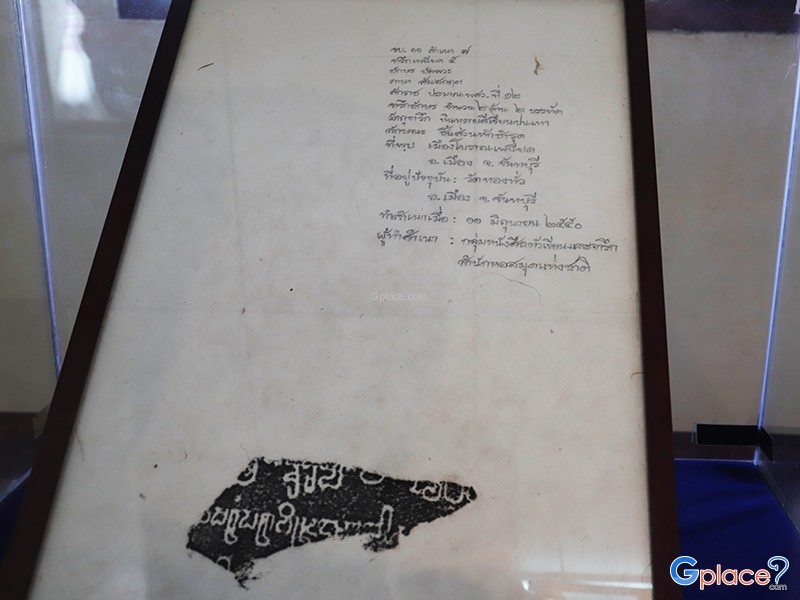
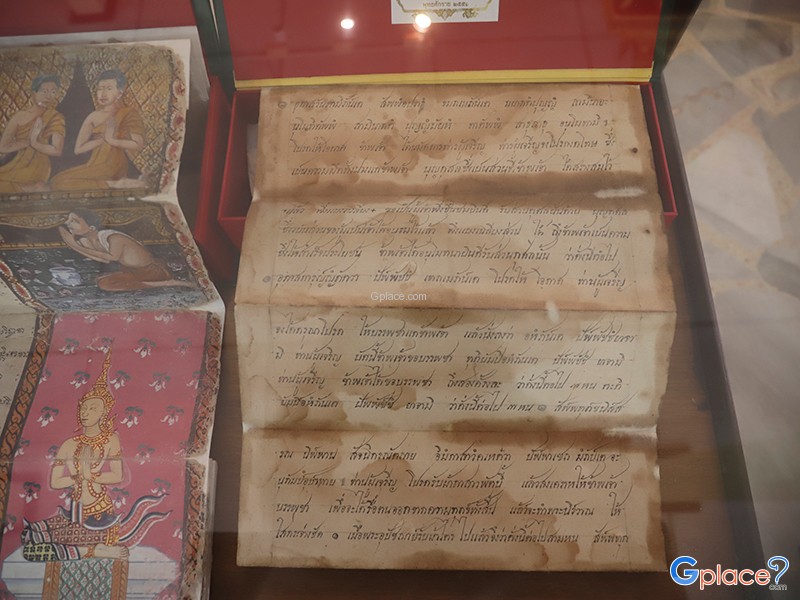
During the late Ayutthaya period after the second fall of the kingdom, King Taksin the Great gathered forces in Chanthaburi to reclaim the nation’s independence, and after succeeding, he was believed to have formed a close connection with Wat Thong Thua. He granted the temple its Visungkamsima boundary, and it is possible that he elevated Wat Thong Thua to the status of a royal temple. This is supported by the presence of paired sema stones surrounding the old ordination hall in all eight directions—something only royal temples were permitted to have. Another important piece of evidence about the temple’s history is a document preserved in the National Archives, recorded in the reign of King Rama V (Document No. S.12/25), reporting to the Chanthaburi Circle in R.S. 118 (A.D. 1900). The document was written by Phra Sukkhunakhanaporn (M.R.W. Chuen Noppawong), who later became Patriarch Vajirananavong. King Chulalongkorn (Rama V) appointed him to oversee education in Chanthaburi in R.S. 116 (A.D. 1898) when he was serving as the Director of Education for the province.
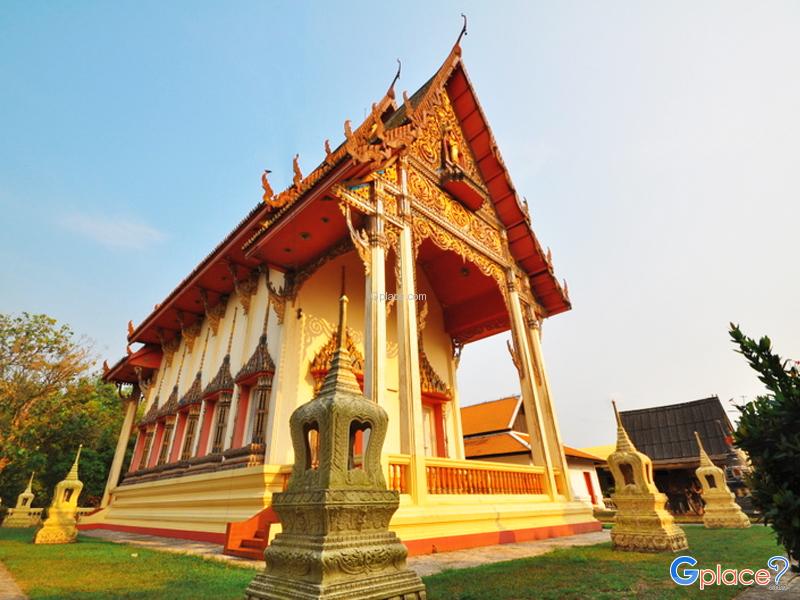
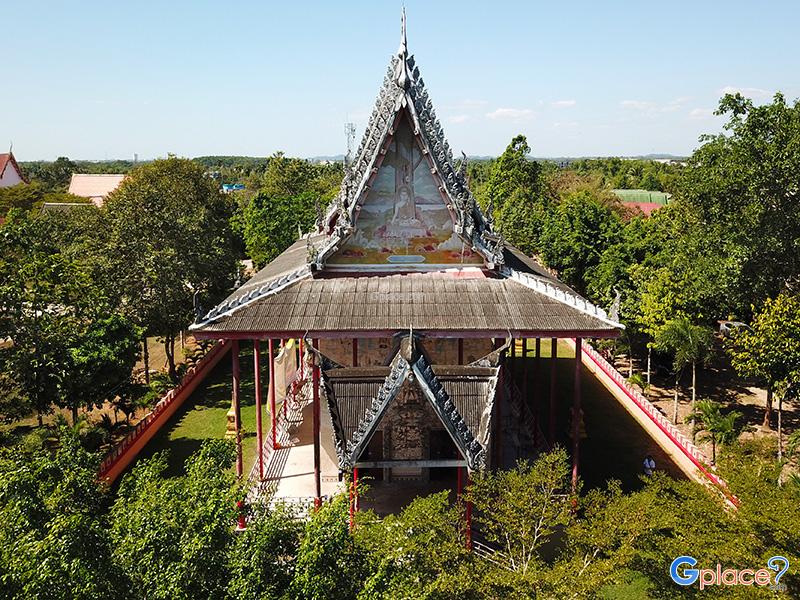
The old ordination hall (ubosot) has original architectural features from the Ayutthaya period, but it has since been expanded and modified. According to the temple’s historical record, each abbot who governed the temple renovated and repaired the old ordination hall, causing the original artistic elements to fade and be replaced with new styles according to the preferences of each era.
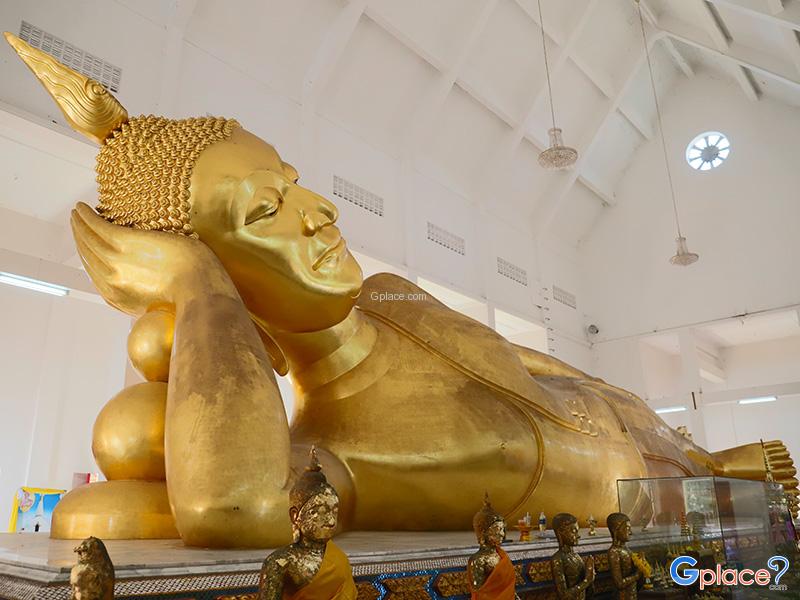
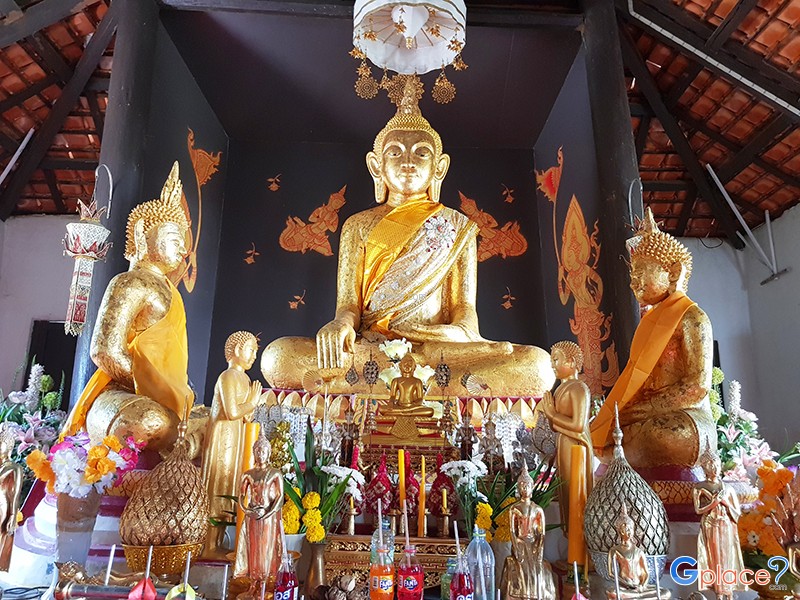
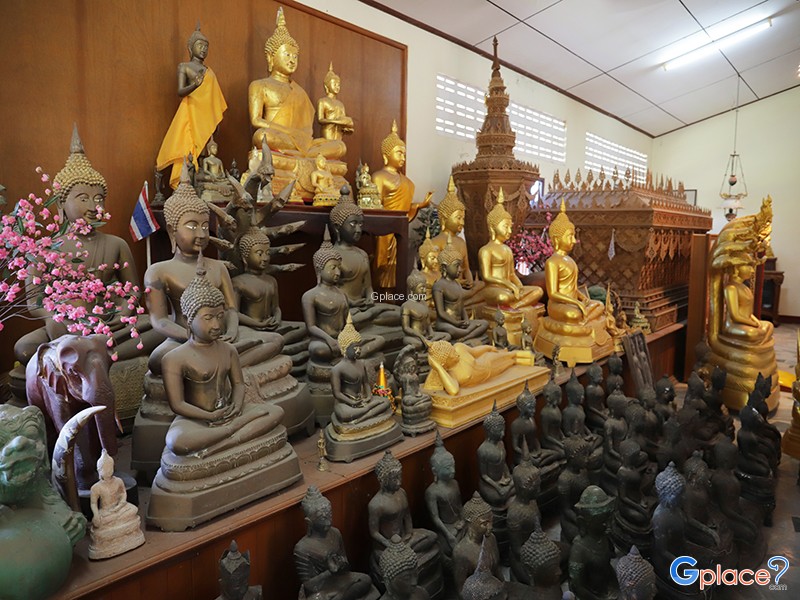
The principal Buddha image in the ordination hall, Phra Phuttha Suwannamongkhon Sakyamuni Si Sanyaphet (Luang Pho Thong), is an ancient Buddha image that has existed alongside the old ordination hall, according to evidence regarding the temple’s construction. It is currently enshrined in the old ordination hall.
How to Get There
- Private Car: Drive along Sukhumvit Road (heading towards Trat Province). The temple will be on the left side, with clear signposts.
- Public Transport: You can take a Songthaew (local shared taxi) from Chanthaburi city that runs along Sukhumvit Road, or hire a Motorcycle Taxi, giving "Wat Thong Thua"
Travel Tips
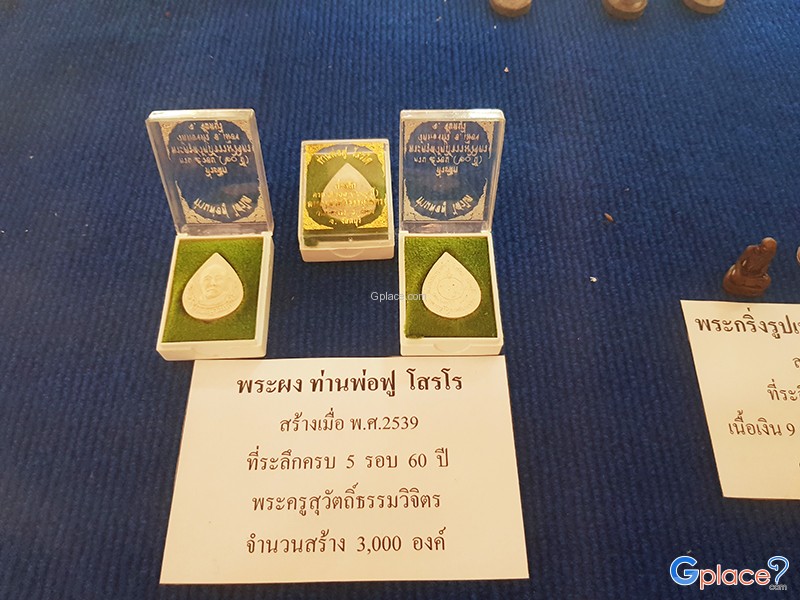
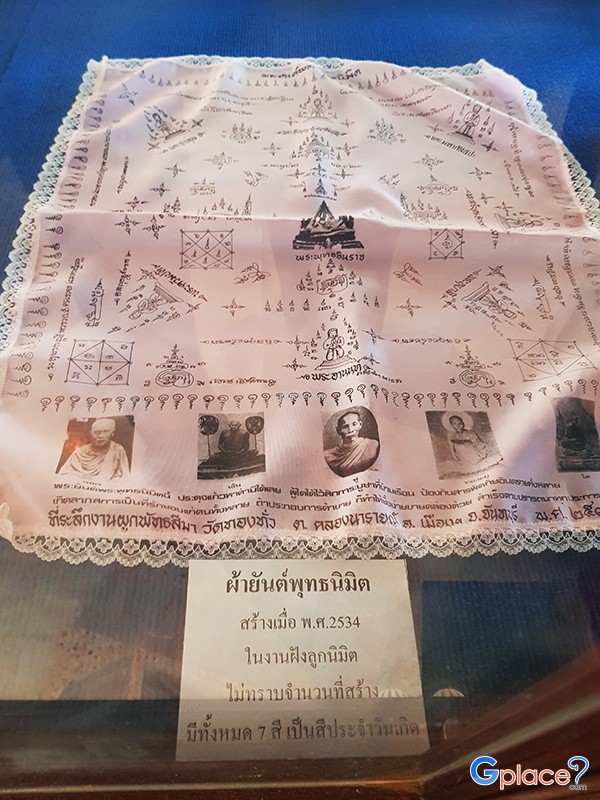
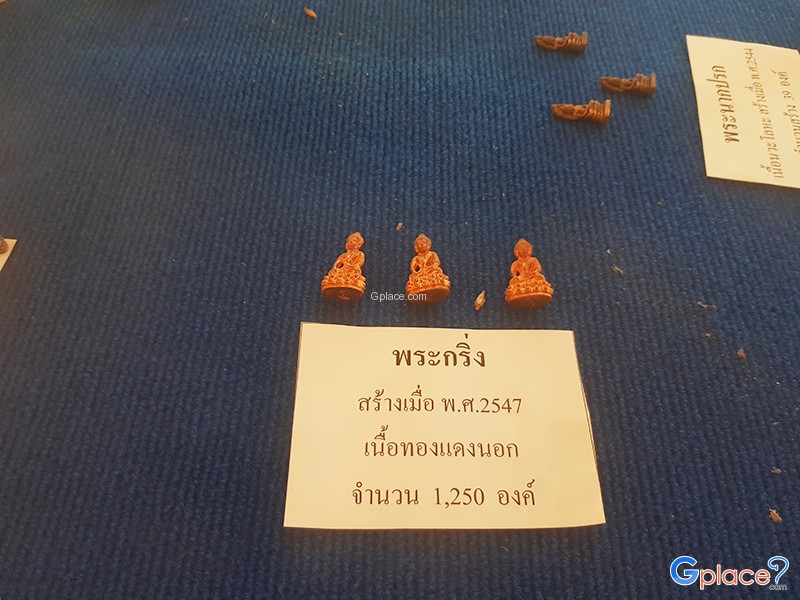
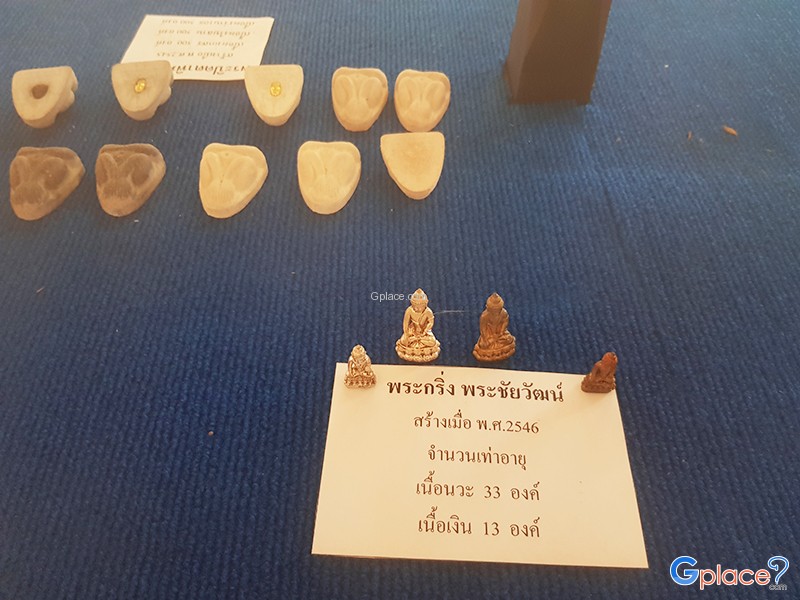
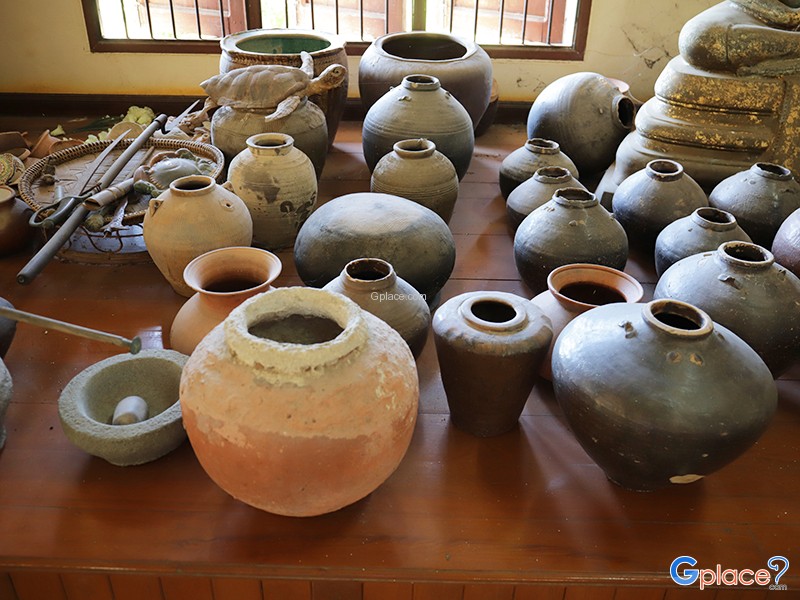
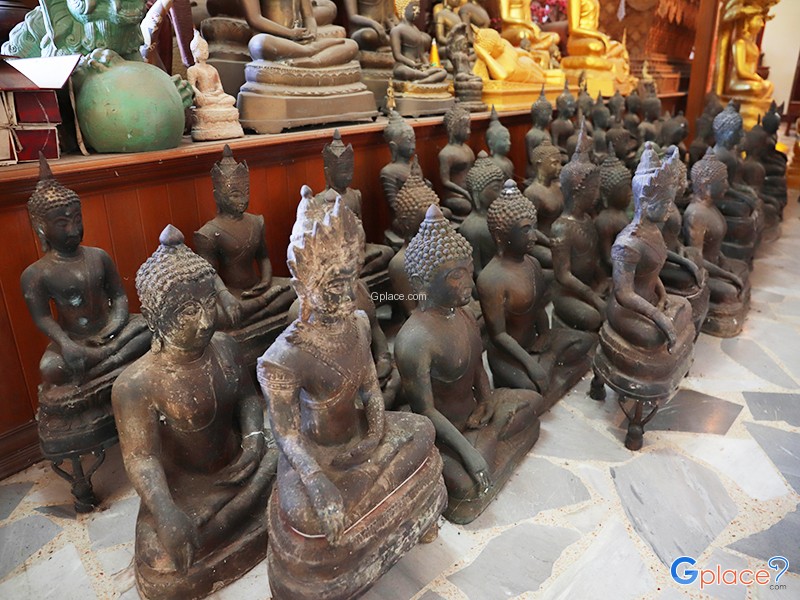
- Viewing Artifacts: If you wish to view the artifacts displayed in the temple's storage building (the museum), it is advisable to inquire and contact the temple staff or monks in advance.
- Architecture: Note the design of the old ubosot, which retains its original Ayutthaya-era art structure despite subsequent renovations.
- Dress Code: Dress modestly in accordance with the rules for religious sites.
Admission Fee:
- No admission fee
Opening Hours:
- General: Open for visits from approximately 7:00 AM to 5:30 PM
Wat Thong Thua

 Share
Share
 35 Soi 4, Moo 10, Phlapphla Subdistrict, Mueang Chanthaburi District, Chanthaburi 22000
Map
35 Soi 4, Moo 10, Phlapphla Subdistrict, Mueang Chanthaburi District, Chanthaburi 22000
Map
 Open now : 7.00 - 17.30
Mon7.00 - 17.30
Tue7.00 - 17.30
Wed7.00 - 17.30
Thu7.00 - 17.30
Fri7.00 - 17.30
Sat7.00 - 17.30
Sun7.00 - 17.30



 5242
5242