 Attractions
  Hotel
Hotel  Restaurant
  Shopping
  Abroad






“Prasat Muang Kao is one of the "Arokayasala," or hospitals, that King Jayavarman VII of the Khmer Empire ordered to be built in the 18th Buddhist century. It is considered an ancient site that shows the influence of Khmer civilization on the route from Angkor to Phimai.”
Prasat Mueang Kao belongs to the group of ancient sites classified as Arokayasala (Arokayasala), or hospitals, which were commissioned by King Jayavarman VII, the last great monarch of Angkor, to be built across the territories under the Khmer Empire's influence as a form of Buddhist devotion under the Mahayana tradition. This specific historical site dates back to the 13th century CE (approximately 1181–1218 CE), clearly demonstrating the prominence of the Bayon style of architecture.
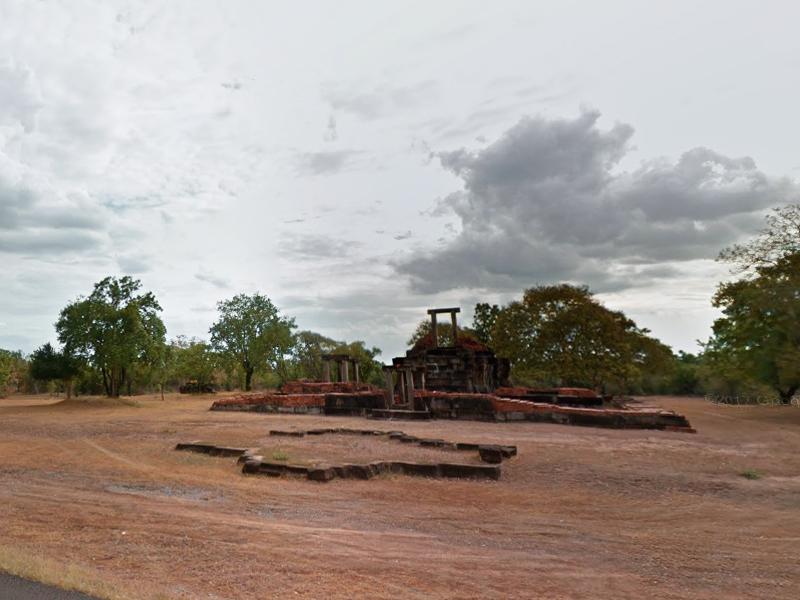
The layout of the sanctuary comprises essential core components typical of the Arokayasala design. At the center stands the Prang Prathan (Principal Tower), which served as the main structure for enshrining the Bhaisajyaguru Buddha (the Medicine Buddha). This building is primarily constructed from laterite, with sandstone used for door frames and windows. The Principal Tower faces the auspicious direction of the East. Located in the southeast corner of the complex is the Bannalai (Library), a small structure dedicated to storing sacred scriptures and medicinal texts.
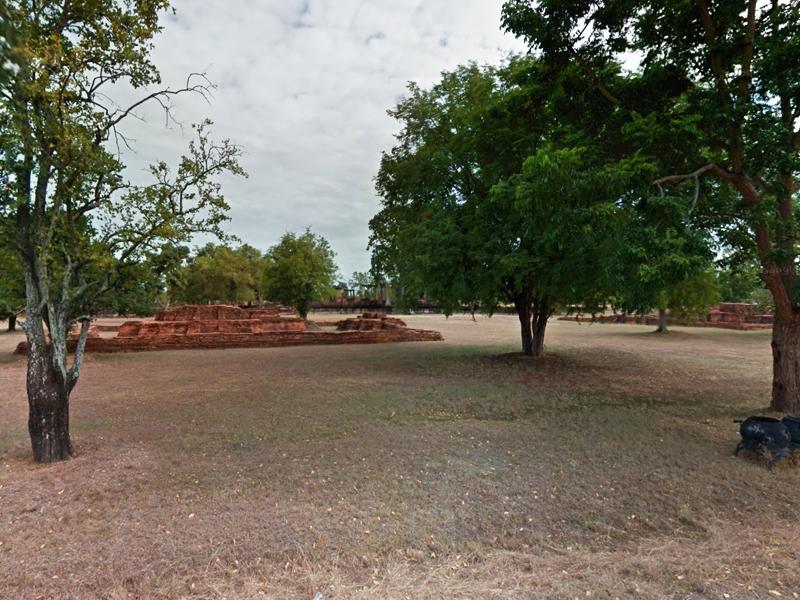
Both of these buildings are enclosed by a Gala Wall (Enclosure Wall), also built of laterite, featuring a single Gopura (Entrance Pavilion) on the eastern side. Just outside the enclosure wall to the northwest, one can find the Baray (Reservoir), a crucial element in Khmer belief. This pool of water is presumed to have been a sacred water source used for rituals and healing processes within the Arokayasala. Although Prasat Mueang Kao today consists mainly of the foundations of the structures and the remaining walls—with the apex of the Principal Tower having collapsed over time and currently undergoing excavation and restoration by the Fine Arts Department—its overall ground plan remains intact, clearly illustrating the prescribed layout of an Arokayasala. Visiting this site offers an excellent opportunity to study the history and culture of the Khmer Empire along the route connecting Phimai Sanctuary to Nakhon Ratchasima.
How to Get There
-
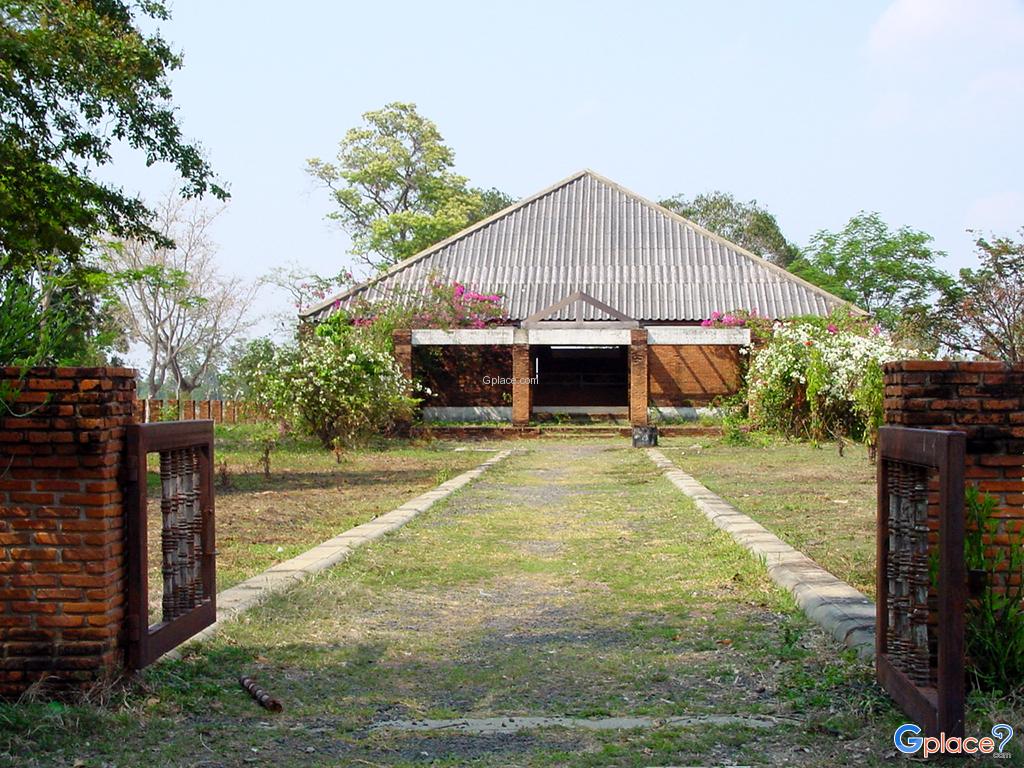
Private car: From Nakhon Ratchasima city, take Highway 2 (Mittraphap Road) towards Khon Kaen for approximately 15 kilometers. There will be a sign indicating a right turn onto the road to Sung Noen District. Continue along the road for approximately 5 kilometers. A notable landmark is the entrance to the temple, which resembles the old city gate.
-
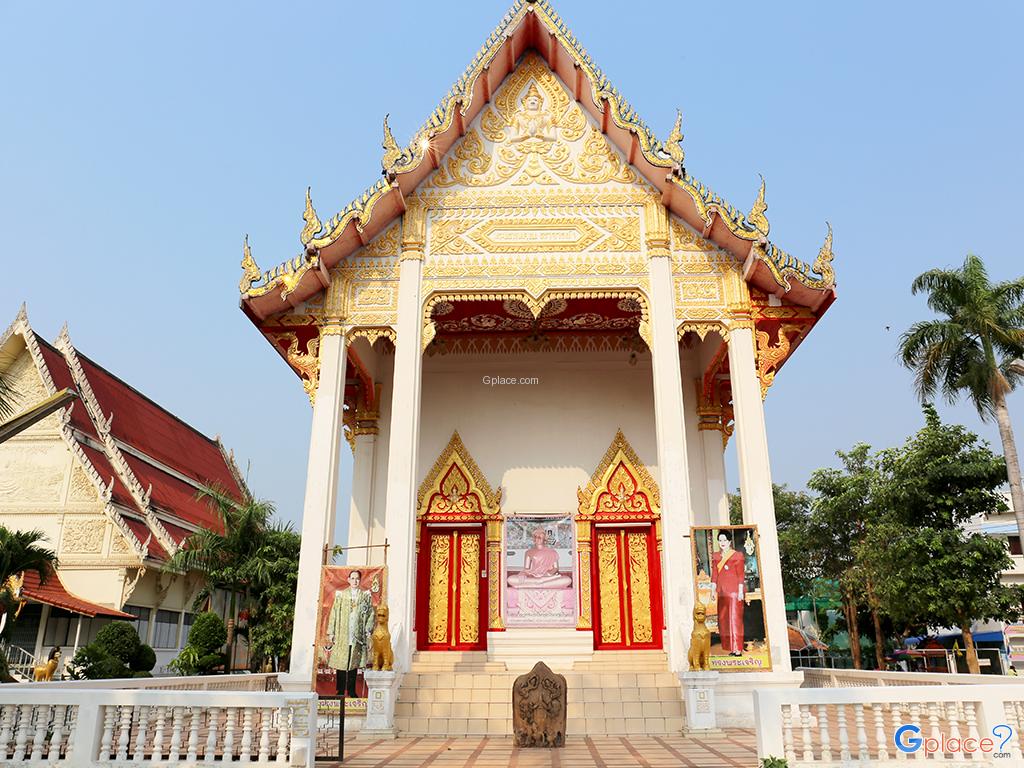
Location: Located within Wat Prang Muang Kao.
Travel Tips
-
Dress Code: Due to the temple grounds and historical sites, proper attire is recommended.
-
Best Time to Visit: Visit in the morning or evening to avoid the intense heat.
-
Twin Trips: Visit nearby Prasat Muang Khaek and Prasat Hin Non Ku to fully explore the Khmer archaeological sites in Sung Noen District.
Admission Fees:
-
Thais: 10 baht
-
Foreigners: 50 baht
-
Note: This information is based on the Fine Arts Department's announcement regarding the sale of tickets to nearby archaeological sites, such as Prasat Muang Khaek, which is in the same archaeological site group in Sung Noen District.
Opening Hours:
- Open for viewing every day during the opening hours of the historical site/temple (generally from morning to evening).
Prasat Mueang Kao

 Share
Share
 Korat Subdistrict, Sung Noen District, Nakhon Ratchasima 30170
Map
Korat Subdistrict, Sung Noen District, Nakhon Ratchasima 30170
Map
 Open now



 246
246