 Attractions
  Hotel
Hotel  Restaurant
  Shopping
  Abroad





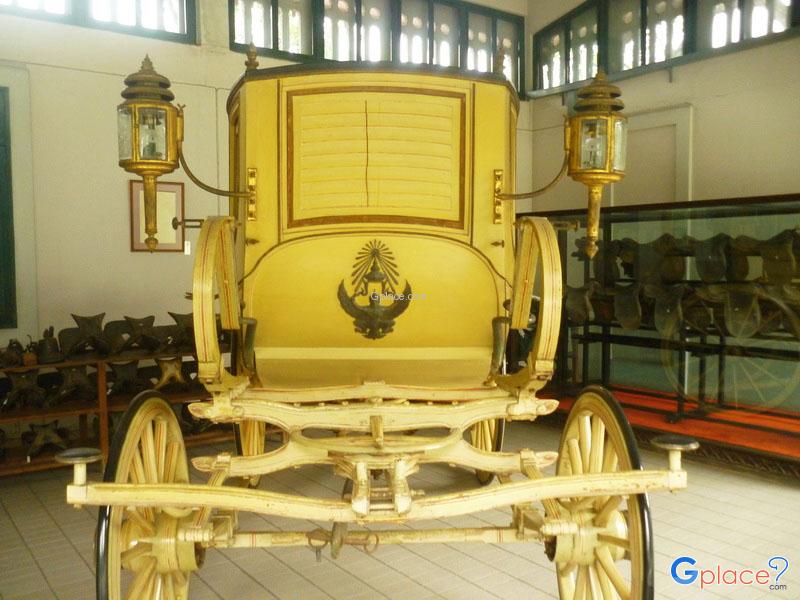

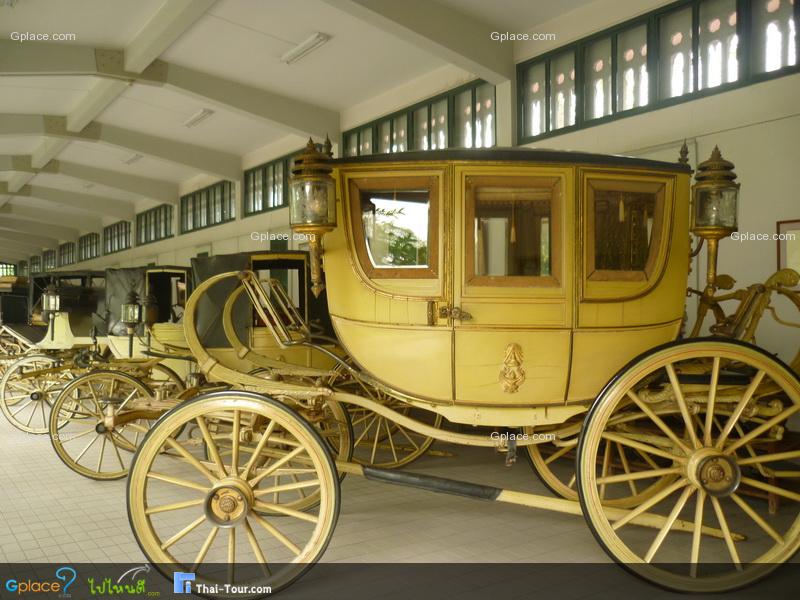
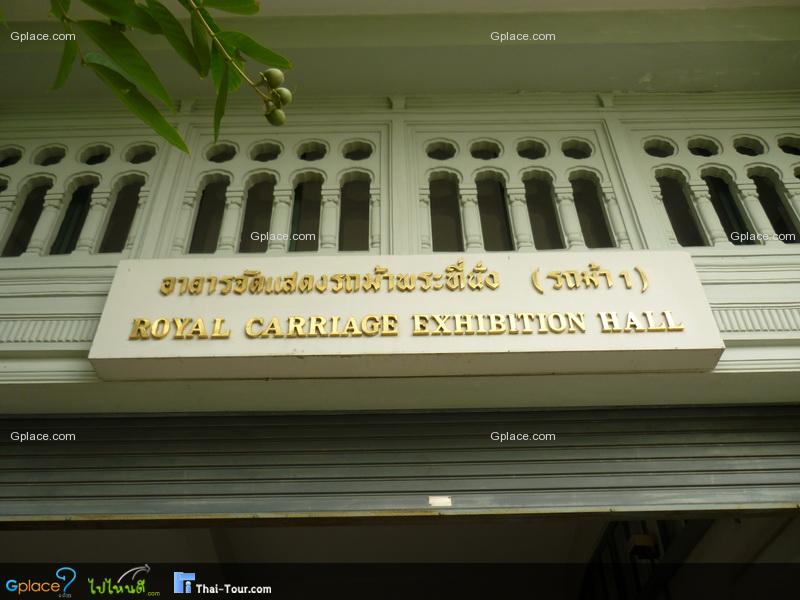
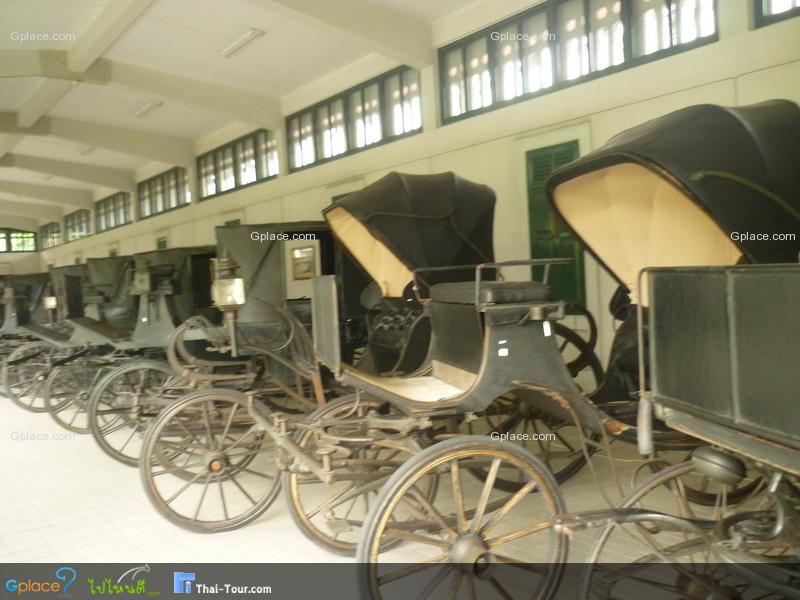
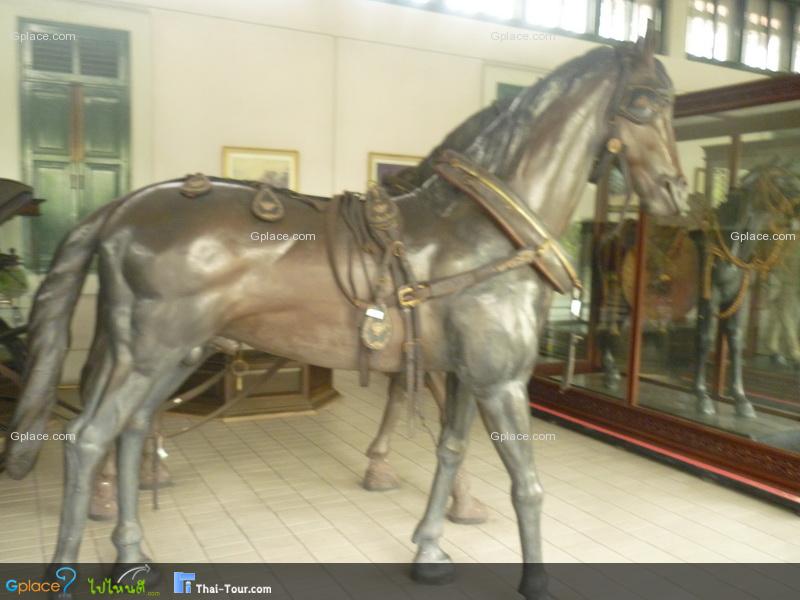
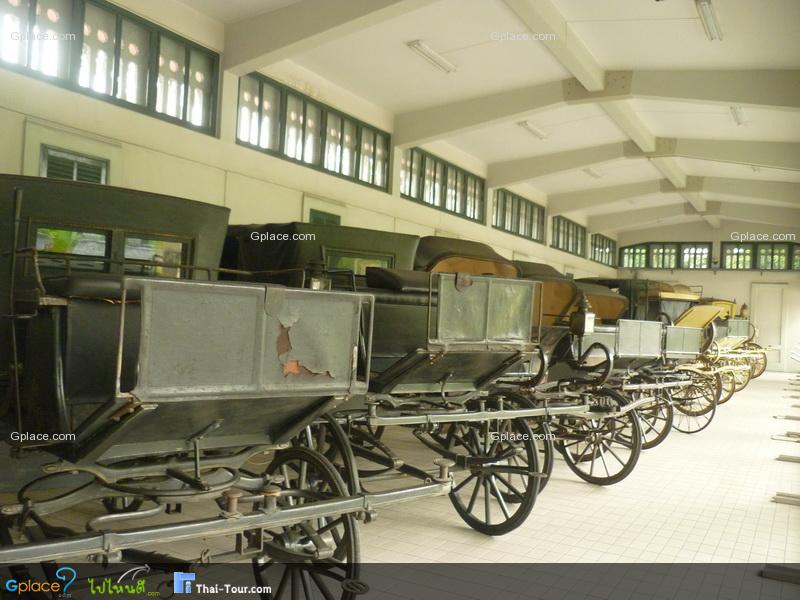
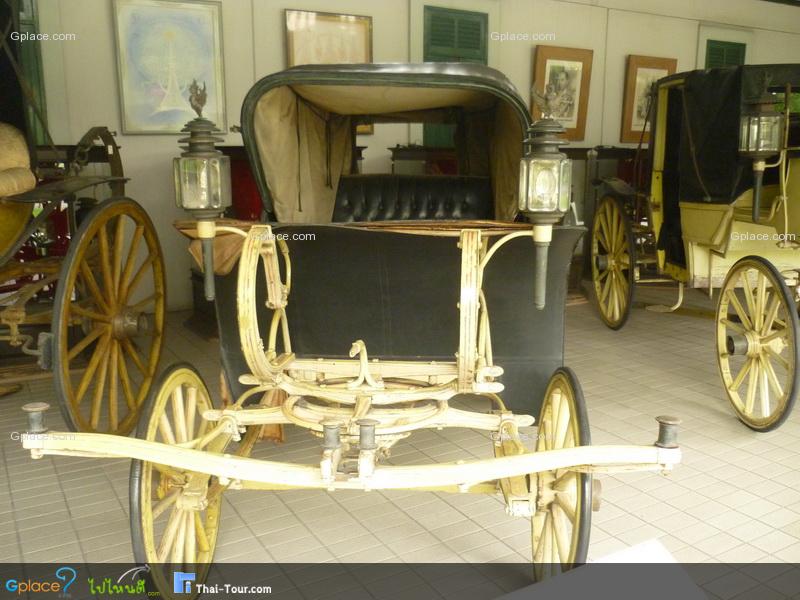
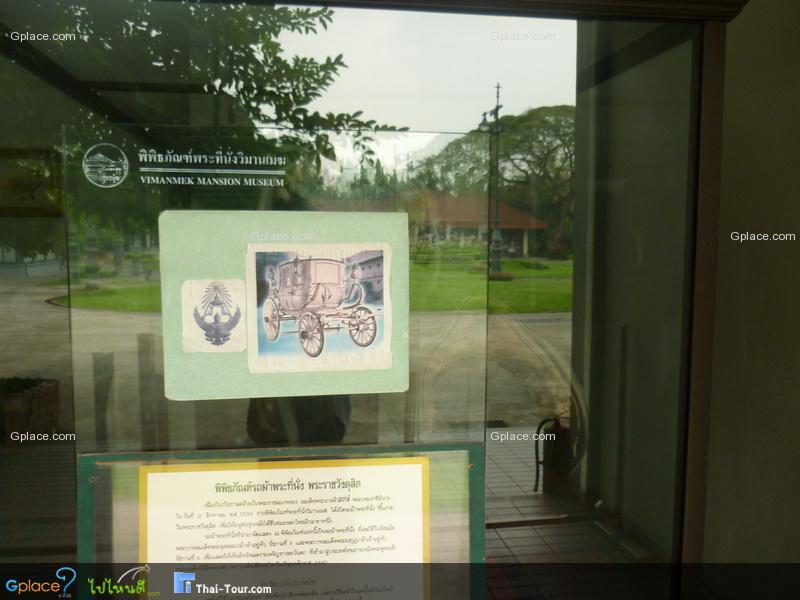

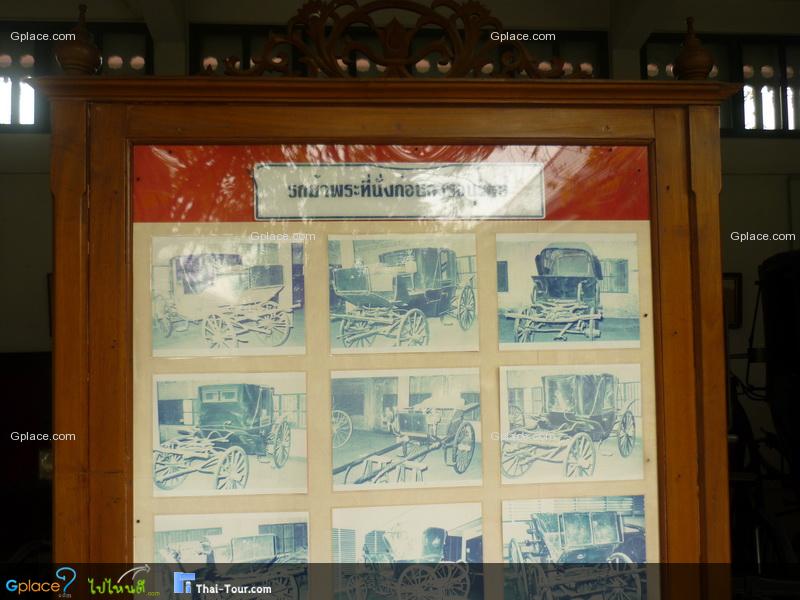
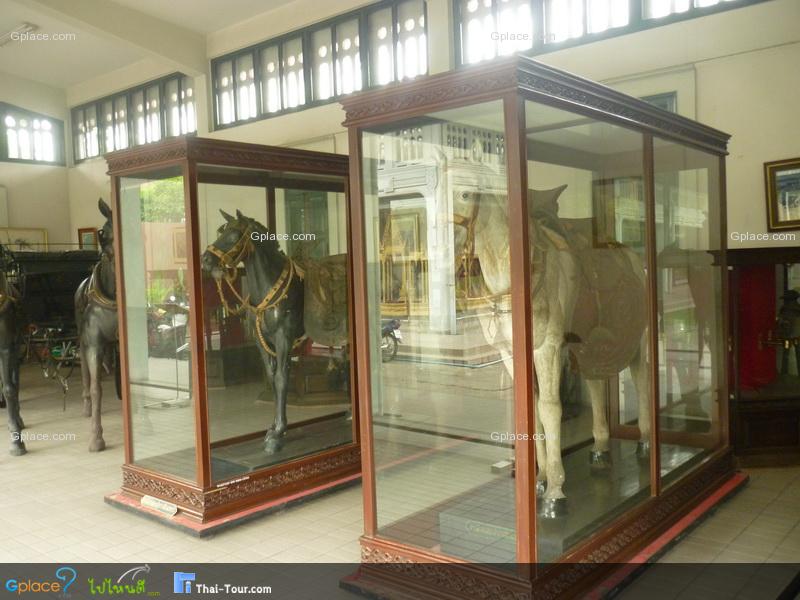
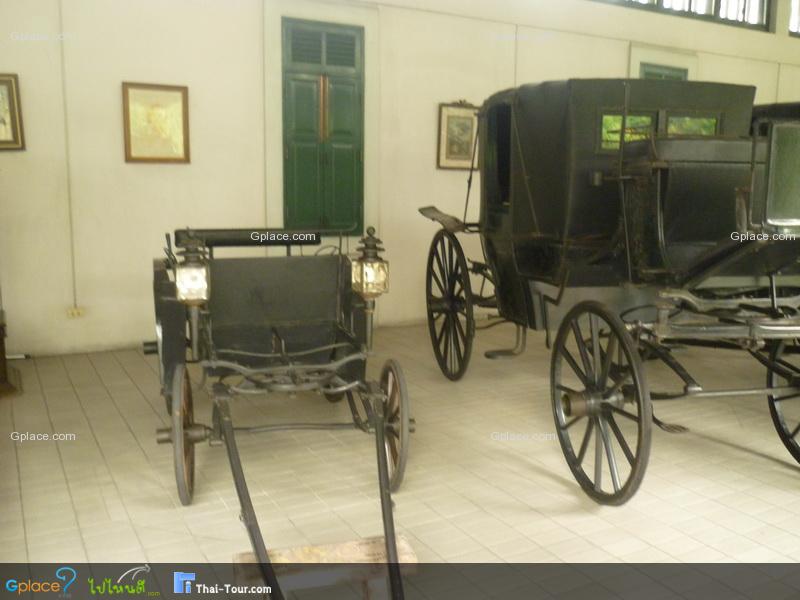
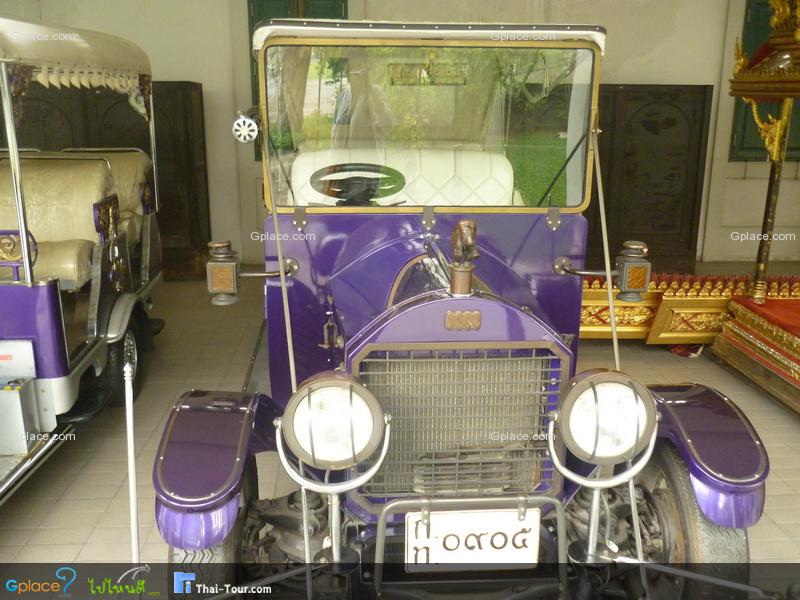
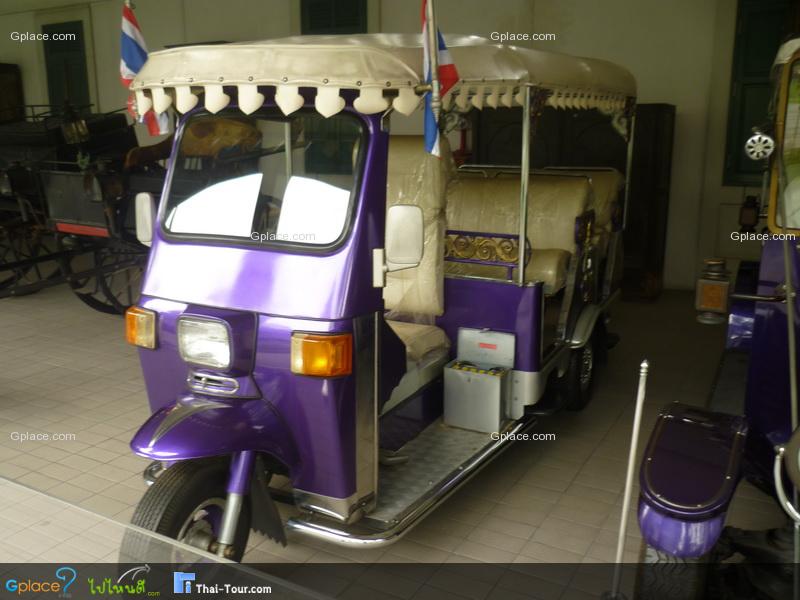
“Marvel at the exquisite craftsmanship of century-old royal carriages commissioned from top firms in England and Germany, used during major state ceremonies in the reign of King Rama V.”
The Royal Carriage Museum houses a precious collection of horse-drawn carriages commissioned from abroad by King Chulalongkorn (Rama V). These served as the primary royal transport for his travels and for welcoming foreign dignitaries during the early stages of Thailand's modern infrastructure development. This museum gathers various types of carriages of great historical significance, particularly during the era when Ratchadamnoen Avenue first expanded as the city's main thoroughfare.
The highlight of this museum is the premium European craftsmanship showcased in each vehicle. Every carriage was built using advanced techniques of the time, featuring luxurious carvings, leather upholstery, and paintwork that remains remarkably polished. Additionally, the royal emblems and intricate patterns reflect the refined taste and international relations during the Victorian and Edwardian eras, a period when Siam was making its mark as a civilized nation.
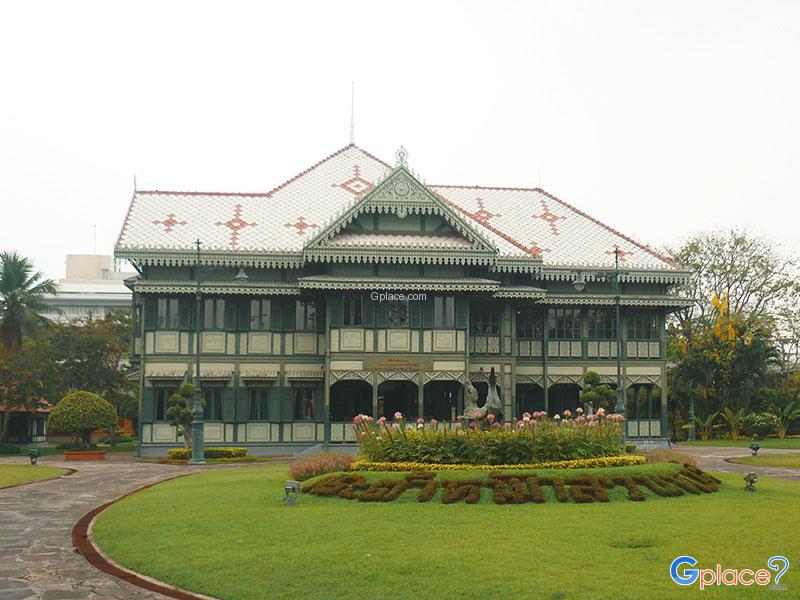
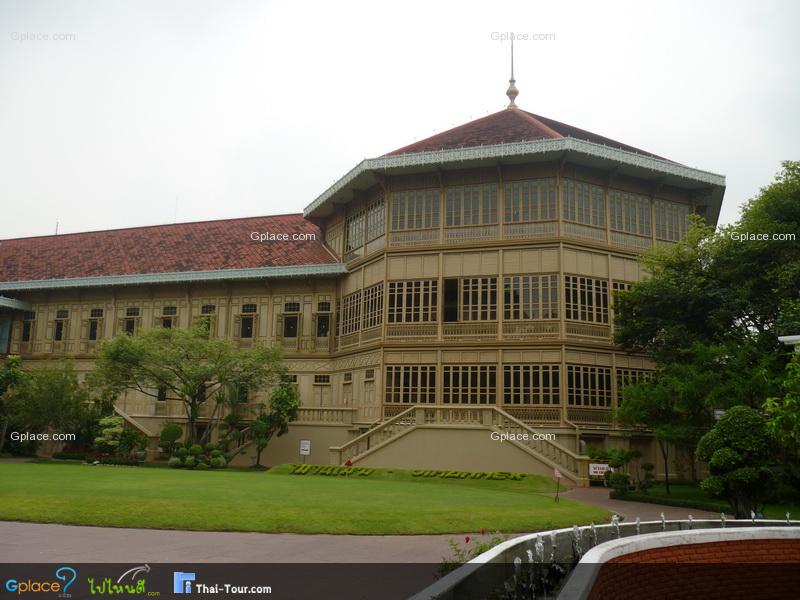
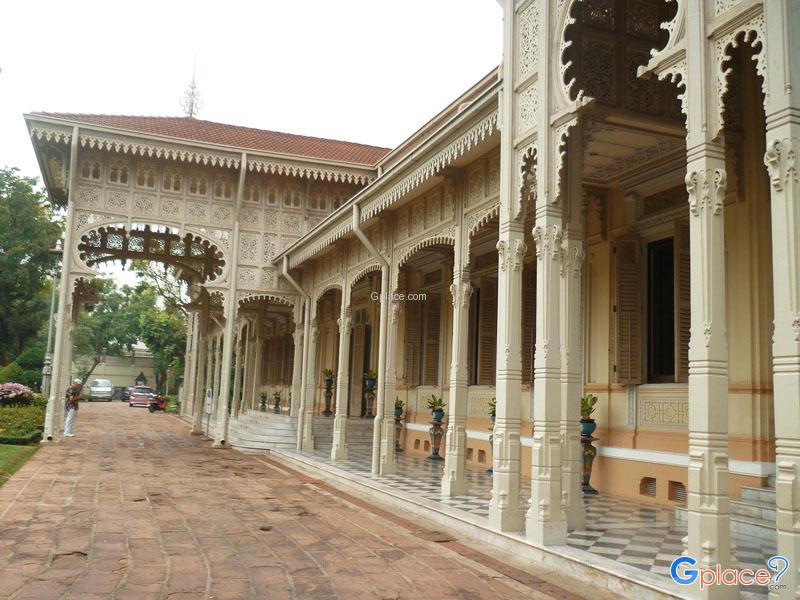
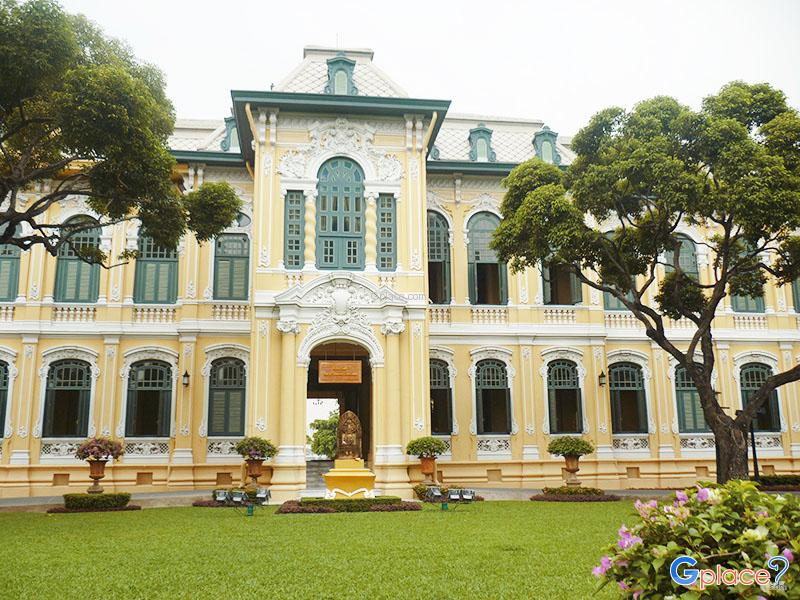
The atmosphere inside the museum feels like stepping back in time to the ancient royal court, characterized by solemnity and grace. The exhibits allow visitors to witness the evolution of vehicle design before they were eventually replaced by motorcars. Set within a historic wooden building with a cool interior, observing the delicate details of the wheels and carriage lamps becomes a delightful and deeply informative historical experience.
For enthusiasts of design and engineering history, this site is a treasure trove of technical details that are rare to find today. Whether it is the complex suspension systems or the seating arrangements designed for hierarchical comfort, students and artists alike often find inspiration in the classic shapes and materials used. These carriages were the prototypes of luxury during the pioneering days of road travel.
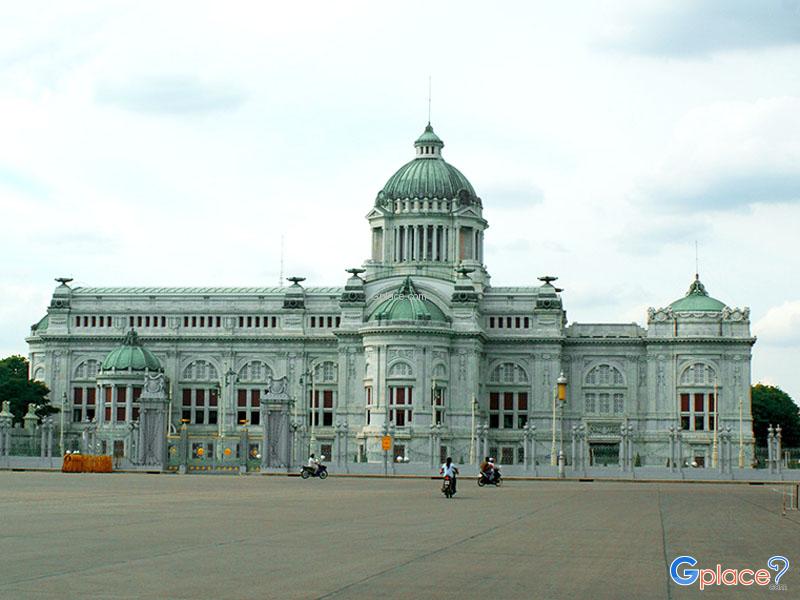
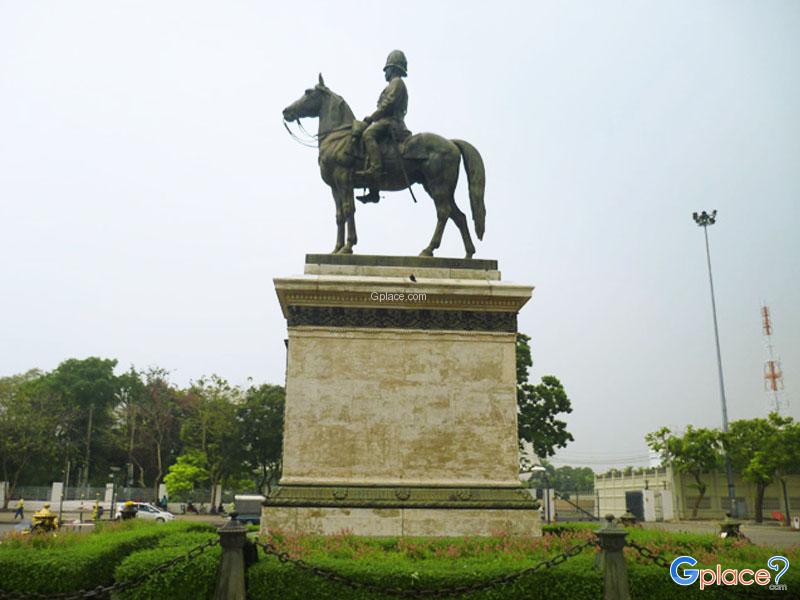
A visit to the Royal Carriage Museum completes the historical narrative of the Dusit district. It serves as a vital link between the Equestrian Statue and the nearby Ananta Samakhom Throne Hall, providing a clear understanding of Siam’s lifestyle and transition into the modern era through the very vehicles that traveled across a century of Thai history.
How to Get There
Public Bus:
- Routes 70, 72, 503; get off at the Royal Plaza or Dusit District stop.
Private Car:
- Parking is available in designated central parking areas in the Dusit district.
Chao Phraya Express Boat:
- Disembark at Thewet Pier, then take a taxi or Tuk-Tuk to the museum grounds.
Travel Tips
Best Visiting Seasons:
- Recommended between 10:00 - 12:00 to avoid the midday heat and enjoy the best lighting.
Footwear/Dress Code:
- Formal attire is required; no shorts, ripped jeans, or flip-flops as it is a royal precinct.
Photography:
- Photography is allowed only in designated areas; please check signs regarding flash usage.
Local Culture:
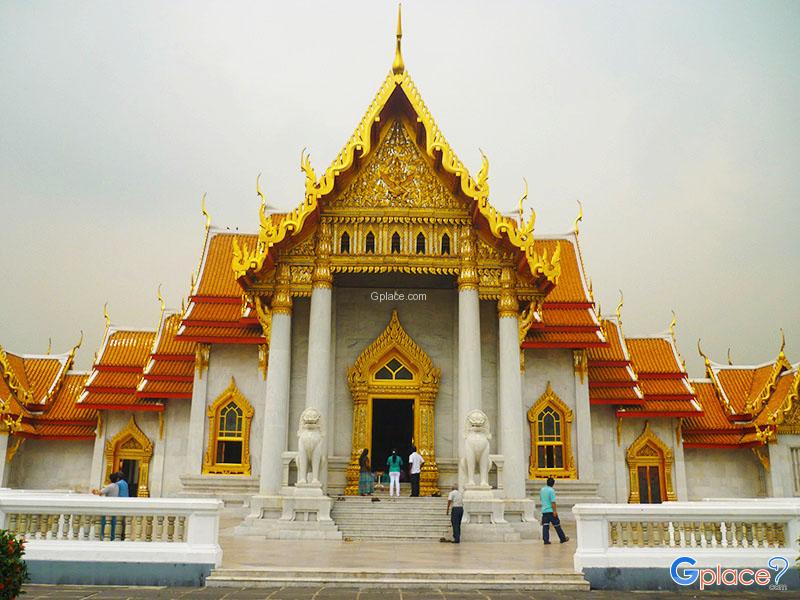
- This visit can easily be combined with the Ananta Samakhom Throne Hall and the Marble Temple.
Travel Planning:
- Carry your ID card or passport for entry into significant official and royal sites.
Admission Fee
-
Local visitors: Adult 20 THB, Child 10 THB (approx.)
-
Foreign visitors: Adult 100 THB
Opening Hours
-
09:30 - 15:30
-
Closed on Mondays and Public Holidays
The Royal Carriage Museum

 Share
Share
 The Royal Carriage Museum, Dusit Palace Grounds, Dusit, Dusit, Bangkok, Thailand
Map
The Royal Carriage Museum, Dusit Palace Grounds, Dusit, Dusit, Bangkok, Thailand
Map
 Open now : 9.30 - 15.30
Mon9.30 - 15.30
Tue9.30 - 15.30
Wed9.30 - 15.30
Thu9.30 - 15.30
Fri9.30 - 15.30
Sat9.30 - 15.30
Sun9.30 - 15.30



 3802
3802